
Review · USA HISTORY TOURS
Beaufort: Gullah Heritage Tour
The most meaningful part of this Beaufort tour is its focus on Gullah-Geechee culture, not just old buildings and pretty roads. Over three hours, you travel through Lady’s Island, St. Helena, Hunting Island, and other parts of Beaufort County while learning how African American communities shaped the Sea Islands.
I like the small group, limited to 10 people, and the chance to hear stories and songs from guides such as Inda and Dean. I also like that the tour visits the site of one of the first schools for freed slaves and the ruins of island churches. The main drawback is that much of the tour takes place from the vehicle, and rainy weather can limit your time outside.
Key points
- Gullah-Geechee culture takes center stage: Learn about local traditions, stories, songs, and community life rather than seeing Beaufort only through its colonial and plantation past.
- The tour covers several Sea Island areas: Lady’s Island, St. Helena, Hunting Island, and other Beaufort County locations are included in the three-hour route.
- Historic church ruins add a strong sense of place: These weathered remains connect the area’s religious life with generations of island families.
- The freedmen’s school site matters: You visit a National Historic Landmark linked to education for formerly enslaved people.
- Small groups make questions easier: With no more than 10 participants, you have a better chance to hear the guide and ask about details along the way.
- The ride is comfortable but not fully active: Air conditioning helps in South Carolina’s heat, though people with mobility impairments may find the tour unsuitable.
Why the Gullah-Geechee story matters in Beaufort
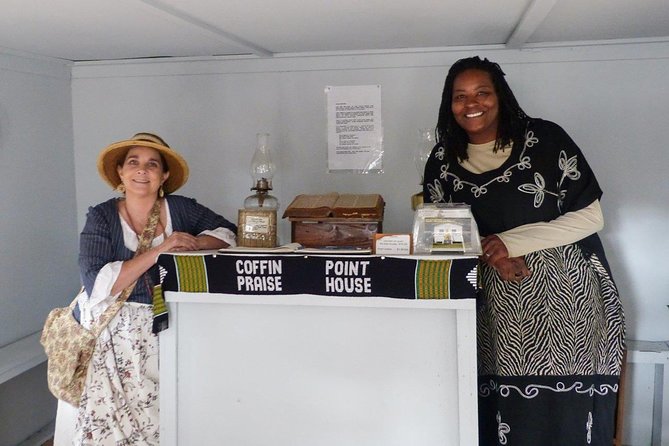
Beaufort County is more than a collection of handsome historic homes and coastal views. It is part of the Gullah-Geechee Cultural Heritage Corridor, a broad coastal region where African American communities preserved language, foodways, music, crafts, faith traditions, and family connections over many generations.
This tour gives those traditions a central place. You are not simply passing a church ruin or plantation house and hearing a date. Your guide explains how these places fit into the lives of the people who lived, worshiped, worked, and raised families here.
That approach makes the tour especially useful if you have already seen Beaufort’s historic downtown. A city tour can explain architecture and the port. This outing takes you beyond the center and into the islands, where the story becomes more personal and community based.
The Gullah-Geechee experience is also best understood through spoken storytelling. The guides use songs, anecdotes, and local context to make the past easier to grasp. Inda has led the tour with humor and a relaxed manner, while Dean has been praised for making less obvious details along the route easier to notice. Your assigned guide may be different, but the experience depends heavily on the guide’s ability to connect the places with their meaning.
More History Tours in the USA:
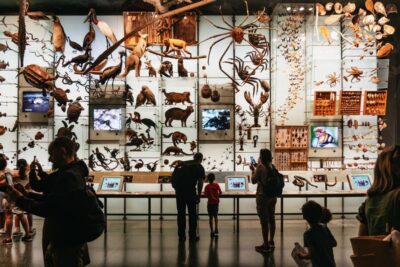
- New York City: American Museum of Natural History Ticket
★ 4.5 · 15,447 reviews - History and Hauntings of Salem Guided Walking Tour
★ 5.0 · 14,564 reviews - Charleston’s Old South Carriage Historic Horse & Carriage Tour
★ 5.0 · 10,023 reviews
Meeting at Bay Street and settling into the vehicle
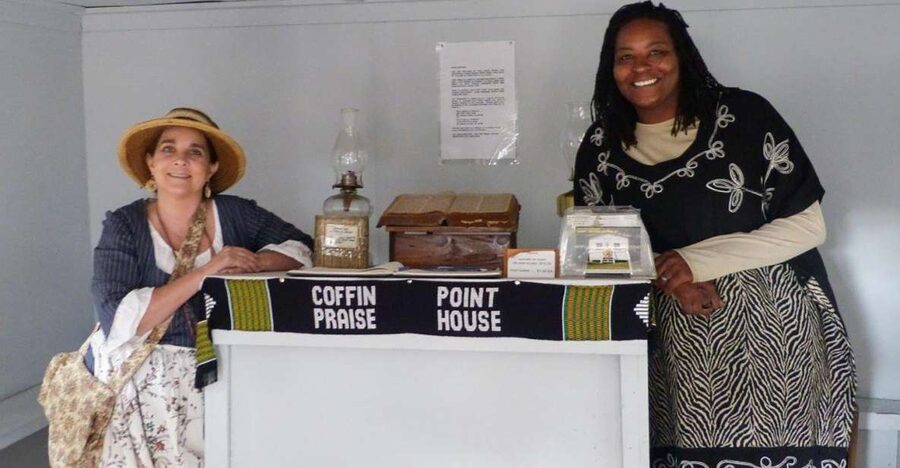
You meet at 930 Bay St. in Beaufort. Look for the red, white, and blue rocking chairs in front of the building. That landmark is more useful than a street address alone, especially if you are walking around downtown and want to find the departure point without fuss.
The tour lasts three hours and uses a comfortable, climate-controlled vehicle. That matters here. South Carolina heat, humidity, and sudden rain can make an open vehicle tiring, so the air conditioning gives you a steady place to listen and look out at the scenery.
The group size is limited to 10 people. I consider that a real advantage for a history tour. A large coach can make a guide’s voice hard to hear and questions awkward. A small group usually gives the guide more room to adjust the pace and respond to what interests you.
Still, you should set the right expectation. This is not a three-hour walking tour with long stops at every location. Some sights are viewed from the vehicle, including a historic plantation house. Bring comfortable shoes for the places where you do get out, but do not book this activity expecting a strenuous hike or a full museum visit.
Lady’s Island and the first stretch beyond Beaufort
Lady’s Island helps move the story away from the familiar streets of Beaufort and into the surrounding Sea Island communities. As you travel through the area, your guide provides the local context that a self-guided drive would miss.
The value here is not one single monument. It is the connection between roads, waterways, churches, homes, and community landmarks. A guide can point out details you might otherwise pass without noticing, then explain how they relate to Gullah-Geechee life.
The route also gives you a broader sense of Beaufort County. Instead of treating the area as one historic town, you see it as a network of islands and communities with different stories. That makes the tour a good companion to a downtown Beaufort visit.
Because the precise timing at each stop is not fixed in the tour information, you should expect the guide to manage the route according to conditions and the group. You may have short opportunities to look around, but this is primarily a guided overview rather than a long stop at every site.
St. Helena Island and the freedmen’s school site
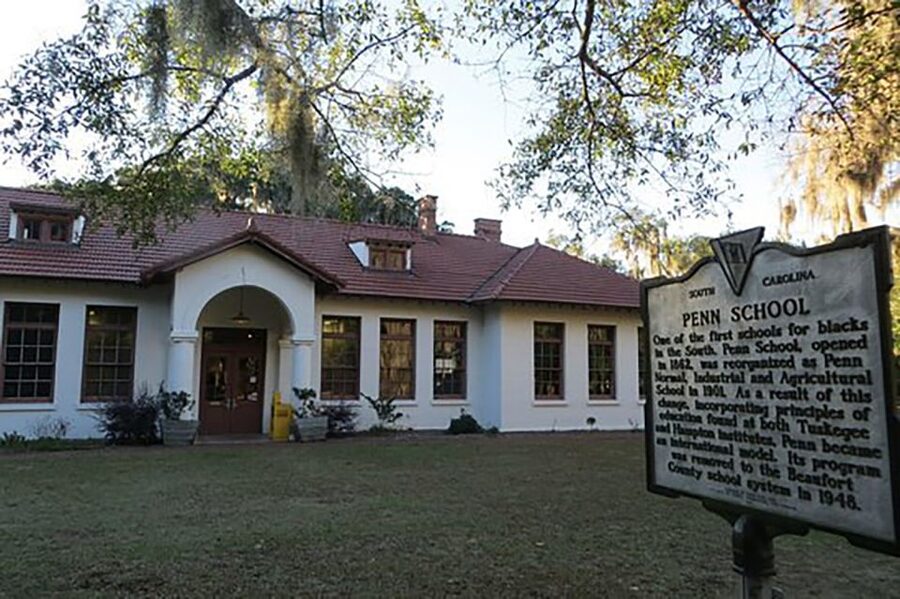
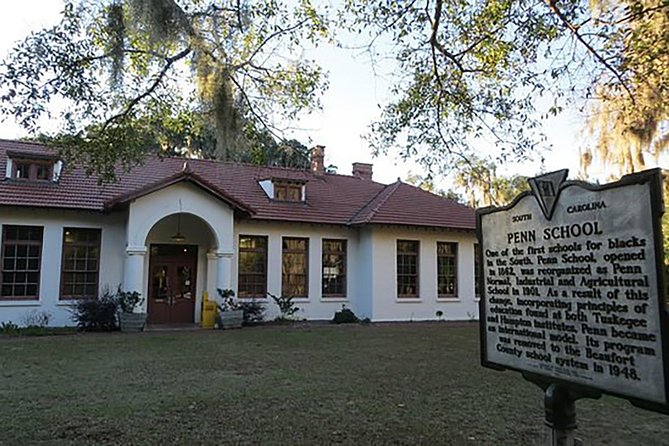
The St. Helena portion is the historical heart of the experience for many people. The tour visits the site of one of the country’s first schools for freed slaves, a National Historic Landmark and a major local point of interest.
This site represents a crucial shift in the lives of people who had been denied formal education under slavery. After emancipation, education became tied to independence, work, family opportunity, and political participation. Seeing the site in person gives that history a physical setting rather than leaving it as a paragraph in a book.
The information provided for the tour does not promise entry into every building or museum associated with the site. In fact, one practical criticism has been that going inside the Penn Center museum would have added more to the experience. You should therefore think of this outing as a guided visit to the area and historic site, not a guaranteed museum tour.
That distinction matters if you want extensive exhibits or indoor interpretation. If your main goal is to understand why the site matters and hear the guide explain its place in local history, the stop remains valuable. If you want a longer museum visit, you may need to arrange that separately.
Same streets, a different century:
- Beneath The Streets Underground History Tour
★ 4.5 · 8,006 reviews - Big Island in a Day: Volcanoes Waterfalls Sightseeing and History
★ 5.0 · 6,569 reviews - Boston: Freedom Trail History Small Group Walking Tour
★ 5.0 · 6,450 reviews - Historic Charleston Guided Sightseeing Walking Tour
★ 5.0 · 6,216 reviews
Church ruins, songs, and the human side of history
The island church ruins give the tour some of its most memorable physical sights. Weathered remains can be easy to treat as photo stops, but the guide’s storytelling helps explain why these churches mattered to the people around them.
Churches were places of worship, but they also served as gathering points for families and communities. Their ruins suggest age and loss, while the stories and songs help restore some sense of the people connected to them.
This is where the tour’s format works well. You can look at the remains while listening to an explanation of the local past. The songs add a human voice to the history, which is more affecting than a list of construction dates or architectural terms.
The condition of the day can shape this part of the experience. On a rainy outing, you may spend less time outside than planned. One visitor described the tour as informative and charming despite poor weather, but also noted that the rain prevented the full experience. I would choose a dry day if your schedule allows, though the vehicle keeps the tour possible in less-than-perfect conditions.
Hunting Island and the wider Sea Islands setting
Hunting Island adds another part of the Sea Islands to the route. The tour information does not promise a long beach stop or a specific outdoor activity there, so keep your expectations practical. You are seeing the area as part of a wider historical route, not booking a separate nature excursion.
That wider route is useful because Gullah-Geechee culture cannot be separated from the islands themselves. The water, distance between communities, and coastal setting all shaped how families lived and maintained traditions. Moving through several locations lets you see that the culture belongs to a region, not to one isolated landmark.
You may also notice that the tour balances scenic travel with historical interpretation. The vehicle keeps you comfortable and lets you cover more ground than a walking tour. The tradeoff is that you have less freedom to linger, photograph, or explore each place on your own.
The plantation house and the limits of a drive-by view
A historic plantation house is included in the route, viewed from the air-conditioned vehicle. This can be a useful part of the tour because it places plantation history within the same regional story as the freedmen’s school, churches, and island communities.
The important point is the framing. A plantation house should not be treated as an isolated architectural curiosity. Its presence connects to the labor systems, wealth, and racial history that shaped the Sea Islands. A strong guide can help you understand those connections while also giving attention to the lives of the people who worked and lived around such properties.
The limitation is clear: you may not go inside or walk the grounds. If you want a formal plantation-house visit, this tour alone may not meet that goal. Here, the house is one element in a larger story about Beaufort County.
Guides who make or break the experience
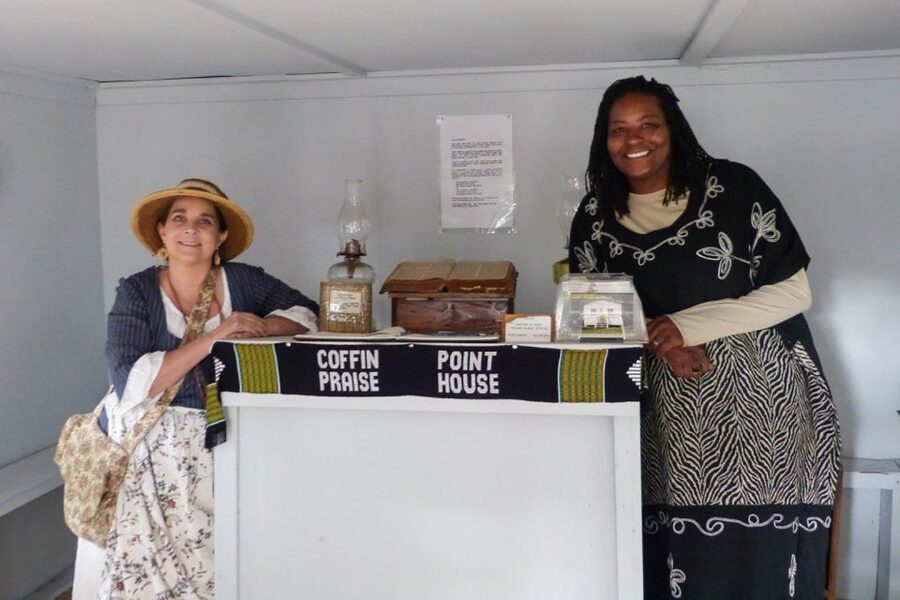
This is a guide-led history tour, so the person in front matters. Inda has been described as informative, witty, relaxed, and easy to relate to. She has also been praised for answering questions and explaining both Gullah culture and the area’s earlier colonial history.
Dean has also led the tour, with a presentation style that made people curious to learn more. Karen has guided other Kelly Tours experiences and has been praised for giving clear, detailed explanations. Heather has worked as a driver alongside a guide, and the teamwork between driver and guide has been noticed as a plus.
You should not assume that a particular person will lead your departure. Guides and drivers vary by date. The useful takeaway is that this tour has benefited from guides who treat the subject as more than a script and who can make local details understandable.
One sound-related issue is worth noting. From the back of the vehicle, a microphone may be helpful, and one person found it difficult to hear the guide without one. If hearing every word is important to you, try to sit near the front and ask at the start if you have trouble following the narration.
Is $52 a fair price for three hours?
At $52 per person, the tour is priced in the reasonable range for a three-hour guided outing, especially with transportation and a small group. You are paying for local interpretation as much as for the ride. The strongest value comes from having someone explain the cultural meaning of places that can be easy to miss on your own.
The price makes more sense if you want a structured introduction to Gullah-Geechee history and do not have time to research the islands independently. It also works well for a first visit to Beaufort, since the route covers several areas in one outing.
The value is weaker if you mainly want to enter museums, spend long periods at one church, or explore outdoors at your own pace. Food and drinks are not included, so plan those separately. The tour’s focus is information and transport, not a full-day package.
A useful way to judge it is this: if you would otherwise drive around Beaufort County without knowing what you were seeing, $52 buys context, access to a knowledgeable local guide, and a manageable route. If you already have a detailed plan for the Penn Center and other historic sites, you may prefer to spend your money on admission and independent time.
Who should book this Beaufort tour?
I would recommend it to you if you want to understand the African American history of the Sea Islands in a short amount of time. It is particularly suited to adults, families with older children, history-minded visitors, and anyone who prefers listening to local stories over reading plaques.
It also fits well after a Beaufort city tour. One experience focuses more on the town, while this one carries you into Lady’s Island, St. Helena, Hunting Island, and nearby areas.
You should reconsider if you have a mobility impairment, since the activity is not considered suitable for people with mobility impairments. You may also want another option if you need guaranteed museum entry, extensive walking, or a fully outdoor experience.
The English-language format is straightforward, and the small group keeps the outing personal. Bring comfortable shoes, dress for changing coastal weather, and remember that rain can reduce the time spent outside.
Should you book it?
Book this tour if you want a thoughtful introduction to Gullah-Geechee culture, freedmen’s education, island churches, and Beaufort County’s wider history. The best parts are the guide’s storytelling, the songs, the small group, and the chance to see places that sit beyond downtown.
Skip it if your priority is a long museum visit or independent exploration. For most visitors interested in the real stories behind the Sea Islands, however, three hours and $52 provide a useful, human-scale introduction.
FAQ
How long is the Beaufort Gullah Heritage Tour?
The tour lasts three hours.
Where does the tour meet?
Meet at 930 Bay St., Beaufort, South Carolina 29902. Look for the red, white, and blue rocking chairs in front of the building.
What places does the tour visit?
The route includes areas of Lady’s Island, St. Helena, Hunting Island, and other parts of Beaufort County. It also includes the site of one of the first schools for freed slaves, island church ruins, and a historic plantation house viewed from the vehicle.
Is the tour conducted in English?
Yes. The live guide speaks English, and English is the listed tour language.
How many people are in each group?
The group is limited to 10 participants.
Is food included?
No. Food and drinks are not included.
Can I cancel for a refund?
Yes. You can cancel up to 24 hours in advance for a full refund. You can also reserve now and pay later.
Newest history tours we have reviewed in the USA
- Nashville: Belle Meade Historic Mansion Tour★ 4.8 · 63 reviews
- Beaufort: Local History and Film Sites Tour by golf cart★ 4.9 · 102 reviews
- Boston: Guided Seafood Tasting and History Tour★ 4.9 · 90 reviews
- Beaufort: Historic City Tour by Bus★ 4.9 · 228 reviews
- Austin: Downtown Austin Haunted History Tour★ 4.4 · 31 reviews
- Austin: Morning History Walking Tour of Downtown Austin★ 4.9 · 71 reviews
- Atlanta: Beltline Food, Street Art, and History Walking Tour★ 5.0 · 47 reviews
- Atlanta: Black History & Civil Rights City Bus Tour★ 4.9 · 151 reviews
USA History Tours, compared.
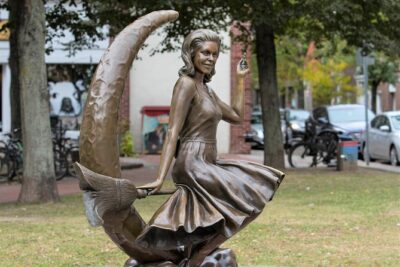
History and Hauntings of Salem Guided Walking Tour
Read our review →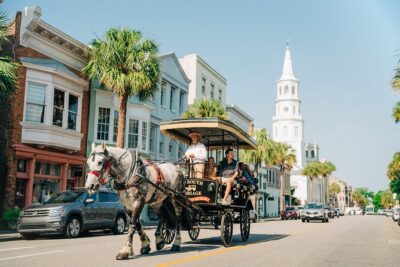
Charleston’s Old South Carriage Historic Horse & Carriage Tour
Read our review →
Big Island in a Day: Volcanoes Waterfalls Sightseeing and History
Read our review →
Freedom Trail History Small Group Walking Tour
Read our review →
Historic Charleston Guided Sightseeing Walking Tour
Read our review →
Charleston Horse-Drawn Carriage Tour: Explore Historic Charleston
Read our review →Browse the lists this tour appears in