
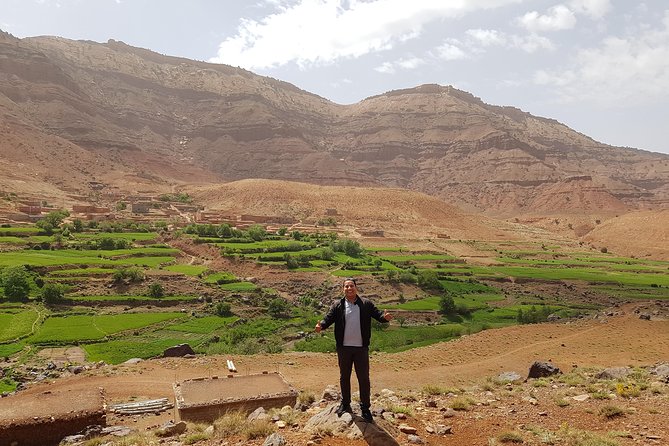
Review · MARRAKECH HISTORY TOURS
Atlas Mountains – Ancient Ait Ben Haddou Day Tour from Marrakech
A red-earth fortress, high mountain roads, Berber villages, and the dramatic Ounila Valley make this one of Marrakech’s most rewarding long day trips. The star is Ait Ben Haddou, a UNESCO-listed ksar of mud-brick homes and towers that looks especially striking from the road across the valley.
I like the small maximum of eight people, which gives your guide room to answer questions and stop for photos. I also like that breakfast, lunch, water, entry fees, and mint tea with a local Berber family are included, so the $172.63 price covers far more than transport.
The catch is the length. You leave at 7 a.m. and spend many hours on winding mountain roads, with the full outing lasting about 10 to 12 hours. Some visitors found time at Ait Ben Haddou a little tight because of the many stops and the long drive back.
Key points to know before booking
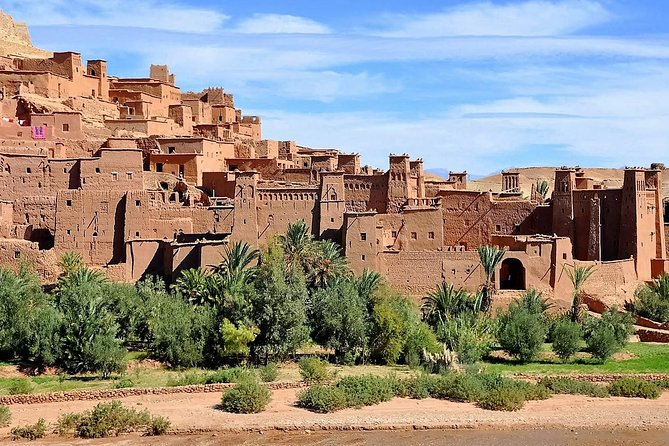
- Tizi n’Tichka reaches 2,260 meters, with striking views and a 15-minute photo stop at the pass.
- Ait Ben Haddou includes a guided walk, entry fees, and a visit to a local Berber family home for tea and snacks.
- The group is limited to eight people, though some departures may be smaller or even private.
- Meals are included, including a Moroccan breakfast, Berber tagine lunch, fruit, drinks, and bottled water.
- The Ounila Valley is part of the return, adding old kasbahs, villages, and changing colors to the day.
- Guides vary by departure, with Mohammed, Abdul, Anas, Ismael, and Abdulrahman among the guides praised for friendly service, safe driving, and strong local explanations.
Why this is more than a long drive from Marrakech
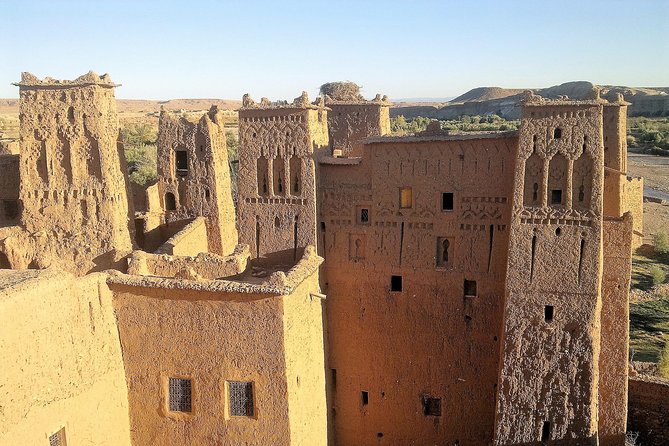
Many day trips from Marrakech promise the Atlas Mountains but give you little more than a roadside viewpoint and a quick meal. This one has a stronger sense of place. You cross a major mountain pass, enter a centuries-old fortified settlement, share tea in a local home, and return through a valley lined with kasbahs and Berber villages.
The route also gives you a useful look at how quickly Morocco changes outside Marrakech. The ocher city gives way to dry hills, rocky slopes, cultivated valleys, and red-brown village walls. The colors shift constantly, which is why the photo stops matter.
Your guide is both driver and host for much of the day. Mohammed is especially often praised for his friendly manner, careful driving, and knack for finding good viewpoints. Other guides named in the feedback include Abdul, Anas, Ismael, Abdulrahman, and ElAlaoui. The exact person depends on the departure, but the experience clearly relies heavily on the guide’s personality and local knowledge.
This is not a quick attraction visit. It is a full day spent moving through southern Morocco, with the drive itself forming much of the experience.
More Ancient History Tours in Morocco
- Full-Day Tour to Essaouira – The Ancient Mogador City from Marrakech
★ 5.0 · 127 reviews - Fez: Walking Tour in the Ancient City of Fez
★ 4.8 · 73 reviews - Walking Tangier Tour from ancient Kasba to Bustling Souks
★ 5.0 · 70 reviews
The 7 a.m. pickup and first mountain views
Pickup is offered from your Marrakech hotel or riad, and the stated start time is 7 a.m. That early departure helps you make the most of the long route. It also means you should be ready before breakfast, rather than expecting a relaxed start in the city.
Transport is provided in an air-conditioned minivan or SUV. The vehicle is shared with no more than eight people on the standard small-group option. Some departures have been much smaller, and private tours are also available, according to the experiences described.
Breakfast is included and typically consists of coffee, milk, mint tea, eggs or an omelet, olives, olive oil, and local bread. This is practical as well as pleasant. You get food early in the day without needing to arrange a separate stop, and the meal introduces familiar Moroccan table staples before the main sights begin.
As the road rises into the High Atlas, the scenery becomes the main event. Your guide makes stops for photographs and explains what you are seeing. The most useful guides do not simply point at a mountain and name it. They add context about village life, local produce, geology, and the Berber communities along the route.
The road is winding, and the journey can feel long if you are not comfortable with mountain driving. The positive side is that careful drivers such as Mohammed and Anas have been singled out for taking the bends slowly and responsibly. You should still expect a substantial amount of time in the vehicle.
Tizi n’Tichka at 2,260 meters
The route crosses Tizi n’Tichka, one of the highest paved mountain passes in North Africa. The tour gives you about 15 minutes at the pass, enough to stretch your legs and take photographs of the high Atlas scenery.
At 2,260 meters, the pass is much cooler than Marrakech can be, especially during an early start or in winter. Bring an extra layer even if the city feels warm. The stop is brief, so think of it as a scenic viewpoint rather than a hike.
The road itself offers more than the official pass stop. Guides familiar with the route can point out useful photo locations along the way, and several guides have been praised for stopping when the views are especially good. If photography matters to you, tell your guide early. A small group makes this sort of request easier than it would be on a large coach.
The mountain crossing also explains the tour’s timing. You are not taking a direct highway to Ait Ben Haddou. You are crossing a high range, stopping at viewpoints, and visiting places along the route. That is why the day can stretch to 12 hours.
Entering Ait Ben Haddou, Morocco’s famous fortified ksar
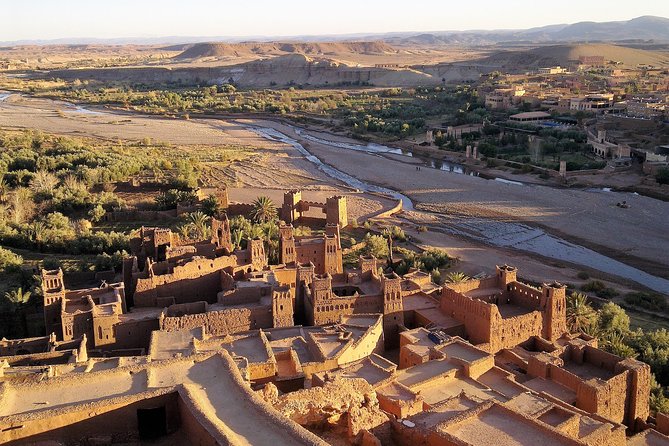
Ait Ben Haddou is the central reason to book this outing. The settlement is a fortified ksar, built from earthen materials and grouped around narrow lanes, towers, and traditional homes. Its warm color and position against the surrounding hills make it one of southern Morocco’s most memorable sights.
The visit lasts about two hours and includes a guided walking tour. Expect to walk through the old settlement rather than simply photograph it from a distance. There are climbs and uneven surfaces, so sensible shoes will help. The tour information says most people can participate, but anyone who dislikes slopes or rough walking should keep the physical side in mind.
A local guide takes you through the ksar and explains Moroccan history and heritage. Radia is one guide specifically praised for patient explanations and for allowing time to stop for photographs. A local guide can also add details that a driver-guide may not have time to cover during the road journey.
One useful feature is the visit to a Berber family home. You receive fresh mint tea and snacks, and your main guide can translate when needed. This is a small but important difference from a quick sightseeing stop. You are not only looking at old walls. You get a glimpse of how hospitality and conversation fit into local life.
Still, do not expect an open-ended visit. The tour has to cover the mountain crossing, lunch, the ksar, and the Ounila Valley before returning to Marrakech. One practical suggestion is to tell your guide if Ait Ben Haddou is your top priority. Some schedules may feel rushed if lunch and extra stops take longer than planned.
Same streets, a different century:
- Marrakech: Saadian Tombs & Bahia Palace, Medina Guided Tour
★ 4.6 · 1,989 reviews - Marrakech Historical and Cultural Tour – Half Day City Tour
★ 4.5 · 1,180 reviews - Fez: Guided Walking Tour of the Historic Medina
★ 5.0 · 359 reviews - Historical Marrakech Walking Tour
★ 5.0 · 198 reviews
Lunch with a view of the old village
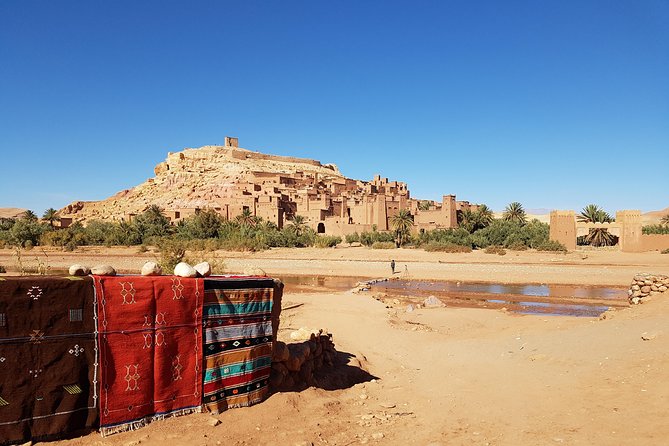
Lunch is included and normally features salad, Berber tagine, and fruit. Drinks include bottled mineral water and orange juice, with vegetarian, vegan, and gluten-free choices available.
The meal is served around views of Ait Ben Haddou, often on a shaded terrace. That setting adds real value. You can eat a traditional dish while looking back toward the settlement instead of stopping at an anonymous roadside café.
Food quality was repeatedly praised, but you should treat the meal as part of the day rather than a restaurant excursion. The menu is set around Moroccan staples, and the exact timing may depend on the group and the road conditions.
A meal stop can also affect your time inside the ksar. If you want a longer walk or more time for photos, ask how the schedule is shaping up. The small group gives you a better chance to discuss timing with the guide.
The Ounila Valley return route
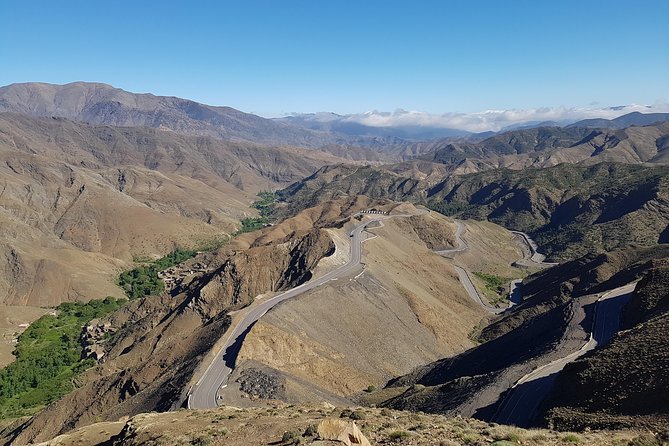
The return through the Ounila Valley is one of the best features of this outing, and it is easy to overlook when planning around Ait Ben Haddou. The valley is known for strong color contrasts, old kasbahs, Berber villages, and changing mountain scenery.
The itinerary allows about two hours for this part of the day, including a trek or scenic route through the valley. The word trek should not make you picture a demanding mountain expedition. The supplied details describe a valley visit with views and village scenery, but they do not set out a precise trail length or difficulty. Ask your guide what walking is planned on your departure.
The valley gives the day a different rhythm. Ait Ben Haddou is a concentrated historic site, while Ounila spreads the experience across villages, rock, cultivated areas, and old buildings. You see more of the countryside and get a better sense of the region beyond the headline attraction.
The downside is fatigue. After an early start, a long mountain crossing, a guided walk, lunch, and more stops, the return journey can feel tiring. The Ounila route is worth having in the program, but it also helps explain why this is not a light half-day trip.
What the small group changes
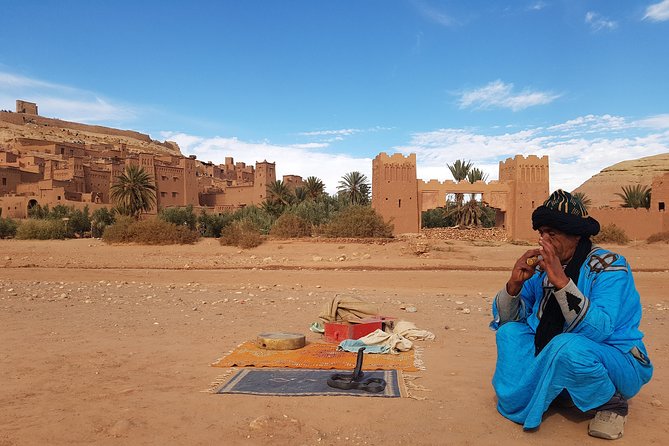
A maximum of eight people is a meaningful advantage. Your guide can hear questions without stopping for a crowd, help with photos, and adjust the pace more easily. If the group is only two to four people, the outing may feel close to a private tour even when booked as a small-group departure.
Guides have been praised for taking pictures at viewpoints, arranging stops, and making the long drive feel more relaxed. That personal help matters in Morocco, where finding the best viewpoint or understanding a village scene is not always obvious from the roadside.
The group size can also make meals and family visits feel less formal. Sharing tea with a local family is more natural with a few people than with a full busload. The experience is still organized, but it has room for conversation.
Do keep in mind that the named guides are not guaranteed. Mohammed receives especially strong praise, but Abdul, Anas, Ismael, Abdulrahman, and ElAlaoui are also named in the supplied information. The company is Morocco Inspiring Tours, and the tour is operated by a multilingual guide.
Is $172.63 a fair price?
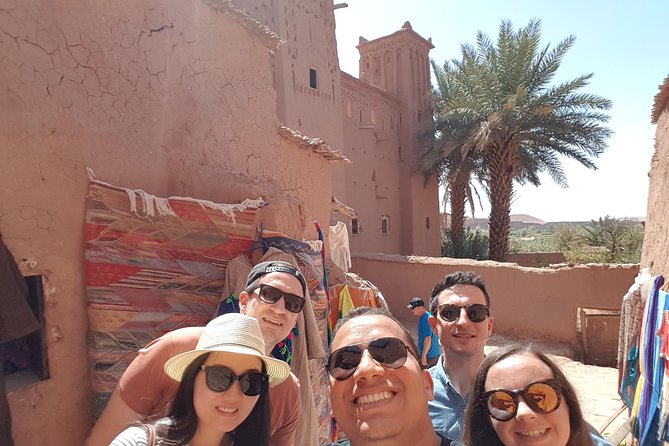
At $172.63 per person, this is not the cheapest way to reach Ait Ben Haddou. The price makes more sense once you count what is included: hotel or riad pickup and drop-off, air-conditioned transport, an English-speaking driver-guide, breakfast, lunch, snacks and tea at a Berber home, bottled water, orange juice, local taxes, fuel, and entrance fees.
You are also paying for a small group rather than a large coach. That can be worth the difference if you care about photo stops, guide access, and a more flexible pace.
The value is strongest for someone who wants one organized day with almost no extra planning. You do not need to arrange transport, compare restaurants, find the entrance, or work out how to combine Ait Ben Haddou with the mountain pass and Ounila Valley.
The value is weaker if you want a slow visit focused only on Ait Ben Haddou. The long route and several included stops mean you cannot control every minute. A private option may suit you better if you want to spend extra time at the ksar or set your own return schedule.
Who should book this day trip?
I would recommend it to first-time visitors who want to see more than Marrakech’s medina and gardens. It suits couples, families, and small groups who prefer a guide and included meals over arranging a rental car or public transport.
It is also a good fit for people who value local contact. The Berber family visit, mint tea, snacks, and explanations about village life add something beyond sightseeing. The strongest guide experiences come from asking questions, so do not be shy about asking about farming, local traditions, the villages, or the history of the route.
Families should find the small group and included food convenient. One review specifically found the experience a good choice for families, with the guide helping at photo stops and keeping the day comfortable.
You should think twice if long drives make you miserable, if winding roads are a major concern, or if you need a leisurely pace. The tour is safe and well organized according to the supplied experiences, but it remains a full day on mountain roads.
Booking is available with free cancellation up to 24 hours before the start time for a full refund. Changes or cancellations inside that window are not accepted, and the cut-off follows local time.
Should you book it?
Book this tour if you want a broad, well-supported day in southern Morocco rather than a quick photo stop at Ait Ben Haddou. The combination of the Atlas crossing, Tizi n’Tichka, the ksar, Berber tea, included meals, and Ounila Valley gives you a fuller picture of the region.
Skip it, or choose a private version, if your main goal is extended time inside Ait Ben Haddou. For everyone else, the $172.63 price is reasonable for a small group, a full day of transport, several guided experiences, and meals already covered. Just pack patience, a camera, and an extra layer for the high pass.
FAQ
How long does the Atlas Mountains and Ait Ben Haddou tour last?
The experience lasts approximately 10 to 12 hours. It begins at 7 a.m. and returns to the Marrakech meeting point at the end of the day.
Is hotel pickup included?
Yes. Pickup and drop-off are offered from your Marrakech hotel or riad. The activity starts and ends in Marrakech.
How large is the tour group?
The small-group tour has a maximum of eight people. Some departures may be smaller, and private tour options are also available.
What meals and drinks are included?
Breakfast includes coffee, milk, mint tea, eggs or an omelet, olives, olive oil, and local bread. Lunch includes salad, Berber tagine, and fruit. Bottled mineral water and orange juice are also included, along with tea and snacks during the Berber family visit.
Is Tizi n’Tichka included?
Yes. The route crosses Tizi n’Tichka at approximately 2,260 meters, with about 15 minutes for photographs at the pass.
Are dietary options available?
Yes. Vegetarian, vegan, and gluten-free options are available. You should state your dietary needs when booking.
Newest history tours we have reviewed in Morocco
- private VIP half journey of Marrakesh : History & Culture.★ 4.5 · 64 reviews
- Private Cultural Tour in Marrakech City★ 5.0 · 77 reviews
- Historical Marrakech Walking Tour★ 5.0 · 198 reviews
- Fez: Guided Walking Tour of the Historic Medina★ 5.0 · 359 reviews
- History and culture with Fes Medina private tour guide★ 5.0 · 56 reviews
- Full-day Historical Meknes Volubilis and Moulay Idriss Tour★ 4.5 · 196 reviews
- Wonderful Day Tour in Fes: A Historical and Cultural Guided Trip★ 5.0 · 53 reviews
- Discover the secrets of the Medina of Fez: guided cultural tour (private)★ 5.0 · 68 reviews
Ancient History Tours, compared.
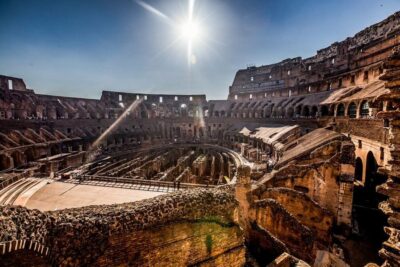
Colosseum: Underground and Ancient Rome Tour
Read our review →
Colosseum & Ancient Rome with Arena Floor Option I Max 6 People
Read our review →
Colosseum, Ancient Rome Tour or AudioGuided Tour
Read our review →
Colosseum Underground & Ancient Rome Guided Tour
Read our review →
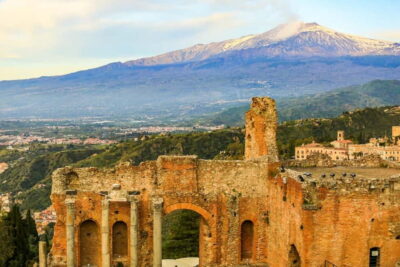
Taormina: Ancient Theater Skip-the-Line Ticket & Audio Guide
Read our review →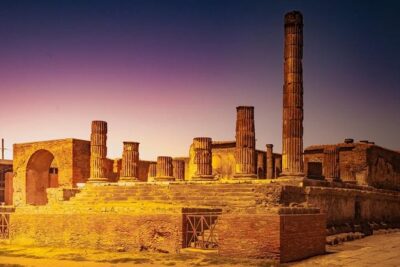
Discover the Ancient Ruins of Pompeii: Day Trip from Rome
Read our review →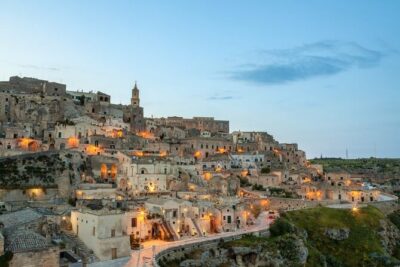
Discover Matera, the ancient city – English tour
Read our review →Browse the lists this tour appears in