Review · ATHENS HISTORY TOURS
Athens: Kotsanas Ancient Greek Technology Museum Guided Tour
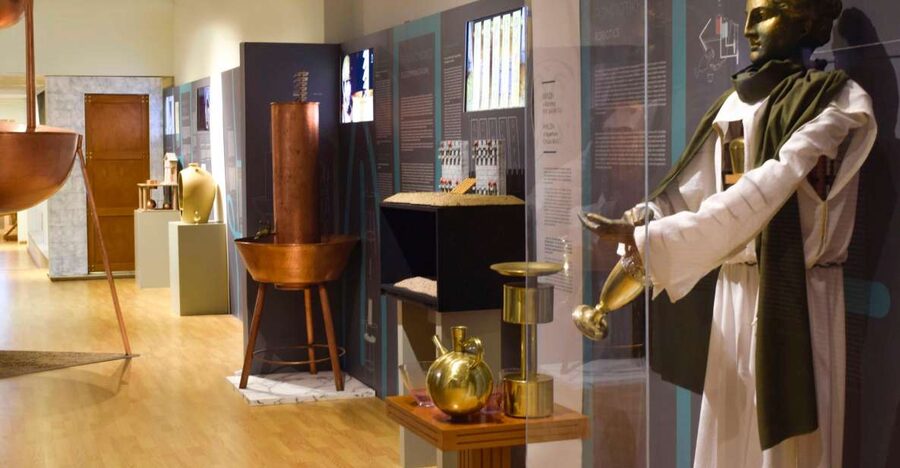
The most surprising thing here is how modern ancient Greek technology can look. At the Kotsanas Museum, you can watch working models of the Antikythera mechanism, early robots, hydraulic clocks, and mechanical theater devices. This is not a room of dusty fragments. It is a hands-on explanation of how these machines may have worked.
I like the private guide and the chance to test many of the exhibits yourself. I also like the museum’s central location, just five minutes from Syntagma Metro Station, which makes this an easy one-hour addition to an Athens sightseeing day. The main consideration is that one hour passes quickly, especially if you want to read every diagram and try every interactive display.
Key points to know before you book
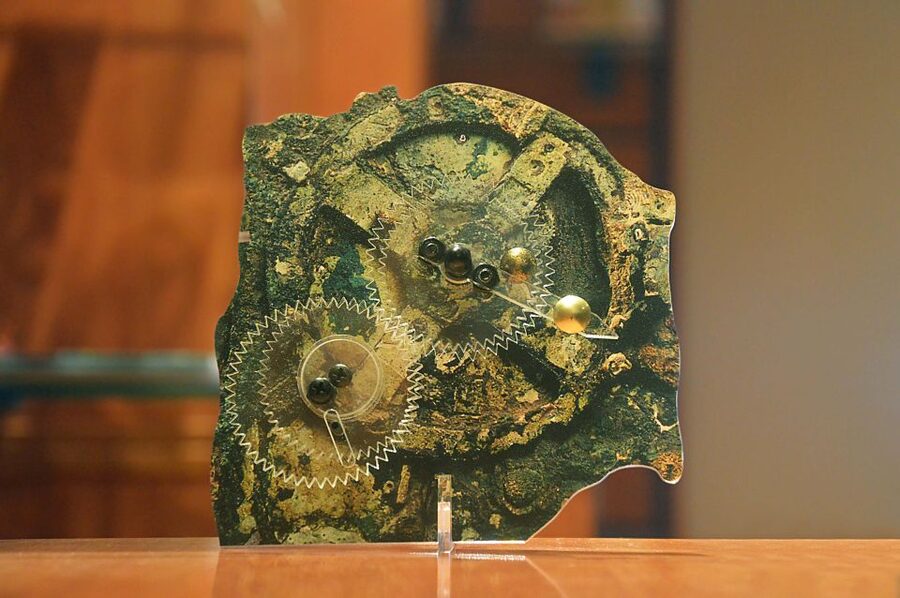
- See an early analog computer: The Antikythera calculating mechanism is one of the museum’s main attractions.
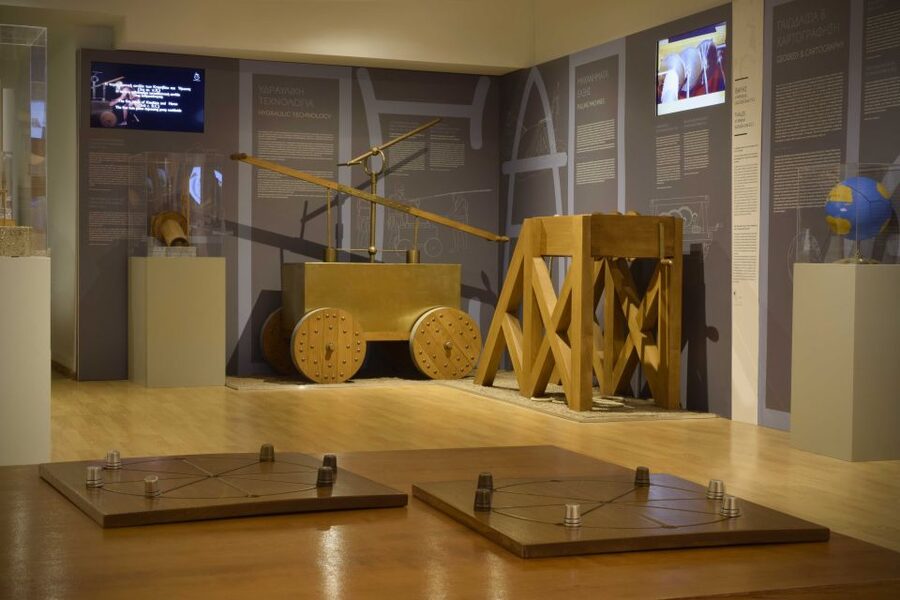
- Expect working models: Exhibits show motion and function, not only ancient objects behind glass.
- Get a private English tour: Your guide may be an engineer, historian, archaeologist, or museologist.
- Look for unusual inventions: Displays include a robot-servant, hydraulic clocks, mechanical theater, and early cinema devices.
- Plan around a central meeting point: The museum is at Pindarou 6, about five minutes on foot from Syntagma Metro Station.
- Allow extra time after the tour: Entry and a one-hour guided visit include free time to continue exploring.
Why ancient Greek technology feels surprisingly familiar
Athens is famous for temples, statues, and archaeological sites. This museum gives you a different view of Greek culture, one built around machines, measurement, automation, and clever problem-solving.
The exhibition focuses on about 100 selected inventions within a wider collection of approximately 300 artifacts. The examples cover practical devices and theatrical machines, from a robot-servant attributed to Philon to the hydraulic clock of Ktesibios and the mechanical performances associated with Heron.
The point is not simply that ancient Greeks made impressive objects. The museum helps you see how they used gears, water pressure, air, weights, pulleys, and carefully controlled movement. That makes the experience useful even if you are not an engineer. You can understand the basic idea by watching the model operate.
The displays also challenge the simple picture of ancient life as low-tech. Greek thinkers worked on timekeeping, automatic movement, astronomical calculation, sound, and visual effects. You may leave thinking less about marble columns and more about the machinery behind the culture.
More Ancient History Tours in Athens
- Athens: Ancient Greek Theater Performance
★ 4.7 · 2,481 reviews - Historical Delphi One Day Tour with Arachova Stop & Expert Guide
★ 4.5 · 1,247 reviews - From Athens: Ancient Corinth Day Trip with Canal & VR Guide
★ 4.6 · 1,073 reviews
Entering the 700-square-meter Art Nouveau museum
The museum occupies a historic Art Nouveau building on Pindarou Street in central Athens. Its total area is about 700 square meters, large enough for a serious collection but still manageable during a short visit.
The location is one of the easiest parts of the experience. From Syntagma Metro Station, you walk for roughly five minutes. That makes the museum practical before or after Parliament Square, the National Garden, Ermou Street, or other central Athens stops.
Once inside, you receive entry to the museum and join a private one-hour guided tour in English. The tour is led by qualified staff, with guides described as experienced engineers, archaeologists, historians, or museologists. The subject can sound technical, but the interactive format keeps it grounded in things you can see and operate.
The museum does not provide hotel transfer, food, or drinks. You should also know that food and drinks are not allowed inside. This is a compact city activity, not a long excursion, so you arrange your own way to Pindarou 6 and meet there.
The first hour: learning through moving parts
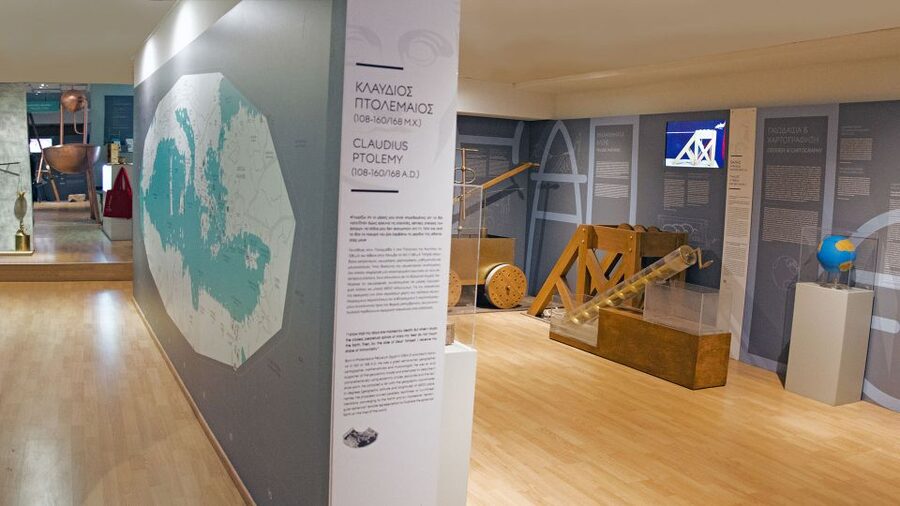
The guide’s role matters here. You could walk through the displays alone and read the labels, but the mechanisms make more sense when someone explains the sequence of movement and points out what to watch.
Expect explanatory labels, large posters, diagrams, photographs, and bibliographical references in Greek and English. Projecting stations use video and animation, while documentaries show how particular mechanisms function and how they may have been used.
The best part is the mix of information and action. Many exhibits are interactive, so you are not limited to looking at a reconstruction. You may be able to turn, press, or operate a model, depending on the specific display and the guide’s presentation.
That format also makes the tour work for families. Children can focus on motion and surprise, while adults can follow the historical and mechanical explanation. The tour is not only for visitors with a technical background. The experience has enough visual material for someone who simply enjoys history and enough detail for someone who wants to understand the engineering.
Guides named in visitor feedback include Vasilis, Irina, and Maria. The exact guide for your booking may differ, but the experience is designed around direct explanation rather than a recorded audio walk.
The Antikythera mechanism and ancient calculation
The Antikythera mechanism is likely to be the exhibit many people want to see first. It is often described as the oldest analog computer in the world, and the museum presents an operating model so you can grasp the mechanism rather than only admire surviving fragments.
The value of a model is clear here. The original archaeological remains are difficult to understand at a glance. A working reconstruction shows how a system of gears could represent cycles and calculations. You get a better sense of why the object is so important: it was not merely decorative, but a carefully designed calculating machine.
The museum also places the Antikythera mechanism within a wider group of inventions. You are not looking at one isolated miracle. You see a pattern of Greek interest in astronomical observation, time, prediction, and mechanical control.
If you want to spend extra time with this display, use the free exploration period after the guided tour. One hour is enough for an introduction, but the labels and diagrams may reward a slower second look.
More Ancient History Tours in Greece
- Acropolis, Parthenon & Athens Old City Heritage Walking Tour
★ 4.5 · 876 reviews - Private Biblical Tour Ancient Corinth & Isthmus Canal from Athens
★ 5.0 · 762 reviews - Athens: Ancient Corinth & Nafplio Full Day Trip with Swim
★ 4.8 · 531 reviews - Athens Skip the Line: Open Air Ancient Greek Theatre Performance
★ 4.5 · 520 reviews
Robots, clocks, and mechanical theater
The exhibition’s strongest appeal comes from its range. It moves from scientific instruments to devices designed to entertain, demonstrate, or create an illusion.
The robot-servant of Philon is a good example of ancient automation. The name may suggest a modern machine, but the key idea is older: a device designed to perform a sequence of actions with limited human intervention. A guided explanation helps you understand the mechanism instead of treating it as a simple novelty.
Heron’s automotive-puppet show brings another kind of machine into view. Here, movement and performance come together. The device suggests how mechanical systems could create a small show, with programmed actions that appear almost theatrical.
The exhibition also includes what is described as the cinema of Philon. The term is modern, but it points to the ancient use of mechanical movement and visual presentation to create an effect for an audience. This is one of the displays that can make the gap between ancient and modern technology feel unexpectedly narrow.
Ktesibios’s hydraulic clock shows a different priority: measuring time with water and controlled movement. It helps explain why water was so important to ancient technology. A steady flow could power or regulate a device, making it possible to mark time without relying on a simple sundial.
Taken together, these exhibits show that ancient technology was not limited to tools for survival. It also served science, public display, theater, and convenience.
How the private format changes the visit
A private group of up to four people is a useful size for this museum. You can ask questions without worrying about holding up a large crowd, and the guide can adjust the explanation to your interests.
If you are visiting with children, you can ask the guide to focus on the machines with visible movement. If you enjoy ancient science, you can spend more time on calculation, clocks, and diagrams. If you are a general history fan, the guide can connect the devices to everyday life and public entertainment.
The private format is also helpful because some mechanisms require a little patience. You may need to watch the sequence more than once before the design becomes clear. A guide can repeat the operation or explain one part at a time.
The one-hour length keeps the activity easy to fit into an Athens itinerary, but it also limits the amount of detail you can receive. This is an introduction, not an all-day technical course. If you read slowly or want to study every poster, use the included free time after the tour.
Is $54 a fair price for up to four people?
The price is $54 per group of up to four people. For a full group, that works out to $13.50 per person, including museum entry and a one-hour private tour. For two people, the individual cost is higher, but you are still paying for a private guide rather than a general admission visit.
The value depends on how you use the format. If you only want to walk through quickly, a private tour may be more than you need. If you want the mechanisms explained and demonstrated, the guide adds real value because the displays are built around function.
Families and small groups get the clearest financial advantage. Four people can share the same fixed group price, and the private format lets the guide speak to children and adults at the same time.
The museum is also easy to add to a day in central Athens. You do not need a separate transfer or a long journey outside the city. That saves both time and transport planning.
Who will enjoy this most?
I would recommend this experience to anyone who likes history with a practical edge. You do not need an engineering background. The moving models, short explanations, diagrams, and videos make the subject approachable.
It is especially suitable for:
- Families looking for an educational activity that is more active than a standard museum visit
- Adults interested in ancient science, machines, astronomy, or mechanical design
- Visitors who have already seen major Athens ruins and want a different side of Greek culture
- Small groups who prefer a private guide and the ability to ask questions
- Anyone with a free hour near Syntagma
The tour may be less suitable if you want a large archaeological collection of original objects or a long, leisurely museum visit. Much of the appeal comes from reconstructions and explanations, not from viewing a large number of untouched ancient artifacts.
The activity is also listed as unsuitable for people with mobility impairments. If mobility is a concern, check the arrangements before booking rather than assuming the museum will meet your needs.
Practical timing and planning advice
The activity lasts one hour, with starting times available according to the booking schedule. The tour ends back at the museum meeting point, so you can continue sightseeing in central Athens afterward.
Build in a little time to find Pindarou 6, even though the museum is close to Syntagma Metro Station. The central location is convenient, but Athens streets can be busy and unfamiliar if you are arriving between other stops.
Do not plan to bring food or drinks into the museum. Since the visit is only an hour, this is easy to manage. You can eat before or after in central Athens, but those costs are not included.
The booking allows free cancellation up to 24 hours in advance for a full refund. You can also reserve now and pay later, which helps if your Athens schedule is still changing.
Should you book the Kotsanas Museum tour?
Book it if you want an hour of clear, hands-on history and you are curious about what Greek inventors built beyond temples and sculpture. The Antikythera mechanism, hydraulic clocks, robot-servant, and mechanical theater devices give the visit a strong sense of variety.
I especially recommend the private option for families and small groups. The fixed price is reasonable for four people, and a guide can turn complicated mechanisms into something you can follow.
Skip it if you are looking only for original archaeological remains, have serious mobility limits, or want enough time to study every display in detail. For most visitors with an open hour near Syntagma, though, this is a smart and unusual addition to an Athens itinerary.
FAQ
Where is the Kotsanas Ancient Greek Technology Museum?
The museum is at Pindarou 6, Athina 106 71, Greece. It is about a five-minute walk from Syntagma Metro Station.
How long does the guided tour last?
The private guided tour lasts one hour. Afterward, you have free time to continue exploring the museum.
What language is the tour in?
The live guided tour is in English. Explanatory material is available in Greek and English.
Is the tour private?
Yes. The activity is for a private group of up to four people.
Who leads the tour?
The guide is qualified staff who may be an experienced engineer, archaeologist, historian, or museologist.
What is included in the price?
The price includes museum entry, the one-hour private guided tour, and free time to explore further.
Are food and drinks included?
No. Food and drinks are not included, and food and drinks are not allowed inside the museum.
Can I cancel the booking?
Yes. You can cancel up to 24 hours in advance for a full refund. You can also reserve now and pay later.
More Museum and Gallery History Tours in Athens
- New York City: American Museum of Natural History Ticket
★ 4.5 · 15,447 reviews - Paris: Louvre Museum Entry with History of Mona Lisa
★ 3.9 · 2,823 reviews - Venice’s Best: Basilica, Doge’s Palace, Gondola & History Gallery
★ 4.5 · 2,478 reviews - American Museum of Natural History Admission Ticket
★ 4.0 · 1,931 reviews
More Museum and Gallery History Tours in Greece
- Ancient Athens tour: Acropolis, Parthenon and Acropolis Museum
★ 5.0 · 256 reviews - Acropolis of Athens, Ancient Agora and the Agora Museum Tour
★ 5.0 · 86 reviews - Ancient Olympia: Archaeological Site and Museum Entry Ticket
★ 4.3 · 555 reviews - Heraklion Highlights: Knossos, Museum & Historic City Drive
★ 5.0 · 64 reviews
Newest history tours we have reviewed in Athens
- Athens: Women in Ancient Greece★ 5.0 · 98 reviews
- Athens: The History of Greek Mythology Private Tour★ 4.7 · 53 reviews
- Athens: Ancient Corinth & Nafplion Guided Premium Tour★ 4.7 · 237 reviews
- Athens: Be an Ancient Sculptor: Craft Your Greek Masterpiece★ 5.0 · 26 reviews
- Athens: Roman Agora & Ancient Agora E-ticket & 2 Audio Tours★ 4.1 · 107 reviews
- Athens: Ancient Greek Theatre Murder Mystery Experience★ 4.8 · 298 reviews
- Athens: Corinth Canal and Ancient Olympia Private Trip★ 4.6 · 21 reviews
- Athens: Acropolis and Ancient Athens Tour★ 4.8 · 18 reviews
Ancient History Tours, compared.
Colosseum: Underground and Ancient Rome Tour
Read our review →
Colosseum & Ancient Rome with Arena Floor Option I Max 6 People
Read our review →
Colosseum, Ancient Rome Tour or AudioGuided Tour
Read our review →
Colosseum Underground & Ancient Rome Guided Tour
Read our review →

Taormina: Ancient Theater Skip-the-Line Ticket & Audio Guide
Read our review →
Discover the Ancient Ruins of Pompeii: Day Trip from Rome
Read our review →