Review · AMSTERDAM HISTORY TOURS
Amsterdam Walking Tour:Anne Frank, History & Liberal Culture
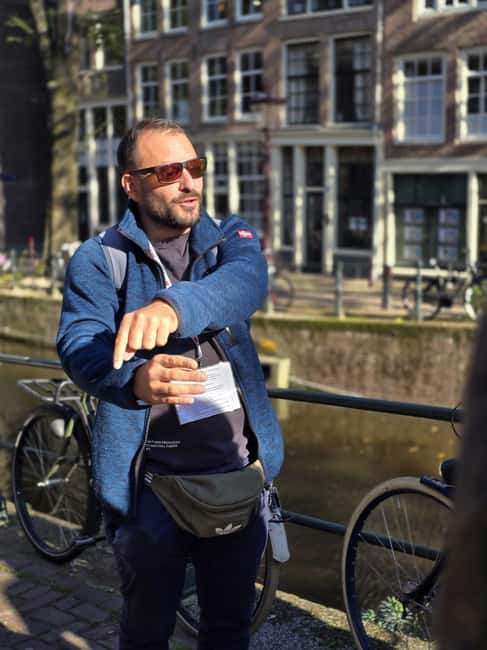
Amsterdam reveals itself best on foot, and this tour takes a thoughtful route through its history, from water management and leaning houses to wartime resistance and the Holocaust. Guide Antonis mixes stories, humor, pictures, books, and even chalk drawings, so the past feels human rather than like a list of dates. The walk finishes with coffee and an optional Anne Frank Secret Annex VR experience.
I like two things in particular: the small-group feel, limited to roughly eight to ten people, and the useful local advice on restaurants and bars. I also like the personal touches, including a Polaroid photo, a stamped postcard with a handwritten message, and a Dutch chocolate or stroopwafel. The main drawback is that three hours on Amsterdam’s streets can be demanding in poor weather, and the tour is not suitable for wheelchair users.
Key points to know before booking
- A personal look at Amsterdam: Antonis connects WWII, water, education, social culture, and daily life instead of treating the city as a series of monuments.
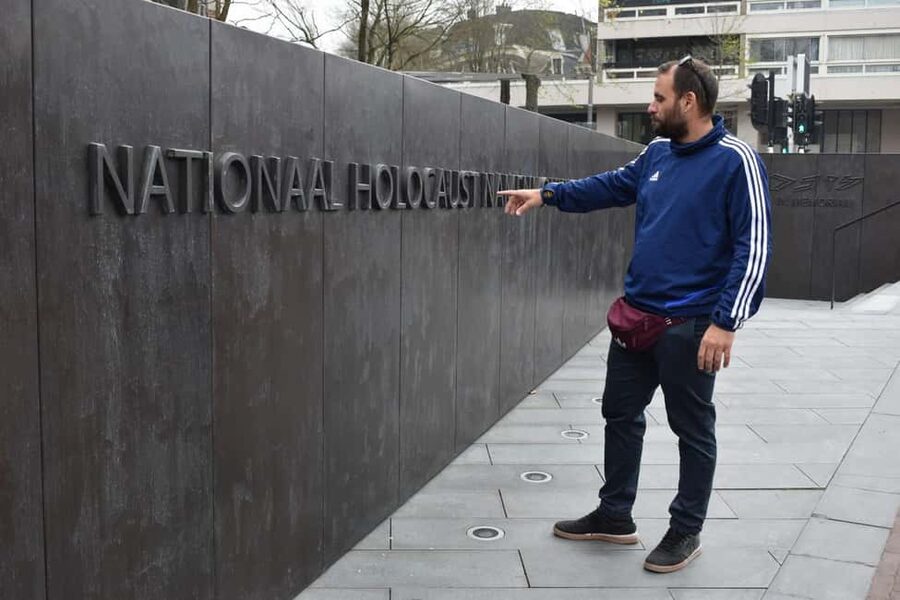
- A useful central route: You walk from Kattengat through major bridges, the Jewish Quarter, the Holocaust Names Monument, Nieuwmarkt, and the Waag.
- Anne Frank without the Anne Frank House ticket: The optional VR session offers a virtual look inside the Secret Annex, but it does not replace an in-person museum visit.
- A relaxed finish: Coffee, conversation, Dutch sweets, and questions follow the two-hour walk.
- Small-group attention: The group is described as small, with capacity details ranging from eight to ten people, so confirm the exact number when booking.
- Good practical extras: You receive local recommendations, a Polaroid, and a personalized Amsterdam postcard.
Amsterdam history told through people, water, and daily life
This is not a standard walk past canals with a few quick dates attached. Antonis builds a story about how Amsterdam works, why its houses look the way they do, and how ordinary people shaped the city during difficult periods.
The tour gives special attention to water management, an essential part of Amsterdam’s identity. Canals are not just pretty backdrops for photographs. They help explain how the city grew, how land was controlled, and why Dutch planning and education matter so much to the country’s progress.
You also hear about leaning houses, houseboat life, and the liberal culture that attracts so much attention. The useful part is the balance. Amsterdam is not reduced to clichés about the Red Light District or cannabis. You get a look at the social choices, pressures, and practical systems behind the city’s open-minded reputation.
Antonis uses more than spoken commentary. The experience includes books, visual material, stories, and chalk drawings. That variety should help if you prefer ideas explained through examples instead of a long lecture.
More History Walking Tours in Amsterdam
- Amsterdam: Haunted History and Ghost Walking Tour
★ 4.5 · 488 reviews - Amsterdam History Walking Tour
★ 5.0 · 281 reviews - Amsterdam: Highlights & History Walking Tour
★ 4.8 · 266 reviews
Starting at Kattengat and Amsterdam Centraal
The meeting point is in front of De Silveren Spiegel at Kattengat 4-6. From there, the walk heads toward Amsterdam Centraal Station, one of the city’s key orientation points.
The station stop is useful early in the tour because it places you in the middle of Amsterdam’s transport network and urban growth. You get time for photographs and a guided explanation before continuing into the older central streets.
The route then pauses at the HIV/AIDS monument. This gives the tour an early connection to Amsterdam’s modern social history and public life. A short safety briefing is also included, which makes sense in a city where cyclists, trams, bridges, and narrow streets all compete for space.
The first part of the walk is not only about famous sights. It sets up the wider theme of Amsterdam as a city shaped by community choices, practical problem-solving, and a willingness to discuss subjects that other places sometimes avoid.
Chocolate, bridges, and Amsterdam’s leaning houses
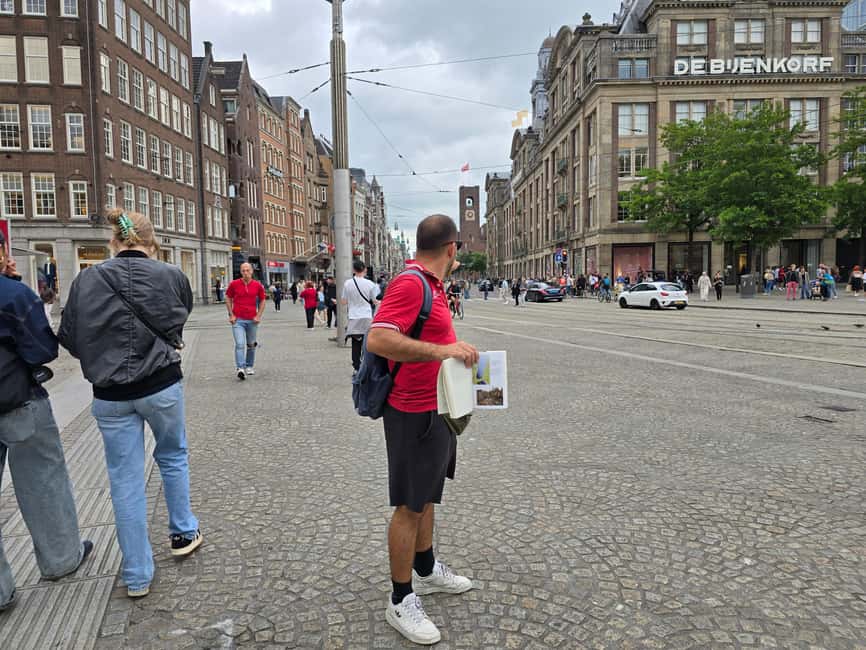
A brief stop at the Tony’s Chocolonely Superstore adds a lighter note to the route. It is mainly a photo and sightseeing stop, but it also fits the tour’s interest in modern Dutch culture and local products.
From there, the bridges become part of the story. The Aluminium Bridge and Staalmeestersbrug offer attractive places for photographs, yet the value is in the explanation around them. You learn how bridges connect Amsterdam’s neighborhoods and why the canal network remains central to the city’s character.
The conversation about leaning houses is one of the more memorable subjects on the walk. Amsterdam’s narrow buildings can appear to tilt in all directions, and the guide explains the mystery behind that familiar sight. You also hear about the charm and practical reality of living on a houseboat.
This part should appeal to you if you like seeing how people adapt to a place rather than simply admiring its architecture. The tour treats the city as a living home, not a museum set.
The Jewish Quarter and Amsterdam during WWII
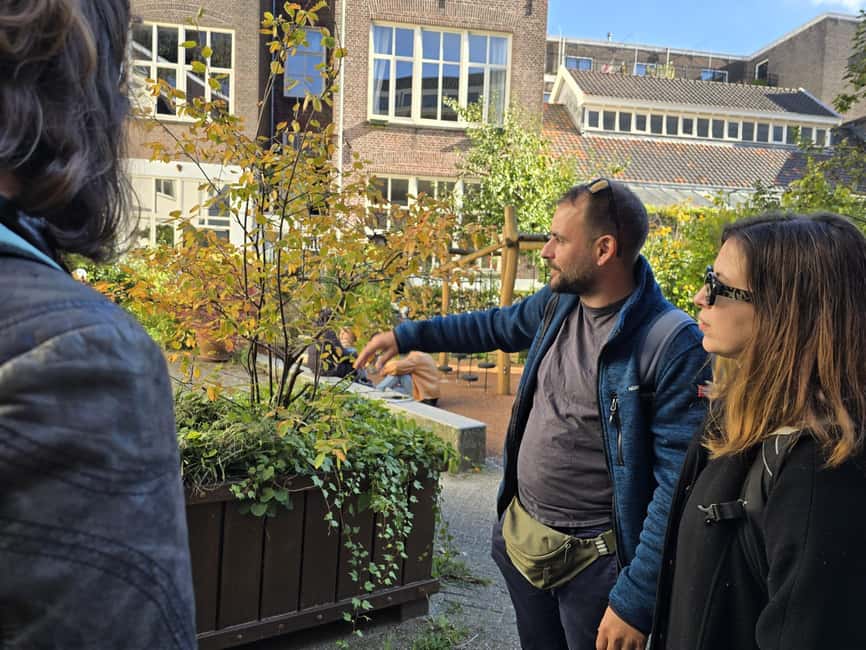
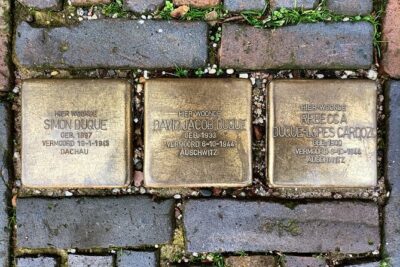
The Jewish Quarter receives a guided stop of around 15 minutes. This is where the tour takes a more serious turn, linking Amsterdam’s streets to the lives disrupted and destroyed during World War II.
The focus includes Anne Frank’s story, wartime resistance, and lesser-known details such as hidden prisons under bridges. The aim is not to turn the subject into a dramatic show. Instead, Antonis uses stories of everyday people and local places to show how history unfolded at street level.
That approach matters. You may already know the broad facts about Anne Frank, but the value here is seeing her story alongside the wider wartime experience of Amsterdam. The city’s liberal identity also becomes more complicated when viewed through occupation, persecution, resistance, and the choices people faced.
The subject matter can be heavy, especially for children or anyone seeking a purely light sightseeing walk. Still, the tour makes room for humor and conversation elsewhere, so the tone is not grim from beginning to end.
More History Walking Tours in the Netherlands
- Anne Frank and Amsterdam Jewish History Walking Tour
★ 5.0 · 259 reviews - Amsterdam: Ghost Walking Tour and Dark History
★ 4.8 · 118 reviews - Amsterdam: Iconic Canals & Historic Sights Walking Tour
★ 4.5 · 90 reviews - Amsterdam: Anna Frank and World War II History Walking Tour
★ 4.8 · 86 reviews
Magere Brug, the Holocaust Names Monument, and quiet reflection
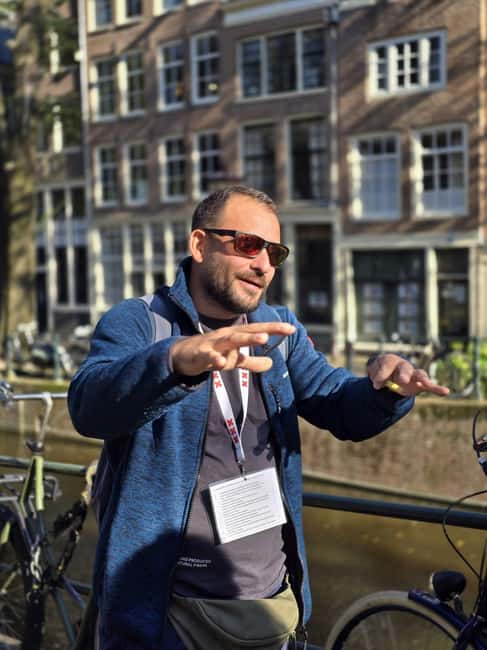
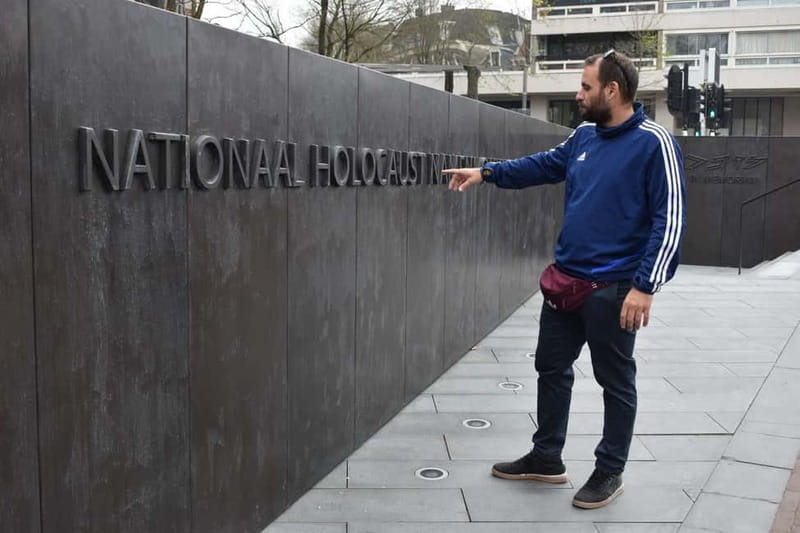
Magere Brug is one of the route’s scenic pauses. You have time for photographs and a short explanation before walking on to the National Holocaust Names Monument.
The monument deserves more than a quick photograph. The guided stop gives you time to reflect on the scale of the Holocaust and the people commemorated there. It is one of the most important parts of the experience, and you should expect the pace to slow.
This is also where the tour’s balance of modern Amsterdam and wartime history works best. The city’s open culture is not presented as a permanent fact. You see it as something shaped by history, conflict, education, public memory, and the way communities choose to live together.
The stop at Blauwbrug Bridge adds another scenic viewpoint and keeps the walk moving after the memorial. The route does not linger at every location for a long time, but the repeated pattern of short walks, explanations, and photo pauses helps keep the three hours manageable.
Zuiderkerk, Nieuwmarkt, and the Waag
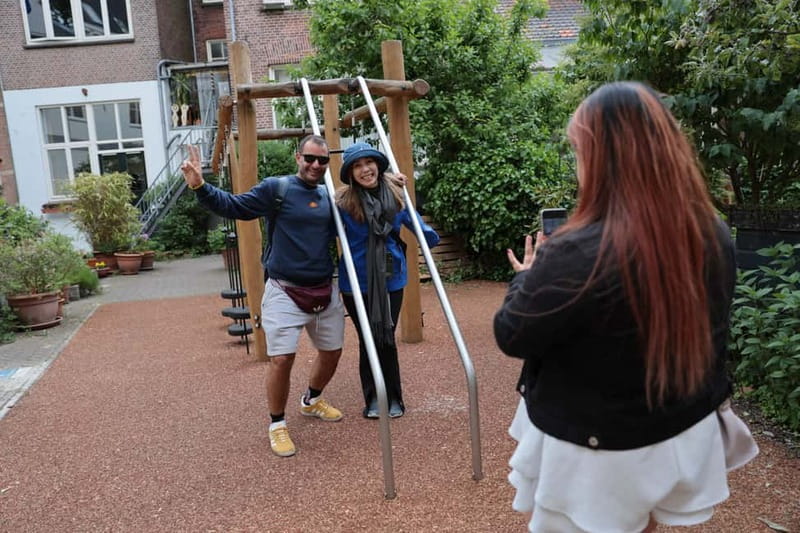
The Zuiderkerk stop brings you back to Amsterdam’s architectural and civic story. It is another chance to photograph the city while hearing how its older buildings fit into the wider development of the center.
At Nieuwmarkt Square, the tour reaches one of Amsterdam’s livelier historic areas. The square connects naturally with the final stop at the Waag, where the walking portion ends.
This section is useful for getting your bearings after the tour. You are close to restaurants, bars, canals, and other central sights, and Antonis provides a list of recommendations for continuing your evening. Several people who joined the experience especially valued the food and drink suggestions, so keep your questions ready if you want help choosing where to eat.
The walking route lasts about two hours. It is described as relaxed, with regular stops and time for photographs. You still need comfortable shoes, though. Amsterdam’s center is easy to explore on foot, but two hours of pavement, bridges, and standing can feel long if you are not prepared.
Coffee, Dutch sweets, and Anne Frank in virtual reality
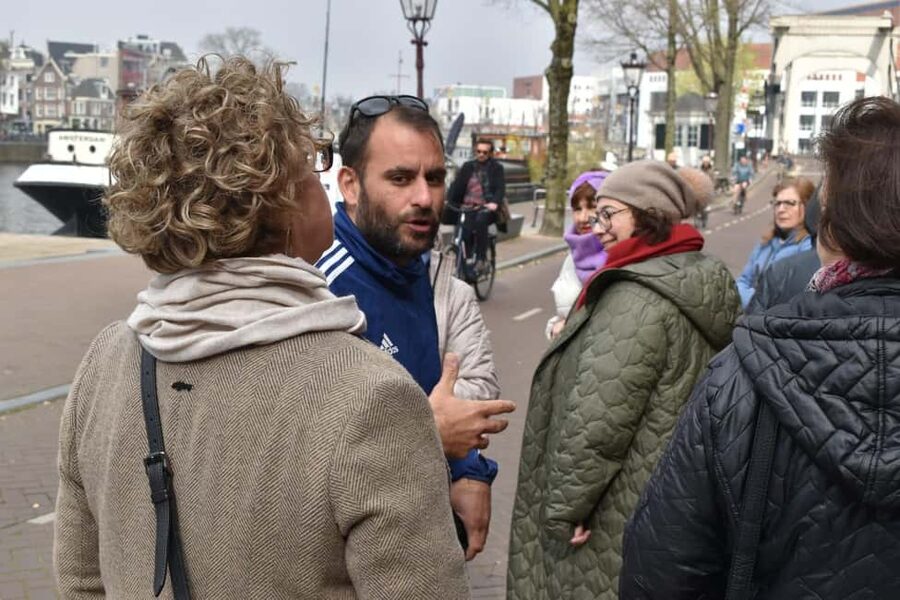
After the walk, the group spends about 45 minutes in a cozy setting with coffee. This is more than a break. It gives you a chance to ask questions, talk through the serious parts of the tour, and get practical advice from Antonis.
A chocolate or stroopwafel is included, adding a small taste of Dutch food without turning the experience into a food tour. Snacks and other drinks are not included, so budget for anything beyond the provided coffee and sweet.
The optional Anne Frank VR experience is the tour’s most unusual feature. Using a VR headset, you can enter a digital version of the Secret Annex and gain a sense of its rooms and confined setting. This can help you picture the space in a way that a street-side explanation cannot.
Still, keep expectations clear. VR is not a substitute for visiting the Anne Frank House, and it does not provide the same physical experience as standing in the actual building. It is best treated as an accessible supplement, especially if you could not obtain museum tickets.
There is one VR setup, so the experience may be taken one person at a time rather than by the whole group simultaneously. It is optional, which is helpful if you prefer conversation or do not enjoy headsets.
The personal touches that add value
At $40 per person, the tour sits in a reasonable range for a three-hour guided walk with a small group and extras. You are paying for more than movement between landmarks. The price includes a local guide, coffee, a sweet, the VR headset, a Polaroid photo, a postcard, and a recommendation list.
The Polaroid is a particularly nice touch. It turns the tour into something you can carry home, and it feels more personal than a standard digital souvenir. The postcard includes a handwritten message and an official stamp, which gives it a little old-fashioned charm.
The group size matters most for the guide’s storytelling. With fewer people, it is easier to ask about Amsterdam’s education system, houseboats, WWII resistance, restaurant choices, or the city’s liberal culture. The supplied details describe the group as limited to ten, while another detail says a maximum of eight, so confirm the exact capacity before paying if group size is important to you.
The tour has a perfect rating from 18 verified bookings, and the praise is consistent around Antonis’s warmth, humor, energy, and ability to explain Amsterdam from historical, social, and cultural angles. The strongest pattern is not simply that he knows facts. It is that he makes those facts easy to remember and keeps the group involved.
Who will get the most from this walk
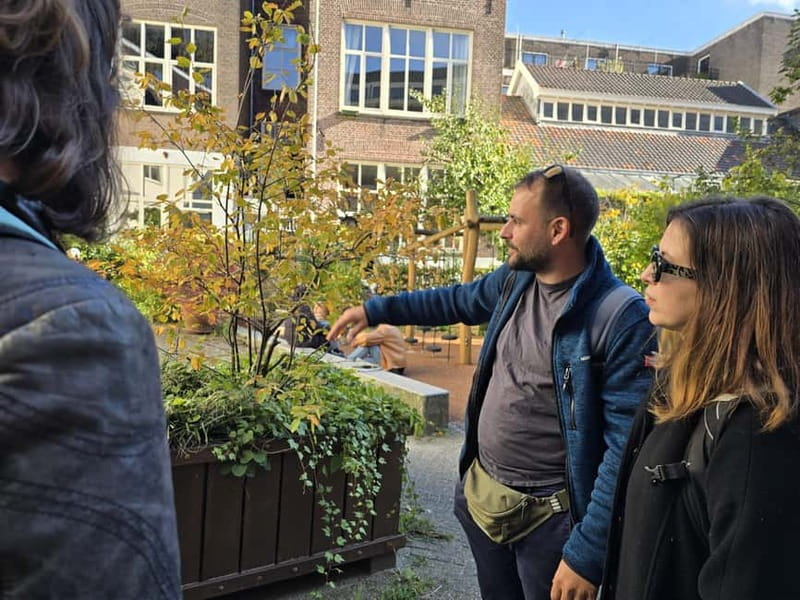
I would choose this tour if you are visiting Amsterdam for the first time and want context before exploring on your own. It also suits repeat visitors who have already seen the main canals and want to notice streets, bridges, stories, and social details they might otherwise miss.
Solo visitors and couples should find the small group easy to join. The tone is friendly and conversational rather than formal, with room for questions and local suggestions.
The experience is less suitable if you want a fast checklist of major sights, a dedicated food tour, or a full visit inside the Anne Frank House. The route includes many photo stops, but its main purpose is interpretation and conversation.
It is also not suitable for wheelchair users. Bring water, weather-appropriate clothing, and comfortable shoes. Amsterdam weather can change quickly, and much of the experience takes place outdoors.
Free cancellation is available up to 24 hours before the tour for a full refund. You can also reserve now and pay later, which helps if your schedule is still shifting.
Should you book the Amsterdam Walking Tour?
Book it if you want Amsterdam explained through its people, choices, and difficult history, not just its postcard views. Antonis’s style suits curious people who enjoy stories, humor, and open discussion, and the route gives you both major landmarks and less obvious details.
The $40 price is fair because it includes a small-group guide, coffee, a Dutch sweet, VR access, local recommendations, and two personal souvenirs. Just remember that the VR session is optional and not the same as visiting the Anne Frank House.
Skip it if you dislike walking, need wheelchair access, or want a light sightseeing tour with little discussion of WWII and the Holocaust. For everyone else, this looks like a thoughtful way to get your bearings, understand Amsterdam’s social character, and leave with better ideas for the rest of your stay.
FAQ
How long does the Amsterdam walking tour last?
The experience lasts three hours. About two hours are spent walking through central Amsterdam, followed by roughly 45 minutes for coffee, conversation, and the optional VR experience.
Where does the tour begin?
The meeting point is in front of De Silveren Spiegel at Kattengat 4-6.
Where does the tour finish?
The walking route finishes at the Waag in Amsterdam.
Which language is the tour conducted in?
The live tour guide speaks English.
Is the Anne Frank House included?
No. The tour includes an optional Anne Frank Secret Annex VR experience, but it does not include entry to the physical Anne Frank House.
Is coffee included?
Yes. Coffee is included after the walking portion of the tour.
What souvenirs are included?
You receive a mini Polaroid photo, an Amsterdam postcard with a personalized handwritten message and official stamp, plus a chocolate or biscuit.
Is the tour suitable for wheelchair users?
No. The experience is listed as not suitable for wheelchair users.
More WWII and D-Day Tours in Amsterdam
- Vienna: World War II Historical Walking Tour
★ 4.8 · 1,772 reviews - Zagreb: City & History Walking Tour & WW2 Tunnels
★ 4.9 · 1,202 reviews - Pearl Harbor History Remembered Tour from Ko Olina
★ 5.0 · 1,009 reviews - Hiroshima Peace (Heiwa) Walking Tour at World Heritage Sites
★ 5.0 · 872 reviews
More WWII and D-Day Tours in the Netherlands
- Anne Frank and the Jewish History of Amsterdam Private Tour
★ 5.0 · 307 reviews - Amsterdam: Private Anne Frank and Jewish History Tour
★ 5.0 · 26 reviews
Newest history tours we have reviewed in Amsterdam
- Amsterdam: Jewish Quarter and History Guided Tour★ 4.7 · 210 reviews
- Skipping Lines & Sipping Beers: A History Tour of Amsterdam★ 5.0 · 22 reviews
- Amsterdam: Iconic Canals & Historic Sights Walking Tour★ 4.5 · 90 reviews
- Amsterdam: Private Pedicab Historical Sightseeing Tour★ 5.0 · 41 reviews
- Amsterdam: Walking Tour of Historic Center★ 4.6 · 24 reviews
- Amsterdam: Luxury Canal Cruise with Historic VR Experience★ 4.7 · 31 reviews
- Amsterdam: Ghost Walking Tour and Dark History★ 4.8 · 118 reviews
- Amsterdam: Historic Boat Cruise with open bar and nibbles★ 4.9 · 31 reviews
WWII & D-Day Tours, compared.
Zagreb: City & History Walking Tour & WW2 Tunnels
Read our review →
Pearl Harbor History Remembered Tour from Ko Olina
Read our review →
Hiroshima Peace (Heiwa) Walking Tour at World Heritage Sites
Read our review →
![Pearl Harbor & USS Arizona Small-Group Tour [Early Access]](https://media.myhistoryguide.com/wp-content/uploads/pearl-harbor-uss-arizona-small-group-tour-early-access-400x267.jpg)
Pearl Harbor & USS Arizona Small-Group Tour [Early Access]
Read our review →
Anne Frank and the Jewish History of Amsterdam Private Tour
Read our review →