
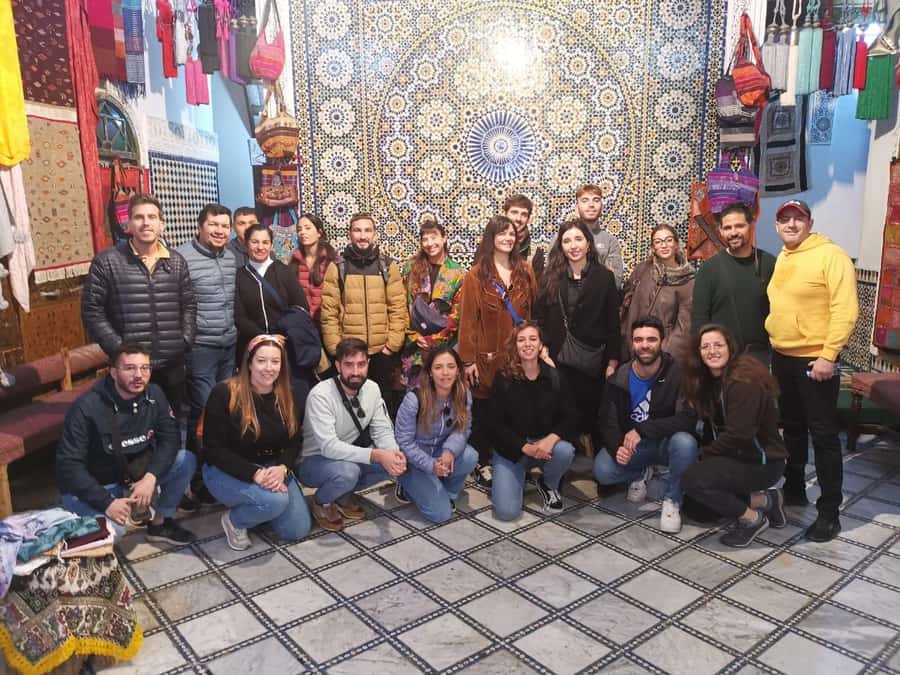
Review · MOROCCO HISTORY TOURS
Fez: Walking Tour in the Ancient City of Fez
Fez is easiest to understand from inside its old medina, where a wrong turn can take you from a grand madrasa to a leather workshop in seconds. This three-hour walk with Mustafa covers the city’s major sights while explaining the stories, crafts, religious buildings, and old quarters behind them.
I especially like the clear historical focus and the practical help with finding your way afterward. I also like that the artisan stops are presented as demonstrations rather than shopping traps. The main consideration is the walking itself: narrow lanes, uneven footing, and a steady flow of people make comfortable closed-toe shoes a must.
Key points at a glance

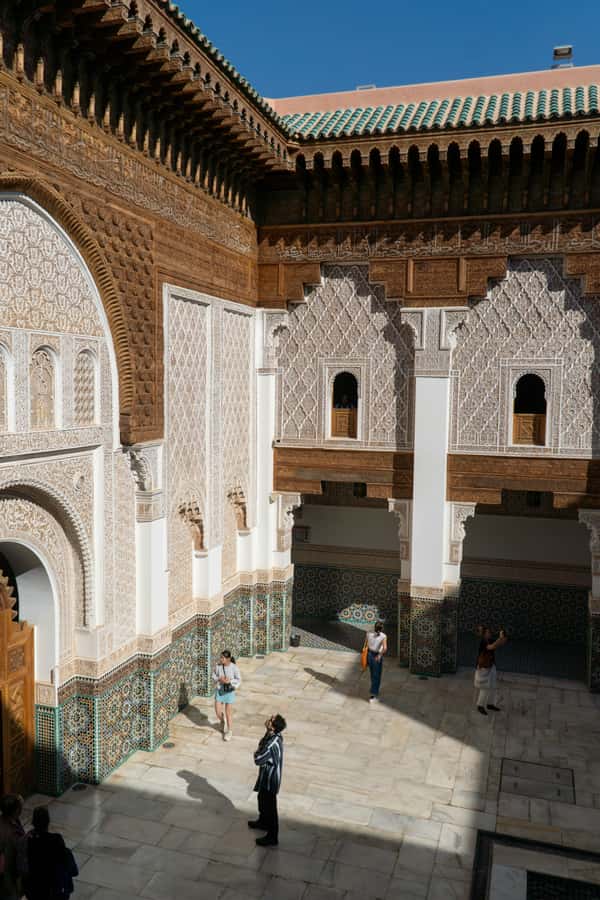
- Bou Inania Madrasa: See one of Fez’s finest examples of carved plaster, tilework, and traditional Moroccan design.
- A useful first-day orientation: Mustafa explains the medina’s quarters, street signs, landmarks, and routes so you can return on your own.
- Leather-making in action: Visit the tanneries and learn how hides are treated and dyed.
- Craft without hard selling: Artisan workshops are part of the route, but buying something is not required.
- A long list of historic stops: The walk includes Al-Attarine Madrasa, Seffarine Square, Moulay Idriss Shrine, Foundouk Nejjarine, and more.
- Good value at $28: You get three hours with a local guide, landmark context, and help navigating a famously confusing old city.
Why a Fez walking tour helps so much
Fez is not a city you grasp from a taxi window. Its old medina is a maze of lanes, covered passages, workshops, courtyards, shrines, schools, and small squares. Even a good map can leave you unsure which turn leads to the next major sight.
That is why this tour works best near the start of your stay. Mustafa gives you a map in your head, not just a list of monuments. He explains street signs, the different quarters, and the landmarks that help you know where you are. After three hours, you should have a much better chance of returning to a favorite area without immediately losing your bearings.
The timing also makes sense. At 10:30 AM, you have much of the day left for lunch, shopping, museums, or a second walk. The route finishes at R’cif Square, giving you a useful place from which to continue exploring, though the exact meeting and drop-off details should be checked when you book.
This is a general group tour, not a private outing. That keeps the price down, but it also means the pace and explanations must work for several people at once. The guide has conducted tours in more than one language, and the available languages are English, Italian, and Spanish.
More Ancient History Tours in Morocco
- Atlas Mountains – Ancient Ait Ben Haddou Day Tour from Marrakech
★ 5.0 · 411 reviews - Full-Day Tour to Essaouira – The Ancient Mogador City from Marrakech
★ 5.0 · 127 reviews - Walking Tangier Tour from ancient Kasba to Bustling Souks
★ 5.0 · 70 reviews
Starting at Batha and entering the old medina
The stated meeting point is the Batha Bus Stop. Since the meeting point can vary by booking option, check your confirmation carefully rather than assuming every departure uses the same place. You will also need to make your own way there because transportation is not part of the tour.
From Batha, the walk moves into the medina of Fez. This is where the experience becomes more than a standard sightseeing circuit. The lanes are narrow, the route can change direction quickly, and many of the most interesting details are above eye level or tucked beside ordinary-looking doorways.
Mustafa’s role is important here. A guide can point out why a quarter developed in a certain way, explain the meaning of a street sign, or connect a working craft to Fez’s older civic life. Without that context, you may see a beautiful doorway or a noisy workshop without knowing why it matters.
The walking is not described as strenuous, but three hours on old streets can be tiring. Wear shoes with good grip, bring water, and dress in layers. Fez can be cold in winter, while warmer weather makes shade and comfortable clothing especially useful.
Bou Inania Madrasa and the art of Moroccan design

Bou Inania Madrasa is one of the tour’s major architectural stops. A madrasa is a school, and this building gives you a direct look at the design language used in historic Moroccan religious and educational buildings.
Expect to pay attention to the details: patterned tilework, carved plaster, wood, and carefully arranged spaces. The value of seeing Bou Inania with Mustafa is not only the building itself. He can explain what you are looking at and place it within the wider development of Fez as a center of learning and craft.
This is a good stop for visitors who enjoy architecture but do not want a lecture filled with dates alone. The building’s surfaces do much of the talking, while the guide helps you notice how the materials and patterns work together.
The route includes several religious sites, so modest clothing is a sensible choice. Cover your shoulders and knees, especially when the walk brings you near shrines, mosques, or other sacred places. Access rules can vary by site, so follow the guide’s instructions.
Tanneries, leather work, and the smell of real production
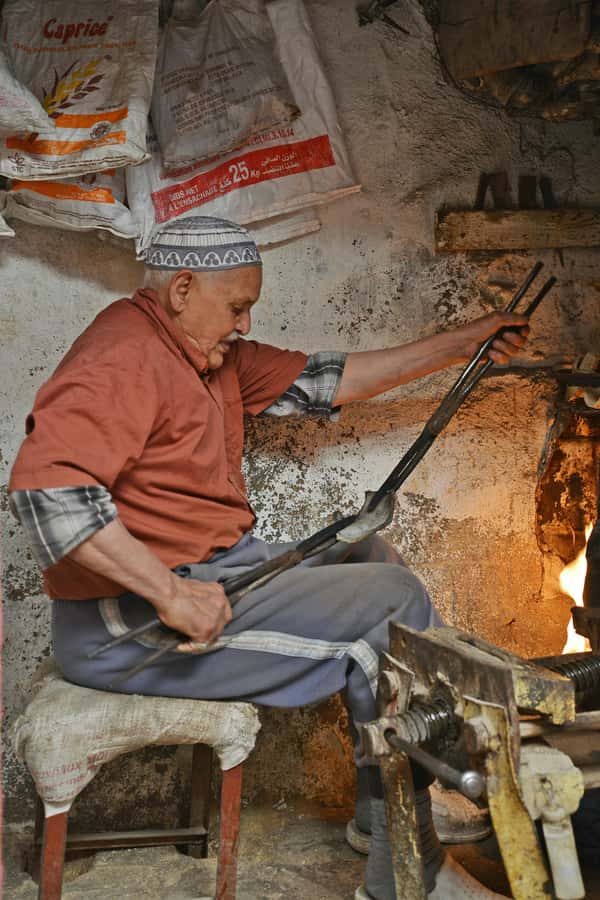
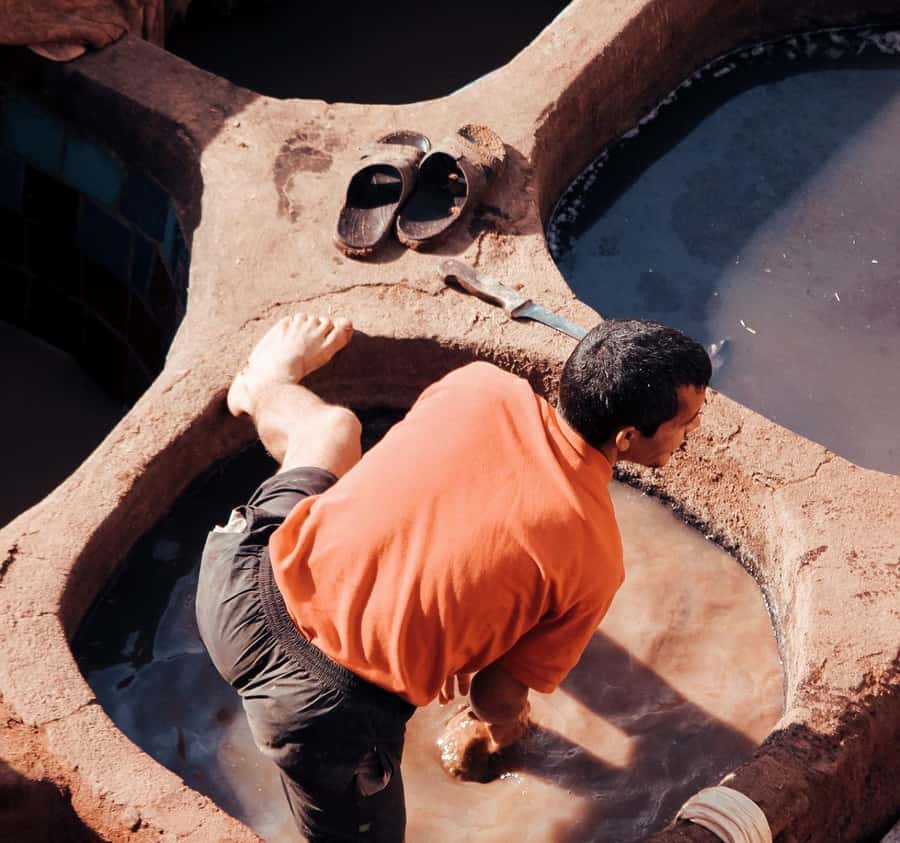
The tanneries are among Fez’s most famous sights, and they are included in the walk. Here you see the traditional treatment and dyeing of hides, rather than a polished display prepared only for visitors.
This is one of the more memorable parts of the route because it shows a working craft with strong ties to the city’s past. The colors of the dyed hides make the scene easy to recognize, but the process itself is the real point. Mustafa explains what happens and helps you understand the labor behind the leather goods sold across Morocco.
There is a practical side to this stop. Tanneries can have a strong smell, and the surrounding area may include shops connected with leather production. The tour’s stated approach is not to pressure you into buying anything. You can watch, ask questions, and move on.
If you are sensitive to smells, be prepared. That is not a flaw in the tour. It is simply part of seeing a real working place rather than a staged attraction.
More History Walking Tours in Morocco
- Fez: Guided Walking Tour of the Historic Medina
★ 5.0 · 359 reviews - Historical Marrakech Walking Tour
★ 5.0 · 198 reviews
Artisan workshops without a forced shopping stop
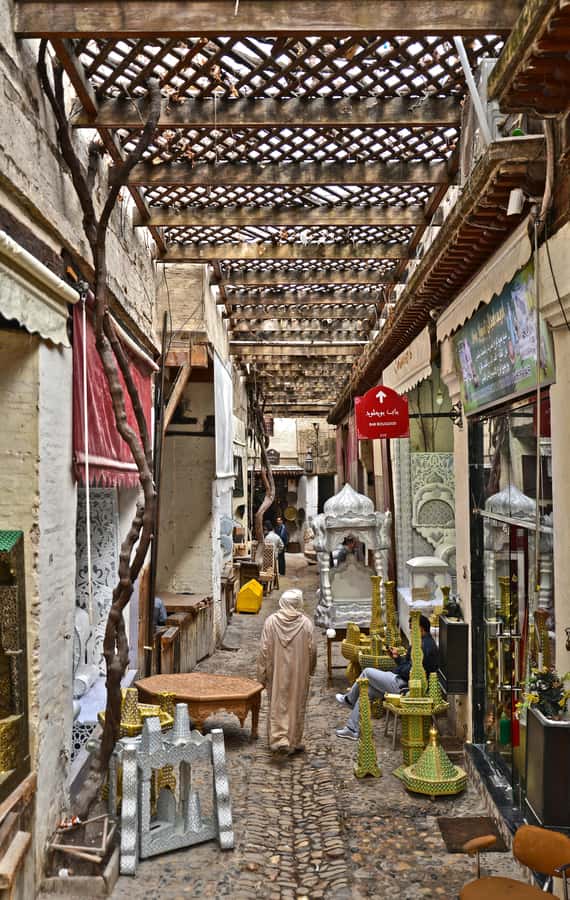
The walk also visits local artisan workshops. You might see craftsmen working with traditional materials and learn how everyday objects are made. This adds something that a monument-only route cannot provide: you see Fez as a living craft city, not just an old collection of buildings.
The commercial side deserves a clear explanation. Shops may be located near the landmarks and workshops, but you are not required to purchase anything. This makes the route more comfortable for people who want cultural context without spending the afternoon being steered from one sales counter to another.
Some visitors will enjoy having a chance to browse. Others may prefer to keep moving. At $28, the value is strongest if you treat the workshops as part of the lesson and judge any shopping separately.
You may want to note the names of crafts or areas that interest you. Mustafa offers suggestions for places to visit after the tour, so this is a useful time to ask where you can look more closely later without rushing.
Woodworkers, Foundouk Nejjarine, and the city’s craft quarters
The Museum of Woodworkers and Foundouk Nejjarine add another layer to the craft story. A foundouk was traditionally a place connected with trade, lodging, storage, or workshops. Seeing one helps explain how merchants and craftspeople fit into the life of the medina.
The Museum of Woodworkers focuses your attention on the city’s woodworking tradition. This kind of stop is easy to overlook when you are chasing the grandest buildings, but it helps make the old city feel practical and human. Fez was not only a place of palaces and religious schools. It was also a place where skilled people made the objects used in homes, shops, and places of worship.
The route gives you several chances to compare grand architecture with working craft. Bou Inania shows refined design at a major landmark. The workshops show how traditional skills continue in more ordinary settings.
Al-Attarine Madrasa and other religious landmarks
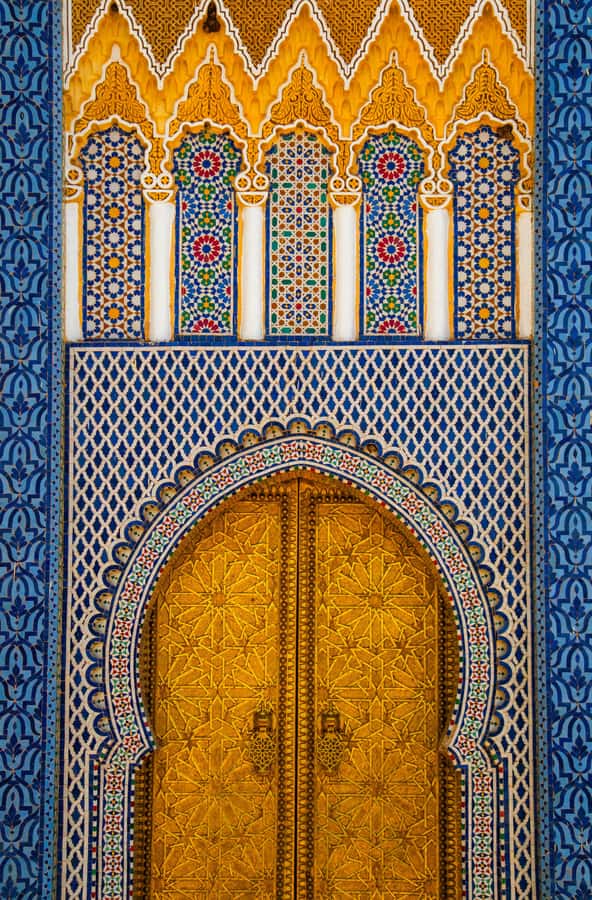
Al-Attarine Madrasa is another notable stop, with an optional entry fee. If you want more time inside historic Moroccan architecture, this is the extra cost to consider. The tour price does not cover admission, so carry some money if you decide to enter.
The route also includes the Mosque and Mausoleum of Moulay Idriss, the Mosque and Mausoleum of Sidi Ahmed Tijani, Dar Dheb, and the historic School of Tanners and School of Cooks. Each site has its own place in Fez’s religious, educational, or working life.
You should not expect to spend a long, museum-style period at every stop. There are many locations packed into three hours, and the experience is designed as a broad historical walk. The advantage is range. You see more of the medina and learn how its parts connect. The tradeoff is that some stops receive only a short explanation.
The Kairaouine Mosque and University is also included in the tour’s cultural program. This is one of the most important names in Fez, and Mustafa provides context about its role in Moroccan religious and educational life. Access inside religious buildings can be restricted, so do not assume every interior is open to every visitor.
Seffarine Square and the route to R’cif
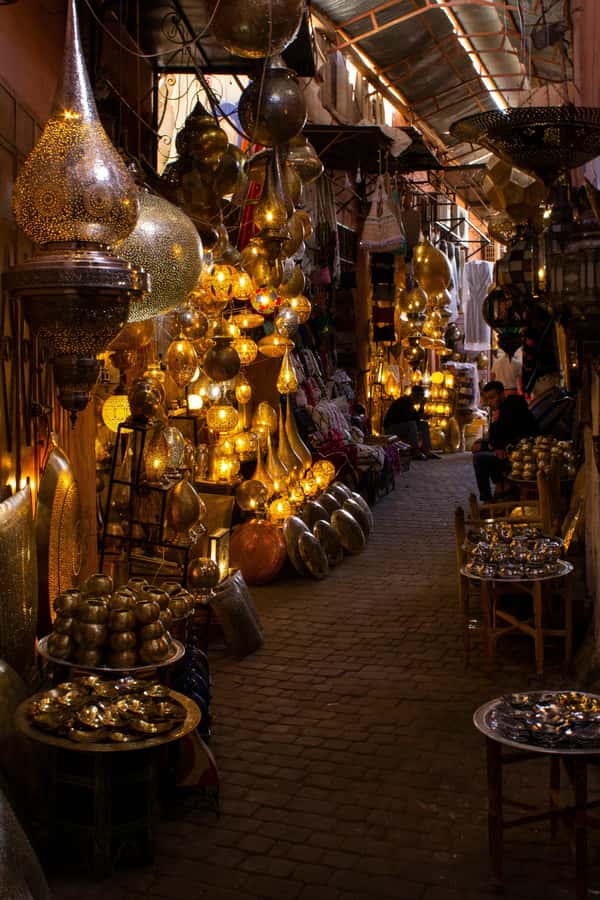
Seffarine Square brings you into another part of the old city, with its own craft identity and street life. It is a useful stop because it breaks up the sequence of enclosed lanes and gives you a clearer sense of how the medina’s small public spaces function.
The final part of the walk continues through sites such as the Sidi Ahmed Tijani area and Dar Dheb before ending at R’cif Square. The finish is practical. You are not left at an unnamed alley, but at a recognized square where you can continue your day.
The listed drop-off information also refers to SANDWHICH DU HAMID at 327G+2X9 in Fez. Because the tour details show more than one possible option, confirm your particular end point before setting a meeting plan or restaurant reservation.
What Mustafa adds to the experience
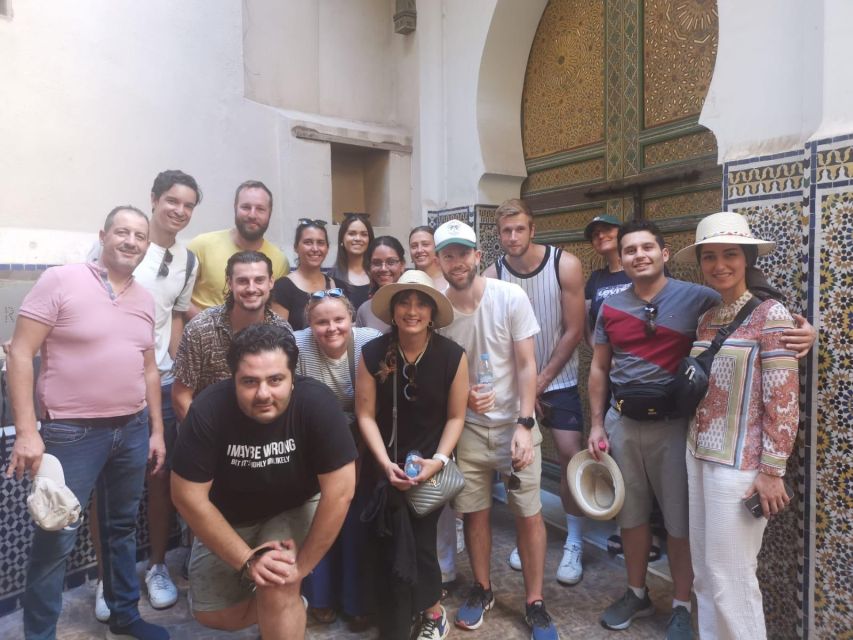
The strongest feature here is the guide. Mustafa, also referred to as Mostafa in some tour details, is described as attentive, clear in English, and good at mixing historical explanation with practical advice. He has also guided in different languages during the same outing, so multilingual groups may be possible.
His best use is as a translator of the medina. He explains the background of the landmarks, but he also helps with the ordinary problems that can frustrate a first visit: finding the right quarter, understanding signs, spotting useful routes, and choosing places to see later.
The pace is intended to be steady rather than rushed. That matters in Fez, where stopping to look at tilework or listen to a craft explanation can be difficult if the guide is trying to race through a checklist.
Still, the tour is not private. If you want to stop for long photography sessions, ask many questions about one building, or set your own route, a private guide would give you more control. This outing is better for getting a strong first overview at a reasonable price.
Is three hours enough for Fez?
Three hours is enough to cover the major parts of the route and learn how the medina fits together. It is not enough to study every madrasa, museum, workshop, and shrine in detail.
I would use this walk as an orientation rather than a complete visit to every attraction. Take note of the places you want to return to, then spend another afternoon exploring at your own pace. The tour’s advice about restaurants and other places to visit can help you plan that second round.
The packed itinerary is both its strength and its limit. You get Bou Inania Madrasa, the tanneries, artisan workshops, Foundouk Nejjarine, Al-Attarine Madrasa, Seffarine Square, and several religious landmarks in one outing. If you prefer a slow architectural study, the number of stops may feel brisk.
Is $28 good value?
At $28 per person, this is a fair price for a three-hour guided walk, particularly if you are new to Fez. You are paying for local direction, historical explanation, and the confidence to navigate the medina afterward. The value is less about entrance tickets and more about saving time and avoiding confusion.
The price does not include transportation, meals, refreshments, personal purchases, or the optional Al-Attarine Madrasa entry. Those costs are easy to understand, but budget for them if you want a full day out.
The no-pressure approach to shopping also improves the value. You can learn about crafts without feeling that the tour only exists to deliver you to stores. If you are hoping for a food tour, a private experience, or a long series of museum interiors, this is not the right product.
Free cancellation up to 24 hours before the start and the option to reserve now and pay later make it easier to fit the walk into a changing itinerary.
Who should book this Fez walking tour?
I would recommend it to first-time visitors, short-stay visitors, and anyone who wants help before tackling the medina alone. It is also a good match for people who care about history, architecture, traditional crafts, and practical orientation.
You will get the most from it if you:
- Want to see the principal landmarks in one morning
- Prefer a local guide to a self-guided map
- Like learning how crafts are made
- Want shopping to remain optional
- Are comfortable walking for three hours
- Plan to explore Fez independently afterward
I would think twice if you dislike narrow streets, steady walking, group tours, or visits near commercial workshops. The route is general rather than private, and some sights may be covered briefly because the itinerary includes so many of them.
Final verdict: book it early in your Fez stay
Book this tour if you want a practical introduction to Fez that combines major architecture, working crafts, and useful navigation advice. Mustafa’s clear explanations and recommendations are the main reason to choose it, while the no-pressure approach keeps the experience focused on the city rather than shopping.
My best advice is to schedule it near the beginning of your visit, wear good shoes, dress modestly, and keep the afternoon open for returning to the places that catch your interest. At $28, it is a sensible way to get oriented before exploring Fez on your own.
FAQ
Where does the Fez walking tour start?
The stated meeting point is Batha Bus Stop, but the meeting point may vary depending on the option booked. Check your booking information for the exact location.
How long does the tour last?
The walking tour lasts approximately three hours and begins at 10:30 AM according to the provided schedule.
Which languages are available?
The live tour guide is available in English, Italian, and Spanish.
Is the tour private?
No. This is a general group tour, so you will likely join other people rather than have a private guide.
Is shopping required during the artisan visits?
No. You may see shops near landmarks and workshops, but there is no requirement to purchase anything.
Is entry to Al-Attarine Madrasa included?
No. Entry to Al-Attarine Madrasa is optional and requires an additional fee.
Newest history tours we have reviewed in Morocco
- private VIP half journey of Marrakesh : History & Culture.★ 4.5 · 64 reviews
- Private Cultural Tour in Marrakech City★ 5.0 · 77 reviews
- Historical Marrakech Walking Tour★ 5.0 · 198 reviews
- Fez: Guided Walking Tour of the Historic Medina★ 5.0 · 359 reviews
- History and culture with Fes Medina private tour guide★ 5.0 · 56 reviews
- Full-day Historical Meknes Volubilis and Moulay Idriss Tour★ 4.5 · 196 reviews
- Wonderful Day Tour in Fes: A Historical and Cultural Guided Trip★ 5.0 · 53 reviews
- Discover the secrets of the Medina of Fez: guided cultural tour (private)★ 5.0 · 68 reviews
Ancient History Tours, compared.
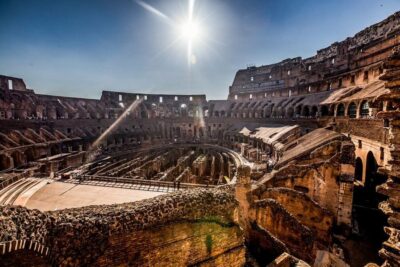
Colosseum: Underground and Ancient Rome Tour
Read our review →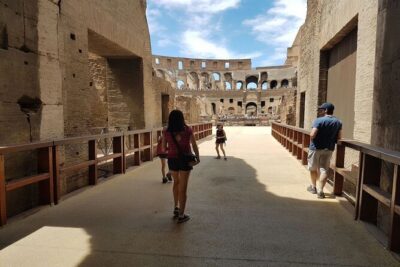
Colosseum & Ancient Rome with Arena Floor Option I Max 6 People
Read our review →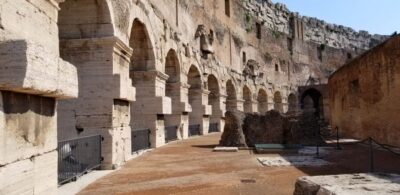
Colosseum, Ancient Rome Tour or AudioGuided Tour
Read our review →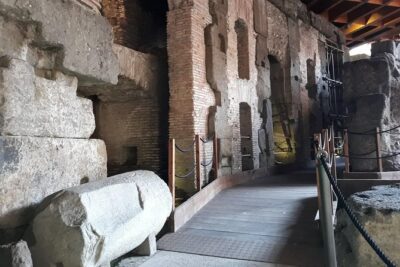
Colosseum Underground & Ancient Rome Guided Tour
Read our review →
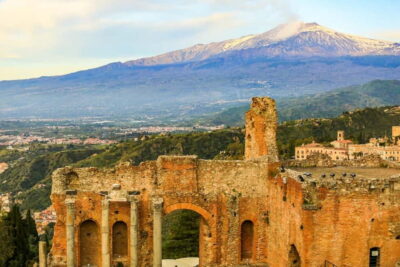
Taormina: Ancient Theater Skip-the-Line Ticket & Audio Guide
Read our review →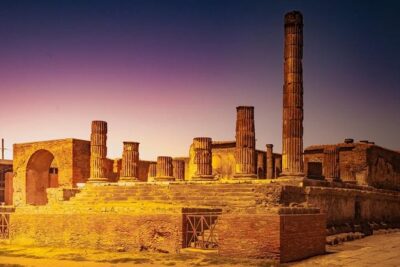
Discover the Ancient Ruins of Pompeii: Day Trip from Rome
Read our review →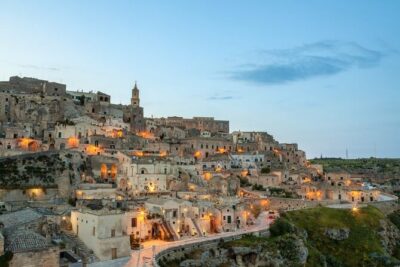
Discover Matera, the ancient city – English tour
Read our review →Browse the lists this tour appears in