
Review · ITALY HISTORY TOURS
Civitavecchia: Historical and Culinary Walking Tour
Civitavecchia’s best surprise is how much local life sits within a short walk of the cruise port. This three-hour tour moves through old streets, small squares, a café, the market, and neighborhood food stops while explaining how the port shaped the city from ancient times to today. The food is plentiful, and the guides, including Roberta and Raf, bring real local feeling to the walk.
I like the mix of history and everyday eating. You are not simply pointed toward monuments, then sent back to the ship. You see where residents shop and eat, taste familiar local foods, and learn why this port matters. I also like the steady pace and the practical meeting point near the cruise shuttle.
The main thing to know is that this is a history tour with food stops, not a dedicated restaurant crawl. Sunday can also be a less rewarding day for the market, since it may be closed. Bring comfortable shoes, and consider skipping breakfast because the tastings can add up quickly.
Key points to know before booking
- A port-side introduction to Civitavecchia: The walk stays close to town, making it useful for a cruise day or a first look at the city.
- Food arrives in several rounds: Expect pastries, café snacks, cheese, cold cuts, pizza, bruschetta, regional food, and wine.
- The past is part of every stop: Your guide connects old streets, squares, art, and the harbor to Civitavecchia’s changing role.
- Local guides make the difference: Roberta, Raf, Alessia, Tania, Claudia, Natalina, and others have led this walk, with several praised for humor, patience, and clear explanations.
- The market depends on the day: The market visit is an important part of the route, but Sunday may mean less to see there.
- Plan for walking: The route includes short stretches between stops and is not suitable for wheelchair users.
Why this small port city deserves your morning
Many cruise passengers treat Civitavecchia as a parking lot for Rome. That is understandable, but Rome is about two hours away by road in each direction, and a long transfer can swallow much of a port day. This tour gives you another option: stay near the ship and get a useful introduction to the city itself.
Civitavecchia is a working port, not a stage set designed only for sightseeing. The route takes you through places where people live, meet, shop, and eat. That makes the experience less about checking off grand monuments and more about understanding how a coastal city functions.
Your guide also explains the port through several periods, from ancient times to the modern day. That context matters. A square, street, or surviving artistic feature makes more sense when you understand its connection to the harbor and the city’s long role as a gateway.
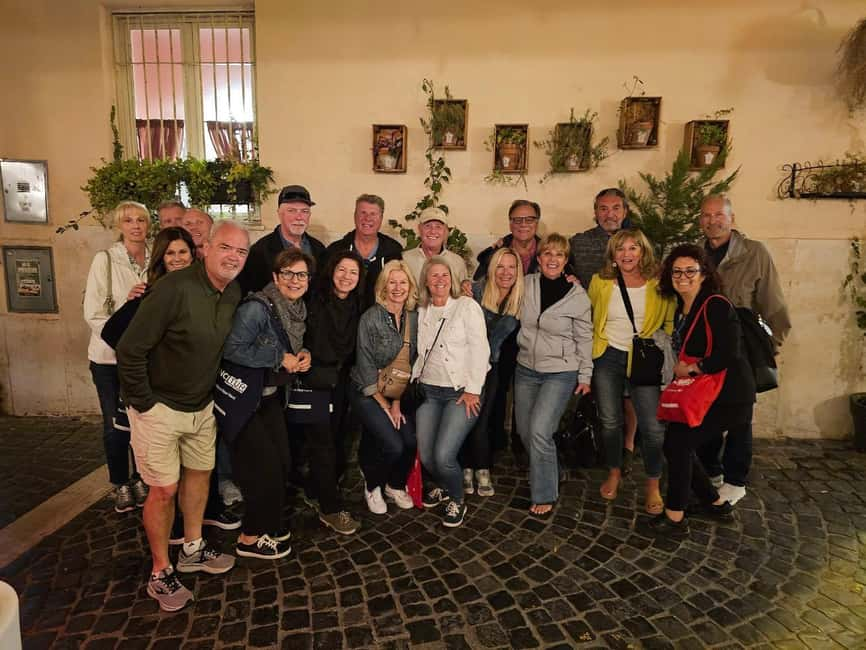
The walk is conducted in English and lasts three hours. The group can be modest in size, though one outing had 23 people with several assistants. That is worth keeping in mind if you prefer a very intimate walk. The guides have generally handled groups smoothly, and the pace is described as steady rather than rushed.
More History Walking Tours in Italy
- Venice: City Center Historical Guided Walking Tour
★ 4.2 · 1,873 reviews - Palermo: Street Food and History Walking Tour
★ 4.9 · 1,486 reviews - Verona: History and Hidden Gems Guided Walking Tour
★ 5.0 · 1,379 reviews
Starting at Largo della Pace and Via Tarquinia
The meeting arrangement is designed for cruise passengers. After you leave the ship, take the free shuttle to the Largo della Pace InfoPoint. The guide waits just outside the parking lot gate, holding a sign with the Incitur logo.
That detail is more useful than it sounds. Civitavecchia’s port area can feel confusing when you have just disembarked, so knowing exactly where to go saves time. Give yourself enough room to leave the ship, find the shuttle, and reach the meeting point without hurrying.
The listed starting address is Via Tarquinia, 2. From there, you set off on foot. The first walking sections are short, including a five-minute stretch and a two-minute transfer, so you are not facing a long march before the first stop.
Wear shoes with proper support. The old town includes narrow streets and several walking connections, and even a gentle route becomes tiring in thin sandals. A camera is also worth bringing, especially for the squares, street views, and older architectural details.
Old streets, squares, and Civitavecchia’s local rhythm
The opening portion is mainly about orientation. You walk through the old town, pause for guided explanation, and pass places that reveal the city’s character. A photo stop comes early, followed by Calamatta Square, where you have time to walk, look around, and hear more about the setting.
The square is not treated as a quick backdrop for a photograph. Your guide uses it to help you read the city around you. With a local guide, the focus can move beyond what is immediately obvious, including how people use the area and how the port has affected daily life.
The route continues to Leandra Square, Archetto, and Saffi Square. These short visits create a good rhythm: walk, listen, pause, and move on. You will not spend the entire morning inside one major attraction, so the tour suits you if you prefer a broad sense of place over a long museum visit.
An artistic feature along the route offers a look at Civitavecchia’s past. The available details do not specify the exact site or artwork, so you should not book expecting one famous landmark to dominate the tour. Its value is in seeing a less obvious part of the city’s cultural story.
Guides such as Raf have used images on an iPad to show how the city changed over time. That can be especially helpful in a port town where modern streets and older traces sit close together. Roberta, Raf, and Alessia have also been praised for clear English, humor, and an easy way of explaining local details.
The first food stop at a local café
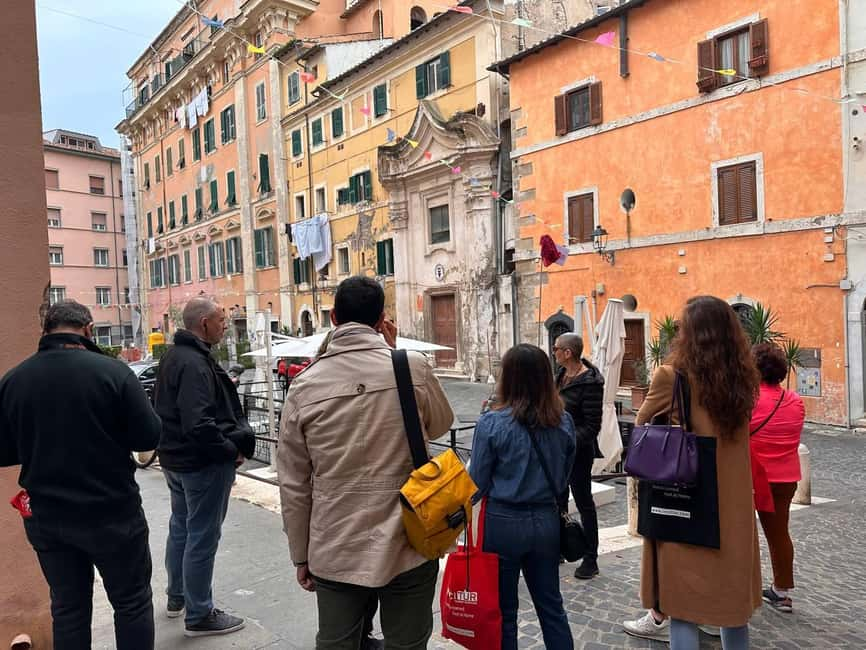
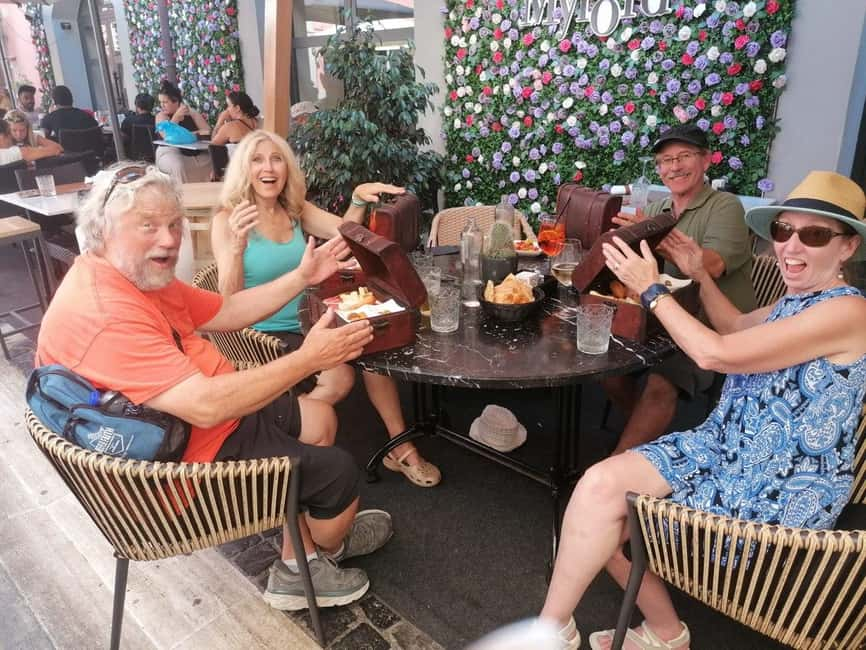
After the early walk, the tour pauses at a local café for about 20 minutes. This is a snack stop, not a full sit-down meal, and it gives you your first taste of the city’s food culture.
The specific café menu can vary, but the tour includes sweet treats from a popular pastry shop. The pastry stop is one reason I would avoid a large breakfast. Several people found the total amount of food greater than expected, and that is a pleasant problem only if you have left room for it.
A café stop also changes the pace. You can sit or pause, ask your guide questions, and absorb some of the information before returning to the streets. This is where the tour starts to feel less like a standard historical walk and more like an introduction to how locals experience their town.
Do not expect every dish to be explained as if you were attending a cooking class. The emphasis is on tasting and connecting the food to local life. If you want detailed recipes, a long wine lesson, or several restaurant courses, this may feel too light on culinary detail. If you want a generous sampling woven into a town walk, it fits well.
More Food and History Tours in Italy:
- Rome Food Tour in the Historic Centre with 8+ Food Tastings
★ 5.0 · 1,000 reviews - Walking Tour and street food Tour Palermo / History and Food
★ 5.0 · 386 reviews - Lecce History and Street Food Tasting Small Group Tour
★ 5.0 · 288 reviews - Private Rome Food Tour in the Historic Centre with 8+Tastings
★ 5.0 · 135 reviews
From Leandra Square to the market streets
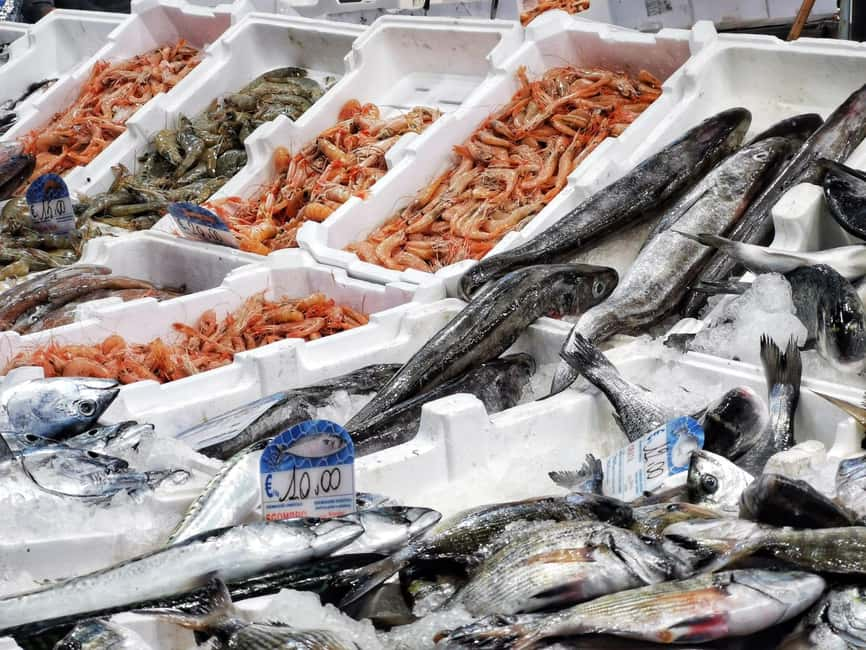
The route then returns to the old town, passing through Leandra Square, Archetto, and Saffi Square. These stops are brief, usually between five and ten minutes, but they give you several angles on the city rather than one extended lecture.
That variety is useful in Civitavecchia. You can compare the feel of a square with the tighter passage at Archetto, then see how the town opens and closes as you approach the market. The guide’s commentary helps link these places instead of leaving them as disconnected photo stops.
Expect a total walking time spread across the three hours rather than one continuous hike. The route includes short connections of two, three, four, five, and six minutes, along with longer periods spent walking and listening. The pace has been described as comfortable, including for some older people with mobility concerns, but the tour is officially not suitable for wheelchair users.
That distinction matters. A steady walking pace does not mean the route is step-free or easy for every mobility level. If you have trouble walking over narrow streets or standing during several stops, ask the operator for current route details before booking.
The market: the tour’s most sensory stop
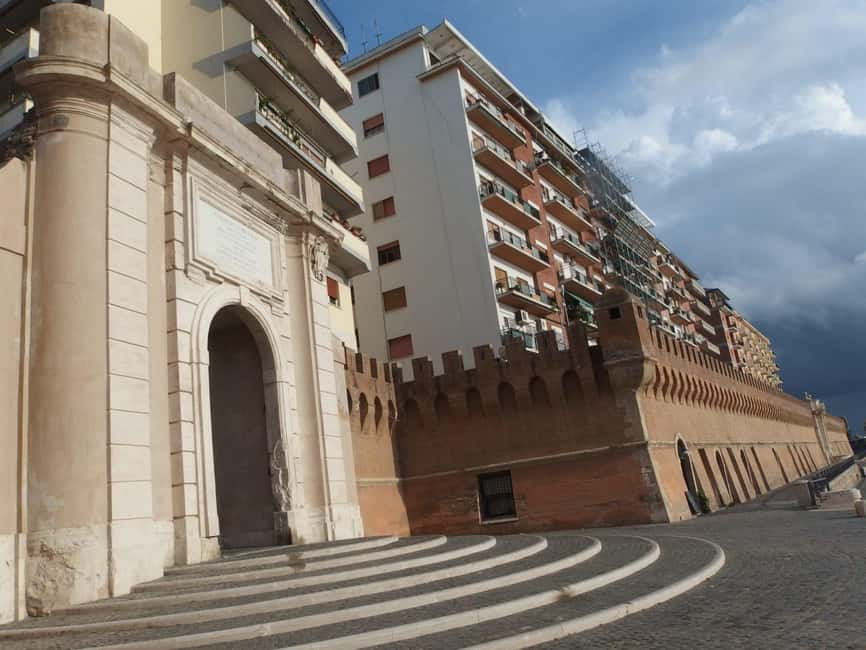
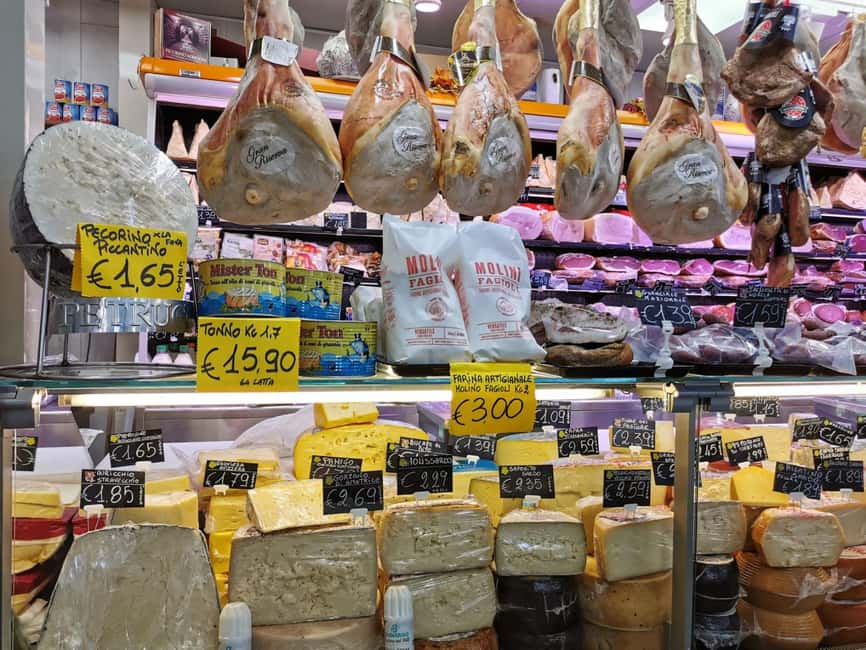
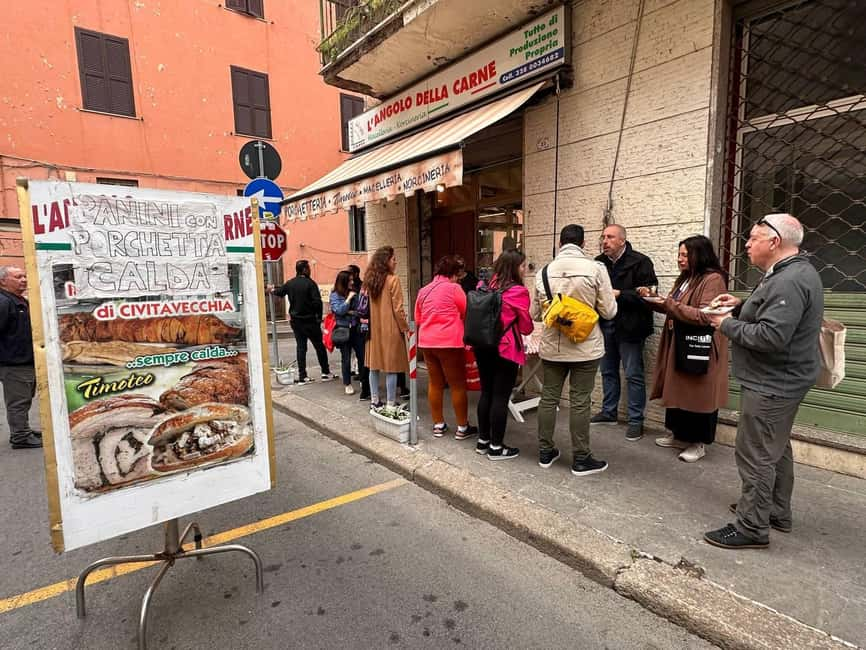
The market visit is the culinary center of the walk. You spend about 25 minutes in the food market, taking in the smells, colors, and daily shopping habits of the city. Fresh produce and local foods become part of the history lesson because they show what people actually buy and eat.
Here you sample items such as cheese, cold cuts, pizza, and bruschetta. These are familiar Italian foods, but the setting makes the difference. You are tasting them in the same sort of place where local residents shop, not only in a restaurant selected for a visitor menu.
The market also gives your guide a chance to explain regional habits and products in a direct way. Ask questions as you go. The format is informal, and your guide can usually add more useful detail when you show interest in a particular food or stall.
There is one practical catch: the market may be closed on Sundays. If the market is important to you, check the day of your visit before booking. The rest of the route still offers historical and culinary stops, but the market adds the strongest sense of everyday Civitavecchia.
One visitor also felt that more time in the market would improve the experience. I understand that view. Twenty-five minutes passes quickly once you are tasting, listening, and looking around. The short visit keeps the tour moving, but it does not allow a leisurely browse.
More town views before the final tasting
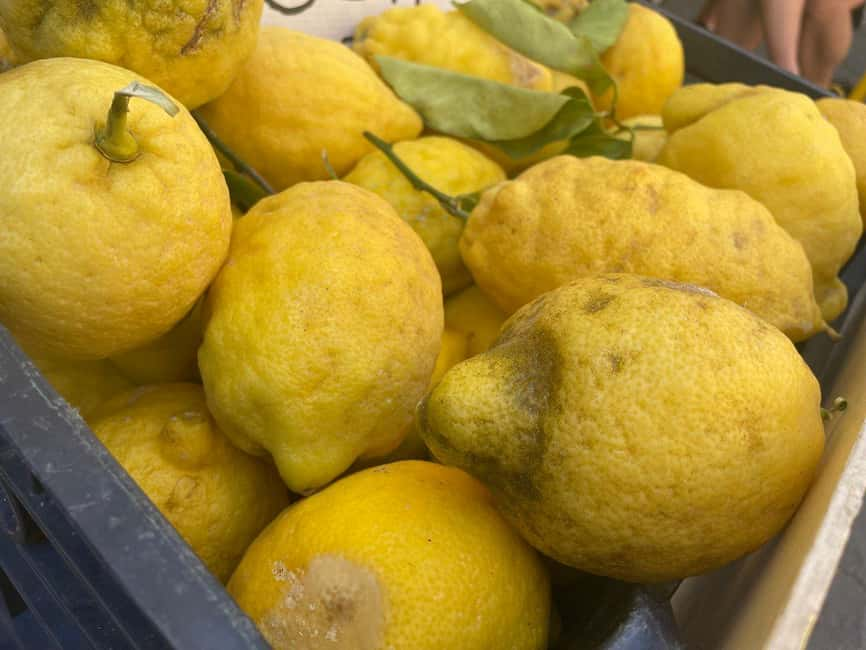
After the market, the route continues with another 15-minute section that may include walking, a photo stop, and passing through additional streets. A further five-minute visit follows before the final food and wine stop.
This portion helps prevent the tour from becoming a simple sequence of snacks. You continue seeing the city between tastings, and the guide brings the port story back into focus. By this point, you should have a clearer sense of how the old center relates to modern Civitavecchia.
The exact order and length of individual stops may vary slightly. The scheduled route includes several short visits, so this is not a tour where you remain in one place for long. I would think of it as a moving conversation with regular food breaks.
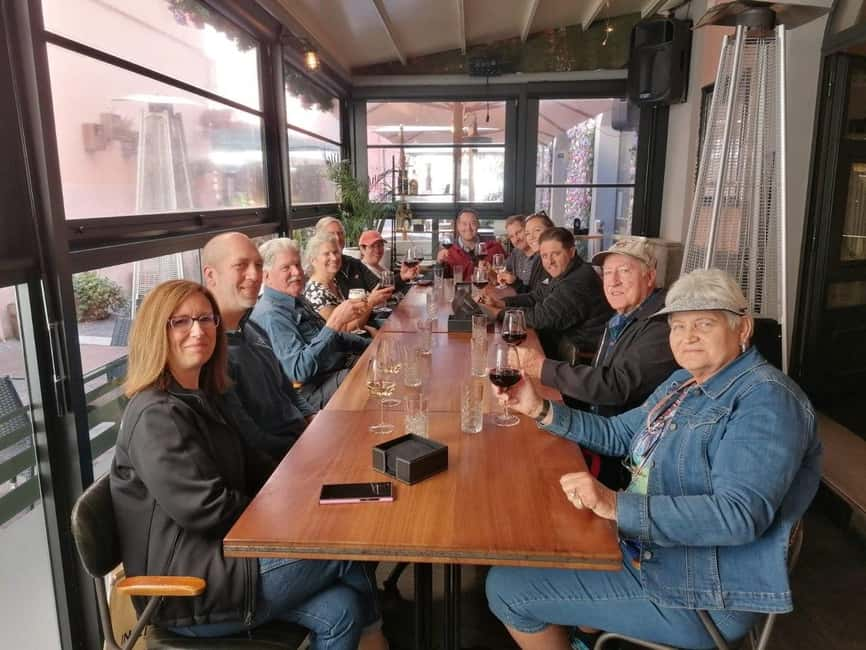
The final stop lasts about 30 minutes and includes wine, regional food, and more snacks. Some people described the final food and wine as an especially strong part of the day. It is also the point when you will understand why skipping breakfast is sensible.
The experience ends at Piazza Antonio Fratti. Since the tour does not include transportation to or from Civitavecchia, you are responsible for getting back to the port after finishing. The route begins near the cruise shuttle area, but do not assume the final square is the same place as the meeting point. Allow time to return to the ship.
What the $80 price really covers
At $80 per person, this is not the cheapest way to spend three hours in port. You are paying for an English-speaking guide, local food tastings, historical explanation, and the convenience of a route that combines several parts of town.
The value improves if you make full use of the food. Pastries, café snacks, pizza, bruschetta, cheese, cold cuts, regional food, and wine add up. The tastings are not merely one small sample at the end. They are spread across the walk, which can replace a separate lunch for some people.
The price also makes more sense if you had planned to wander without much context. A local guide gives structure to streets and squares that might otherwise seem ordinary. Guides such as Roberta and Raf have been especially praised for their humor, clear explanations, patience, and personal connection to the city.
Still, I would not book this solely for food. One guide described it well as a historical tour with some food stops, not a full food tour. If your main goal is a long meal or a series of restaurant tastings, spend your money elsewhere. If you want history first, with plenty of local bites along the way, the cost is fair.
The free cancellation policy allows cancellation up to 24 hours before the tour for a full refund, and you can reserve now and pay later. Those terms are useful for cruise plans, which can change, but they should not replace checking the start time and your ship’s return schedule.
The guides are a major part of the experience
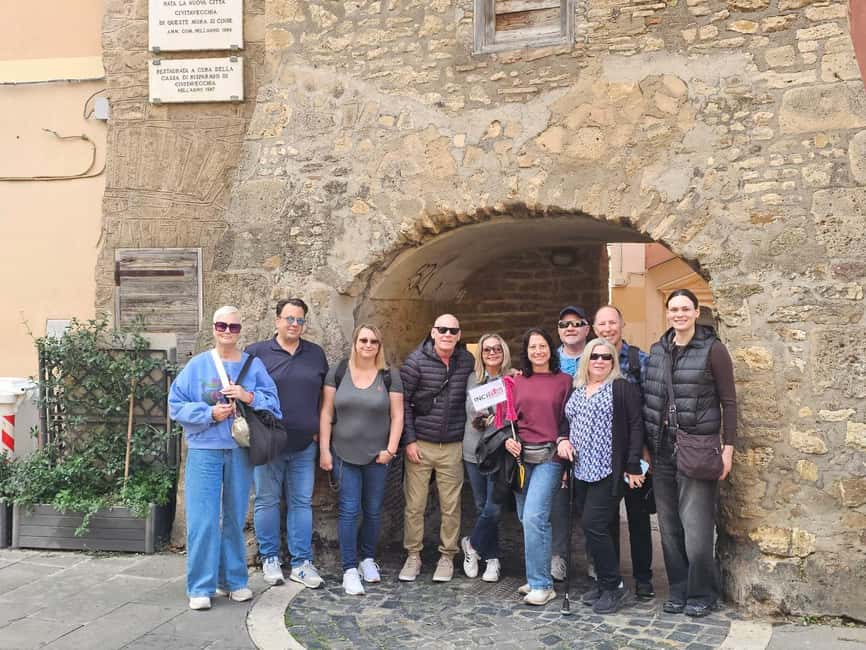
The tour uses several guides, including Roberta, Raf, Raffaella, Alessia, Tania, Claudia, Natalina, and Louisiana. The strongest praise centers on guides who were born in or live in the area and could explain both the past and present city.
Roberta is repeatedly described as warm, clear, patient, and easy to understand. Raf, also referred to as Raffaella, brings humor and a personal connection to Civitavecchia. Alessia and Claudia have also been praised for useful explanations and a friendly manner.
That matters because this tour depends on storytelling. You are not spending hours inside a major monument with labels to read. The guide must make streets, squares, port changes, and food stops meaningful. A good guide turns a short stop into a piece of the city’s story.
The guide may also know people along the route, which can make the walk feel more like an introduction from a local friend than a formal lecture. The exact personality will vary by departure, but the strong pattern is clear: the human side of the tour is one of its best reasons to book.
Who should book this walk?
Book it if you are arriving by cruise and want to understand Civitavecchia without making the long trip to Rome. It is also a good first-day activity if you are staying in town and want an organized introduction before exploring independently.
Food lovers should book with the right expectations. You will receive a generous run of tastings, but you will not spend the whole time discussing ingredients or sitting at restaurants. The tour suits you if you like food as a way to understand local life.
History-minded visitors will get the most from the route. The port’s role across different periods is central, and the old town stops make the commentary concrete. Families and older walkers may appreciate the steady pace, but the route is not suitable for wheelchair users.
The walk is less suitable if you dislike group tours, need a completely step-free route, or have limited time between ship arrival and departure. Sunday departures may also disappoint you if the market is your main reason for booking.
FAQ
Where does the tour meet?
After leaving your cruise ship, take the free shuttle to the Largo della Pace InfoPoint. The guide waits just outside the parking lot gate with a sign showing the Incitur company logo.
How long does the walking tour last?
The tour lasts three hours, including walking, historical visits, market time, and food tastings.
What food and drinks are included?
The tastings include local pastries, café snacks, cheese, cold cuts, pizza, bruschetta, regional food, and wine. The exact items can vary.
Is this a full food tour?
No. The experience combines historical sightseeing with several food stops. It includes plenty to taste, but it is not designed as a full restaurant meal or a dedicated culinary tour.
Is the market open on every tour?
The market may be closed on Sundays. If seeing the market is important to you, check the tour day before booking.
Is the tour suitable for wheelchair users?
No. The activity is listed as unsuitable for wheelchair users. Comfortable walking shoes are recommended, and a camera is suggested.
Newest history tours we have reviewed in Italy
- Guided Cultural Tour of the Godfather Film in Messina★ 5.0 · 31 reviews
- SU NURAXI BARUMINI Unesco World Heritage Site★ 5.0 · 129 reviews
- Picnic aperitif in the vineyard of an ancient trullo in Martina Franca★ 5.0 · 21 reviews
- Brescia the Unexpected: History, Local Stories & a drink★ 5.0 · 31 reviews
- Bologna historical art walking tour with hidden gems and tastings★ 5.0 · 108 reviews
- Bolognese Cooking Class with Margherita in the Historic Center★ 5.0 · 26 reviews
- Best of Bologna in one day : Food, architecture, art and history★ 5.0 · 27 reviews
- Private or semi-private tour of the historic center of Bologna★ 5.0 · 34 reviews
Food & History Tours, compared.
Sevilla Food Tour: Tapas, Wine, History & Traditions
Read our review →

Dublin Historical Centre Food Tour with 8 Food Tastings & Drinks
Read our review →

Boston Pizza Lovers Food and History Walking Food Tour
Read our review →
Rome Food Tour in the Historic Centre with 8+ Food Tastings
Read our review →Browse the lists this tour appears in