
Review · PORTUGAL HISTORY TOURS
All of Tomar’s history and loads of fun.
Tomar’s appeal comes into focus on foot: Templar walls, Jewish history, river paths, local legends, and working craft studios all fit into one compact town. This tour with Mark turns those pieces into a lively story rather than a string of monuments.
I like the climb through the castle’s quieter paths and the visit to the pottery workshop, where you can watch ceramics being made and painted. I also like the practical local advice, from places to eat and drink to ideas for exploring the surrounding area. The catch is clear: this is a hilly walk with many steps, and admission to the Convent of Christ is not included.
Key points to know before booking
- The Templar focus is strong: Explore Tomar Castle and hear how the Knights Templar shaped the town.
- The castle climb is real: You may walk along walls about 100 feet high, with fine views but no easy shortcut.
- Mark leads with stories: His theatrical background, humor, and local knowledge make the history easy to follow.
- The Convent of Christ is outside the tour: You finish there and can buy your own admission for a self-guided visit.
- Local life is part of the route: Expect a market, river walk, matchbox museum pointer, food advice, and a pottery studio.
- Small groups help: The tour accepts no more than 10 people and can adapt to pace and interests.
Why Tomar works so well as a walking tour
Tomar is one of those Portuguese towns where the old center, castle, river, churches, and craft traditions sit close enough to connect on foot. That makes a guided walk useful. You are not simply moving from one sight to the next. You are following the town’s story uphill, then back through streets and parks toward everyday life.
The tour costs $68.56 per person and lasts about two to three hours. That is not the cheapest way to see Tomar, especially since the Convent of Christ admission costs extra. Still, the price can make sense if you want context, local orientation, restaurant advice, and a well-planned route in a short visit.
Mark is the guide named most often in the tour details. He is described as funny, personable, and well informed about Tomar and Portugal. His background in theater also comes through in the storytelling. You can expect legends, dramatic episodes, explanations of local customs, and plenty of time for questions rather than a dry recital of dates.
The group limit of 10 matters here. Narrow lanes and steep sections are easier to manage with a small party, and the guide has more room to adjust the pace or follow your interests. The route can be customized to some degree, though the castle climb and physical demands remain part of the experience.
More History Tours in Portugal:
- Lisbon: History, Stories and Lifestyle Walking Tour
★ 4.8 · 10,902 reviews - Douro Valley: Historical Sites, Wine Experience, Lunch & Cruise
★ 5.0 · 5,133 reviews - Lisbon: Live Fado Show with Port Wine in Historic Center
★ 4.7 · 4,166 reviews
Praça da República gives you a useful beginning
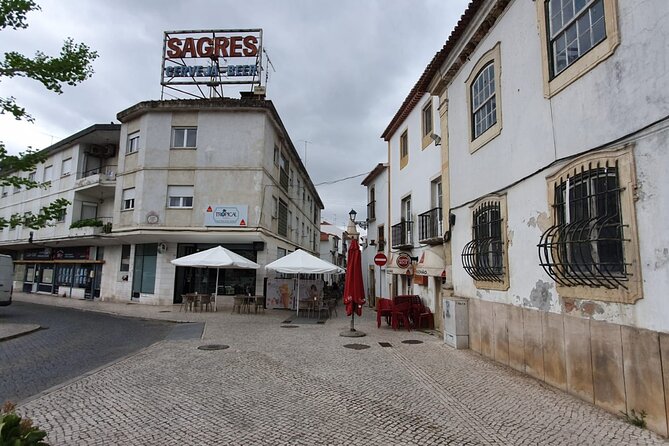
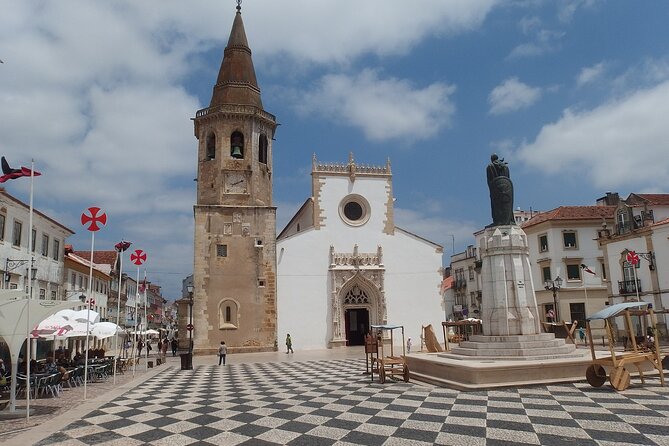
The meeting point is Praça da República, Tomar’s central square. It is a practical place to begin because bars, restaurants, churches, and the statue of Gualdim Pais surround it. Pais was the Templar leader associated with the construction of Tomar, so the square introduces the town’s central theme before you start uphill.
I like this opening because it gives you immediate bearings. You are not dropped beside an isolated monument with no idea how the town fits together. Mark can explain the people, power, and religious forces that shaped Tomar while you are still at street level.
Take care with the meeting instructions. The start is at Praça da República, while the tour ends at the Convent of Christ. A navigation app can confuse the lower square with the hilltop church and castle area, so check the confirmation details before setting out. One booking problem came from following map directions to the top rather than finding the statue in the square. Arrive early enough to locate the meeting point without rushing.
The Synagogue tells a harder story
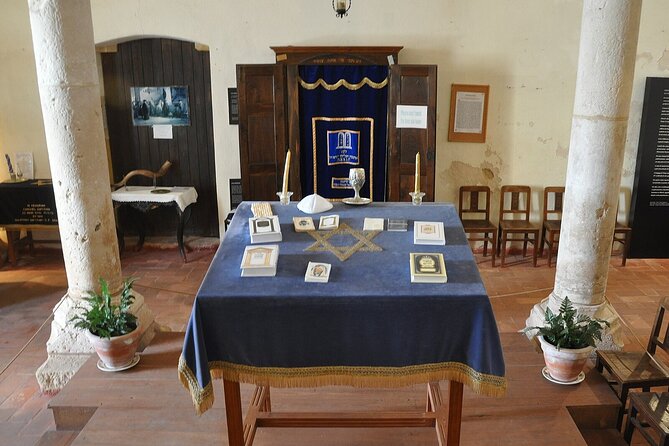
The Synagogue of Tomar is a small but important stop. It is described as the oldest synagogue in Portugal, dating back about 500 years. You spend roughly 10 minutes here, with admission included.
The value of this stop is not size. It is the reminder that Tomar’s past was shaped not only by military orders and Christian kings, but also by Jewish communities living through a difficult period in medieval Europe. The guide uses the site to explain persecution, endurance, and the pressures faced by Jewish people in Portugal.
Do not expect a long indoor visit or a museum-style presentation. This is a short stop within a broader walk. Its strength comes from the story Mark attaches to the building and the way it changes your view of the town.
Climbing Tomar Castle and the Templar paths
The route then climbs toward Tomar Castle, the part of the tour that demands the most effort. The castle was built in the 12th century by the Knights Templar and served as their headquarters. Its heavy walls, towers, and keep reflect its military role, while the religious elements point to the order’s unusual blend of soldier and monk.
Mark takes you along lesser-used Templar paths and toward the hilltop fortifications. The tour description also refers to the fountain of blood and the Seven Hills Natural Forest, adding local legends and wooded walking to the stonework. These details give the climb a sense of discovery, though you should not read that as a promise of secret access or empty ruins at every turn.
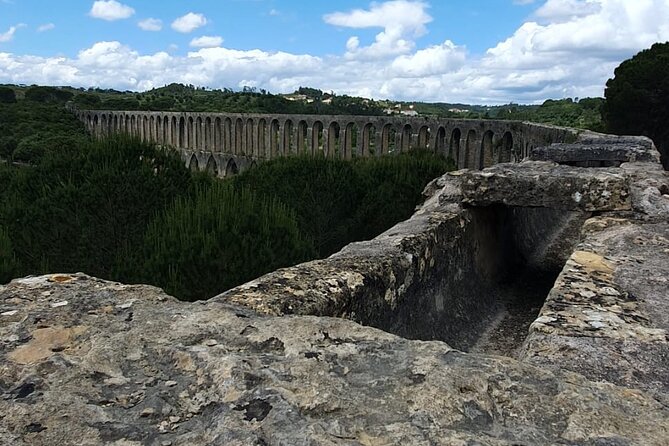
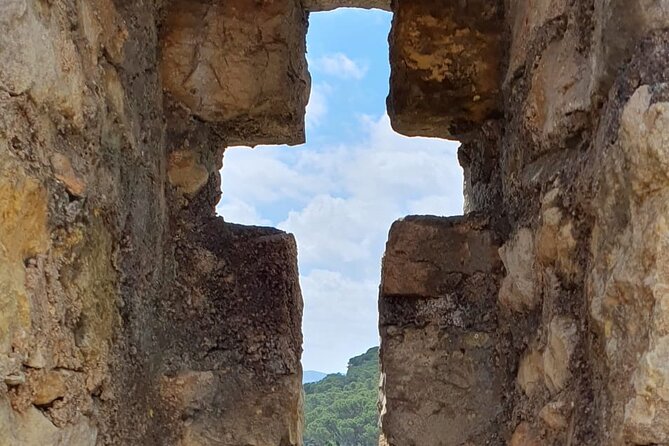
The best payoff comes from walking the castle walls. They rise roughly 100 feet above the town and offer broad views across Tomar. The height is exciting, but it may trouble anyone uncomfortable with exposed edges. The route also includes a steep hill and many steps. A moderate level of fitness is advised, and the experience may be too demanding if you need a flat, slow stroll.
The castle itself is free to enter as part of this walking route, according to the tour information. You are not paying a separate castle ticket. Wear shoes with a firm grip, bring water, and avoid assuming that a short duration means an easy walk. The tour can last only a few hours, but the climb is concentrated.
Same streets, a different century:
- Porto: An Intimate Fado Show in a Historical Tavern
★ 4.8 · 2,055 reviews - Lisbon: Fado Show with Wine in a Historic Venue
★ 4.8 · 1,294 reviews - Porto: Historic City Center Walking Tour
★ 4.7 · 1,172 reviews - Lisbon: Daytime or Sunset Boat Cruise with History and Wine
★ 5.0 · 1,053 reviews
The Convent of Christ is the big extra decision
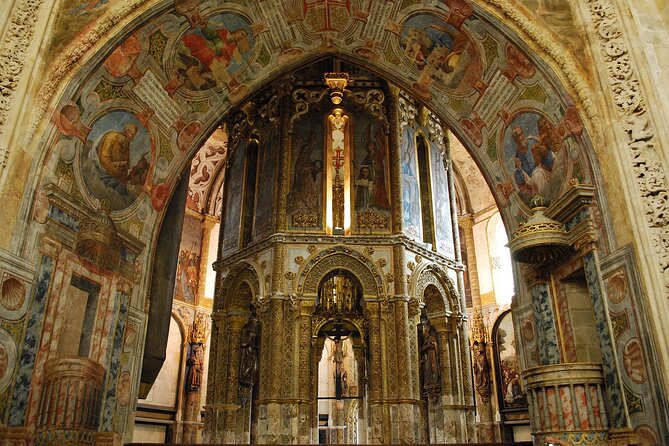
The walk ends at the Convent of Christ, one of Portugal’s major historic sites and a UNESCO World Heritage site. The complex began as a Templar stronghold in the 12th century and later grew through Romanesque, Gothic, and Renaissance additions.
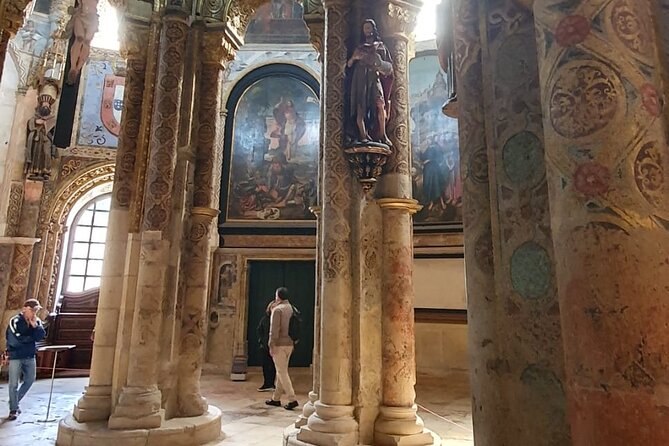
Its central Charola, a round church linked to Templar worship, is the architectural feature you most want to see inside. The complex also connects Tomar with Portugal’s later age of overseas exploration, so it helps explain why the town’s story continued long after the Templars disappeared.
Mark does not take you inside. He considers the interior self-explanatory enough for you to explore without paying for a guide on top of the entrance fee. That choice keeps the walking tour focused and avoids adding another admission charge, but it also means you need extra time and money if you want the full visit.
Plan for at least an additional hour if you intend to see the Convent properly. The tour’s listed duration does not include your indoor visit, and the route ends at the entrance area. If you are driving from Lisbon, allow more time than a quick map estimate suggests. One late arrival meant missing part of the experience, and the uphill setting makes last-minute parking and walking more stressful.
Mouchão Park brings the route back to the river
After the castle area, the walk returns toward the center and the Nabão River. At Mouchão Park, you see the Roda Hidráulica do Mouchão, a historic water wheel dating from the 17th century.
The wheel once formed part of Tomar’s irrigation system, using the river to move water to nearby areas. Made of wood and iron, it gives you a simple view of the town’s practical engineering. This is not a grand monument, and the stop takes about 15 minutes, but it helps you see how the river supported daily life.
The river itself is another pleasant part of the route. You walk beside the water while Mark explains its stories and local connections. A slow river walk can be a welcome change after the castle climb, especially if you want a little breathing room between the major historic sites.
Small local stops add texture
Some of the most unusual elements are brief pointers rather than long museum visits. Mark can point out a matchbox museum described as the largest collection in the world. The tour details do not give a full admission visit, so treat this as an interesting extra suggestion rather than the main attraction.
You also see an art gallery housed in what was once a food storage building. That change of use says something about Tomar’s ability to reuse old spaces without stripping away their character. Again, the value is in the local detail and in knowing where to return later if the gallery interests you.
The market is another optional flavor of the town. Mark includes advice on exploring Portuguese food there, but the market is not open on Monday or Sunday. If food is important to you, check your tour day before counting on this part of the experience.
These stops help keep the walk from becoming only a Templar history lesson. You get a look at food, art, water, commerce, and local buildings alongside the major monuments.
A working pottery studio makes the tour feel current
The pottery and tile workshop is one of the strongest stops for anyone who likes seeing how things are made. You watch a team of women create, paint, and design ceramics in a working Portuguese studio. The visit lasts about 10 minutes, and you can buy pieces if you have room in your luggage.
This is more useful than a quick gift-shop stop because you see the work before you decide to purchase. The short visit will not turn you into a ceramics expert, but it does give you a direct connection to a living local craft.
If you are carrying only hand luggage, think about size and fragility before buying. The tour does not promise shipping, so any purchase becomes your responsibility for the rest of your trip.
The practical advice is part of the value
The tour includes recommendations for places to eat and drink in Tomar, along with an emailed guide covering the town and surrounding area. That can be worth a great deal if Tomar is more than a quick stop on your route.
Mark also offers onward travel knowledge based on two years of travel in Portugal. You can ask about nearby areas, food, Portuguese language, etiquette, and things to do after the walk. For a first-time visit, this kind of advice may save you from spending your limited evening in a mediocre restaurant or missing a nearby activity.
The guidance seems especially useful for solo visitors and anyone staying several days. The tour can feel like an orientation to Tomar, not just a history lesson. Still, the value depends on how much you ask. Bring a short list of interests, such as local food, nearby towns, markets, or Portuguese customs.
Who will enjoy this tour most
I would choose this experience if you want a human guide, strong historical storytelling, and a route that mixes famous sights with smaller local details. It suits people interested in the Templars, Jewish history, medieval architecture, Portuguese food, and traditional crafts.
It is also a good fit if you have only a few hours in Tomar and want help making sense of the town before exploring on your own. The small group and flexible approach are useful if you have questions or want the pace adjusted.
I would hesitate if you have limited mobility, dislike steep climbs, or want a fully guided visit inside the Convent of Christ. The castle walls and hill are not minor details. You should also reconsider if you need a guaranteed market visit on a Monday or Sunday.
The tour is offered in English and uses a mobile ticket. Confirmation is provided at booking, and free cancellation is available up to 24 hours before the start time. Within 24 hours, the payment is not refunded, so check your plans before that cutoff.
Should you book this Tomar walk?
Book it if you want Tomar to make sense, not just look attractive in photographs. Mark’s strongest contribution is the connection between the Templars, the town’s Jewish past, local legends, Portuguese daily life, and the places you might otherwise walk past.
At $68.56, the experience is best value when you use the advice as well as the route. Ask questions, take notes on restaurants and nearby sights, and save time afterward for the Convent of Christ, which you must enter on your own.
Skip it if your main goal is a quiet, flat walk or a full guided tour of the convent interior. For most reasonably fit visitors who want history delivered with humor and a local point of view, this is a rewarding way to spend two to three hours in Tomar.
FAQ
How long does the Tomar walking tour last?
The tour lasts approximately two to three hours. Your visit inside the Convent of Christ is separate and is not included in that time.
Where does the tour begin and end?
The tour begins at Praça da República in Tomar and ends at the Convent of Christ, Igreja do Castelo Templário.
Is admission to the Convent of Christ included?
No. Admission to the Convent of Christ is not included, and the guide does not take you inside. You can visit it independently after the walking tour.
Is the tour physically demanding?
Yes. The route includes a climb to the castle, many steps, and walking along castle walls about 100 feet high. A moderate level of physical fitness is recommended.
What language is the tour offered in?
The tour is offered in English and uses a mobile ticket.
What happens if I need to cancel?
You can receive a full refund if you cancel at least 24 hours before the start time. Cancellations or changes made within 24 hours are not refunded or accepted.
Newest history tours we have reviewed in Portugal
- Coimbra’s Historical Highlights: A Self-Guided Audio Tour★ 5.0 · 22 reviews
- In the Heart of the City: Get to know the history of Tomar and taste local Tapas!★ 5.0 · 22 reviews
- Albufeira Wine Tasting: Boutique Winery Tour & Historic Silves★ 5.0 · 380 reviews
- Arrábida: Beach, Nature & History★ 5.0 · 89 reviews
- Albufeira Wine Tour: 2 Vineyards, 6 Tastings & Historic Silves★ 5.0 · 123 reviews
- Albufeira History Walking Tour with Wine and Tapas★ 5.0 · 47 reviews
- Historical Algarve – Full-Day Trip★ 4.5 · 150 reviews
- Private jeep safari with historical highlights of Silves town★ 5.0 · 33 reviews
Portugal History Tours, compared.

Douro Valley: Historical Sites, Wine Experience, Lunch & Cruise
Read our review →
Live Fado Show with Port Wine in Historic Center
Read our review →


Daytime or Sunset Boat Cruise with History and Wine
Read our review →
Private Tour of the Historic City in a Ford T Car
Read our review →Browse the lists this tour appears in