Review · USA HISTORY TOURS
Alaska Native Heritage Center Admission Ticket
The most rewarding part of this Anchorage visit is the chance to see Alaska Native culture presented by people connected to those traditions. You can watch dancing and Native Games, meet a Culture Bearer, and walk among six full-size traditional dwellings near Lake Tiulana. I like the live demonstrations and the way the center brings together many Alaska Native peoples, from Inupiaq and Yupik communities to Tlingit, Haida, and Athabascan cultures.
I also like that the experience works for families and curious adults alike. The Ch’k’iqadi Gallery gives you a useful place to see and buy authentic Native art, with purchases supporting Alaska Native artists. The main thing to consider is the location and return trip. The center is near public transportation, but arranging your ride back to Anchorage matters, especially if you rely on a shuttle or rideshare.
Key points to know before you go
- Six life-sized village dwellings: Walk through traditional homes representing Alaska Native ways of life beside Lake Tiulana.
- Live dance and Native Games: Performances add movement and human connection to the exhibits and cultural material.
- Many cultures in one visit: Learn about Inupiaq, Yupik, Cup’ik, Athabascan, Tlingit, Haida, Unangax, Alutiiq/Sugpiaq, Eyak, and St. Lawrence Island Yupik peoples.
- A real art-buying opportunity: Ch’k’iqadi Gallery sells authentic Alaska Native art, jewelry, and other work from artists across the state.
- Plan around four hours: The village and cultural program take about three hours, with roughly 30 minutes useful for the gallery and additional time for moving between areas.
- Book ahead for entry: The $30 mobile ticket guarantees admission, and free cancellation is available up to 24 hours before the start time.
Why this Anchorage stop matters
Alaska is often presented through glaciers, wildlife, mountains, and road trips. Those are good reasons to visit, but they can leave out the people who have lived across this region for thousands of years. The Alaska Native Heritage Center gives you a more human way to understand the state.
The center introduces traditions from many distinct peoples rather than treating Alaska Native culture as one single subject. That distinction matters. Inupiaq life in northern Alaska, Tlingit culture in the southeast, and Unangax traditions in the Aleutian region developed in different places and under different conditions.
You will not learn everything in one visit, but you will gain a useful framework. The cultural presentations, village homes, games, music, and art help connect names and regions with real practices. I find that more memorable than reading a long wall of dates.
The strongest part of the experience is its personal quality. A Culture Bearer introduces traditional lifeways, and young people may demonstrate games, dance, and other traditions. That gives the visit energy without turning it into a theme park show. The performances are engaging, but they also carry meaning and pride.
More Entry Tickets in the USA:
- New York City: American Museum of Natural History Ticket
★ 4.5 · 15,447 reviews - American Museum of Natural History Admission Ticket
★ 4.0 · 1,931 reviews - Chicago: Field Museum of Natural History Ticket or VIP Tour
★ 4.7 · 717 reviews
Starting at the six village dwellings
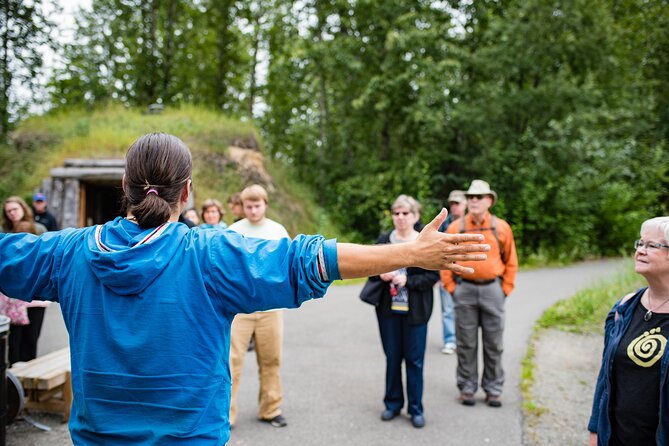
The outdoor village area is the heart of the visit. Six authentic life-sized Native dwellings sit in a wooded setting around Lake Tiulana. The setting gives you room to move at a relaxed pace, and the homes make cultural information easier to picture.
You are not simply looking at small models behind glass. The scale helps you understand how these structures functioned as living spaces and how local materials and surroundings shaped daily life. The center presents traditional lifeways connected to specific Alaska Native communities, so pay attention to the differences rather than trying to group everything together.
A Culture Bearer helps explain the traditions represented here. This is one reason I would not rush through the site. If you only walk past the dwellings and take photographs, you will miss much of the value. Give yourself time to listen, ask questions when appropriate, and connect the buildings with the stories and practices being discussed.
The wooded setting also makes this a welcome change from an indoor museum. Lake Tiulana provides a calm focal point, and the outdoor paths give children space to move between activities. Still, the center is educational first. If you want a fast attraction with constant spectacle, this may feel slower than expected.
Dance, music, and Native Games
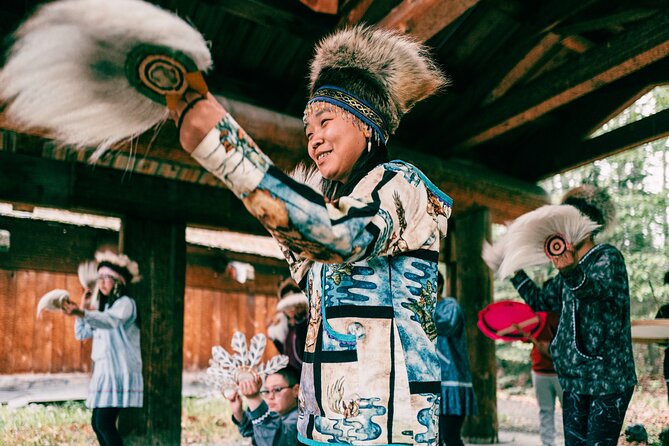
The live cultural program is one of the most praised parts of the visit. Alaska Native dancing, music, storytelling, and Native Games bring physical skill and emotion to subjects that can seem distant in a traditional museum.
The games are especially useful because they show more than competition. Demonstrations can reveal strength, balance, endurance, coordination, and social values. Young performers help make these traditions approachable, and their pride is clear in the way they present them.
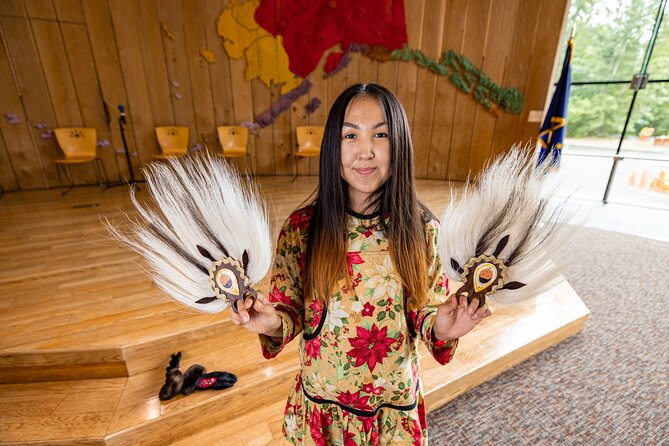
The dance performances add another layer. You get to see movement, music, and clothing used together rather than encountering each item separately in a display case. For many people, this becomes the most memorable portion of the visit.
Keep your expectations in the right place. This is not a polished stage production built only for entertainment. It is a cultural presentation with an educational purpose. Some parts may feel formal, and the pace may depend on the schedule for the day. That is a fair trade if you want context instead of a brief photo opportunity.
A guided visit can make a real difference. One guide named Cheyenne received particularly strong praise for explaining Alaska Native peoples and their heritage in a clear, engaging way. The supplied information does not guarantee that Cheyenne will lead your visit, so treat that as a useful name to know, not a promised feature.
The many peoples represented here
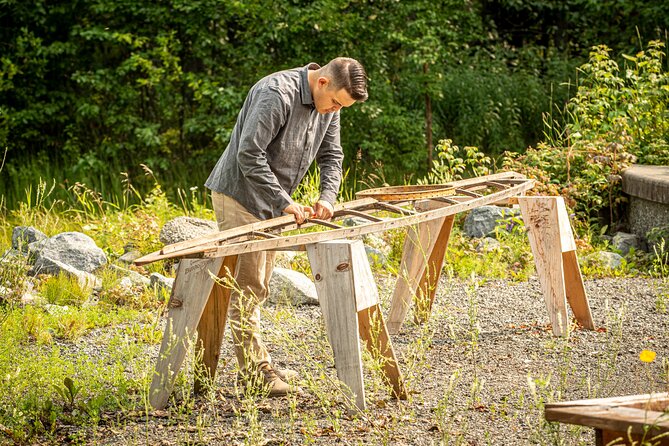
One of the center’s most important strengths is its broad coverage. A single visit introduces you to the Inupiaq, St. Lawrence Island Yupik, Athabascan, Eyak, Haida, Tsimshian, Tlingit, Unangax, Alutiiq/Sugpiaq, Yupik, and Cup’ik peoples.
That list can feel large at first, but it helps explain why the center is worth more than a quick stop. Alaska Native cultures are not interchangeable. The center gives you a chance to notice differences in traditions, homes, art, and presentation.
You may not remember every name after four hours. That is fine. I suggest choosing a few connections to carry with you. You might focus on the relationship between a dwelling and its region, compare two styles of art, or listen for how games and dance reflect community life.
This broad view also makes the center useful early in an Alaska trip. Visit near the start of your stay, and later encounters with Native art, place names, museums, and regional history may make more sense. If the center comes late in your trip, it can help pull together ideas you have already encountered.
More History Tours in the USA:
- History and Hauntings of Salem Guided Walking Tour
★ 5.0 · 14,564 reviews - Charleston’s Old South Carriage Historic Horse & Carriage Tour
★ 5.0 · 10,023 reviews - Beneath The Streets Underground History Tour
★ 4.5 · 8,006 reviews - Big Island in a Day: Volcanoes Waterfalls Sightseeing and History
★ 5.0 · 6,569 reviews
A closer look at Ch’k’iqadi Gallery
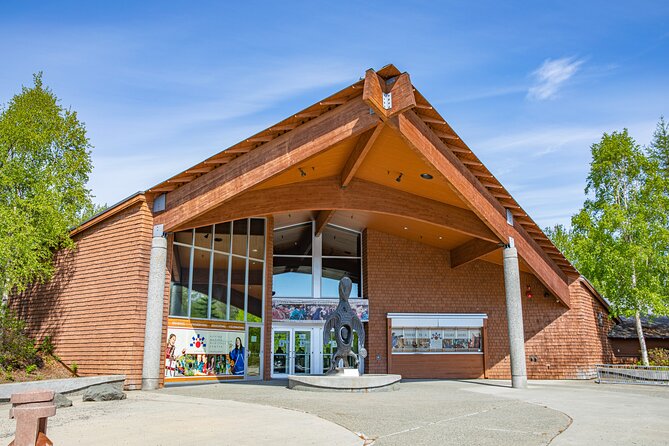
Set aside time for Ch’k’iqadi Gallery rather than treating it as a standard museum shop. Its name comes from a Dena’ina Athabascan word meaning things we buy, and its focus is authentic Alaska Native arts.
You can browse art, jewelry, and other work from artists representing regions and cultures across Alaska. The gallery is also connected to a wider goal: creating a strong, sustainable place for Alaska Native artists to sell their work over time.
That gives your purchase a clear purpose. You are not only taking home a souvenir. You are buying directly within a setting designed to support Native artists and cultural continuity. If you are looking for a meaningful gift, this is a better option than a generic Alaska-themed item.
The gallery also helps you look at the outdoor and performance portions with fresh eyes. After hearing about different peoples and traditions, you may notice more in the materials, designs, and forms of the art. Even if you do not buy anything, browsing for 30 minutes adds useful context.
Prices and individual artists are not provided here, so set your own spending limit before you enter. Authentic art can cost more than mass-produced souvenirs, but the purpose of this gallery is precisely to support the people making the work.
Is $30 a fair price?
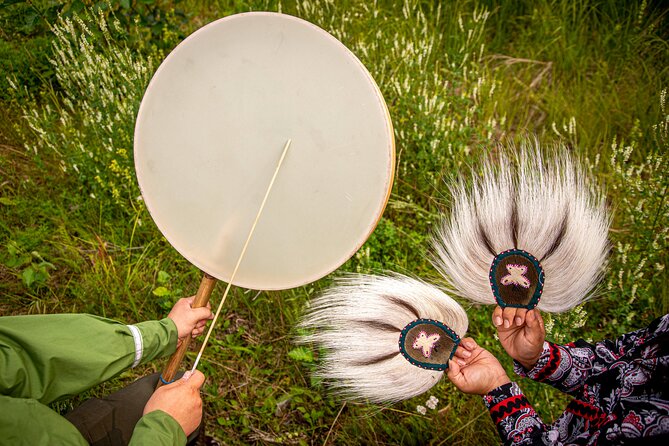
Admission costs $30 per person, with parking included. For a short indoor exhibit, that could feel high. For an experience lasting about four hours and combining outdoor dwellings, live performances, cultural instruction, and an art gallery, the price is easier to justify.
Value depends on how you use the time. If you arrive, take a few pictures, and leave after 45 minutes, you will not get the full benefit. Plan to stay for the presentations and village area. The ticket becomes a better deal when you treat the center as a half-day cultural visit rather than a quick attraction.
Families may find the price worthwhile because the program gives children several ways to pay attention. They can watch dance, see games in action, walk through the dwellings, and browse art. Adults who prefer detailed historical research may want to supplement the visit with other museums or reading, since this experience emphasizes cultural presentation and participation.
The ticket is mobile, and prebooking guarantees entry. That matters during a summer visit to Anchorage, when you may be arranging several activities around a short travel season. Free cancellation up to 24 hours before the start time also gives you some flexibility.
Timing your four-hour visit
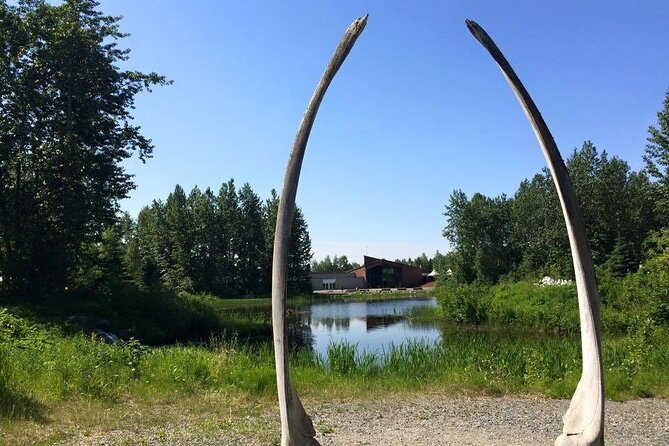
The listed visit takes about four hours. The main cultural and village portion takes around three hours, while the gallery is suited to roughly 30 minutes. The remaining time allows for moving through the site, waiting for scheduled presentations, and spending longer at areas that interest you.
The center is open daily from 9:00 AM to 5:00 PM during the stated season, May 11 through September 15, 2026. Check the date carefully if your Alaska visit falls outside that period, since the supplied hours apply only to those dates.
I would avoid squeezing this into the last hour before closing. You may technically enter, but you would have less time for the dwellings, presentations, and gallery. A morning or early afternoon arrival gives you a more comfortable visit.
Lunch is not included. The supplied information does not list a meal as part of the experience, so plan accordingly. If you are booking the center as a four-hour outing, consider your food schedule before arriving rather than assuming the ticket covers it.
Getting there and getting back
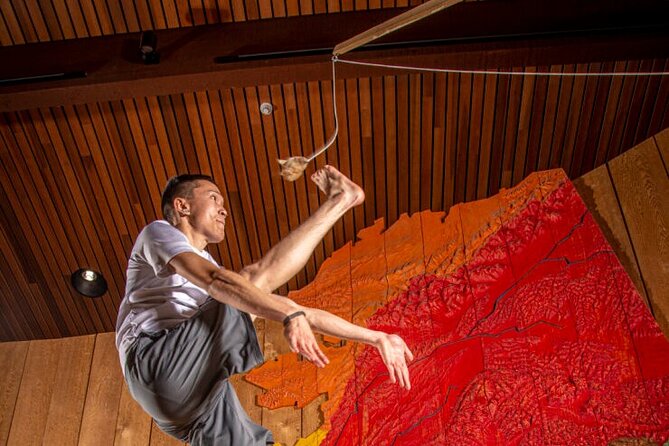
Parking fees are included, which is useful if you have a rental car. The center is also near public transportation. That gives you options, but the return trip deserves more thought than the journey there.
One report describes difficulty getting an Uber back and a long wait for the shuttle. The shuttle had already left when the person reached its pickup point shortly before departure. I would not rely on a last-minute ride request from the center.
If you use public transportation or a shuttle, confirm the pickup point and departure time before you begin your visit. Arrive early for the return ride. If you have a rental car, driving is the simpler option because parking is included.
Service animals are allowed, and most people can participate. The available details do not provide a full accessibility breakdown, so contact the provider directly if you need specific information about paths, buildings, or seating.
Who will enjoy this most
I would recommend the center to anyone who wants more cultural context for an Alaska trip. It suits families, first-time visitors, and adults who prefer personal stories and demonstrations to a display-only museum.
It is particularly useful for you if:
- You want to learn about several Alaska Native cultures in one place.
- You enjoy live dance, music, storytelling, or demonstrations.
- You are traveling with children who need variety during a museum visit.
- You want to purchase authentic Native art from a dedicated gallery.
- You have about half a day in Anchorage.
- You are willing to listen and learn rather than expecting nonstop entertainment.
You may want to choose another activity if your main goal is wildlife, dramatic scenery, or a fast indoor attraction. The center is educational and reflective. Some of the material asks for attention, and the site is somewhat out of the way compared with attractions in central Anchorage.
That is not a flaw, but it affects your planning. Allow time for transportation both ways, and do not pair it with another fixed appointment that leaves no room for a late shuttle or extended presentation.
My practical advice before booking
Prebook the $30 mobile ticket if you know you want to go. It guarantees entry, and the cancellation policy allows a full refund if you cancel at least 24 hours before the start time.
Wear clothing suited to walking between outdoor dwellings and indoor areas. The supplied information does not specify weather conditions or path surfaces, but the village site is outdoors, so a flexible plan makes sense.
Treat the performances as the center of the visit, not an optional extra. Read the names of the peoples represented, listen to the Culture Bearer, and give yourself enough time to understand what you are seeing.
At the gallery, ask yourself what kind of souvenir has lasting value. A piece of authentic Alaska Native art supports the artist community and gives you a stronger memory of the visit than a generic trinket.
Should you book the Alaska Native Heritage Center?
Yes, if you want a thoughtful, family-friendly introduction to Alaska Native cultures and can spare about four hours in Anchorage. The live dancing, Native Games, village dwellings, and Culture Bearer presentations make the visit more personal than a standard museum stop.
Book it with realistic expectations. This is not a flashy entertainment package, and the return transportation can require planning. But at $30, with parking included and a gallery that supports Native artists, it offers solid value for a half-day cultural visit.
Make your decision based on interest, not just convenience. If you want to understand more of Alaska than its scenery, this belongs on your Anchorage list.
FAQ
How much does admission to the Alaska Native Heritage Center cost?
Admission costs $30 per person. Parking fees are included.
How long should I allow for the visit?
Plan on approximately four hours. The main Heritage Center experience takes about three hours, and the Ch’k’iqadi Gallery takes about 30 minutes.
What can I see at the Heritage Center?
You can see Alaska Native dancing, Native Games demonstrations, Village Site tours, storytelling, and six life-sized Native dwellings near Lake Tiulana.
Which Alaska Native peoples are represented?
The center introduces the Inupiaq, St. Lawrence Island Yupik, Athabascan, Eyak, Haida, Tsimshian, Tlingit, Unangax, Alutiiq/Sugpiaq, Yupik, and Cup’ik peoples.
Is the ticket available on a mobile device?
Yes. The experience provides a mobile ticket, and confirmation is received at the time of booking.
Is parking included?
Yes. Parking fees are included with the experience.
Is lunch included?
No. Lunch is not included.
Is the center open every day?
During the stated season, May 11 through September 15, 2026, it is open Monday through Sunday from 9:00 AM to 5:00 PM.
Can I buy authentic Alaska Native art there?
Yes. Ch’k’iqadi Gallery sells authentic Alaska Native art, jewelry, and other work from artists representing regions and cultures across Alaska.
What is the cancellation policy?
You can cancel at least 24 hours before the experience start time for a full refund. Cancellations or changes made less than 24 hours before the start time are not accepted for a refund.
Newest history tours we have reviewed in the USA
- Self Guided Detroit’s Spirit and History Solo Walking Tour★ 4.5 · 41 reviews
- Best Downtown Detroit Historical Walking Tour★ 5.0 · 56 reviews
- Detroit’s Hidden History Guided Walking Tour★ 5.0 · 48 reviews
- Private Nightlife Tour in Denver: Culture, History, and Cocktails★ 5.0 · 48 reviews
- Historical Walking Tour Of Denver With A Haunting Twist★ 5.0 · 19 reviews
- Tip Based: Capitol Hill History & Ghost Tour★ 5.0 · 34 reviews
- Denver – Capitol Hill Guided Walking Ghost / History Tour★ 4.5 · 75 reviews
- Downtown Dallas Sightseeing & History 2 Hour E-Scooter tour★ 5.0 · 155 reviews
Tickets, compared.

Edinburgh Castle Guided History Tour with Tickets
Read our review →
Taormina: Ancient Theater Skip-the-Line Ticket & Audio Guide
Read our review →
Historic Milan Tour with Skip-the-Line Last Supper Ticket
Read our review →
American Museum of Natural History Admission Ticket
Read our review →
Hop-on Hop-Off Historical Tram Ticket for Line 42
Read our review →
Rotterdam: Kinderdijk UNESCO World Heritage Entry Ticket
Read our review →