
Review · FRANCE HISTORY TOURS
Strasbourg: Historic Center Walking Tour
Strasbourg is easiest to understand on foot, and this private tour gives you a local guide to connect the grand squares, old streets, and Notre Dame Cathedral. I like the one-to-one format, which lets you ask questions and shape the walk around history, food, architecture, or whatever catches your eye.
I also like the practical advice. Jean-Pierre has helped visitors map Strasbourg’s story before the walk begins, while Andrea and Nahama have offered useful ideas for meals and later visits. The main drawback is time: two hours passes quickly, so you will get a strong introduction rather than a thorough visit inside every major sight.
Key points at a glance
- Private and flexible: Your group walks alone with the guide, with room to adjust the focus.
- A useful city overview: The route links Place de la République, Place Kléber, Place Broglie, Place Saint-Étienne, Petite France, and Notre Dame Cathedral.
- Several guide languages: Tours are available in English, French, Spanish, and Italian.
- Strong local recommendations: Guides can suggest places to eat and other things to do after the walk.
- Good early-trip choice: The tour helps you decide how to spend the rest of your time in Strasbourg.
- Straightforward value: At $34 per person, the price is attractive if your group wants personal guidance rather than a large shared tour.
Why this private walk works well in Strasbourg
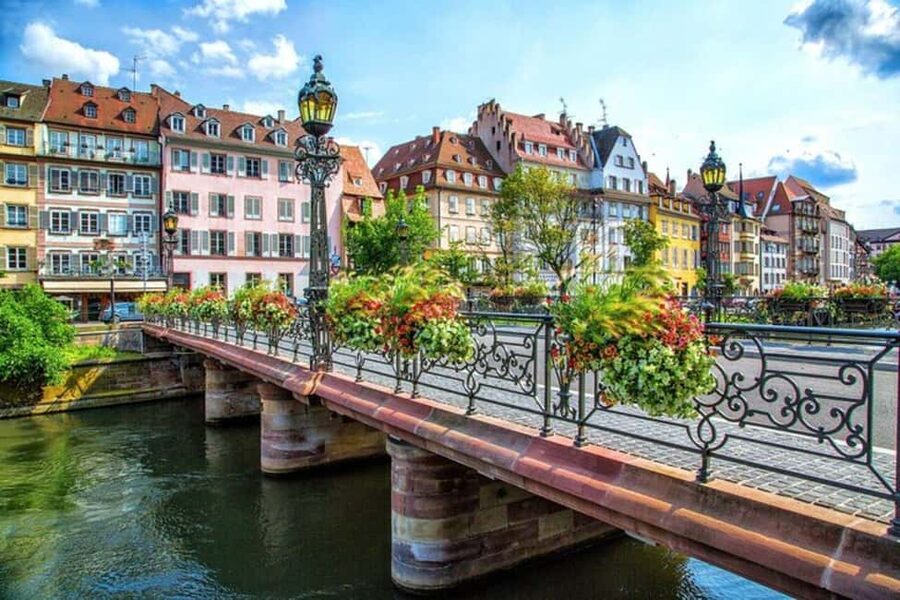
Strasbourg can feel like several cities joined together. Its broad squares reflect grand civic planning, its medieval center is packed with narrow lanes, and Petite France has a softer, more picturesque feel. Add the cathedral, Alsatian food, and the city’s ties to both France and Germany, and a first visit can become a pile of disconnected impressions.
A local guide helps put those pieces in order. Instead of simply pointing out a building, your guide can explain how the squares relate to one another, what changed over time, and which places deserve a closer look later. That context is the real value of the tour.
The private setup matters. You are not trying to keep up with a large group or wait while strangers ask questions. You can tell your guide that you care about architecture, local food, photography, family travel, or city history, then let the route reflect that interest.
The tour is also a smart first activity. After two hours, you should know which parts of the center you want to revisit, where you might eat, and how to spend the rest of your stay. It is less useful if you already know Strasbourg well or want a long, detailed interior tour of the cathedral.
More History Walking Tours in France
- Paris: Dark History and Ghostly Guided Walking Tour
★ 4.7 · 1,000 reviews - Vieux Lyon Cultural & Historical Walking Guided Tour (English)
★ 5.0 · 942 reviews - Strasbourg: Guided Historical Neighborhoods Walking Tour
★ 4.9 · 275 reviews
Starting at 7 Rue des Frères
The meeting point is 7 Rue des Frères, with the tour returning there. The route information also places Notre Dame Cathedral, Place Saint-Étienne, Place Broglie, Place Kléber, and Place de la République on the walk.
The exact order can be adjusted because this is a private, customizable tour. The description of the experience begins with Place de la République, while the listed route places the cathedral first. I would confirm the preferred order with the guide when booking, especially if you want to finish at a particular sight or need to return to the starting point on time.
Since the walk lasts two hours, arrive ready to move at a steady pace. Food and drinks are not included, so plan a café stop before or after the tour rather than expecting one during it.
Place de la République and Strasbourg’s wider story
Place de la République is a fitting place to begin because it gives your guide room to explain Strasbourg’s broader story before the walk narrows into the old center. The square is one of the city’s major historic spaces, and its formal layout provides a useful contrast with the intimate lanes you will see later.
One detail I particularly value is the chance to get a timeline early in the tour. Jean-Pierre has used the opening minutes to give visitors a clear outline of Strasbourg’s past, making later buildings and streets easier to understand. That is a small teaching choice, but it can make the entire walk more useful.
Ask your guide to connect the square with the city’s changing identity. Strasbourg is an international city, and one visitor appreciated the way the tour brought together its history and international character. You do not need a lecture here. A short, clear explanation can give the rest of the route a firm foundation.
Place Broglie and Place Saint-Étienne
Place Broglie and Place Saint-Étienne add variety to the tour. They are not simply extra stops to tick off. They help show how Strasbourg’s public spaces differ in scale, mood, and purpose.
At Place Broglie, your guide can explain the square’s place in the city and point out details you might pass without noticing. Since the tour is private, this is a good moment to ask about architecture or local life rather than saving every question for the cathedral.
Place Saint-Étienne offers another change of pace. The listed route includes a guided visit here, and the stop gives you a chance to see a part of central Strasbourg beyond the best-known postcard views. If you are interested in how the city’s main sights fit together, ask your guide to use these squares as reference points for later wandering.
The advantage of having a local at this stage is orientation. You learn which direction leads toward the cathedral, which streets connect the principal squares, and where you may want to return after the official walk ends.
More Old Town and Historic Centre Walks in France
- Bordeaux: Historic Center & Chartrons District Bike Tour
★ 4.8 · 709 reviews - Strasbourg on Foot: Historic Center and Petite France with a Local Guide
★ 4.7 · 223 reviews - Rouen: Guided Tour of the Historic Center
★ 4.8 · 145 reviews - Strasbourg: Private Walking Tour of the Historical Center
★ 4.2 · 107 reviews
Place Kléber, Strasbourg’s central meeting point
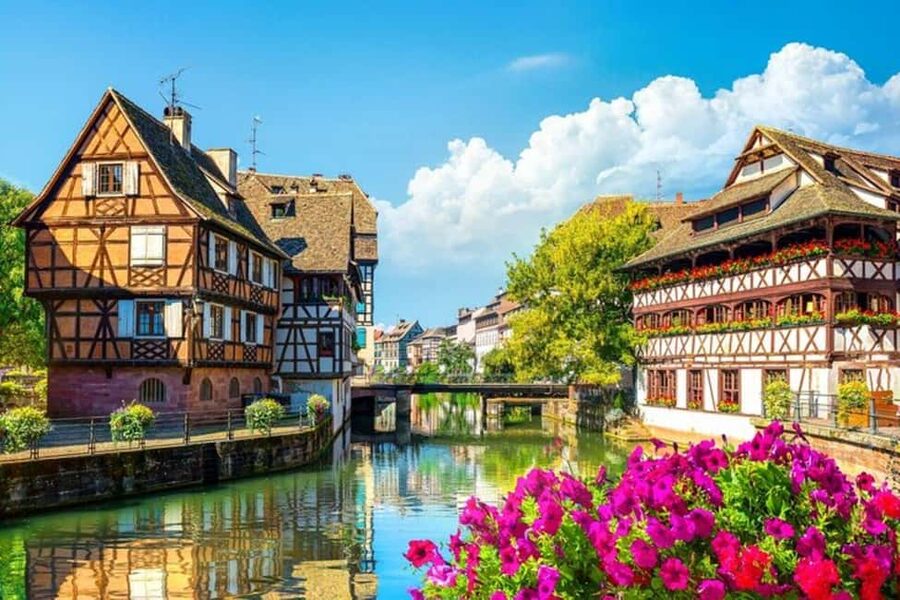
Place Kléber is Strasbourg’s main square and one of the liveliest stops on the route. It is known for its large Christmas tree during the holiday season, but it has an active atmosphere throughout the year.
The square is useful for understanding modern Strasbourg as well as historic Strasbourg. After quieter streets and formal civic spaces, Place Kléber gives you a more open, central view of the city. Your guide can explain what makes it important and help you notice the buildings around it rather than treating it as a quick photo stop.
If you visit during the Christmas season, allow for crowds and decorations to affect the pace. The tree is a special seasonal feature, but the square can also become a busy place. A private guide is helpful here because you can pause for a photo or move on without having to coordinate with a large group.
The lanes and canals of Petite France
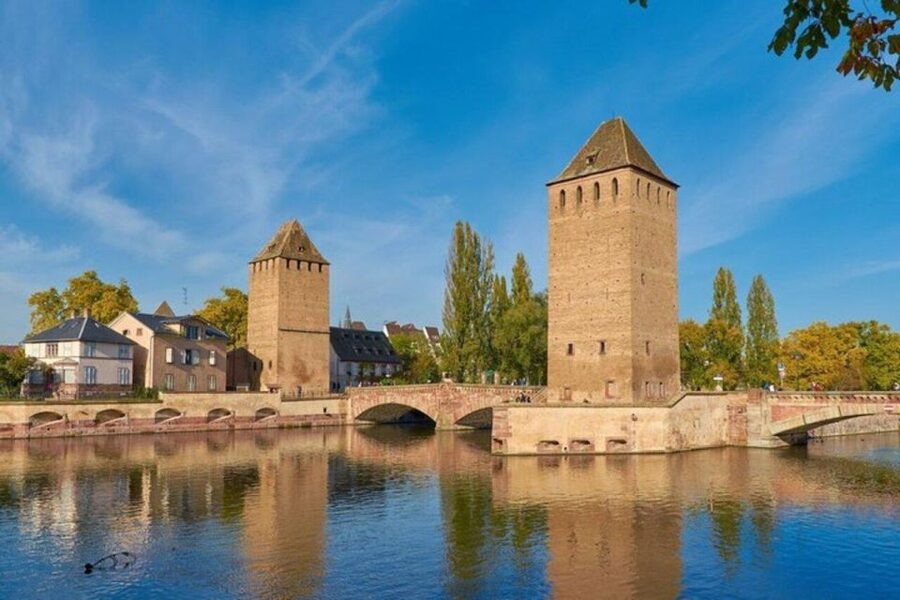
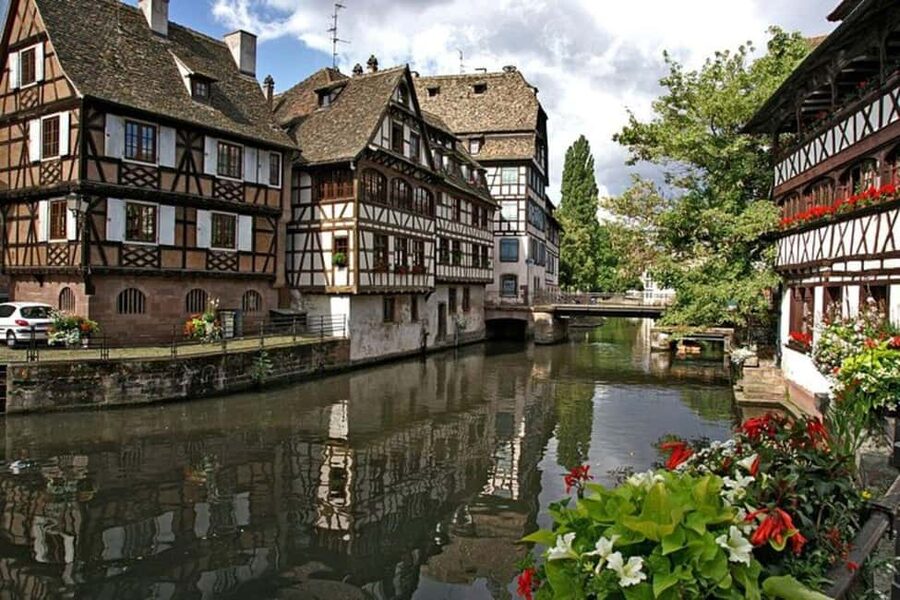
Petite France is likely to be the most immediately charming part of the walk. Its picturesque streets and historic character make it one of Strasbourg’s most recognizable neighborhoods. The important part is not only seeing the pretty buildings, but hearing how the area changed over the centuries.
Ask your guide to explain what Petite France was like in earlier periods and how its role developed. That turns a pleasant stroll into a lesson in city life. You will also have a chance to look beyond the most photographed angles, since the guide can point out streets and corners you might otherwise miss.
Several people who took this walk especially valued being shown places they would not have found alone. That is exactly where a private tour earns its keep. You can slow down for details, ask about local traditions, or follow a side street if something catches your interest.
Petite France is also a good place to tell your guide what you want from the rest of the visit. If food matters to you, ask for advice about Alsatian dishes and places to eat. One visitor used the tour as a food orientation and found the suggestions useful for deciding what to try over the next two days.
Notre Dame Cathedral as the grand finish
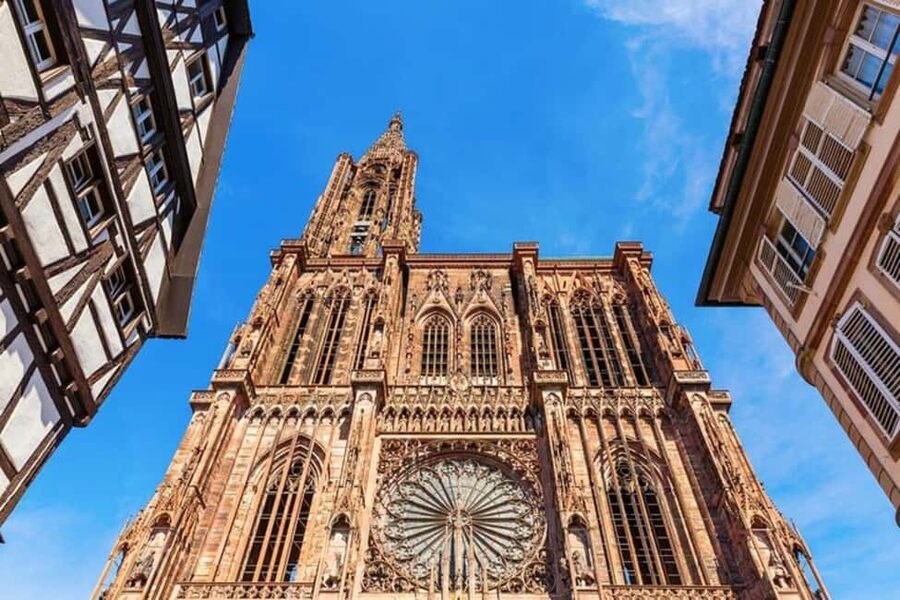
The Cathedral of Notre Dame de Strasbourg is the tour’s most imposing sight. Your guide provides a guided visit and shares stories about the building, its design, and its place in the city.
The cathedral is the sort of place where a guide can save you from looking at a grand facade without knowing what deserves attention. Ask about the features that make the building distinctive, then give yourself a moment to take it in without rushing from fact to fact.
The cathedral received special praise from one visitor who also enjoyed the smaller streets and alleyways around it. That combination is important. Strasbourg works best when you move between large monuments and close-up street views. The cathedral gives you scale, while the surrounding lanes give you texture.
Do not expect this two-hour walk to cover every part of the cathedral in detail. The purpose is orientation and interpretation, not a lengthy specialist visit. If you want more time at the cathedral, tell the guide in advance so the route can give it more attention.
What the guides add to the experience
The guide quality is the main reason to choose this tour over wandering with a map. Andrea is described as warm, engaging, and especially strong on historical details. Marius brings energy, humor, and useful explanations. Jean-Pierre has a clear way of setting out the city’s timeline, and Nahama has been flexible about matching the walk to personal interests.
Those are not identical guiding styles, and that is worth remembering. Your experience depends partly on the guide assigned to your booking. Still, the repeated strengths are clear: local knowledge, friendliness, stories about the buildings, and practical suggestions for what to do next.
The best use of the private format is to speak up early. Tell your guide whether you want:
- More history and dates
- More architecture
- Food recommendations
- Quiet streets and small details
- The major sights at a brisk pace
- Help planning the rest of your visit
One guide noticed that a family enjoyed smelling flowers and suggested rose gardens for later. That kind of personal recommendation is more useful than a generic list because it responds to what you actually enjoy.
The available languages are English, French, Spanish, and Italian. The tour can also be arranged as a private group, and the activity is listed as wheelchair accessible.
Is $34 per person good value?
At $34 per person, the tour is fairly priced for a private two-hour walk, particularly if you are traveling with family or friends and the cost is shared across the group. You are paying for a personal guide, a flexible route, and advice that can improve the rest of your time in Strasbourg.
The value is strongest for first-time visitors. A good introduction can prevent you from spending half a day moving between sights without understanding what you are seeing. It can also help you avoid disappointing meals or missing areas that fit your interests.
The value is weaker if you want a full day of sightseeing or admission to paid attractions. Food and drinks are not included, and the tour does not promise a long interior visit at each stop. Think of it as a guided orientation, not an all-inclusive sightseeing package.
The activity includes walking and public transport unless you select an option that excludes it. Since the route is centered on Strasbourg’s historic areas, the main experience remains on foot, but confirm the transport details for your chosen option.
Who should book this walk?
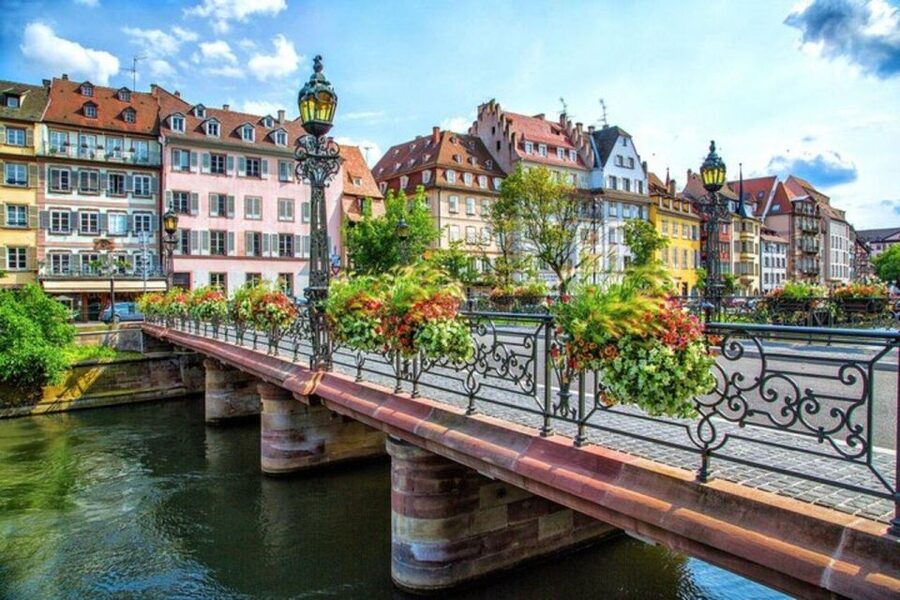
I would recommend it to first-time visitors, families, couples, and small groups who want a personal introduction without committing to a full-day tour. It is especially useful if you have only a short stay and want help choosing what to see next.
It also suits people who like conversation. The strongest descriptions of the experience focus on guides who made the walk feel relaxed and personal, rather than delivering a stiff speech at each stop. If you enjoy asking questions, the private format gives you room to do that.
Food-focused visitors should make their interests clear. The guide can suggest places to eat and explain Alsatian dishes, though meals themselves are not part of the tour.
I would be more cautious if you dislike walking, need long pauses at every sight, or want a specialist architectural tour. Two hours is enough for a useful overview, but not enough for exhaustive detail at the cathedral, Petite France, and every square.
You can cancel up to 24 hours before the start for a full refund, and the reserve-now, pay-later option keeps your plans flexible.
Should you book the Strasbourg historic center tour?
Book it if you want a private introduction with local guidance, especially at the beginning of your stay. The mix of major squares, Petite France, and Notre Dame Cathedral gives you a sensible first look at the city, while the personal format lets you focus on what matters to you.
I would book it early and tell the guide your priorities before meeting. Ask for a clear city timeline, food suggestions, or more time in Petite France or the cathedral. At $34 per person, it is a good buy for a compact, personal orientation, but you should treat it as the first chapter of your Strasbourg visit, not the whole book.
FAQ
How long is the Strasbourg historic center walking tour?
The tour lasts two hours.
What is the price?
The price is $34 per person.
Is the tour private?
Yes. It is a private and exclusive tour, with no one else added to your group.
Can the route be customized?
Yes. The tour includes customization, so you can discuss your interests with the guide.
Which sights are included?
The route includes Notre Dame Cathedral, Place Saint-Étienne, Place Broglie, Place Kléber, and Place de la République. The experience description also includes Petite France.
Where does the tour start?
The listed starting location is 7 Rue des Frères.
Where does the tour finish?
The listed finish is back at 7 Rue des Frères.
Which languages are available?
Guides are available in English, French, Spanish, and Italian.
Is public transport included?
Walking and public transport are included unless you select an option that excludes public transport.
Are food and drinks included?
No. Food and drinks are not included.
Can I cancel for a refund?
Yes. You can cancel up to 24 hours in advance for a full refund.
Can I reserve now and pay later?
Yes. The reserve-now, pay-later option lets you book without paying today.
Newest history tours we have reviewed in France
- Small-Group Full-Day Tour of Côte de Nuits, Côte de Beaune Vineyards and Beaune Historical District★ 5.0 · 364 reviews
- Private Bordeaux History Tour with a glass of Bordeaux wine.★ 5.0 · 28 reviews
- Bordeaux Historic and Gourmet Food Walking Tour★ 4.5 · 82 reviews
- Bordeaux’ Best Boulangeries & History Tour★ 5.0 · 126 reviews
- Historical Center, Bordeaux Food Tour★ 5.0 · 33 reviews
- 2-Hour Walking Tour of the City’s Iconic Sights and History★ 4.0 · 207 reviews
- Private Walking Guided Tour of Historic Bayeux English or French★ 5.0 · 36 reviews
- Historic Bayeux Daily Group City Tour In English 2 hrs (Apr-Sept)★ 5.0 · 220 reviews
Old Town & Historic Centre Walks, compared.
Madrid Essential: Historic Center, Plaza Mayor & Royal Palace
Read our review →
Live Fado Show with Port Wine in Historic Center
Read our review →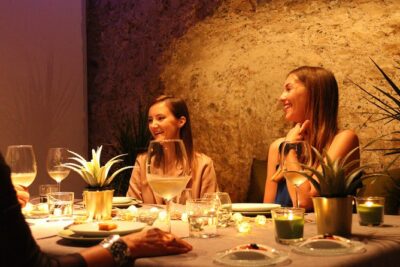
Valencia Old Town Tour with Wine & Tapas in 11th Century Historic Monument
Read our review →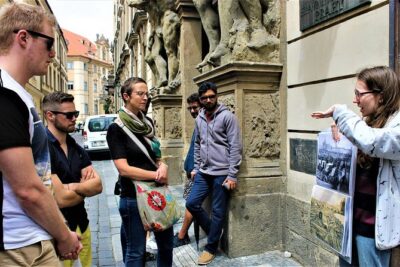
Prague Old Town, Medieval Underground and Dungeon Historical Tour
Read our review →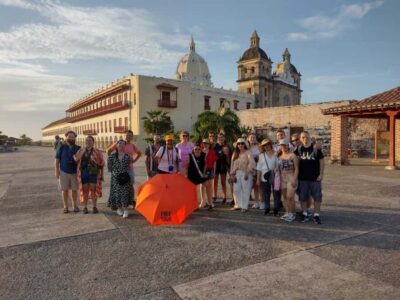
Cartagena: Historic Center and Getsemaní Shared Walking Tour
Read our review →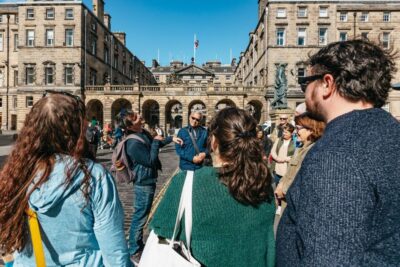
Old Town Walking Tour History and Tales in Edinburgh
Read our review →
Philadelphia Old City Historic Walking Tour with 10+ Top Sites
Read our review →Browse the lists this tour appears in