
Review · INDIA HISTORY TOURS
Shimla: Guided Walk Tour-Heritage, Culture & Colonial Trail
Shimla’s best stories are often found between the famous sights. This private heritage walk links Christ Church, the Ridge, Scandal Point, old government buildings, and the former Viceregal Lodge in one steady route. I like the way it turns a sightseeing stroll into a lesson in British rule, Indian politics, local culture, and modern Shimla.
I also like the local touch. Guides such as Preeti, Pawan, Raghav, and Sunny have been praised for their clear storytelling, food advice, and help with other plans, including the toy train. The main thing to consider is the terrain: this is a real hill walk, with more than 3 kilometers of uphill and downhill streets, and the final stop can require another uphill stretch.
Key points to know before you book
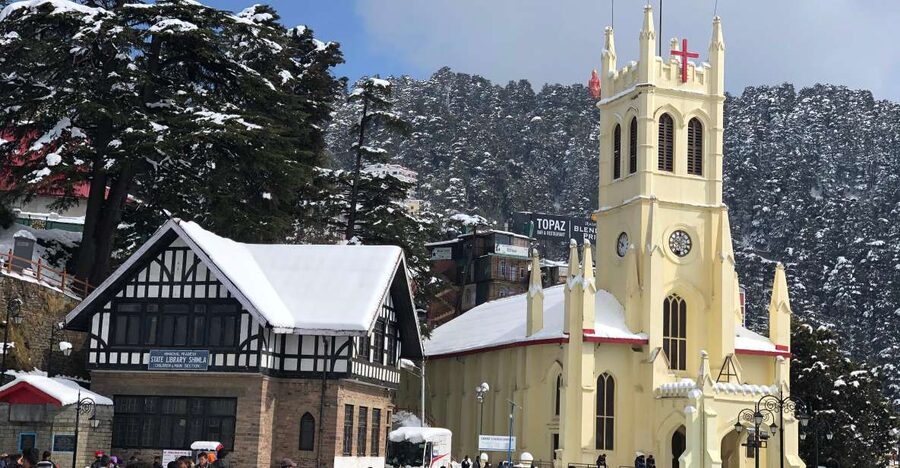
- Christ Church is the right starting point: The walk begins beside one of Shimla’s most recognizable landmarks and quickly places the town’s colonial past in context.
- The route links architecture with local life: You see government buildings, a Hindu temple, a radio station, a hotel, and major public spaces rather than only monuments.
- Your guide makes the difference: Preeti, Pawan, Raghav, Sunny, and other local guides have been praised for history, politics, culture, and practical city advice.
- Expect hills, not a flat city stroll: The route includes short uphill sections, downhill sections, and slippery ground after snow or rain.
- The walk ends at the former Viceregal Lodge: Today it houses the Indian Institute of Advanced Study, with gardens and a quieter finish away from central Shimla.
- At $16, the value is strong: You pay for a private guide and a carefully connected route, but entry fees, meals, and transport cost extra.
Why this two-hour Shimla walk works
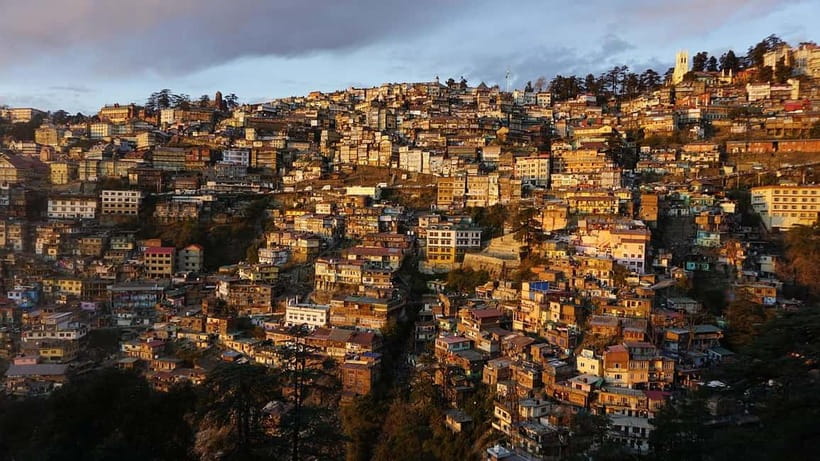
I see this tour as an orientation walk with a strong history focus. Shimla can feel confusing at first because its streets run along steep slopes, and its major buildings are scattered between the Ridge, Mall area, old administrative quarter, and western edge of town.
The route gives you a useful thread to follow. You begin with the British-era center, pass buildings tied to administration and public life, and finish at the former summer seat of British power. Along the way, the guide explains what you are looking at instead of leaving you to guess from a plaque or a photograph.
The experience is private, so you can ask questions without waiting for a large group. That matters here. The tour covers British history, architecture, Indian independence-era politics, present-day public institutions, and local customs. A guide who can move between those subjects gives the walk much more purpose.
The strongest praise has gone to the guides’ personal approach. Preeti has been described as articulate and well prepared, with a particular strength in British history. Pawan has helped people with extra plans, food choices, and even toy train arrangements. Raghav has been praised for explaining each building and for allowing extra time when the hills became tiring. Sunny and Sunni were also described as friendly, relaxed, and well informed.
Guide assignments can vary, so you should not assume you will receive one particular person. Still, the repeated theme is clear: the local guide is the central reason to book rather than simply following a map on your own.
More History Walking Tours in India
- Fontainhas Heritage Walk by Make It Happen
★ 5.0 · 2,834 reviews - The Great Indian Food Tour: Old Delhi Food and Heritage Walk
★ 5.0 · 1,698 reviews - Old Goa Heritage Walk by Make It Happen
★ 5.0 · 797 reviews
Christ Church and the Ridge: Shimla’s grand opening
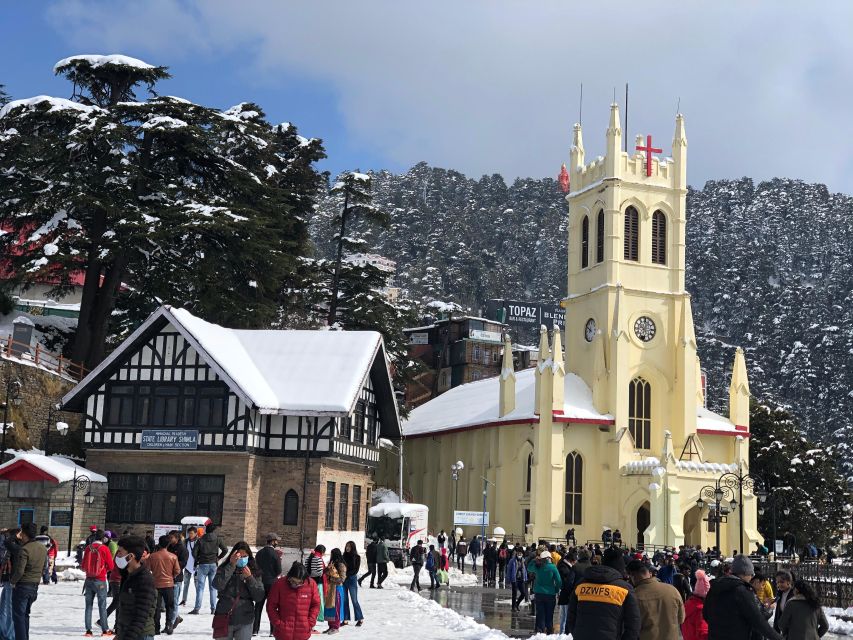
Christ Church gives the walk an immediate sense of place. Its neo-Gothic design, stained glass windows, and organs still in use make it one of the clearest examples of Shimla’s British-era identity.
I would pay attention here before the group moves on. The church is not only a pretty photograph. It helps explain how Shimla developed as a hill station for British officials and visitors. Your guide can add the human side of that story, including how the town functioned as an administrative center and social retreat.
From the church, the route moves toward the Ridge. This broad open area is used for events and gatherings, and it gives you a first chance to see how Shimla’s public life works. The Ridge also acts as a useful reference point. Once you understand where it sits, the surrounding streets become easier to follow.
The first walking section is listed at about 10 minutes. That sounds easy, but remember that Shimla’s short distances can still involve slopes, uneven paving, crowds, or a change in altitude. Wear shoes with a firm grip.
Scandal Point and the stories behind the names
Scandal Point is one of the city’s best-known meeting places, and the name naturally invites a story. It is a quick stop, but it helps bring some local character into a route otherwise focused on official buildings and architecture.
This is where a good guide earns the fee. You can look at a landmark on your own, but you may miss why a place has its name, how residents use it, or how the British-era town became the Shimla you see today. The guide also adds local gossip, which is included as part of the experience and helps keep the history from becoming too formal.
The route then continues toward Bantony Castle. The name is sometimes written as Bentinck’s Castle in descriptions of the walk, so do not be surprised if you hear both forms. The building adds another layer to Shimla’s old estates and colonial architecture.
The stop is scheduled for around 15 minutes of walking. This is not a museum visit with a long indoor program. Instead, you are looking at the building and its setting while the guide explains its place in the town.
Kali Bari Temple adds a different side of Shimla
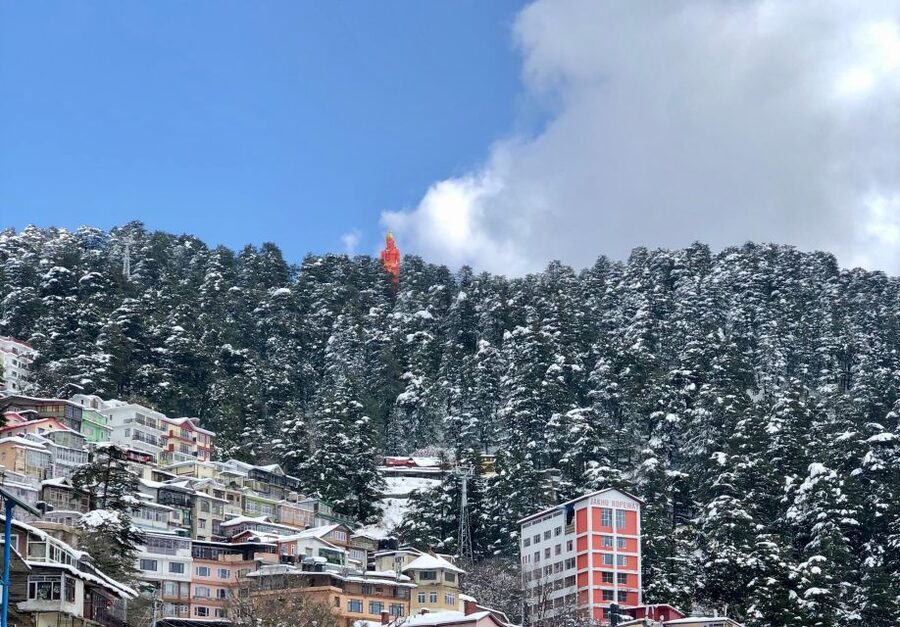
Kali Bari Temple changes the tone of the walk. After several reminders of Shimla’s British past, the temple brings Hindu religious life and local devotion into the route.
That contrast is one of the tour’s strengths. Shimla is not only churches, government offices, and grand colonial buildings. It is also a living Indian hill town, and the temple helps you see that the old colonial center sits within a much broader local culture.
The walk to the temple takes about 15 minutes. The route continues through the city rather than isolating the major sights from everyday streets. You should expect a guide-led look rather than a dedicated religious tour, so dress and behave respectfully and follow any instructions given at the site.
This section is also a good point to ask your guide about local customs, Himachal Pradesh, and Pahari culture. The tour is offered in English, Hindi, and Pahari according to the activity details, while the listed live-guide languages are English and Hindi. If language matters to you, confirm it when booking.
More Local Culture and Traditions Tours in India
- Old Delhi Food, Heritage&Cultural Walk with Rickshaw ride to Masterji Kee Haveli
★ 5.0 · 742 reviews - The Cultural And Historical Walking Tour in Margao
★ 5.0 · 280 reviews - Experience Bangalore – City Tour, Authentic Food & market (Food/Culture/History)
★ 5.0 · 156 reviews - Old Delhi Walking Tour: Food, Culture & Spice Bazaars
★ 5.0 · 94 reviews
Railway Board Building and Gorton Castle
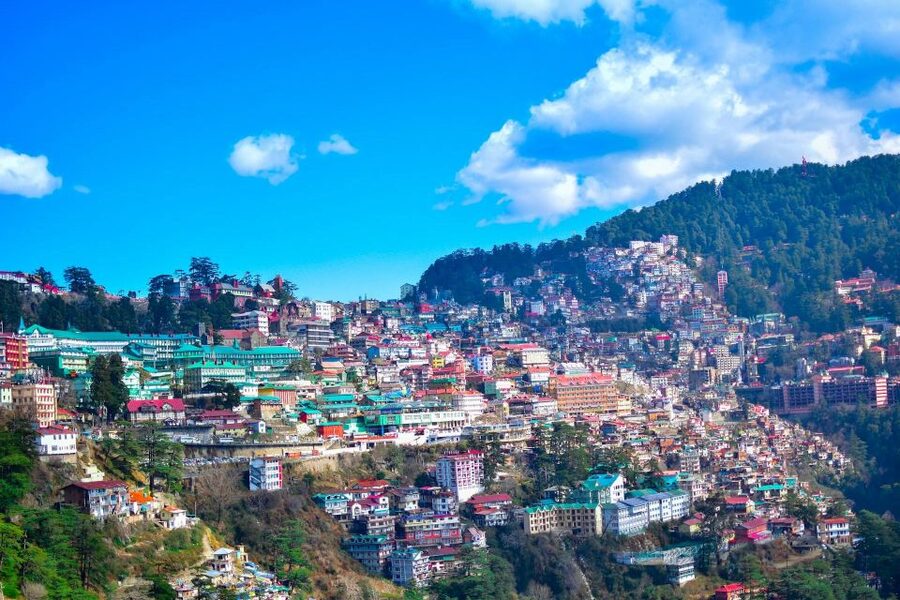
The Railway Board Building and Gorton Castle are among the most rewarding stops for anyone interested in architecture. Their importance is not only visual. They also show how railways, administration, and government helped shape Shimla during the British period.
The Railway Board Building has a distinctive institutional character. It is the kind of place you might pass without understanding its role. The guide gives you a reason to stop and look at its design, location, and connection to the wider system of colonial government.
Gorton Castle continues that theme. It is one of the route’s major architectural sights and a strong example of the old official Shimla. Your guide can connect the building to the wider story of the town rather than treating it as an isolated facade.
Each section is listed at about 15 minutes of walking. The schedule is brisk but not rushed if the group keeps moving. You should not expect long interior visits at every stop. Monument entry is not included, and the tour focuses mainly on the route, exterior views, and guided explanation.
Himachal Pradesh Vidhan Sabha and The Oberoi Cecil
The Himachal Pradesh Vidhan Sabha gives the walk a present-day political angle. This is useful because the story does not stop when British rule ends. The route lets you compare the buildings and institutions of the colonial period with the government of modern Himachal Pradesh.
Guides have been praised for explaining both British-era events and current Indian history and politics. That broader conversation is one of the best reasons to choose a private walk. You can ask how the old administrative center fits into present-day Shimla, rather than hearing only dates and architectural labels.
The stop at The Oberoi Cecil is shorter, with around five minutes of walking. The hotel is another reminder of Shimla’s long connection with highland travel, official visitors, and colonial-era social life. Even if you do not plan to stay there, it helps complete the picture of the town’s old resort identity.
The route then reaches All India Radio. This stop moves the story toward communication and public life. Again, the value lies in the connections. You are not just collecting photographs of buildings. You are following how Shimla worked as a seat of administration, a social center, and a place where information moved.
Finishing at the Viceregal Lodge and IIAS
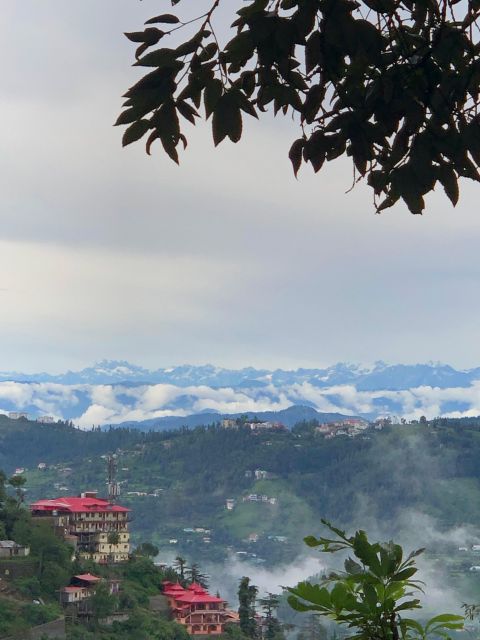
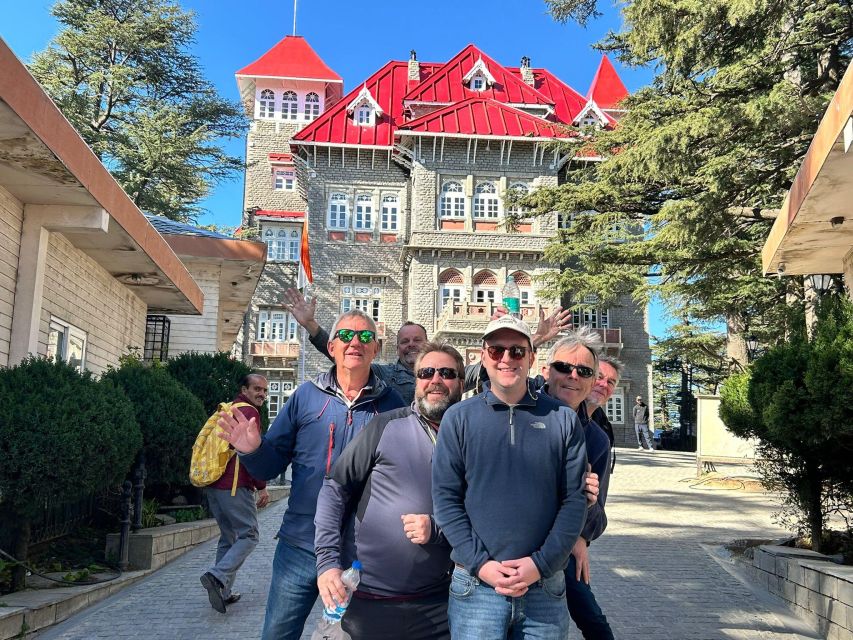
The tour finishes at the Indian Institute of Advanced Study, housed in the former Viceregal Lodge. This is the natural climax of the route. The building is tied directly to the highest level of British administration in India, and its location gives the walk a quieter ending than the busy central streets.
One person who took the walk paid 50 rupees to enjoy the gardens and sit after the guided portion ended. That small detail is useful because the tour itself does not include entry tickets. If the gardens or interior are open and you want to explore them, budget separately.
The final stop can also be physically demanding. The guide leaves you at the site, and one account noted that reaching the lodge involved another long uphill walk. Ask about the exact exit point and onward route before the guide departs, especially if you are tired or need transport afterward.
The Viceregal Lodge is closed on Mondays, and many tourist attractions with permitted public entry also close that day. Do not schedule this walk on a Monday if seeing the final site matters to you.
Fitness, timing, and what to bring
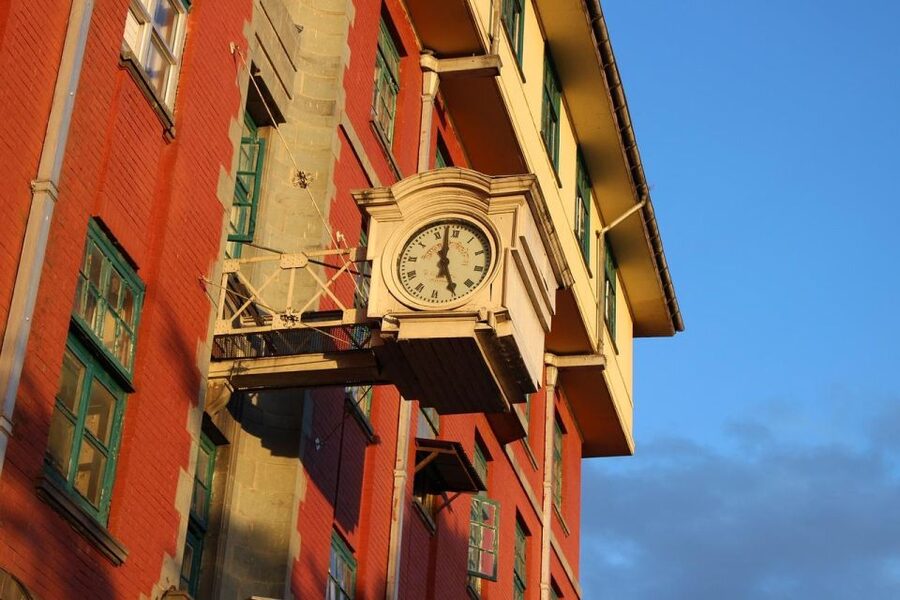
The advertised duration is two hours, but the route covers a substantial portion of Shimla on foot. One account described it as more than 3 kilometers, with constant gradients. Another person combined it with the Jakhu Temple climb in the same day and estimated roughly 10 miles of walking across both activities.
I would treat this as a moderate city hike, not a gentle promenade. Most sections are manageable, and one person who found uphill walking difficult was given time for breaks. Still, the walk is not suited to everyone, especially children under 10, babies under 1, or people over 95 according to the activity restrictions.
Good shoes matter. Snow the day before made parts of the route slippery for one participant. You should also plan for changing mountain weather, though no special equipment is included. Keep water with you, and leave enough energy for the last climb toward the Viceregal Lodge.
There is no hotel pickup, drop-off, or transport. You must reach Christ Church yourself, and the route ends at the Indian Institute of Advanced Study. That one-way format is useful if you are staying near the central area and want to continue sightseeing from the western side, but less convenient if you need to return to your hotel immediately.
Is $16 good value?
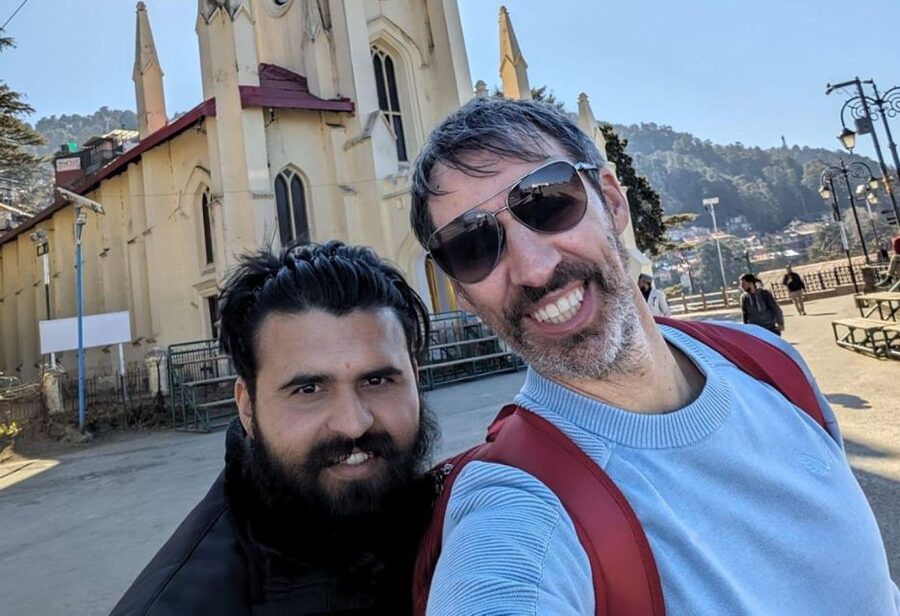
At $16 per person, this is a strong buy if you care about context. A private guide for two hours costs less than many major city tours, and the route covers a wide range of Shimla sights. You also get local suggestions for food, museums, shopping, and spare-time activities, depending on your guide.
The price does not cover monument fees, meals, entry tickets, or transport. That keeps the base cost low, but you should not mistake it for an all-inclusive sightseeing package. Think of the fee as payment for the guide, the route, and the conversation.
The value is weaker if you only want to see the buildings quickly or if you prefer to move at your own pace without commentary. You can walk parts of central Shimla independently. The advantage here is having someone explain why the buildings matter and how the city’s past connects with its present.
Booking is flexible, with cancellation up to 24 hours before the start for a full refund and a reserve-now, pay-later option. Those terms help if your Himachal Pradesh plans may shift.
Who should book this walk?
I would choose this tour if you are visiting Shimla for the first time, enjoy architecture, or want a clear introduction to British and Indian history. It also suits you if you like asking questions and want practical advice on food, museums, shopping, or other local activities.
History and architecture fans will get the most from the route, especially at Christ Church, the Railway Board Building, Gorton Castle, and the Viceregal Lodge. The mix of colonial buildings and Kali Bari Temple also gives the walk more range than a purely British-era tour.
I would think twice if you have difficulty with hills, need transport between stops, or want extensive interior access at every attraction. This is a walking experience first. Its best moments come from the guide’s explanations, not from a long visit inside each building.
FAQ
How long does the Shimla heritage walk last?
The tour lasts two hours.
What is the price of the tour?
The listed price is $16 per person.
Where does the walk start?
It starts at Christ Church in Shimla.
Where does the tour finish?
The walk finishes at the Indian Institute of Advanced Study, in the former Viceregal Lodge.
Which languages are available?
The tour includes English and Hindi live guide options. The guide information also lists Pahari among the guide’s speaking languages.
Is this a private tour?
Yes. The activity is operated as a private group tour.
Is transport included?
No. This is a walking tour with no transportation, hotel pickup, or hotel drop-off.
Are entry fees and meals included?
No. Monument fees, entry tickets, and meals are not included.
Is the tour available on Mondays?
The final point, the Viceregal Lodge, is closed on Mondays. Many tourist attractions where entry is allowed also close on Mondays, so another day is better if you want to visit the sites.
Can I cancel the booking?
Yes. You can cancel up to 24 hours in advance for a full refund, and the reserve-now, pay-later option lets you delay payment.
Should you book it?
Book this walk if you want Shimla to make sense, not just look attractive in photographs. For $16, you get a private local guide, a well-linked route, and a useful introduction to the city’s colonial buildings, religious life, politics, and daily character.
The practical warning is simple: bring good shoes, allow for hills, and avoid Monday if the Viceregal Lodge is important to you. If you can manage the terrain, this is one of the better low-cost ways to get your bearings and understand why Shimla became the city it is today.
More Colonial History Tours in India
- Colonial Heritage Walking Tour in Darjeeling
★ 5.0 · 55 reviews - Vung Tau Essential: Beach, Christ Statue & Colonial Heritage
★ 5.0 · 284 reviews - Full-Day Ho Chi Minh City Tour with Colonial Heritage & Chinatown
★ 5.0 · 246 reviews - Colonial Zone: Historical Tour with a visit to the Columbus Lighthouse and Tres Ojos Park
★ 4.9 · 157 reviews
Newest history tours we have reviewed in India
- Historical Tour including Unesco Kangra fort & Rock cut temple from Dharamshala★ 5.0 · 27 reviews
- Colonial Heritage Walking Tour in Darjeeling★ 5.0 · 55 reviews
- Georgetown heritage walking tour in Chennai about the founding of Chennai★ 5.0 · 144 reviews
- Private Chennai Day Tour – Art History and Contemporary Chennai★ 5.0 · 21 reviews
- Chennai Heritage & Cultural Walk (2 Hours Guided Walking Tour)★ 3.5 · 32 reviews
- Exploring Mylapore: A Cultural & Historical Walking Tour★ 5.0 · 42 reviews
- See Bangalore through my eyes (Cultural / Historical / Walking Tour)★ 5.0 · 60 reviews
- Bangalore: Walk In the Footsteps of Maharajas & Sultans★ 5.0 · 18 reviews
Colonial History Tours, compared.

Vung Tau Essential: Beach, Christ Statue & Colonial Heritage
Read our review →
Full-Day Ho Chi Minh City Tour with Colonial Heritage & Chinatown
Read our review →
Colonial Zone: Historical Tour with a visit to the Columbus Lighthouse and Tres Ojos Park
Read our review →
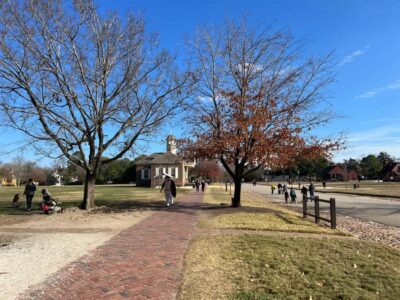
Colonial Williamsburg: Colonial History Guided Walking Tour
Read our review →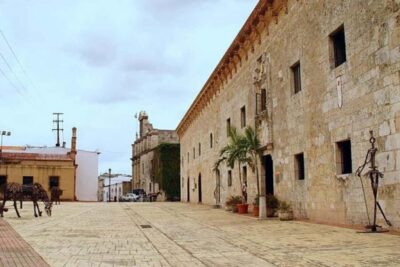
Discover Santo Domingo: Colonial History, Monuments & Lunch
Read our review →
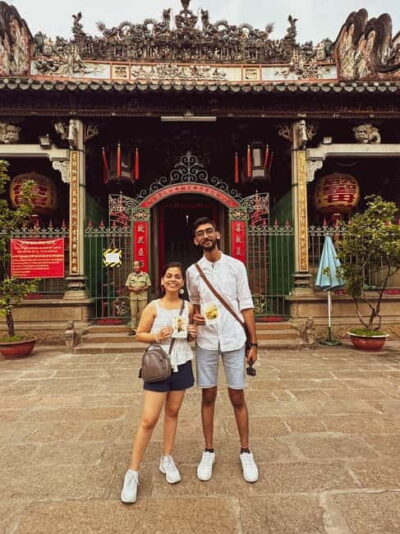
Ho Chi Minh City Tour with Colonial Heritage and Chinatown
Read our review →Browse the lists this tour appears in