
Review · PORTO HISTORY TOURS
Porto Region Museum: a Thousand Years Of History
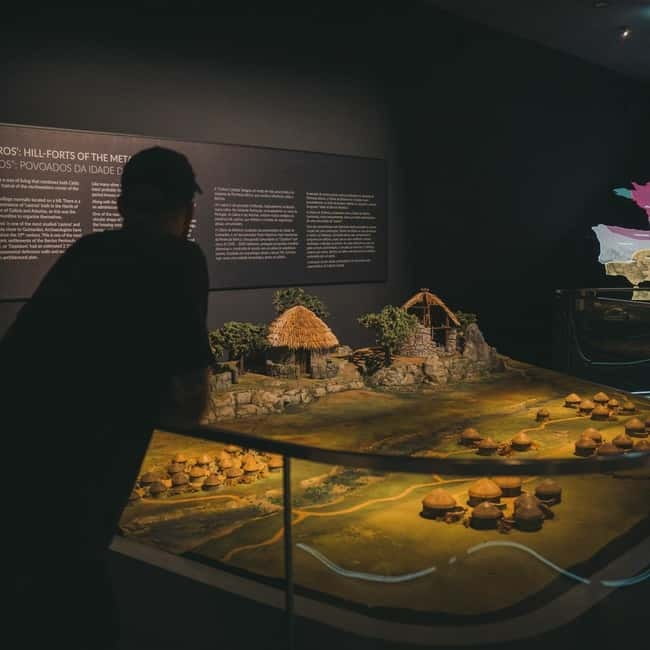
Porto’s story comes alive here through video mapping, film, and sound, rather than through rows of dusty cases. You move from the city’s early origins toward its role in Portugal and its worldwide wine fame, with a life-size replica of Porto’s famous tram adding a playful photo stop. I like the cinematic approach, and I like that the experience gives you useful context before you explore more of the city.
The main drawback is that some sections ask you to read quite a lot, and the information is not always arranged in the expected left-to-right order. The audio guide is offered in six languages, but one visitor had trouble finding the translated material after scanning the QR code, so I would allow a little patience for the technology.
Key points
- A 1,000-year story: Follow Porto from its earliest roots through its national importance and international wine connections.
- Video mapping and cinema: Large-scale visual displays and a film give the history a more dramatic shape than a standard museum panel.
- Life-size tram replica: Use the recreated Porto tram as a memorable photo stop and a quick taste of local character.
- Six audio-guide languages: Audio is available in Portuguese, English, Spanish, French, Korean, and German.
- Flexible timing: Enter anytime between 10:00 and 19:00 on your selected date, rather than arriving at one fixed tour time.
- Useful first stop: The museum works best early in a Porto visit, before you see the city’s churches, quays, bridges, and wine lodges.
Porto’s long story in a short visit
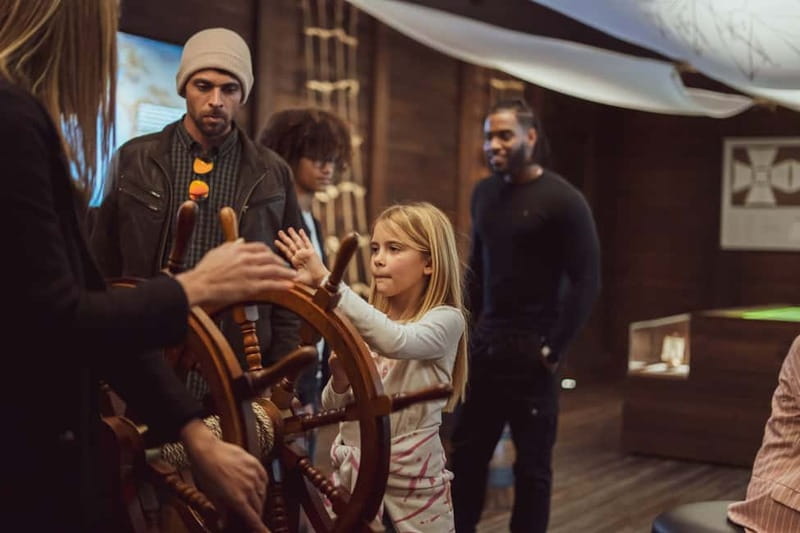
Porto Region Across the Ages, often referred to as PRATA, is designed as an introductory journey through the city and the wider Porto region. It covers roughly 1,000 years, so you should not expect a specialist archive or a quiet research museum. Instead, the attraction gives you a broad outline of how Porto developed, survived change, and gained influence far beyond northern Portugal.
The experience lasts about 90 minutes, though your ticket is valid for the entire opening day. That distinction matters. If you move quickly, you can see the main displays in an hour and a half. If you stop to read every panel, use the audio guide, take photos, and watch the film at a relaxed pace, you may want more time.
I see the museum as a good first stop rather than a final word on Porto’s past. It gives you names, events, themes, and visual clues that can make the rest of your visit easier to understand. Afterward, the city’s old streets and riverside buildings have more meaning because you have already seen the larger story.
More Museum and Gallery History Tours in Porto:
- New York City: American Museum of Natural History Ticket
★ 4.5 · 15,447 reviews - Paris: Louvre Museum Entry with History of Mona Lisa
★ 3.9 · 2,823 reviews - Venice’s Best: Basilica, Doge’s Palace, Gondola & History Gallery
★ 4.5 · 2,478 reviews
Entering the WOW complex
The attraction is part of The World of Wine, known as WOW, in Porto’s Vila Nova de Gaia area. You show your ticket directly at Porto Region Across the Ages. There is no pick-up or drop-off service, so you make your own way there and should plan this as an independent museum visit.
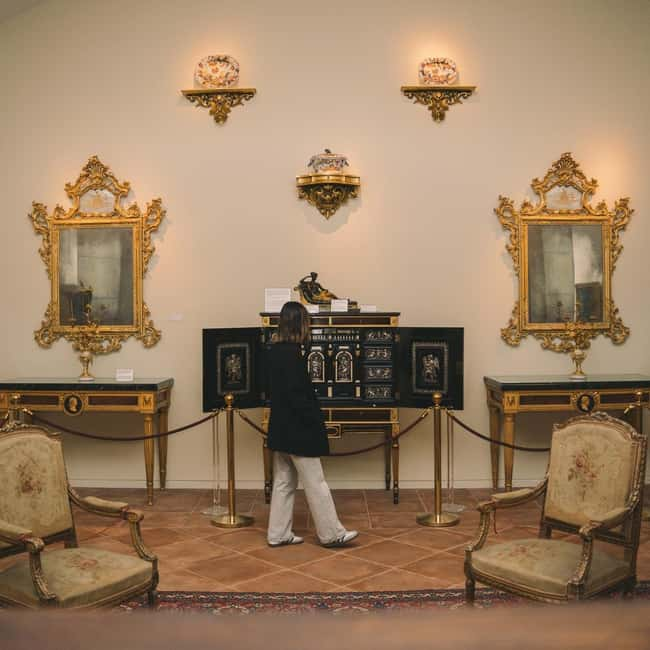
The setting uses the character of the old waterfront warehouses. One visitor particularly liked the architecture and its warehouse style, and I can see why that matters here. The building helps connect the presentation to Porto’s long relationship with trade, storage, shipping, and wine.
The museum is open daily from 10:00 until 19:00, with last entrance at 19:00. You can use your ticket at any time during opening hours on the date you choose. That is handy if you are combining this visit with another WOW museum, lunch, or a walk beside the river.
Opening times can change on bank holidays, so check the official website before setting out. The ticket includes admission, but not transport, refreshments, or any purchases connected with other attractions.
The opening story: Porto before the postcard
The first part sets up Porto’s origins and early development. The supplied information does not give a room-by-room script, so I would expect a visual introduction rather than a detailed academic timeline. The purpose is to show how the city took shape and why its position mattered.
The presentation brings forward the people who helped define Porto: pioneers, conquerors, visionaries, and ordinary residents. That mix is important. A city is not made only by famous rulers or wealthy merchants, and the attraction tries to connect major events with the people who lived through them.
This part may require more reading than you expect from a film-based attraction. One visitor found the amount of written information substantial and appreciated the content. If you prefer to move quickly, listen to the audio guide and use the panels for selected details rather than trying to read everything.
The layout may also take some getting used to. One visitor found the direction of the information confusing because some rooms did not follow the usual left-to-right reading pattern. If you feel uncertain, pause at the entrance to each section and work out the intended route before moving on.
Video mapping that gives the past motion
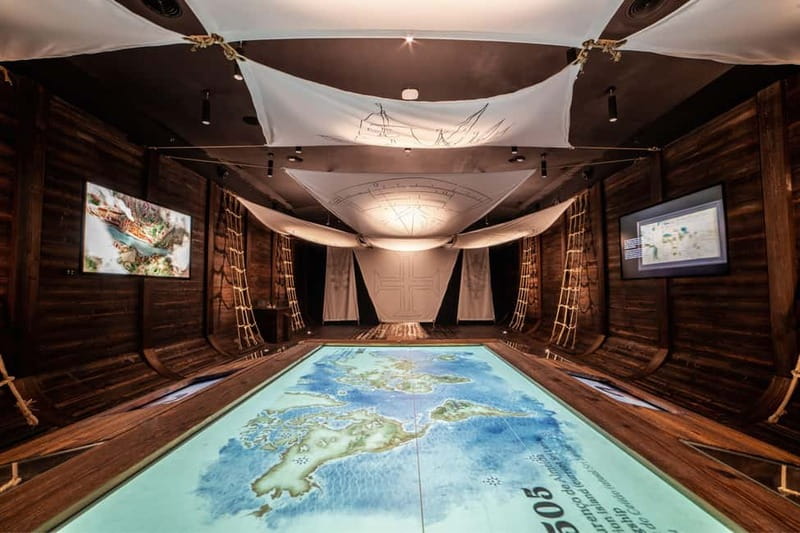
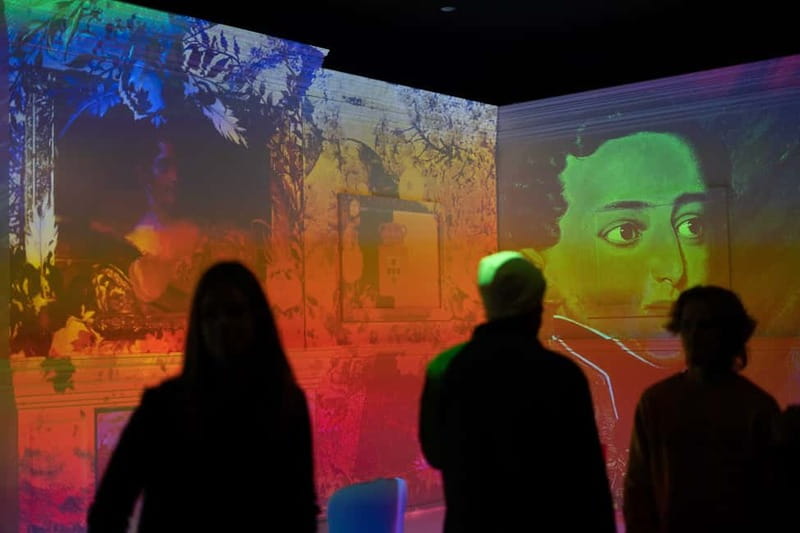
The video mapping displays are the museum’s main visual tool. Instead of presenting history only as text, they project images and effects across the exhibition space. This can make a long sequence of dates and political changes easier to follow, especially if you learn better through pictures than through labels.
I like this approach for Porto because the city’s story involves change over time: early origins, national development, commerce, and international connections. Moving images can show those shifts more clearly than a single static panel.
The displays are also likely to appeal to families and mixed-age groups. Children may not read every historical note, but the projections and changing scenes give them something to follow. Adults who want more detail can use the audio guide or stop at the written explanations.
The visual treatment does not replace the need for attention. You will get more from the museum if you keep track of the sequence and connect the displays to the broader themes. If you simply watch the projections without reading or listening, the visit may feel attractive but less informative.
More History Tours in Porto:
- Douro Valley: Historical Sites, Wine Experience, Lunch & Cruise
★ 5.0 · 5,133 reviews - Porto: An Intimate Fado Show in a Historical Tavern
★ 4.8 · 2,055 reviews - Porto: Historic City Center Walking Tour
★ 4.7 · 1,172 reviews - Porto: Private Tour of the Historic City in a Ford T Car
★ 4.8 · 932 reviews
The cinematic theatre
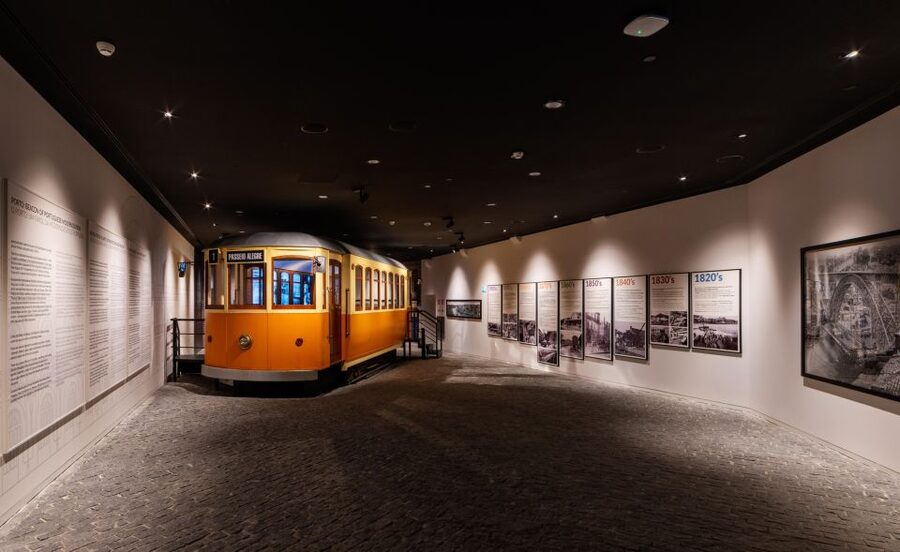
The cinematic section is one of the clearest highlights. The film pulls Porto’s story together in a more focused way and gives the visit a sense of direction. It is especially useful if you find the exhibition rooms slightly hard to follow.
One visitor who was unimpressed with the information layout still liked the film. That tells me the theatre presentation may work well for people who want a strong visual overview without stopping at every text panel.
I would make time for the full film rather than treating it as an optional extra. It helps connect the city’s resilience, culture, and international role. It also breaks up the reading, which is welcome during a 90-minute museum visit.
The film is not a substitute for seeing Porto itself. Think of it as a compact orientation. You will still need to visit the historic centre, riverfront, and other museums if you want a detailed understanding of the city.
Porto’s wine connection and global reach
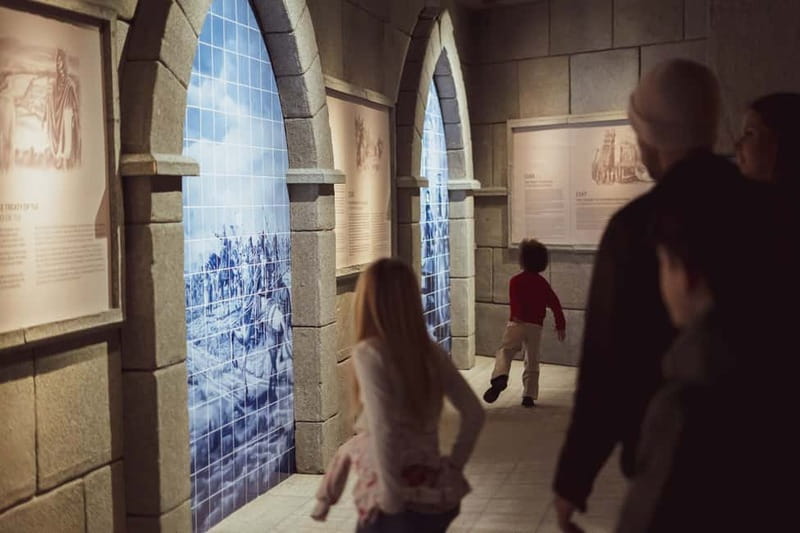
The attraction traces Porto’s rise to world renown, including its connection with wine. That theme fits its location at WOW and gives the museum a clear link to the wider Gaia waterfront.
The wine story is not presented as an isolated product story. It sits within Porto’s larger development as a city with commercial reach and international influence. That broader framing is useful because it helps you see wine as part of the city’s economy, identity, and connection with other places.
I would not book this attraction expecting a wine tasting. The experience is historical and audio-visual, and the ticket information does not include tastings. If you want wine samples or a cellar visit, you would need to arrange those separately at another attraction.
This is one reason the $18 price deserves a careful look. For a 90-minute museum with film, video mapping, and an audio guide, the cost is reasonable if you enjoy designed exhibitions. It is less compelling if your main goal is wine tasting, a traditional collection, or a small museum that you can finish in 30 minutes.
Meeting the city through its people

A useful feature of the presentation is its attention to different kinds of figures. Porto’s story includes those who built, ruled, defended, traded, and changed the city, but also the everyday people who gave it its character.
That human angle can prevent the presentation from feeling like a string of dates. You are not only learning when things happened. You are also being asked to consider how Porto’s people responded to pressure and change.
The theme of resilience runs through the experience. It presents Porto as a city shaped by persistence, passion, and a strong sense of identity. Those ideas can sound broad, but the visual storytelling gives them a practical role by placing people and events inside a larger sequence.
I find this most useful before walking Porto’s older streets. The museum does not replace direct contact with the city. It gives you a framework for noticing how the city’s past remains visible in its buildings, river trade, public spaces, and local culture.
The life-size tram photo stop
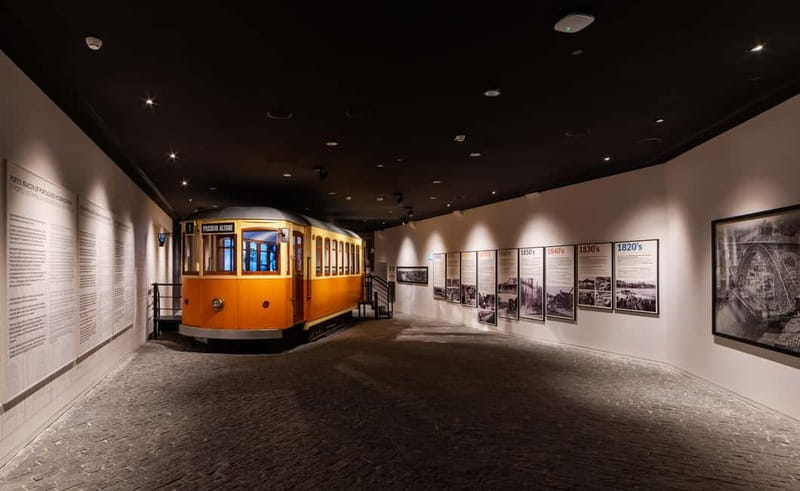
The recreated Porto tram is the most obvious hands-on element. You can step onto the life-size replica and take a selfie, giving the visit a lighter moment after the historical displays.
It may seem like a small feature, but it helps tie the exhibition to a familiar symbol of Porto. The tram is not just a decorative prop in this setting. It gives you a physical connection to the city’s transport history and a simple way to remember the visit.
Families will probably appreciate this stop, as will anyone who wants a photograph rather than another wall of text. If you are visiting alone, it can still make a good self-timer photo point.
Do not expect a full working tram ride. The information describes a replica inside the museum, so treat it as an exhibit and photo opportunity.
Audio guides and the reading load
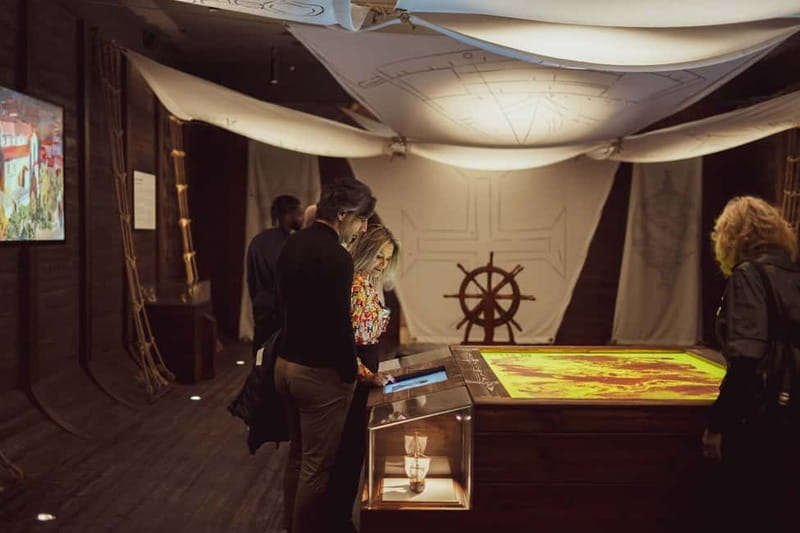
The audio guide is included with admission and is available in Portuguese, English, Spanish, French, Korean, and German. For many people, this will be the easiest way to follow the story without reading every panel.
English-speaking visitors should have a straightforward choice between listening and reading. I would use both selectively: listen to the main narration, then read only the displays that catch your interest. That keeps the visit from becoming tiring.
There is one practical caution. A visitor had difficulty finding the translated information after scanning the QR code and felt the audio setup was not working properly. The available information does not explain the technical cause, so I would check the audio instructions at the start and ask staff for help if the link or device is unclear.
The language choice is a real strength, but the experience may depend on how smoothly the audio system works on the day. Do not assume the QR code alone will explain everything. Give yourself a few minutes at the beginning to confirm your selected language.
How long should you allow?
The stated duration is 90 minutes to one day. In practical terms, most people will probably find 90 minutes enough for a complete visit, while history fans may stay longer to read and replay the material.
Because the ticket can be used anytime on the selected date, you have useful flexibility. You might visit in the morning, leave for lunch, and return to the wider WOW complex later, though the admission details do not specifically promise re-entry. For that reason, I would plan to complete the museum in one continuous visit unless staff confirms otherwise.
The flexible entry time is more useful than a fixed appointment. You can fit the museum around other plans instead of building your day around one departure time. This also helps if you are traveling with children or prefer a slower morning.
Who will get the most from this museum?
I would recommend Porto Region Across the Ages to:
- First-time visitors who want a clear introduction before exploring the city
- Families who need visual material and a few interactive touches
- History fans who do not mind reading and listening
- Visitors staying near WOW who want a structured cultural activity
- Anyone looking for an indoor visit with wheelchair access
- People who enjoy film and design as much as traditional museum objects
I would be more cautious if you want original artifacts, a small quiet collection, or a specialist study of one period. The attraction is built around storytelling technology and broad coverage. It explains a lot, but it cannot give every era equal space.
The museum also suits visitors with different language needs because of the six audio options. Still, check that the audio system is working properly before you get too far into the exhibition.
Is the $18 ticket good value?
At $18 per person, the value depends on how you like to spend museum time. I think it is fair for a 90-minute experience that includes video mapping, a cinematic presentation, an audio guide, and a life-size tram exhibit.
The price becomes more attractive if you are interested in Porto but do not yet know where to begin. A good introduction can save time later because you recognize the major themes when walking around the city.
It becomes less attractive if you expect a traditional museum packed with objects or if you are mainly interested in tasting wine. The ticket does not include transportation, pick-up, drop-off, or other WOW attractions, so calculate the cost of any additional plans separately.
The option to cancel up to 24 hours before the visit for a full refund also reduces the risk. You can reserve now and pay later, which helps if your schedule is still shifting.
Should you book Porto Region Across the Ages?
I would book it early in a Porto visit if you like visual storytelling, want a broad introduction to the city, or are already planning time at WOW. The film and video mapping are the strongest reasons to go, while the tram adds a cheerful local touch.
I would skip it if you want a quiet collection of original objects or a dedicated wine tasting. Also allow extra time for reading, and do not be surprised if the room layout takes a moment to understand.
For most first-time visitors, this is a useful orientation with enough entertainment to keep the history moving. It will not explain every corner of Porto, but it can help you look at the city with sharper eyes afterward.
FAQ
Where is Porto Region Across the Ages located?
It is in the Norte Region of Portugal, at The World of Wine complex in Porto’s Vila Nova de Gaia area.
How much does admission cost?
The listed price is $18 per person.
How long does the experience take?
The suggested duration is 90 minutes to one day. The museum is open daily from 10:00 to 19:00, with last entrance at 19:00.
Can I enter at any time?
Yes. Your ticket can be used anytime during museum opening hours on the selected date.
Which languages are available for the audio guide?
The audio guide is available in Portuguese, English, Spanish, French, Korean, and German.
Is the museum wheelchair accessible?
Yes, Porto Region Across the Ages is wheelchair accessible.
Is transportation included?
No. Pick-up and drop-off are not included, and you should show your ticket directly at the museum.
Can I cancel my booking?
Yes. You can cancel up to 24 hours in advance for a full refund.
Can I reserve now and pay later?
Yes. The booking option allows you to reserve your place and pay later, keeping your plans flexible.
Newest history tours we have reviewed in Porto
- Porto: Walking Tour Through History, Culture & Amazing Views★ 4.5 · 20 reviews
- Porto: Private Tour to the Historic Center in a Classic Car★ 4.9 · 268 reviews
- Porto: Historical Center Walking Tour★ 4.8 · 33 reviews
- PORTO: Historical Walking Tour★ 4.8 · 92 reviews
- Porto: Private & Flexible Walking Tour in Historic Center★ 4.5 · 35 reviews
- Porto: History & Lengends walking tour★ 5.0 · 31 reviews
- Porto: Historic Center Tuk-Tuk Tour★ 4.5 · 244 reviews
- From Porto: Full-Day Douro Historical Tour★ 4.6 · 120 reviews
Museum & Gallery History Tours, compared.
Louvre Museum Entry with History of Mona Lisa
Read our review →
Venice’s Best: Basilica, Doge’s Palace, Gondola & History Gallery
Read our review →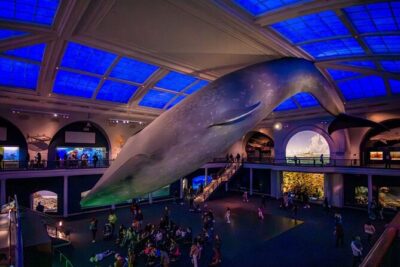
American Museum of Natural History Admission Ticket
Read our review →
Guided African American History Tour with Reserved Museum Entry
Read our review →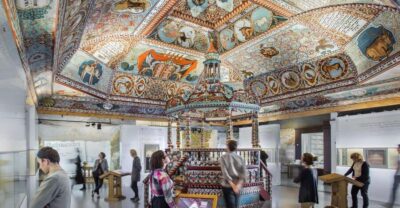
POLIN Museum of the History of Polish Jews Ticket
Read our review →
Bell Tower & St Mark’s Square History Gallery Ticket
Read our review →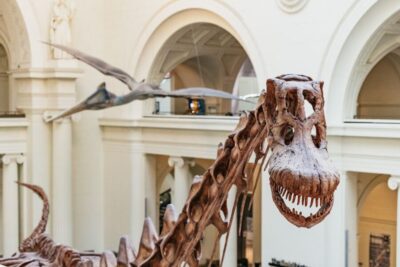
Field Museum of Natural History Ticket or VIP Tour
Read our review →Browse the lists this tour appears in