
Review · USA HISTORY TOURS
Plymouth: Plimoth Patuxet Museums – 3 tickets available
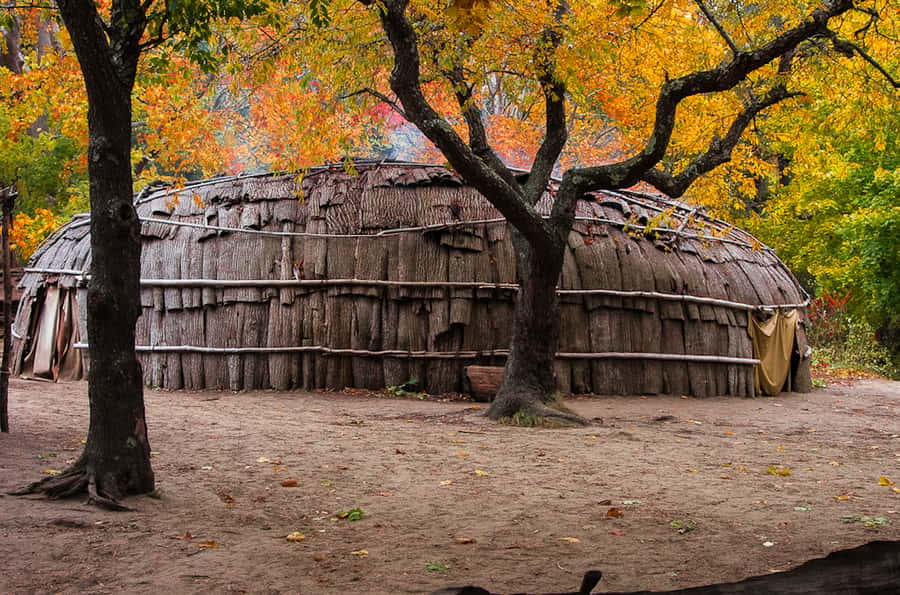
Plimoth Patuxet Museums puts you inside two very different worlds: a 17th-century English settlement and a Wampanoag homesite representing an Indigenous culture with roots here stretching back more than 12,000 years. The costumed interpreters do more than pose beside old buildings. They answer questions, demonstrate daily work, and invite you to take part.
I especially like the first-person English Village, where you can help with chores, learn a dance, join a military drill, or talk with a character living in the year 1627. I also like the chance to see history from an Indigenous perspective at the Patuxet Homesite, rather than treating Plymouth’s story as only a Pilgrim tale.
The main consideration is time and transportation. The basic $35 ticket covers the main campus, but Mayflower II and Plimoth Grist Mill require an upgrade and sit less than three miles away in the waterfront district. There is no shuttle included, and the Mayflower has stairs and is not ADA accessible.
Key points to know before you go
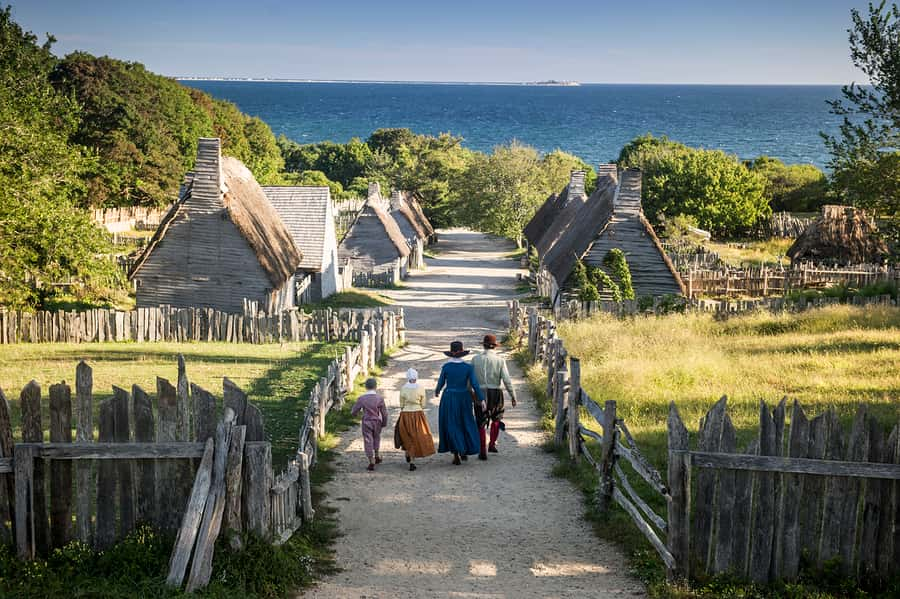
- The English Village is interactive: Talk with first-person interpreters, help with period tasks, hear songs, play games, and watch demonstrations.
- The Patuxet Homesite gives Indigenous history its own voice: Culture keepers explain that Indigenous people lived here long before Europeans arrived and remain here today.
- Mayflower II is an optional add-on: The ship takes about 30 minutes, with modern guides explaining the 1620 crossing and the vessel’s history.
- The Grist Mill still works: See water power turn corn into meal and grits at a reproduction of Pilgrim John Jenney’s mill.
- Allow two to three hours at the main campus: Add roughly 30 minutes for Mayflower II and 30 to 45 minutes for the Grist Mill.
- Special events add seasonal interest: Herring Run Festival, Strawberry Thanksgiving, Green Corn Festival, Indigenous Peoples Weekend, and grain festivals are included with admission when scheduled.
Start at the Henry Hornblower Visitor Center
Your visit begins at the Plimoth Patuxet Museums campus at 137 Warren Avenue. This is where you exchange your electronic voucher for admission, pick up a map, and get oriented.
The main ticket includes four parts of the campus: the Historic Patuxet Homesite, the 17th-Century English Village, the Craft Center, and the Davis Gallery exhibit. You can watch an orientation film in one of two theaters. The film is in English with subtitles, and written translated maps are available, but audio tours are not offered.
I would begin with the orientation film if you want the larger story before walking outside. It helps connect the separate exhibits and gives you a better sense of the people, choices, and conflicts behind the buildings.
Parking at the main campus is free, which is a useful advantage in Plymouth. The waterfront locations have metered parking, so plan your stops rather than assuming you can move between them without effort.
More Museum and Gallery History Tours in the USA
- New York City: American Museum of Natural History Ticket
★ 4.5 · 15,447 reviews - American Museum of Natural History Admission Ticket
★ 4.0 · 1,931 reviews - Guided African American History Tour with Reserved Museum Entry
★ 4.5 · 1,180 reviews
Walk through the Historic Patuxet Homesite
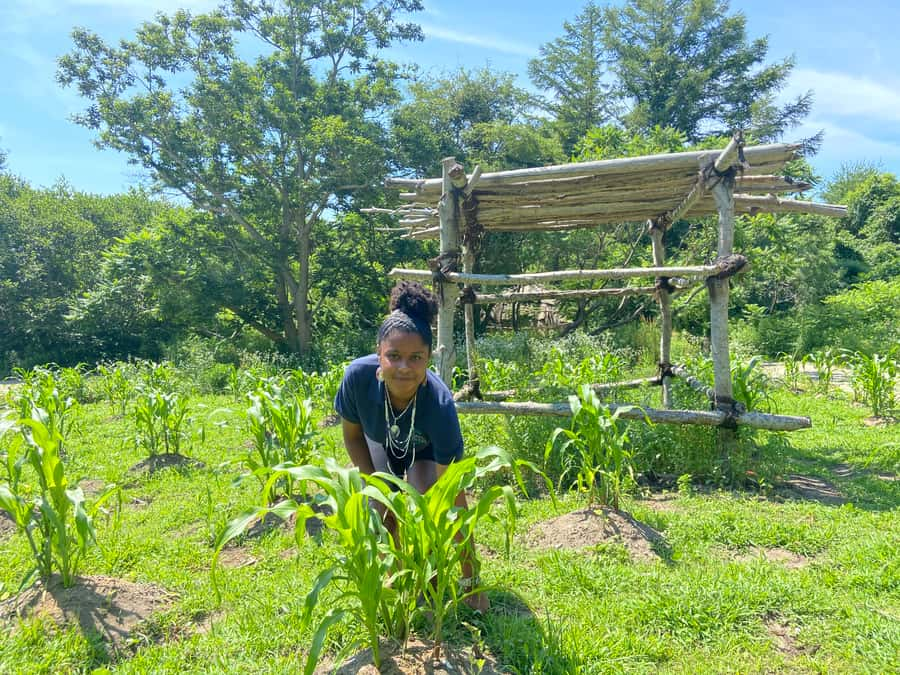
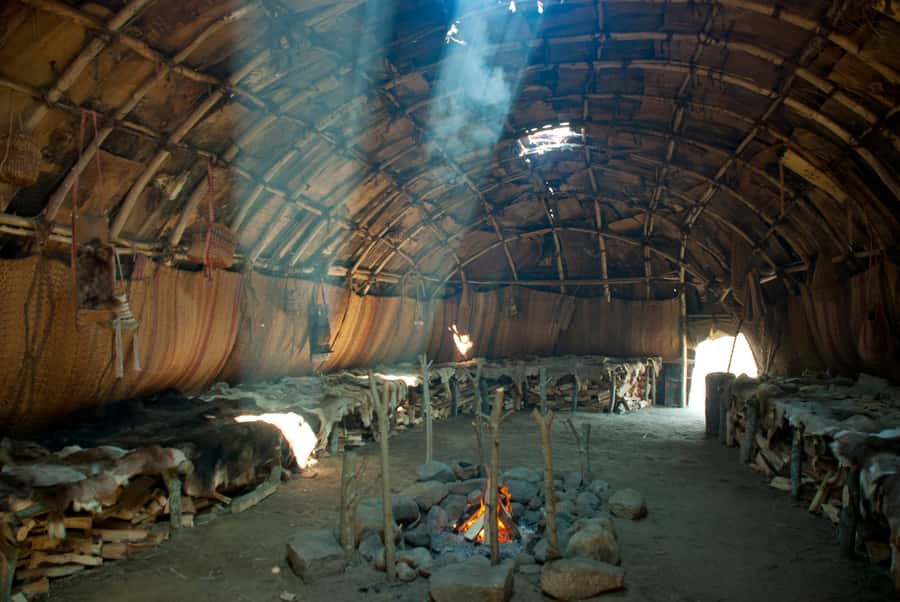
The Patuxet Homesite is not a decorative backdrop for the English story. Culture keepers and educators present their own community and traditions, emphasizing that Indigenous people lived in this region for thousands of years before European arrival and continue to live here today.
You may see demonstrations of cooking, building, tools, or other traditional work, depending on the day and season. The value here is the change in viewpoint. Instead of meeting Indigenous people only as characters in a Pilgrim story, you encounter a living culture with its own history and present-day identity.
This part of the museum can be especially useful for families. Children have room to look around, ask questions, and connect historical information to visible activities. Adults may appreciate the direct discussion of what happened before, during, and after European settlement.
Some people find this area less programmed than the English Village, with fewer scheduled character scenes. That is not necessarily a flaw, but it means you should take time to speak with the educators rather than simply walk through the structures.
Enter the 1627 English Village
The English Village presents a recreated Pilgrim settlement in the year 1627. The people you meet remain in character, speaking and acting as residents of that time. You are not simply looking at buildings behind ropes. You can talk with the interpreters and, when activities allow, take part in village life.
You might help in a garden, learn a dance, sing a song, play a game, assist with chores, or join a military drill. The level of interaction depends on the day and the particular interpreter, but the strongest part of the experience is the chance to ask questions in conversation rather than read every fact from a sign.
The interpreters are widely praised for staying in character and making the history clear. Their accents and period clothing help set the scene, but the real strength is their willingness to answer questions. Plan to linger at the homes and public areas instead of rushing from building to building.
The village also includes heritage rare-breed animals. You may see cows, sheep, goats, pigs, and chickens. For children, these animals can make the settlement feel less like a museum and more like a working community. For adults, they show how much daily survival depended on livestock, food storage, gardens, and constant labor.
November changes the historical setting to 1621 for the First Harvest Feast known in the United States as the First Thanksgiving. At other times, the village represents 1627. Check the seasonal schedule if that distinction matters to you.
One limitation is that not every activity will be running at every moment. The experience is more rewarding when you accept a slower pace and wait for a presentation or conversation. Some people want more direct explanation of how European settlers displaced Indigenous communities, so reading in advance can help you ask better questions.
See historic skills at the Craft Center
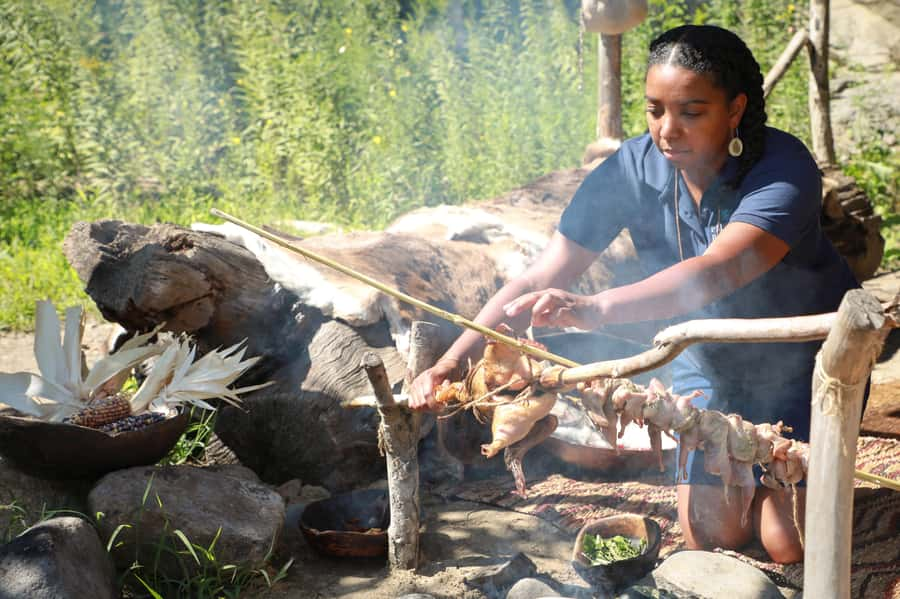
The Craft Center focuses on practical work rather than polished museum display. You can watch reproductions of 17th-century European pottery and see artisan exhibits that change with the season.
This is a good stop for anyone interested in how objects were made before modern factories. Pottery, tools, food, and household goods become easier to understand when you see the skill and effort required to produce them.
The retail area sells Plimoth artisan-made pottery along with other New England artisan goods. Prices vary, but this is a more meaningful souvenir stop than a generic gift shop if you want something connected to the museum’s craft programs.
The Davis Gallery adds another indoor component. Since the exhibits can change, allow a little time here even if your main interest is the outdoor living history.
Same streets, a different century:
- History and Hauntings of Salem Guided Walking Tour
★ 5.0 · 14,564 reviews - Charleston’s Old South Carriage Historic Horse & Carriage Tour
★ 5.0 · 10,023 reviews - Beneath The Streets Underground History Tour
★ 4.5 · 8,006 reviews - Big Island in a Day: Volcanoes Waterfalls Sightseeing and History
★ 5.0 · 6,569 reviews
Add Mayflower II at the Plymouth waterfront

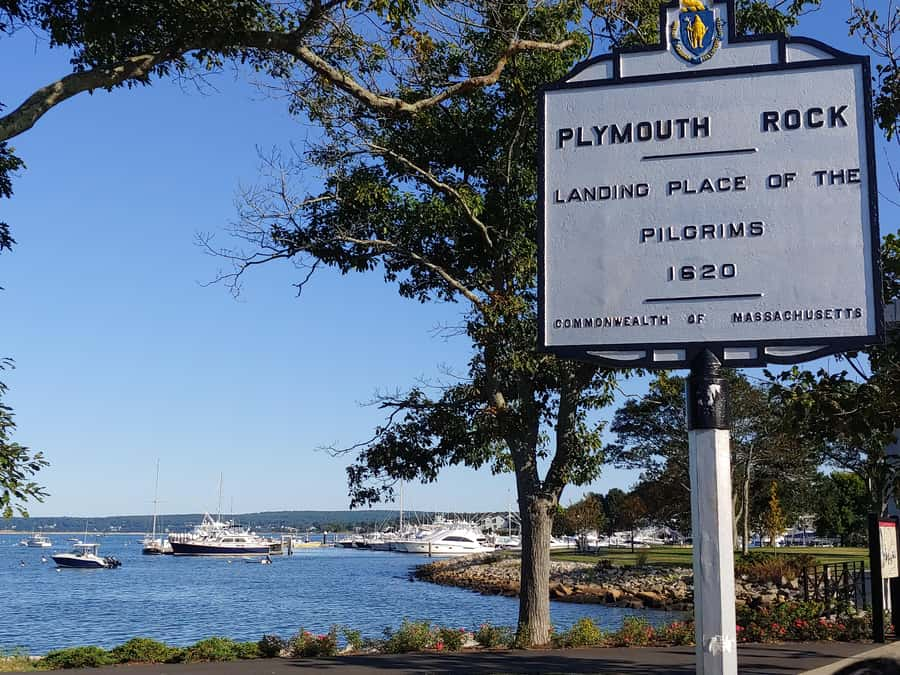
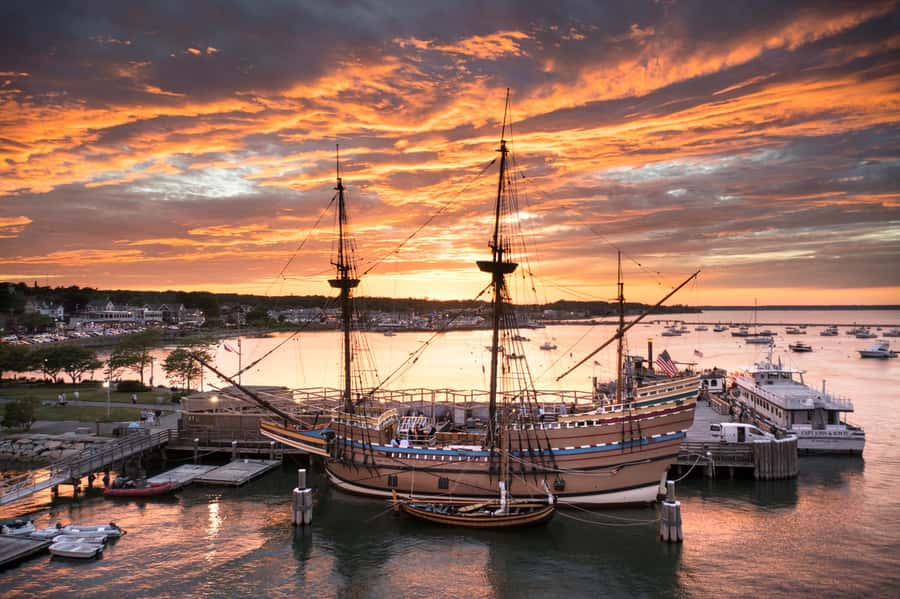
Mayflower II is listed on the U.S. Register of Historic Places and sits less than three miles north of the main campus. It is not included in the basic admission, so choose a Combo Ticket or Heritage Pass if you want to board the ship.
The ship visit takes about 30 minutes. Modern guides explain the 1620 crossing and the history of Mayflower II, while displays help you picture the choices facing the people who sailed across the Atlantic.
The vessel is compact, and stairs make movement difficult for some people. It is not ADA accessible. There is a ramp and stairs, and wheelchair users can access and view the ship from inside the exhibit dock area, but they cannot move through the full ship in the same way as someone who can use the stairs.
If you cannot board, the dock-area displays still provide useful context. A companion can explore the ship while you read about the people and decisions connected to the voyage.
Pair the ship with Plymouth Rock and Cole’s Hill if you are already downtown. The recommended time for Mayflower II is about 30 minutes, while Mayflower II plus Plymouth Rock and Cole’s Hill takes roughly an hour.
Watch the water drive Plimoth Grist Mill
Plimoth Grist Mill is another optional stop, also less than three miles from the main campus. It occupies the original location along Town Brook and reproduces the mill built by Pilgrim John Jenney.
The mill is a working water-powered facility, not just a static reconstruction. You can watch the machinery operate and see how water power turns grain into cornmeal. Blue corn has been used in demonstrations, and cornmeal and grits are available for purchase.
The site also includes STEM and history programs for all ages. That makes the mill a useful choice for families who want a clear link between engineering, ecology, food, and colonial history.
Allow 30 to 45 minutes. The stop is shorter than the main campus, but it gives you a strong physical sense of how Town Brook supported work and settlement.
The Grist Mill also has seasonal events. The Herring Run Festival takes place in April, while the Grist Mill Grain Fest is scheduled in November. These events are included with admission when offered.
Plan around seasonal festivals
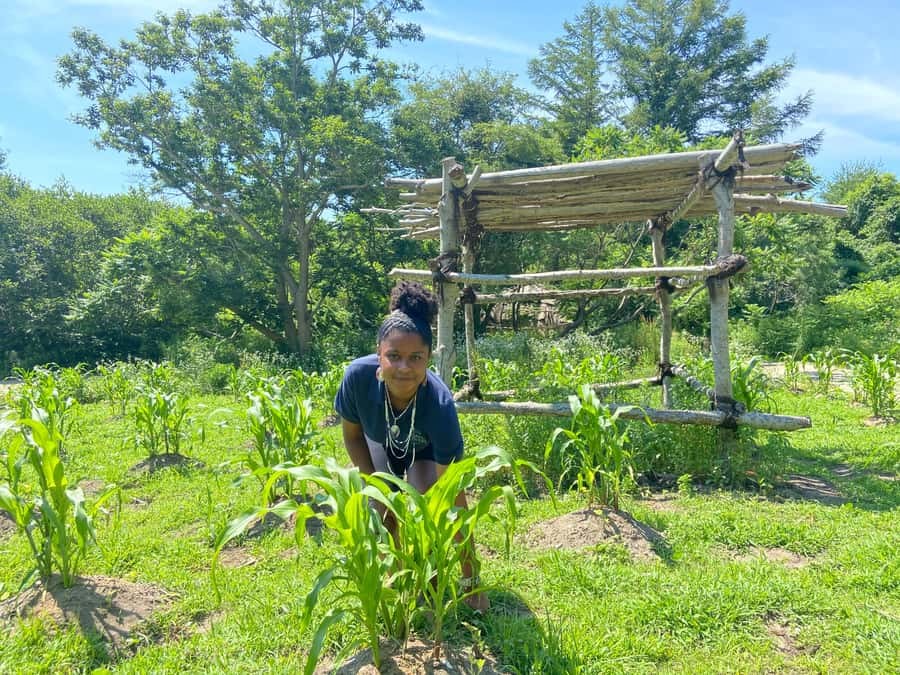
Plimoth Patuxet changes with the calendar, so your dates can affect the experience.
April brings the Herring Run Festival at the Grist Mill. June brings Strawberry Thanksgiving at the Patuxet Homesite. August includes the Green Corn Festival, also at the Patuxet Homesite.
October features Indigenous Peoples Weekend, an especially useful time to focus on the museum’s presentation of Indigenous culture and continuity. November includes both the Grist Mill Grain Fest and the American Thanksgiving program.
These events can add demonstrations and activities beyond a standard visit, but they may also bring more people to the grounds. If you prefer a quieter visit, an ordinary weekday may be easier. If you want extra programming, check the event calendar before choosing your date.
What $35 really gets you
At $35 per person, the basic ticket is a fair buy if you plan to spend two or three hours at the main campus. You get several distinct exhibits, live interpretation, the orientation film, animal programs, the Craft Center, and the Davis Gallery.
The value is strongest for people who enjoy conversation and hands-on interpretation. If you only want to take a few photographs of old buildings, the ticket may feel expensive. If you take part in the activities and speak with the interpreters, the visit offers much more than a standard museum walk.
The Combo Ticket or Heritage Pass makes more sense if you already plan to see the waterfront sites. Mayflower II and the Grist Mill are close to one another, but transportation is not provided. You will need to drive, walk, or arrange your own connection.
The admission is valid for 10 days, and multi-exhibit tickets can be used on different days. Keep the receipt you receive when exchanging your voucher because you may need it at the second location.
Food, shops, and practical comfort
The Plentiful Cafe is open from 11 a.m. to 4 p.m. It serves 17th-century tastings as well as modern favorites, which is handy if you are spending most of the day at the main campus.
Four retail stores offer museum-made and New England artisan products. The Plimoth pottery is the most distinctive purchase, especially if you prefer a useful object over a standard souvenir.
The grounds are wheelchair accessible, but access varies by exhibit. The Mayflower is the clear exception because of its stairs and limited interior access. If you have a mobility concern, mention it at the visitor center. Staff have provided a walker and golf cart service when needed, although you should confirm what assistance is available on your date.
The main campus can take two to three hours, and some people stay longer. Wear comfortable shoes and allow time for conversations. The busiest periods may include school groups, especially in the morning, so an afternoon visit can be calmer.
Who will enjoy Plimoth Patuxet most
I would recommend this experience to families, history students, first-time visitors to Plymouth, and anyone who learns best through conversation. Children have animals, games, demonstrations, and room to move, while adults can ask detailed questions about settlement, agriculture, craft, and Indigenous history.
It also works well for adults traveling without children. The period performances can make a thoughtful date or a relaxed afternoon, particularly if you read a little about Plymouth before arriving.
You may enjoy it less if you want a fast, highly scripted tour or a single guide leading you from stop to stop. This is self-guided, and the quality of your visit depends partly on how much time you spend talking with the interpreters.
Should you book it?
Book the basic ticket if you want a substantial visit focused on the Patuxet Homesite and English Village. Add Mayflower II and the Grist Mill if you have time to visit downtown Plymouth and want the clearest picture of ships, settlement, machinery, and daily work together.
I would especially choose the combo for a first visit to Plymouth. The main campus supplies the people and stories, Mayflower II shows the cramped voyage, and the Grist Mill connects settlement to food and engineering. Just plan your transportation, allow at least half a day, and remember that Mayflower II is not fully accessible.
FAQ
Where do I begin the visit?
Begin at the Henry Hornblower Visitor Center at Plimoth Patuxet Museums, 137 Warren Avenue, Plymouth, Massachusetts. This is where you exchange your electronic voucher for admission.
What does the basic admission include?
Basic admission includes the Historic Patuxet Homesite, 17th-Century English Village, Craft Center, and Davis Gallery exhibit.
Are Mayflower II and Plimoth Grist Mill included?
They are included only if you book the relevant Combo Ticket or Heritage Pass option. Both locations are less than three miles north of the main campus in Plymouth’s waterfront district.
How much time should I allow?
Plan on two to three hours at Plimoth Patuxet. Mayflower II takes about 30 minutes, and Plimoth Grist Mill takes about 30 to 45 minutes.
Is the experience wheelchair accessible?
The main campus is wheelchair accessible. Mayflower II is not ADA accessible because it includes a ramp and stairs. Wheelchairs can access and view the ship from inside the exhibit dock area.
Can I use a multi-exhibit ticket on different days?
Yes. Multi-exhibit tickets may be used on different days. Keep the receipt you receive when exchanging your voucher because you may need it when visiting the second location.
Newest history tours we have reviewed in the USA
- Self Guided Detroit’s Spirit and History Solo Walking Tour★ 4.5 · 41 reviews
- Best Downtown Detroit Historical Walking Tour★ 5.0 · 56 reviews
- Detroit’s Hidden History Guided Walking Tour★ 5.0 · 48 reviews
- Private Nightlife Tour in Denver: Culture, History, and Cocktails★ 5.0 · 48 reviews
- Historical Walking Tour Of Denver With A Haunting Twist★ 5.0 · 19 reviews
- Tip Based: Capitol Hill History & Ghost Tour★ 5.0 · 34 reviews
- Denver – Capitol Hill Guided Walking Ghost / History Tour★ 4.5 · 75 reviews
- JFK Historical Tour★ 5.0 · 22 reviews
Museum & Gallery History Tours, compared.
Louvre Museum Entry with History of Mona Lisa
Read our review →
Venice’s Best: Basilica, Doge’s Palace, Gondola & History Gallery
Read our review →
American Museum of Natural History Admission Ticket
Read our review →
Guided African American History Tour with Reserved Museum Entry
Read our review →
POLIN Museum of the History of Polish Jews Ticket
Read our review →
Bell Tower & St Mark’s Square History Gallery Ticket
Read our review →
Field Museum of Natural History Ticket or VIP Tour
Read our review →Browse the lists this tour appears in