
Review · PALERMO HISTORY TOURS
Palermo: Mafia history and present, Street Food Walking Tour
Palermo’s street food becomes a way to talk about civic courage on this unusual evening walk. With Elena, a law graduate who worked at the Italian Supreme Court, you move through the old center, discuss the Mafia’s past and present, and eat at businesses that refuse to pay pizzo, the protection racket.
I like the small maximum of 10 people, which gives the conversation room to breathe. I also like the direct link between the food stops and Palermo’s social life: every bite supports a business chosen for resisting organized crime.
The main drawback is clear: this is not a monument-by-monument tour. If you want detailed art history or a full explanation of Palermo’s churches and palaces, choose another walk, or pair this with one.
Four reasons this Palermo tour is different
- A law-trained guide: Elena brings professional experience from Italy’s Supreme Court to conversations about organized crime and civic life.
- Four substantial tasting stops: Expect fried Sicilian treats, sfincione, pani câ meusa, craft beer, and local desserts.
- Pizzo-free businesses: The food stops connect your meal with Palermo’s anti-racket movement.
- A present-day focus: The discussion reaches beyond old Mafia stories to current scandals and daily choices.
- An evening walk in the old center: You see Palermo while moving between food, neighborhoods, and conversation.
- A useful small group: With no more than 10 participants, you can ask questions without shouting across a crowd.
Why this is more than a Mafia sightseeing tour
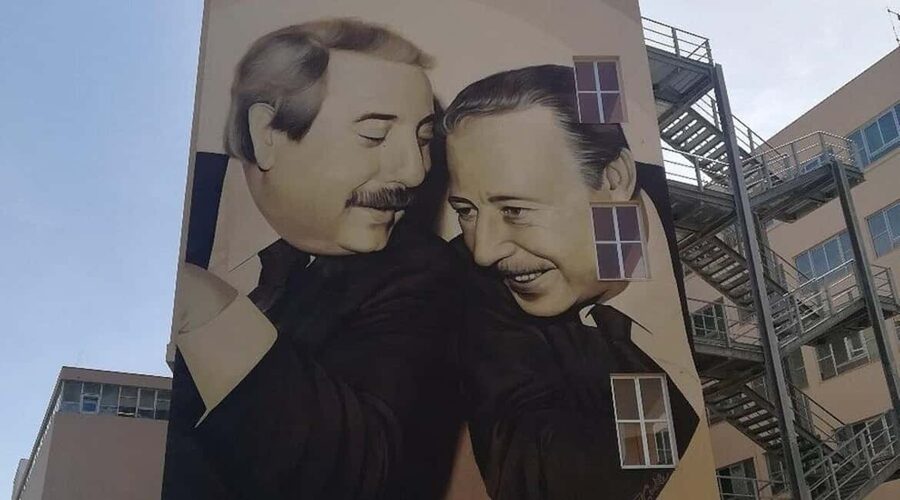
Many Mafia-themed activities reduce Sicily to gangsters, old murders, and movie references. This one aims at a harder question: how does organized crime affect ordinary choices now?
That difference matters. Elena’s background gives the discussion a legal and civic frame, while the walk keeps it tied to real places and businesses. You are not only hearing how the Sicilian Mafia developed. You are also considering how criminal power can shape commerce, silence, trust, and public behavior.
The experience is designed around open conversation rather than a formal lecture. You can expect stories about people and businesses that chose to resist, along with discussion of the social cost of saying no. Near the end, the group looks together at current local scandals from the newspaper and considers how consumption and civic awareness can push back.
I find that approach more useful than a simple timeline of Mafia events. It gives you a way to understand Palermo as a living city, not a stage set for crime stories.
Still, keep the limits in mind. This is not built around detailed explanations of monuments, paintings, architecture, or church interiors. You will walk through the historic center, but the focus is the Mafia and present-day social dynamics.
More History Walking Tours in Italy
- Venice: City Center Historical Guided Walking Tour
★ 4.2 · 1,873 reviews - Palermo: Street Food and History Walking Tour
★ 4.9 · 1,486 reviews - Verona: History and Hidden Gems Guided Walking Tour
★ 5.0 · 1,379 reviews
Starting at Epic Sicily in Vucciria
The meeting point is the Epic Sicily base, described as an Epic home in Vucciria. It also works as an information point, locker area, and rest stop for visitors.
Vucciria is a practical setting for this subject because the tour begins in Palermo’s historic center, close to the city’s street-food culture. You should plan your route to the meeting point before the start time, since transportation there is not included.
The tour lasts three hours, usually in the evening, though you need to check the available starting times for your date. Wear comfortable shoes. This is a walking experience through city streets, with several stops for food and discussion rather than a seated tasting session.
The group limit of 10 is one of the strongest practical features. Elena can speak with the group instead of delivering a speech to a mass of people. If you have a question about the history, the legal side, or the present-day issues, a small group makes it easier to ask.
The tour is wheelchair accessible, according to the activity details. Since the experience takes place on foot through the historic center, you may still want to confirm any specific mobility needs before booking.
Meeting Elena and setting the tone
Elena is presented as a law graduate with experience at the Italian Supreme Court. That is important context, but the tour is not described as a courtroom lecture. The tone is informal, conversational, and tied to life in Palermo.
The strongest praise around the experience centers on Elena’s passion, clarity, and connection to the city. You should expect an enthusiastic guide who speaks about Palermo with personal commitment, not a detached recital of dates.
That energy seems to be a major part of the value. The Mafia can be a grim subject, and a guide who can connect hard facts with the daily life of a city helps keep the talk human. You hear about courage, fear, choices, and responsibility rather than only criminal organizations and historical milestones.
The conversation covers the origins of the Sicilian Mafia and its development into a modern criminal organization. It also asks how that influence reaches into ordinary Sicilian life. The exact balance will depend on the group’s questions, but the stated focus is firmly on the past and present.
You may find the open format especially useful if you already know the basic Mafia story and want to understand what it means in Palermo now. If you prefer a tightly scripted route with a fixed list of landmarks, this may feel less predictable.
First tasting: fried Sicilian street food
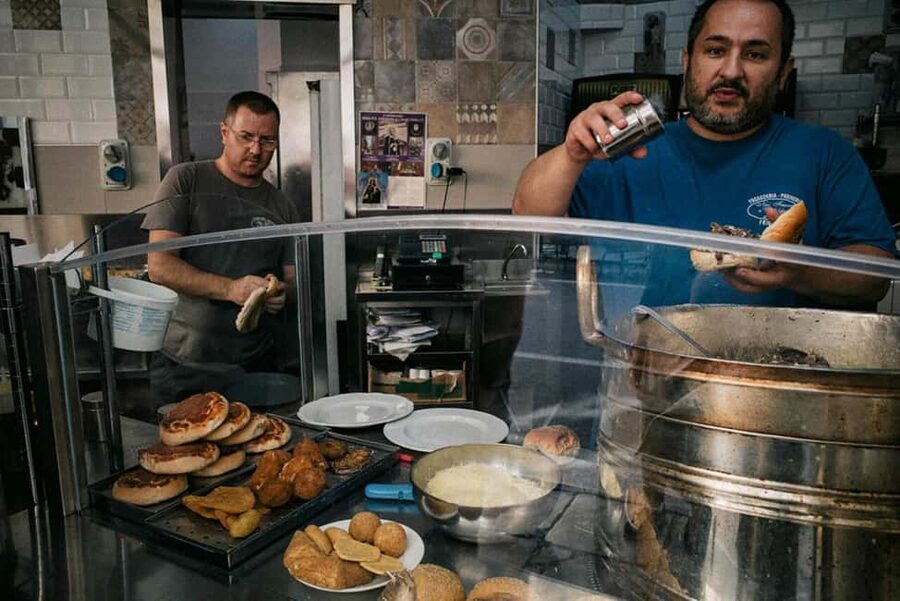
The food begins with traditional fried treats, including panelle, crocchè, and fried vegetables. These are familiar parts of Palermo’s street-food tradition, and they give you a quick sense of the city’s casual eating culture.
Panelle are chickpea fritters, while crocchè are potato croquettes. The fried vegetables round out the tasting with something simple and local. This stop is a good introduction because the food is informal, filling, and closely tied to everyday Palermo rather than restaurant dining.
The connection to the tour’s main subject is equally important. The food is served at a pizzo-free establishment, meaning a business identified with resistance to the protection racket. You are not just stopping at a convenient snack bar. You are being shown how eating choices can carry a civic meaning.
Do not treat this as a light nibble. The portions across the evening can add up quickly. One useful tip is to arrive hungry, but not so hungry that you cannot listen and keep walking.
More Food and History Tours in Italy:
- Rome Food Tour in the Historic Centre with 8+ Food Tastings
★ 5.0 · 1,000 reviews - Walking Tour and street food Tour Palermo / History and Food
★ 5.0 · 386 reviews - Lecce History and Street Food Tasting Small Group Tour
★ 5.0 · 288 reviews - Private Rome Food Tour in the Historic Centre with 8+Tastings
★ 5.0 · 135 reviews
Sfincione and pani câ meusa in Palermo
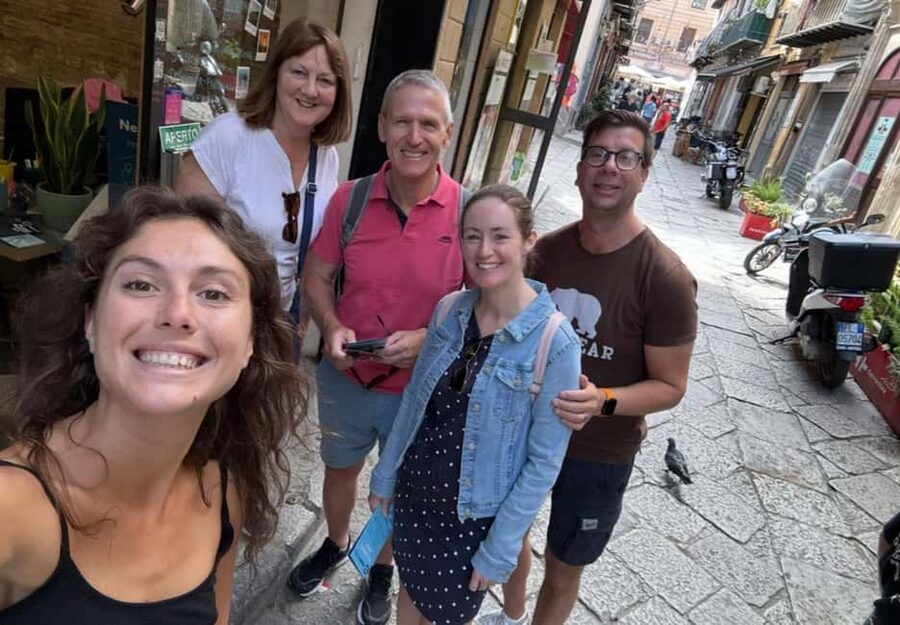
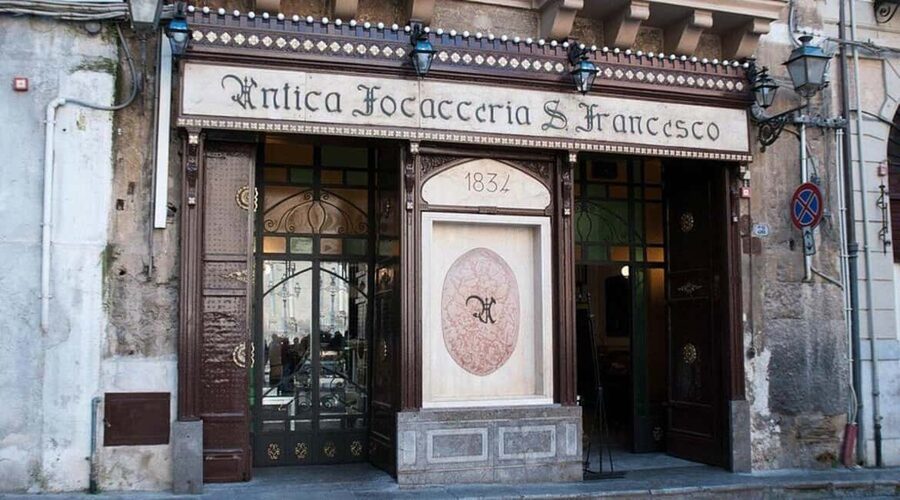
The next food focus includes two iconic Palermo specialties: sfincione and pani câ meusa. The tour places these at an established street-food stop in the historic center.
Sfincione is Palermo’s thick, soft, seasoned pizza-like bread. Pani câ meusa is a traditional sandwich made with spleen. These are not interchangeable versions of familiar Italian food, and that is part of the appeal. You get a taste of Palermo’s own food identity rather than a generic pizza or sandwich break.
Pani câ meusa is the more challenging item for many people because of its main ingredient. If you are unsure about it, ask Elena what alternatives are available. The activity specifically offers vegan, vegetarian, and children’s options, though the exact substitutions are not listed.
This stop is likely to be one of the most memorable parts of the evening for food-minded visitors. It also carries a useful lesson: Palermo’s street food is tied to working life, local habits, and neighborhood businesses. You are tasting food that belongs to the city’s daily rhythm.
The tour includes food at pizzo-free venues throughout the experience. That makes the stops feel connected rather than random. You can ask questions about how businesses resist the racket and why supporting them matters.
Sicilian craft beer and the social side of a meal
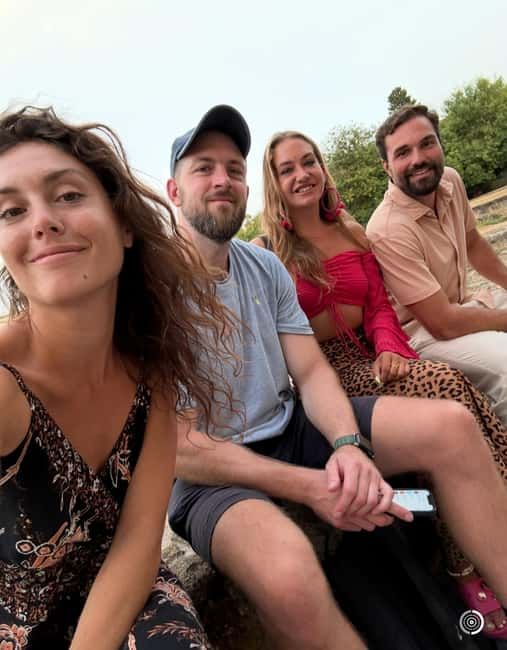
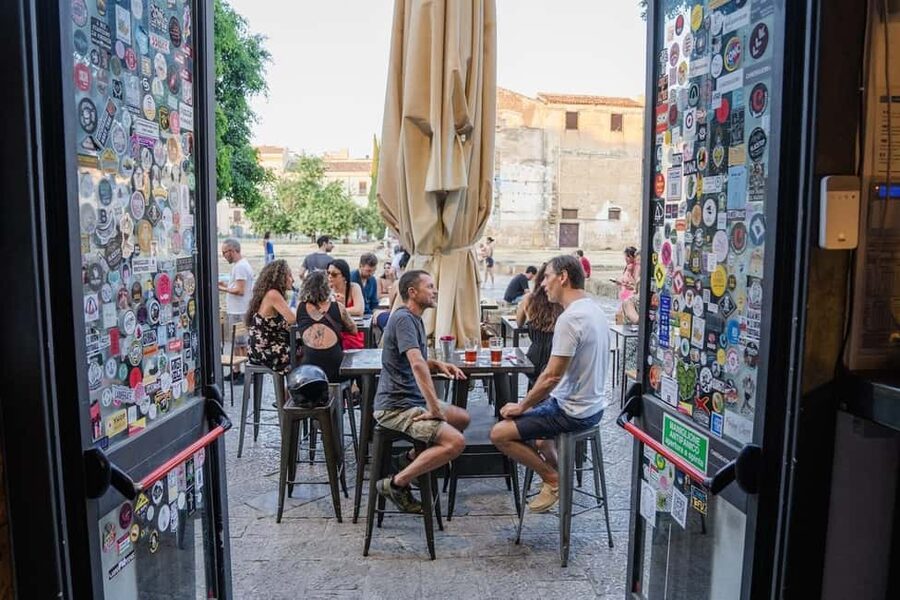
A Sicilian craft beer is included among the four tasting stops. It functions as the aperitivo portion of the evening and gives the group time to pause after the heavier street food.
The beer is not simply an extra drink added to the price. It helps create a relaxed setting for conversation. Mafia history can become flat when presented only as crime and punishment. Sharing food and a drink gives the subject a social frame, closer to the way people discuss public life in an actual city.
Only the listed food and drink are included. Additional drinks or food cost extra, so keep that in mind if you want to continue ordering at a stop.
The experience is available in English, Italian, Russian, German, Spanish, Greek, and French. Language availability may vary by departure, so check your selected date. A shared language matters here because the value rests heavily on discussion and questions, not only on eating.
Sicilian desserts to finish the route
The final tasting includes different typical Sicilian desserts. After fried food, sfincione, pani câ meusa, and beer, this is likely to feel like a full meal rather than a small aperitivo.
Sicilian sweets vary widely, and the specific selection is not fixed in the information provided. That means you should think of this as a chance to sample several local dessert styles, not a promise of one particular pastry.
This is also where the food side becomes especially appealing for families and mixed groups. Vegan, vegetarian, and children’s options are available, though you should explain your needs when booking or at the start. People with allergies or strict dietary restrictions should ask for precise ingredients before eating, since the tour includes multiple local specialties and fried foods.
The food is repeatedly described as generous, so do not plan a large dinner immediately afterward. For most people, the tastings should cover the role of an evening meal.
The pizzo-free idea and why it matters
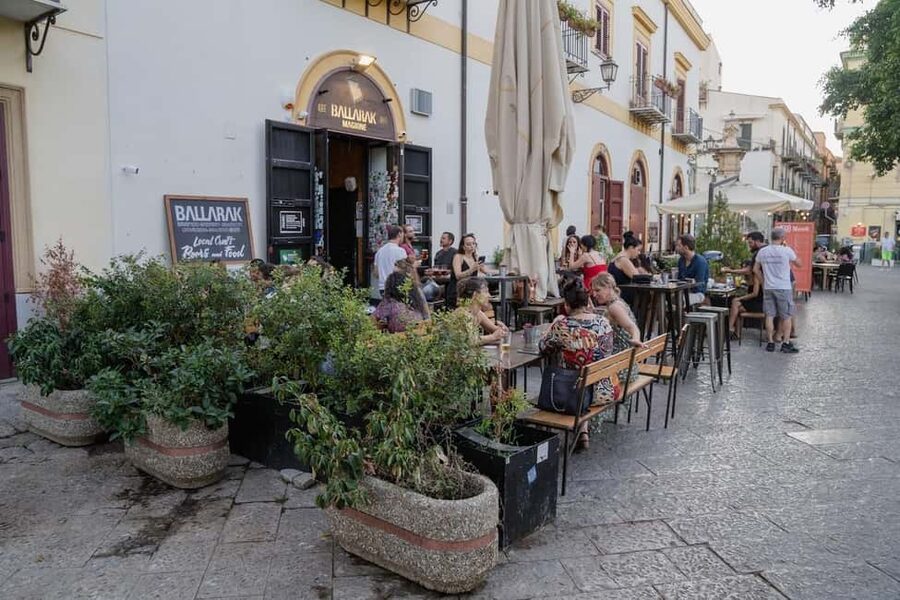
The word pizzo refers to money demanded from businesses by organized crime in exchange for supposed protection. On this tour, each food stop is chosen as a pizzo-free establishment, presented as part of Palermo’s civic resistance.
That choice gives the itinerary a clear purpose. You are not being asked to admire resistance as an abstract idea. You are placing your money in businesses that represent a refusal to cooperate with the racket.
The tour also introduces people who had the courage to say no. Their stories make the topic less distant. The point is not that one meal changes Palermo. The point is that daily choices, repeated across a city, can support businesses and social movements that reject criminal control.
I appreciate that the tour links food, law, commerce, and citizenship. It gives you something practical to think about after the evening ends: where you spend money, what you accept as normal, and how silence can help bad systems continue.
The included PDF no mafia guide extends that learning beyond the three-hour walk. You can use it to keep exploring the subject after leaving Palermo.
Is $79 a fair price?
At $79 per person, this is not the cheapest street-food walk in Palermo. You are paying for more than four tastings. The price includes three hours with a specialist guide, a small group of no more than 10, multiple food stops, craft beer, a historic-center walk, and the organized-crime discussion.
The value is strongest if you want a serious subject paired with food. A basic market walk may give you more attention to ingredients and vendors, while a conventional history tour may give you more dates and monuments. This experience combines social history, current affairs, and a substantial meal.
It is also a good fit if you value independent local businesses and want your spending to support the tour’s pizzo-free focus. If you are mainly looking for a cheap way to sample Palermo snacks, you may find the price high.
The food itself sounds abundant enough to replace dinner for many people. That improves the value, especially because the tour includes both savory dishes and desserts. Additional food and drinks are not included, so avoid assuming the price covers everything you might order beyond the planned tastings.
Who should book this experience?
I would recommend it to you if you want to understand Palermo through its people and current social questions, not only through its churches and palaces. It suits adults interested in law, politics, organized crime, civic action, and local food.
It also works well for first-time visitors who want an evening orientation to the historic center with a clear theme. The walking route can help you get a feel for the old city, while the food gives you a practical introduction to Palermo’s eating culture.
Families can consider it because children’s options are available, but the subject matter may be more suitable for older children and teenagers. The activity does not specify an age range, so parents should decide based on their child’s comfort with discussions of crime and social harm.
You should skip it if your priority is art, architecture, or a complete guided tour of Palermo’s sights. You should also think twice if you have serious dietary restrictions and need a fully specified menu. Vegan and vegetarian options are available, but the exact substitutions are not provided.
Cancellation is flexible: you can cancel up to 24 hours in advance for a full refund, and you can reserve now and pay later. Those policies make it easier to fit the tour into a changing Sicily itinerary.
My call: book it for the conversation and the food
You should book this tour if you want your Palermo evening to leave you with more than a list of snacks and photographs. Elena’s legal background, the small group, the pizzo-free venues, and the focus on present-day choices give the experience a clear point of view.
The best reason to choose it is the combination of substance and pleasure. You eat well, walk through the historic center, hear stories of resistance, and consider how organized crime still affects society. Just arrive with comfortable shoes, a healthy appetite, and an interest in conversation.
Choose another tour if you want a traditional monument tour or a strictly historical lecture. For everyone else, this is a thoughtful and unusually grounded way to meet Palermo.
FAQ
How long does the Palermo Mafia and street-food tour last?
The experience lasts three hours.
Where does the tour meet?
The meeting point is the Epic Sicily base, described as the Epic home in Vucciria. It includes an information point, locker, and traveller’s rest stop.
What is the price?
The price is $79 per person.
How many people are in the group?
The group is limited to a maximum of 10 participants.
What food is included?
The tastings include traditional fried treats such as panelle, crocchè, and fried vegetables, plus sfincione, pani câ meusa, Sicilian craft beer, and different typical Sicilian desserts.
Are vegan or vegetarian options available?
Yes. Vegan, vegetarian, and children’s options are available.
Is transportation included?
No. Transportation to the meeting point is not included.
Is this a traditional sightseeing tour of Palermo?
No. The experience includes a walk through Palermo’s historic center, but it does not focus on detailed historical or artistic explanations of monuments and sites.
What languages are available?
The tour is offered in English, Italian, Russian, German, Spanish, Greek, and French. Availability can depend on the selected departure.
Can I cancel the booking?
Yes. You can cancel up to 24 hours in advance for a full refund. You can also reserve now and pay later.
Newest history tours we have reviewed in Italy
- Guided Cultural Tour of the Godfather Film in Messina★ 5.0 · 31 reviews
- SU NURAXI BARUMINI Unesco World Heritage Site★ 5.0 · 129 reviews
- Picnic aperitif in the vineyard of an ancient trullo in Martina Franca★ 5.0 · 21 reviews
- Brescia the Unexpected: History, Local Stories & a drink★ 5.0 · 31 reviews
- Bologna historical art walking tour with hidden gems and tastings★ 5.0 · 108 reviews
- Bolognese Cooking Class with Margherita in the Historic Center★ 5.0 · 26 reviews
- Best of Bologna in one day : Food, architecture, art and history★ 5.0 · 27 reviews
- Private or semi-private tour of the historic center of Bologna★ 5.0 · 34 reviews
Food & History Tours, compared.
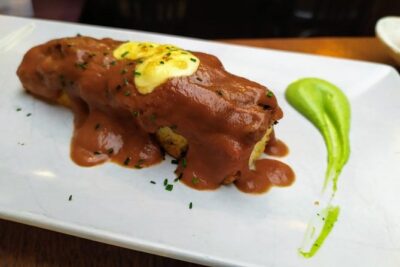
Sevilla Food Tour: Tapas, Wine, History & Traditions
Read our review →

Dublin Historical Centre Food Tour with 8 Food Tastings & Drinks
Read our review →

Boston Pizza Lovers Food and History Walking Food Tour
Read our review →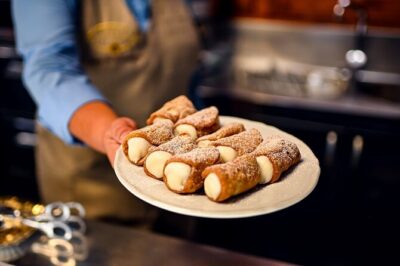
Rome Food Tour in the Historic Centre with 8+ Food Tastings
Read our review →Browse the lists this tour appears in