
Review · ITALY HISTORY TOURS
Olbia: Archaeological Tour of Ancient Sardinia + Transport
Olbia’s best archaeological sites sit outside the postcard center, scattered across fields, low hills, and old roads. This 2.5-hour tour links them neatly, from a Nuragic sacred well and Giants’ Tomb to a Roman aqueduct and the granite Basilica of San Simplicio. I like the mix of eras, and I like that transport is included rather than leaving you to piece together distant sites by taxi.
The main drawback is pace. Several stops allow only about 10 to 20 minutes, and the audio guide cannot replace a live expert for every question. The Tuk-Tuk is fun and open to the surroundings, but the minivan may suit you better if you need easier boarding or protection from sun and wind.
Key points to know
- Four thousand years in one compact route: Nuragic, Roman, and medieval sites appear in a single outing.
- The Sacred Well of Sa Testa is the atmospheric stop: Its stone passage and ritual purpose give the tour a strong sense of place.
- Su Mont’e s’Abe is a major Nuragic monument: The 28-meter burial structure is one of the largest and best preserved on Sardinia.
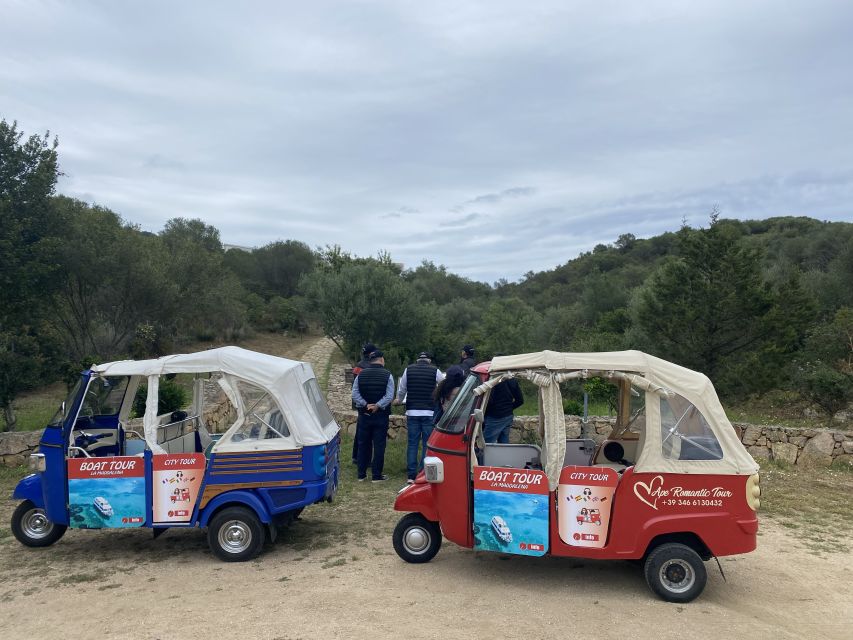
- Transport saves time: A Tuk-Tuk or minivan connects sites that are awkward to visit together without a car.
- The audio guide covers five languages: Italian, English, French, German, and Spanish are available through the vehicle’s speaker system.
- There are real mobility limits: The tour is not suitable for wheelchair users, and the castle viewpoint includes steep ground and small steps.
Why this Olbia archaeology tour is worth your time
I see this outing as a useful answer to a common Sardinia problem: you want ancient sites, but you do not want to rent a car for a short visit. Olbia’s ruins are spread across the area, so a guided route by Tuk-Tuk or minivan lets you cover more ground without worrying about directions, parking, or arranging separate taxis.
The route also gives you a clearer sense of Sardinia’s long story. The Nuragic people built sacred wells and monumental tombs long before Roman rule. Rome later supplied ancient Olbia with water, while medieval builders raised a granite church that still anchors the modern city.
This is not a full archaeological study. The schedule is brisk, and the guide is a multilingual audio system rather than a dedicated historian speaking at every site. Still, you get a broad and well-chosen introduction to the area, with enough time at the main stops to look around, take photos, and understand why each place matters.
The tour costs about $106 per person. That is a serious price for two and a half hours, but transport, a professional driver, round-trip pickup in the main service area, and several admission-related stops are built into the experience. Check the final price and currency carefully before booking. One booking experience found the payable price closer to €150 and felt that the lack of food or drinks made it poor value at that level.
More Ancient History Tours in Italy
- Colosseum: Underground and Ancient Rome Tour
★ 4.7 · 12,691 reviews - Colosseum & Ancient Rome with Arena Floor Option I Max 6 People
★ 5.0 · 3,306 reviews - Rome: Colosseum, Ancient Rome Tour or AudioGuided Tour
★ 4.4 · 2,879 reviews
Starting at Molo Brin or your accommodation
The main meeting point is the bus parking area at Molo Brin in Olbia. This is also a practical place to meet if you are already near the port or central Olbia.
Complimentary pickup and drop-off are offered from accommodations in Olbia, Golfo Aranci, and parts of Costa Smeralda, including Porto Cervo, Baja Sardinia, Cannigione, and San Pantaleo. You need to provide your hotel or apartment address when booking so the exact pickup time can be confirmed.
Pickup from other areas may be possible for an added charge. The driver cannot wait more than a few minutes, so be outside the main entrance at the agreed time. This small detail matters, especially at large resorts where finding the correct entrance can take longer than expected.
The vehicle may be a Tuk-Tuk or a minivan. The Tuk-Tuk gives you a more open-air ride and makes the scenic sections part of the experience. The minivan is the more sensible choice if you prefer a sheltered cabin, have trouble climbing into a higher vehicle, or are visiting during strong sun or cooler weather.
First views: Olbia’s waterfront and Monumento ai Caduti
The early part of the route includes a scenic drive past the Monumento ai Caduti and the Lungomare di Olbia. These are not long walking stops, but they help place the archaeology within present-day Olbia.
You also pass through or near Parco Fausto Noce later in the route. These driving sections break up the site visits and give you a look at the city beyond the historic center. Do not expect a long city tour, though. The focus quickly shifts to monuments and ruins outside the usual shopping and waterfront circuit.
Pedres Castle: a viewpoint, not a castle visit
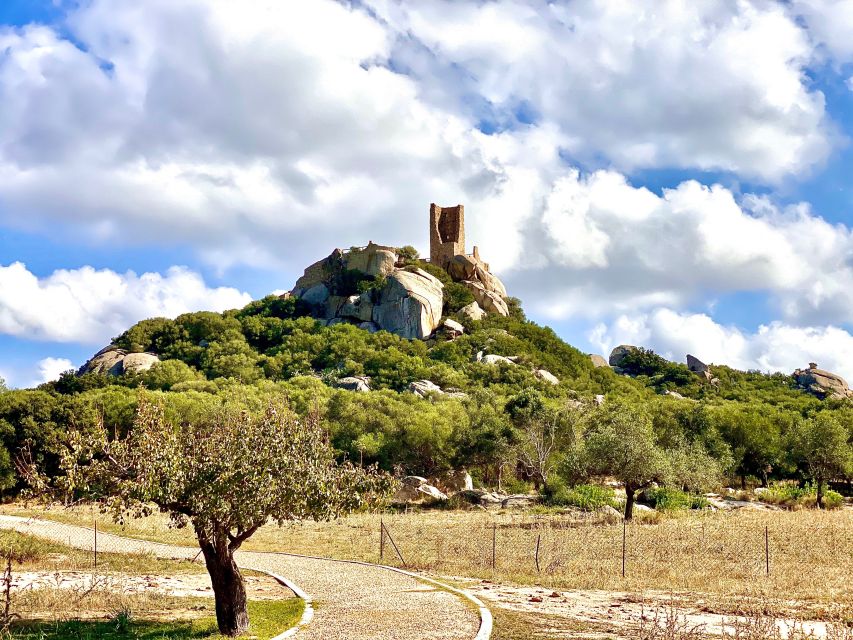
Pedres Castle sits on a rocky hill outside Olbia and dates from the 14th century. The tour makes a photo stop below the fortress, with roughly 10 minutes for sightseeing and a short walk.
The view is the main attraction. From below, you can see the castle’s position above the surrounding countryside and understand why this was a useful defensive site. You should not expect to climb to the ruins, since the route does not include access to the top.
This is also the point where footwear becomes important. The ground can include uneven surfaces, and a booking note specifically found the small steps and steep climb challenging. Even though you are not walking all the way to the castle, comfortable shoes will make this stop much easier.
More Archaeological Site Tours in Italy:
- Discover the Ancient Ruins of Pompeii: Day Trip from Rome
★ 3.5 · 2,247 reviews - Ancient Syracuse: private guided tour of the Neapolis archaeological park
★ 4.5 · 88 reviews - Ancient Rome: Archeological area Largo Argentina
★ 3.9 · 49 reviews - Rome: Private Colosseum Experience and Ancient Ruins Tour
★ 4.6 · 25 reviews
Su Mont’e s’Abe and the scale of a Giants’ Tomb
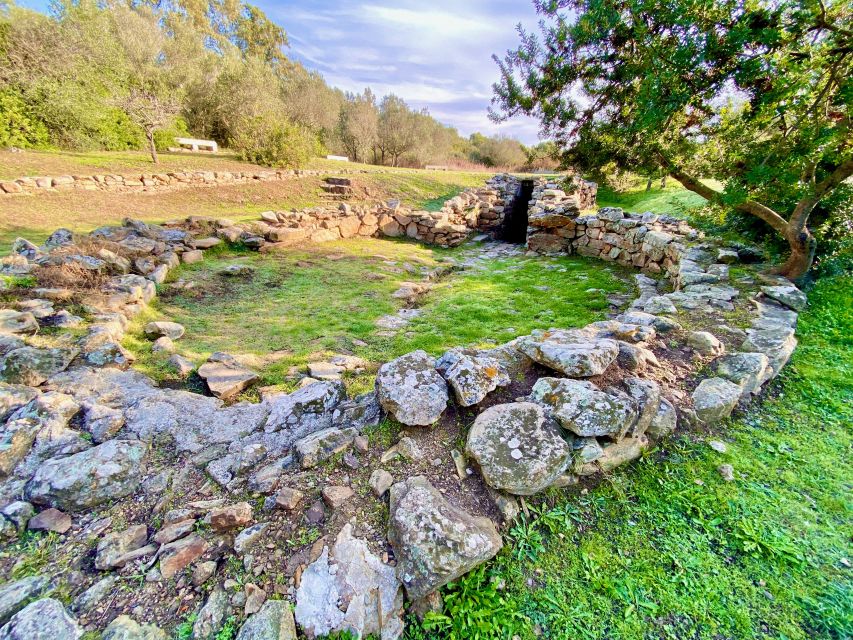
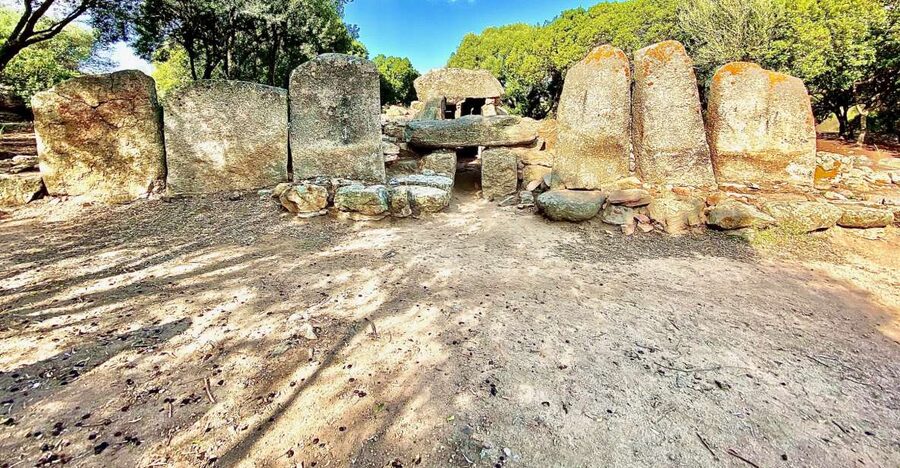
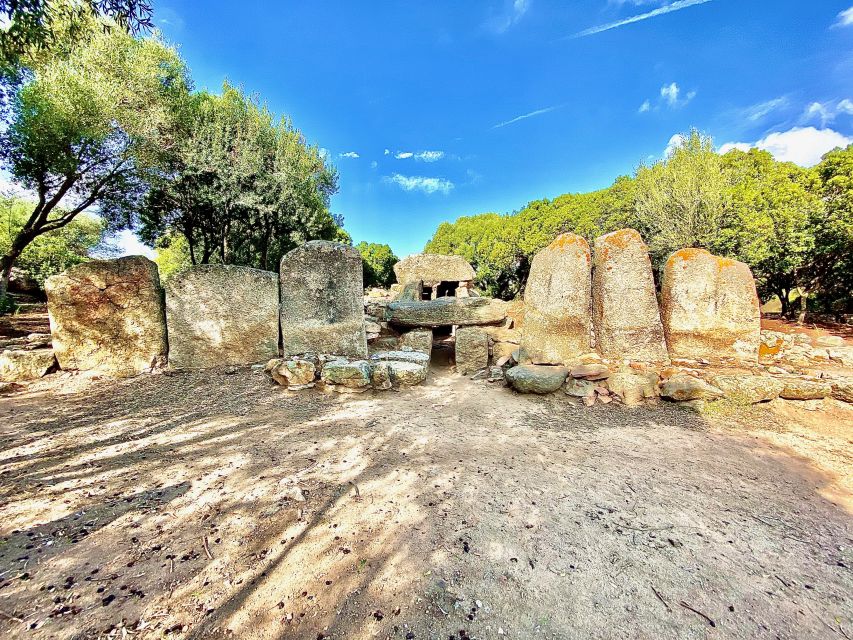
The Giants’ Tomb of Su Mont’e s’Abe is one of the tour’s strongest stops. This Nuragic burial monument stretches about 28 meters, giving you a better sense of the size and ambition of Sardinia’s early builders than a small scattered ruin could.
You have around 10 minutes here for a visit, photos, and a short walk. That is enough for a first look, though anyone fascinated by Nuragic architecture may wish for more time. The monument’s name comes from the traditional image of a burial place for giants, but the structure is better understood as a communal tomb connected with the Nuragic culture.
The stop works well after Pedres Castle. You move from a medieval fortress to a much older ceremonial monument, with the countryside linking the two. It is a useful reminder that Sardinia’s past is not one single chapter. Different societies used the same hills and routes for very different purposes.
The Sacred Well of Sa Testa
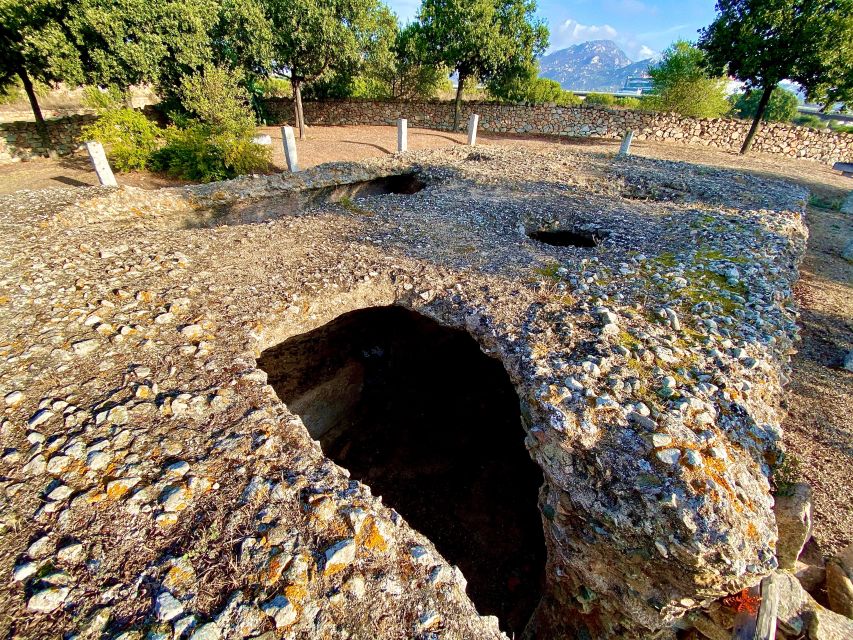
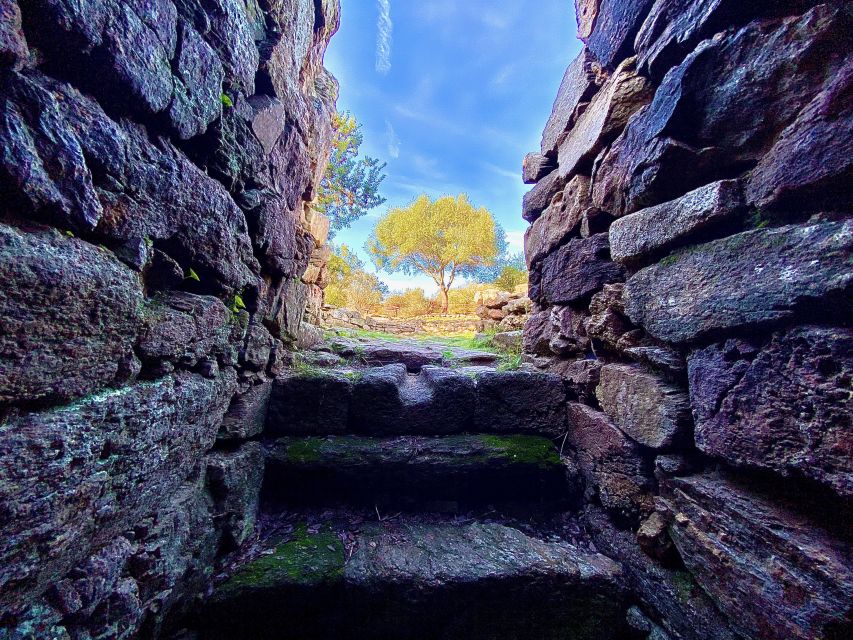
Sa Testa is likely to be the most atmospheric site on the route. This Nuragic sacred well was used for water rituals and spiritual ceremonies, and its stone construction shows careful planning around a natural resource.
You get about 20 minutes to visit, walk, and take photographs. The site is not simply a pile of old stones. The relationship between the water, the underground chamber, and the surrounding setting helps explain how important springs were to Nuragic communities.
I would pay close attention to the audio guide here. The site can look simple at first glance, and a little context makes its purpose easier to understand. This is also a place where quiet observation pays off. Look at the stonework, the narrow passage, and the way the structure guides you toward the water.
The route description calls the setting mystical, but you do not need dramatic storytelling to appreciate it. Its power comes from the design and from the fact that people gathered here for ritual purposes thousands of years ago.
The Roman Aqueduct and Olbia’s water supply
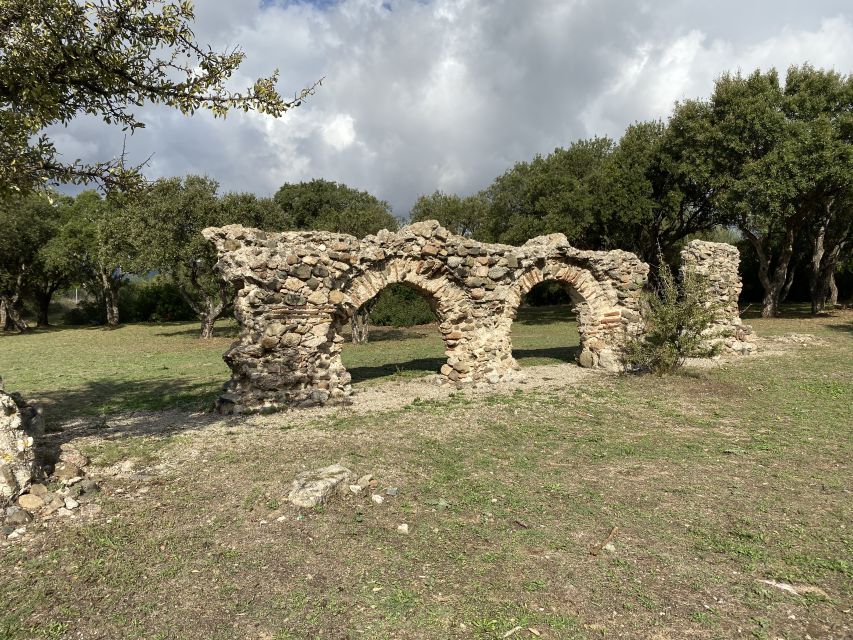
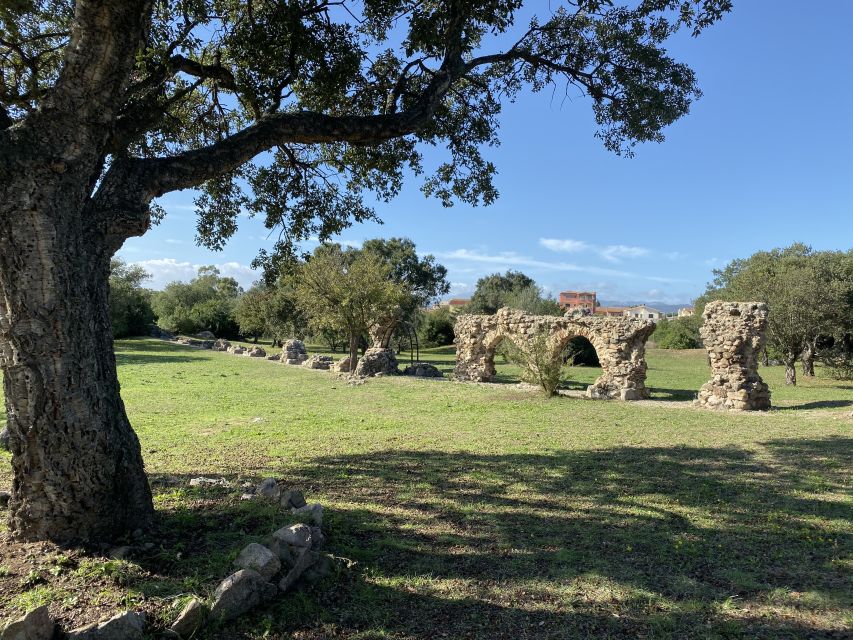
The Roman Aqueduct is a short but important stop, with about 20 minutes for viewing and walking. It once carried water from the springs of Mount Cabu Abbas to ancient Olbia.
This is a useful counterpoint to Sa Testa. The Nuragic site reflects a spiritual relationship with water, while the Roman structure shows a practical, engineered approach to supplying a city. Seeing both during one outing helps you compare the priorities of two very different cultures.
Do not expect a huge aqueduct stretching across the countryside. The appeal is in the surviving remains and in the explanation of what they did. The stop is especially worthwhile if you enjoy the practical side of ancient life: how people managed water, built infrastructure, and supported an urban settlement.
The audio system’s speakers are intended to make the commentary easy to hear from the vehicle and at stops. In a moving Tuk-Tuk, sound and wind may still affect how clearly you catch every word, so position yourself where you can listen comfortably.
San Simplicio, Olbia’s medieval landmark
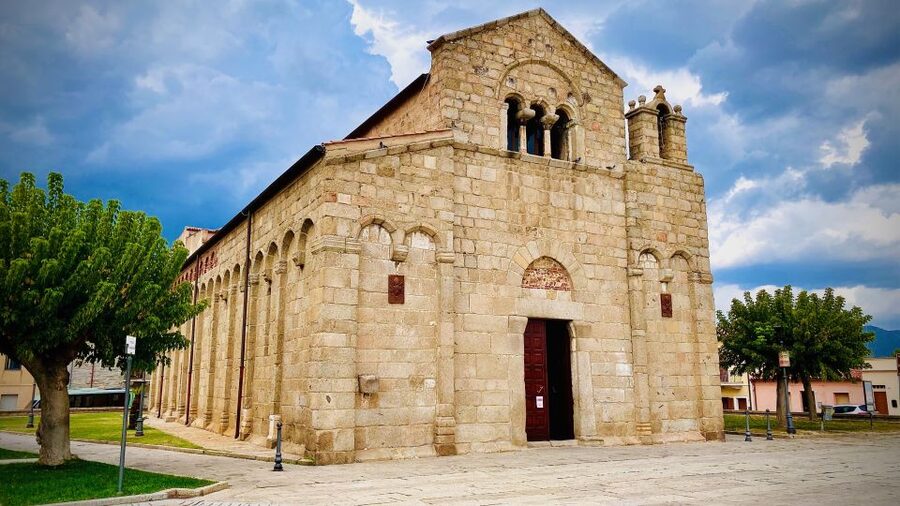
The final major stop is the Basilica of San Simplicio, a Romanesque church built from granite between the 11th and 12th centuries. It is one of Olbia’s main symbols and one of Sardinia’s notable medieval buildings.
You have about 20 minutes to visit and look around. The granite gives the basilica a plain, sturdy character that fits the region. After the older Nuragic and Roman sites, the church provides a clear medieval finish to the time line.
Bring a cardigan if you plan to enter churches. This is listed as something you need to provide yourself, not as part of the tour. Dress respectfully and keep in mind that the stop is still fairly short, so you will get an introduction rather than a long architectural lecture.
San Simplicio also gives the route a stronger connection to modern Olbia. The earlier stops sit beyond the city, while the basilica brings you back to a place that remains part of daily urban life. It is a satisfying final stop, even if you have already seen the outside of the church during another visit.
Audio guide, driver, and group size
The driver speaks Italian, while the audio guide is available in Italian, English, French, German, and Spanish. That arrangement suits people who want clear information without having a live guide speaking continuously throughout the drive.
It does mean the experience is less flexible than a private guided walk. If you have detailed questions about Nuragic burial customs, Roman engineering, or the basilica’s artwork, you may not always get an immediate answer. The driver’s role is transport and route handling rather than a guaranteed specialist lecture.
Small groups keep the vehicle more personal than a large coach. Private options are also available, though the price may differ, so check what is offered for your date. The compact format is particularly useful on roads and at stops where a full-size bus would be awkward.
The driver’s care can make a real difference. One person with a mobility limitation found the driver helpful around steps, curbs, and the vehicle entrance, even using a roadside feature to make boarding easier. That is encouraging, but the tour is still officially not suitable for wheelchair users, and it is not designed as a fully accessible excursion.
What to bring and how to judge the value
Wear shoes you can walk in comfortably. You will have several short walks, uneven ground, and some small steps, especially around the castle viewpoint. A jacket is also sensible, even if the day begins warm.
Food and drinks are not included, and food, alcoholic drinks, and other drinks are not allowed in the vehicle. Plan accordingly. Since the tour is only 2.5 hours, you probably do not need a full meal during the route, but the lack of refreshments is worth noting when comparing the cost with other excursions.
The strongest value comes from the transport and the number of sites. If you have no car, this tour can save you considerable effort. If you already have a rental car and enjoy spending an hour or more at each archaeological site, you may find the short stops restrictive.
The free cancellation window extends to 24 hours before departure, and you can reserve now and pay later. Those options help if your Sardinia plans are still shifting, but the key decision is still the route itself: do you want a broad introduction or slow, detailed archaeological visits?
Who should book this experience?
I would choose this tour if you are staying in Olbia, Costa Smeralda, or Golfo Aranci and want to see several historic places without driving. It suits curious first-time visitors, couples, small groups, and anyone who enjoys moving between different periods of Sardinian history.
It is also a good fit for a port-side stay when you want more than a quick city stroll. The pickup network and compact duration make it easier to fit into a short visit, though you should confirm your schedule carefully if you have a fixed departure time afterward.
I would think twice if you need full wheelchair access, dislike short stops, or want a live specialist guide. The castle involves steep ground and small steps, and the route does not allow custom detours outside the standard plan.
Should you book the Olbia archaeological tour?
Book it if you value efficient transport, varied sites, and a clear introduction to Sardinia’s Nuragic, Roman, and medieval past. The Sacred Well of Sa Testa and the Giants’ Tomb of Su Mont’e s’Abe give the outing its strongest character, while the aqueduct and San Simplicio fill out the story.
Before paying, confirm the final currency and price, choose the vehicle that suits your mobility needs, and accept that each stop is brief. At around $106, it is best value for someone without a car who wants several significant sites in one morning or afternoon. If you prefer slow archaeology and long time at ruins, spend your money on a longer private tour or a rental car instead.
FAQ
How long does the archaeological tour last?
The tour lasts 2.5 hours, including transport between the sites and the scheduled visits.
Where is the main meeting point?
The main meeting point is the bus parking area at Molo Brin in Olbia.
Is hotel pickup available?
Yes. Complimentary pickup and drop-off are offered from accommodations in Olbia, Golfo Aranci, and specified parts of Costa Smeralda. Provide your accommodation name and address when booking so the pickup time can be confirmed.
What languages are available for the audio guide?
The audio guide is available in Italian, English, French, German, and Spanish. The driver speaks Italian.
What type of vehicle is used?
Transport is provided by Tuk-Tuk or minivan, with the vehicle depending on the selected option and arrangements for the tour.
Which archaeological sites are included?
The route includes the Giants’ Tomb of Su Mont’e s’Abe, the Sacred Well of Sa Testa, and the Roman Aqueduct. It also includes Pedres Castle as a photo stop and the Basilica of San Simplicio.
Can I enter Pedres Castle?
The tour includes a photo stop and view of Pedres Castle from below. Walking up to the ruins is not part of the experience.
Is the tour suitable for wheelchair users?
No. The tour is not suitable for wheelchair users. Some stops also include uneven ground, steep sections, or small steps.
What should I bring?
Bring comfortable shoes and a jacket. Cardigans for entering churches are not included, so bring one if you plan to go inside the basilica.
Newest history tours we have reviewed in Italy
- Guided Cultural Tour of the Godfather Film in Messina★ 5.0 · 31 reviews
- SU NURAXI BARUMINI Unesco World Heritage Site★ 5.0 · 129 reviews
- Picnic aperitif in the vineyard of an ancient trullo in Martina Franca★ 5.0 · 21 reviews
- Brescia the Unexpected: History, Local Stories & a drink★ 5.0 · 31 reviews
- Bologna historical art walking tour with hidden gems and tastings★ 5.0 · 108 reviews
- Bolognese Cooking Class with Margherita in the Historic Center★ 5.0 · 26 reviews
- Best of Bologna in one day : Food, architecture, art and history★ 5.0 · 27 reviews
- Private or semi-private tour of the historic center of Bologna★ 5.0 · 34 reviews
Archaeological Site Tours, compared.
Discover the Ancient Ruins of Pompeii: Day Trip from Rome
Read our review →
Ancient Ruins Tour – Guided Arizona Desert Tour by UTV
Read our review →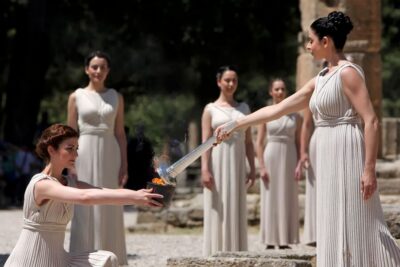
Ancient Olympia: Archaeological Site and Museum Entry Ticket
Read our review →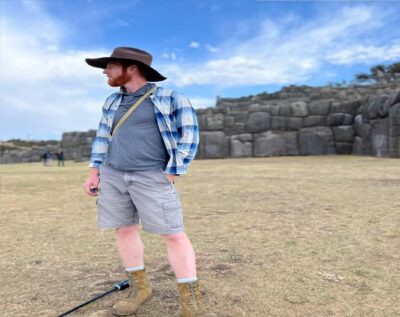
Cusco: Historical Guided City Tour with 4 Inca Ruins
Read our review →
Ancient Chacchoben Mayan Ruins & Mayan Experience from Costa Maya
Read our review →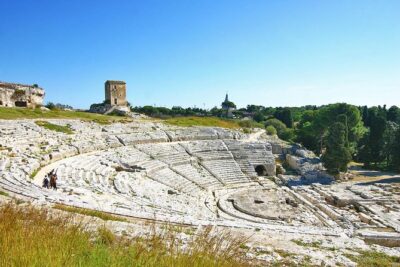
Ancient Syracuse: private guided tour of the Neapolis archaeological park
Read our review →
Coba Private Tour – Ancient Ruins & Refreshing Cenote Swim
Read our review →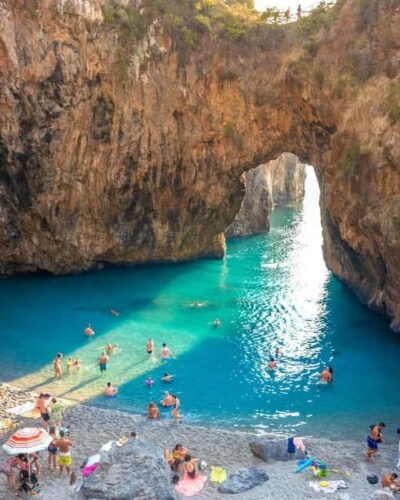
Alanya: Ancient Ruins & Hidden Coves of Gazipaşa w/ Cave
Read our review →Browse the lists this tour appears in