
Review · ITALY HISTORY TOURS
Milan : Historic Private Walking Tour
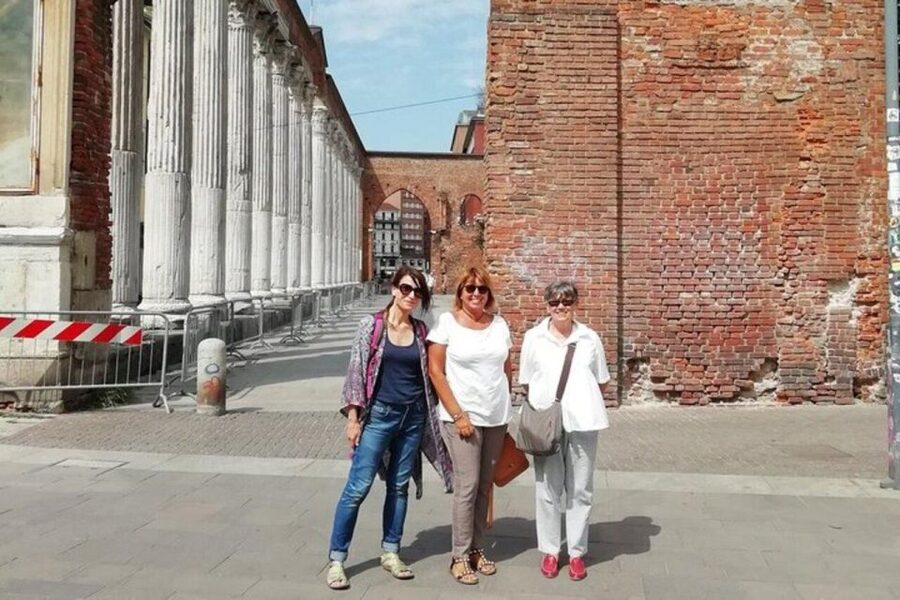
Milan’s appeal comes from its sharp contrasts, and this private walk puts them side by side: new towers covered with trees, old churches, grand squares, art collections, and cafés where locals pause for coffee. In two hours, you move from the modern Porta Garibaldi district toward the historic center with a guide who can explain what you are seeing and adjust the route to suit you.
I like the private format for two reasons. First, you can ask questions without waiting for a large group to catch up. Second, the guide can shape the walk around what you already saw and what you still want to understand. Daniela has adapted tours in this way, while Davide has been especially praised for clear explanations and useful ideas for places to eat and visit later.
The main consideration is the short duration. Two hours is enough for an excellent orientation, but not for detailed visits inside every museum or church on the route. Your experience may also depend heavily on the guide: some guides bring strong historical and architectural detail, while one recent guest found the walk too much like a casual stroll.
Key points to know before booking
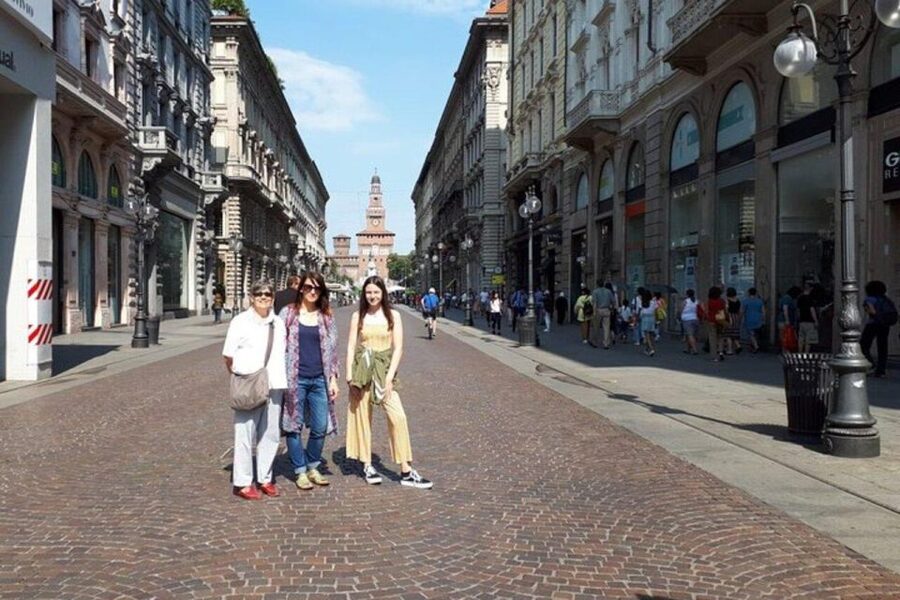
- A private route through old and new Milan: You may see Bosco Verticale, UniCredit Tower, Porta Garibaldi, Brera, historic churches, and central squares in one compact outing.
- The guide can change the emphasis: Ask for art, architecture, local customs, food, or a first look at the city.
- Davide and Daniela have earned particular praise: Davide is noted for clear historical explanations, while Daniela has adjusted the route to match earlier sightseeing.
- Local advice is part of the value: You can ask about coffee, aperitivo, restaurants, museums, and what to do after the walk.
- The tour covers ground quickly: Wear comfortable shoes and expect a brisk look at many places rather than long indoor visits.
- The price is reasonable for a private introduction: At $41 per person, the value is strongest when two or more people share the guide and make active use of the customization.
Starting at Piazza Gae Aulenti
The walk begins at Piazza Gae Aulenti, a fitting meeting point for modern Milan. The square is part of the Porta Garibaldi area, where glass, steel, open public space, and high-rise offices show the city’s newer face.
This setting helps you understand why Milan can feel different from Italy’s more obviously historic cities. The city is a business center and a design capital, yet old religious buildings and medieval streets are close by. A guide can connect those two sides instead of presenting them as separate sightseeing zones.
The starting point also gives you an immediate chance to ask for a route that matches your interests. If you care most about modern architecture, ask for more detail on the towers and public spaces. If you want the older city, make that clear at the start so the guide can spend less time on contemporary buildings.
More History Walking Tours in Italy
- Venice: City Center Historical Guided Walking Tour
★ 4.2 · 1,873 reviews - Palermo: Street Food and History Walking Tour
★ 4.9 · 1,486 reviews - Verona: History and Hidden Gems Guided Walking Tour
★ 5.0 · 1,379 reviews
Bosco Verticale and the modern Porta Garibaldi district
The Bosco Verticale, or Vertical Forest, is one of the walk’s most distinctive sights. These two residential towers carry more than 900 trees on their terraces, making them an eye-catching example of plant-filled urban design.
You should expect to admire the buildings from outside rather than treat this as an architectural museum visit. The value comes from hearing how the towers fit into Milan’s newer development and why their planted terraces attract so much attention.
Nearby, the UniCredit Tower adds another piece to the modern city story. It is one of the landmarks associated with Milan’s changing skyline, while Porta Garibaldi gives the area its transport and city-district identity.
I like this part of the route because it avoids the usual trap of treating Milan as only a city of churches and paintings. You get a look at the city people work in today, not just the monuments built centuries ago. The drawback is that architecture lovers may want more technical detail than a two-hour general tour can provide, so tell your guide early if building design is your priority.
Piazza Gae Aulenti and a quick lesson in Milanese life
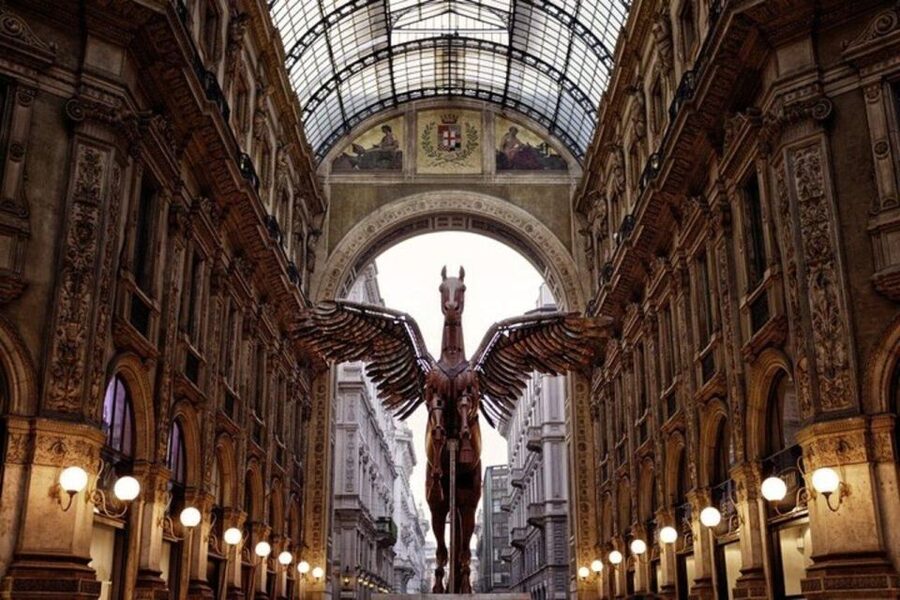
After seeing the surrounding modern district, the route returns to Piazza Gae Aulenti. The square works well as a place to discuss how Milan has reshaped former industrial and rail-related areas into offices, shops, residences, and public spaces.
This is also a good point to ask practical questions. The guides can suggest places for coffee, food, aperitivo, and later sightseeing. One useful local tip concerns coffee customs: cappuccino is generally treated as a breakfast drink in Milan, while espresso makes more sense at other times of day.
A guide can also point you toward a local café stop after the tour. One guest followed a recommendation for aperitivo, which shows the difference between a guide who simply names monuments and one who helps you use the rest of your time in the city.
Food and drinks are not included, so think of these suggestions as part of the advice rather than part of the tour itself. You pay for the walk and guide, then choose where to stop afterward.
Brera, Pinacoteca Ambrosiana, and the art side of Milan
The route includes major cultural names such as the Pinacoteca Ambrosiana, the Pinacoteca di Brera, Gallerie d’Italia, and SUPER Milano. These places give the walk an art and museum angle, even though two hours does not allow for a full museum visit at every stop.
The Pinacoteca di Brera is Milan’s main public gallery for paintings, so it is worth telling your guide if you want art to shape the walk. The Pinacoteca Ambrosiana is another important cultural stop, and the route returns to it in the listed plan. That repetition may reflect the chance to discuss the site from different points on the walk, but you should ask the guide how much time will be spent there and whether entry is planned.
The tour provider can help arrange tickets for visits you want, but ticket booking is not the same as admission being included. If seeing a museum interior matters to you, settle that point before the walk. Otherwise, treat these stops as orientation points and use the guide’s suggestions to plan a separate museum visit.
Gallerie d’Italia adds another art-focused address to the route. SUPER Milano is listed among the cultural stops as well. The exact balance between these places and the outdoor landmarks can be customized, so your best approach is to name your top one or two priorities instead of trying to see everything in detail.
More Private History Tours in Italy
- Ancient Ostia Antica Semi-Private Day Trip from Rome by Train with Guide
★ 4.5 · 579 reviews - Colosseum & Ancient Rome Semi-Private Tour
★ 5.0 · 208 reviews - Ancient Pompeii Private Tour: Skip the Line & Kid-Friendly Option
★ 5.0 · 167 reviews - Skip-the-Line Half-Day Private Tour Ancient Pompeii Highlights with Native Guide
★ 5.0 · 146 reviews
Basilica di San Simpliciano and Santa Maria Incoronata
The Basilica di San Simpliciano brings the walk back to Milan’s religious and older architectural side. A church stop gives you a useful change of pace after the tall, polished buildings around Porta Garibaldi.
You can ask the guide to explain the building’s place in Milan’s past, its design, and how it fits the surrounding neighborhood. The available information does not promise a full interior visit, so do not book this tour expecting extended time inside every church.
Chiesa di Santa Maria Incoronata appears as another stop and is also listed again later in the route. This repetition suggests that the guide may use the church as a point of reference while moving through the district, but you should confirm the exact order on the day.
These churches may be especially useful for you if you want context rather than a checklist. They show how Milan’s older layers remain close to newer commercial and residential districts. If your main goal is a specialist church tour, two hours will feel limited. If you want a readable introduction to several parts of the city, the mix works better.
N’Ombra de Vin and the city after dark
N’Ombra de Vin represents Milan’s social side. The place is associated with local eating and drinking, and the guide can explain how the neighborhood changes later in the day.
This stop is less about a formal monument and more about understanding how Milan is lived. A guide who knows the area can tell you where an aperitivo fits into the day and suggest places that match your budget or taste. Food and drinks are not included, so any visit or order is at your own expense.
That local advice has real value because many short city walks end at a major square and leave you to figure out dinner alone. Here, you can ask for a practical next step. The limitation is clear too: if you want every stop to be a major historical site, a bar or restaurant stop may feel like time taken away from monuments.
Piazza Mercanti and the historic center
Piazza Mercanti is one of the route’s strongest stops for old Milan. Its architecture helps you picture the civic center of the medieval city, and it is close to the better-known cathedral area without being simply another view of the Duomo.
A guide can make this square easier to read by pointing out how its buildings relate to one another and how public life once worked there. This is where a strong historical guide matters. One guest found the experience disappointing because the explanations about buildings stayed general, using broad praise instead of clear detail. If history and architecture are your main reasons for booking, ask direct questions and request specifics.
The route also includes the Piazza del Duomo area in its overview, even though the detailed stop list focuses on Piazza Mercanti and other sites. Confirm how close the walk comes to the cathedral and whether you want that area included. A private guide can usually adjust the emphasis, but two hours still requires choices.
What two hours really gives you
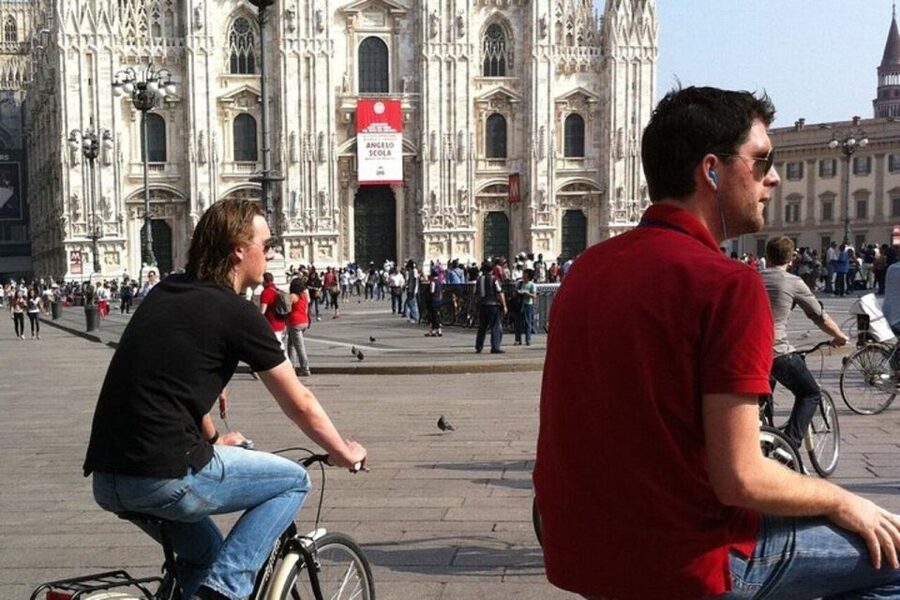
Two hours sounds generous until you count the number of places included. The plan includes at least a dozen landmarks or cultural references, with some appearing more than once. That tells you to expect a fast-moving city introduction, not a slow study of each building.
You will likely spend time walking between districts, stopping for explanations, and choosing which sites deserve more attention. Public transport can be used as part of the experience, except where a selected option says otherwise. That matters because it lets the guide cover more ground, but it also means the tour is not only a continuous walk.
The private format helps solve the time problem. A family can ask for shorter explanations and more breaks. An art-focused couple can give more attention to the galleries. A first-time visitor can ask for the major landmarks and practical orientation. You are paying for flexibility, so use it.
Comfortable shoes are sensible, and you should expect city streets, pauses outdoors, and a fair amount of movement. Wheelchair access is available, though you should still discuss the route and any desired indoor visits when booking.
The guides and the quality question
The strongest part of this experience is the human element. Davide has been praised for clear explanations, strong historical knowledge, answers to detailed questions, and practical suggestions for meals and further sightseeing. Daniela has adjusted the route around what her group had already visited and what they liked, which is exactly how a private tour should work.
Gabriella has also been described as professional and informative. The tour is available in English, French, Italian, and Spanish, giving you a useful choice if you are more comfortable discussing history and local customs in another language.
Still, you should not assume every guide will deliver the same depth. One guide, Ismail, was described as pleasant but not well prepared on architecture and history. The walk then felt like a friendly city stroll, with places explained mainly as shops, bars, or areas that become busy at night.
That criticism is useful. Before setting off, say plainly that you want history and architecture, not only a list of places to eat. Ask for context about the buildings. A private tour gives you the chance to steer the conversation, and the guide’s response will quickly tell you how detailed the experience is likely to be.
Is $41 per person good value?
At $41 per person, this is fairly priced for a private two-hour introduction, especially if you are traveling with another person or a small group. You are not just paying for a route. You are paying for someone who can adjust the plan, answer questions, help with ticket arrangements for desired visits, and give advice for the rest of your stay.
The value is strongest at the beginning of a Milan visit. A good orientation can help you decide which museums, squares, churches, and neighborhoods deserve more of your own time. It can also prevent you from spending a whole afternoon walking between places that look close on a map but work better with public transport.
The value is weaker if you expect admission to every museum or a long guided visit inside the churches. Food and drinks are not included, and the two-hour limit means the route favors breadth. If you want one specialist museum experience, booking that museum separately may suit you better.
Free cancellation up to 24 hours before the start and reserve-now, pay-later terms add useful flexibility. The experience is available as a private group, and wheelchair access is offered.
Who should book this Milan walk?
I would choose this tour if you are visiting Milan for the first time and want a quick sense of how the city fits together. It also suits couples, families, and small groups who prefer to ask their own questions rather than follow a large crowd.
It is a particularly good match for you if you want a blend of:
- Modern architecture and older landmarks
- Art museums and public squares
- Local coffee and aperitivo advice
- A private route that can change during the walk
- Suggestions for the rest of your time in Milan
I would be more cautious if you want a specialist-level architectural lecture or long indoor visits. Tell the guide exactly what you want, especially if you care about historical detail. The experience can be excellent with the right guide and clear expectations, but it is not a substitute for a full museum tour.
Should you book it?
Book this walk if you value personal guidance and practical local advice more than a fixed script. Davide and Daniela show how useful the private format can be: one offers clear historical explanations, while the other adjusts the route to match your previous sightseeing. The coffee and aperitivo tips are small but helpful touches that can improve the rest of your stay.
Skip it if you want every building explained by an architecture specialist or if you dislike moving quickly between many stops. At $41 per person, it is a sensible way to get oriented, provided you treat it as a flexible introduction and tell your guide what kind of Milan you came to see.
FAQ
How long is the Milan Historic Private Walking Tour?
The tour lasts two hours.
How much does the tour cost?
The listed price is $41 per person.
Is the tour private?
Yes. The tour can be arranged as a private group, with no one else added to your group.
Which languages are available?
The live guide is available in English, French, Italian, and Spanish.
Where does the tour begin and end?
The stated starting and ending point is Piazza Gae Aulenti, 8.
Can the tour be customized?
Yes. The tour includes customization, so you can discuss your interests with the guide and adjust the focus.
Does the tour include food or drinks?
No. Food and drinks are not included.
Can the guide help arrange museum tickets?
Yes. The tour team can help book tickets for visits you want, though the supplied information does not state that admission is included in the tour price.
Is the tour wheelchair accessible?
Yes. The activity is listed as wheelchair accessible.
Newest history tours we have reviewed in Italy
- Guided Cultural Tour of the Godfather Film in Messina★ 5.0 · 31 reviews
- SU NURAXI BARUMINI Unesco World Heritage Site★ 5.0 · 129 reviews
- Picnic aperitif in the vineyard of an ancient trullo in Martina Franca★ 5.0 · 21 reviews
- Brescia the Unexpected: History, Local Stories & a drink★ 5.0 · 31 reviews
- Bologna historical art walking tour with hidden gems and tastings★ 5.0 · 108 reviews
- Bolognese Cooking Class with Margherita in the Historic Center★ 5.0 · 26 reviews
- Best of Bologna in one day : Food, architecture, art and history★ 5.0 · 27 reviews
- Private or semi-private tour of the historic center of Bologna★ 5.0 · 34 reviews
Private History Tours, compared.
Private Guided Historic Electric Cart Tour of St. Augustine
Read our review →
Private Full-Day Tour of Historical Alexandria
Read our review →
Private Tour of the Historic City in a Ford T Car
Read our review →
Madrid Historical Tour with Local Guide in Eco Tuk Tuk Private
Read our review →
Private Biblical Tour Ancient Corinth & Isthmus Canal from Athens
Read our review →
Private Kathmandu Sightseeing Tour | UNESCO World Heritage sites
Read our review →
Historic Porto by Private Electric Tuk Tuk to Top Landmarks
Read our review →Browse the lists this tour appears in