
Review · ITALY HISTORY TOURS
Matera’s Sassi Walking Tour – History and Culture
Matera’s Sassi are not just pretty stone lanes. They are a record of how people built homes, churches, streets, and whole neighborhoods out of soft rock. This two-hour walk brings that story into focus, with local guides such as Antonio, Georgia, and Maria Theresa leading you through both Sasso Caveoso and Sasso Barisano. I especially like the small group limit of 16 and the way the tour connects grand history with personal memories from guides who grew up in Matera. The main catch is that the walk includes steps and uneven surfaces, and the rock church entry costs an extra €2.50.
I also like the balance between moving and stopping. You get viewpoints, narrow alleys, exterior views of the Baroque city, and time for questions instead of one long speech. Book it early in your stay if you want help finding your way around, but bring sturdy shoes and be ready for a physical walk rather than a flat-town stroll.
Key points to know before you go
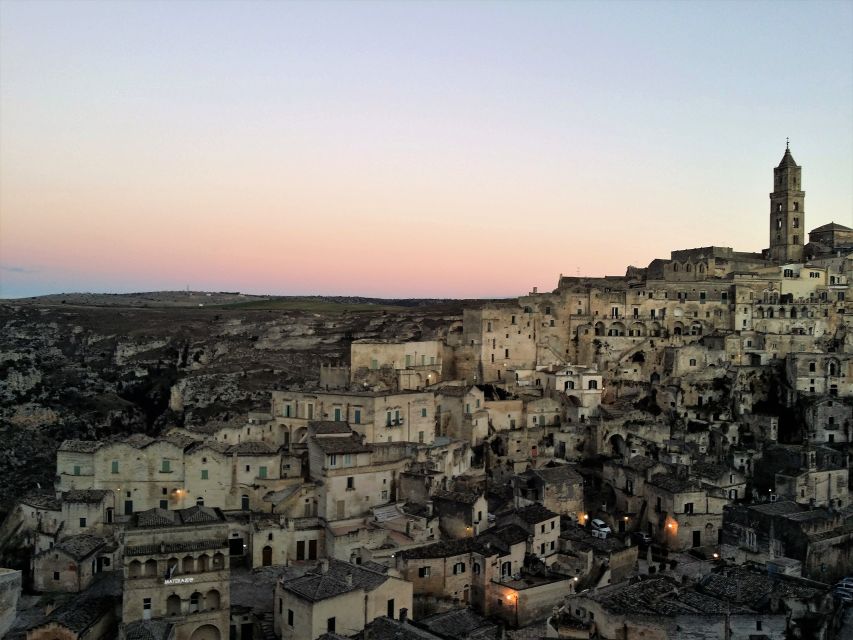
- Two Sassi districts in one walk: The route passes through Sasso Caveoso and Sasso Barisano, giving you a broader view of Matera than a quick viewpoint visit.
- Local guides add personal detail: Antonio and other guides have shared stories about growing up in Matera and seeing the Sassi change.
- Santa Lucia alle Malve costs extra: The rock-hewn church is not included in the $29 price, with entry listed at €2.50.
- A useful first-day activity: The route helps you understand Matera’s layout, history, and viewpoints before exploring on your own.
- Expect steps and rough footing: High heels are not allowed, and the tour is not suitable for wheelchair users.
- Small-group format: The maximum group size is 16, though some departures may be smaller.
Why Matera makes more sense with a guide
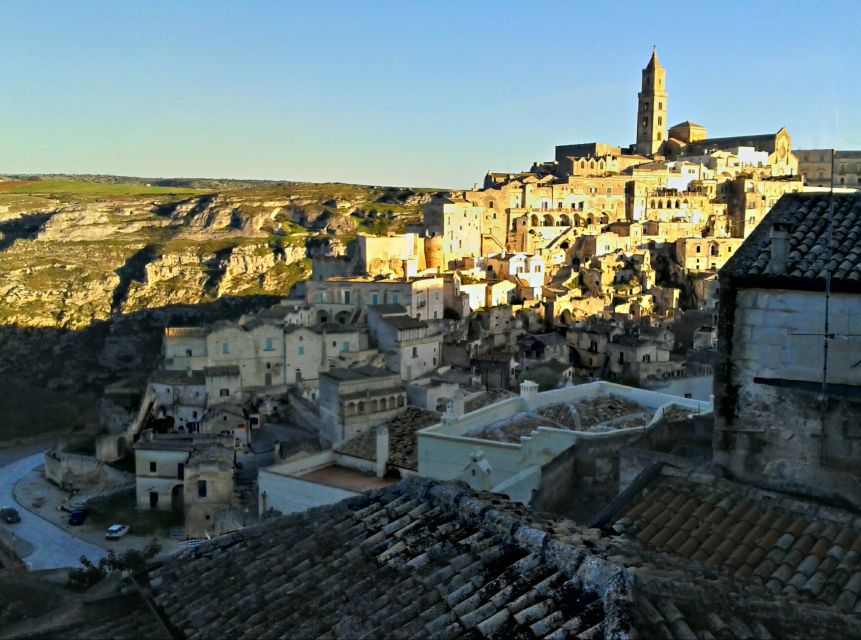
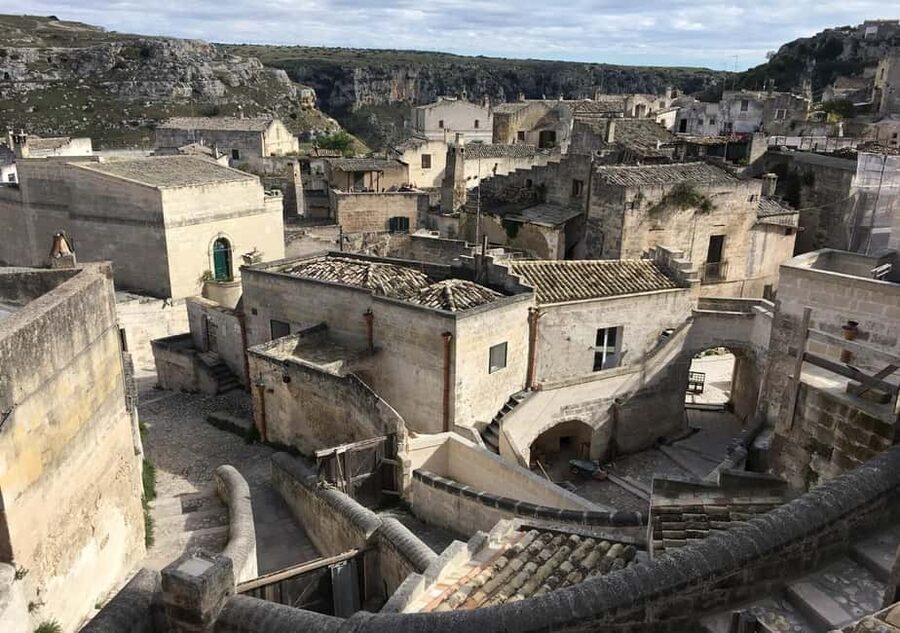
Matera can look simple at first glance: stone buildings, cave openings, church facades, and sweeping views. On foot, though, the city can feel like a maze. One alley leads uphill, another drops toward a ravine, and a dark opening in the rock may once have been a home, stable, cistern, or chapel.
That is where this tour earns its keep. At $29 per person, you are paying less for a checklist of sights than for a framework that helps you read the city. The guide explains why the Sassi look layered and irregular, how the neighborhoods changed over time, and what happened when the area fell into severe decline.
I like that the tour does not treat Matera as a frozen archaeological display. Its story includes poverty, overcrowding, abandonment, restoration, and a present-day effort to preserve the old districts. That social side matters. Without it, the Sassi can seem like a beautiful film set. With it, the stone walls begin to show traces of real lives.
The local perspective is one of the strongest parts. Antonio, who grew up in Matera, has been praised for explaining the city through memories of his childhood and for describing how the area changed. Other guides, including Georgia, Cosimo, Giulia, Annalisa, and Maria Theresa, bring their own voices and stories. The specific guide depends on the departure, but the experience is built around a person who knows the city firsthand.
More History Walking Tours in Italy
- Venice: City Center Historical Guided Walking Tour
★ 4.2 · 1,873 reviews - Palermo: Street Food and History Walking Tour
★ 4.9 · 1,486 reviews - Verona: History and Hidden Gems Guided Walking Tour
★ 5.0 · 1,379 reviews
Starting at Seekers Viaggi and finding your bearings
The listed meeting point is the Seekers Viaggi travel agency. Since the location can change, check your booking details before setting out and allow enough time to arrive without rushing. You are advised to take care of personal needs before reaching the meeting point, which is a practical reminder that the walk does not revolve around scheduled comfort stops.
The opening portion is useful for orientation. Matera’s historic area is best understood as a city of levels, not a straight line. You will be moving through lanes and viewpoints while the guide explains how the two Sassi districts fit together and how they relate to the more formal Baroque part of the city.
A city map is included, which is handy after the tour. The map will not replace a phone or navigation app, but it can help you remember the route and identify places you may want to revisit. A radio guide is also included, an important detail when a group pauses in a narrow lane or near a busy viewpoint.
The group can include up to 16 people. That is not a private tour, but it is small enough for questions to be practical. Several departures have been described as especially personal when the group was around eight to ten people. Even at the maximum size, the radio guide should make it easier to hear.
Sasso Caveoso: homes carved into the rock
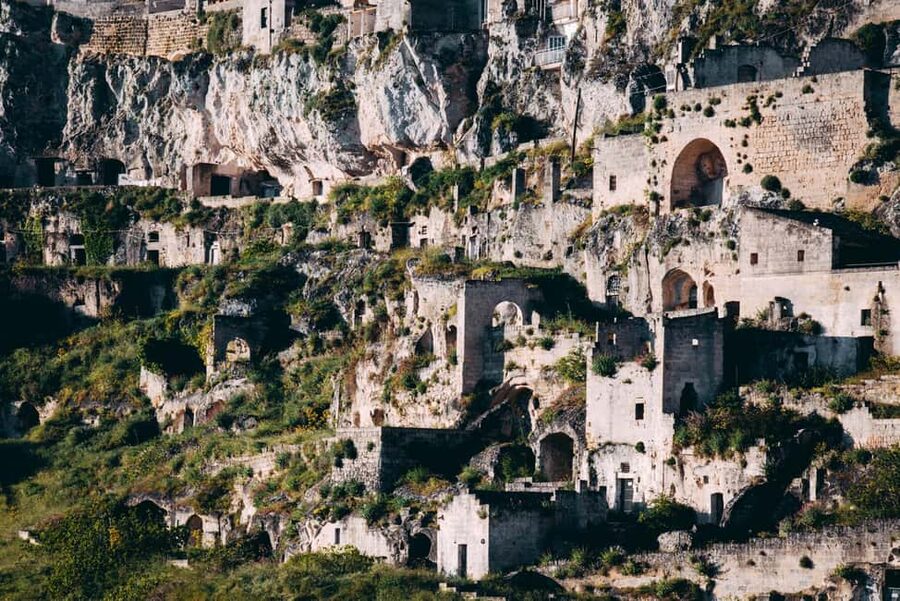
Sasso Caveoso is one of the most atmospheric parts of the walk. Here, the relationship between rock and building is especially clear. You may see homes and structures that appear to grow directly from the stone, along with lanes that follow the contours of the hill rather than a neat street plan.
The guide’s job here is to explain the architecture without turning it into a list of dates. You will hear about the way the Sassi developed through many layers of construction and alteration. A space that began as a cave could be modified, expanded, divided, or connected to other rooms. The result is a town that rewards close attention.
This is also where the social story becomes important. The Sassi were once home to large numbers of people living in difficult conditions. As the area declined, residents were moved out, and the old quarters became almost empty. The tour explains how those changes affected the buildings and the people who lived there.
I like the way the best guides make this personal. Antonio has been praised for describing Matera as a place he knew while growing up, not merely as a historic site. That kind of detail can help you understand the difference between looking at an old dwelling and thinking about how a family might have used it.
Bring your camera, but do not spend the whole time looking through it. The most useful information comes when you compare the buildings around you with the guide’s explanation. Look for the meeting points between carved rock, masonry, stairs, drainage channels, and later additions.
Sasso Barisano: a second view of the old city
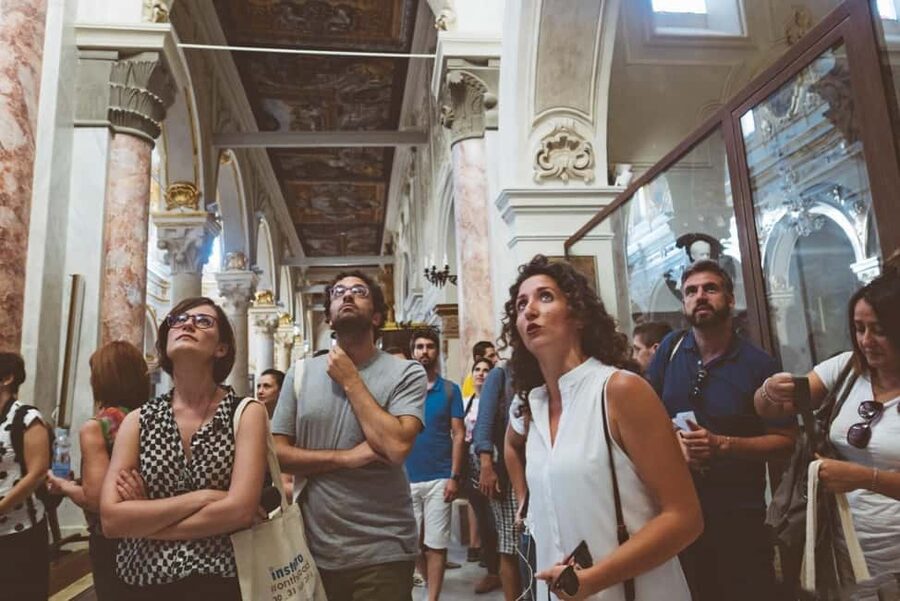
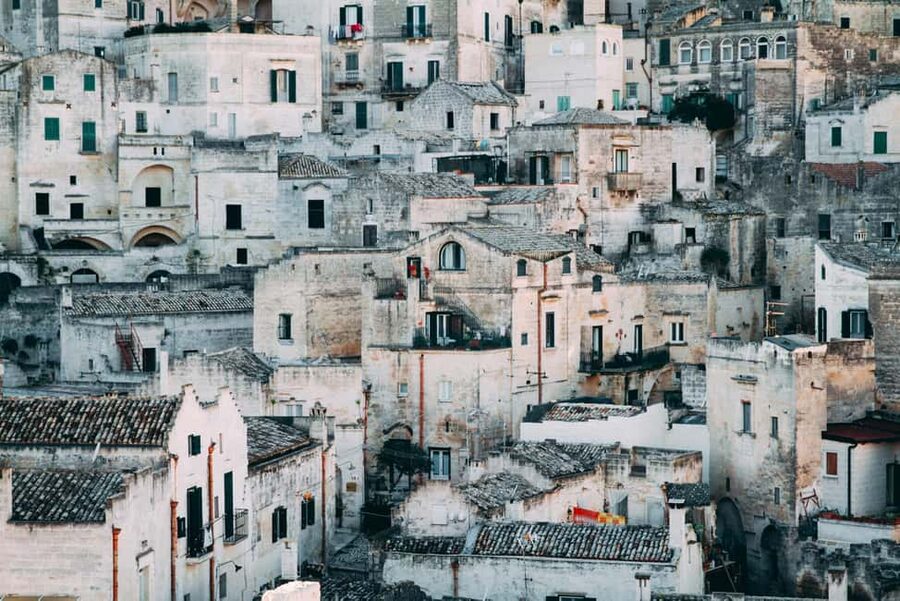
The route also passes through Sasso Barisano, giving you a chance to see how the two districts differ in character and position. The walk twists through alleys and open viewpoints, so you are not simply following one street from start to finish.
The views are a major part of the appeal, but the guide gives them context. Instead of seeing a broad sweep of pale stone and assuming the city has always looked this way, you learn about the long process that produced it. The Sassi were shaped by practical needs, local materials, limited resources, and repeated rebuilding.
This section is also useful for understanding Matera’s present-day renewal. The old neighborhoods were once associated with hardship and abandonment. Today, parts of the Sassi have been restored and are again used, visited, and maintained. The tour does not skip the uncomfortable parts of that story, which makes the current change easier to understand.
The route includes steps and uneven ground. That may sound obvious for an old stone district, but it matters when planning your day. High heels are not allowed, and you should wear shoes with a firm grip. The activity is not suitable for wheelchair users, so anyone with mobility concerns should consider the route carefully before booking.
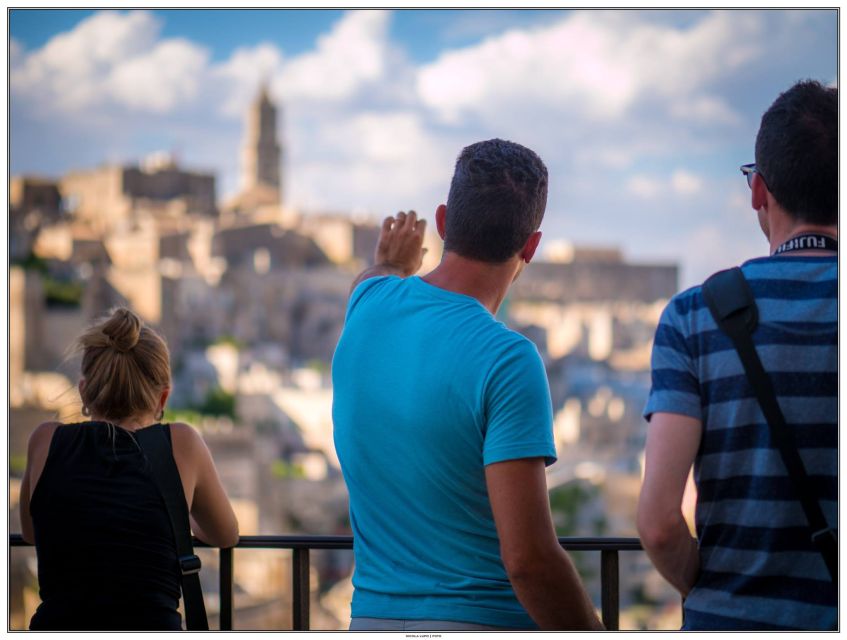
The pace appears to leave room for photographs and questions. Georgia has been praised for allowing people to stop without making the walk feel rushed. That is valuable in Matera, where the best views often appear suddenly at the end of a lane or from a small terrace.
More Local Culture and Traditions Tours in Italy:
- Naples Spanish Quarters Walking Tour Street Art, Folklore & Sweet
★ 5.0 · 797 reviews - Matera’s Sassi Walking Tour – History & Culture
★ 5.0 · 476 reviews - From Catania: Syracuse and Noto Culture and History Tour
★ 4.4 · 232 reviews - Syracuse: Traditional Cooking Class & Ancient Market Visit
★ 4.9 · 72 reviews
The Baroque city and the layers above the caves
The tour does not focus only on cave dwellings. Along the way, you can admire the exterior of the Baroque part of Matera. This helps place the Sassi within the larger city rather than treating them as an isolated attraction.
The contrast is worth noting. The Sassi show an architecture shaped closely by rock and terrain, while the Baroque areas offer a more formal urban appearance. Seeing both makes Matera’s development easier to follow. The city is not one single style repeated across the hill. It is a series of periods layered together.
Your guide will also discuss the historical and social forces behind those changes. The stated aim is to explain how the area’s economic and social conditions shifted over time. That makes the tour more useful than a walk built only around attractive facades.
I would pay attention to the words stratification and transformation during the tour. They describe what you are actually seeing: old spaces adapted to new needs, newer buildings placed beside older ones, and public attitudes toward the Sassi changing from neglect to preservation.
Santa Lucia alle Malve and the cost of the extra visit
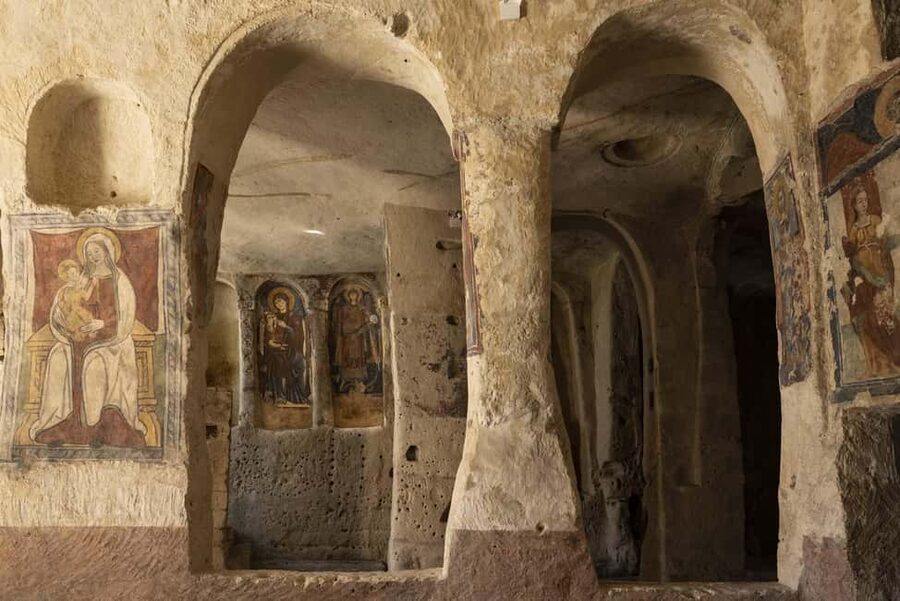
A rock-hewn church is one of the tour’s main highlights. Santa Lucia alle Malve is listed as the church visit, but its €2.50 entry ticket is not included in the tour price. Bring the small additional fee if you want the full experience.
The church matters because it lets you see the architecture from inside rather than only from the street. The guide can point out the shape of the rock-cut space and explain its place in Matera’s religious and artistic story. One participant specifically found the extra church visit well worth the modest cost because the guide continued explaining the history and art inside.
You may be asked during the tour if you want to enter, so the visit can feel like an optional addition rather than a compulsory stop. If most of the group chooses to go in, the tour can include the ticket as part of the flow. If you are trying to keep costs exact, remember that the advertised $29 does not cover this entry.
The church is also a good reason to avoid treating the tour price as the whole budget. The extra fee is small, but it is better to know about it in advance. I would include Santa Lucia alle Malve in your plan unless you have already visited it or want to keep the walk strictly outdoors.
The story of decline and renewal
The most worthwhile part of this experience is the explanation of how Matera became a place people left behind, then a place people worked to save. The Sassi gradually deteriorated and were eventually described as a ghost town. That change was not just architectural. It affected families, livelihoods, public health, and the way the wider world viewed Matera.
The tour then follows the area’s renewal. Preservation work and cooperation between UNESCO and the Italian government are part of the modern story described during the walk. You will see why restoration is not a simple matter of cleaning up old buildings. The Sassi are made of connected spaces, fragile rock, narrow lanes, and structures with many past uses.
This historical arc gives the views more weight. A panoramic stop is not only a place for a photograph. It can show you the scale of the old districts and help you understand why the city required such a major effort to protect.
I also appreciate that the guides connect the city’s past with their own lives. Antonio has described seeing the Sassi change over time, while other local guides have shared small details from growing up in the area. Those memories provide a human scale that dates and architectural terms cannot provide on their own.
How the two hours are spent
The activity lasts two hours, which is enough time for a clear introduction without taking over your entire day. The walk combines several ingredients:
- Moving through Sasso Caveoso and Sasso Barisano
- Stopping at panoramic points
- Hearing about architecture and social change
- Viewing the Baroque city from the outside
- Visiting the rock-hewn church if you choose to pay the entry fee
- Asking questions and taking photographs
The schedule may vary slightly depending on the guide, group, and pace. Some guides are especially animated storytellers. Maria Theresa has been praised for adding drama to her explanations, while Georgia has been described as friendly, funny, and careful to let people stop for pictures.
A morning departure can be a smart choice, especially in warmer months. One June departure was described as comfortable because it avoided the strongest heat and crowded conditions at the stops. Starting early also gives you the rest of the day to return to places that caught your attention.
Do not plan a tight appointment immediately afterward. The official duration is two hours, but groups may pause for questions, photographs, or the church visit. You want enough breathing room to enjoy the walk instead of watching the clock.
Who will get the most from this tour
I would recommend this experience to first-time visitors who want to understand Matera before exploring alone. It is particularly useful if you are interested in architecture, local history, religious art, or the effect of restoration on an old city.
It also suits people who enjoy personal storytelling. The guides are not simply pointing out facades. Their strongest moments come when they explain how Matera changed and what it was like to grow up around the Sassi.
The tour is a good match for independent visitors who still want a clear introduction. After two hours, you will have a map, a basic sense of the two Sassi districts, and a better idea of which viewpoints or lanes you want to revisit.
It is less suitable if you need step-free access, dislike uneven surfaces, or want a private, highly customized route. The group size is capped at 16, but it is still a group walk. You should also be comfortable standing and walking for most of the two hours.
Practical value at $29
At $29, the tour is fairly priced for a two-hour guided walk that includes a certified guide, radio guide, and city map. The price becomes especially reasonable if this is your first time in Matera and you want the city’s layout explained rather than simply photographed.
The rock church entry is extra, but €2.50 is modest. I would judge the value by the guide and the quality of the explanations, not by the number of sights checked off. The strongest parts are the context, the local stories, and the chance to ask questions while you are standing beside the places being discussed.
Free cancellation up to 24 hours before the start gives you some flexibility, and you can reserve now and pay later. Those booking terms are useful if your southern Italy plans are still shifting.
Should you book Matera’s Sassi Walking Tour?
Book it if you want a well-paced introduction to Matera, especially on your first day. The combination of Sasso Caveoso, Sasso Barisano, Baroque exteriors, viewpoints, and Santa Lucia alle Malve gives you a broad first look at the city.
The strongest reason to choose it is the local guide. Antonio, Georgia, and the other guides bring clear explanations, humor, and personal memories to a place that can otherwise feel confusing. The main reasons to hesitate are the steps, uneven footing, group format, and extra church fee.
Wear good shoes, keep €2.50 ready for Santa Lucia alle Malve, and leave a little space after the tour. If you can manage the walking, this is a practical way to understand why Matera is far more than a photogenic collection of caves.
FAQ
How much does the Matera Sassi walking tour cost?
The tour costs $29 per person. Entry to the rock-hewn church of Santa Lucia alle Malve is not included and costs €2.50.
How long does the walking tour last?
The tour lasts two hours.
What language is the tour offered in?
The live tour guide speaks English.
How large is the tour group?
The group has a maximum size of 16 people. Some departures may be smaller.
What is included in the price?
The price includes a certified guide, a radio guide, and a map of Matera.
Where does the tour meet?
The listed meeting point is the Seekers Viaggi travel agency. The meeting location may change, and you will be informed if a new point is needed.
Does the tour visit a rock church?
Yes. The route includes a visit to the rock-hewn church of Santa Lucia alle Malve, but the €2.50 entry ticket is paid separately.
Is the tour suitable for wheelchair users?
No. The activity is listed as not suitable for wheelchair users.
What should I wear for the walk?
High-heeled shoes are not allowed. Wear comfortable, sturdy footwear because the route includes steps and uneven surfaces.
Newest history tours we have reviewed in Italy
- Guided Cultural Tour of the Godfather Film in Messina★ 5.0 · 31 reviews
- SU NURAXI BARUMINI Unesco World Heritage Site★ 5.0 · 129 reviews
- Picnic aperitif in the vineyard of an ancient trullo in Martina Franca★ 5.0 · 21 reviews
- Brescia the Unexpected: History, Local Stories & a drink★ 5.0 · 31 reviews
- Bologna historical art walking tour with hidden gems and tastings★ 5.0 · 108 reviews
- Bolognese Cooking Class with Margherita in the Historic Center★ 5.0 · 26 reviews
- Best of Bologna in one day : Food, architecture, art and history★ 5.0 · 27 reviews
- Private or semi-private tour of the historic center of Bologna★ 5.0 · 34 reviews
Local Culture & Traditions Tours, compared.

Amsterdam Food and Cultural Tour with Tastings
Read our review →
Sevilla Food Tour: Tapas, Wine, History & Traditions
Read our review →
Tromsø: Reindeer Camp and Sami Cultural Tour with Lunch
Read our review →
Half Day Dominican Republic Cultural Tour : Small Group
Read our review →
Ultimate Melbourne Walking Tour: History, Laneways & Culture
Read our review →
Tromsø: Sámi Reindeer Sledding and Sami Cultural Tour
Read our review →
Kyoto Gion: 2-Hour Geisha Culture & History Walking Tour
Read our review →
Marrakech Historical and Cultural Tour – Half Day City Tour
Read our review →Browse the lists this tour appears in