
Review · ROME HISTORY TOURS
Historical and Spiritual Jorney in Papal Basilicas
Rome’s four great basilicas tell a remarkable story of Rome, from St. Paul’s quiet burial place to the grand ceremonies of St. Peter’s. This tour links them in one morning, adding the Scala Santa, the Lateran Baptistery when possible, and the papal tombs beneath St. Peter’s.
I like the tiny group size, limited to six people, and the broad mix of art, church history, culture, and theology. I also like the guide-led focus on Michelangelo, Bernini, and Giotto rather than simply moving you from one famous doorway to the next. The main drawback is practical: there is no skip-the-line entry, especially at St. Peter’s, so the four-hour plan can run longer.
Key points at a glance
- Four major basilicas in one day: See St. Paul Outside the Walls, St. John Lateran, Santa Maria Maggiore, and St. Peter’s.
- A true small-group format: The group holds only two to six people, allowing room for questions and personal interests.
- More than an art tour: The guide brings in Roman history, Catholic theology, cultural traditions, and philosophical ideas.
- Scala Santa is included: Visit the Sanctuary of Scala Santa beside St. John Lateran, with the Lateran Baptistery listed as an optional stop.
- Public transport is part of the experience: The tour uses a bus, walking, and the metro, with bus tickets included.
- Plan for a flexible finish: Waiting at St. Peter’s, extra questions, food breaks, or added sites can extend the morning.
Why these four basilicas make a strong Rome tour
Many Rome tours stay within the historic center and focus on ancient ruins, fountains, and squares. This experience takes a different route. It follows the four major papal basilicas, each with its own role in Catholic life and Roman history.
You begin outside the center at St. Paul Outside the Walls, then cross the city to St. John Lateran. From there, you walk to Santa Maria Maggiore before taking the metro toward St. Peter’s. The route is not just a series of church interiors. It shows how Rome’s religious center developed across different neighborhoods and centuries.
The guide is Mykhailo Hevko, and the strongest praise centers on his ability to answer historical questions and explain difficult subjects clearly. His background allows the tour to move beyond dates and names. You can ask about theology, architecture, politics, religious practice, or the meaning of a particular artwork.
That flexibility matters. In a group of six or fewer, you can steer part of the conversation toward your own interests. If you want more art, you can ask about Michelangelo, Bernini, or Giotto. If you are visiting as a pilgrimage, you can focus more on sacred traditions and the Holy Doors connected with the Jubilee.
More History Tours in Rome:
- Colosseum: Underground and Ancient Rome Tour
★ 4.7 · 12,691 reviews - Rome: Colosseum with Arena, Roman Forum and Palatine Guided Tour
★ 4.0 · 5,598 reviews - Colosseum with Arena, Roman Forum and Palatine Hill Guided Tour
★ 4.5 · 3,526 reviews
St. Paul Outside the Walls: a calm start with a turbulent past
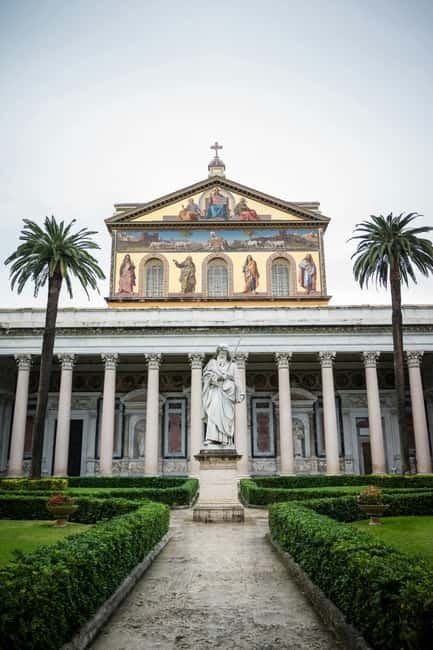
The tour begins at Via Ostiense, 333, near the exit of Basilica San Paolo metro station on Metro B. After leaving the station, turn left and walk to the corner of the street. This meeting point is easy to connect with by public transport, but give yourself enough time to arrive without rushing.
St. Paul Outside the Walls has a different mood from St. Peter’s. Its setting is quieter, and the interior offers a calmer start to the morning. The church is linked to St. Paul, one of the central figures of early Christianity, but its story has not been peaceful. Fire, rebuilding, and long periods of change have shaped what you see today.
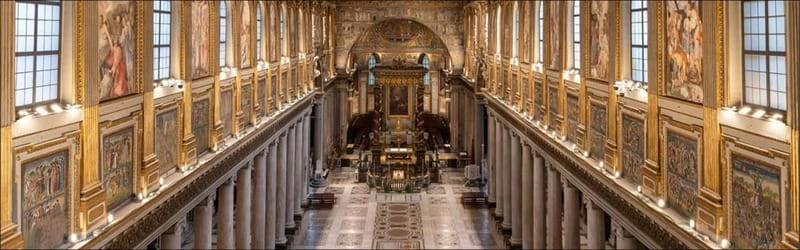
I find this a useful first stop because it gives the guide room to explain the church before the tour reaches the more crowded Vatican area. You can look closely at the long rows of columns, mosaics, portraits of popes, and the overall scale of the basilica without beginning in the most hectic part of the day.
The stop also sets up one of the tour’s main themes: religious buildings are not frozen pieces of the past. They have been rebuilt, adapted, decorated, and sometimes damaged. The guide can connect the church’s difficult history with the wider story of Rome.
Nearby archaeological areas and museum spaces are not included. That means you should not expect a full visit to every adjoining site, such as the Benedictine abbey cloister, unless you arrange and pay for an extra visit. Adding such places can lengthen the tour.
Crossing Rome by bus to St. John Lateran
The journey from St. Paul Outside the Walls to St. John Lateran takes about 30 minutes by bus. Bus tickets between the churches are included, so you do not need to budget separately for that part of the route.
This transfer is useful in two ways. First, it saves you from trying to connect four far-flung basilicas on your own. Second, it gives you a glimpse of the city between the major sights. It is not dead time, but it is still transport, so anyone expecting a nonstop walking tour should set the right pace.
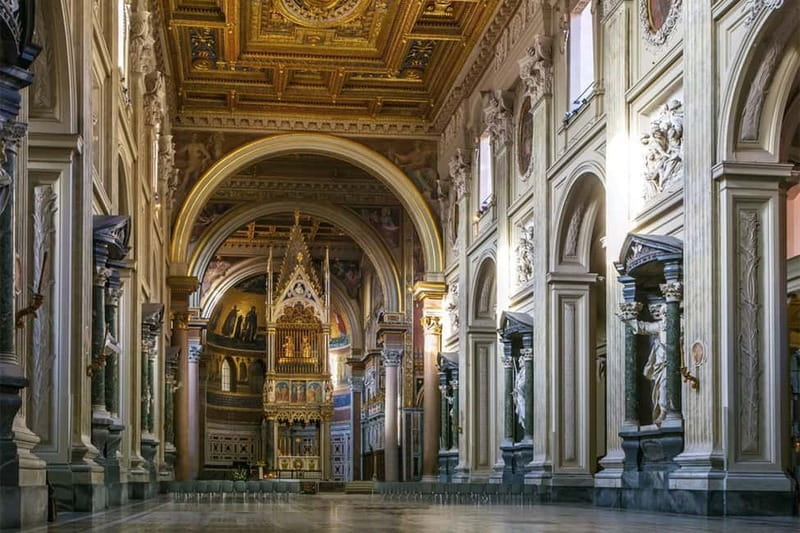
St. John Lateran is the official cathedral of Rome and the de jure main church of the Roman Catholic Church. That distinction can surprise people who assume St. Peter’s holds that title. St. Peter’s is the more famous church, but St. John Lateran has the cathedral role.
The guided visit lasts about 30 minutes. The focus is on the basilica’s religious and historical importance, rather than a long independent period inside. This is one place where the guide’s ability to answer questions can add real value, since the church’s status and traditions are not always obvious from its grand interior.
Beside the basilica, you visit the Sanctuary of Scala Santa. The Holy Stairs are tied to Christian devotion and pilgrimage, making this a meaningful stop if you are following the Jubilee theme or simply want to understand Rome’s sacred traditions.
The nearby Lateran Baptistery is also listed as an optional part of the experience. Ask the guide about it early if this is important to you, since the morning already has a tight schedule and added stops may change the finish time.
Walking Via Merulana to Santa Maria Maggiore
From St. John Lateran, the group walks for about 20 minutes along Via Merulana to Santa Maria Maggiore. This is a modest city walk, but comfortable shoes are essential. The route gives you a break from church interiors and lets you move through Rome at street level.
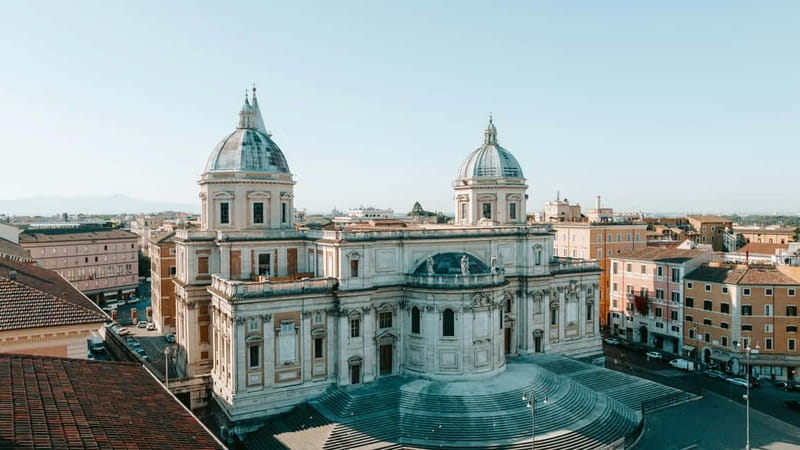
Santa Maria Maggiore is one of Rome’s largest and oldest Marian churches. Its importance is both religious and cultural, and the guide can explain how devotion to Mary shaped the basilica’s story and decoration.
This is a good point in the tour for art lovers. The overall route includes works associated with Michelangelo, Bernini, and Giotto, and Santa Maria Maggiore helps place those artists within Rome’s long artistic tradition. You will want to listen closely to the guide rather than assume every famous work is included in a separate museum-style explanation.
Some areas near the basilica require their own ticket. The Loggia of Blessings is one example. Those spaces are not part of the standard tour price, though you may be able to add them by agreement. Extra admissions are separate, and the tour will take longer.
The supplied schedule lists a snack or lunch break as optional after Santa Maria Maggiore. Bring a small snack if you prefer not to lose time finding food. Eating and drinking are not included, and a break can make the experience more comfortable, especially if you are taking the full walking and transport route.
Same streets, a different century:
- Colosseum & Ancient Rome with Arena Floor Option I Max 6 People
★ 5.0 · 3,306 reviews - Rome: Colosseum, Ancient Rome Tour or AudioGuided Tour
★ 4.4 · 2,879 reviews - Colosseum Underground & Ancient Rome Guided Tour
★ 4.5 · 2,590 reviews - Rome: Colosseum Arena, Roman Forum & Palatine Hill Tour
★ 4.5 · 1,874 reviews
Taking the metro toward St. Peter’s
The itinerary uses the subway for about 20 minutes before reaching the St. Peter’s area. Metro travel keeps the route practical, but it also means this experience is not a private car tour or a slow, leisurely stroll between every church.
Public transport is one reason the price has some value. At $90.63 per person, you are paying for a four-hour guided experience, not just entrance to a single monument. You receive a small group, guidance at several major churches, included bus tickets, and help making sense of a route that would otherwise take planning.
Still, value depends on your priorities. If you want extended time at every basilica, paid archaeological areas, or a museum visit, this tour may feel rushed. If you want a clear introduction to all four basilicas in one day, the arrangement is much more useful.
Saint Peter’s Square and the Vatican Grottoes
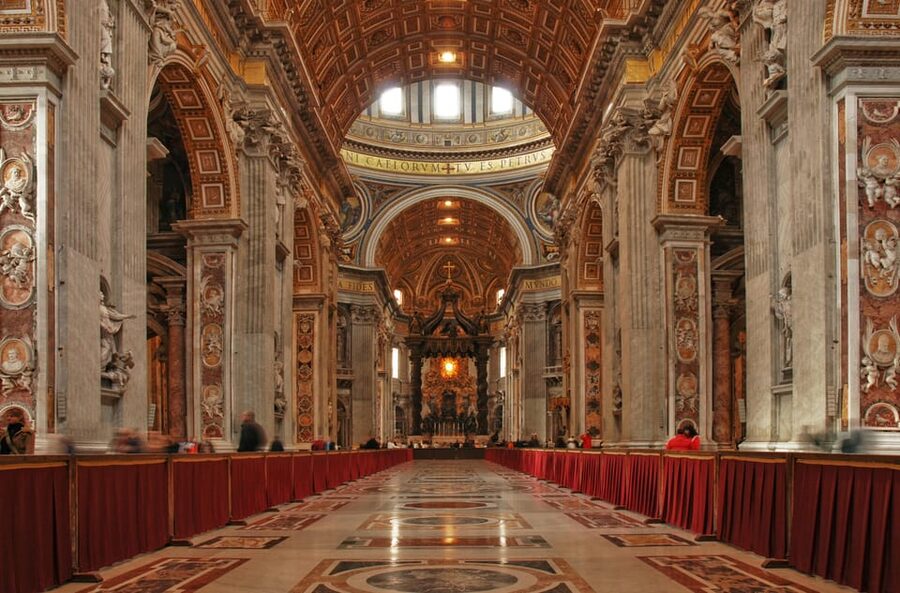
The final section begins in Saint Peter’s Square, where the guide explains the setting before taking you into the Vatican area. The square itself provides the grand approach to St. Peter’s and helps you understand how the basilica functions as a center of Catholic ceremony.
The Vatican Grottoes are scheduled as a guided stop of about 20 minutes. This underground area contains papal tombs and offers a more intimate contrast with the vast space above. It is one of the tour’s most distinctive features because many first-time visitors focus only on the basilica interior and miss the historical importance below it.
You then spend about 40 minutes at St. Peter’s Basilica. This is the longest single guided stop, and it is where the tour’s art and theology come together most clearly. Michelangelo and Bernini are among the major names connected with the basilica, and the guide can explain both the works and their place in the church’s wider purpose.
The crucial warning is the line. This tour does not provide skip-the-line entry to St. Peter’s or any other church. Waiting time is included in the general estimate, but a long queue can push the tour beyond four hours. Do not book a tightly timed train, museum entry, or dinner reservation immediately afterward.
The provided details describe the activity as ending back at the meeting point, while the route itself finishes with St. Peter’s Basilica and lists Santa Maria Maggiore as a finish location in one section. Because those details do not fully match, confirm the exact end point when booking, especially if you have another appointment.
What the small group changes
The group size is limited to six people, with some departures potentially having only two participants. That is a major part of the experience, not a minor detail.
In a large group, a question about a mosaic or a papal tradition can get lost. Here, you have a better chance to ask for clarification or request more attention to a subject that interests you. The guide can adjust the balance between history, art, culture, and theology instead of giving every person the same fixed speech.
The strongest praise for Mykhailo Hevko focuses on prompt answers, enthusiasm, and a high level of historical understanding. One useful detail is that his explanations continue from the first stop through the final visit, so you can expect a connected narrative rather than four unrelated church talks.
The tour is available in English, Italian, and Ukrainian. It is also wheelchair accessible, though the route includes bus travel, a 20-minute walk, and metro use. If you have specific mobility needs, confirm how the walking sections and transport changes will work before booking.
Dress, timing, and what to bring
Church dress rules matter here. Wear clothing that covers your shoulders and knees, and avoid sleeveless shirts and short skirts. Comfortable walking shoes are a must because the morning includes the walk along Via Merulana, transfers, and time on your feet inside the basilicas.
Bring water and snacks if you want to keep the schedule moving. Food and drinks are not included, and the optional break can make the tour longer.
The listed start time is 9:00, with a duration of about four hours. Other information gives a four to five-hour range, which is the safer planning figure. Waiting at St. Peter’s, extra questions, an added baptistery or archaeological visit, and a food stop can all extend the day.
Weapons, sharp objects, glass items, alcohol, drugs, and explosive substances are not allowed. Assistance dogs are allowed, but other pets are not.
Who should book this basilica tour?
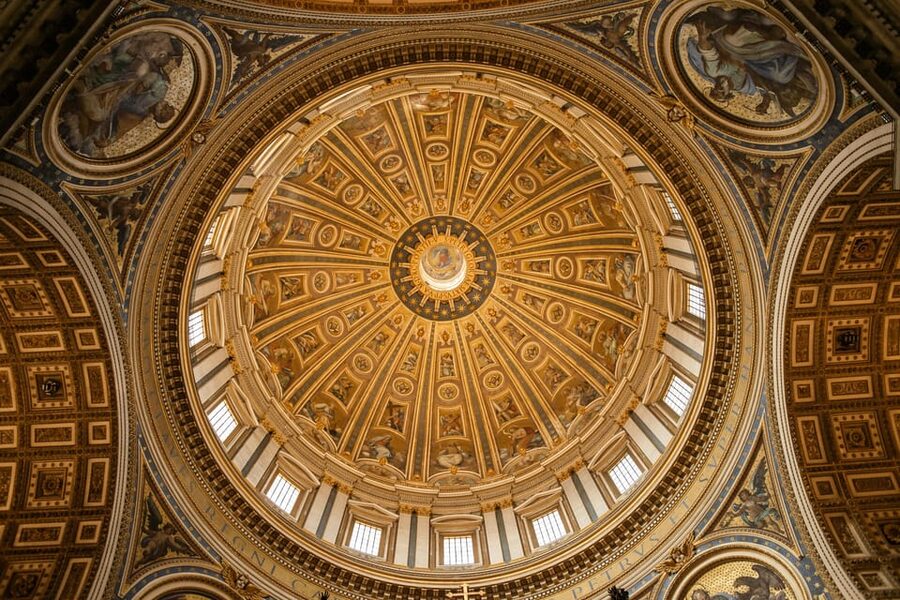
I would choose this for a first visit to Rome if you want religious landmarks explained in context rather than seen only as photo stops. It also suits visitors making a pilgrimage, especially during a Jubilee, and anyone with a serious interest in church history, Catholic traditions, or Renaissance art.
The format works well for solo visitors, couples, families, and small private groups who prefer to ask questions. The English, Italian, and Ukrainian options make it practical for a range of visitors.
I would be more cautious if you dislike public transport, need a slow pace, or want long unstructured time inside each church. You should also skip it if your main goal is the Vatican Museums and Sistine Chapel, since neither is included.
Should you book it?
Book this tour if you want an efficient, guided introduction to Rome’s four major basilicas and value a small group more than a guaranteed fast entry. The combination of St. Paul Outside the Walls, St. John Lateran, Scala Santa, Santa Maria Maggiore, St. Peter’s, and the Vatican Grottoes covers a lot in one morning.
At $90.63, the price is reasonable for a four-hour, six-person tour with a specialist guide and included bus tickets, but it is not a bargain sightseeing bus. You are paying for interpretation and personal attention. Confirm the final meeting point, wear proper church clothing, and leave extra time after the tour for the St. Peter’s line.
FAQ
How long does the basilica tour last?
The tour is listed as four hours, with the practical estimate also given as four to five hours. It can take longer if the line at St. Peter’s is long, if you add extra sites, or if you stop for food.
What time does the tour start?
The main schedule gives a 9:00 start. You should check availability for the exact starting time on your chosen date.
Which basilicas are visited?
The route visits St. Paul Outside the Walls, Basilica of St. John Lateran, Santa Maria Maggiore, and St. Peter’s Basilica.
Is skip-the-line entry included?
No. The tour does not include skip-the-line entry to St. Peter’s Basilica or any other site. Waiting at St. Peter’s is part of the expected timing.
Are the Vatican Museums and Sistine Chapel included?
No. The Vatican Museums and Sistine Chapel are not included in this activity.
Is Scala Santa included?
Yes. The Sanctuary of Scala Santa is included. The Lateran Baptistery is listed as an optional visit.
What languages are available?
The live guide is available in English, Italian, and Ukrainian.
Newest history tours we have reviewed in Rome
- Rome: Colosseum and Ancient Rome Guided Walking Tour★ 4.5 · 95 reviews
- Secrets of Rome: Historical True Crime Small Group Tour★ 4.9 · 85 reviews
- Rome: Private Colosseum Experience and Ancient Ruins Tour★ 4.6 · 25 reviews
- Rome Secrets: Dark History & Tasty Bites Tour★ 5.0 · 37 reviews
- Rome: Guided Tour of Colosseum and Ancient Rome★ 4.9 · 74 reviews
- Rome: Rome at Night Evening Historical Walking Tour★ 4.9 · 24 reviews
- Rome: Introduction to the Colosseum and Ancient City Tour★ 4.8 · 75 reviews
- Rome: Guided Group Colosseum & Ancient City Tour★ 4.8 · 62 reviews
Rome History Tours, compared.
Colosseum: Underground and Ancient Rome Tour
Read our review →
Colosseum with Arena, Roman Forum and Palatine Guided Tour
Read our review →
Colosseum with Arena, Roman Forum and Palatine Hill Guided Tour
Read our review →
Colosseum & Ancient Rome with Arena Floor Option I Max 6 People
Read our review →
Colosseum, Ancient Rome Tour or AudioGuided Tour
Read our review →
Colosseum Underground & Ancient Rome Guided Tour
Read our review →
Colosseum Arena, Roman Forum & Palatine Hill Tour
Read our review →
Colosseum, Roman Forum & Palatine Hill Guided Tour
Read our review →Browse the lists this tour appears in