
Review · LOCAL CULTURE & TRADITIONS TOURS
Goree Island: discover Senegalese history and culture
Gorée Island confronts you with Senegal’s painful connection to the transatlantic slave trade, then gives you time to look beyond that tragedy at churches, a mosque, old fortifications, art, and sea views. I like the private format, especially with guides such as Ousmane, who explain the island in clear, personal terms. I also like the early ferry option, which lets you walk quiet streets before the island fills up.
The hard part is also the reason to go: the House of Slaves can be emotionally heavy, since you walk through cramped holding rooms and the Door of No Return. The four-hour schedule is efficient rather than leisurely, and Monday can be a poor choice if the House of Slaves is closed.
Key points at a glance
- Start early: The 7:30 AM ferry is often suggested to avoid heat, queues, and large crowds.
- A private guide matters: Ousmane, Omar, Diatta, Suleymane, and Chérif are among the guides associated with this experience.
- The House of Slaves is the heart of the visit: Expect a serious, sometimes upsetting account of captivity and forced removal.
- The island is more than one museum: Saint Charles Church, the mosque, Le Castel, gardens, and memorials add cultural and visual context.
- Lunch is included: Local food and baobab juice form part of the outing, though the meal may make the four-hour schedule feel tight.
- Good value for some visitors: At $140 per person, the price covers hotel transport, ferry coordination, a private guide, admission to the House of Slaves, and food tasting.
Why Gorée Island deserves a place in your Dakar plans
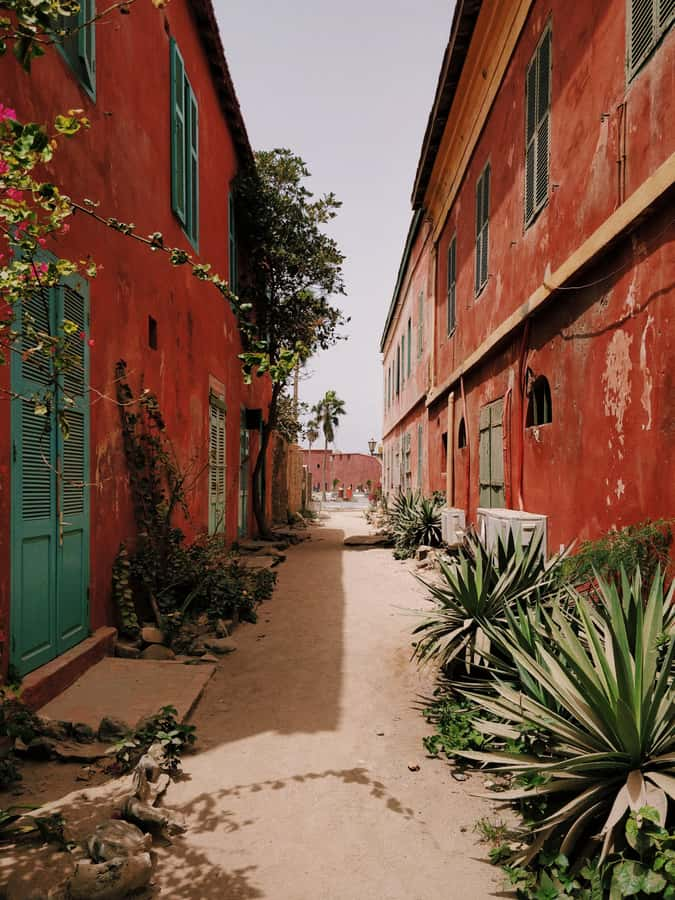
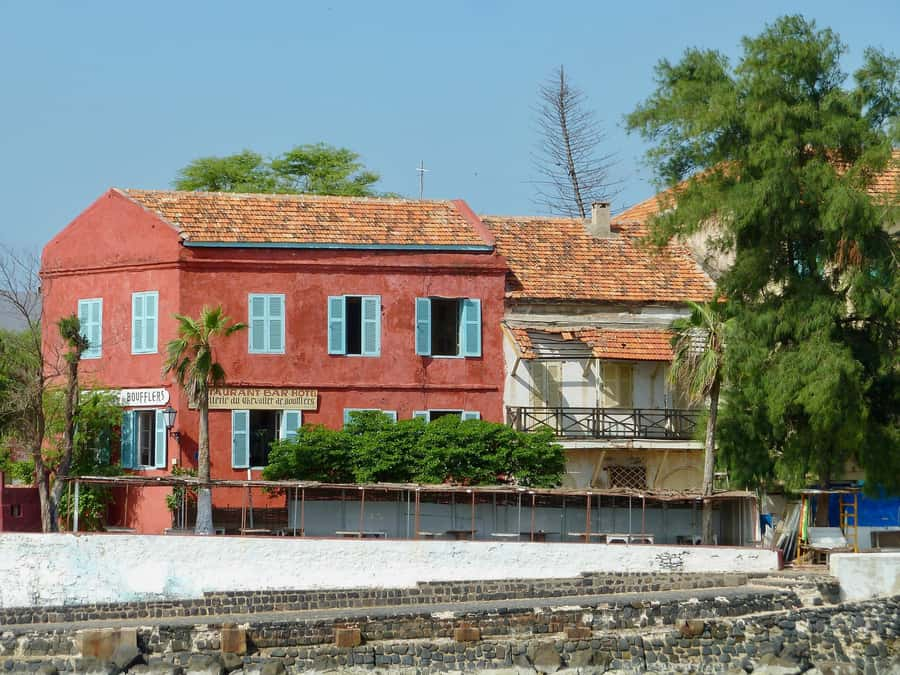
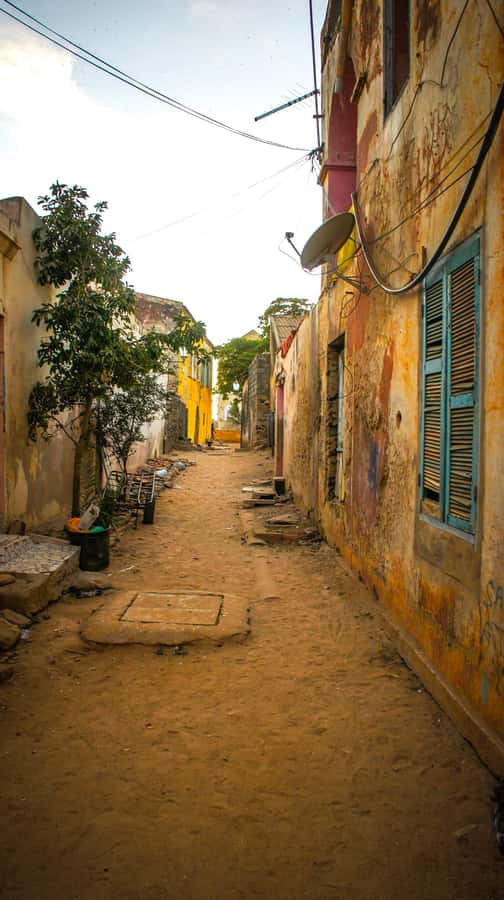
Gorée is a short ferry ride from Dakar, but the change in mood is immediate. The island’s narrow streets, old colonial buildings, religious sites, and sea-facing viewpoints make it pleasant to walk, yet the central subject is not light sightseeing. This is a place where Senegalese history connects directly with Africa, Europe, and the Americas.
I would not treat Gorée as a quick photo stop. The island asks you to pay attention. A good guide helps connect the buildings to the wider story of captivity, colonial rule, resistance, faith, and freedom. That context is especially useful at the House of Slaves, where a few rooms can otherwise feel like an isolated museum visit.
This tour uses a private group, so you can ask questions and adjust the pace more easily than in a large coach outing. Ousmane is the guide most often associated with the booking, and several other guides, including Omar, Diatta, Suleymane, and Chérif, have also led the experience. Chérif grew up on Gorée, giving him a personal connection to the island as well as its public history.
More Local Culture and Traditions Tours in the world:
- Amsterdam Food and Cultural Tour with Tastings
★ 5.0 · 4,315 reviews - Sevilla Food Tour: Tapas, Wine, History & Traditions
★ 5.0 · 3,468 reviews - Tromsø: Reindeer Camp and Sami Cultural Tour with Lunch
★ 4.7 · 3,326 reviews
From Dakar streets to the 25-minute ferry
Hotel pickup and drop-off are included. The drive to the port takes about 15 minutes by bus or car, and the ferry crossing is listed at about 25 minutes. Guides handle the practical steps, including getting you to the harbor and helping with the ferry process.
Timing matters here. Ousmane often recommends the first ferry around 7:30 AM, and that advice is worth taking seriously. Early morning gives you cooler walking conditions and a better chance of seeing Gorée before the main crowds arrive. One advantage of a private guide is the ability to adjust the start time, as several bookings were changed to earlier departures.
Bring your passport or identity card. You will also want comfortable walking shoes, sun protection, and water, although water has been provided in the vehicle on some outings. The ferry is described as clean and efficient, but queues at the port can still form, especially later in the morning.
First impressions at the Canarien Botanical Garden
After a short safety briefing on the island, the route begins around the Canarien Botanical Garden. The scheduled visit here is brief, about five minutes, so think of it as a quick orientation and photo stop rather than a full garden tour.
This opening pause helps you get your bearings before the serious historical stops begin. Your guide may point out the island’s layout, important buildings, and views across the water. If you want long pauses for photography, tell your guide early, since the official route packs several sites into four hours.
The House of Slaves and the Door of No Return
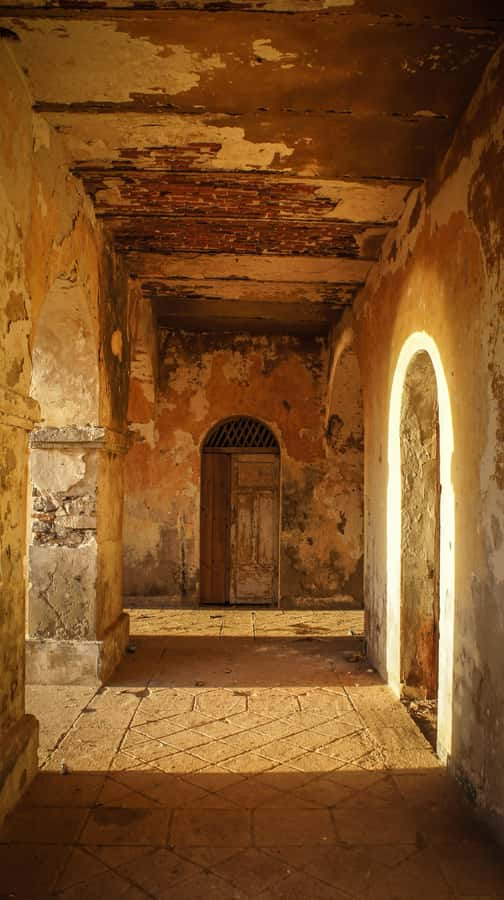
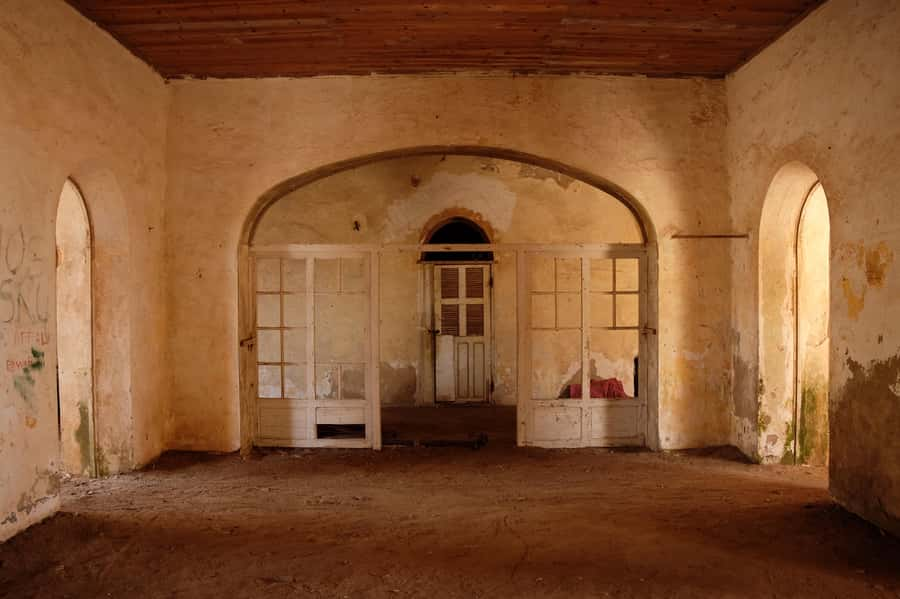
The House of Slaves is the emotional center of the tour. You enter the former holding rooms and hear about the men, women, and children detained there before being shipped to the Americas. The scheduled guided visit lasts about 30 minutes, but the meaning of the place can stay with you much longer.
The rooms are stark. You may see the cramped cells used for different groups and the passage leading toward the Door of No Return. The visit is not presented as a comfortable museum stop, and it should not be. You are being asked to face a system that treated human beings as property.
This is where a private guide adds real value. Ousmane is praised for explaining the cells, the detention period, and the wider links between Gorée, Senegal, neighboring African countries, Europe, and the Americas. His English is described as strong, and the tour is also available in French.
There is one practical issue. The House of Slaves has been reported as closed on Mondays, and its opening time has been given as 10:30 AM in one account. Private groups may sometimes enter before the general public, but schedules can change. Confirm the operating day and time before booking, especially if this is the main reason you are visiting Gorée.
Give yourself permission to be quiet here. You do not need to photograph every room or rush through the explanation. The subject is difficult, and the tour is strongest when the guide has time to answer questions with care.
More History Tours in the world:
- New York City: American Museum of Natural History Ticket
★ 4.5 · 15,447 reviews - History and Hauntings of Salem Guided Walking Tour
★ 5.0 · 14,564 reviews - Colosseum: Underground and Ancient Rome Tour
★ 4.7 · 12,691 reviews - Lisbon: History, Stories and Lifestyle Walking Tour
★ 4.8 · 10,902 reviews
Saint Charles Church and the island’s religious balance
Saint Charles Church offers a different kind of historical setting. Built in 1830, the Catholic church brings you into a quieter space with a clear contrast to the House of Slaves. The visit lasts around 15 minutes and usually includes time for photos and an explanation of its religious history.
The church matters because Gorée is not defined by one faith or one cultural tradition. The tour later visits a mosque built in 1860, allowing you to see the island’s religious life in a broader frame. The two sites are not simply decorative stops. Together, they show how different communities shaped daily life on a small island under colonial rule.
The church visit is short, so do not expect an extended service, concert, or architectural study. Its value comes from the way it breaks up the heavier historical material and gives you another way to understand the island.
Le Castel, old defenses, and Atlantic views
Le Castel is described as a former military fort with imposing walls and broad views of the island and Atlantic Ocean. The guided visit takes about 15 minutes, with time for photography.
This is one of the tour’s more visual moments. After the enclosed rooms of the House of Slaves, the open air and high viewpoint provide space to think. You may also find that your guide points out places you would miss if you were simply following the main path from the ferry.
The fort is not a long museum visit in this itinerary. It is better understood as a short stop within a walking tour, combining military history with views. Wear shoes that feel secure, and keep in mind that the route includes repeated standing and walking rather than a long seated presentation.
The Gorée-Almadies Memorial and the mosque
The Mémorial Gorée-Almadies is a brief stop, listed at about five minutes. Its role is to connect the island’s memory with a wider regional setting. You may have only enough time for a short explanation and photographs, but it helps keep the tour from focusing on one building alone.
The mosque follows, with about 10 minutes for a visit and photos. Built in 1860, it is presented as an example of religious harmony on Gorée. Its architecture and community role give you a useful counterpoint to the church and the House of Slaves.
Do not expect every stop to receive the same amount of time. The schedule gives the House of Slaves the longest formal visit, while the memorial, garden, church, fort, and mosque work as a sequence of short chapters. If one site matters especially to you, mention it to the guide.
Lunch, local flavors, and a little breathing room
Lunch on Gorée is scheduled for one hour, followed by about 15 minutes of free time. Food tasting is included, and local dishes may include fresh fish, chicken, shrimp, fruit, and baobab juice. One menu description places shrimp as an appetizer, so ask about the meal before ordering if you have dietary concerns.
The open-air restaurant setting near the ferry area makes lunch a pleasant change of pace. You can ask your guide about Senegalese food, Dakar life, or the island’s present-day community. Some guides also share personal projects. Ousmane, for example, runs and supports a girls’ basketball organization in Dakar, and lunch has been a chance for visitors to learn about that work.
The timing deserves a note. A full one-hour meal plus free time can make the four-hour duration feel ambitious, especially if the ferry is delayed or the House of Slaves has a queue. Some people choose a snack instead of a full lunch when they want to finish by noon. You can discuss this with your guide rather than trying to force every stop into the same pace.
The Liberation statue and the final message
The tour ends at the Statue of the Liberation from Slavery, erected in 2007. The statue brings a modern perspective to a visit rooted in older buildings and painful memories. It symbolizes freedom and gives the final part of the tour a forward-looking note.
The stop is listed at about 10 minutes, enough for a guided explanation and photographs. I like the placement of this monument at the end because it keeps the visit from ending only with suffering. Gorée’s story includes exploitation, but it also includes remembrance, resistance, cultural pride, and the continuing work of preserving memory.
Is $140 per person good value?
At $140 per person, this is not the cheapest way to reach Gorée. You are paying for more than a ferry ticket, though. The price includes hotel pickup and drop-off, a private group, a live guide in English or French, admission to the House of Slaves, food tasting, and help with ferry arrangements.
For a solo visitor or a small group, that package can make sense. You avoid working out the port transfer alone, and you have someone to explain what you are seeing at the most important sites. The value is strongest if you want history and interpretation rather than simply a ferry ride and free time.
The price is less compelling if you prefer to wander independently, eat on your own, and spend a full day on the island. The advertised duration is four hours, and the route moves at a steady pace. A private tour gives you flexibility, but it does not automatically turn a half-day schedule into a relaxed full-day visit.
Who should book this Gorée tour?
I would choose this experience if you are visiting Dakar for the first time, want a strong introduction to Senegalese history, or feel more comfortable having transport and ferry details handled for you. It also suits families and small groups who want to ask questions without being lost in a large crowd.
The tour is a particularly good fit for English-speaking visitors because Ousmane and the other listed guides can lead the tour in English or French. It can also work well for visitors with West African or African American family connections, since the guide can help connect the island’s story to the wider history of the Atlantic world.
You should think twice if the House of Slaves is closed on your date, if you want a slow photography day, or if difficult historical material may be too much. The route is wheelchair accessible, but the itinerary includes ferry travel and walking between several sites, so confirm the practical details for your specific needs.
Should you book it?
Book this tour if you want Gorée to make sense, not just look pretty in photographs. The early start, private guide, House of Slaves visit, local lunch, and mix of religious, military, and memorial sites give you a well-rounded half-day.
Before paying, confirm the House of Slaves schedule, ask about the ferry departure, and decide how much time you want for lunch. If those details work, the $140 price is reasonable for a private, guided introduction to one of Senegal’s most important places.
FAQ
How long does the Gorée Island tour last?
The advertised duration is four hours. The route includes transport from Dakar, a ferry crossing, guided visits, lunch, and free time on the island.
What is included in the price?
Hotel pickup and drop-off, entry to the House of Slaves, and food tasting are included. The experience is also arranged as a private group with a live guide.
What languages are available?
The tour is available in English and French.
Which guides may lead the tour?
Ousmane is the main guide associated with the experience. Other guides named in the tour information include Omar, Diatta, Suleymane, and Chérif.
What should I bring?
Bring your passport or identity card. Comfortable walking shoes and sun protection are practical choices for the island route.
Is the tour wheelchair accessible?
Yes, the activity is listed as wheelchair accessible.
Is lunch included?
Food tasting is included, and lunch is scheduled on Gorée Island. Local options described include fish, chicken, shrimp, fruit, and baobab juice.
Can I cancel the booking?
You can cancel up to 24 hours in advance for a full refund. The tour also offers reserve now and pay later booking.
Newest history tours we have reviewed in the world
- Brewood Village Historical Tour★ 5.0 · 21 reviews
- The History Behind Outlander Tour★ 5.0 · 18 reviews
- El Calafate History Museum Tour★ 4.5 · 32 reviews
- Private Royal Mile walking tour – Discover the history of our most famous street★ 5.0 · 48 reviews
- Thirsty for Edinburgh: Scotlands Best Historical Pub Tour★ 5.0 · 24 reviews
- Old Town Walking Tour★ 5.0 · 17 reviews
- St Andrews, Fife Coast Walk & Historic Abbey Tour from Edinburgh★ 5.0 · 62 reviews
- Edinburgh: History Lovers Old Town Walking Tour★ 5.0 · 216 reviews
Local Culture & Traditions Tours, compared.

Amsterdam Food and Cultural Tour with Tastings
Read our review →
Sevilla Food Tour: Tapas, Wine, History & Traditions
Read our review →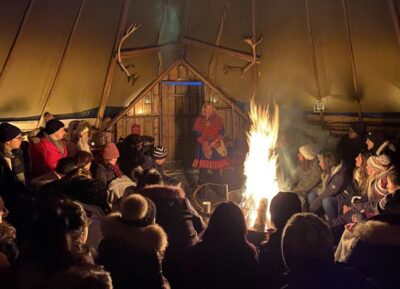
Tromsø: Reindeer Camp and Sami Cultural Tour with Lunch
Read our review →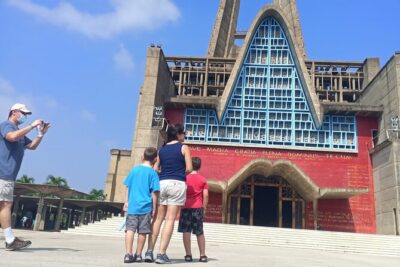
Half Day Dominican Republic Cultural Tour : Small Group
Read our review →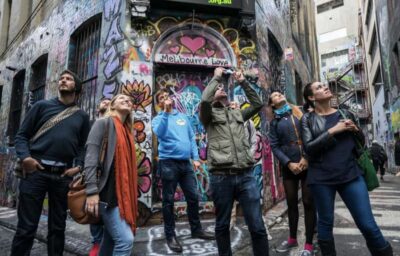
Ultimate Melbourne Walking Tour: History, Laneways & Culture
Read our review →
Tromsø: Sámi Reindeer Sledding and Sami Cultural Tour
Read our review →
Kyoto Gion: 2-Hour Geisha Culture & History Walking Tour
Read our review →
Marrakech Historical and Cultural Tour – Half Day City Tour
Read our review →Browse the lists this tour appears in