
Review · BELGIUM HISTORY TOURS
Ghent: 40-Minute Historical Boat Tour of City Center
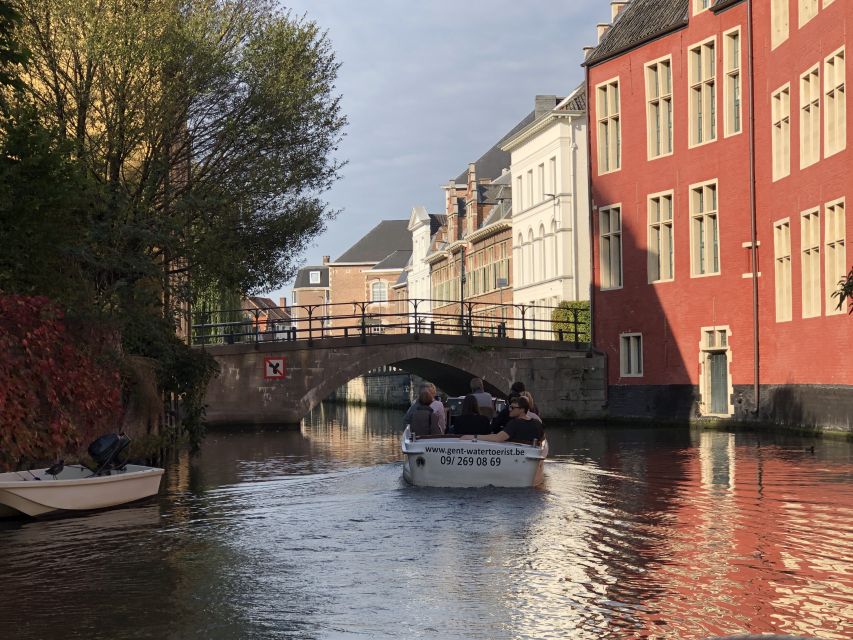
Ghent’s medieval center makes most sense from the water. On this 40-minute canal cruise, you glide past the grand fronts of Graslei, the old markets, and the rough stone walls of Gravensteen while a local guide explains what you are seeing. I like the fresh angle on the city and the chance to cover major sights without a long walk.
I also like the low $12 price, which makes this an easy addition to a day in Ghent, and the covered-boat option when drizzle sets in. The main drawback is that boats do not follow fixed departure times, so you need to check with the cashier for the next sailing. This is also not suitable for wheelchair users or people with mobility impairments.
Key points
- A water-level view of Graslei and Gravensteen: The canal puts you close to Ghent’s old façades, markets, and castle walls.
- A compact introduction to the city: In 40 minutes, you get historical context before exploring on foot.
- Local guides with humor and detail: Guides such as Thomas and Matthew have been praised for their lively explanations and stories.
- Open or covered boats: Weather decides the boat type, and the covered boat offers welcome shelter in rain or cold.
- Three spoken languages: Tours run in Dutch, English, and French, with written text in Spanish, Italian, and German.
- A strong value at $12: The short cruise costs little compared with a longer guided activity and can help you plan the rest of your visit.
Why seeing Ghent from the canal works
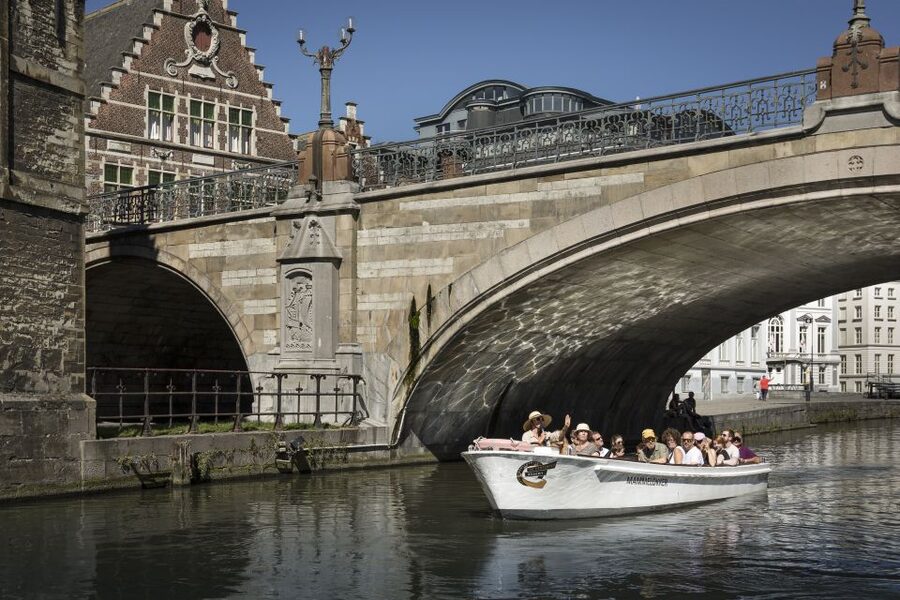
Ghent is compact, but its most striking views are often hard to take in from street level. Along the water, you can look directly at rows of old house fronts without buses, bicycles, or crowds cutting across your view. The canal also gives you a clear line toward Gravensteen, whose steep walls feel more imposing from below.
I see this cruise as an introduction rather than a complete tour of Ghent. You get stories, landmarks, and useful orientation, but you will not have time to stop, enter buildings, or examine details closely. That is exactly why it works well near the start of your stay. Afterward, you know which streets, buildings, and museums deserve more time.
The guide is a major part of the experience. Tours are offered in Dutch, English, and French, and the guide speaks live rather than simply playing a recording. Some guides, including Thomas and Matthew in past tours, have been singled out for their humor, local pride, and ability to connect buildings with stories.
The short length also helps. Forty minutes is long enough to feel worthwhile but short enough to fit between lunch, a museum, and an evening walk. If the weather is poor, the covered boat can make the difference between a pleasant outing and a cold, wet one.
More History Tours in Belgium:
- Historical Walking Tour: Legends of Bruges
★ 5.0 · 2,541 reviews - Historical Walking Tour: Legends of Antwerp
★ 5.0 · 1,837 reviews - Historical Walking Tour: Legends of Gent
★ 5.0 · 1,761 reviews
Finding the right jetty at Graslei
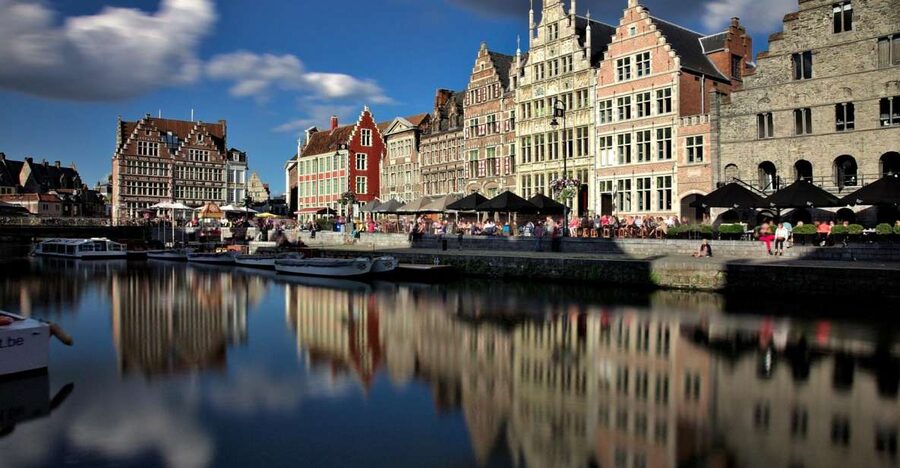
You meet at the Graslei jetty near number 7, beside the white and red boathouse operated by Ghent Watertoerist. Pay close attention here. Another boat company, Bootjes van Gent, operates from the opposite side of the water at Korenlei, so it is easy to walk to the wrong departure point.
The listed starting address is Graslei 4, but the practical landmark is the white and red boathouse near number 7. I would arrive with enough time to locate it and ask the cashier when the next boat leaves. The service does not use fixed departure times, so your booking does not remove the need to confirm the sailing time on site.
That flexible system can work in your favor. You can fit the cruise around your day instead of planning your entire schedule around one rigid departure. Still, it requires a little attention, especially during a busy visit when several boats and operators share the waterfront.
Graslei: Ghent’s best opening view
The boat begins at Graslei, one of the most recognizable sections of Ghent’s waterfront. From the canal, you see the historic house fronts from a low, open angle. The water keeps you at a comfortable distance, giving you time to look upward at the façades while the guide explains their place in the city’s past.
This is one of my favorite parts of the route because the view feels orderly. On foot, you may pass each building quickly while watching where you are going. From the boat, you can sit back and study the line of houses as the guide points out features and stories.
The view is especially useful for first-time visitors. You get a sense of how the old center is arranged and where the main waterfront areas connect. Take a few photos here, but keep your phone down often enough to hear the commentary. The guide’s explanations are what turn a pretty canal ride into a city tour.
Blauwe vogels and the city’s modern note
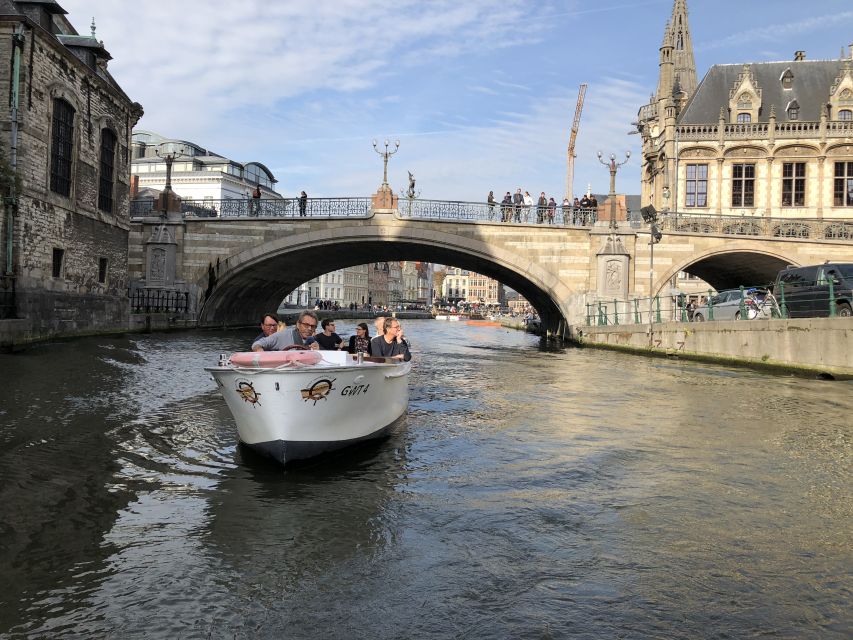
The cruise also passes Blauwe vogels, a light artwork by Mr. Maeterlinck. This stop adds a modern touch to a route otherwise centered on medieval buildings and old market areas.
I appreciate that contrast. Ghent is not presented only as a preserved medieval setting. The artwork gives you something contemporary to look for and reminds you that the city continues to change. Because the tour is short, the guide cannot spend a long time on every sight, but this is a memorable marker along the canal.
The exact experience can depend on daylight and weather. On an evening departure, the changing light may add atmosphere, while a covered boat on a gray day gives you shelter but can slightly alter the route.
Same streets, a different century:
- Brussels: Historical Tour with Chocolate & Waffle Tasting
★ 4.8 · 1,206 reviews - Brussels: Historical Walking Tour with Chocolate & Waffle Tasting
★ 5.0 · 1,165 reviews - THE Storytelling Tour of Bruges | First Day Must | History & Tips
★ 5.0 · 925 reviews - Historical Walking Tour: The Story of Bruges – by Legends
★ 4.7 · 483 reviews
The Great Butcher’s Hall and the old market quarter
Next comes the Great Butcher’s Hall, part of the old market area along the water. The boat gives you a useful view of the building and its relationship to the canal. Rather than seeing it as an isolated attraction, you begin to understand how trade and daily life shaped this part of Ghent.
The old meat market is one of the places where the city’s practical past comes into focus. The guide’s historical commentary matters here because the building itself may not explain its former role at a glance. I would listen for the details about how the waterfront connected commerce, movement, and the city center.
The boat does not stop for a visit inside. Consider this a first look that can help you decide if you want to return on foot. That pattern repeats throughout the cruise: the water tour shows you the setting, while a later walk gives you time to explore at street level.
Dulle Griet from the water
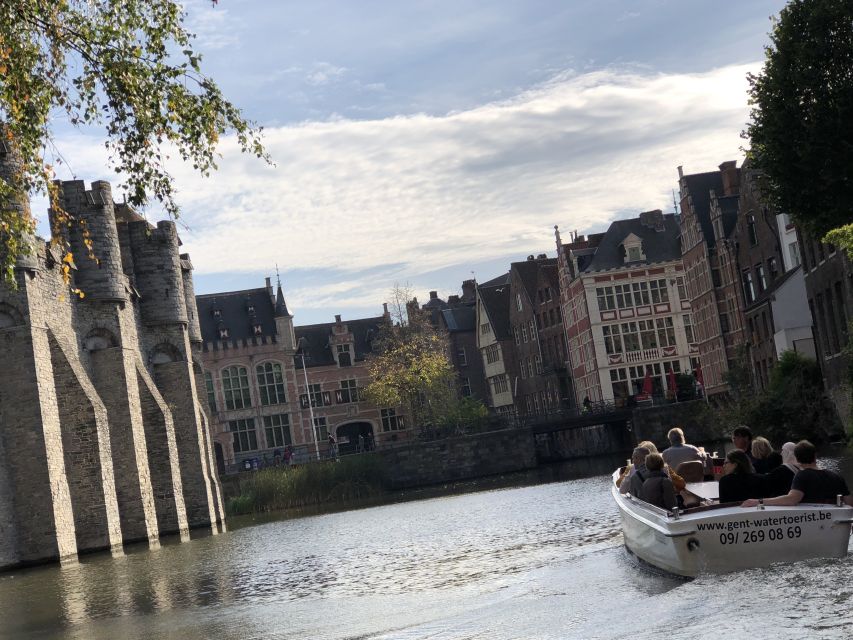
The route continues past Dulle Griet. From the boat, you get another perspective on a landmark that you might otherwise see only while walking through the center.
This is a good example of the cruise’s value. You are not simply being transported between famous points. You are seeing how each place relates to the waterways and the surrounding historic buildings. The guide can also keep the city’s long story moving, which gives the short tour a clear rhythm.
Do not expect a long stop or a detailed visit at each point. The boat keeps moving, and that is part of the bargain. You trade close inspection for a broader view of Ghent’s center and a steady stream of context.
The Old Fish Market and the route toward the castle
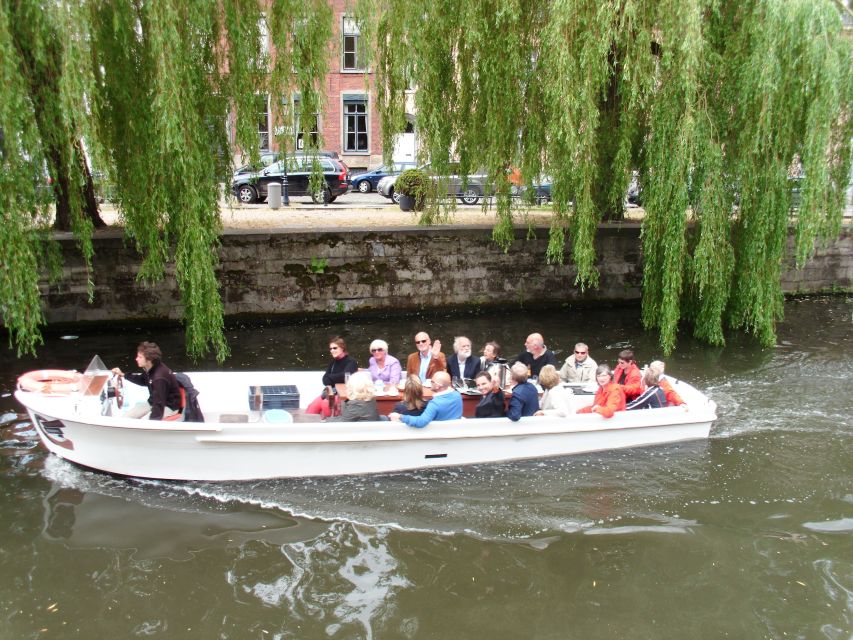
The Old Fish Market appears later on the cruise. Like the Great Butcher’s Hall, it helps show how markets once connected the city to its waterways. You see the building from the canal, then continue toward the route’s most dramatic sight.
I find this section useful because it links the commercial side of medieval Ghent with the defensive and political side that follows. The tour does not treat the city as a collection of unrelated façades. It moves through different parts of Ghent’s past, from trade to power.
The guide’s language skills are helpful here. A live tour is offered in Dutch, English, or French, while written tour text is available in Spanish, Italian, and German. If you need one of the written languages, ask the operator about the text before departure.
Gravensteen: the cruise’s strongest sight
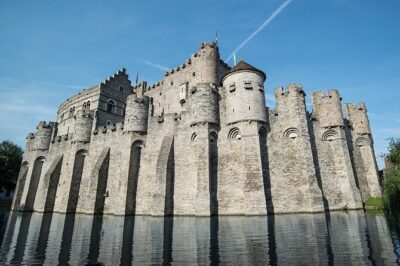
Gravensteen, or the Castle of Counts, is the visual high point of the ride. Its walls are rugged, steep, and close to the water. Seen from a boat, the castle has a harder, more defensive character than it may have from nearby streets.
The guide encourages you to picture the powerful people who once occupied its corridors. That storytelling is important because the castle’s walls can otherwise become just another dramatic photo background. From the canal, you get a sense of how the building dominated its surroundings.
This is the point where I would put the camera away for a moment. Look at the stonework, the height of the walls, and the narrow relationship between the castle and the water. You can visit Gravensteen separately if you want an inside look, but the boat gives you a view that a walking route cannot match.
The castle also shows why this activity is not a replacement for a walking tour. You pass an impressive structure and hear its story, but you do not enter it. Treat the cruise as a companion to sightseeing on foot, not as the only history experience you need in Ghent.
Rabot and the return to Graslei
Rabot comes toward the end of the route before the boat returns to Graslei 4. It gives the cruise one more landmark before the final stretch back to the waterfront.
The return ride is a good time to review the places you may want to see again. You may also find that details you missed on the way out look different from the opposite angle. Since the tour lasts only 40 minutes, the final return comes quickly.
An evening departure can be especially appealing for photography. One past outing at about 6:10 p.m. caught sunset light, which made the buildings and canal particularly attractive. Timing depends on the season and available departures, so ask at the jetty if you hope to catch a certain light.
Open boat or covered boat?
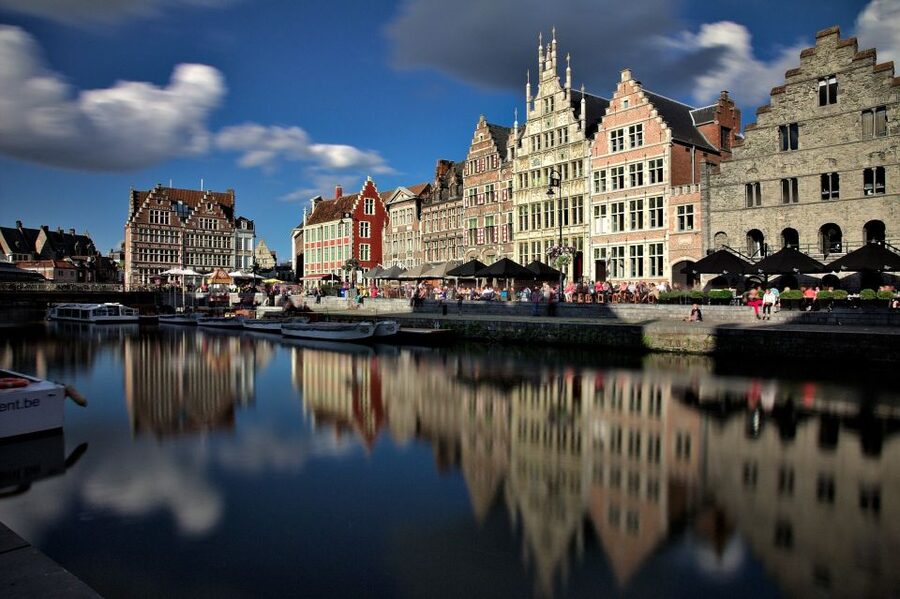
Boats operate open or covered depending on the weather. The covered boat follows a slightly different course, so you should not expect exactly the same views on every departure.
An open boat gives you the clearest overhead view and a stronger sense of being out on the canal. It also leaves you more exposed to wind, drizzle, and cold. Bring a layer even on a mild day, since sitting on the water can feel cooler than walking nearby.
The covered boat is the sensible choice in wet or chilly conditions. A covered sailing has allowed people to continue comfortably in drizzly weather while others outside faced the cold in open boats. The tradeoff is the altered course and potentially different sight lines.
If weather is uncertain, ask which boat is leaving next before committing. The cashier can tell you the departure options, and the flexible schedule may let you choose between an open and covered sailing when both are available.
How much value do you get for $12?
At $12 per person, this is good value for a guided look at central Ghent. The price is low enough that you do not need to build your whole day around it, and the 40-minute length keeps the commitment modest.
The real value comes from combining three things: a moving view of the city, live historical explanation, and access to sights that are difficult to frame from the street. You get Graslei, the old market buildings, Gravensteen, Rabot, and several other landmarks in one compact outing.
The price does not include entry to Gravensteen or any other attraction. It also does not give you time to stop and explore the buildings. If you want detailed architecture, interior visits, or a long discussion of Ghent’s past, you will need to add a walking tour or independent sightseeing.
For most visitors, I would call this an inexpensive orientation ride with real sightseeing value. It works particularly well at the beginning of a holiday, when you want ideas for the rest of your time in the city.
Who should book this boat tour?
I would suggest it to first-time visitors, photographers, couples, families who want a short activity, and anyone who prefers learning while seated. It is also a useful choice if your feet need a break after walking through Ghent’s center.
You will get the most from it if you enjoy broad context and changing views rather than long stops. The guide’s humor and local pride can make the history easier to remember, especially when the commentary connects a building to the people who used it.
This is not a good fit for wheelchair users or people with mobility impairments. The experience also may not suit you if you need guaranteed departure times or want an entirely fixed itinerary, since the next sailing is confirmed at the cashier and the covered boat takes a slightly different course.
Free cancellation is available up to 24 hours before departure, and you can reserve now and pay later. Those terms are useful if your Ghent schedule depends on weather or changing plans.
Should you book the Ghent boat tour?
Book it if you want a short, inexpensive introduction to Ghent from an unusual angle. The Graslei façades and Gravensteen walls are the strongest sights, and the live guide adds context that photos alone cannot provide.
I would choose it early in your visit, then use the route as a map for later walks. Pick a covered boat if the weather is wet or cold, confirm the next departure at the correct Graslei jetty, and remember that the cruise complements rather than replaces exploring on foot.
FAQ
How long is the Ghent historical boat tour?
The guided boat tour lasts 40 minutes.
How much does the tour cost?
The listed price is $12 per person.
Where does the boat tour start?
It starts at the Graslei jetty near number 7, beside the white and red Ghent Watertoerist boathouse. The listed meeting address is Graslei 4.
Is the meeting point the same as Bootjes van Gent?
No. Bootjes van Gent is on the opposite side of the water at Korenlei. Make sure you go to the Ghent Watertoerist jetty at Graslei.
What languages does the live guide speak?
The live guide speaks Dutch, English, and French.
Are other languages available?
Written tour text is available in Spanish, Italian, and German.
Do boats run at fixed departure times?
No. There are no fixed departures. Ask the cashier when the next boat leaves.
Are the boats open or covered?
Boats operate open or covered depending on the weather. The covered boat follows a slightly different course.
Is the tour suitable for wheelchair users?
No. The activity is not suitable for wheelchair users or people with mobility impairments.
Can I cancel for a refund?
Yes. You can cancel up to 24 hours in advance for a full refund. You can also reserve now and pay later.
Newest history tours we have reviewed in Belgium
- Antwerp: Private 3-Hour Historical Sightseeing Walking Tour★ 4.8 · 70 reviews
- Antwerp: Private Historical Highlights Walking Tour★ 4.9 · 36 reviews
- Private Historical Tour: Legends of Antwerp★ 5.0 · 125 reviews
- Bruges: Private Historical Highlights Walking Tour★ 4.7 · 191 reviews
- Private Historical Tour: The Highlights of Bruges★ 5.0 · 315 reviews
- Antwerp: Historical Walking Tour in the Old City★ 4.8 · 373 reviews
- Historical Walking Tour in Antwerp Old City★ 5.0 · 277 reviews
- Private tour: Highlights & History of Antwerp★ 5.0 · 299 reviews
Belgium History Tours, compared.
Brussels: Historical Tour with Chocolate & Waffle Tasting
Read our review →
Brussels: Historical Walking Tour with Chocolate & Waffle Tasting
Read our review →
THE Storytelling Tour of Bruges | First Day Must | History & Tips
Read our review →
Historical Walking Tour: The Story of Bruges – by Legends
Read our review →
Browse the lists this tour appears in