
Review · CHARLESTON HISTORY TOURS
Take a History Tour with an actual Historian – Cooper!
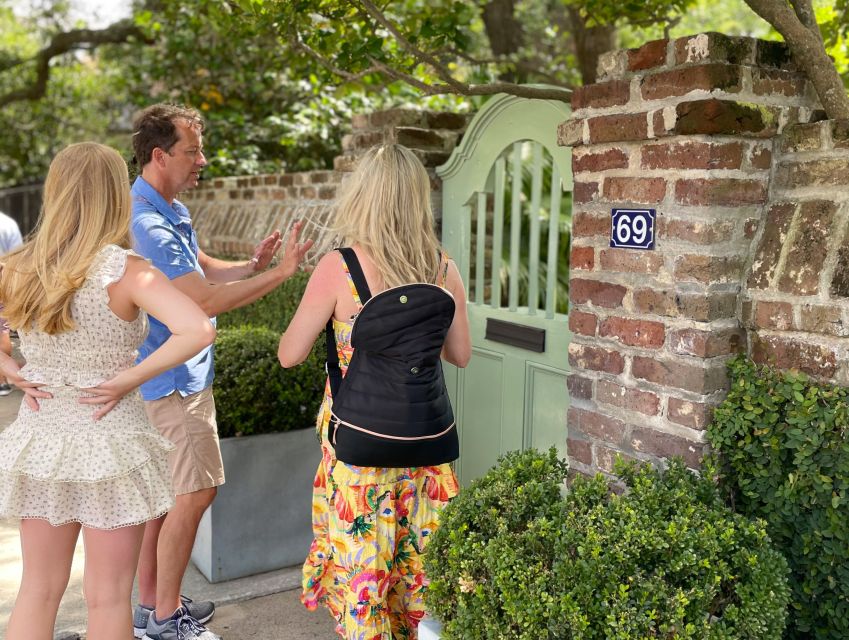
Charleston’s past comes alive best when you understand why the city grew where it did. This tour begins with a conversation beside the harbor, then uses the waterfront, old streets, churches, homes, and seawall to explain how Charleston became a major colonial port. Cooper’s opening discussion lets your interests shape the walk instead of forcing you through a fixed speech.
I like two things right away: the PhD historian guide brings serious knowledge without turning the tour into a list of dates, and the route points out small details between the headline sights. You’ll also get a frank look at slavery, free people of color, architecture, and Charleston’s changing social order.
The main consideration is the pace and length. At 150 minutes, this is a serious walking tour, not a quick orientation. It is not suitable for children under 10 or people with mobility impairments, and the tour runs rain or shine.
Key points at a glance
- Start with conversation: Cooper asks what interests you before setting the direction of the history talk.
- See Charleston from the harbor inward: The waterfront explains the city’s geography, trade, and colonial growth.
- Walk along the 1680 seawall: You’ll see one of the oldest surviving structures of its kind in the South.
- Go beyond pretty buildings: Colonial homes, churches, courtyards, and old street lines reveal how Charleston developed.
- Handle difficult history honestly: Slavery, urban life, local laws, and free people of color are treated with context.
- Allow two and a half hours: The tour rewards people who want stories and discussion, not just photo stops.
Why the opening conversation matters
Many city walks begin with a guide talking and the group trying to keep up. This one begins differently. Cooper starts by asking what you find interesting about history, then uses that discussion to give the walk a clear purpose.
That is useful because Charleston can seem like a collection of attractive houses and photogenic streets. Without context, you may admire the buildings but miss the forces that shaped them. The opening talk gives you a framework for understanding the harbor, the old city, and the people who built and lived in it.
You might want architecture, colonial politics, trade, military history, slavery, or the social life of the city. The conversation helps bring those interests into the route. It also gives you a chance to ask questions early, rather than waiting until the final stop.
This approach makes the tour feel less like a memorized script. It also means the experience may have a different emphasis for each group. If you prefer a tightly timed tour with every stop fixed in advance, you may find the conversational style less predictable.
More History Tours in Charleston:
- Charleston’s Old South Carriage Historic Horse & Carriage Tour
★ 5.0 · 10,023 reviews - Historic Charleston Guided Sightseeing Walking Tour
★ 5.0 · 6,216 reviews - Charleston Horse-Drawn Carriage Tour: Explore Historic Charleston
★ 5.0 · 3,561 reviews
Charleston Harbor explains the city’s beginnings
The first major setting is Charleston’s harbor. From here, you can see why location mattered so much. The natural advantages of the coast helped Charleston grow into a major colonial port, and the water remains the best starting point for understanding its economy.
The story reaches back to the city’s beginnings under King Charles I, the Carolina settlement, and Charles Towne, founded under King Charles II. Those names are not just background decoration. They help explain the political ambitions behind the settlement and the importance of a port that could connect the colony to wider trade.
Cooper ties geography to opportunity. The harbor made commerce possible, but it also brought labor, wealth, conflict, and social divisions. You get a clearer picture of Charleston as a working port and political project, not simply an old Southern city with handsome buildings.
I find this part especially helpful on a first day in Charleston. Once you understand the harbor, the rest of the walk has a logical shape. Streets, defensive works, homes, and public spaces begin to look like parts of one long story.
The original seawall is more than a waterfront view
The walk continues along Charleston’s original seawall, built in 1680. The structure is described as one of the oldest surviving examples of its kind in the South, so this is not just a pleasant place to stroll beside the water.
The seawall gives you a direct link to the city’s early efforts to control and protect its waterfront. Cooper points out details that are easy to pass without noticing, including architectural traces, defensive features, and signs of later changes.
This is where the tour’s promise to show you what lies between Point A and Point B becomes important. The headline sights are easy to find. The older stones, altered walls, and small construction clues are what help you read Charleston as a place that has changed over roughly three and a half centuries.
The waterfront is also one of the tour’s more comfortable sections visually. You have room to look out across the harbor while listening, and the setting gives the early history a clear physical anchor. Still, remember that the tour continues for a long time after this stop. Good walking shoes and protection from sun or rain make sense.
White Point Gardens connects defense and daily life
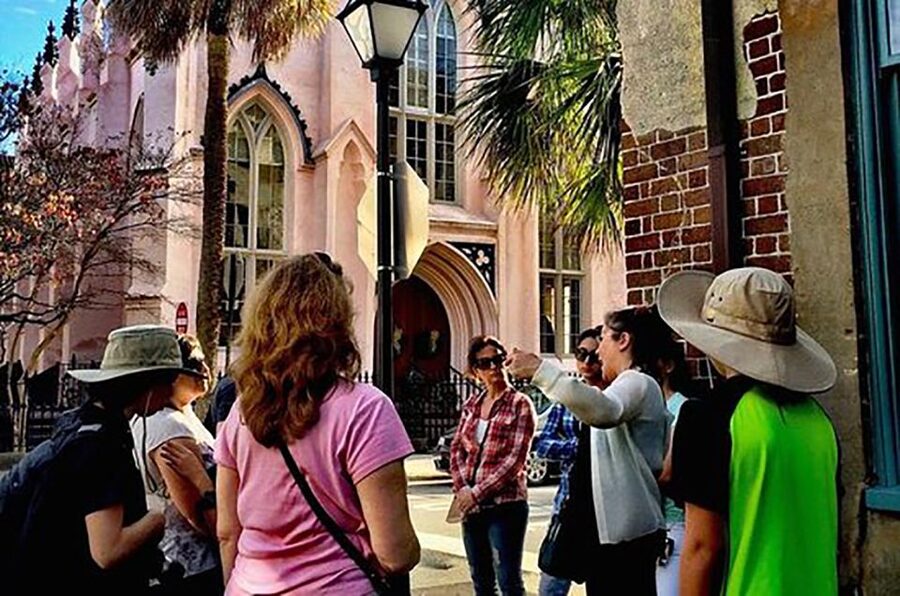
From the waterfront, the route reaches White Point Gardens. The tour uses this public space to explain its changing role in Charleston’s defense and everyday life.
That combination matters. A place can serve military needs in one period and become part of ordinary city life in another. Cooper uses White Point Gardens to show how Charleston’s public spaces changed as the city changed around them.
The stop also adds variety to the walk. You are no longer looking only at the harbor or the fronts of private homes. You are considering how residents and authorities used shared spaces, and how those spaces fit into the city’s development.
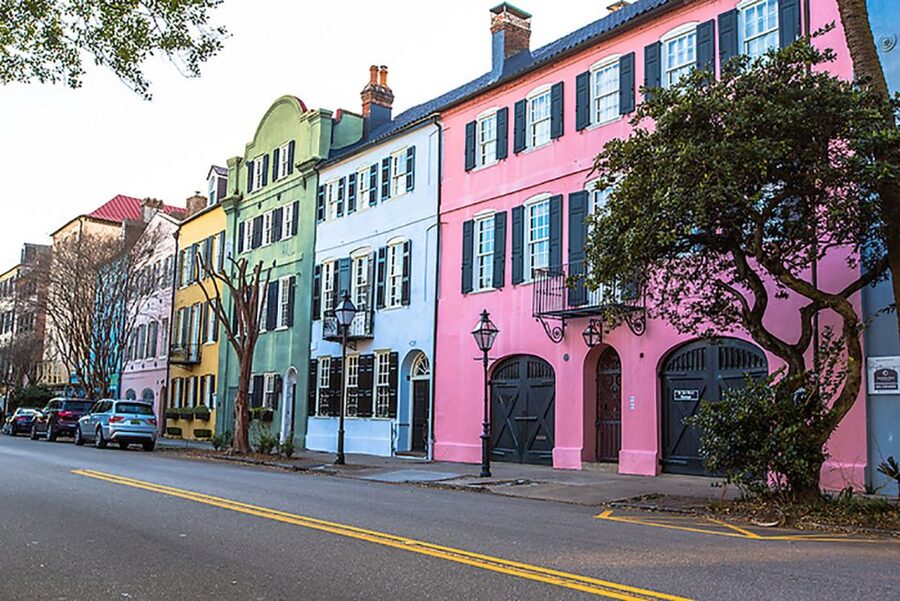
The route then moves up Meeting Street, where elegant colonial homes provide a setting for discussions about architecture and society. You will not just hear that a house is old or attractive. The focus is on the social and economic forces that shaped the buildings and the people who occupied them.
This is a strong fit if you like architecture but want more than design labels. The buildings become evidence of Charleston’s changing values, wealth, status, and connections to the wider colonial world.
Same streets, a different century:
- Charleston Harbor History Day-Time or Sunset Boat Cruise
★ 4.5 · 2,788 reviews - Hidden Alleyways and Historic Sites Small-Group Walking Tour
★ 5.0 · 2,335 reviews - Charleston: Daytime or Sunset Historic Harbor Cruise
★ 4.5 · 1,352 reviews - Charleston historical walking tour with a Professor of History at The Citadel
★ 5.0 · 1,284 reviews
Colonial streets reveal the city’s original shape
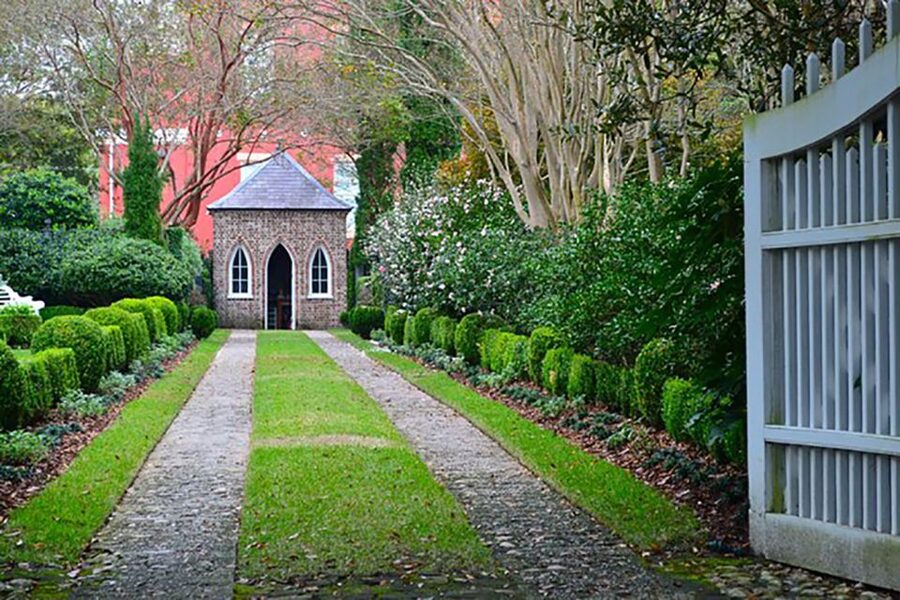
As the walk continues, you move through streets dating to the early 1700s. The route includes historic churches, courtyards, and the site of Charleston’s original walled city.
These stops help explain the physical growth of Charleston. A wall is not only a military feature. It can define where a city begins, how streets develop, and how later expansion changes the relationship between the old core and newer neighborhoods.
The churches and courtyards add another layer. They show how religious life, private space, and public streets fit together in an older urban setting. You may find that these places are less memorable as isolated photo stops than as evidence in Cooper’s larger explanation of how the city worked.
The tour is at its best when each site builds on the last one. The harbor explains trade. The seawall shows early waterfront control. White Point Gardens connects defense and public use. Meeting Street brings in architecture and status. The old streets and walled-city site then pull those ideas together.
That structure keeps the walk from becoming a random march between famous addresses. You get a sense of change over three centuries, with Charleston’s identity shaped by commerce, conflict, labor, law, and design.
The difficult history is handled directly
Charleston’s history cannot be explained honestly without slavery. This tour addresses the subject directly, but the approach is described as careful and contextual rather than sensational.
A useful part of the discussion is the distinction between rural and urban slavery. Those systems were connected, but they did not look identical in daily life. Charleston’s laws, port economy, and city setting created their own conditions, and understanding those differences gives you a more accurate picture than a broad label alone.
The tour also examines the complicated position of free people of color, including the fact that some owned enslaved people. That is difficult history, but it matters. It shows how legal status, race, wealth, and power could interact in ways that do not fit simple categories.
I appreciate that this subject is placed within the city’s wider story instead of being treated as a brief apology or a shocking aside. You are given context for how labor and law shaped Charleston, while also hearing about the social dynamics that made the city more complicated than a simple division between two groups.
This part may not suit someone looking only for light sightseeing. It should suit you if you want an honest account of how Charleston’s prosperity and social order developed.
The Pineapple Fountain gets a fuller story
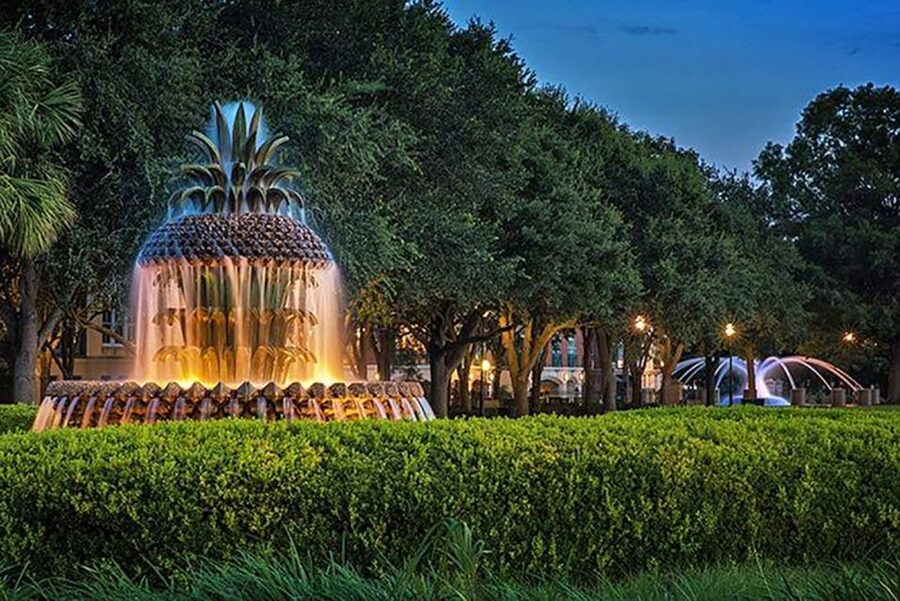
Waterfront Park includes one of Charleston’s most recognizable symbols, the Pineapple Fountain. The tour promises to explain the real story behind it rather than leaving you with the usual surface-level image.
The important point is not simply seeing the fountain. It is learning how a familiar symbol fits into Charleston’s public identity and changing relationship with its waterfront. Cooper’s explanation gives the fountain a place in the city’s larger story.
Since the exact interpretation can depend on the guide’s discussion and the group’s questions, you should expect context rather than a single quick fact. This is another reason the opening conversation matters. If symbols, public memory, or local traditions interest you, you can bring those questions into the walk.
Waterfront Park is also a practical meeting area. The starting point is directly across from the Harbor View Inn, under the street sign for Concord and Vendue Range. Look for the Chucktown Tours logo.
What the guide adds to the experience
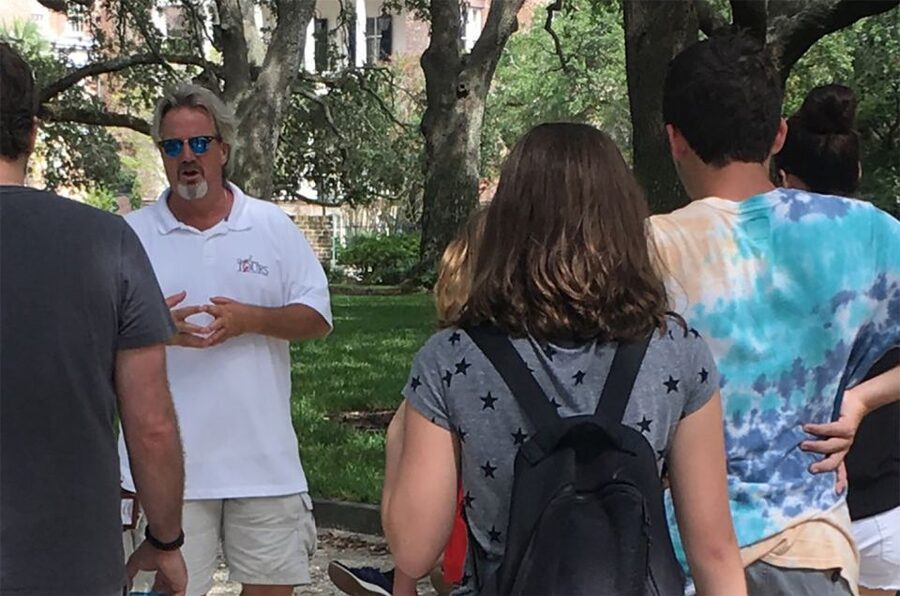
Cooper is presented as a historian with a PhD who teaches history, and that background shapes the tour’s tone. The goal is not to bury you in academic language. It is to explain cause and effect, answer questions, and make the information stick.
The strongest praise centers on his storytelling, humor, personal comments, and ability to keep a group involved. You can expect an entertaining delivery rather than a dry lecture. Several comments also point to his ability to make the city’s culture and character understandable, not just its dates and buildings.
That balance is valuable. A guide can know a great deal and still make a poor walking tour if the information arrives as a speech. Here, the discussion format gives you space to ask questions and helps Cooper adjust the emphasis.
The guide has also been praised for offering suggestions for other activities and restaurants at the end of the walk. That is useful early in a Charleston stay, when you can still use local advice to shape the rest of your visit.
Is $45 a fair price for 150 minutes?
At $45 per person, the tour is not the cheapest way to see Charleston’s historic district. It is also longer and more substantial than a quick introductory walk.
You are paying for two and a half hours with a guide who has formal training in history, a discussion-led format, and a route that connects major sights with less obvious details. The value is strongest if you want explanation and conversation rather than a simple list of landmarks.
I would consider it good value for a first or second day in Charleston. The harbor and colonial history give you a useful framework for the rest of your stay, and the walking route covers several central areas without requiring separate admission tickets.
The price may feel less worthwhile if you have limited interest in history, dislike long walks, or plan to spend most of your time taking photographs without stopping for discussion. In that case, a shorter orientation could suit you better.
Free cancellation up to 24 hours before the start gives you some flexibility, and you can reserve now and pay later. Street parking is limited to two hours except on Sundays and holidays, when street parking is free. Since the tour lasts 150 minutes, do not rely on a two-hour parking space.
Who should book this Charleston walk?
I would choose this tour if you want:
- A serious but approachable introduction to Charleston
- A guide who can answer questions and adjust the discussion
- Architecture explained through social and historical context
- An honest treatment of slavery and urban life
- A walk that includes the harbor, seawall, White Point Gardens, Meeting Street, churches, courtyards, and the old walled city
- A first-day activity that helps you understand the city before exploring on your own
Families with children under 10 should choose another activity. The walk is also not suitable for people with mobility impairments, and there is no promise of waiting for late arrivals. Plan to reach the meeting point early.
The tour runs rain or shine, so check the weather and dress for a long outdoor walk. Charleston’s streets and waterfront can be far less pleasant when you are unprepared.
Should you book it?
Book this tour if you want Charleston to make sense, not just look pretty. Cooper’s strongest asset is the combination of formal historical training, humor, questions, and local detail. The route gives you the harbor, seawall, public gardens, colonial homes, churches, courtyards, and old city boundaries, but the real value lies in how those places connect.
Skip it if you want a short, mostly visual sightseeing loop or if a two-and-a-half-hour walk is too demanding. For everyone else, especially first-time visitors and history-minded families with older children, the $45 price is reasonable for a thoughtful introduction to Charleston’s complicated past.
FAQ
How long does the Charleston history tour last?
The tour lasts 150 minutes, or two and a half hours.
How much does the tour cost?
The price is $45 per person.
Who leads the tour?
The tour is led by Cooper, a historian with a PhD who teaches history.
What language is the tour offered in?
The live guided tour is offered in English.
Where is the meeting point?
Meet directly across from the Harbor View Inn at Waterfront Park, under the street sign for Concord and Vendue Range. Look for the Chucktown Tours logo.
What sights are included?
The walk includes Charleston Harbor, the original seawall, Waterfront Park, White Point Gardens, Meeting Street, colonial homes, historic churches, courtyards, and the location of Charleston’s original walled city.
Does the tour discuss slavery?
Yes. The tour addresses slavery, including the differences between rural and urban slavery, Charleston’s laws, and the complicated history of free people of color who owned enslaved people.
Can I cancel for a full refund?
Yes. You can cancel up to 24 hours in advance for a full refund. You can also reserve now and pay later.
Is the tour suitable for children or people with mobility impairments?
The tour is not suitable for children under 10 or people with mobility impairments. It takes place rain or shine, and the group cannot wait for latecomers.
Newest history tours we have reviewed in Charleston
- Charleston’s Strong Women of the South History Tour★ 4.5 · 27 reviews
- Charleston’s Historic Pubs, Taverns, and Taprooms Tour★ 4.5 · 33 reviews
- Sip History in The Sun Cabana Covered Cocktail Class★ 5.0 · 332 reviews
- Small-Group Tour: Charleston Old Walled City Historical Walking Tour★ 4.5 · 283 reviews
- Sip History In a Secret Speakeasy Cocktail Class★ 5.0 · 40 reviews
- Private Sunset Sail BYOB Dolphin/History Tours on 43ft Mystique★ 5.0 · 42 reviews
- Private Afternoon Sailing/Dolphin & History Tour on 43ft Mystique★ 5.0 · 32 reviews
- Private Walking Tour of Historic Charleston★ 5.0 · 38 reviews
Charleston History Tours, compared.
Charleston’s Old South Carriage Historic Horse & Carriage Tour
Read our review →
Historic Charleston Guided Sightseeing Walking Tour
Read our review →
Charleston Horse-Drawn Carriage Tour: Explore Historic Charleston
Read our review →
Charleston Harbor History Day-Time or Sunset Boat Cruise
Read our review →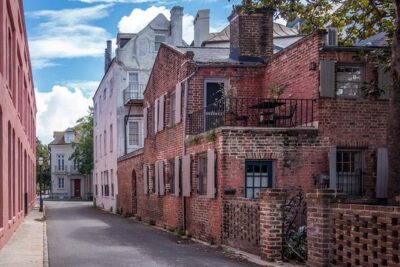
Hidden Alleyways and Historic Sites Small-Group Walking Tour
Read our review →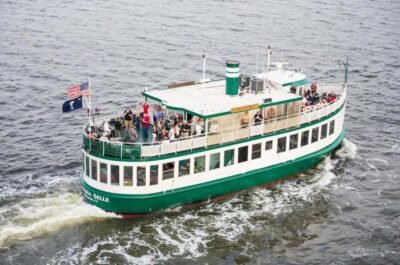

Charleston historical walking tour with a Professor of History at The Citadel
Read our review →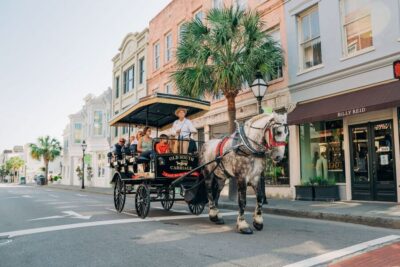
Historical Downtown Tour by Horse-drawn Carriage
Read our review →Browse the lists this tour appears in