Review · COLOMBIA HISTORY TOURS
Shared Tour Cali’s Historical Downtown
Cali’s story makes the most sense on foot, where colonial churches, salsa landmarks, theaters, protest sites, and busy squares sit close together. This tour connects those places to the city’s African, Indigenous, and European roots instead of treating the historic center as a string of pretty facades. I especially like the focus on Afro-Colombian culture and the way it links food, music, dance, and local speech. I also like that the guide tackles drug trafficking, social revolt, and discrimination rather than offering only a cheerful salsa postcard.
The main drawback is the pace. You will walk about 7 kilometers, with stops to listen, and the experience can run from its stated 150 minutes toward three hours. It is a strong choice for active visitors, but not ideal if you need a short, gentle stroll or are over 70.
Key points at a glance
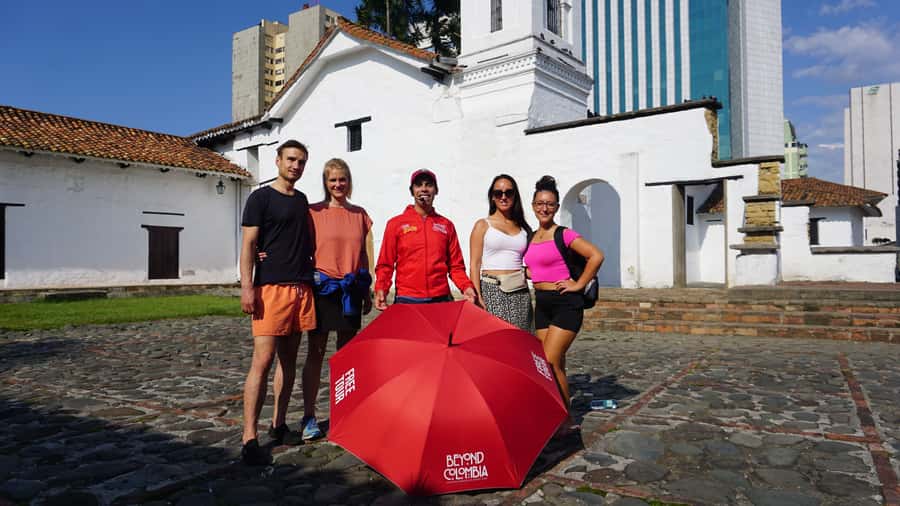
- Start at La Merced: Meet by the Museo Arqueológico La Merced under Beyond Colombia’s red umbrellas, near the place where Santiago de Cali began.
- Follow Cali’s cultural roots: Learn how African people forced into slavery helped shape local food, music, dance, slang, and Pacific song.
- See the city’s central landmarks: The route includes the Río Boulevard, San Francisco Square, Cayzedo Square, Jairo Varela, La Ermita, theaters, churches, and Puente Ortiz.
- Connect salsa with social history: La Feria de Cali, soccer, cartel-era change, and post-pandemic protests all form part of the discussion.
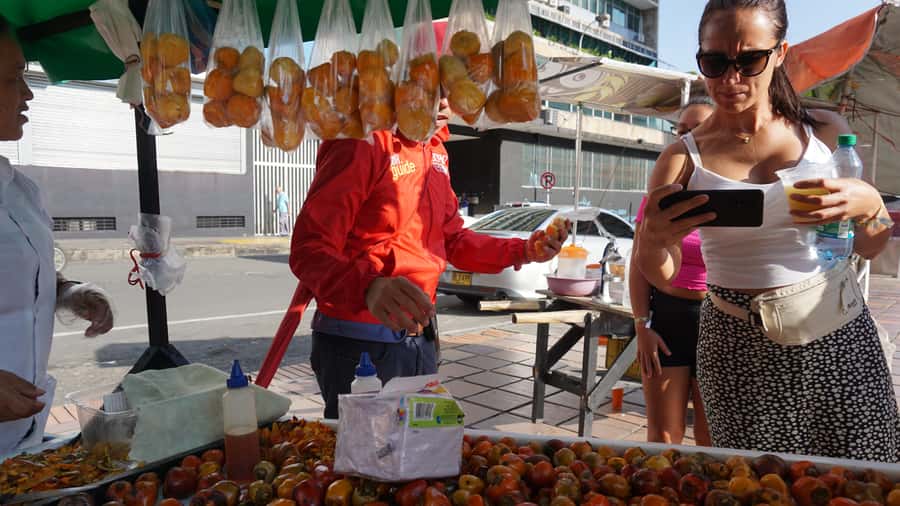
- Expect a local taste: Chontaduro is offered when available, and the guide gives suggestions for food, coffee, shopping, and souvenirs.
- Pay about $13 for a shared walk: That is good value if you want a broad introduction, but this is not a private tour and no major entrance tickets are included.
Why Cali’s center needs a wider story
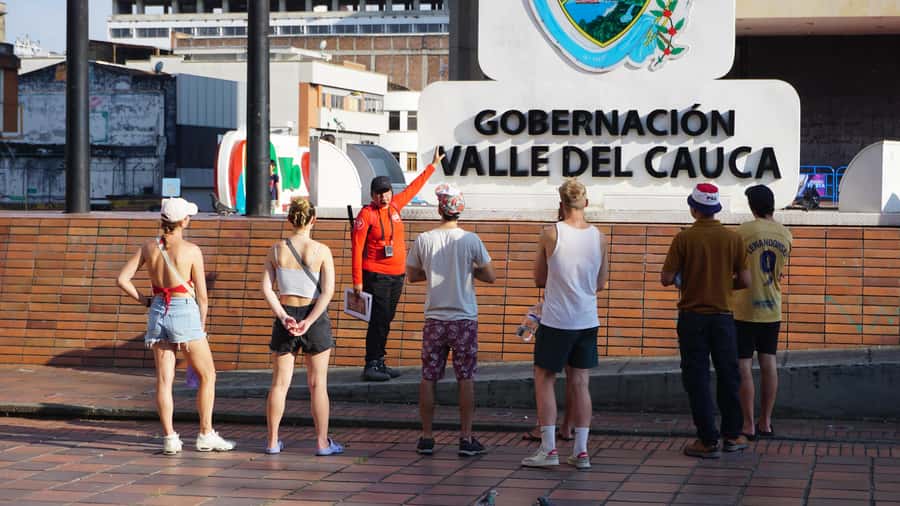
Cali is often sold as Colombia’s salsa capital. That is true, but it is only one piece of the city. This walk presents Cali as the cultural center of Valle del Cauca, a productive region whose geography helped shape its economy, foodways, migration patterns, and links with the Pacific coast.
I find that approach useful because it gives the famous dance music a place in history. Salsa did not simply appear as entertainment for visitors. It grew through local communities, clubs, radio, family gatherings, and changing city life. The guide also explains how the movement developed during the years when drug cartels affected Cali, and how La Feria de Cali helped turn salsa into a public expression of identity.
That balance matters. You will hear about soccer and dance, but also about drug trafficking and its effects on daily life. You will learn about pride in Cali, but also about discrimination, inequality, and resistance. The aim is not to make the city look perfect. It is to help you understand why its culture feels so energetic and politically aware.
The tour is shared, so the group may include people with different interests and walking speeds. That can make the discussion livelier, though it also means you will not get the same focused attention as on a private walk.
More History Tours in the world:
- New York City: American Museum of Natural History Ticket
★ 4.5 · 15,447 reviews - History and Hauntings of Salem Guided Walking Tour
★ 5.0 · 14,564 reviews - Colosseum: Underground and Ancient Rome Tour
★ 4.7 · 12,691 reviews
Beginning at La Merced and the Calima Gold Museum
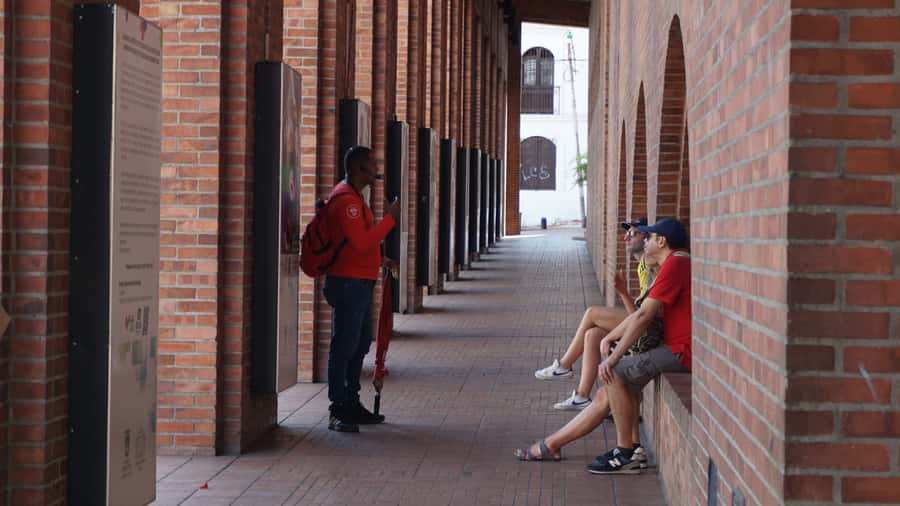
The meeting point is in front of the Museo Arqueológico La Merced, marked by red Beyond Colombia umbrellas. Arrive ready to walk and keep an eye out for the group, since the historic center can be busy and the starting point is a public area.
La Merced is an important opening stop because the tour uses it to explain the beginning of Santiago de Cali. Instead of beginning with a list of dates, the guide places the city within the wider story of Valle del Cauca and its changing social groups. The nearby Calima Gold Museum adds another layer, linking the area to Indigenous cultures and the artistic traditions that existed long before modern Cali.
The tour’s stated focus on three ethnic groups is one of its useful features. You will look at how cultural identity developed through contact, conflict, forced labor, migration, and adaptation. The guide connects those subjects to things you can recognize today, including gastronomy, local expressions, music, and dance.
This is also where the tour begins to explain the role of African people forced into slavery. Their influence is presented as central to Cali’s cultural life, not as a footnote. Food, Pacific rhythms, movement, and forms of celebration all become evidence of a history that is still active in the city.
La Merced, churches, and the city’s first layers
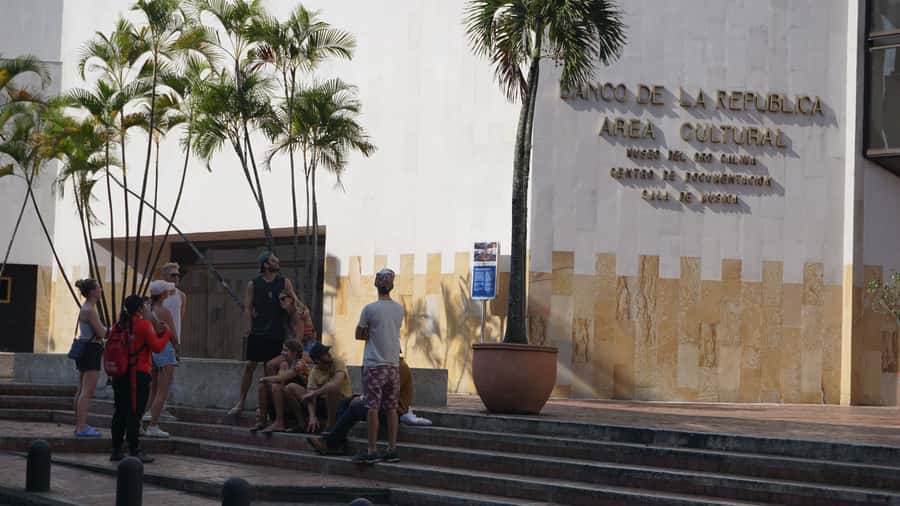
From the starting point, the walk moves through several of Cali’s older architectural landmarks. La Merced, St. Peter’s Cathedral, and La Ermita each help show a different part of the city’s religious and civic development.
You should not expect long interior visits or a museum-style examination of every building. The value is in the guide’s explanation of how these structures fit into the growth of the city. The route gives you a chance to look up, notice the facades, and understand why these sites matter within the center.
The Hermitage is one of the most recognizable stops. It gives the walk a strong visual pause and helps you see how Cali’s older buildings sit beside newer commercial streets. St. Peter’s Cathedral offers another reference point in the central area, while La Merced links the present city to its earliest Spanish foundation.
The tour includes sightseeing rather than entrance visits. No sudden ticket charges are built into the route, and tickets or paid admissions are not included. That keeps the price clear, but it also means you should choose another visit if you want extended time inside museums or theaters.
San Francisco Square and Cayzedo Square
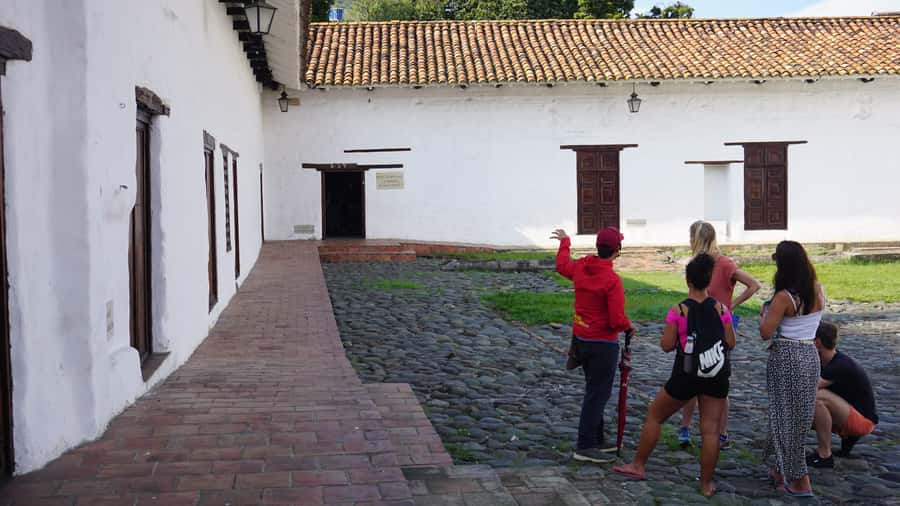
The route crosses San Francisco Square and Cayzedo Square, two key public spaces in central Cali. Squares are especially useful on a historical walk because they show how a city gathers people, power, commerce, religion, celebration, and protest in the same few blocks.
Cayzedo Square is a natural place to discuss the changing role of Cali’s center. You will see how formal civic buildings and everyday street activity meet in one space. The guide uses the city’s political past and social divisions to explain why public areas matter beyond their architecture.
The walk also addresses civil wars, discrimination, and the social revolts that continued during and after the pandemic. This part may feel heavier than the salsa material, but it gives you a more honest view of Cali. Recent unrest is not treated as an isolated event. Instead, the guide connects it to older patterns of resistance and what the description calls anti-cultural resistance movements.
You will need an open mind here. The tour promises an objective approach and no taking sides, but subjects such as inequality, protest, and drug trafficking can never feel entirely neutral to the people who live with their effects. A good guide can explain competing views without pretending those experiences are abstract.
Same streets, a different century:
- Lisbon: History, Stories and Lifestyle Walking Tour
★ 4.8 · 10,902 reviews - London Small Group Tour of Historical Pubs
★ 5.0 · 10,422 reviews - Prague: Oldtown, Medieval Underground & Dungeon History Tour
★ 4.3 · 10,277 reviews - Charleston’s Old South Carriage Historic Horse & Carriage Tour
★ 5.0 · 10,023 reviews
The Río Boulevard and Puente Ortiz
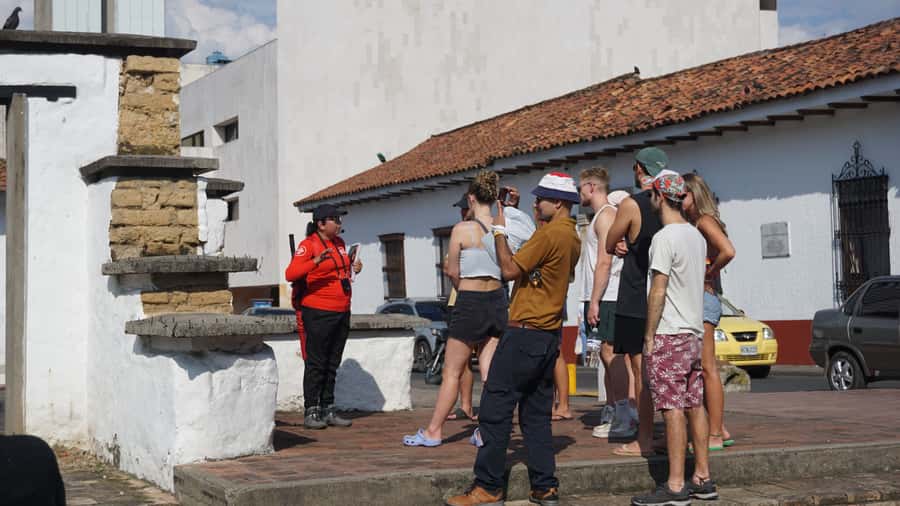
The Río Boulevard is one of the route’s practical highlights. It offers a change from the tighter streets around the older churches and gives the group room to pause while the guide explains the city’s growth and public spaces.
Puente Ortiz adds another important landmark. Bridges are useful clues to how Cali developed around movement, trade, and connections between parts of the city. You will see the bridge as both an architectural feature and part of the city’s daily rhythm.
The route is not designed as a photo-only walk. You will stop to listen, then continue through the center. If you want polished photographs of every building, the pace may feel quick. If you want a broad sense of how the center works, the steady movement is an advantage.
The walk covers roughly 7 kilometers. Wear shoes that can handle pavement and bring water. Cali can be warm, and the tour warns you to carry an umbrella or rainproof layer because the weather can change. Resting stops are included, but this remains an active outing rather than a slow architectural stroll.
Theaters, literature, and Cali’s artistic voice
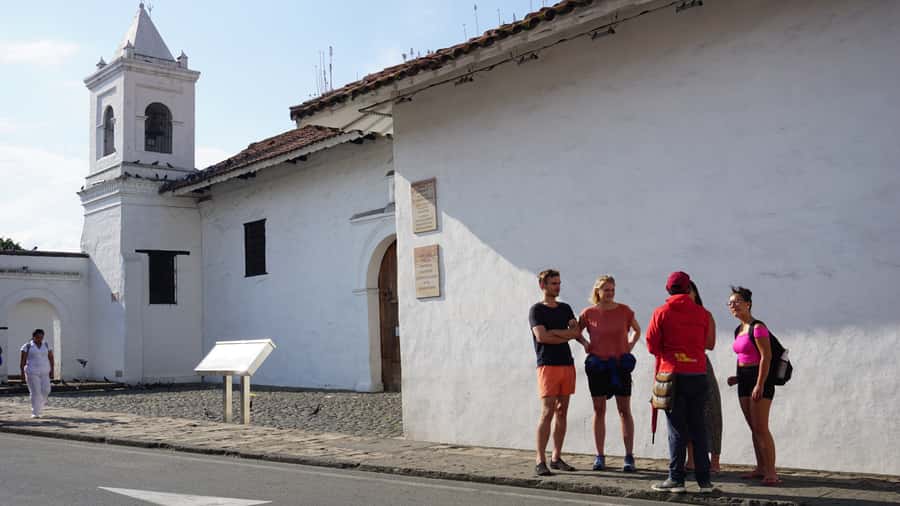
The Municipal Theater and Jorge Isaacs Theater broaden the story beyond churches and plazas. They show how Cali’s cultural identity has also grown through literature, cinema, and theater.
The guide discusses writers and artists who describe the city through poems, songs, films, and stage work. This helps you see Cali as a place that has been interpreted by its own residents, not only by outside observers. The city’s mountains, women, music, and daily struggles appear in cultural work that gives local pride a more personal voice.
The theater stops are especially useful for visitors who may know Cali through salsa alone. You will see that the city’s creative life is not limited to dance clubs or festival performances. Arts and public debate have helped residents make sense of violence, social change, identity, and place.
The route also includes Jairo Varela, a major salsa reference point in the city. The stop ties the musical story to a specific public landmark rather than leaving salsa as a vague theme. Your guide may bring extra energy here, especially if you get Lem, whose enthusiasm for the city and salsa has been a recurring feature of his guiding style.
Salsa, soccer, and La Feria de Cali
The salsa section is likely to be the most playful part of the walk. Cali is known for fast footwork and acrobatic performance, but the tour looks at why salsa became such a strong part of local identity.
La Feria de Cali is central to that discussion. The festival helped turn salsa into a citywide celebration, connecting music, dance, public life, and regional pride. The guide also places the growth of salsa alongside the years of cartel influence, giving you a more complicated picture than a simple party story.
Soccer gets similar treatment. It is not presented as a side subject for sports fans only. Soccer, like salsa, can show how people build community, express loyalty, and claim a shared identity. The comparison helps explain why these activities matter in everyday Cali.
You may get recommendations for places to continue the evening, though the tour itself does not include a dance class, performance, drinks, or a full meal. It is a cultural introduction, not a nightlife package. If you want to dance afterward, ask your guide for current local suggestions.
Food, chontaduro, and the Pacific connection
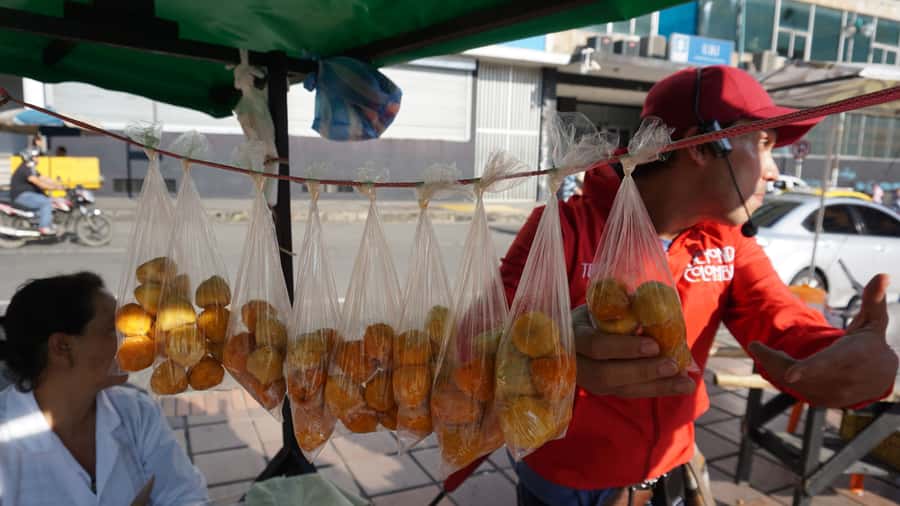
Food gives the historical discussion a taste you can remember. Chontaduro is offered when available, and this small tasting helps connect the tour’s talk about African and Pacific influence to something concrete.
The tour also explains how the region’s cultural mix appears in gastronomy. You will not receive a full food tour, and meals are not included, but your guide can point you toward local places for lunch, coffee, and other regional tastes.
I like this part because food often makes cultural history easier to understand. Names, dates, and political events can fade, while a new flavor gives you a direct memory of the place. Chontaduro may not be familiar to you, so treat it as a chance to try something outside the standard Colombian coffee-and-arepa routine.
Availability is not guaranteed. Food, drinks, and souvenirs cost extra, so bring some money if you plan to follow a recommendation after the walk.
What the guides add to the experience
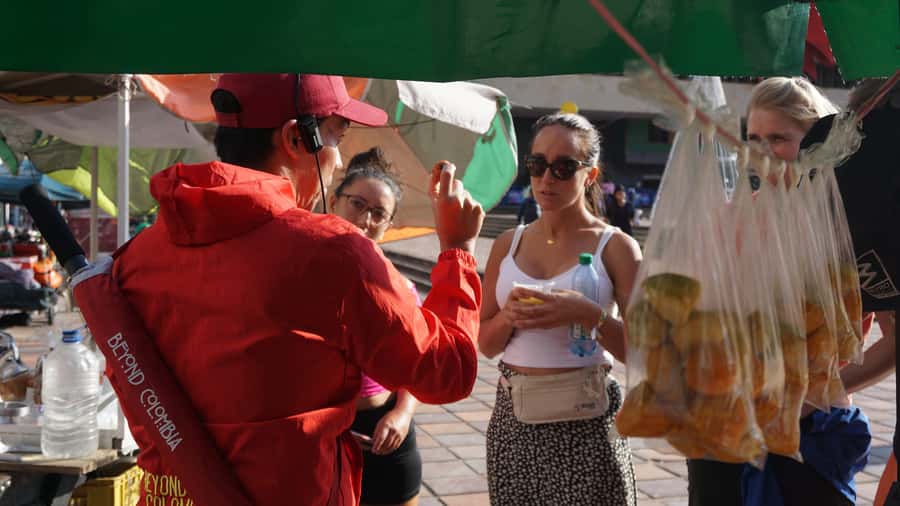
Beyond Colombia uses local English-speaking guides, and the guide can make a real difference on a history walk. The names most often associated with especially strong sessions include Cristian, Fernando, Juliana, Lem, Christian, and Adriana Alvarez.
Cristian is repeatedly described in the supplied material as energetic, professional, and clear. Fernando is noted for being interactive, friendly, and good at giving local suggestions. Juliana brings the perspective of someone born in Cali and speaks strong English. Lem is particularly associated with salsa and enthusiasm, while Adriana Alvarez is praised for presenting the city’s past in a way that suits first-time visitors.
You cannot select a particular guide from the information provided, so book for the route and subject rather than one individual. The guide team appears to favor conversation, group engagement, and a mix of history with local advice. That is good for you if you prefer a walk that feels social rather than a formal lecture.
One practical point: a scheduled walk may occasionally be replaced if it cannot go ahead. In one case, a market food tour was offered instead, with Fernando leading it. That is not a reason to avoid the experience, but it is worth understanding that shared tours can change when local conditions require a different plan.
Is $13 good value for 150 minutes?
At about $13 per person, this is a strong value if you want a first look at Cali’s center and do not need private guiding. You get an English-speaking professional guide, a route through major landmarks, a small chontaduro tasting when available, and practical suggestions for food, coffee, and shopping.
The value comes from the connections. You are not paying simply to see La Ermita or Cayzedo Square. You are paying for a guide to connect those places to Valle del Cauca, forced African labor, salsa, La Feria de Cali, social protest, the arts, and the city’s modern identity.
The limits are clear. Transportation to the meeting point is not included, and the group walks the entire route. You do not get admission to museums or theaters, a meal, drinks, souvenirs, or a private guide. If you want a short overview with little walking, the price will not solve that problem.
The timing also deserves attention. The official duration is 150 minutes, while the tour description says about three hours. Plan for the longer figure, especially if the group pauses often or the route takes its full distance.
Who should book this Cali walking tour?
I would book it early in a Cali stay if you want context before exploring salsa venues, markets, museums, or restaurants on your own. The route covers enough ground to help you recognize the main center landmarks later, and the local recommendations can shape the rest of your visit.
It suits you best if you:
- Enjoy history tied to present-day culture
- Want an English-language introduction to Cali
- Are comfortable walking about 7 kilometers
- Prefer a shared group and social atmosphere
- Want to discuss difficult subjects as well as music and food
- Value local suggestions after the tour
I would look elsewhere if you need a private pace, extensive time inside buildings, or a fully accessible route. The activity is not considered suitable for people over 70, and the walking distance may be tiring for anyone with mobility concerns.
You can cancel up to 24 hours ahead for a full refund, and the reserve-now, pay-later option keeps your plans flexible. Bring water, comfortable clothing, rain protection, and a secure approach to your belongings in crowded areas. The local warning is simple: keep your friends close and your valuables closer.
Should you book it?
Book this tour if you want Cali explained as more than salsa, nightlife, and colorful street scenes. Its best feature is the way it links food, African heritage, music, theaters, plazas, protest, soccer, and cartel-era change into one walk through the center.
The $13 price makes the decision easy for most active visitors. Just allow closer to three hours, expect a long walk, and understand that this is a shared cultural overview rather than a private sightseeing session. If Cristian, Fernando, Juliana, Lem, or another strong local guide leads your group, you can expect an engaging introduction to Cali’s character and contradictions.
FAQ
Where does the tour meet?
Meet in front of the Museo Arqueológico La Merced. Look for the Beyond Colombia team with red umbrellas.
How long does the tour last?
The stated duration is 150 minutes, or two and a half hours. The description also says approximately three hours, so allow extra time.
What language is the tour conducted in?
The live tour guide speaks English.
How much walking is involved?
You will walk about 7 kilometers, with stops to rest and listen to the guide.
What landmarks are included?
The route includes La Merced, the Calima Gold Museum area, the Río Boulevard, San Francisco Square, Cayzedo Square, Jairo Varela, La Ermita, the Municipal Theater, St. Peter’s Cathedral, Jorge Isaacs Theater, and Puente Ortiz.
Is food included?
A chontaduro tasting is offered when available. Full meals, drinks, and souvenirs are not included.
Is transportation provided?
No. You must arrange transportation to and from your hotel, and the tour itself is on foot.
Is this a private tour?
No. This is a shared tour, so you will walk with other participants and meet new people.
What should I bring?
Bring comfortable shoes, comfortable clothes, water or another drink, and an umbrella or rainproof coat. Keep your belongings secure in crowded areas.
Newest history tours we have reviewed in the world
- Bilbao Historical Tour in small group★ 4.7 · 52 reviews
- Bologna: Street Food Tour in the Historic Center★ 4.8 · 125 reviews
- CEBU: Cebu City Heritage and Uphill Guided Tour★ 4.2 · 31 reviews
- Bishkek : City Tour (History, Architects, Statues & Culture)★ 4.9 · 54 reviews
- Blenheim: Omaka Aviation Heritage Centre Admission Ticket★ 4.9 · 31 reviews
- Berlin: Nazi History Walking Tour★ 4.8 · 33 reviews
- Best of Baku: 4-Hour City Tour Historic and Modern Landmarks★ 4.7 · 63 reviews
- Belfast: Best of Belfast History, Culture & Art Walking Tour★ 4.9 · 158 reviews
Tours, compared.
History and Hauntings of Salem Guided Walking Tour
Read our review →
Colosseum: Underground and Ancient Rome Tour
Read our review →
Oldtown, Medieval Underground & Dungeon History Tour
Read our review →
Charleston’s Old South Carriage Historic Horse & Carriage Tour
Read our review →
Edinburgh Castle Guided History Tour with Tickets
Read our review →