
Review · CANADA HISTORY TOURS
Quebec City’s History in Virtual Reality
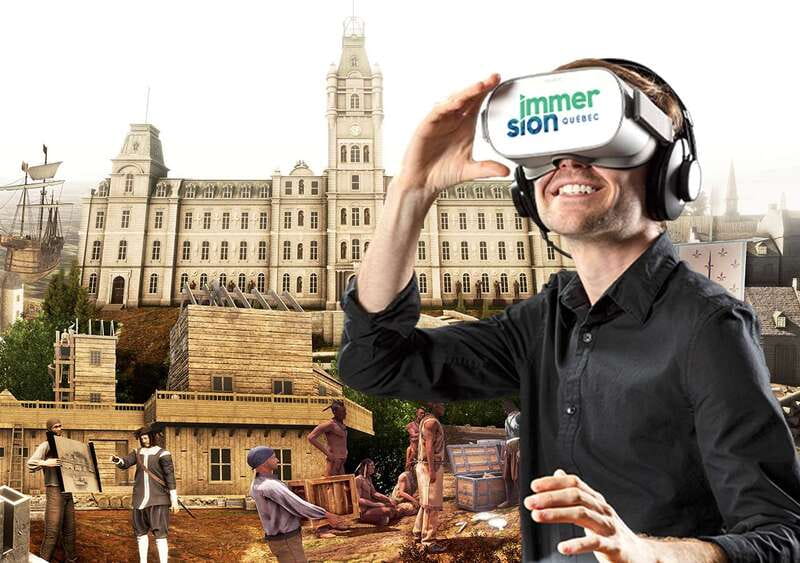
Quebec City’s past comes alive inside the old stone vaults of Maison Chevalier, a building dating to 1752. For 40 minutes, you remain seated with a headset while ten key moments trace more than four centuries of conflict, culture, and change.
I like the setting because the historic vaults give the presentation a genuine sense of place. I also like the clear format: the short running time, seated setup, and small number of participants make this an easy activity to fit between walks through Old Quebec.
The main caution is the technology. Some scenes may look a little blurred or dated, and the music can overpower the narration at times. If you want cutting-edge VR, this may feel modest. If you want a quick, entertaining way to organize Quebec City’s past, it offers good value at $19 per person.
Key points to know before you book
- Four centuries in 40 minutes: Ten key moments give you a fast overview of why Quebec City matters.
- A 1752 setting: The experience takes place in the vaults of Maison Chevalier, not in a modern theater.
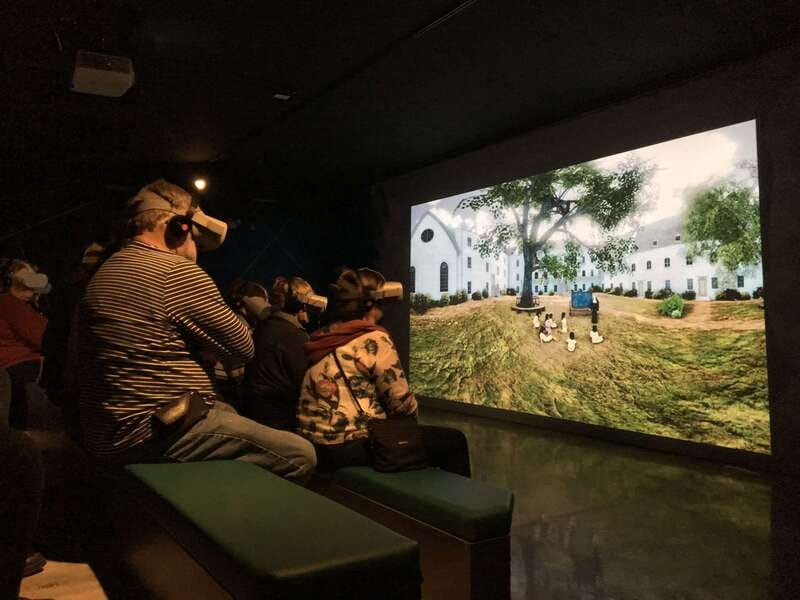
- Seated from start to finish: You do not walk through a simulated city or stand with a headset on.
- Battles are a major strength: Reenactments help you picture the conflicts that shaped Quebec City.
- Several language options: Instruction is available in English and French, with audio support in Spanish, Chinese, English, and French.
- Good small-budget choice: At $19, it costs less than many longer guided attractions and takes only 40 minutes.
Entering the vaults of Maison Chevalier
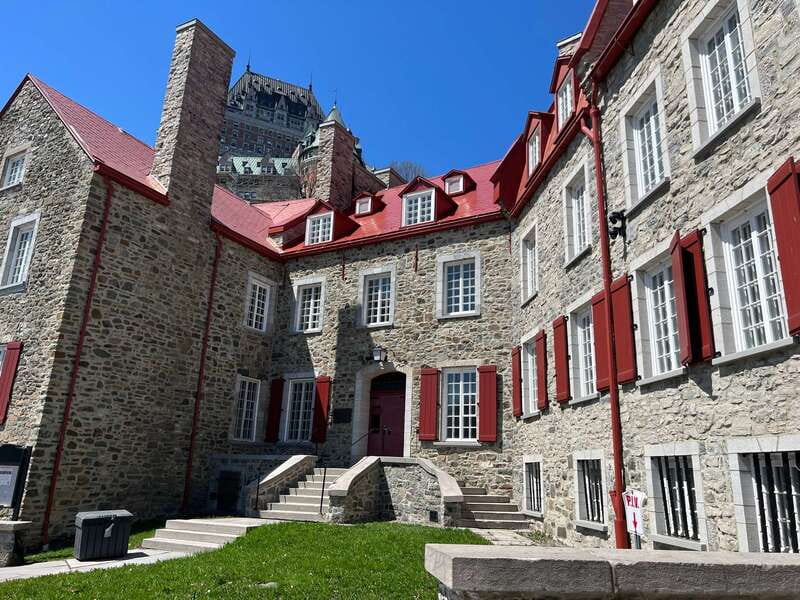
The experience begins at the historic Maison Chevalier, in the old vaults dating to 1752. Look for the entrance door on the left near the sidewalk. That detail matters because the location is not described as a large modern attraction with a broad street entrance. You will want to watch for the correct doorway when approaching.
The building gives the activity more character than a standard VR room. Stone vaults and an old Quebec address connect the presentation to the city outside, even before the headset begins. You are not simply watching a history program in an anonymous space. You are sitting in a place with its own link to the city’s past.
The group is kept fairly small, which should make the presentation feel more focused than a crowded museum show. The exact group size is not specified, so do not book expecting a private session. Still, the small-format setup suits the material, since everyone remains seated and follows the same timed presentation.
More History Tours in Canada:
- Victoria Guided Food and History Tour
★ 5.0 · 2,015 reviews - Gastown Historic Walking Food Tour
★ 5.0 · 1,863 reviews - Vancouver: Gastown Historical Walking Food Tour
★ 4.8 · 539 reviews
Ten key moments across 400 years
The program covers more than 400 years of Quebec City history through ten selected moments. This is an important distinction: you are getting a guided overview, not a full academic account of every century, neighborhood, and political change.
The structure gives you a useful mental map. Quebec City can feel like a collection of ramparts, churches, squares, old houses, and river views until you understand the forces that shaped it. By grouping the story around ten major events, the presentation helps connect the city you see on foot with the people and conflicts behind it.
The program explains why Quebec City is well known today. That broad goal makes it a good first-day activity, especially if you are new to the city. Afterward, you may recognize more meaning in the old streets and defensive architecture because you have already seen the major turning points presented in order.
You should not expect ten separate physical stops. The ten moments unfold within the same seated presentation. The headset and projection format carry you from one event to the next, allowing the story to move quickly across time without requiring you to change rooms or locations.
How the virtual reality presentation works
You receive a virtual reality headset and remain seated for the full 40 minutes. That makes this one of the easier historical activities in Quebec City if you need a break from walking, or if you prefer an attraction without stairs, long corridors, or outdoor exposure.
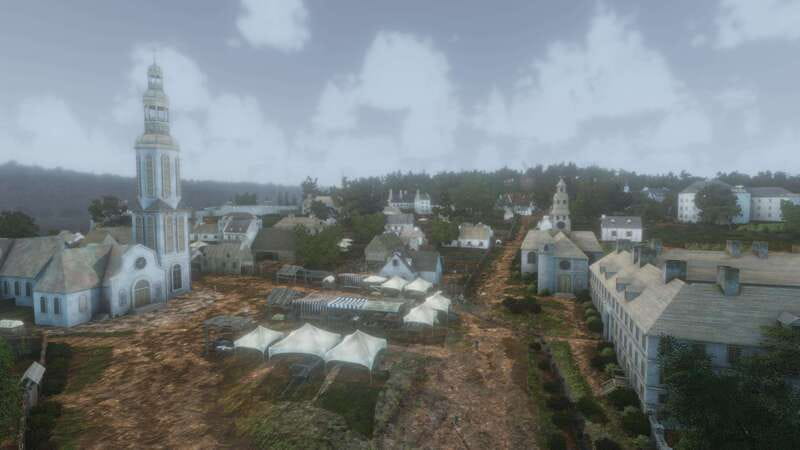
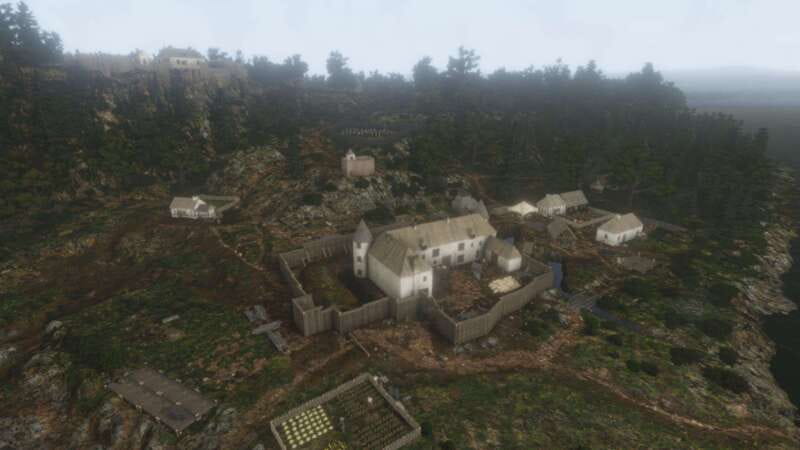
The presentation uses 3D animation and historical images. More than 6,200 hours of research and programming went into the project, which indicates a serious effort to organize the material and build the scenes. That research does not automatically make every image look modern, but it helps explain why the presentation can cover so much ground in a short period.
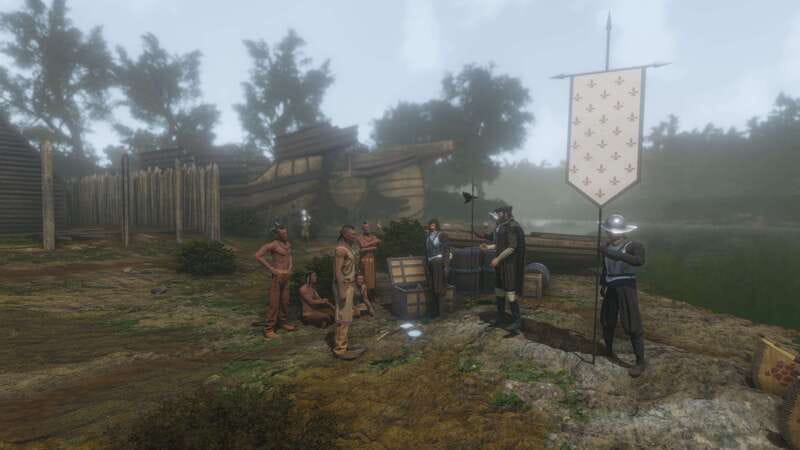
The technology is best understood as a visual aid for history rather than a high-end gaming experience. Some scenes may appear soft or blurry, and the human figures or buildings may not have the fine detail you see in newer productions. One useful suggestion is to think of the 3D scenes as a way to picture movement, place, and scale, rather than as photorealistic film.
This matters when you set expectations. If you want sharp modern graphics, the presentation may seem behind current technology. If you want to see historical events arranged in a way that is easier to follow than a wall of text, the headset still has a clear purpose.
Battles and reenactments bring the story into focus
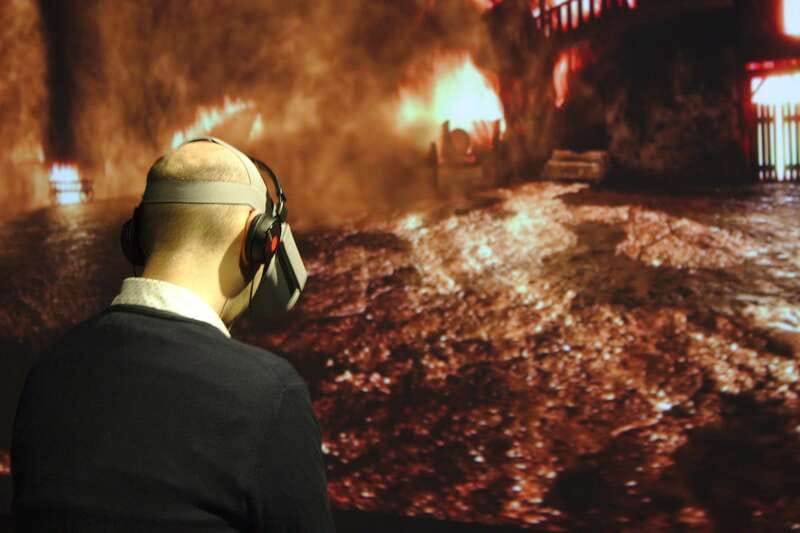
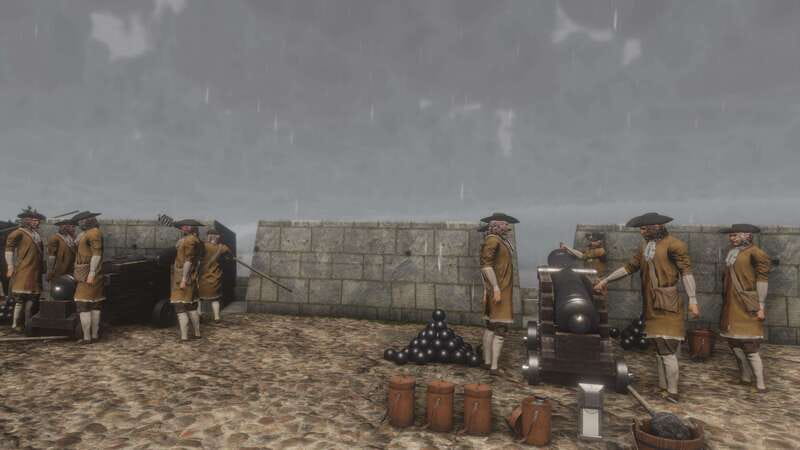
The strongest part of the program is its treatment of battles for the city. Reenactments help you picture historic events that can be difficult to understand from dates and names alone.
Quebec City’s military past is not just a list of battles. Fortifications, changing powers, and the city’s position all shaped its importance. Animated scenes can show movement and confrontation in a way that a short plaque cannot. You get a sense of events unfolding rather than simply being told that they happened.
The reenactments are also useful if you plan to visit the city’s historic areas afterward. Once you have a basic idea of the conflicts, walls and old defensive sites become easier to read. The activity does not replace seeing Quebec City in person, but it can give your walking time more context.
The presentation is not only about warfare. Its stated focus includes history and culture, so the ten moments also help explain the city’s broader identity. Still, military scenes appear to be where the visual format earns its keep most clearly.
Same streets, a different century:
- Evening Gourmet Tour 5 Course Dinner – History and Food in Old Quebec City
★ 5.0 · 496 reviews - Quebec City: Old Quebec Historical Walking Tour
★ 4.8 · 409 reviews - Combo Historical and Food Tour of Old Quebec
★ 5.0 · 360 reviews - Pete’s Historic Walking Tour
★ 5.0 · 321 reviews
A compact lesson for different ages
The 40-minute length is a practical strength. You get a concentrated history lesson without giving up half a day. That makes it easy to pair with a meal, a walking tour, or time exploring Old Quebec.
I would particularly consider it for families with older children, couples, and adults who like history but do not want a long lecture. The combination of headset visuals and short sections gives the subject more movement than a traditional talk. Younger children may enjoy the equipment, but the value will depend on how well they follow historical narration.
It can also work well for a mixed group. One person may care about military history, another about architecture, and another simply want a break indoors. Because the activity covers battles, culture, and the city’s origins, it does not require a narrow interest in one topic.
The experience is offered with instruction in English and French. An audio guide is included in Spanish, Chinese, English, and French. If language is important to your booking, check the available session details carefully so you know which option applies when you arrive.
What the $19 price gets you
At $19 per person, this is priced as a short attraction rather than a major tour. You receive the headset, a seated 40-minute program, and access to the presentation inside Maison Chevalier.
The value is strongest if you want a quick orientation to Quebec City. A longer guided walk may give you more detail and direct contact with a guide, while a museum may offer more freedom to study individual objects. This experience trades that flexibility for a clean beginning-to-end story.
The small group format also adds value. You are not paying for transportation or a long route, but you are getting a focused activity in a distinctive setting. For many visitors, the cost is easy to justify as a compact indoor stop, especially on a rainy day or after several hours on foot.
The price is less attractive if you are already very familiar with Quebec City’s past or expect modern cinematic VR. In that case, the historical structure may feel too brief and the graphics may not meet your expectations.
Sound and picture quality
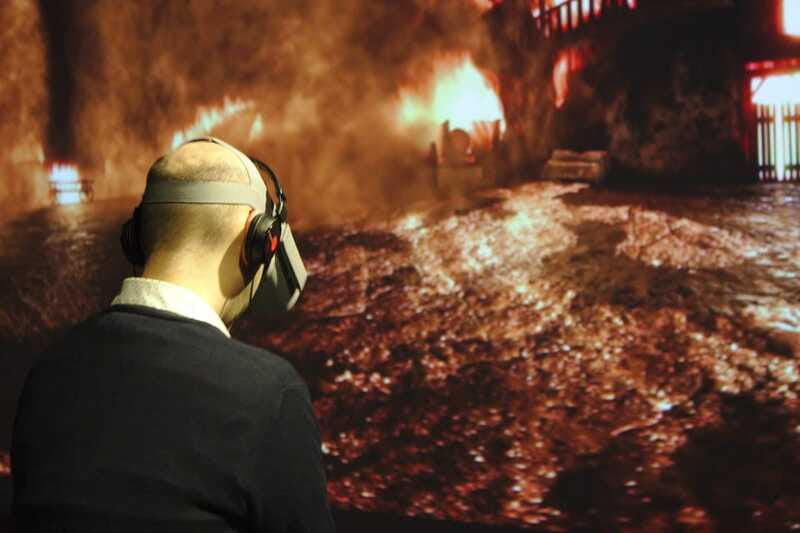
The main technical concerns involve image clarity and audio balance. Some of the 3D images may look blurry, and certain scenes may not show people or buildings with much detail. That can make it harder to connect with the human side of the story.
The music can also be too loud compared with the narration. Since the spoken history is the main reason to book the activity, this is more than a minor issue. If you have trouble hearing clearly, tell the staff as soon as the program begins rather than waiting until the end.
These limits do not erase the value of the concept, but they do shape the experience. The project uses 3D animation and historical images to make events easier to picture. It is not a substitute for original artifacts, a live historian, or a detailed museum exhibit.
I would treat the technology as serviceable rather than spectacular. The historical content and the location carry much of the appeal. The headset adds a visual layer, but you should not book solely for advanced graphics.
Timing, comfort, and practical details
Because you remain seated, this activity gives your legs a genuine rest. That is useful in Quebec City, where much of the best sightseeing involves walking over old streets and uneven surfaces. The program also avoids the pressure of keeping up with a moving guide.
Allow 40 minutes for the presentation itself. Starting times vary, so check availability before booking. The skip-the-ticket-line feature should make arrival simpler, though you still need to find the entrance at Maison Chevalier.
Cancellation is flexible up to 24 hours before the scheduled activity for a full refund. You can also reserve now and pay later, which helps if your Quebec City plans are still changing.
The experience is not described as a walking tour, transport service, or outdoor excursion. Plan to make your own way to the Maison Chevalier vaults. The supplied information confirms the entrance location, languages, duration, and seating, but it does not provide details about every accessibility feature, so contact the provider if you need specific arrangements.
Who should book this experience?
I would book it early in a Quebec City visit if I wanted a quick historical framework before exploring the old town. The ten-moment structure can help you understand why the city’s buildings and defenses matter.
It also suits you if you:
- Want a short indoor activity
- Prefer to stay seated
- Enjoy history presented through animation
- Have an interest in battles and city development
- Need a break from walking
- Want language support beyond English and French
- Are traveling on a modest activity budget
I would think twice if your main goal is cutting-edge virtual reality, highly detailed graphics, or a long and highly specific history lecture. The content is broad by design. It gives you a clear overview, but it cannot cover every part of Quebec City’s past in 40 minutes.
Should you book Quebec City’s History in Virtual Reality?
Book it if you want an affordable, compact introduction to Quebec City, especially if the old vault setting and battle reenactments appeal to you. At $19, the activity offers a useful history overview without taking up much of your day.
Skip it if you already know the city well or expect flawless modern visuals. The occasional blurry image and overly strong music can reduce the polish. Still, the seated format, focused storytelling, distinctive Maison Chevalier location, and strong treatment of historic battles make this a sensible add-on for many first-time visitors.
FAQ
How long does Quebec City’s History in Virtual Reality last?
The experience lasts 40 minutes.
How much does the experience cost?
The listed price is $19 per person.
Where does the experience take place?
It takes place in the vaults of the historic Maison Chevalier in Quebec City, a building dating to 1752.
How do I find the entrance?
The entrance to Immersion Quebec is the door on the left near the sidewalk.
Do I remain seated during the experience?
Yes. You remain seated throughout the presentation.
Is a virtual reality headset included?
Yes. A virtual reality headset is included.
How much history does the presentation cover?
The program covers more than 400 years of Quebec City history through ten key moments.
Which languages are available?
Instruction is available in English and French. The audio guide is available in Spanish, Chinese, English, and French.
Can I cancel for a refund?
Yes. You can cancel up to 24 hours in advance for a full refund.
Can I reserve now and pay later?
Yes. The reserve now and pay later option allows you to book your place without paying immediately.
Newest history tours we have reviewed in Canada
- Historic Walking Tour of Charlottetown★ 5.0 · 211 reviews
- Horse Drawn Historical Guided Tour★ 5.0 · 24 reviews
- From Calgary to Waterton National Park Nature History and Wonders★ 5.0 · 22 reviews
- Heritage Park Admission★ 4.5 · 155 reviews
- Toronto: Niagara Falls & NOTL Heritage Town Guided Day Tour★ 4.8 · 28 reviews
- Toronto: Distillery District Historic Walking Tour★ 4.8 · 267 reviews
- Toronto: Dark History Nighttime Walking Tour★ 4.7 · 273 reviews
- Vancouver: Guided Food and City History Tour★ 4.5 · 53 reviews
Canada History Tours, compared.

Vancouver: Gastown Historical Walking Food Tour
Read our review →
Evening Gourmet Tour 5 Course Dinner – History and Food in Old Quebec City
Read our review →
Toronto: Distillery District Historic Walking Tour
Read our review →Browse the lists this tour appears in