
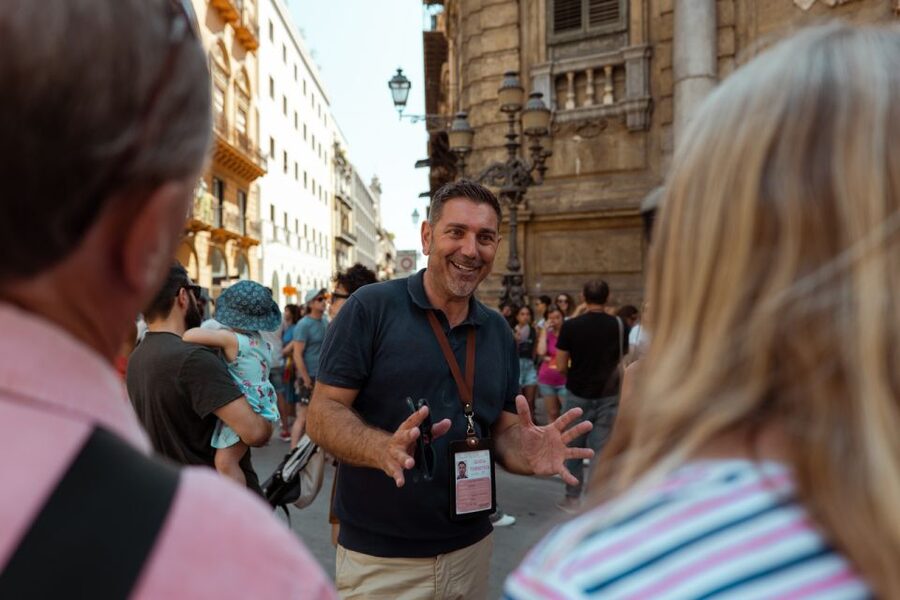
Review · PALERMO HISTORY TOURS
Palermo: UNESCO World Heritage Sites Guided Walking Tour
Palermo’s best introduction is on foot, where a single street can shift from Norman-Arab architecture to Baroque stonework, lively markets, and church interiors glowing with gold. This tour links the city’s main sights in one clear route, with a local guide explaining how Muslim, Norman, Spanish, and Christian influences shaped Palermo.
I like the strong city orientation and the chance to enter Palermo Cathedral rather than simply photograph it from outside. I also like the human touch: guides such as Renata, Simone, Stefania, and Laura have been praised for adding local customs, family memories, humor, and practical advice. The main drawback is that most monuments are viewed from outside, and the three-hour walk cannot include every interior.
Key points to know before you book
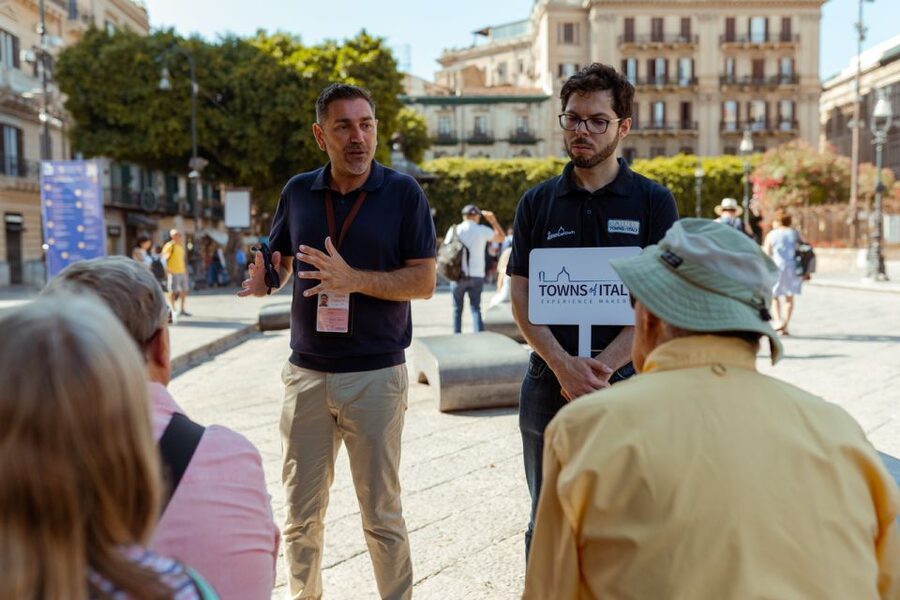
- Palermo Cathedral is the main included interior visit, while the other landmarks are generally explained from the street.
- The tour covers a lot of ground, from Teatro Massimo and Vucciria Market to Quattro Canti and the Norman Palace.
- Local guides add more than dates and names, including food tips, customs, modern Palermo, and personal stories.
- A Sicilian sweet is included, with past tours offering cannoli, granita, or another local treat.
- The optional Norman Palace and Palatine Chapel visit is separate, with its own meeting point and longer total duration.
- Summer heat matters, though guides have been praised for seeking shade and keeping the pace manageable.
Why this walk works as a first look at Palermo
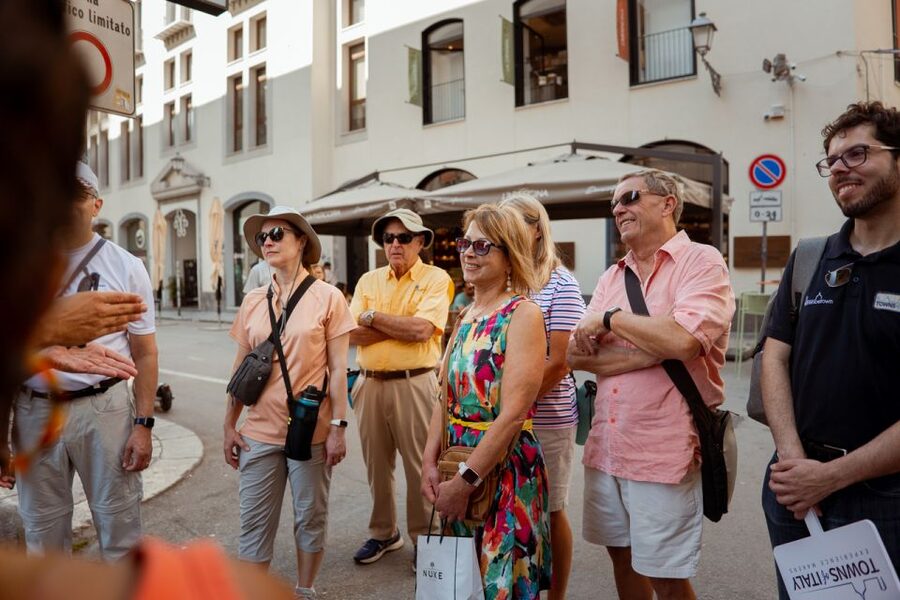
At $41 per person, this is priced as an accessible small-group walking tour rather than a full museum day. You are paying mainly for a licensed guide, a structured route, and entry to the Cathedral. That makes the value strongest if you want context and direction, not simply a checklist of buildings.
I would book it near the start of your Palermo stay. The route gives you a useful mental map of the central sights, and the guide can point out places worth revisiting later. You may also spot an interesting church, market stall, or side street that deserves a slower visit after the tour.
The stated duration ranges from three to five and a half hours, depending on the option you choose. The standard walking tour is described as about three hours. The longer option combines the walk with a guided visit to the Norman Palace and Palatine Chapel, but these are not one continuous visit and use two different meeting points.
The group walks through central Palermo rather than riding between stops. Expect pavement, pauses for explanations, photo stops, and time on your feet. Comfortable shoes, water, and sun protection are sensible choices, especially in the warmer months.
More History Walking Tours in Italy
- Venice: City Center Historical Guided Walking Tour
★ 4.2 · 1,873 reviews - Palermo: Street Food and History Walking Tour
★ 4.9 · 1,486 reviews - Verona: History and Hidden Gems Guided Walking Tour
★ 5.0 · 1,379 reviews
Teatro Massimo gives you a grand starting point
The route begins near the Towns of Italy Tourist Hub and Cooking School on Via Volturno, 40, though the exact meeting point can vary by booking. One of the first major sights is Teatro Massimo, Palermo’s famous opera house.
Here, the guide provides an outside introduction and a chance for photographs. The building gives you an immediate sense of Palermo’s scale and ambition, but this is not an opera-house interior tour. If seeing the inside matters to you, treat this stop as an orientation rather than a full theater visit.
This is also a useful early pause for learning how the rest of the walk will work. A good guide can give you the broad picture first, then connect later churches and squares to the city’s changing rulers and faiths.
Saint Dominic and the character of Palermo’s streets
The Church of Saint Dominic brings the route into another part of central Palermo, where grand religious architecture meets ordinary city life. The guide explains the church and surrounding area from outside, giving you time to look closely at the façade and take photographs.
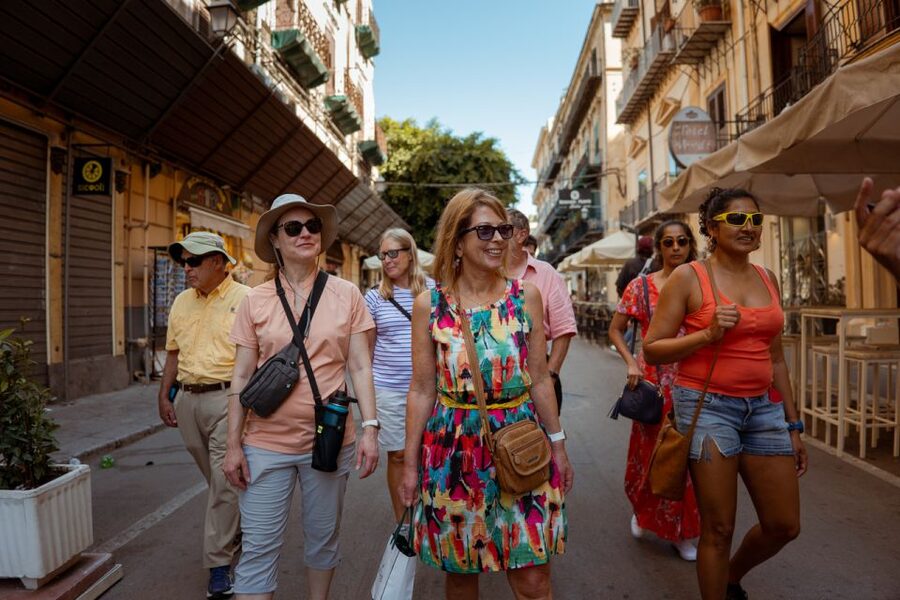
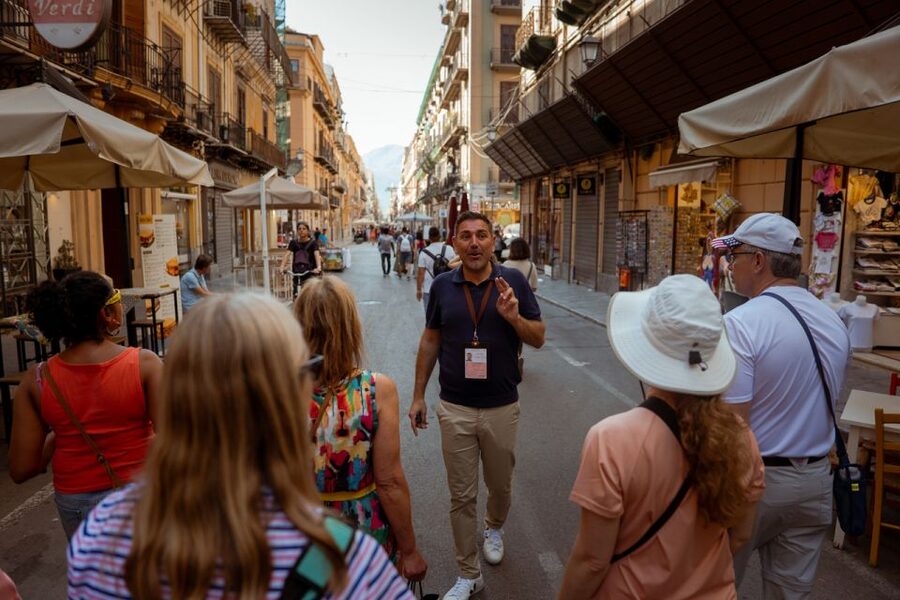
One of the pleasures of this tour is the movement between famous monuments and everyday Palermo. You hear city sounds, see people going about their business, and pass bakeries and food shops. The experience is not limited to polished façades. Guides have also discussed present-day customs and local life, which helps connect the architecture to the city you see now.
The route is not designed for a long stop at every church. If religious art and interiors are your main interest, you will want to mark down places to return to independently.
Vucciria Market adds food, noise, and real city life
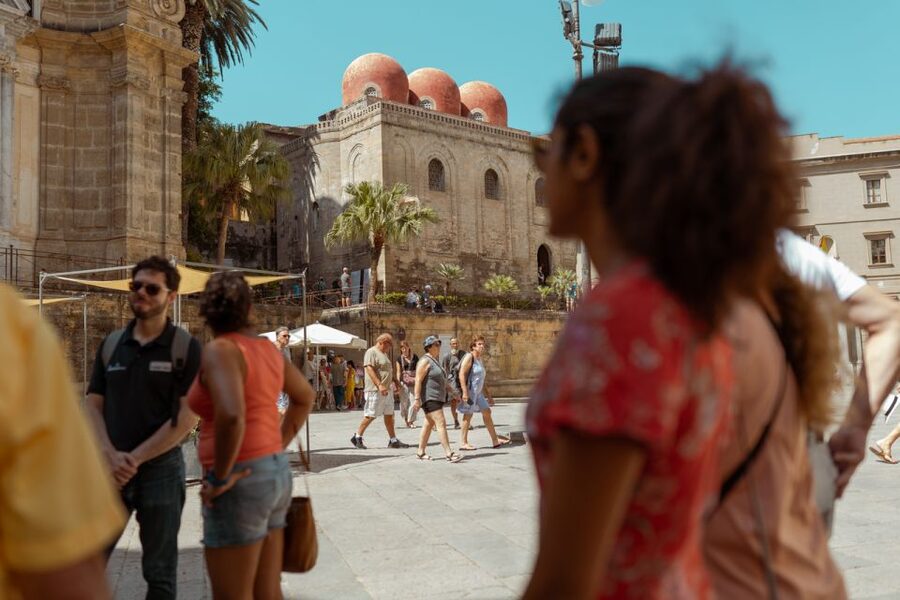
Vucciria Market changes the mood. Here, the tour moves from formal architecture into a setting linked to Palermo’s food culture and street life. The guide gives you a sense of the market and its role in the city, with time for photographs and observations along the way.
This is one of the places where the walking format earns its keep. From a vehicle, you would pass the area without understanding its texture. On foot, you can notice the smells of food, the chatter around stalls, and the contrast between old market spaces and nearby monuments.
The market stop is primarily a guided pass-by and photo opportunity, not a dedicated food tour. You should not expect a long tasting session here. The separate Sicilian sweet comes later or during the route, depending on the guide and the day.
More UNESCO World Heritage Tours in Italy:
- World Heritage Shirakawa-go and Experience Tours from Kanazawa
★ 5.0 · 4,049 reviews - From Tirana: Berat UNESCO Heritage & Belshi Lake Tour
★ 4.9 · 3,863 reviews - Bali: Tanah Lot UNESCO World Heritage Sites Full-Day Tour
★ 4.7 · 1,947 reviews - World Heritage Kyoto & Nara Uji Authentic Matcha Experience
★ 5.0 · 1,573 reviews
Martorana Church reveals Palermo’s cultural mix
The Church of Santa Maria dell’Ammiraglio, commonly called Martorana, is one of the most memorable sights on the route. Its interior is known for glowing gold mosaics, and the tour explains the church as a meeting point of Byzantine, Norman, Arab, and Christian traditions.
The supplied description recalls an Arabic traveler from 1184 praising it as the most beautiful monument in the world. That detail helps explain why the church matters beyond its appearance. You are not just looking at decoration. You are seeing evidence of the many cultures that shaped medieval Sicily.
The standard tour does not clearly promise entry to Martorana Church. The itinerary lists it as a guided sightseeing stop, while Cathedral entry is specifically included. Plan on receiving the explanation from outside unless your guide confirms access that day.
This distinction is important. Palermo’s churches can take serious time, and a route that entered every major interior would become much longer. The tour gives you a guided introduction, then lets you choose where to spend extra time later.
Piazza Pretoria is Palermo in theatrical Baroque form
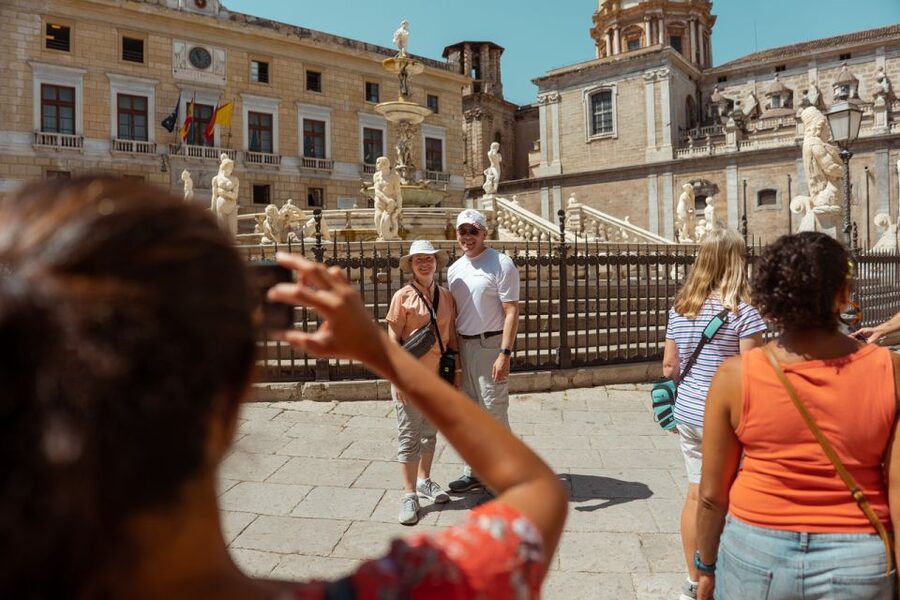
Piazza Pretoria is one of the visual high points of the walk. Its monumental fountain, marble figures, and formal layout create a dramatic contrast with the more irregular streets around it.
The guide explains the square’s Baroque character and points out details that can be easy to miss when you are focused on taking photographs. The statues, curves, and layers of stone give the square a theatrical quality, but the guide also places it within Palermo’s civic life.
The nearby Praetorian Palace, now Palermo’s Town Hall, has served as the city’s municipal center since the fourteenth century. You see it from outside during the tour. The occasional glimpse of official city activity, including the possibility of seeing the mayor, adds a small modern note to a stop otherwise dominated by old stone and sculpture.
I like this part of the route because it shows Palermo’s different architectural moods close together. A single square can feel grand, severe, playful, and slightly untidy at the same time. That mixture is part of the city’s appeal.
Quattro Canti makes the city’s plan easier to understand
Quattro Canti is the great crossroads where four Baroque building fronts frame the intersection. The tour uses this point to explain Palermo’s central street plan and the way the historic center is organized.
This is a quick but useful stop. The four corners are easy to photograph, though the traffic and movement around the intersection mean you should listen carefully and stay with the group. The guide’s explanation gives the architecture meaning instead of leaving you with four impressive façades and no sense of why they were built that way.
You will also notice how the route links major squares rather than treating them as isolated monuments. That connection is one reason I recommend taking the tour early in your stay. Afterward, you can return to Quattro Canti and walk outward with a better sense of direction.
Palermo Cathedral is the tour’s main interior reward
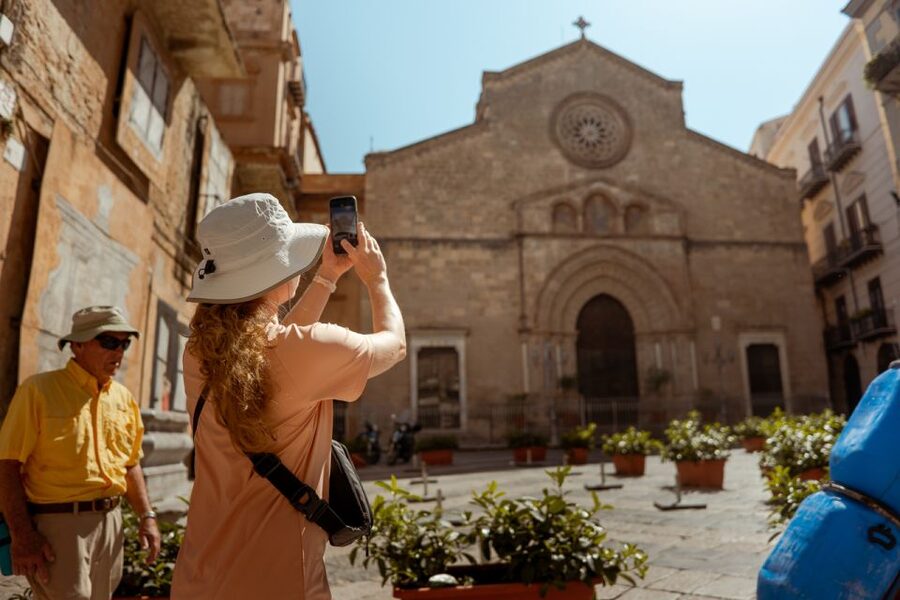
The Cathedral is the only clearly included interior entrance on the standard tour. Its architecture reflects Palermo’s long sequence of cultural influences, with Muslim, Norman, Christian, and later additions appearing in the building’s façades, towers, arches, and details.
The guide helps you read this mixture as a record of change. Palermo Cathedral is not a single-style building, and that is exactly what makes it useful for understanding the city. You see how later generations altered and added to an earlier structure rather than replacing every trace of what came before.
Give yourself time to look upward. One guide has used a laser pointer to help the group follow details on complicated ceilings, a practical aid when several people are trying to see the same feature. The tour’s pace generally allows photographs and short pauses, but this is still a group visit, not an unhurried study session.
The Cathedral stop is also where expectations need managing. Entrance is included, but extra areas or separate attractions are not listed as part of the price. If you want a detailed visit to every chapel, rooftop, or treasury area, you may need to return on your own.
The Norman Palace and Palatine Chapel require the right booking
The route passes the Norman Palace, also called the Palace of the Normans, before ending near the palace or returning toward the Towns of Italy hub. On the standard tour, this is an outside sightseeing stop.
Do not assume that passing the palace includes entry. The optional upgrade adds a guided visit to the Norman Palace and the Palatine Chapel, whose famous mosaics are a major reason many people come to Palermo. That option extends the experience to as much as five and a half hours and uses two separate meeting points.
This add-on makes sense if you have limited time and want a guide to connect the palace and chapel to the earlier walking route. It may be less useful if you prefer to explore interiors slowly or already have a palace visit planned. Check the selected option carefully, since the meeting location and duration change.
Guides are the real value of the experience
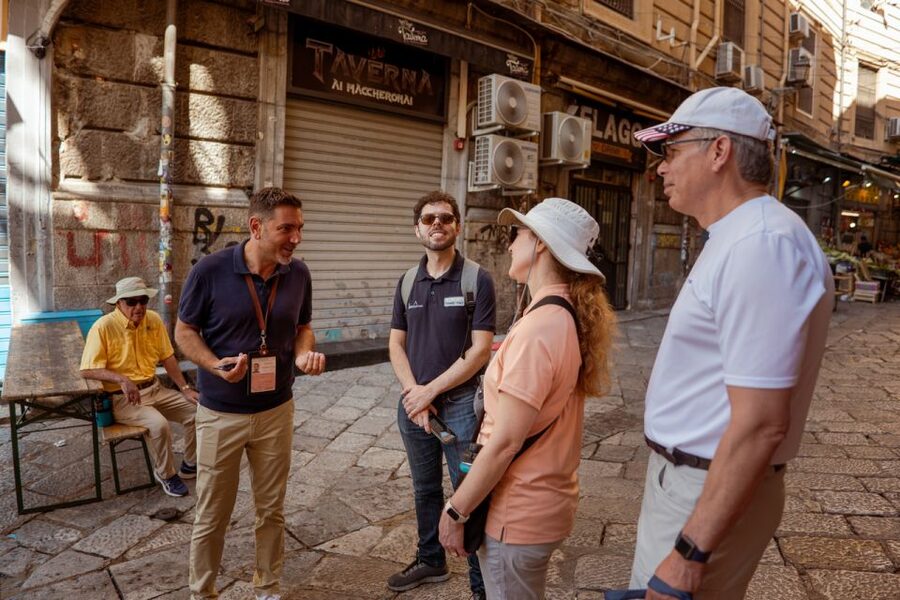
The route itself is strong, but the guide determines how much you get from it. The best guides on this experience have included Renata, Simone, Stefania, Laura, Enrico, Valeria, Fabio, and others. Names and assignments can change, so you should not book on the assumption that one particular person will lead your group.
The praised qualities are consistent: clear explanations, local pride, humor, patience, and a willingness to answer questions. Simone has been described as mixing history with film, music, jokes, and even a little singing. Renata has shared stories about growing up in Palermo and offered extra details when the chance arose. Stefania has been noted for keeping the pace comfortable and looking for shade on a hot day.
That local voice matters. You learn about Palermo’s customs, modern concerns, food, and everyday habits alongside the major buildings. Some guides have also touched on the influence of the Mafia and the No Mafia movement, though this is not the advertised focus of the walk.
The amount of information can be substantial. One useful suggestion is to think of questions as you go, then ask during a pause. The guide may provide so many details that it is easy to forget what you wanted to ask.
The Sicilian sweet is a small but welcome finish
A local treat is part of the experience. Depending on the day and guide, that may be cannoli, granita, or another Sicilian pastry.
This is not a substitute for a full food tour, but it is a smart ending to several hours of walking. It also gives you a taste of local food culture without adding another formal stop to the route. The treat has been especially useful as a relaxed final moment, when the group can chat and compare notes.
If you have dietary concerns, mention them in advance. The operator asks guests to share special needs ahead of time, though the supplied information does not promise specific dietary substitutions.
Pace, weather, and practical comfort
The tour runs rain or shine. Palermo’s sun can be strong, and the route has limited control over shade, although guides have made an effort to seek cooler spots during hot periods. Wear shoes suited to several hours of city walking and carry water.
The tour is described as intimate and small group, but no exact maximum group size is provided. An audio guide may be available in English, and the live guide languages are English and Spanish. If you need mobility support, contact the operator before booking so they can try to accommodate you.
Pets are not permitted because of allergy concerns and group comfort. Hotel pickup and drop-off are not included, so you need to reach the chosen meeting point yourself.
Cancellation is flexible: you can cancel up to 24 hours before the tour for a full refund, and the reserve-now, pay-later option lets you hold a place without paying immediately.
Who should book this Palermo walking tour?
I would choose this tour if you want a well-organized first look at Palermo, prefer stories to silent sightseeing, and like having a local person explain what you are seeing. It suits first-time visitors, couples, solo visitors, and families who can manage several hours on foot.
It is also a good match for anyone interested in architecture and cultural change. The route gives you Norman, Arab, Byzantine, Christian, and Baroque references in a compact part of the city.
I would look elsewhere if you want a slow museum-style tour with long interior visits. The schedule moves through many landmarks, and most are viewed from outside. The Norman Palace and Palatine Chapel also require the upgraded option.
Should you book it?
Book it if you want context, orientation, and a local guide to make Palermo’s center easier to understand. At $41, the Cathedral entrance, structured route, live commentary, and Sicilian sweet make it a fair choice for a first day in the city.
Choose the longer option only if you specifically want guided access to the Norman Palace and Palatine Chapel. Otherwise, the standard three-hour walk gives you the best balance of major sights, local stories, and time left to explore on your own.
FAQ
How much does the Palermo UNESCO walking tour cost?
The listed price is $41 per person. The optional tour that adds the Norman Palace and Palatine Chapel may have a different price.
How long does the tour last?
The experience lasts between three and five and a half hours, depending on the option selected. The standard walking tour is described as approximately three hours.
What languages are available?
Live tours are available in English and Spanish. An optional audio guide may be available in English.
Is entry to Palermo Cathedral included?
Yes. Entrance to Palermo Cathedral is included in the standard tour.
Does the standard tour include the Norman Palace and Palatine Chapel?
No. The standard walk passes the Norman Palace from outside. A separate upgrade adds a guided visit to the Norman Palace and Palatine Chapel.
Where does the tour meet?
The meeting point varies by option. One listed starting point is the Towns of Italy Tourist Hub and Cooking School at Via Volturno, 40, Palermo.
Is hotel pickup included?
No. Hotel pickup and drop-off are not included.
Does the tour operate in bad weather?
Yes. The tour runs rain or shine.
Can I cancel for a refund?
You can cancel up to 24 hours in advance for a full refund. The reserve-now, pay-later option lets you book without paying immediately.
Newest history tours we have reviewed in Italy
- Bologna: Street Food Tour in the Historic Center★ 4.8 · 125 reviews
- Asti Historic Town Walking Tour★ 4.5 · 82 reviews
- Ancient Rome: Archeological area Largo Argentina★ 3.9 · 49 reviews
- Ancient Rome Half-Day Segway Tour★ 4.8 · 25 reviews
- Alghero: Historic Center Walking Tour with A Local Guide★ 4.8 · 120 reviews
- Alghero: walking tours around the ancient city★ 4.6 · 30 reviews
- Amalfi Organic Lemon Tour & Tasting in the Historical Garden★ 4.9 · 46 reviews
- Alba: History Walking Tour and Food Tasting with a Local★ 4.8 · 20 reviews
UNESCO World Heritage Tours, compared.
World Heritage Shirakawa-go and Experience Tours from Kanazawa
Read our review →
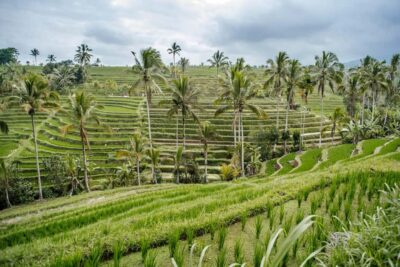
Bali: Tanah Lot UNESCO World Heritage Sites Full-Day Tour
Read our review →
World Heritage Kyoto & Nara Uji Authentic Matcha Experience
Read our review →
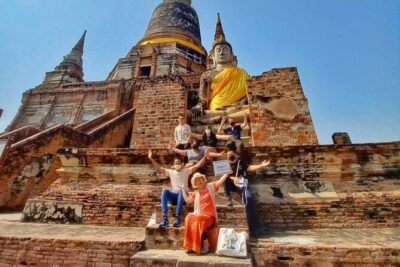
UNESCO’s Ayutthaya Historical Park: Full-Day Tour from Bangkok
Read our review →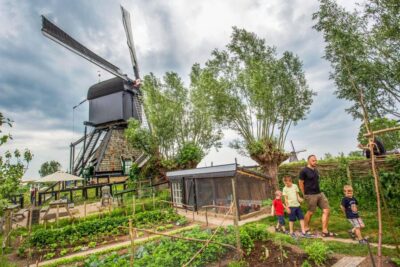
Rotterdam: Kinderdijk UNESCO World Heritage Entry Ticket
Read our review →
From Busan: Gyeongju UNESCO World Heritage Guided Day Tour
Read our review →Browse the lists this tour appears in