
Review · NEW ORLEANS HISTORY TOURS
New Orleans: 9th Ward Hurricane Katrina History Tour
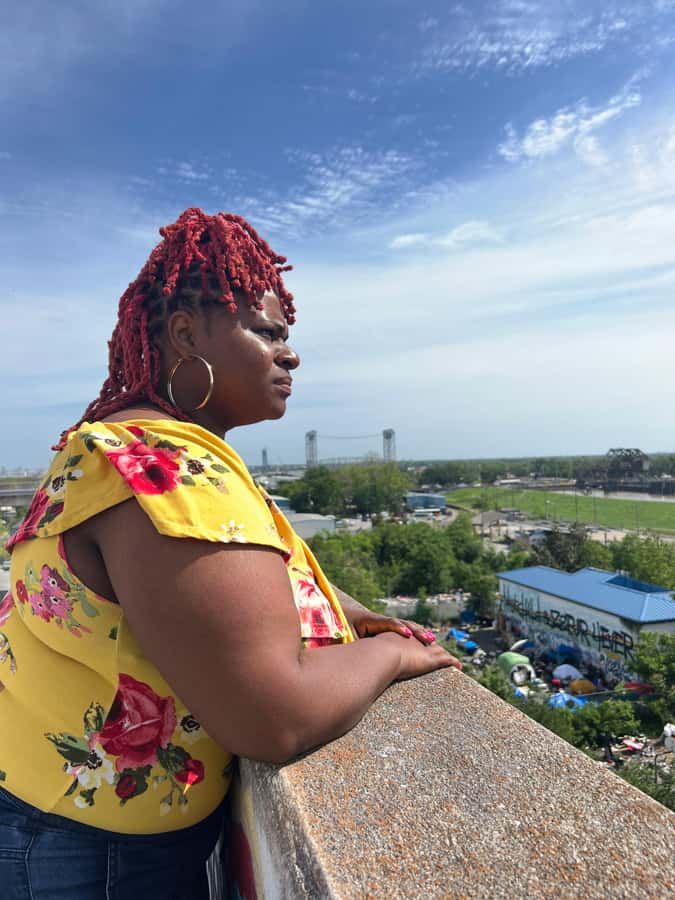
New Orleans’ Ninth Ward is not a sightseeing backdrop. It is a living record of Hurricane Katrina, the levee failures, and the long, uneven work of rebuilding. This one-hour van tour takes you through that story with Hollis, a local guide whose family and community ties give the trip a personal edge.
I like two things here: the small group of seven or fewer, which leaves room for questions and occasional photo stops, and the focus on people rather than disaster alone. You also see practical rebuilding projects, including Musicians’ Village and the Make It Right homes. The main drawback is time. One hour moves quickly, and the route can change because of weather, construction, or local events.
Key points to know before you go
- Local guide Hollis: Expect personal stories, community context, and direct answers rather than a string of detached facts.
- The Ninth Ward and levee breaches: See areas linked to some of the most catastrophic flooding after Katrina.
- Small van group: With no more than seven participants, you have a better chance to ask questions and stop for photographs.
- Katrina Memorial: Visit the memorial at the Old St. Claude Hospital in the Ninth Ward.
- Rebuilding in progress: See Musicians’ Village, Make It Right homes, empty lots, and remaining foundations.
- One-hour format: This works well as a focused history trip, but it is not a long, slow neighborhood tour.
Why the Ninth Ward belongs on your New Orleans schedule
New Orleans is easy to enjoy on its musical, culinary, and festive terms. Yet you miss an important part of the city if you never learn how Katrina changed its neighborhoods and people. This tour shifts your attention from the French Quarter to communities that carried the worst of the flooding.
The Ninth Ward is especially important because the damage was not only about water. It affected homes, families, local businesses, cultural traditions, and the shape of entire blocks. The tour helps you connect the physical remains to that human story.
I appreciate that the focus is not simply on showing destruction. You see where homes once stood, where foundations remain, and where new projects attempt to bring life back. That makes the experience more useful than a quick drive past damaged buildings. You get a sense of what changed, what has returned, and what still has not.
This is also a serious subject. The tone may not suit someone looking only for light entertainment between meals and music clubs. I would plan it as a thoughtful part of your visit, not as another sightseeing ride.
More History Tours in New Orleans:
- New Orleans Garden District History Walking Tour
★ 5.0 · 2,879 reviews - French Quarter Historical Sights and Stories Walking Tour
★ 5.0 · 2,724 reviews - New Orleans Small-Group Haunted History Carriage Tour
★ 4.5 · 2,289 reviews
Riding with Hollis in a group of seven
The guide makes a major difference here. Hollis was born and raised in the area, and he connects the public story of Katrina with his own experience of New Orleans. That local connection gives the tour a directness that a large coach trip often cannot provide.
You can expect a mix of driving, explanation, and short stops. Hollis has been praised for making room for questions and discussion, not just delivering a fixed speech. The small vehicle helps with that. If you want to ask how a particular area looked before Katrina, or how the flooding affected residents, this format gives you a reasonable chance to have that conversation.
The group limit also affects the mood. Seven people or fewer feels more like a guided conversation than a formal city excursion. You may be able to get out at selected places, take photographs, and in some cases walk a short distance near the area being discussed.
Do not expect a private custom tour built entirely around your wishes. The route is flexible, but it is still a short scheduled experience. The best use of the hour is to listen closely, ask focused questions, and let the guide connect each stop to the larger story.
Seeing where the levees failed
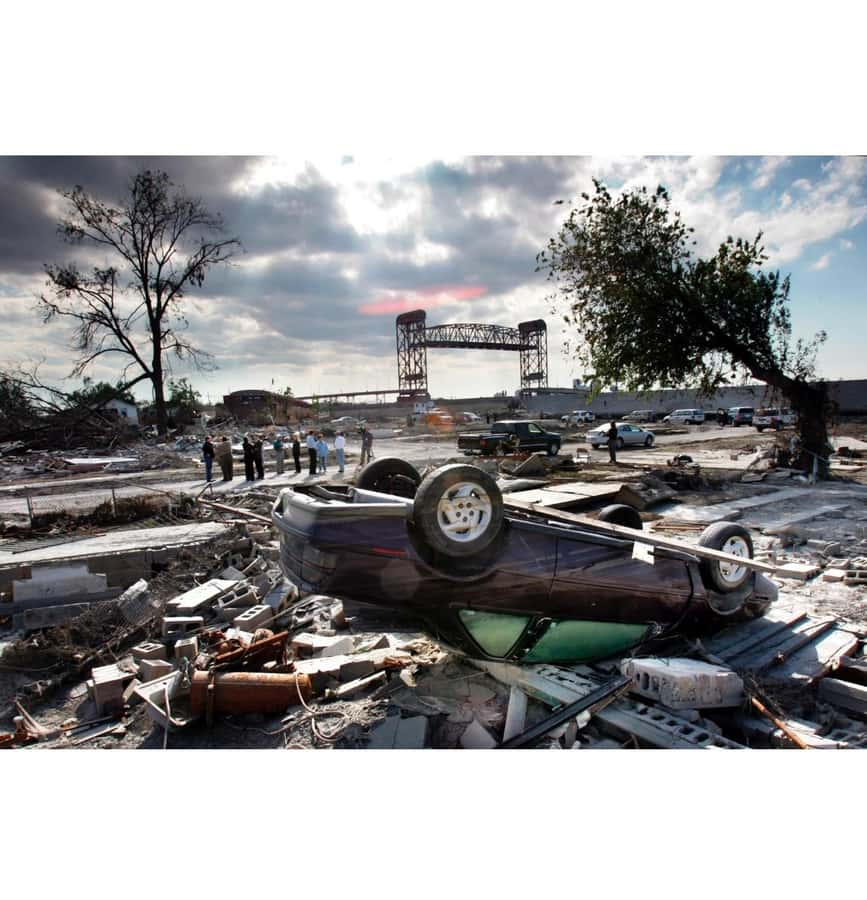
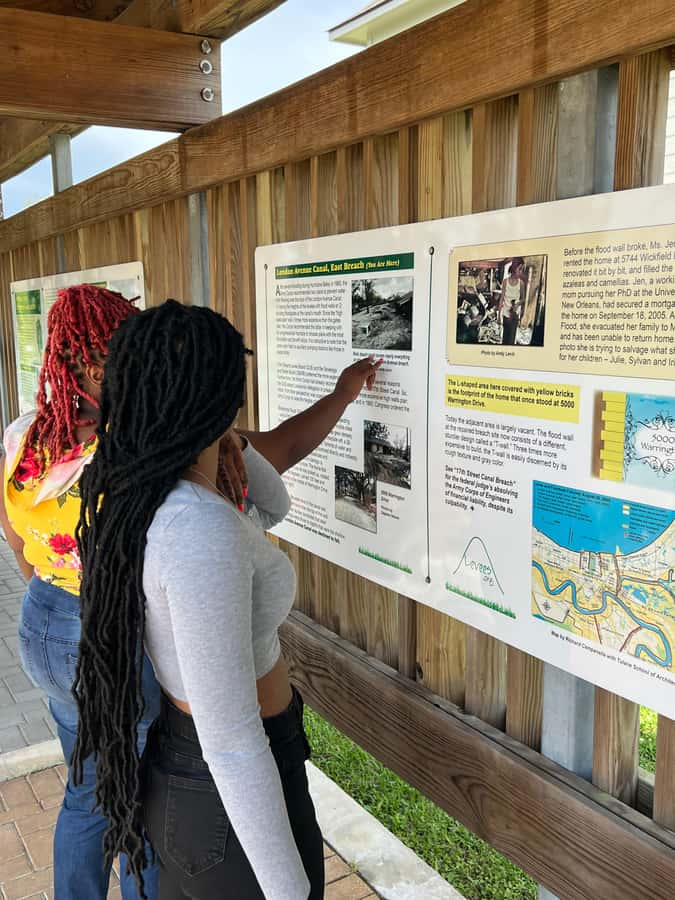
One of the most meaningful parts of the route is the chance to view locations connected with the major levee breaches along the Mississippi River and Lake Pontchartrain. These places can look ordinary today, which is part of the value of seeing them with explanation.
Without context, a levee is simply a long wall or embankment. With Hollis describing what happened, you can understand why these structures mattered and how their failure allowed floodwaters to spread through nearby neighborhoods. The tour turns a difficult-to-picture event into something tied to actual places.
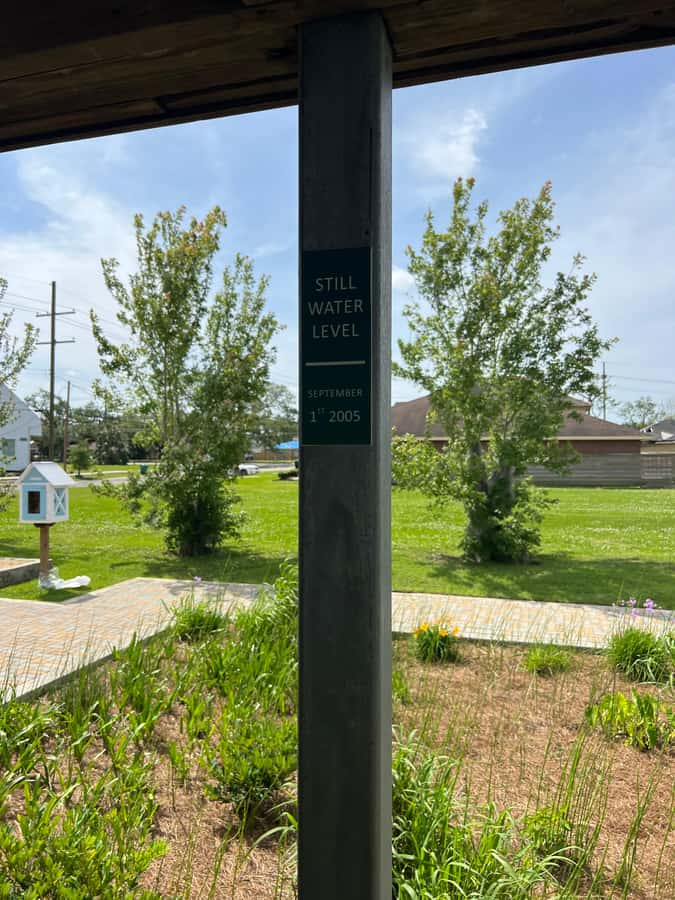
The route may include stops where the water reached homes and where foundations are still visible. That physical evidence matters. An empty lot can be easy to ignore, but knowing that a house and a family once occupied it changes how you read the block.
This is not a technical engineering tour. The emphasis is on the effect on New Orleans communities and the people who lived there. If you want a specialist lesson on flood control design, this is probably too short. If you want to understand how levee failures became a neighborhood catastrophe, it is a strong introduction.
The Hurricane Katrina Memorial at Old St. Claude Hospital
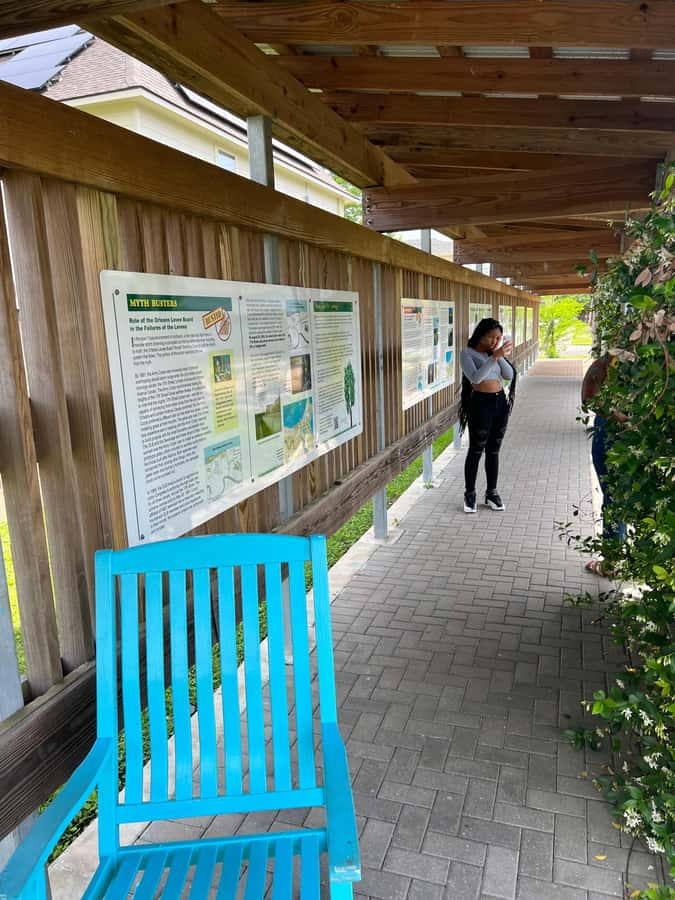
The Hurricane Katrina Memorial at the old St. Claude Hospital provides a quieter moment in the trip. Located in the Ninth Ward, it gives the tour a place for reflection after the broader discussion of flooding and loss.
A memorial stop can feel rushed on a short tour, so use the time carefully. Look around, listen to the guide, and consider the difference between a national disaster story and the experience of a particular neighborhood. The location helps keep the focus on people who lived through the event.
This stop also adds balance. You are not only seeing flood lines, damaged properties, or rebuilding projects. You are being reminded that the story includes grief and remembrance. I value that kind of pause because it keeps the tour from turning hardship into spectacle.
The exact route and stopping time may vary. Local conditions, construction, weather, or events can lead to a substitute location. That flexibility is worth accepting, since the purpose is to provide the best available look at the area rather than promise one fixed sequence.
Same streets, a different century:
- New Orleans Haunted History Ghost Tour
★ 4.5 · 2,084 reviews - Paddlewheeler Creole Queen Historic Mississippi River Cruise
★ 4.5 · 1,948 reviews - New Orleans Food and History Walking Tour
★ 5.0 · 1,544 reviews - New Orleans: Creole Queen History Cruise with Optional Lunch
★ 4.3 · 1,112 reviews
Musicians’ Village and the work of rebuilding
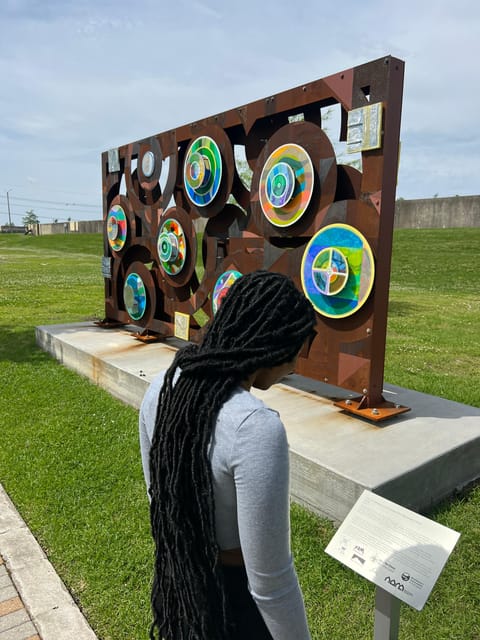
Musicians’ Village shows one way New Orleans attempted to support its cultural community after Katrina. The project is especially fitting in a city where music is not just entertainment but part of local identity and livelihood.
Seeing a rebuilding project gives you something concrete to compare with the vacant lots and damaged foundations. Recovery is not one single process. Some blocks may show new construction, while others still reveal the scale of what was lost. The contrast is one of the most useful parts of the visit.
The Make It Right homes offer another example of an effort to rebuild housing in the Lower Ninth Ward. The project is part of the wider discussion about how New Orleans should recover, who gets to return, and how new homes fit into neighborhoods with deep roots.
I would not expect every rebuilding project to look finished or uniformly successful. The point is to see recovery as an ongoing, complicated process. The tour is strongest when you treat these sites as part of a larger conversation about housing, public support, and community continuity.
Fats Domino’s home and New Orleans culture
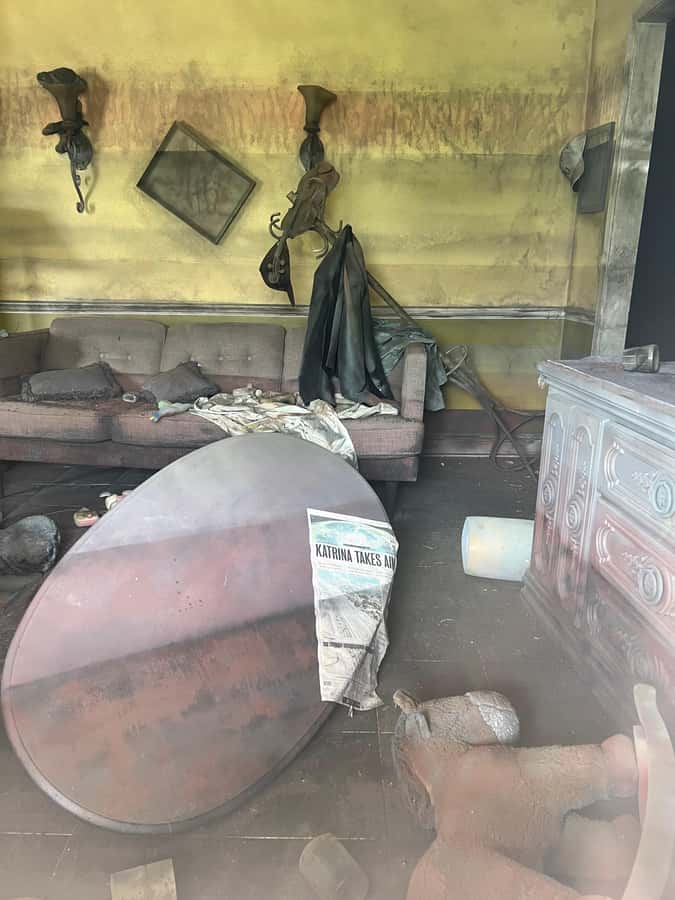
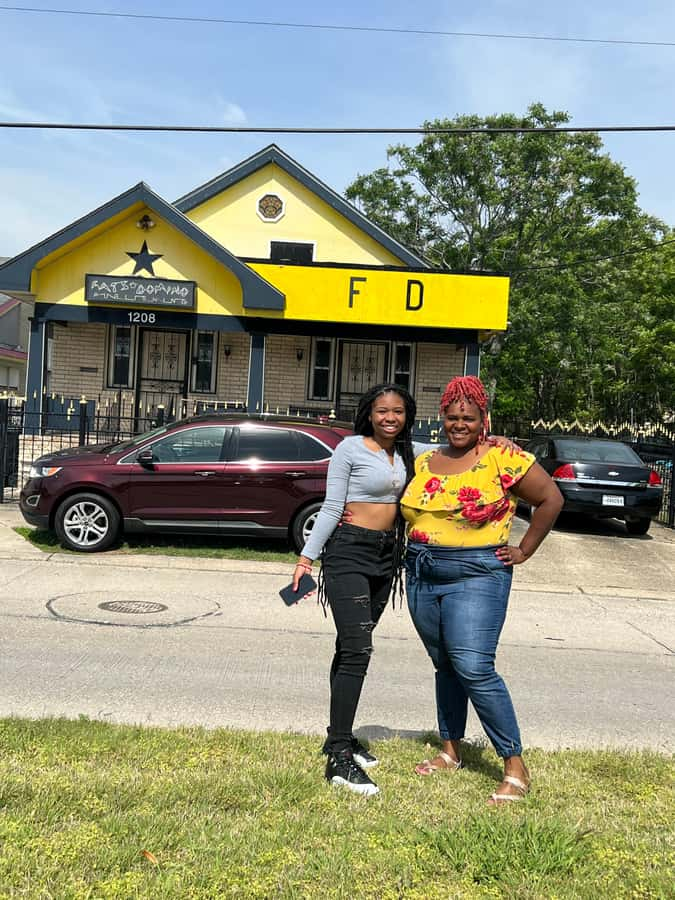
A stop connected with Fats Domino adds a personal and cultural thread to the history. He was a major New Orleans musician, so his home represents more than a celebrity address. It links the neighborhood to the city’s musical identity and to the people who helped shape its sound.
This stop may appeal to you even if you are not a devoted music fan. New Orleans history is often told through famous performers, but the important point here is that musicians came from real neighborhoods and communities. Katrina affected those cultural networks as well as houses and roads.
The stop is best understood as a brief exterior viewing rather than a museum visit. The available information does not promise entry into the home or a long presentation on Fats Domino’s career. You are seeing a local place while Hollis explains its connection to the city.
That limitation is not a problem if you know what to expect. It is one piece of a wider route, not the main attraction.
What the hour feels like in practice
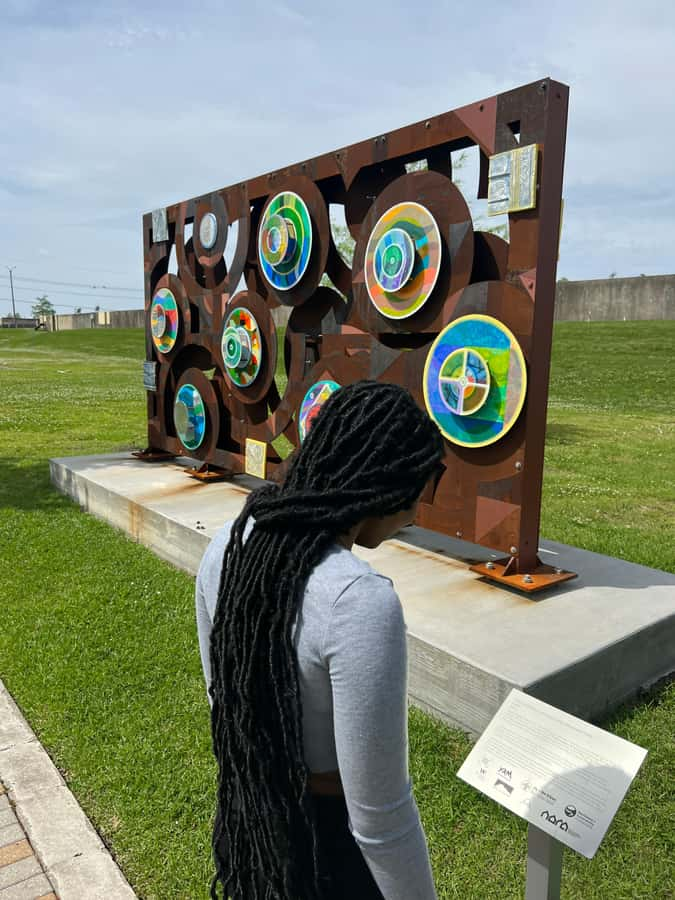
The tour begins and ends at the meeting point, but you need to call the operator the day before to confirm the exact meeting location. That is an important practical step. The meeting information may involve a business with more than one entrance, so do not rely on simply finding the listed address and waiting without checking.
Once underway, the hour is likely to move at a brisk pace. You travel by van through areas affected by Katrina, listen to the guide’s account, and stop at selected places when conditions allow. Some stops may permit you to get out, take pictures, or look more closely at a levee or remaining foundation.
Because the group is small, the experience can feel personal. It also means the guide’s pace and style matter more. Hollis has been described as warm, passionate, and willing to answer detailed questions. If you prefer a silent ride with a recorded narration, this is not that kind of tour.
The route can change. Weather, roadwork, local events, and access conditions may affect which sites you see. Keep your expectations focused on the subject and the guide, rather than on checking every item in a fixed order.
Is $25 a fair price?
At $25 per person, this is an inexpensive way to add serious local history to your New Orleans visit. The value comes from the guide and the access to places you would be unlikely to understand fully on your own, not from the length. One hour is short, but the price keeps the commitment modest.
A large city tour may cover more ground and offer a longer ride, yet it may not allow the same level of conversation. Here, a group of up to seven gives you more room to ask questions and hear personal context. For me, that makes the fee reasonable, especially if you want a focused look at Katrina’s effect on the Ninth Ward.
The short duration can also be useful. You can schedule it between other activities without giving up half a day. I would not choose this as your only New Orleans history experience, since one hour cannot cover every issue surrounding Katrina and the city’s recovery. I would choose it as a concentrated introduction.
Reserve now and pay later is available, and you can cancel up to 24 hours before the tour for a full refund. Those terms make it easier to fit the experience into a changing schedule, though you still need to confirm the meeting point in advance.
Who will get the most from this tour?
I recommend this tour to you if you want to understand New Orleans beyond its party reputation. It suits visitors interested in civil history, local communities, urban recovery, music, and the human effects of a major storm.
It is also a good fit for people who prefer a direct local guide instead of a large commercial operation. Hollis’s personal connection to the neighborhoods is central to the experience. Families, couples, and solo visitors can all benefit from the small group setting, provided everyone is ready for a serious subject.
You may want something longer if you need extensive time at each stop, have mobility needs that require detailed vehicle information, or want a broader city tour covering many New Orleans districts. Those details are not specified, so contact the operator before booking if they matter to you.
I would also avoid scheduling this only as a last-minute filler if you know you will be distracted by a tight connection. The subject deserves attention, and the hour passes quickly.
Tips for making the most of the visit
Call the day before to confirm where to meet. This is the most important practical tip, since the starting location should not be treated as self-explanatory.
Bring questions. Ask about the neighborhood before Katrina, the levee breaches, the rebuilding projects, and how the guide remembers the changes. A small group gives you a better setting for conversation.
Allow for route changes. The listed stops are useful guideposts, but weather, construction, and local events can lead to substitutions. A flexible attitude will serve you well.
Plan for photographs, but keep the focus on the people and the places. Empty lots and damaged foundations may look simple in a picture. The explanation is what gives them meaning.
Finally, consider following local suggestions after the tour. Hollis has recommended places connected with New Orleans food, Mardi Gras, and music, including a local restaurant and the Mardi Gras Museum. Those suggestions can extend the cultural side of the experience, but they are extras rather than part of the one-hour tour.
Should you book the Ninth Ward Hurricane Katrina tour?
Book it if you want a compact, personal look at how Katrina reshaped New Orleans. The combination of Hollis’s local experience, a small group, levee breach sites, the Ninth Ward, the Katrina Memorial, rebuilding projects, and Fats Domino’s home gives the hour real substance.
Skip it if you want only light sightseeing or a long itinerary with guaranteed stops and plenty of free time at each location. The route can change, and the subject is difficult.
For $25, I think this is a worthwhile addition to a New Orleans trip, especially early in your stay. It gives you context for the city’s neighborhoods, culture, and recovery, then leaves you with better questions for the rest of your visit.
FAQ
How long is the Ninth Ward Hurricane Katrina tour?
The tour lasts one hour. Starting times vary, so check availability when booking.
How much does the tour cost?
The price is $25 per person.
What language is the tour offered in?
The live tour is offered in English.
How many people can join the tour?
The group is limited to seven participants.
Who leads the tour?
The tour is led by Hollis, a local guide who was born and raised in New Orleans neighborhoods affected by Katrina.
Where does the tour meet?
The activity begins at a meeting point that you must confirm by phone the day before the tour.
Where does the activity end?
The tour ends back at the meeting point.
What places might I see?
The route may include the Ninth Ward, levee breach locations along the Mississippi River and Lake Pontchartrain, the Katrina Memorial at the old St. Claude Hospital, Musicians’ Village, Make It Right homes, and Fats Domino’s home.
Can the route change?
Yes. Weather, construction, and local events can change the route or require certain sites to be replaced with alternative locations.
Can I cancel the booking?
You can cancel up to 24 hours in advance for a full refund. Reserve now and pay later is also available.
Newest history tours we have reviewed in New Orleans
- New Orleans: 1.5-Hour Voodoo History Evening Tour★ 4.5 · 34 reviews
- New Orleans: Wicked History Walking Tour with a Local Witch★ 4.3 · 29 reviews
- New Orleans: Swamp Boat Ride and Historic Plantation Tour★ 4.7 · 303 reviews
- New Orleans: Tremé African American & Creole History Tour★ 4.9 · 208 reviews
- New Orleans: Garden District Food, Drinks & History Tour★ 4.9 · 97 reviews
- New Orleans: French Quarter Saints & Sinners History Tour★ 4.6 · 56 reviews
- New Orleans: French Quarter Food History Walking Tour★ 4.9 · 713 reviews
- New Orleans: Drunk History Walking Tour★ 4.2 · 165 reviews
New Orleans History Tours, compared.
New Orleans Garden District History Walking Tour
Read our review →
French Quarter Historical Sights and Stories Walking Tour
Read our review →
New Orleans Small-Group Haunted History Carriage Tour
Read our review →
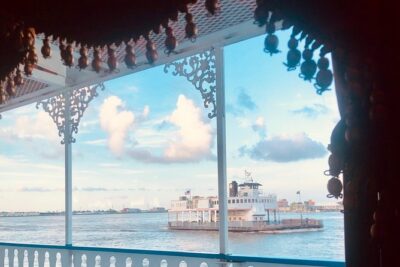
Paddlewheeler Creole Queen Historic Mississippi River Cruise
Read our review →
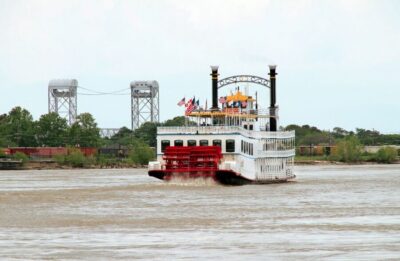
Creole Queen History Cruise with Optional Lunch
Read our review →
Browse the lists this tour appears in