
Review · NEW ORLEANS HISTORY TOURS
New Orleans: 2-Hour French Quarter History and Voodoo Tour
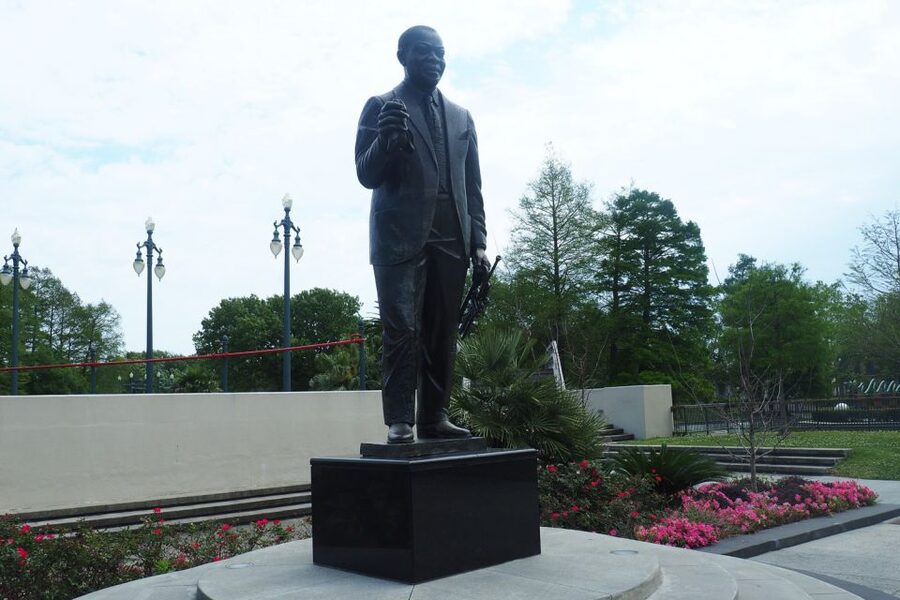
New Orleans history gets complicated fast, and this walk does not dodge the hard parts. Starting at Congo Square, you hear about voodoo, the slave trade, Indigenous peoples, and the people who shaped the city long before Bourbon Street became a nightlife landmark. Marie Laveau’s former home adds a strong sense of place to the story.
I like the local guide focus and the way the route links difficult history with music, food, politics, and architecture. I also like the finish at Jackson Square, where the St. Louis Cathedral, the Presbytère, and the Cabildo give you a useful introduction to the French Quarter’s grandest buildings.
The main consideration is pace. You walk for 105 minutes, often outdoors, and the tour runs rain or shine. On hot days, the walking and standing can be tiring, though guides have made a point of stopping in the shade and allowing a bathroom break.
Key points at a glance
- Congo Square sets the tone: Begin with voodoo, enslaved people, and Indigenous communities rather than a shallow ghost-story version of New Orleans.
- Marie Laveau’s former home: See the site connected with the city’s most famous Voodoo priestess and hear how her story fits into New Orleans culture.
- A guide makes the difference: Erin, Wolfy, Nika, Gracie, Angela, and others have been praised for humor, strong storytelling, and clear answers to questions.
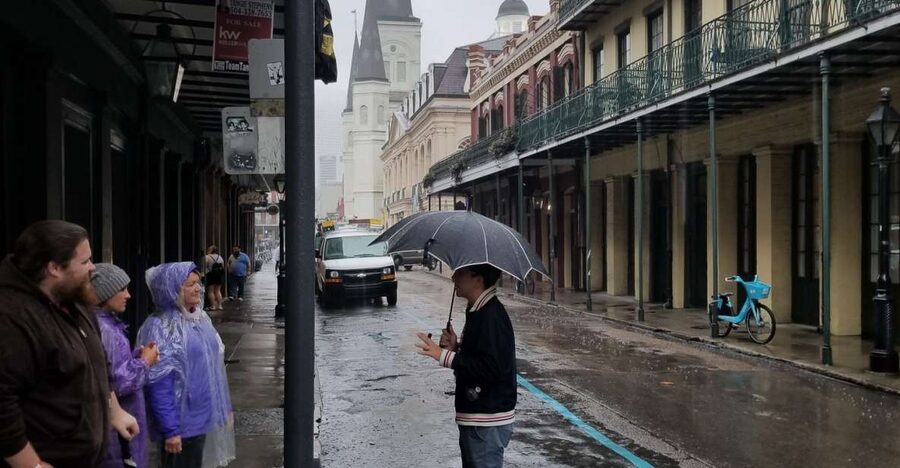
- Politics joins the walking route: Stop at the historic Supreme Court building for stories about Huey P. Long, Edwin Edwards, and Plessy v. Ferguson.
- Jackson Square is the finale: End beside the St. Louis Cathedral, the Presbytère, and the Cabildo, with the French Quarter’s architecture all around you.
- Good value at $22: For less than the cost of many short city activities, you get nearly two hours with a licensed guide and a useful orientation to the Quarter.
Why this French Quarter walk is more than a voodoo tour
The title may lead you to expect a parade of spells, spirits, and spooky tales. You do get voodoo, including the story of Marie Laveau, but the wider purpose is to explain how New Orleans became New Orleans.
That broader approach matters. Voodoo cannot be separated from the city’s African, Caribbean, Catholic, Indigenous, and European influences. The tour begins at Congo Square, a place tied to the lives and cultural practices of enslaved people. From there, the guide connects belief, music, food, language, and community life.
I appreciate that the route also deals with slavery and Indigenous peoples directly. Those subjects are not pleasant decoration, but they are central to understanding the city. You get a better sense of why New Orleans culture feels so distinct when the guide places its famous traditions in their social and historical setting.
The tone is lively rather than academic. Several guides, including Erin and Wolfy, have been praised for mixing serious material with humor. That balance helps during a walking tour packed with names and dates. You are likely to learn more if the guide keeps the talk energetic and gives you room to ask questions.
More Two-Hour Tours in New Orleans:
- 2-Hour Gettysburg Battlefield Guided History Bus Tour with a National Park Guide
★ 4.5 · 2,201 reviews - Kyoto Gion: 2-Hour Geisha Culture & History Walking Tour
★ 5.0 · 1,186 reviews - 2 Hour LoDo Historic Walking Tour in Denver
★ 5.0 · 1,106 reviews
Starting at Congo Square
Your first stop is Congo Square, where the guide introduces the early history of New Orleans. This is a smart starting point because it moves the story away from the usual Bourbon Street focus and toward the people whose lives shaped the city’s culture.
Here you hear about enslaved people, Indigenous communities, and the roots of voodoo. The topic is presented as part of the city’s history and culture, not just as a spooky attraction. That distinction is important. New Orleans voodoo has often been reduced to costumes and sensational tales, so a guide who explains its wider background gives you a more useful picture.
The opening stop also prepares you for later parts of the walk. Music, food, architecture, and religion in New Orleans did not develop in separate boxes. The guide shows how different traditions met, changed, and continued through the city.
You should pay attention from the start. The tour covers a lot in a short time, and the opening history gives context for everything that follows. If you prefer a slow, highly detailed museum talk, 105 minutes may feel compressed. If you want a clear introduction before exploring on your own, the pace works well.
Marie Laveau’s former home
The route passes the former home of Marie Laveau, the Voodoo priestess whose name is woven into New Orleans legend. Seeing the site gives the story a physical anchor. Instead of hearing about her as a distant figure, you connect her with an actual place in the French Quarter.
Marie Laveau’s story also lets the guide explore the way history and legend overlap in New Orleans. You may hear about her role, reputation, and lasting place in the city’s imagination. The tour does not treat voodoo as a cheap scare tactic. It places Laveau within the cultural world of the city and explains why she remains such a powerful figure.
This is one of the stops where your guide matters most. The facts alone are interesting, but a strong storyteller can explain why Laveau became famous and how her image grew over time. Erin, Wolfy, and Nika have each been praised for making this sort of material easy to follow without losing its seriousness.
Do not expect a long indoor visit at the house. The itinerary describes a stop at the site of her former home as part of the walking route. Think of it as a historical location and storytelling stop, not a house museum tour.
The Supreme Court building and Louisiana politics
The walk then shifts from voodoo and cultural history to law and politics at the historic Supreme Court building. This change of subject keeps the tour from becoming one-note.
The guide tells stories connected with Huey P. Long, Edwin Edwards, and the case Plessy v. Ferguson. These names open a window onto Louisiana’s political character and the legal battles that shaped the state and the country.
For many visitors, this will be the point where the tour becomes more than a French Quarter orientation. You are not simply looking at old façades. You are hearing how power, race, government, and public life affected the people who lived here.
The legal history can be dense, especially after the tour’s opening discussion of slavery and voodoo. Still, the building gives the talk a clear focus. If you are interested in American history, civil rights, or Louisiana politics, this section adds real value. If your main goal is architecture and food, it may feel more serious than expected, but it gives the Quarter a needed sense of depth.
More History Tours in New Orleans:
- New Orleans Garden District History Walking Tour
★ 5.0 · 2,879 reviews - French Quarter Historical Sights and Stories Walking Tour
★ 5.0 · 2,724 reviews - New Orleans Small-Group Haunted History Carriage Tour
★ 4.5 · 2,289 reviews - New Orleans Haunted History Ghost Tour
★ 4.5 · 2,084 reviews
Music, food, architecture, and Bourbon Street
Between the major stops, the guide discusses the parts of New Orleans that most people come to enjoy: music, food, architecture, literary history, and Bourbon Street.
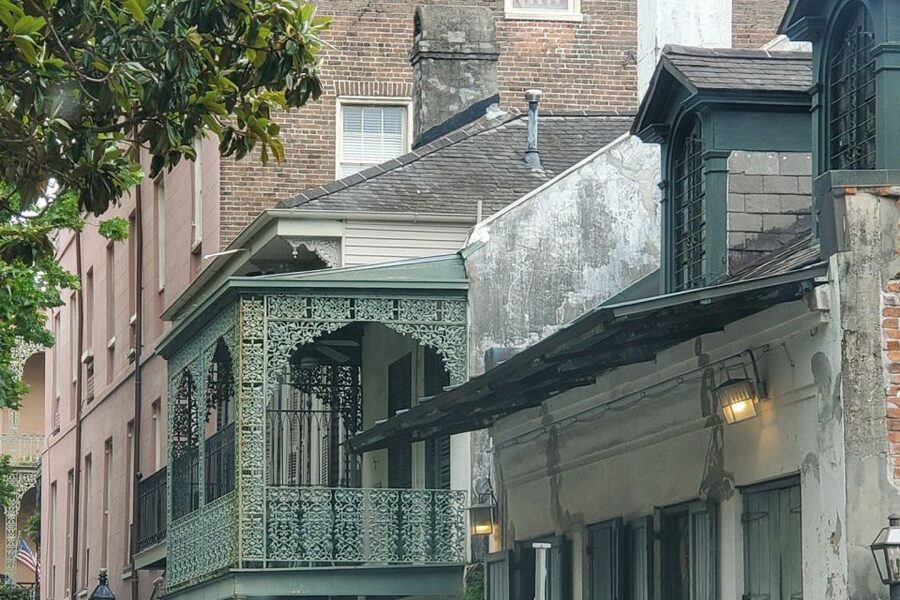
I like this part because it connects the past to the city you see around you. The architecture is not just a backdrop for photographs. Buildings, streets, and public spaces help show how New Orleans developed its own look and feel.
The music discussion also adds useful context. One guide was praised for explaining the origins of jazz and bluegrass country music, along with the cultural influences that helped shape them. The exact emphasis may vary by guide, but music is clearly part of the larger story rather than a separate entertainment topic.
Food receives attention too. You should not expect a tasting session or restaurant meal. Instead, the guide explains how food fits into local culture and may offer ideas for what to do with the rest of your time in the city. That practical advice can be valuable on your first day, when you are still deciding where to eat and what to see next.
Bourbon Street appears as part of the city’s history and culture, not simply as a party strip. You get a more balanced view of the street and its place in the French Quarter. The tour does not promise a quiet walk. This is a busy central area, so you should expect city noise, foot traffic, and frequent stops in public spaces.
Ending at Jackson Square
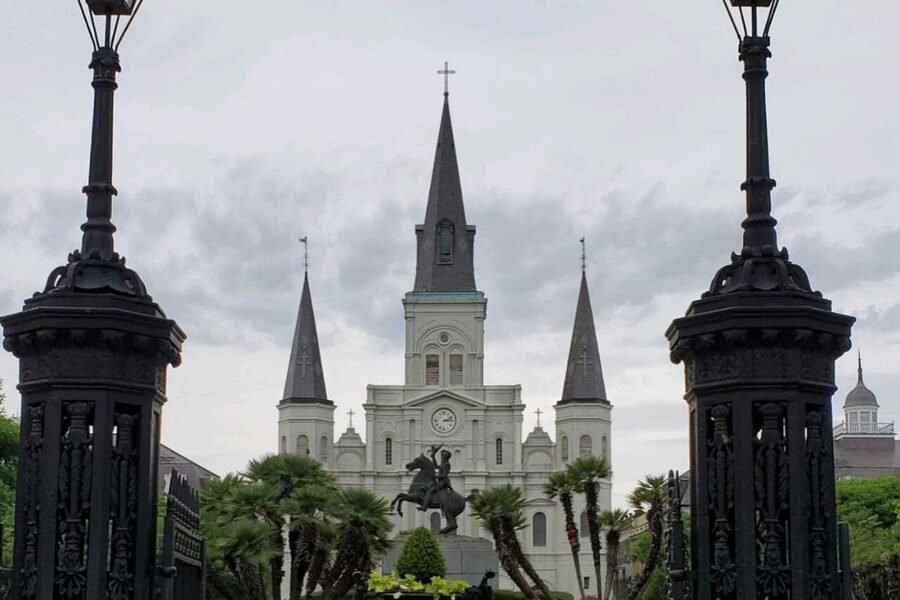
The tour ends at Jackson Square, one of the best places in the French Quarter to understand New Orleans architecture. Here you can see the St. Louis Cathedral, the Presbytère, and the Cabildo.
This ending works well because the square gives you a visual summary of the city’s layered past. The buildings make a strong final backdrop, but the guide’s explanation is what turns the view into something more useful. You learn what the buildings are and why they matter instead of simply taking a picture and moving on.
Jackson Square is also a practical place to finish. You are left in a central part of the French Quarter, close to more streets, shops, restaurants, and sights. The guide may also offer suggestions for the rest of your visit. One of the strongest recurring qualities of the guides is their willingness to answer questions and provide local ideas after the formal talk.
Because the route ends here, you can use the tour as an orientation on your first full day. Afterward, the French Quarter’s streets should feel easier to read. You will have heard the names, stories, and themes that make later walks more meaningful.
The guides shape the experience
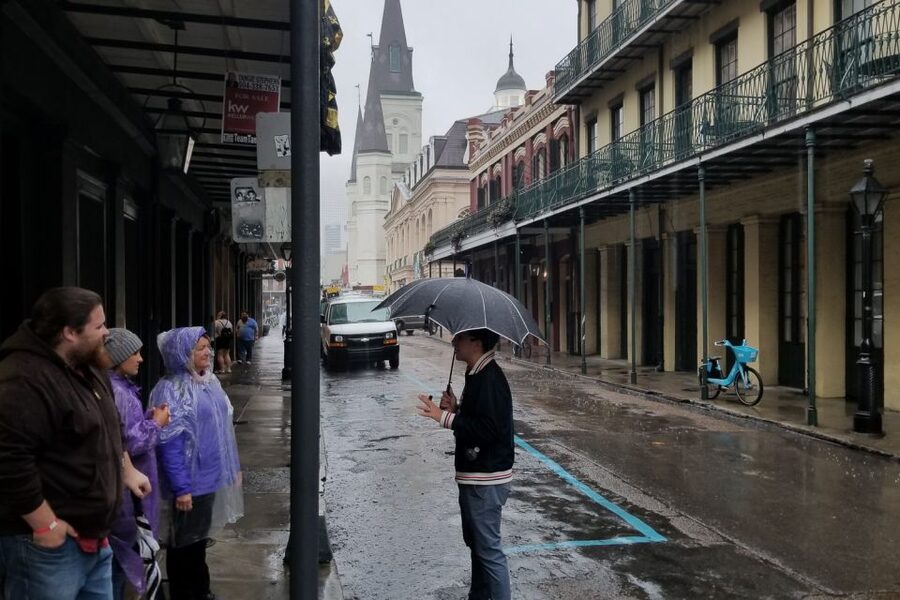
The tour is led in English by a licensed guide, but the style can vary from one departure to another. That is normal for a walking tour, and it is worth understanding before you book.
Erin has been praised for combining a background in history with humor and clear explanations. Wolfy has been singled out for dramatic storytelling, strong presentation, and explanations ranging from voodoo to jazz and Indigenous history. Nika has been praised for being funny, professional, and easy for international visitors to understand.
Other guides, including Gracie, Angela, Dylan, Jeremiah, and Adelai, have also been praised for answering questions, sharing extra details, and making the city’s past accessible. Gracie has taken care to stop in shaded spots during very hot weather, while another guide kept the group comfortable during icy conditions.
You cannot choose a specific guide from the information provided, so book this for the route and subject matter rather than for one particular person. Still, the repeated praise for guide personality is a good sign. A walking tour depends heavily on the person holding the group’s attention, especially when the subject moves from slavery to politics to architecture in less than two hours.
Price, timing, and comfort
At $22 per person, this is a strong value if you want a guided introduction to the French Quarter. You get 105 minutes with a licensed guide, which works out to a modest cost for a city orientation that covers several major themes.
The tour is advertised as a two-hour experience, but the stated duration is 105 minutes. Plan on roughly an hour and 45 minutes rather than a full two hours. That difference is small, but it matters if you are arranging a meal, museum visit, or evening reservation afterward.
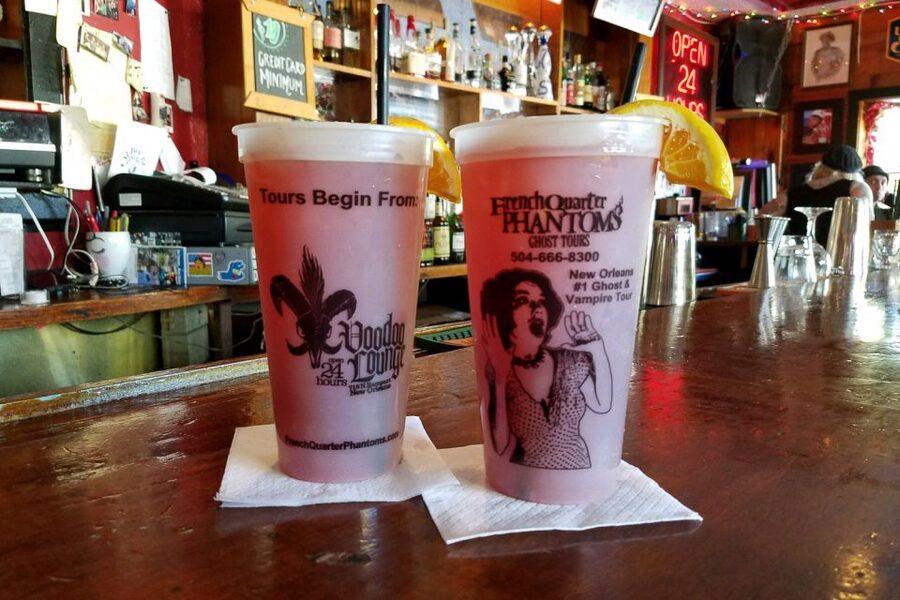
Arrive 10 to 15 minutes early. Check-in takes place inside the Voodoo Lounge, where you go to the box office for your wristband. Do not wait outside looking for a group gathered on the pavement. This meeting detail is easy to miss and could cause needless confusion at the start.
Wear comfortable walking shoes. The tour includes outdoor walking and standing, and it runs rain or shine. There is a bathroom break during the route, but you should still arrive prepared for a walking activity rather than a seated lecture.
The experience is listed as wheelchair accessible. You should still consider the practical demands of an outdoor walking route, including weather, pavement, and the need to keep moving with the group. If you have specific mobility concerns, confirm the route details before booking.
For adults age 21 and older, the wristband includes a souvenir cup and all-day two-for-one Hurricane drinks at The Voodoo Lounge. That is a useful extra if you already plan to visit the venue, but it should not be the main reason to choose the tour. The history walk is the value here.
Who should book this walk?
I would choose this tour for a first visit to New Orleans, especially if you want context before spending time in the French Quarter on your own. It suits anyone interested in the links between slavery, voodoo, Indigenous communities, music, food, architecture, and politics.
It also fits visitors who enjoy a guide with personality. The strongest accounts describe funny, expressive storytellers who welcome questions rather than reciting a fixed script. If you like your history delivered with energy, this should suit you.
You may want something else if you are looking for a dedicated food tour, a ghost tour, a private experience, or an in-depth visit inside historic buildings. The itinerary is a general history walk with several themes, not a specialist tour of just one subject.
The route also asks you to listen closely. The guides cover a lot of ground, and the material includes serious topics. You will get more from it if you treat it as an introduction and save the names and places that interest you for later research.
Should you book the French Quarter History and Voodoo Tour?
Book it if you want a low-cost, well-rounded way to get your bearings in New Orleans. The combination of Congo Square, Marie Laveau’s former home, the Supreme Court building, Bourbon Street, and Jackson Square gives you a useful first look at the city’s difficult past and creative culture.
The biggest reason to choose it is the guide-led storytelling. Erin, Wolfy, Nika, Gracie, and the other named guides have been praised for clear explanations, humor, local insight, and a willingness to answer questions. The main drawback is the outdoor pace, especially in heat or rain.
For $22 and 105 minutes, I think this is a sensible first-day choice. Arrive early at the Voodoo Lounge, wear good shoes, and come ready for more than ghost stories. You will leave with a better map of the French Quarter and a clearer idea of what to explore next.
FAQ
How long does the tour last?
The stated duration is 105 minutes, or about one hour and 45 minutes. The experience title refers to two hours, so allow some extra time around the tour for check-in and finishing.
Where does the tour begin?
The tour begins at Congo Square. Check-in is inside the Voodoo Lounge, where you should visit the box office to receive your wristbands.
Where does the tour end?
The tour ends at Jackson Square, near the St. Louis Cathedral, the Presbytère, and the Cabildo.
What subjects does the guide cover?
The tour covers voodoo, the slave trade, Indigenous peoples of New Orleans, Marie Laveau, Louisiana politics, court cases, music, food, architecture, literary history, and Bourbon Street.
Is the tour conducted in English?
Yes. The live tour guide speaks English.
Is the tour wheelchair accessible?
Yes, the activity is listed as wheelchair accessible. It is still an outdoor walking tour, so you may want to confirm route details if you have specific mobility needs.
What should I bring or wear?
Wear comfortable walking shoes. The tour runs rain or shine, and there is a bathroom break during the walk. Video recording is not allowed.
Newest history tours we have reviewed in New Orleans
- New Orleans: 1.5-Hour Voodoo History Evening Tour★ 4.5 · 34 reviews
- New Orleans: Wicked History Walking Tour with a Local Witch★ 4.3 · 29 reviews
- New Orleans: Swamp Boat Ride and Historic Plantation Tour★ 4.7 · 303 reviews
- New Orleans: Tremé African American & Creole History Tour★ 4.9 · 208 reviews
- New Orleans: French Quarter Saints & Sinners History Tour★ 4.6 · 56 reviews
- New Orleans: Garden District Food, Drinks & History Tour★ 4.9 · 97 reviews
- New Orleans: French Quarter Food History Walking Tour★ 4.9 · 713 reviews
- New Orleans: Drunk History Walking Tour★ 4.2 · 165 reviews
New Orleans History Tours, compared.
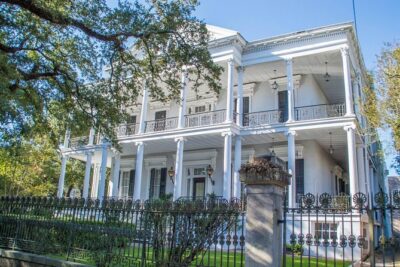
New Orleans Garden District History Walking Tour
Read our review →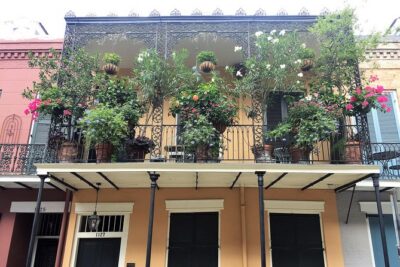
French Quarter Historical Sights and Stories Walking Tour
Read our review →
New Orleans Small-Group Haunted History Carriage Tour
Read our review →
Paddlewheeler Creole Queen Historic Mississippi River Cruise
Read our review →
Creole Queen History Cruise with Optional Lunch
Read our review →
Browse the lists this tour appears in