
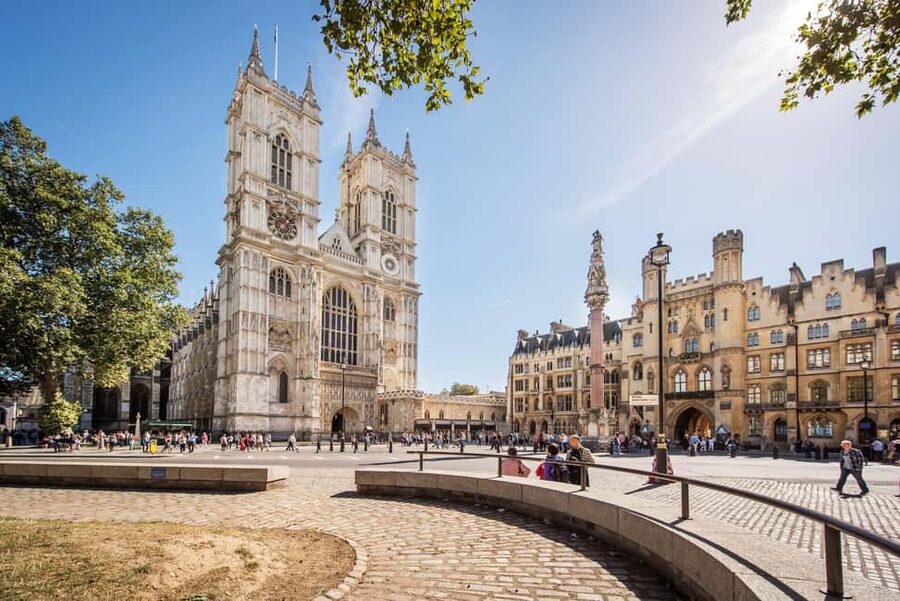
Review · LONDON HISTORY TOURS
London: Westminster Abbey Tour with a Royal Heritage Guide
Westminster Abbey is not just a church you look at, it is a place where Britain’s public story has unfolded for centuries. Since 1066, monarchs have been crowned here, and the same interior has hosted royal weddings, state funerals, national ceremonies, and quiet acts of remembrance. A guide helps connect those events to the stone, chapels, graves, and carved details around you.
I like the Coronation Chair, an object that makes nearly 1,000 years of royal ceremony feel close and real. I also like the way the tour links famous figures from different worlds, from Charles Dickens and Geoffrey Chaucer to Stephen Hawking, showing that the Abbey is about literature, science, politics, faith, and monarchy all at once.
The main drawback is noise and crowding. Several groups may be inside at the same time, and a few people found their guide hard to hear. An early start can help, and staying close to your guide matters.
Key points to know before you book
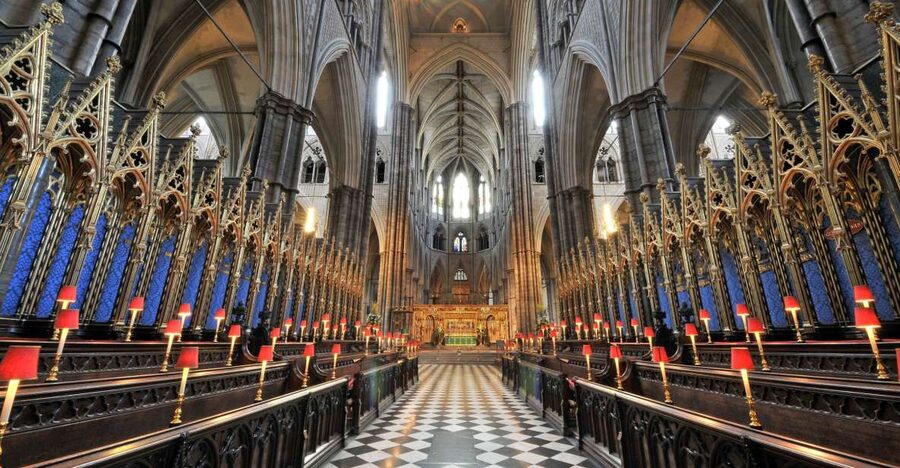
- The Coronation Chair puts royal ceremony in front of you: See the chair used for the crowning of English and British monarchs for almost 1,000 years.
- Poets’ Corner broadens the visit: Find memorials and burial places connected with Dickens, Chaucer, Kipling, and other major literary figures.
- The guides are the heart of the tour: Jane, Nick, Richard, Pauline, Ollie, Sue, and Andy have been praised for clear stories, humor, and good pacing.
- The two-hour route covers the main interior: You enter with the guide and visit the major historical and architectural points rather than wandering without context.
- Crowds affect the experience: Summer, public holidays, and busy days can make photography and listening harder.
- The meeting point is simple but precise: Meet outside the Abbey Shop, not inside it, at least 10 minutes before check-in.
Why Westminster Abbey is worth your time
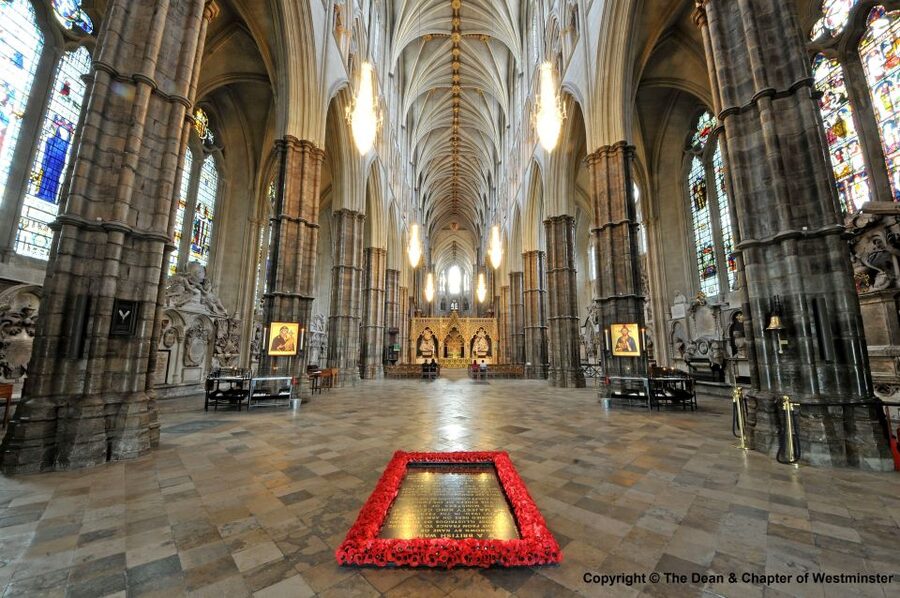
You can walk through Westminster Abbey on your own, but the building does not explain itself easily. There are centuries of names, symbols, tombs, chapels, memorials, and ceremonies packed into a single visit. Without help, you may notice the pointed arches and stained glass but miss why a particular chapel matters or how one grave connects to Britain’s wider story.
This tour gives you a route through that complexity. Your guide interprets the building as you go, pointing out the places tied to coronations, royal marriages, funerals, writers, scientists, and political leaders. The result is less a quick look at an old church and more a guided walk through the institutions and people that shaped the United Kingdom.
The Abbey is also a place of worship, not simply a museum. You will need to respect its religious setting and follow staff instructions. One guide was specifically praised for keeping the group together while maintaining proper decorum during a silent prayer moment. That matters here. The visit works best when historical curiosity is balanced with quiet respect.
More Guided Tours in London:
- Royal Historic Pubs Walking Guided Tour in London
★ 5.0 · 803 reviews - History and Hauntings of Salem Guided Walking Tour
★ 5.0 · 14,564 reviews - Edinburgh: Edinburgh Castle Guided History Tour with Tickets
★ 4.8 · 9,933 reviews
Meeting at the Abbey Shop
The tour begins outside the Abbey Shop at Westminster Abbey. Look for the guide holding an Amigo Tours sign. Do not search for the guide inside the shop, and arrive at least 10 minutes before the scheduled check-in.
That small amount of extra time is useful. Westminster is a busy part of London, and the meeting point is close to major sights, roads, and public spaces. You do not want to arrive at the last minute, especially if you need to orient yourself or find the right side of the building.
There is no hotel pickup or drop-off. You make your own way to Westminster Abbey, then continue on foot for about five minutes before beginning the main visit. Since the tour is entirely centered on the Abbey, this arrangement keeps the experience focused rather than adding a long vehicle transfer.
The guide gives you access to the monument, so this is not a direct admission ticket that you use alone. Stay with the group at the entrance and follow the guide’s instructions.
Entering the Gothic interior
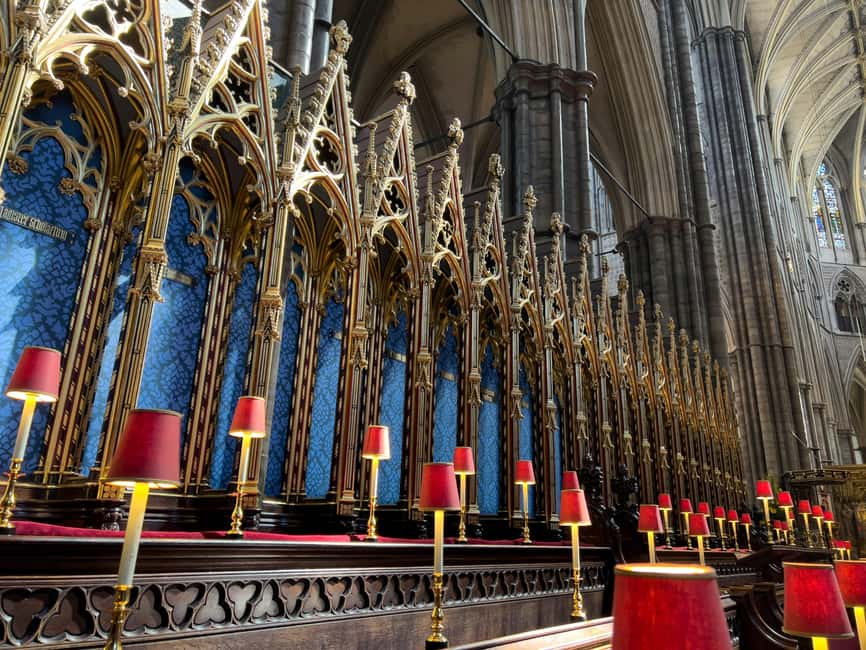
Once inside, the scale of Westminster Abbey becomes clear. Gothic arches rise above you, old stonework surrounds the walking route, and stained glass adds color to a space built for ceremony as well as prayer.
Your guide begins putting the building into context. The value here is not simply learning dates. It is understanding why the Abbey became the setting for moments that needed public meaning: a monarch’s coronation, a royal marriage, a state funeral, or a national celebration.
The guides are generally praised for making this material easy to follow. Jane has been described as both funny and clear, while Nick is often praised for balancing information with humor. Richard’s strength is presenting historical material in a way that works well for families, including children. Pauline has been praised for knowing when to move through the building and when to pause at an important point.
You should expect the exact personality and presentation style to vary because you cannot count on a particular guide. Still, the repeated pattern is useful: the best guides keep the group moving, answer questions, and avoid turning the visit into a lecture that never ends.
The Coronation Chair and nearly 1,000 years of ceremony
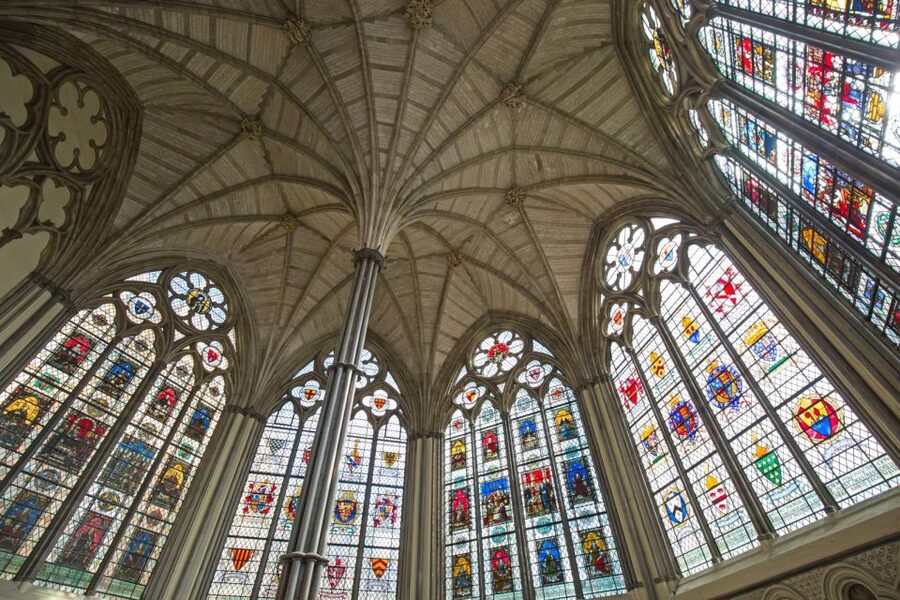
The Coronation Chair is one of the visit’s most important stops. It has been used for the crowning of English and British monarchs for nearly 1,000 years, making it one of the clearest physical links between medieval kingship and the modern royal family.
A guide can explain the chair’s role and connect it to more recent events, including the coronation of Queen Elizabeth II. You are not just looking at an old piece of furniture. You are seeing the object at the center of a ceremony that has helped define royal authority for generations.
This is where the guided format earns its keep. A self-guided visit might tell you the chair’s name and date. A good guide adds the human side: who sat in it, why the ceremony mattered, and how the Abbey’s role changed as the monarchy and the country changed.
The chair is also a reminder that Westminster Abbey is not frozen in the past. Its traditions continue to shape current public life, and the tour links older ceremonies with events many people remember from television or recent news.
More History Tours in London:
- London Small Group Tour of Historical Pubs
★ 5.0 · 10,422 reviews - Soho Music & Historic Pubs Tour
★ 5.0 · 1,993 reviews - London: Historic Pubs of Central London Walking Tour
★ 4.9 · 1,065 reviews - London: Soho Music and Historic Pubs Walking Tour
★ 4.9 · 836 reviews
Royal weddings, funerals, and public memory
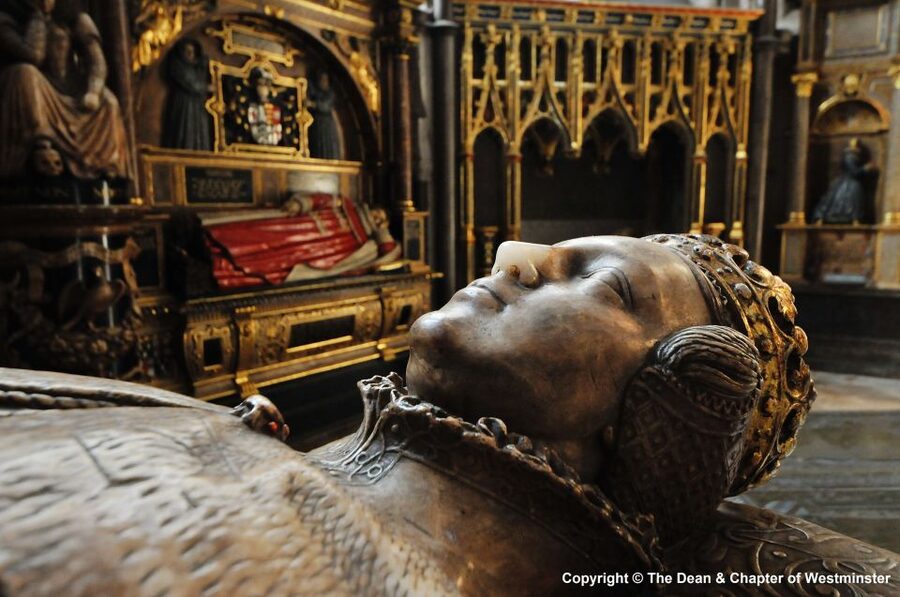
The Abbey’s royal connections go far beyond coronations. The route includes stories about royal weddings, state funerals, and national ceremonies. You will hear about the wedding of Prince William and Kate Middleton, along with other events connected to the royal family.
The discussion of funerals includes the funeral of Princess Diana and state occasions for members of the royal family. These moments can feel familiar because many people saw them on television, but being in the same building changes the scale of the story. You are no longer watching a ceremony from a distance. You are standing in the setting where public grief and national ritual took place.
I like this part of the visit because it shows how the Abbey works as both a religious building and a national stage. It has hosted moments of celebration, mourning, duty, and remembrance. The guide helps you see how those purposes overlap without reducing the place to royal spectacle.
If you have little interest in the monarchy, do not assume the tour will offer nothing for you. The Abbey’s political and cultural story is just as important. Monarchs, statesmen, writers, scientists, and ordinary worshippers all belong to the building’s story.
Poets’ Corner and the people remembered here
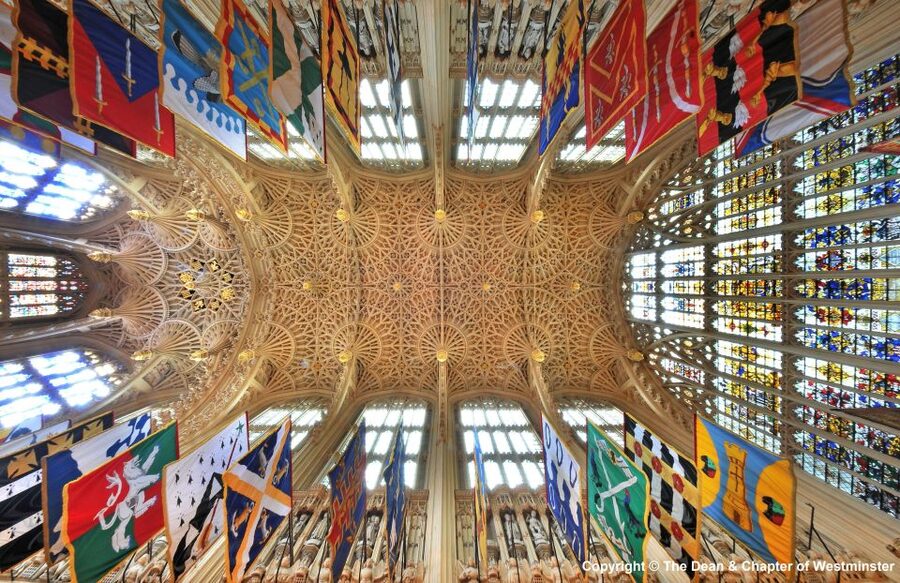
Poets’ Corner is another strong section of the tour. It is associated with writers such as Charles Dickens, Geoffrey Chaucer, and Rudyard Kipling. Some figures are buried in or near the Abbey, while others are memorialized there.
This area makes the visit feel broader than a royal history lesson. You move from kings and queens to the writers who shaped the English language and Britain’s cultural identity. A guide can help you distinguish between a burial place and a memorial, and explain why particular names were given a place of honor.
The Abbey also contains final resting places and memorials connected with scientists and national figures. Stephen Hawking is one notable name mentioned for the visit. For many people, this is the moment when the Abbey’s purpose becomes clearest: it remembers the people a country considers important, not only those born into power.
Take time to look beyond the most famous names. Stone carvings, inscriptions, and architectural details can be easy to miss when the group is moving. If the guide pauses, use that moment to look around instead of focusing only on the next stop.
Architecture that rewards careful looking
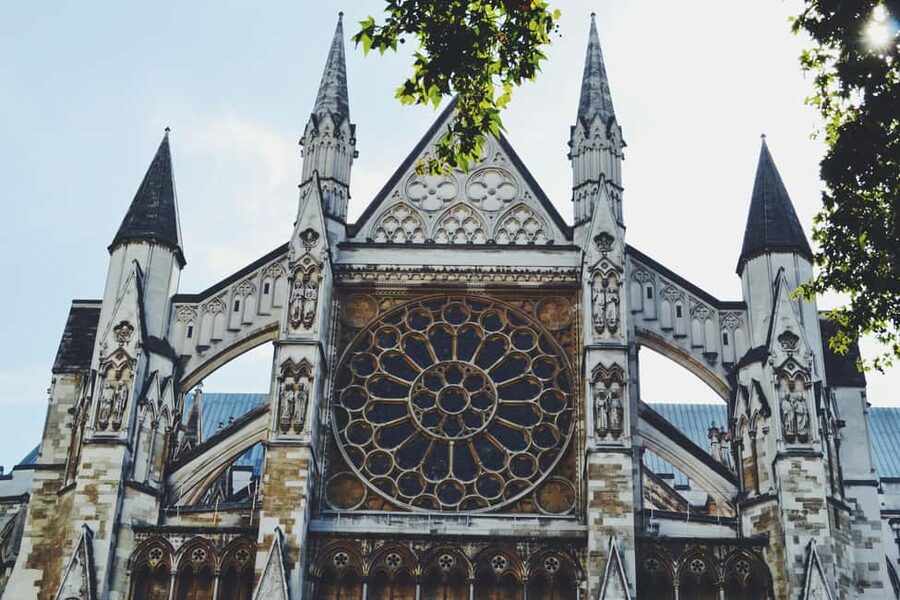
The Gothic architecture is more than a dramatic background for photographs. Pointed arches, stained glass, carved stone, and the arrangement of chapels all help explain how the Abbey was built and used.
Your guide may point out differences in architectural design and details you would likely pass without noticing. A past visitor specifically valued learning about the building’s architecture alongside its kings, queens, and important figures. That combination is useful because the Abbey’s design is closely tied to its purpose.
The interior can be visually overwhelming. There is a lot to take in, and the two-hour schedule gives you a structured look rather than unlimited time in every corner. If you want to study each memorial at length, you may find the guided pace brisk. If you are visiting for the first time, that pace is more likely to help than hurt because it ensures you see the main areas.
Photography can also be difficult on crowded days. One summer visit was described as packed, making it harder to take pictures. Think of photographs as a bonus, not the main point of the visit. The building is best experienced by listening, looking up, and noticing the details around the route.
The guide makes the difference
The clearest pattern across the tour is the strength of the guides. Jane is repeatedly praised for her humor, warmth, and ability to make history easy to understand. Nick is often described as engaging, witty, and good at managing time. Richard is praised for clear storytelling and for making sure a group can see and hear him.
Other guides named in positive comments include Sue, Ollie, Pauline, Andy, and Shirley. Their approaches differ, but the qualities you want are consistent: strong command of the Abbey’s story, a friendly manner, sensible pacing, and a willingness to answer questions.
One useful detail is that guides do not all perform in the same way. Some lean toward humor, while others focus on detail and careful explanation. You cannot request a particular guide based on the information provided, so book this tour for the guided format rather than for a guaranteed personality.
Listening may be the weak spot. Some people found it difficult to hear the guide when many other groups were inside. Stay near the guide, avoid drifting toward the back, and speak up politely if you cannot hear. The group’s position can make a noticeable difference.
Is two hours enough?
Two hours is a sensible length for a first visit. It gives you time to see the major interior areas and hear the main stories without using half a day.
The tradeoff is that you will not study every tomb, chapel, window, or inscription in detail. Westminster Abbey is too full of material for that. The tour gives you a strong framework, and you can decide later which parts deserve another look if independent visiting time is available.
The route begins with a short walk from the Abbey Shop and then stays inside the Abbey for the main guided visit. This makes it easy to fit into a London sightseeing day, especially if you are already planning to visit Westminster.
The two-hour format also suits families and mixed-interest groups. Children may not enjoy a long lecture, but a moving tour with stories about kings, weddings, writers, and ceremonies is easier to follow. One family particularly valued a guide who explained difficult history in a clear way and made sure everyone stayed together.
Is the $93 price good value?
At $93 per person, this is not a cheap London stop. You are paying a premium over simply entering a landmark on your own, and the value depends on how much you want explanation and structure.
I think the price is easier to justify if Westminster Abbey is a major reason for your visit. The building contains too much history to absorb casually, and the guide helps you use the two hours well. The skip-the-ticket-line feature also saves time, though you still need to meet your guide and enter as part of the group.
The cost is harder to justify if you prefer slow, quiet, independent sightseeing or already know a great deal about the Abbey. One person who enjoyed the tour still felt it was expensive. That is a fair criticism, especially for families buying several places.
The strongest value comes from the guide’s interpretation. If your guide is clear, engaging, and able to manage the crowds, you gain far more than admission alone. If you are mainly interested in taking photographs, the price is less convincing, since busy periods can make pictures difficult.
Practical advice for a smoother visit
You should arrive at the Abbey Shop 10 minutes early and wait outside for the Amigo Tours sign. Bring as little as possible because luggage and large bags are not allowed.
Wear comfortable shoes. The tour is on foot for two hours, and you will spend the visit moving between significant areas of the Abbey rather than sitting through a presentation.
Try for the first tour of the day if the schedule allows. One early visit finished before the Abbey became heavily crowded, while later tours on summer and public holiday dates were described as very busy. An early start will not guarantee a quiet building, but it can improve your chance of hearing the guide and seeing key details.
Wheelchair users and their carers can enter the Abbey free of charge, and the activity is listed as wheelchair accessible. The tour is conducted in English, with a live guide.
You can cancel up to 24 hours in advance for a full refund, and the reserve-now, pay-later option keeps your plans flexible. The tour can change at the last minute, so check the current start time and instructions before setting out.
Who should book this Westminster Abbey tour?
I would choose this tour if you are visiting Westminster Abbey for the first time, care about royal ceremonies, or want help making sense of the building’s many memorials and architectural details.
It is especially suitable for:
- First-time London visitors who want a clear introduction
- History fans interested in coronations and state occasions
- Royal watchers curious about weddings and funerals
- Readers and writers drawn to Poets’ Corner
- Families who benefit from stories and a managed route
- Visitors who prefer listening to a guide rather than reading an audio guide
You may prefer independent entry if you want to set your own pace, avoid group commentary, or spend a long time with one person or memorial. You should also think twice if $93 feels high for a two-hour activity and you are not especially interested in British history.
Should you book it?
Book it if you want Westminster Abbey to make sense, not simply to look impressive. The Coronation Chair, Poets’ Corner, royal ceremonies, graves, and Gothic details are much more meaningful when someone explains the connections.
The main risks are price, crowding, and the chance of a guide being hard to hear. Arrive early, stay close, and treat the guide’s stories as the main attraction. For a first visit, I think the two-hour format and strong record of guides such as Jane, Nick, and Richard make this a worthwhile choice, especially if Westminster Abbey is high on your London list.
FAQ
How long does the Westminster Abbey tour last?
The guided tour lasts two hours.
Where does the tour meet?
Meet your guide outside the Abbey Shop at Westminster Abbey. The guide will hold an Amigo Tours sign.
Should I arrive early?
Yes. You should arrive at least 10 minutes before check-in.
Is the guide waiting inside the Abbey Shop?
No. The guide waits outside the Abbey Shop, so do not search for the guide inside.
What language is the tour conducted in?
The live tour guide speaks English.
Does the tour include entry to Westminster Abbey?
Yes. Entry to Westminster Abbey and a guide inside the Abbey are included.
Is hotel pickup included?
No. Hotel pickup and drop-off are not included.
Can I bring luggage or a large bag?
No. Luggage and large bags are not allowed.
Is the tour wheelchair accessible?
Yes. The activity is listed as wheelchair accessible. Wheelchair users and their carers can enter the Abbey free of charge.
Can I cancel the booking?
Yes. You can cancel up to 24 hours in advance for a full refund. You can also reserve now and pay later.
Newest history tours we have reviewed in London
- London: Private Landmark Tour with Professional Photographer★ 4.7 · 91 reviews
- American Heritage in London 4 Hour Private Tour in a Black Cab★ 5.0 · 64 reviews
- Private Rock n Roll History Tour of London in an Iconic Black Cab★ 5.0 · 65 reviews
- London: Medieval History Walking Tour from The Tower★ 4.9 · 318 reviews
- Historic Pub Walking Tour of London★ 5.0 · 484 reviews
- London: Royal Historic Pubs Walking Tour★ 5.0 · 536 reviews
- London: Rock ‘n’ Roll History Tour★ 4.6 · 645 reviews
- Private Group: Historical Pub Walking Tour of London★ 5.0 · 660 reviews
London History Tours, compared.



Royal Historic Pubs Walking Guided Tour in London
Read our review →
Private Group: Historical Pub Walking Tour of London
Read our review →

Browse the lists this tour appears in