

Review · HOI AN HISTORY TOURS
Hoi An Ancient Town – Walking Tour with Local Guide
Hoi An’s old town is easy to wander through, but its yellow walls and lantern-lit lanes make more sense when someone explains what you’re seeing. This tour gathers the main sights into a manageable walk, with guides such as Trung, Duy, Tom, Tin, and Trang bringing local stories, cultural context, and a good sense of humor.
I especially like the small group limit of 10 and the regular indoor stops, which matter in Hoi An’s heat or rain. The included local tea or dessert is another nice touch, and the food, café, tailor, and activity tips can save you from spending your limited time guessing where to go next. The main drawback is that the 120,000 VND heritage ticket costs extra, and the route may feel busy around the Japanese Covered Bridge and market.
Key points at a glance
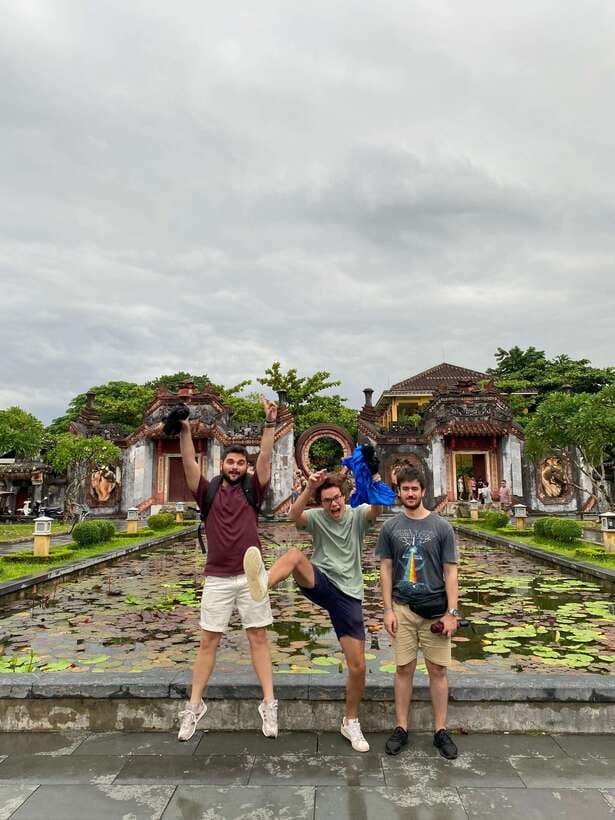
- A full old-town introduction: See Ba Mu Temple gate, assembly halls, the Japanese Covered Bridge, Kazik Park, heritage houses, museums, and Hoi An Market.
- Small group walking: The group is limited to 10 people, making it easier to hear the guide and ask questions.
- Strong local guidance: Guides including Trung and Duy explain Hoi An’s past, architecture, customs, and modern life in clear English.
- A useful first-day tour: You get your bearings before returning on your own for shopping, food, cafés, or an evening stroll.
- Refreshment included: The walk ends with local tea, a herbal drink, or a traditional dessert.
- Extra practical advice: Expect suggestions for restaurants, coffee shops, tailor shops, and other things to do in Hoi An.
Why this is a smart first walk in Hoi An
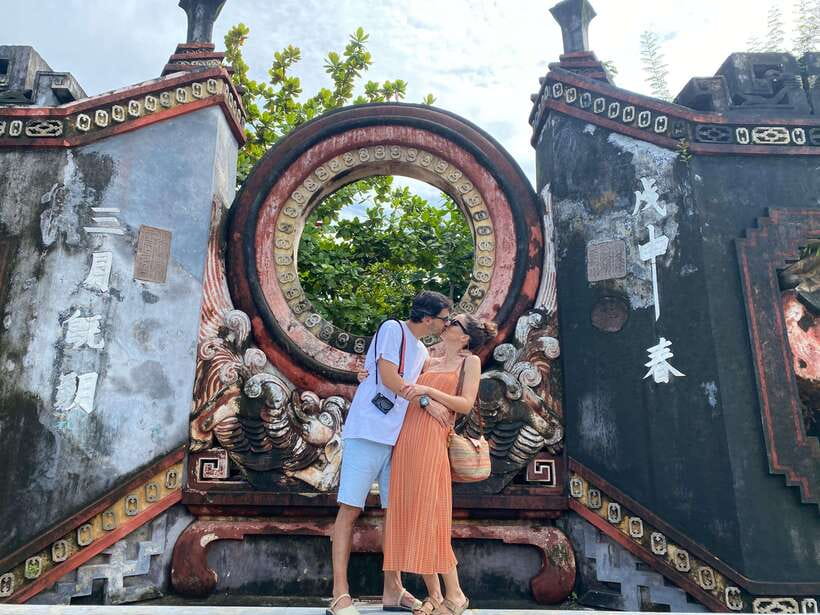
Hoi An rewards wandering, but the old town can also become a pleasant blur of yellow façades, souvenir shops, cafés, and crowds. A guide gives you a framework. Instead of simply photographing an old building, you learn why it was built, who used it, and how Hoi An became an important meeting point for different cultures.
I would take this tour early in a Hoi An stay, especially if you have only a day or two. The route helps you understand the difference between the old town and the newer parts of the city, then leaves you free to return to the places that caught your eye.
The pace is designed to be comfortable rather than athletic. You walk through narrow streets, stop at heritage buildings, and pause indoors along the way. Several people have found the route easy even in wet weather or when the town was especially crowded.
The guides are the heart of the experience. Trung is often praised for his humor, patience, local pride, and ability to keep a group together in busy streets. Duy is described as clear, funny, and especially good at answering questions about Vietnamese and Hoi An history. Tom, Tin, Trang, and Yui have also led tours praised for good English and an engaging manner.
Your exact guide is not guaranteed, so the style may vary. Still, the repeated strengths are clear: useful explanations, a relaxed walking pace, and a willingness to offer advice beyond the official route.
More Ancient History Tours in Vietnam
- Hoi An: Ancient Town Guided Walking Tour
★ 4.9 · 766 reviews - Marble Mountains – Hoi An Ancient Town Sunset Daily Ingroup Tour
★ 5.0 · 690 reviews - Hoi An Ancient Town Walking Tour with a Local
★ 5.0 · 517 reviews
Meeting at 95 Phan Chu Trinh Street
The tour begins at 95 Phan Chu Trinh Street, in front of a tailor shop at the corner of the intersection. This is outside the main concentration of old-town sights, so allow time to find the address and arrive ready to walk.
There is no hotel pickup or drop-off. That keeps the price low, but you need to make your own way to the meeting point. Wear comfortable clothing and shoes suited to uneven streets and warm weather.
The tour lasts 150 minutes, or about two and a half hours. The route description also refers to a three-hour visit, so I would avoid scheduling a tight activity immediately afterward. The actual pace can depend on crowds, questions, weather, and time spent inside the heritage buildings.
You also need 120,000 VND in cash for the Hoi An Ancient Town entrance ticket. This fee is not included in the tour price. Carry the cash before meeting the guide, since stopping to find an ATM can interrupt the walk.
Ba Mu Temple gate and the first look at Hoi An
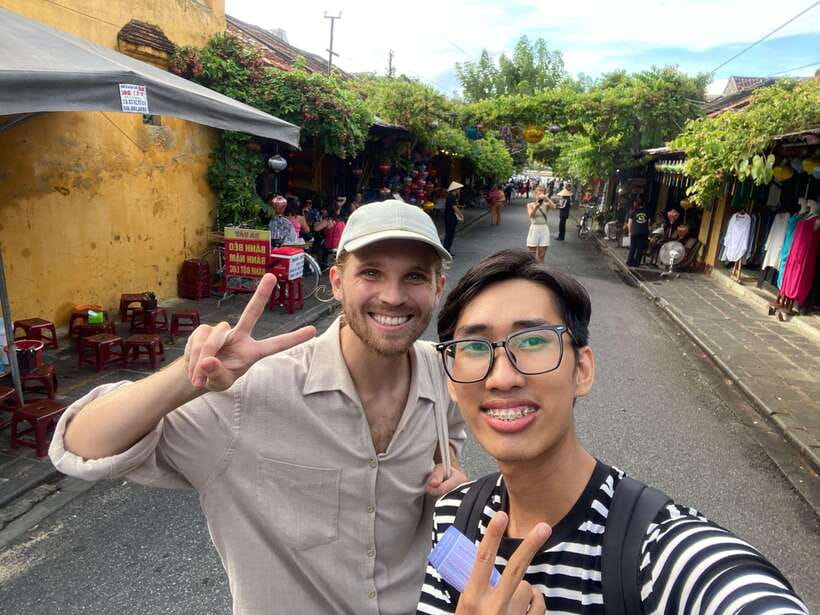
Ba Mu Temple gate makes a strong opening stop. It is one of the old town’s recognizable architectural features and a useful place to begin thinking about Hoi An as more than a photogenic shopping district.
The guide sets the tone here, explaining local beliefs, design details, and the role of temples in Vietnamese community life. The stop also gives you an early photo opportunity before the route moves into the denser lanes.
This is where a guide can add real value. On your own, you may notice the color and shape of the gate. With a local explanation, you begin to see how religious buildings, family homes, merchant houses, and public gathering places fit together.
Assembly halls and Hoi An’s trading connections

The route includes a Fujian or Cantonese Assembly Hall. These buildings were established by overseas Chinese communities and served religious, social, and commercial purposes.
Expect decorated gates, courtyards, altars, carved details, and a discussion of the communities that helped shape Hoi An. The guide explains the cultural mix without turning the stop into a dry architecture lecture.
This is one of the more useful parts of the tour for first-time visitors because it gives context to Hoi An’s trading past. The town’s appearance reflects contact between Vietnamese, Chinese, Japanese, and other merchant communities. You see that influence in building layouts, decorative motifs, and places of worship.
The assembly hall can be busy, and the indoor areas may be compact. Stay close to the guide and be ready to share space with other people visiting independently.
More History Walking Tours in Vietnam
- Explore Hanoi Old Quarter ’s Rich History and Culture By Walking
★ 4.5 · 72 reviews - Hoi An Ancient Town Walking Street Food Tours with Night Market
★ 4.5 · 50 reviews - Hoi An Ancient Town – Night Market Street Food Walking Tours
★ 4.5 · 22 reviews
The Japanese Covered Bridge and Kazik Park
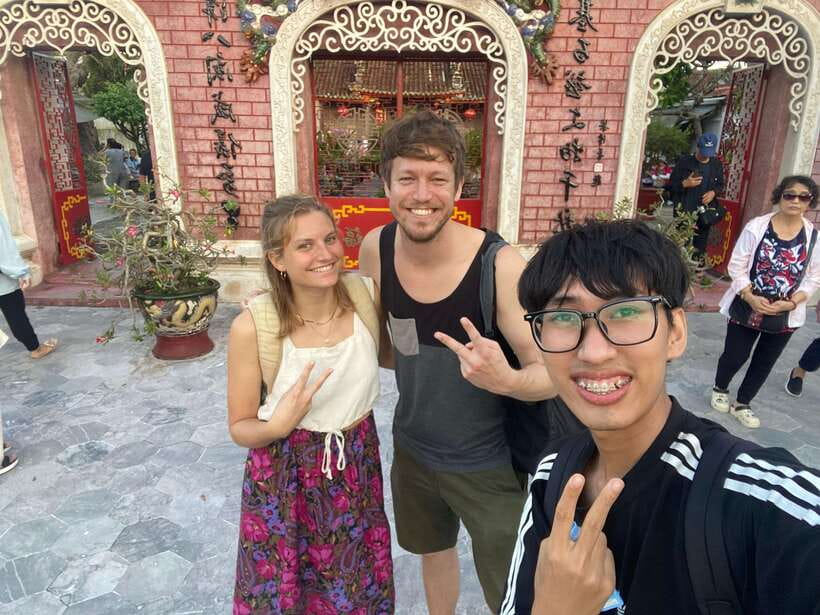
The Japanese Covered Bridge is Hoi An’s signature landmark. It is small, ornate, and often surrounded by people taking photographs, so the experience is more about understanding its place in the town than having a quiet moment alone.
The guide helps you read the structure and its symbols, then explains why this bridge became such a powerful image of Hoi An. You will have time for photographs, but do not expect the guide to clear the walkway for a private photo session.
Kazik Park provides a welcome pause near the bridge. It is also associated with Kazimierz Kwiatkowski, the Polish architect and conservation specialist who helped draw international attention to Hoi An and other Vietnamese heritage sites.
This stop adds a modern conservation story to the older buildings. It reminds you that Hoi An’s preserved appearance did not happen by accident. The town has required care, local effort, and outside expertise.
Tan Ky Heritage House and old-town interiors
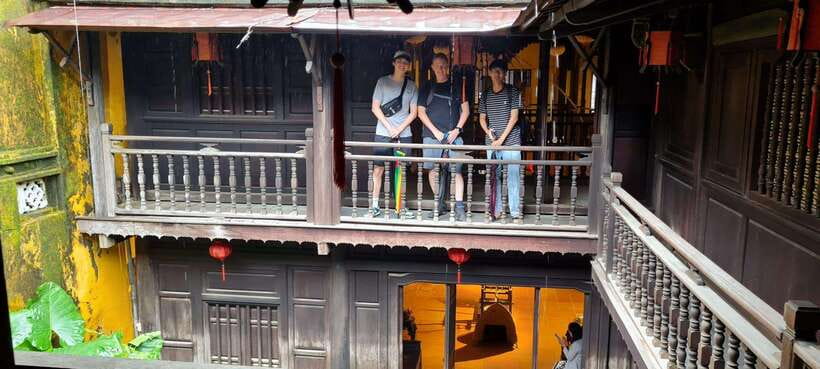
Tan Ky Heritage House is one of the route’s most valuable indoor stops. The house shows how a wealthy merchant family lived and worked, with a layout shaped by domestic life, business, climate, and trade.
Look for the narrow plan, timber details, carved decoration, and the way rooms connect. The guide explains what the architectural features meant rather than leaving you to admire them as decoration.
A house visit also helps you understand why Hoi An feels different from a purpose-built museum district. These are buildings tied to family life and commerce, not just monuments arranged for display.
The drawback is that heritage houses can feel crowded, especially at popular times. You may need to wait for space in certain rooms, and large groups would make the experience less personal. The 10-person limit helps, although the house itself may still contain other visitors.
Traditional performances and folk culture

The Hoi An Traditional Art Performance House adds sound and performance to a route that otherwise focuses on buildings. Depending on the schedule, you may see or learn about local artistic traditions presented in a formal setting.
The stop is useful because it connects the old town’s architecture with living culture. Hoi An is not only a preserved streetscape. Music, performance, craft, food, and family traditions help explain why the town remains important to local people.
The Museum of Folk Culture continues that theme. It presents aspects of Vietnamese daily life and traditional customs, giving the guide a place to explain details that may not be obvious in the street.
Museum visits can feel less exciting than the bridge or old houses, especially if you prefer active sightseeing. I still find them worthwhile on a first visit because they make later encounters with food, festivals, clothing, and household objects easier to understand.
Hoi An Market and the refreshment stop
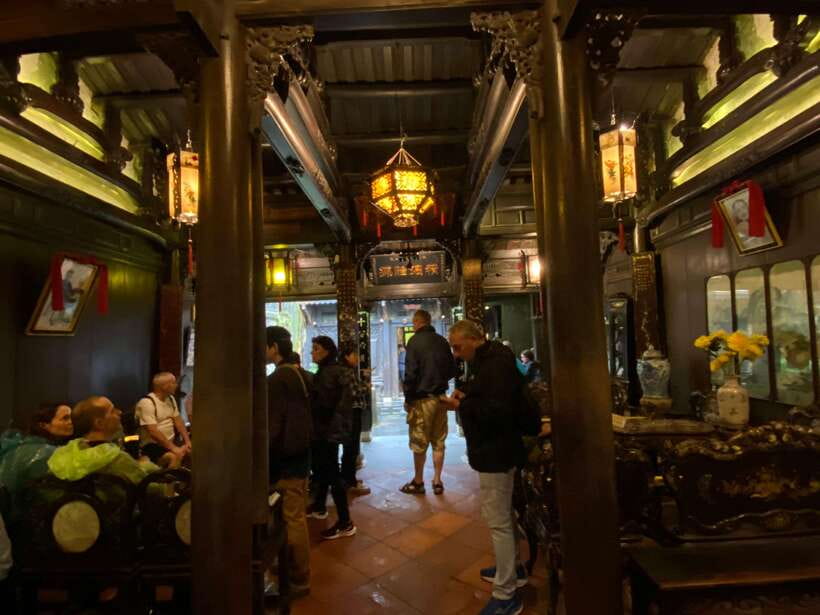
The route finishes at or near Hoi An Market, where the town’s practical side comes forward. You can expect stalls, food, local products, and plenty of activity. The market is a good place to ask the guide how to recognize local dishes or where to continue eating afterward.
The market can also be hectic. Keep your belongings secure, watch your footing, and stay aware of the group. The guide will help you remain together, but you still need to pay attention at crossings and crowded corners.
A local tea, herbal drink, or dessert provides a pleasant finish. Several experiences have ended with a refreshing drink at Mot, a well-known Hoi An stop. The exact refreshment may depend on the day, but it is included in the tour price.
I like this ending because it turns the final minutes into a practical conversation. Ask about local dishes, cafés, tailoring, evening activities, or places worth returning to. Some guides also send follow-up suggestions through WhatsApp, though you should treat that as a personal extra rather than a guaranteed feature.
What $14 gets you
At $14 per person, the tour offers good value if you want orientation, cultural context, and entry to several key sites in one outing. You are paying for an English-speaking local guide, a small group, the walking route, heritage stops, and a tea or dessert.
The extra 120,000 VND entrance ticket raises the total cost, but the overall price remains modest for a two-and-a-half-hour introduction. The value is strongest if you would otherwise wander past the heritage buildings without entering them or miss the smaller cultural stops.
It is less useful if you have already spent several days exploring Hoi An with a private guide or prefer to move at your own speed. The route covers many sights, so individual stops are not designed for long, detailed study.
There is also no transportation included. That is not a problem if you are staying near central Hoi An, but it matters if your accommodation is farther away. Plan your own journey to Phan Chu Trinh Street and back.
Who will enjoy this tour most
I recommend it for first-time visitors, short-stay visitors, couples, solo visitors, and families with older children who can manage a walking route. It is especially useful for anyone who wants a quick cultural foundation before exploring the old town alone.
The small group suits people who like asking questions but do not want to pay private-tour prices. The guides also take photographs at landmarks, which is helpful if you are traveling without someone to take pictures.
This is not the best match for babies or anyone bringing a stroller. Babies under one year are not considered suitable, and baby strollers are not allowed. You should also think carefully about heat, rain, and your comfort with walking on busy streets.
The tour works well in poor weather because it includes indoor stops. Still, bring practical clothing and footwear. A light rain layer and water would be sensible, even though the formal preparation advice simply calls for comfortable clothes.
Booking flexibility and timing
You can cancel up to 24 hours before the activity for a full refund. You can also reserve now and pay later, which is useful when your Vietnam plans are still changing.
Starting times vary, so check availability for your chosen date. Since the tour covers popular sights, a quieter time may make the route easier, but the exact crowd level depends on the day and local events.
Tet can make Hoi An especially crowded. One group found that the guide kept everyone together and adjusted the route sensibly during the holiday rush. That is a good reason to value a small group and a guide who knows the streets well.
Should you book the Hoi An walking tour?
Book it if you want to understand Hoi An before you shop, eat, and wander on your own. The strongest reasons are the compact group, the number of major sights covered, the indoor breaks, and the practical advice from local guides such as Trung and Duy.
Skip it if you want a completely unscheduled stroll, have already visited every listed site, or dislike paying a separate heritage entrance fee. For most first-time visitors, though, $14 is a fair price for a clear introduction to the town, especially when the included drink and restaurant recommendations are added to the calculation.
My best advice is to take it near the start of your stay. Use the walk to get your bearings, listen closely to the guide’s food and shopping suggestions, then return later to the places that deserve more time.
FAQ
Where does the tour start?
The meeting point is at 95 Phan Chu Trinh Street, Hoi An, in front of a tailor shop at the corner of the intersection.
How long does the tour last?
The stated duration is 150 minutes, or about two and a half hours. The route information also refers to a three-hour visit, so allow some flexibility.
What language is the tour conducted in?
The tour is conducted in English with a live English-speaking local guide.
How large is the group?
The tour is limited to a maximum of 10 participants.
Is the Hoi An entrance ticket included?
No. You must pay 120,000 VND per person separately, and the fee is payable in cash.
What sights are included?
The route includes Ba Mu Temple gate, a Fujian or Cantonese Assembly Hall, the Japanese Covered Bridge, Kazik Park, Tan Ky Heritage House, the Traditional Art Performance House, the Museum of Folk Culture, and Hoi An Market.
Is a drink or dessert included?
Yes. The tour includes a traditional dessert or local tea. Some departures finish with a herbal drink at Mot.
Is hotel pickup provided?
No. Pick up and drop off are not included, so you must reach the meeting point independently.
What should I bring?
Wear comfortable clothes and suitable walking shoes. Bring cash for the 120,000 VND heritage entrance ticket.
Can I cancel the booking?
Yes. You can cancel up to 24 hours in advance for a full refund. Reserve now and pay later is also available.
Newest history tours we have reviewed in Vietnam
- 6 Hours Historical Tour in Cu Chi Tunnel with Free Snack★ 5.0 · 312 reviews
- Marble Mountain – Hoi An Ancient Town Sunset Private Tour★ 5.0 · 36 reviews
- Heritage Adventure Private Tour by Electric Car★ 5.0 · 96 reviews
- Hanoi Full Day A Private Tour With Mix of History and Activities★ 5.0 · 51 reviews
- Private Cu Chi Tunnels Tour – Explore History & Off-the-path Local Sites★ 5.0 · 93 reviews
- Explore Hanoi Old Quarter ’s Rich History and Culture By Walking★ 4.5 · 72 reviews
- Hue Half-Day Motorbike Tour – Authentic Countryside of Vietnam, History, Culture★ 5.0 · 143 reviews
- From Ho Chi Minh City: Heritage & Culture Half-Day Tour★ 4.7 · 37 reviews
Ancient History Tours, compared.

Colosseum: Underground and Ancient Rome Tour
Read our review →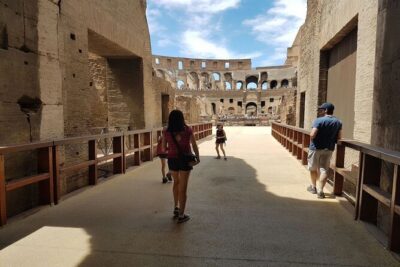
Colosseum & Ancient Rome with Arena Floor Option I Max 6 People
Read our review →
Colosseum, Ancient Rome Tour or AudioGuided Tour
Read our review →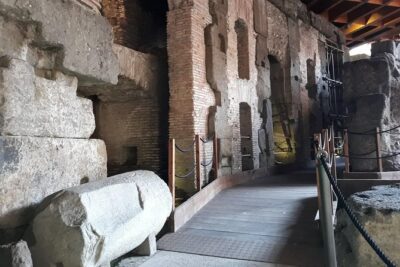
Colosseum Underground & Ancient Rome Guided Tour
Read our review →

Taormina: Ancient Theater Skip-the-Line Ticket & Audio Guide
Read our review →
Discover the Ancient Ruins of Pompeii: Day Trip from Rome
Read our review →
Discover Matera, the ancient city – English tour
Read our review →Browse the lists this tour appears in