
Review · HANOI HISTORY TOURS
Hanoi: Cho Gioi Vietnam War History Walking Tour
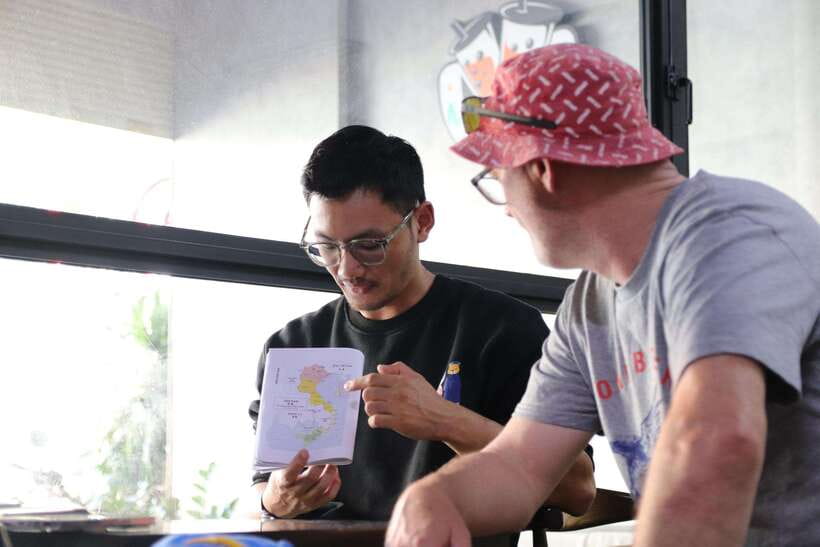
Hanoi’s most revealing war stories are not all inside museums. This three-hour walk follows ordinary streets, a former black-market area, communist-era housing, and the Kham Thiem B52 memorial to explain how division, bombing, and reunification shaped daily life. The conversation-led approach makes difficult history easier to absorb.
I like the access to Cho Gioi and Nguyen Cong Tru Market, places many visitors would pass without understanding. I also like the chance to discuss both northern and southern experiences rather than receiving a one-sided war narrative. Guides Kien and Dung are praised for clear English, humor, and personal insight.
The main consideration is expectation. This is a history walk with a few war-related sites, not a museum-heavy tour or a full survey of military landmarks. You will spend much of the time interpreting neighborhoods and social history, so wear good shoes and come ready to listen.
Key points to know before you book
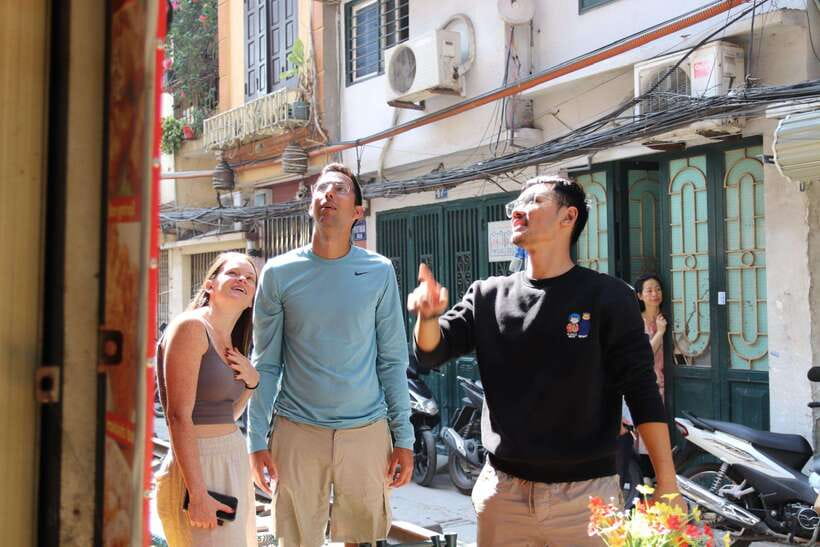
- Cho Gioi puts daily life before famous sights: Explore Hanoi’s old black-market district and hear how trade worked under the planned economy.
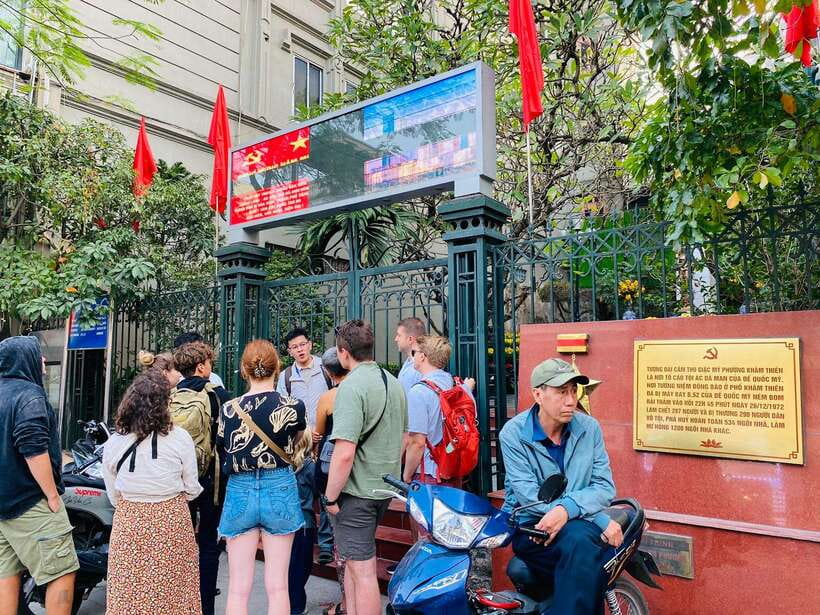
- The Kham Thiem B52 memorial adds a painful physical marker: This stop connects the Christmas bombing campaign with local civilian experience.
- Train Street is the relaxed finish: Sit with coffee or tea, ask questions, and possibly see a train pass.
- Kien and Dung are the guides most often singled out: Their English, humor, and ability to explain complicated history are major strengths.
- A short taxi ride breaks up the walking: The route is not three continuous hours on foot.
- The $29 price includes more than sightseeing: You get a guide, local stories, refreshments, and 20 percent of profit goes to two charitable organizations.
Why this Hanoi history walk feels different
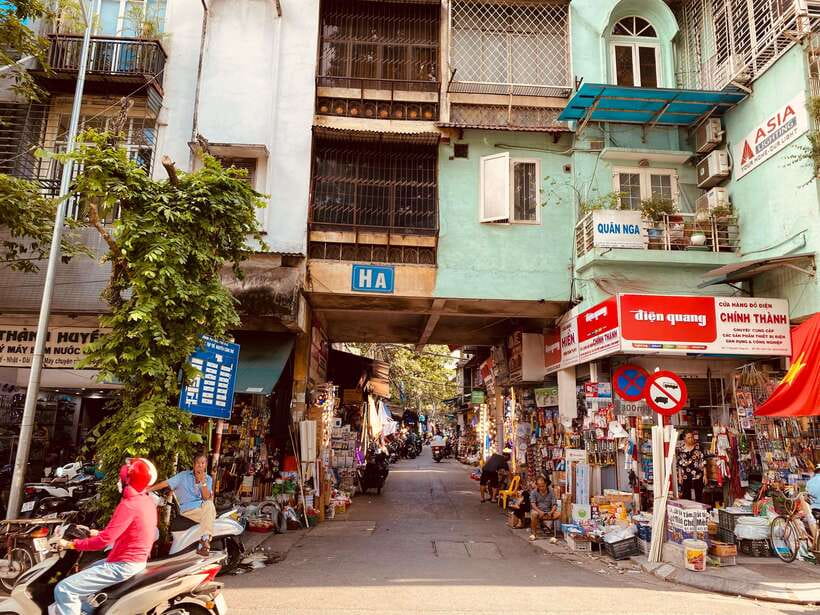
Many Hanoi history tours begin with grand monuments or formal museums. This one begins at street level, around Cho Gioi, a part of Dong Bac that carries clues about trade, scarcity, and life during the years of a planned economy.
That choice matters. Political history can feel distant when it is reduced to dates and battlefield names. Here, the guide connects national events with questions about food, goods, housing, work, family, and movement. You are encouraged to ask questions, so the experience feels like a conversation rather than a classroom talk.
The tour also tries to explain Vietnam as a divided country. You hear about the North and South, communist and anti-communist forces, the Cold War setting, and the path toward reunification. The goal is not simply to label one side right and the other wrong. It is to show how ordinary people were caught inside decisions made by governments and foreign powers.
I would choose this walk early in a Hanoi stay if you want context for the rest of your visit. It can change the way you see housing blocks, markets, memorials, and even the city’s famous train tracks.
More History Walking Tours in Vietnam
- Hoi An: Ancient Town Guided Walking Tour
★ 4.9 · 766 reviews - Hoi An Ancient Town Walking Tour with a Local
★ 5.0 · 517 reviews - Hoi An Ancient Town – Walking Tour with Local Guide
★ 4.9 · 385 reviews
Starting at Chua Vua Street
The meeting point is on Chua Vua Street, about 2.5 kilometers from Hoan Kiem Lake and roughly 3.5 kilometers from Hanoi’s Old Quarter. The directions identify 24B Chua Vua Street, in front of Trường Trung học cơ sở Đoàn Kết, a secondary school. A coffee shop and second-hand bicycle shops are nearby.
The supplied meeting details also refer to 24 P. Chùa Vua, so check the exact pin and address when you reserve. This is a small but useful detail. Do not simply tell a taxi driver Hanoi history tour and expect the right corner.
The starting point places you beyond the usual sightseeing circuit. That is part of the appeal, but it means you should allow time to reach it. You can use a taxi or ride-hailing service from the Old Quarter, but keep the school name and street address ready.
The walk operates rain or shine. Hanoi’s heat, humidity, and sudden rain can make three hours feel longer than expected, so breathable clothing, comfortable shoes, and an umbrella or raincoat are sensible choices.
Cho Gioi and Nguyen Cong Tru Market
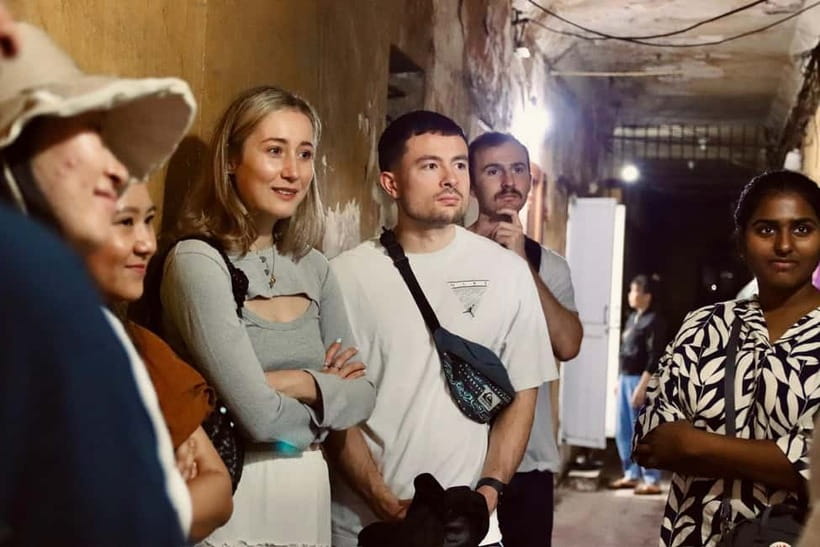
The first major section centers on Cho Gioi and Nguyen Cong Tru Market. Cho Gioi translates roughly as a market associated with goods that were difficult to obtain or outside normal official channels. The area gives the guide a real setting for explaining how people found what they needed under a controlled economy.
You are not just looking at stalls. You are learning how shortages and restrictions affected daily decisions. The market helps explain the resourcefulness of local families and the informal systems that grew around official rules. The guide may also connect this past with present-day Hanoi, showing how older habits and memories continue to influence city life.
The itinerary allows about two hours for sightseeing and the market area, making this the central part of the tour. That is a generous amount of time for a walking experience. You should expect pauses for explanation, questions, local observations, and the occasional food or drink detail rather than a fast march from one photo stop to another.
This section is especially useful if you want to understand Vietnam beyond military history. The war did not exist separately from ordinary life. People still had to find food, repair bicycles, raise children, earn money, and manage uncertain supplies. A market is a better place to discuss those pressures than a polished monument.
The trade-off is that the area may feel ordinary at first glance. If you want dramatic ruins or large exhibits, Cho Gioi may seem understated. Its value comes from the guide’s explanation and from noticing how the neighborhood works. Without that interpretation, you might simply see a market and move on.
The route may also include communist-era housing buildings and a nearby residential area. These details are important because they show how urban life was organized after the country was divided and during the years of state planning. The walk asks you to look closely at places that are easy to ignore.
A short break and taxi ride
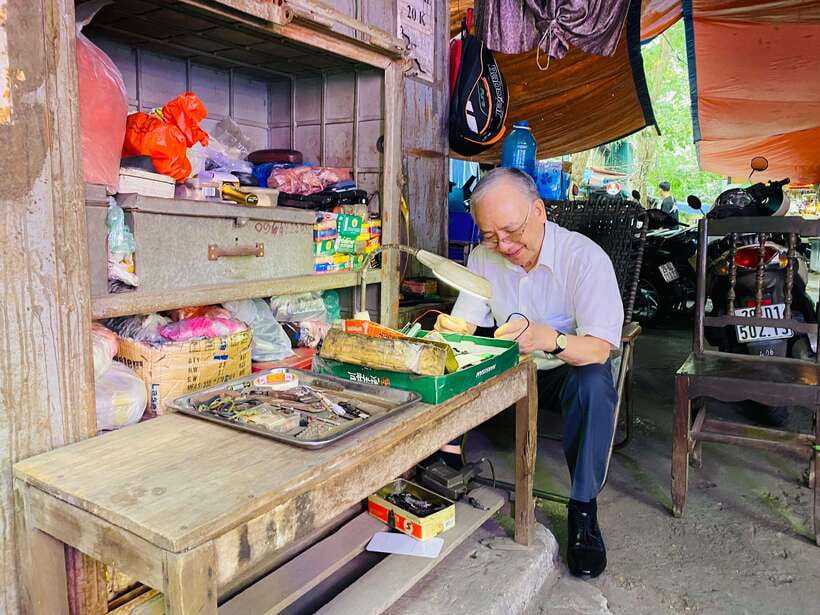
There is a brief rest stop of about 15 minutes, along with a short taxi ride partway through the route. That taxi transfer is practical rather than decorative. It reduces the amount of walking between the market district and the later memorial and railway areas.
The break gives you time to catch your breath, especially in hot weather. Still, this is not a slow café crawl. The tour has a clear three-hour frame, so the main value comes from the guide’s stories and the places on the route.
Bring water even though coffee or tea is included. The supplied information confirms a drink, but it does not promise a full meal. One piece of feedback describes snacks and a lunch or meal near Train Street, but I would treat food beyond the included coffee or tea as an extra possibility, not a guaranteed part of the package.
More Vietnam War and Indochina History Tours in Vietnam:
- Premium Cu Chi Tunnels Tour with Local Expert by SpeedBoat
★ 5.0 · 2,045 reviews - From Ho Chi Minh: Cu Chi Tunnels Half-Day History Tour with Guide
★ 5.0 · 480 reviews - 6 Hours Historical Tour in Cu Chi Tunnel with Free Snack
★ 5.0 · 312 reviews - Cu Chi Tunnels Guided Tour: Vietnam War History Half-Day
★ 4.6 · 189 reviews
The Kham Thiem B52 memorial
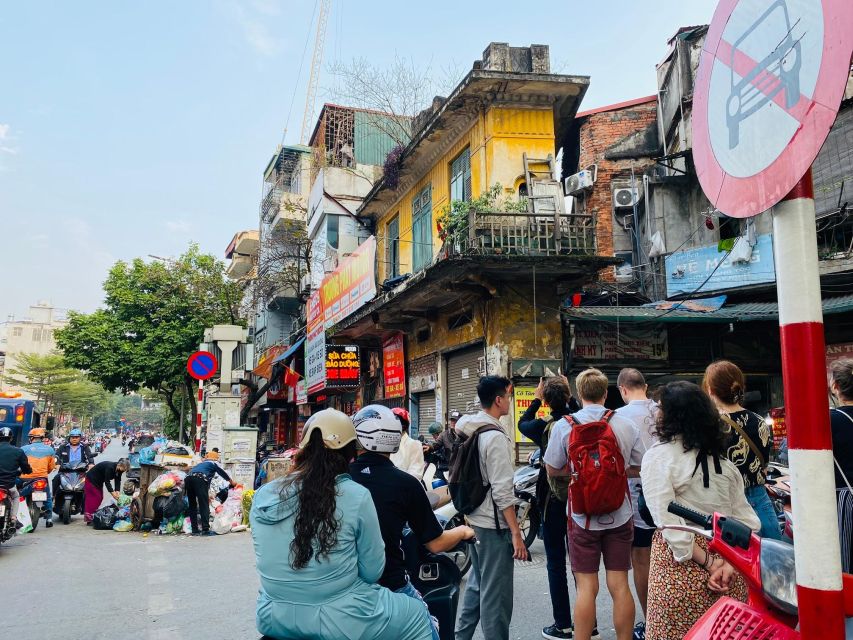
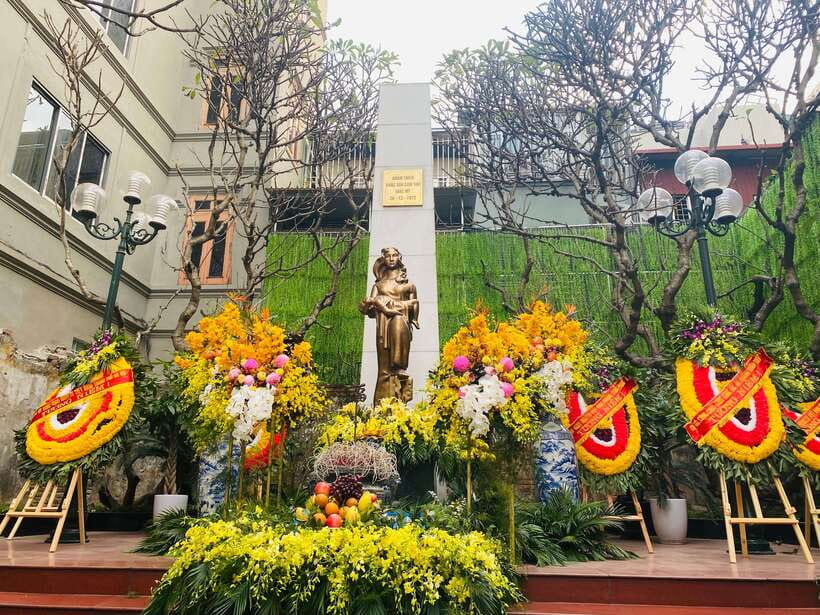
The Kham Thiem B52 memorial is the tour’s clearest war memorial stop. It recalls the bombing of the Kham Thien area during the Christmas bombing campaign and gives the guide a place to discuss civilian loss and the effect of air raids on Hanoi.
This is where the broad political story becomes local and personal. You can ask how residents experienced the bombing, how neighborhoods recovered, and how memories of the war remain part of family and national identity. The site is not presented as an isolated monument. It fits into the larger account of a city trying to survive years of conflict.
The memorial may be modest compared with a major museum. That is not a weakness if you want a local viewpoint, but it is worth knowing before booking. One person who enjoyed the tour still wished for more war-related sights. That is a fair caution. The experience uses the memorial as one chapter in a wider social history, not as the main attraction for the entire afternoon.
If your main goal is military equipment, battlefield strategy, or a large collection of wartime artifacts, choose a museum visit alongside this walk. If you want to understand what war meant for Hanoi residents, the Kham Thiem stop earns its place.
Finishing near Hanoi Train Street
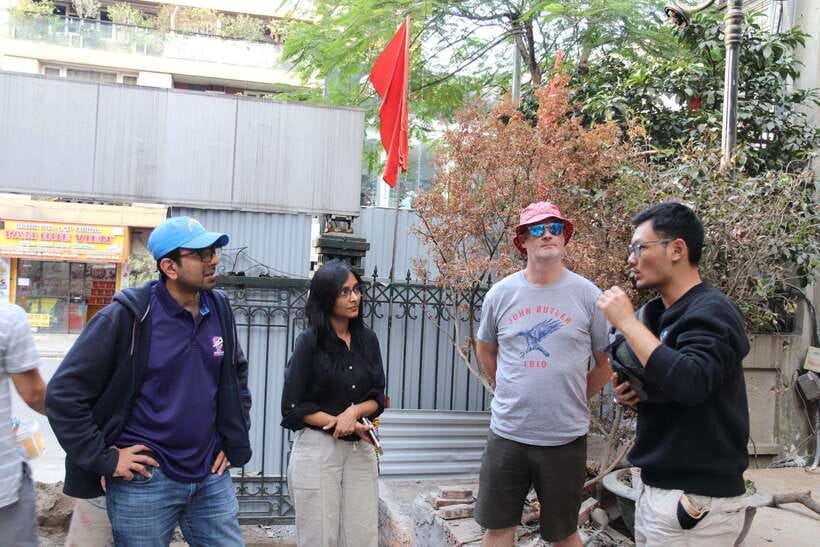
The final stop is listed as 65 Railway Coffee, also called 65 Coffee, near Hanoi Train Street. Here, the pace changes. After the market and memorial, you can sit down with coffee or tea and continue the discussion in a more relaxed setting.
Train Street is famous, but the tour aims to use it as more than a photo backdrop. The guide can connect the railway corridor with modern Hanoi, explain what you are seeing, and answer questions left over from the earlier stops. The quieter section described for this route may feel less hectic than the most photographed parts of the railway area.
A train may pass during your visit, but do not book this experience solely for that moment. Train timing is not guaranteed in the supplied information. The history conversation is the dependable part of the stop.
There is also a practical end-point detail to check. The itinerary identifies 65 Railway Coffee as the finish, while the meeting information says the activity ends back at the meeting point. Confirm the final location when booking, especially if you are arranging a museum visit or dinner immediately afterward.
One useful nearby plan is the Hoa Lo Prison, often called Maison Centrale, which can be visited after the walk according to the route information. The tour itself does not include that museum, so treat it as a separate stop and allow time for transport and entry.
The guides: Kien and Dung
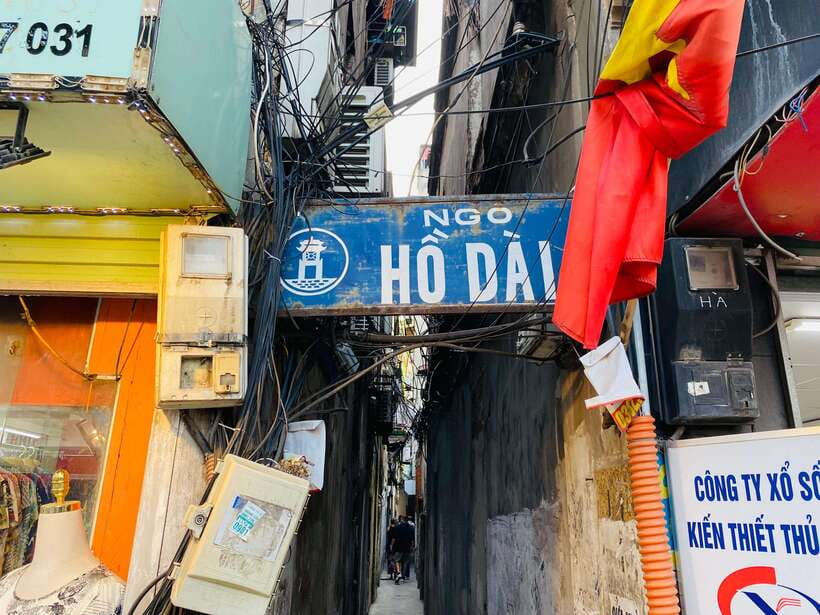
The guide can make or break a history walk, and this one has a strong record in that area. Kien is repeatedly praised for his clear English, engaging manner, humor, and ability to explain Vietnam from early twentieth-century events through the war and into the present day.
Kien’s background includes time living in the United States and Ireland, which may help explain why international visitors find his English easy to follow. He is also described as bringing family or personal connections into the discussion. That can add emotional weight to the material while still leaving room for questions and different viewpoints.
Dung is another guide associated with the experience. She is described as passionate and well prepared, with a talent for bringing places to life through stories. You may not be able to select a particular guide, so book for the route and approach rather than assuming Kien or Dung will lead every departure.
The strongest feature is the tone. The tour is designed as a relaxed exchange, not a formal lecture. That suits a complicated subject, since you can ask about terms, politics, family experience, or modern life as they arise.
Is $29 a fair price?
At $29 per person, the value is good if you want interpretation rather than simple transport between sights. The price includes an English-speaking guide, local war stories, coffee or tea, and the short taxi ride. It also supports a stated donation of 20 percent of profit to the Vietnam Association for Victims of Agent Orange/Dioxin and the Blue Dragon Children’s Foundation in Hanoi.
The tour lasts three hours, so you are paying for sustained conversation and access to places outside the standard sightseeing route. A private guide would normally cost more, while a large group tour might cost less but offer less room for questions. The exact group size is not given, so ask if that matters to you.
Value depends on your interests. For a first-time visitor who wants only Hanoi’s famous sights, this may feel like a detour. For someone curious about society, politics, family memory, and the effects of war, it offers much more than a quick monument visit.
Free cancellation up to 24 hours before the start and the option to reserve without paying immediately add useful flexibility. The tour runs in all weather, so check the forecast the day before and plan your clothing accordingly.
Who should book this experience?
I would recommend it to history buffs, curious first-time visitors, solo visitors, and families with older children who can follow a sustained discussion. One family found that a 10-year-old child stayed engaged, and a stroller was used by someone in the group, but the route is still a walking activity with heat, traffic, and uneven urban conditions to consider.
It also suits anyone who has already seen Hanoi’s main monuments and wants a different angle. The experience gives you a better sense of how the city’s ordinary districts connect with national events.
You may want to skip it if you need a highly visual military tour, a fixed list of famous war sites, or a tightly scripted itinerary. The walk is strongest when you enjoy asking questions and looking at everyday places with fresh context.
Should you book the Cho Gioi Vietnam War History Walking Tour?
Book it if you want to understand Hanoi through markets, housing, memorials, and personal stories rather than through grand buildings alone. The guide’s role is central, and Kien or Dung can turn a modest street corner into a useful lesson about scarcity, division, bombing, and reunification.
Do not book it expecting three hours of war monuments. The route gives you one major memorial and plenty of social history. That balance is exactly why I would choose it for a thoughtful Hanoi itinerary, especially early in your stay, but it may not satisfy someone focused only on battle sites and military hardware.
FAQ
How long does the Hanoi Cho Gioi Vietnam War History Walking Tour last?
The tour lasts about three hours. A short taxi ride is included during the route.
Where does the tour begin?
The meeting point is on Chua Vua Street, identified as 24B Chua Vua Street in front of Trường Trung học cơ sở Đoàn Kết. The directions also refer to 24 P. Chùa Vua, so confirm the exact address when booking.
Which places are included?
The route includes the Cho Gioi area, Nguyen Cong Tru Market, the Kham Thiem B52 memorial, and Hanoi Train Street near 65 Railway Coffee.
Is the tour conducted in English?
Yes. The activity includes a live English-speaking guide. Kien and Dung are among the guides associated with the experience.
What is included in the price?
The $29 price includes the guide, stories about local life during the war, coffee or tea, and a short taxi ride.
What should I bring?
Wear comfortable shoes and breathable clothing. Since the tour operates rain or shine, bring an umbrella or raincoat if the forecast calls for rain.
Newest history tours we have reviewed in Vietnam
- Da Nang to Hoi An ancient town by private transfer★ 5.0 · 36 reviews
- Hoi an Coconut Boat & Hoian ancient Town Tour From Danang orHoian★ 5.0 · 27 reviews
- Explore Hoi An ancient town and local villages with a local guide★ 5.0 · 18 reviews
- Hoi an Coconut Boat & Hoi an Ancient Town(Option Marble Mountain)★ 4.5 · 86 reviews
- Hoi an Coconut Boat & Hoi an Ancient Town From Da nang or Hoi an★ 5.0 · 26 reviews
- My Son Sanctuary And Hoi An Heritage Full-day Tour★ 4.5 · 25 reviews
- Private HoiAn Ancient Town Night Market Street food tour by Night★ 5.0 · 19 reviews
- Hoi An Ancient town -Marble Mountains Tours FROM DANANG(15H30-21H★ 4.5 · 84 reviews
Vietnam War & Indochina History Tours, compared.

Premium Cu Chi Tunnels Tour with Local Expert by SpeedBoat
Read our review →
From Ho Chi Minh: Cu Chi Tunnels Half-Day History Tour with Guide
Read our review →
6 Hours Historical Tour in Cu Chi Tunnel with Free Snack
Read our review →
Cu Chi Tunnels Guided Tour: Vietnam War History Half-Day
Read our review →
Private Cu Chi Tunnels Tour – Explore History & Off-the-path Local Sites
Read our review →Browse the lists this tour appears in