Review · TOURS
Historical Salalah City Tour
Salalah’s story comes together through frankincense, faith, and royal history. This half-day outing links Sultan Qaboos Mosque, the palace area, Al Hosn Souq, the Al Baleed Museum, and fruit stalls into one useful introduction to Dhofar. I like that you get both major sights and ordinary local life, including a fresh coconut drink at the end.
I also like the English-speaking local guide and newer vehicles with comfort features. Guides named Salem, Amin, and Rashid have led this experience, and the strongest praise focuses on clear explanations, friendly service, and good answers to questions. The main caution is timing: the published half-day format can feel short, with one reported outing lasting about 2.5 hours at stops plus roughly an hour of hotel transfers.
Key points to know before booking
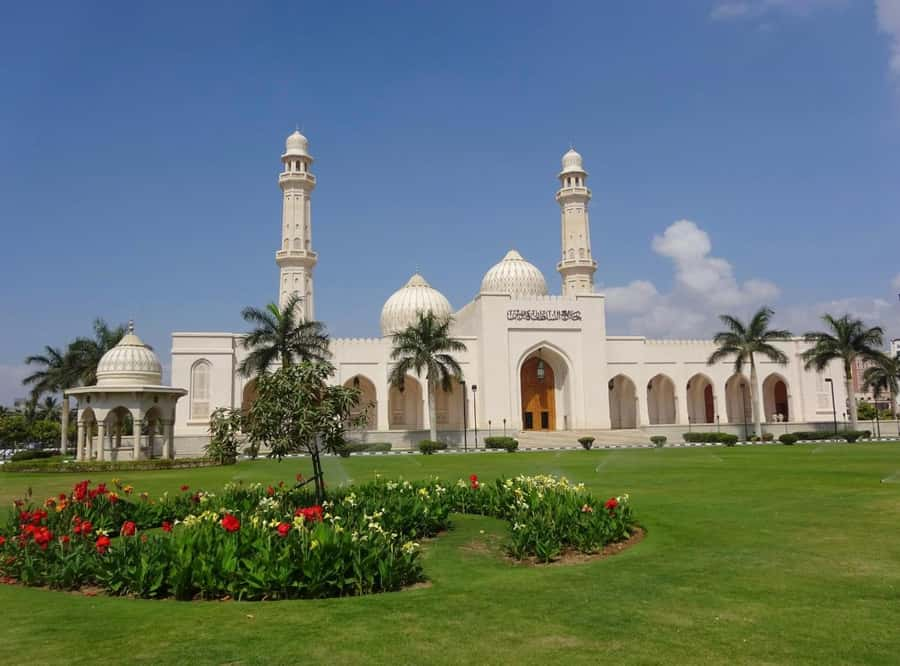
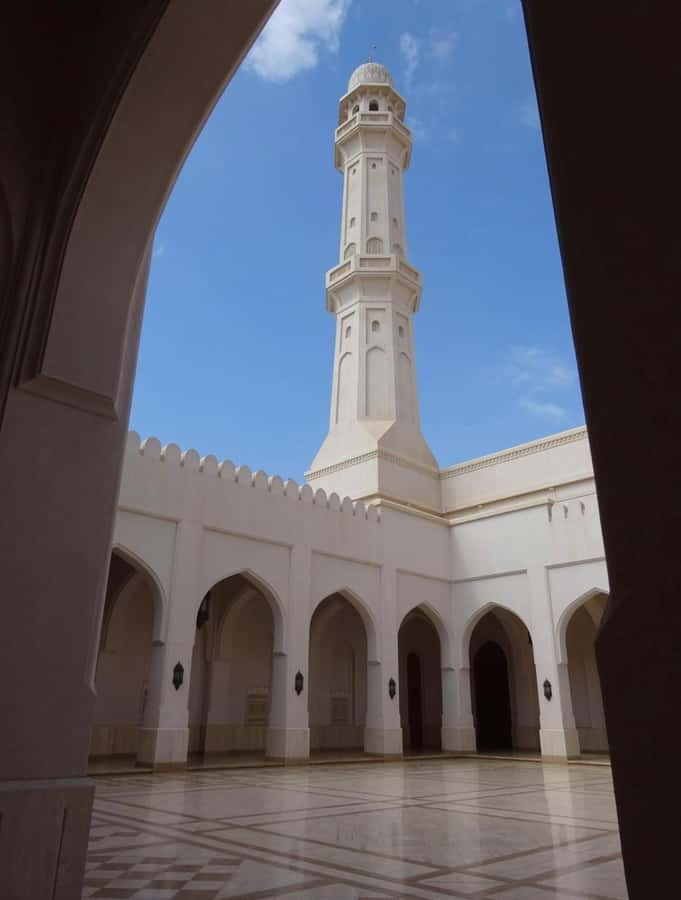
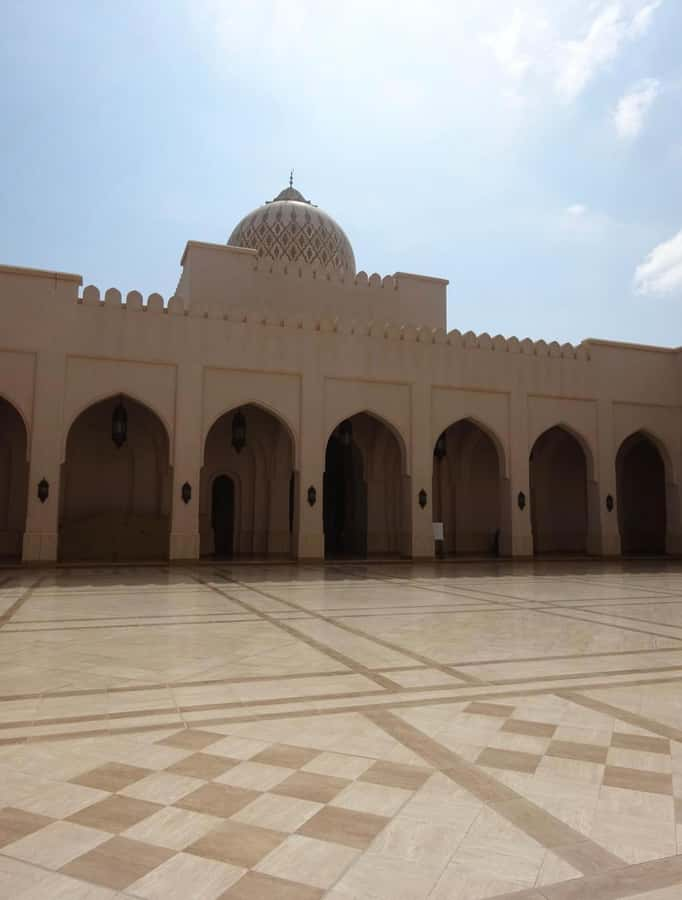
- Sultan Qaboos Mosque: Open to non-Muslim visitors Saturday through Thursday from 8:30 to 11:00, with strict clothing rules.
- Al Baleed Museum: Combines an archaeological site with the Museum of the Land of Frankincense and Oman’s wider story.
- Al Hosn Souq: Shop for frankincense, handmade gifts, and local products in Salalah’s oldest market area.
- Royal Salalah: See Sultan Qaboos Palace from outside, with time for photographs and a short explanation.
- Fruit and coconut stop: Finish with a free coconut drink and a drive through plantations and fruit shops.
- Price and pace: At $104 per person, the tour makes most sense if you value private transport, a local guide, and several stops in one outing.
Why this Salalah tour works as a first look at Dhofar
Salalah is more than a resort base or a stop on an Oman itinerary. It is the main city of Dhofar, a region tied for centuries to frankincense production, Indian Ocean trade, Islam, and the seasonal khareef rains. This tour gives you a quick way to connect those pieces.
You are not spending half a day at one attraction. Instead, the route moves between a mosque, a royal landmark, a traditional market, a museum, and agricultural areas. That variety is the main strength of the experience. You get a sense of how Salalah functions today, while also seeing the older trade story that made Dhofar famous.
I would use this as an orientation tour near the start of your stay. It helps you recognize the city and decide where you want to return later. If you already know Salalah well, the schedule may feel more like a convenient sightseeing transfer than a full historical study.
The tour is conducted in English, and the guide is meant to explain local traditions and religion as you go. The strongest guide feedback centers on courtesy, clear English, and detailed answers. That matters at places such as the mosque, where a few simple facts about prayer and local customs can make the visit feel less formal and more understandable.
More History Tours in the world:
- New York City: American Museum of Natural History Ticket
★ 4.5 · 15,447 reviews - History and Hauntings of Salem Guided Walking Tour
★ 5.0 · 14,564 reviews - Colosseum: Underground and Ancient Rome Tour
★ 4.7 · 12,691 reviews
Sultan Qaboos Mosque requires careful planning
The mosque is usually the first major stop, and it is also the stop that needs the most preparation. Visiting hours for this experience are Saturday through Thursday from 8:30 to 11:00. The mosque is closed on Fridays.
Your clothing must be modest and fully covering. Bring long sleeves, long pants, and a scarf. Shorts, short skirts, tight clothing, and see-through clothing are not allowed. Women need a scarf as well as long sleeves and pants, while men also need to avoid unsuitable casual clothing.
This is not a place to treat the dress code as a minor suggestion. If you arrive unprepared, the visit may be limited or impossible. Pack the scarf before leaving your hotel, not at the bottom of your luggage.
The guide explains local religious customs and how prayer takes place. Expect some free time inside rather than a long, formal lecture. One reported schedule allowed about 20 minutes to look around after the guide’s introduction. That can be enough for a calm visit, but it will not satisfy you if you want an architectural study with extensive detail.
The mosque stop is especially useful for first-time visitors to Oman. It gives you a respectful introduction to Islamic practice and helps you understand why clothing, behavior, and photography need care. Follow the guide’s instructions and treat the setting as a place of worship first and a sightseeing stop second.
Sultan Qaboos Palace and the royal side of Salalah
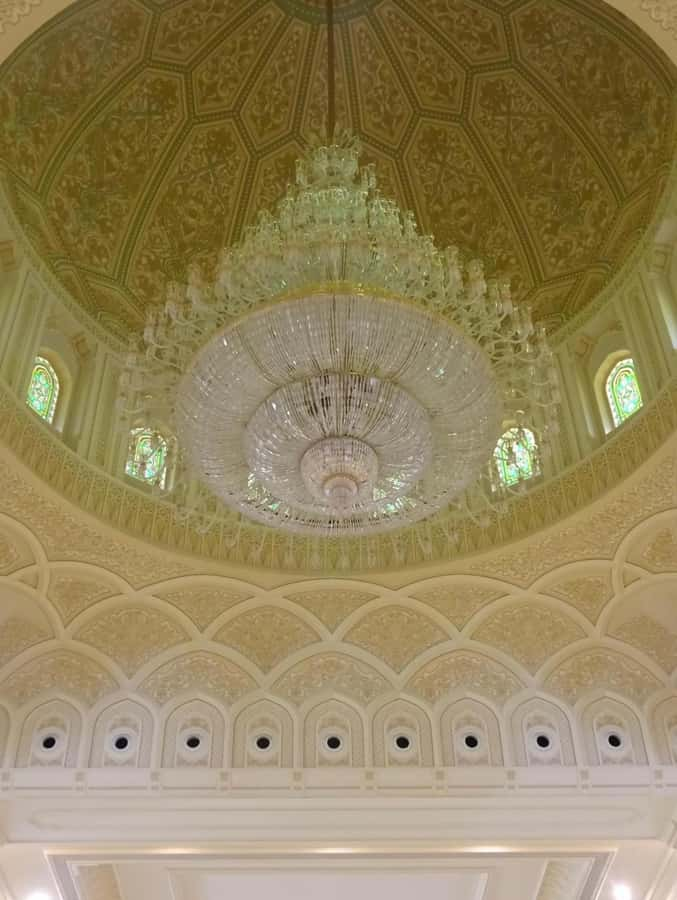
After the mosque, the route passes Sultan Qaboos Palace, also referred to as Al Hosn Palace in the tour description. You see it from outside and stop for photographs rather than entering.
The palace has a personal connection to the city: Sultan Qaboos was born in Salalah in 1940. The guide may explain his role, his successor, and the royal emblem. This short stop helps place modern Oman in a local setting, especially if you know little about the country’s recent history.
Keep your expectations realistic. This is a photo stop, not an interior palace tour. You will not get rooms, gardens, or a long visit inside the compound. The value lies in the location, the explanation, and the chance to connect Salalah with Oman’s former ruler.
The route also passes Al Nahdah Tower. It is another reminder that this is a city tour rather than a single-site museum visit. You see a mix of royal, civic, commercial, and residential Salalah from the vehicle, with the guide adding context along the way.
Frankincense shopping at Al Hosn Souq
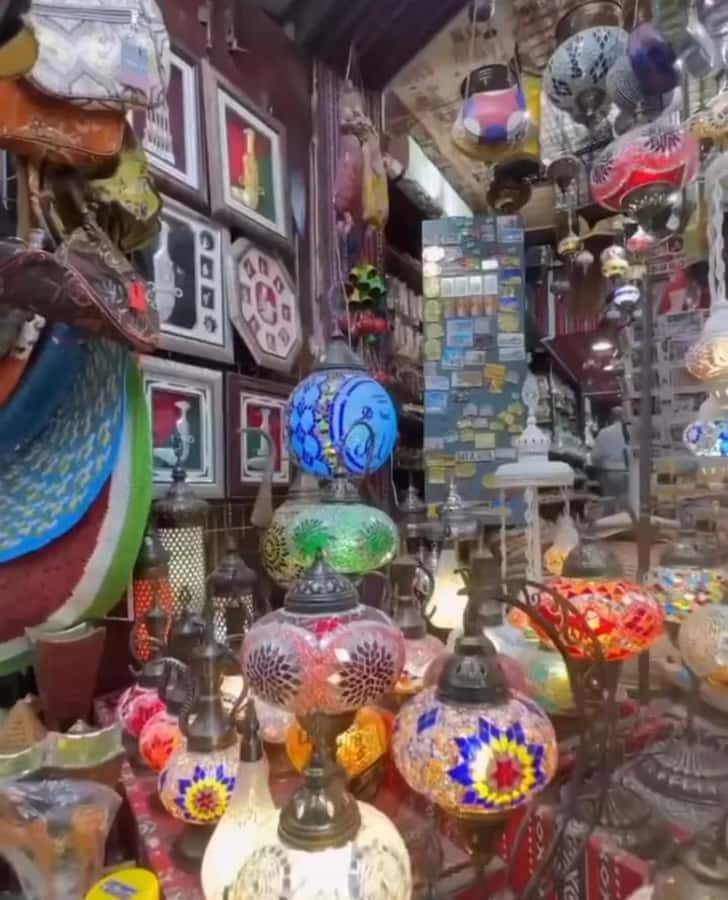
Al Hosn Souq, also called Haffa Souq in the itinerary, is one of the most atmospheric parts of the route. It is known for frankincense and local handmade gifts, and it offers a direct link to Dhofar’s trading past.
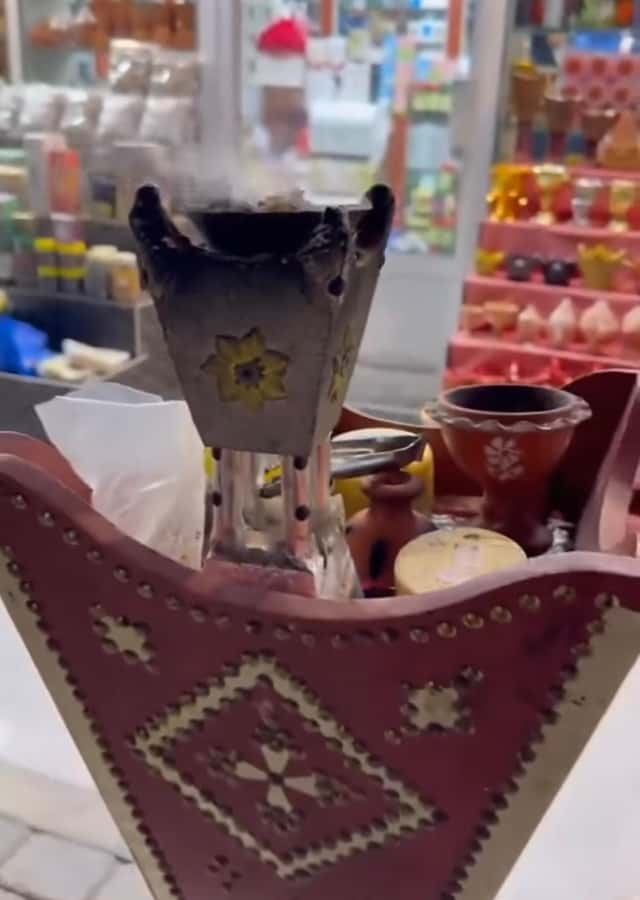
Frankincense is not simply a souvenir here. Dhofar has long been associated with the resin, which is collected from frankincense trees and burned for its scent. At the souq, you can see the product in a setting where it remains part of everyday commerce.
The stop includes time to browse, and tea may be offered. You may want to ask the guide about the different grades, uses, and forms of frankincense before buying. If you are shopping, compare prices and take your time. A short guided stop is helpful for orientation, but you may need to return later if you want a careful purchase.
The market also sells handmade gifts, so it is a good place to find something tied to Oman rather than a generic airport souvenir. Still, shopping time can be limited. One reported itinerary allowed around 15 minutes of free time, which is enough for a quick look but not a relaxed buying session.
For me, this stop carries more local character than a standard shopping mall. It also shows why the guide’s role matters. Without context, frankincense can look like a small bag of scented resin. With an explanation, it becomes part of Dhofar’s economy, customs, and identity.
Same streets, a different century:
- Lisbon: History, Stories and Lifestyle Walking Tour
★ 4.8 · 10,902 reviews - London Small Group Tour of Historical Pubs
★ 5.0 · 10,422 reviews - Prague: Oldtown, Medieval Underground & Dungeon History Tour
★ 4.3 · 10,277 reviews - Charleston’s Old South Carriage Historic Horse & Carriage Tour
★ 5.0 · 10,023 reviews
Al Baleed and the Museum of the Land of Frankincense
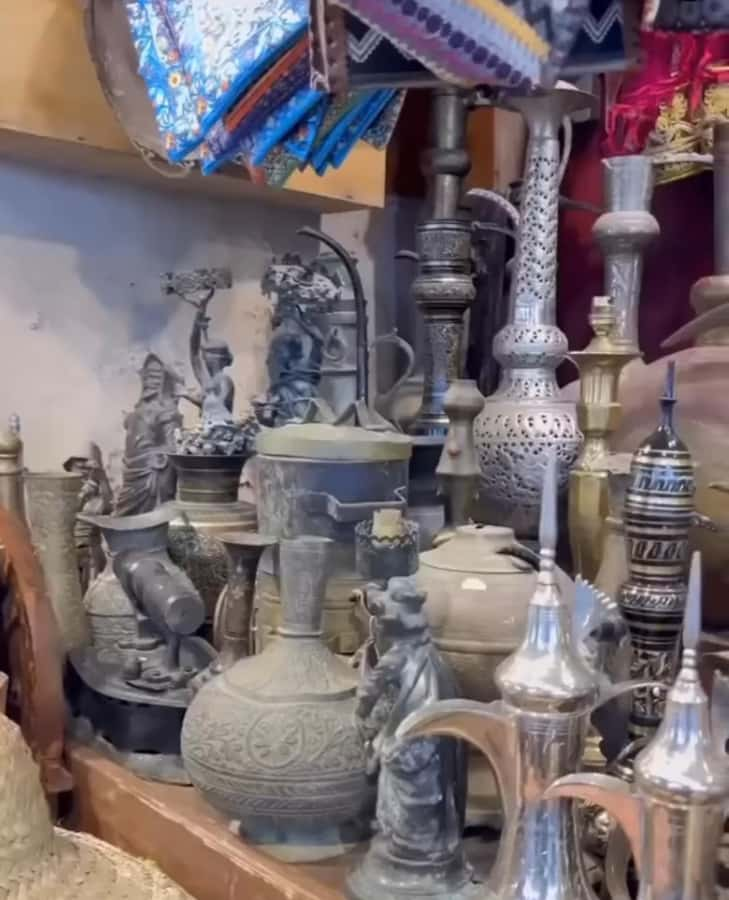
The historical center of the tour is Al Baleed, a UNESCO World Heritage site. Here you visit the Museum of the Land of Frankincense and the archaeological area connected with it.
The museum helps explain Oman’s story from early trade through the modern period. You can learn about the development of Oman itself, the role of frankincense, and the difference between older and modern Oman. This is where the tour gains much of its historical value.
The visit is partly guided and partly self-directed. The guide provides an introduction, then you have time to read and look around. That arrangement works well if you like to move at your own speed, though it may disappoint you if you expect the guide to explain every display personally.
One important point is that the museum stop may be shorter than the site deserves. The tour is trying to cover much of Salalah in half a day, and the route may move on after a limited period. If Al Baleed is your main reason for visiting, I would plan a separate return visit if your schedule allows.
Even with limited time, the museum gives the tour a needed backbone. The souq shows frankincense as a product. Al Baleed explains the wider trade network and the place of Dhofar in Oman’s past. Seeing both in one route makes the subject easier to grasp.
Salalah’s fruit markets and coconut plantations
The final part of the outing shifts from archaeology and royal history to food and farming. You drive through fruit plantations and shops, with Ain Razat mentioned as part of the route. The tour ends with a free coconut drink at a Salalah fruit market.
This is a welcome change of pace. Salalah is known for coconut, bananas, papayas, and other tropical produce, and the plantations show a side of Dhofar that a museum cannot. You see how the city’s warm climate supports local agriculture and how fruit markets fit into daily life.
The coconut drink is a small inclusion, but it gives the final stop a local feel. It is not a full food tour, so do not book this expecting several tastings or a long market visit. The experience offers one drink and a look at fruit shops and plantation areas.
Ain Razat is included in the route description, but the precise time spent there is not clearly set out. It may be a drive-by or a short stop depending on the day’s schedule. Ask your guide early if you particularly want time in the plantation area.
This part of the itinerary also shows why a vehicle helps. Salalah’s sights are spread out, and a comfortable modern vehicle lets you cover religious, historical, commercial, and agricultural stops without arranging separate taxis.
Guide quality can shape the whole experience
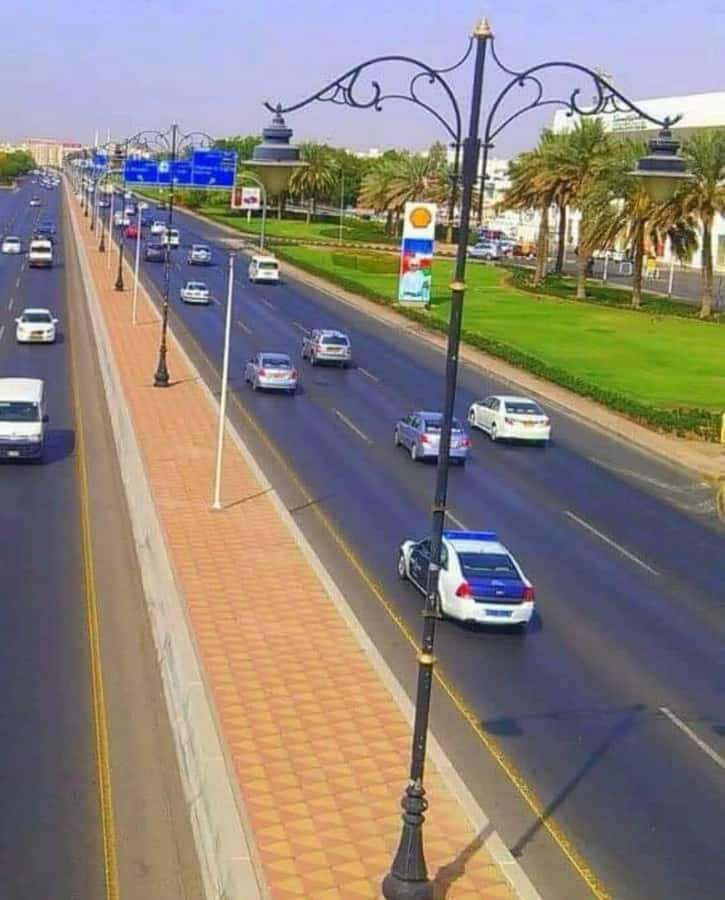
The route is straightforward, but the guide makes a major difference. The best version of this tour gives you useful context at each stop, answers questions, and keeps the pace comfortable. The strongest guide feedback names Salem, Amin, and Rashid, with particular praise for clear English, local knowledge, courtesy, and thoughtful explanations.
Amin is described as being from Salalah, which is useful because local background can add detail about the city that a general guide may not provide. Salem is praised for being well prepared and for giving visitors time at the main sights. Rashid is associated with a tour where every question received an answer.
Guide assignment can vary, so you should not assume you will get one particular person. Still, the pattern is clear: this experience is at its best when the guide explains rather than simply drives.
There is also a weaker side to consider. One outing was described as having limited explanation at some stops, long periods of free time, and an early push toward the return journey. That suggests the actual quality can depend on the individual guide and the day’s schedule.
If you want a highly structured historical tour, make your priorities clear at the start. Tell the guide that you want context at the mosque, palace, souq, and museum. Ask how long you will have at each stop. A short conversation can help prevent the day from becoming mostly driving and brief photo stops.
Is $104 per person good value?

The price is $104 per person. That is not a budget city walk, especially if you are traveling as a couple or family. The value comes from the combination of transport, an English-speaking local guide, several major stops, and a coconut drink, rather than from any one attraction.
I would see it as reasonable for someone who wants one organized introduction to Salalah and does not want to arrange taxis between scattered sights. The newer vehicles and comfort options also matter if you are covering several locations in warm weather.
The value is weaker if you mainly want to visit Al Baleed or shop at the souq. You could prefer a longer visit to one site, or a private arrangement with more control over timing. The tour can also feel expensive if the active sightseeing lasts only around 2.5 hours and the rest is hotel transfer time.
Group size is not clearly specified. One reported outing had only two participants plus the driver, which made the transport comfortable but also meant the guide’s style had a large effect on the experience. Before booking, ask about the expected group size and how much time is planned at each stop.
The flexible booking terms help reduce the risk: you can reserve and pay later, and cancellation is available up to 24 hours ahead for a full refund. Keep an eye on the mosque hours when choosing your date, since a Friday booking cannot include that visit.
Who should book this Salalah city tour?
I would recommend it to you if this is your first time in Salalah and you want the city explained in one compact outing. It suits visitors who value a local English-speaking guide, air-conditioned transport, and a mix of culture, shopping, history, and food.
It is also a good fit if you have limited time in Dhofar. The route covers the main themes of the city without requiring you to plan separate transport to the mosque, palace area, souq, museum, and fruit market.
Families and older visitors may appreciate the vehicle and the short walking sections. The tour does not ask you to spend the whole day on foot, and the stop-by-stop format allows you to see a lot without a long trek between sights.
I would be more cautious if you want a slow, scholarly museum visit, a serious shopping session, or a full plantation experience. The itinerary is broad, and breadth means some stops receive only a short explanation and limited free time.
Final booking advice
Book this tour if you want a well-rounded first introduction to Salalah and prefer having transport and explanations handled for you. The mosque, Al Hosn Souq, Al Baleed Museum, palace photo stop, and coconut market create a useful picture of Dhofar in a short period.
Before you go, wear the required clothing, carry a scarf, and confirm the pickup time, group size, stop lengths, and expected total duration. If the operator can assure you of a full half-day schedule and a guide who explains each stop, $104 can be fair value. If the outing is likely to be brief, consider using the money for a longer private visit to Al Baleed and the souq instead.
FAQ
How long is the Historical Salalah City Tour?
It is advertised as a half-day city tour. The actual schedule can vary, and one reported outing included about 2.5 hours at stops plus roughly one hour of hotel transfers.
What language is the tour offered in?
The tour is offered in English with a local English-speaking guide.
Which sights are included?
The route includes Sultan Qaboos Mosque, Sultan Qaboos Palace from outside, Al Hosn Souq, the Museum of the Land of Frankincense at Al Baleed, fruit plantations and shops, Salalah’s fruit market, and a coconut drink.
When can I visit Sultan Qaboos Mosque?
The mosque is open for this visit from Saturday through Thursday, from 8:30 to 11:00. It is closed on Fridays.
What should I wear to the mosque?
Bring a long-sleeved shirt, long pants, and a scarf. Shorts, short skirts, tight clothing, and see-through clothing are not allowed. Women need a scarf and full covering, and men must also wear suitable covered clothing.
Is Sultan Qaboos Palace open to tour participants?
The palace is visited from outside for a photo stop. The tour does not include an interior palace visit.
Can I cancel the booking for a refund?
You can cancel up to 24 hours in advance for a full refund. You can also reserve the tour and pay later.
Newest history tours we have reviewed in the world
- Chocolate history workshop Ghent★ 5.0 · 34 reviews
- Bicycle tour in historic Ghent★ 5.0 · 87 reviews
- Gettysburg Historic Downtown Food Tour By Junket★ 4.5 · 36 reviews
- Skip the Line: Gettysburg Heritage Center and Museum Admission Ticket★ 4.5 · 203 reviews
- The Historic Welty House Ghost Hunt with Equipment★ 4.5 · 91 reviews
- Genoa Food, Wine Tasting & History Walking Tour★ 5.0 · 212 reviews
- Genoa Day Tour: 4 hours of History with Focaccia , Prosecco & Joy★ 5.0 · 41 reviews
- 2 Hours Private Historical Tour in Genoa★ 5.0 · 248 reviews
Tours, compared.

History and Hauntings of Salem Guided Walking Tour
Read our review →
Colosseum: Underground and Ancient Rome Tour
Read our review →
Oldtown, Medieval Underground & Dungeon History Tour
Read our review →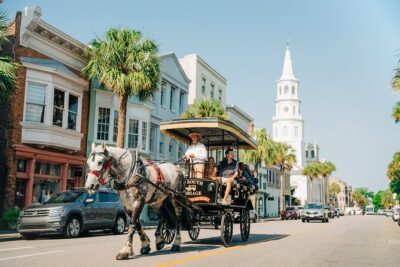
Charleston’s Old South Carriage Historic Horse & Carriage Tour
Read our review →
Edinburgh Castle Guided History Tour with Tickets
Read our review →