
Review · JAIPUR HISTORY TOURS
Heritage Walk & Street Food Tasting in Jaipur
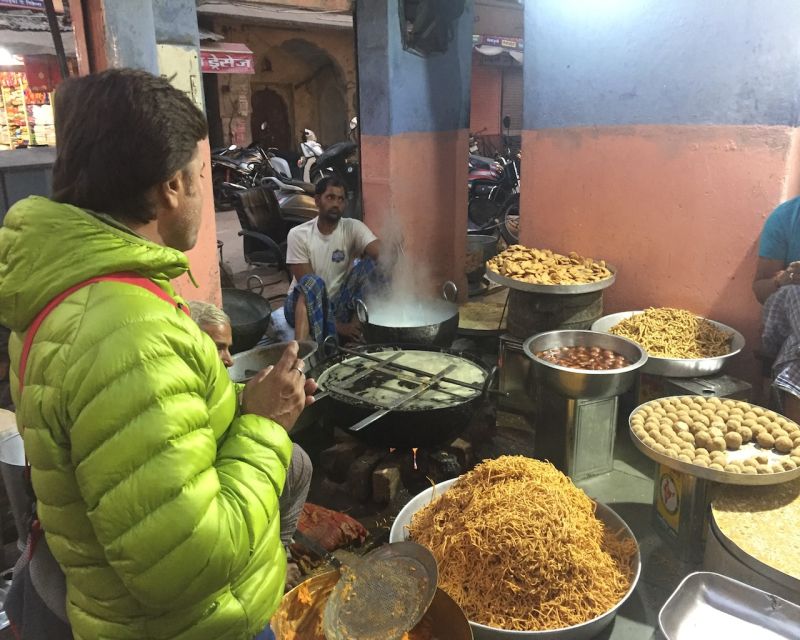
Jaipur’s best food is often found beyond the grand palaces. This three-hour walk takes you from Golcha Cinema through old-city lanes, local markets, temples, artisan workshops, and small food shops where you can try samosa, kachori, sweets, and masala chai. I like that the food comes with a clear sense of place, not just a string of snacks.
I especially like the small group of up to 10 people, which gives guides such as Vivek, Raj, and Kumar room to answer questions and adjust the pace. I also like the no-shopping-agenda approach: the focus stays on food, neighborhood life, architecture, and crafts. The main consideration is pace. Three hours of walking through crowded lanes is not suitable for wheelchair users, and you should arrive ready for heat, uneven streets, and plenty of food.
Key points at a glance
- About 15 tastes are possible: Some recent tours included around 15 food items at six stops, so arrive hungry.
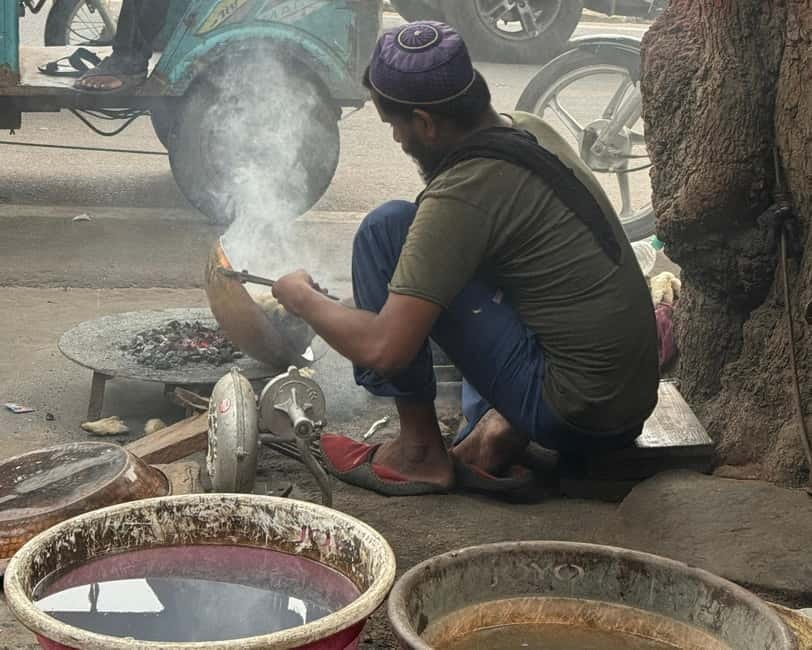
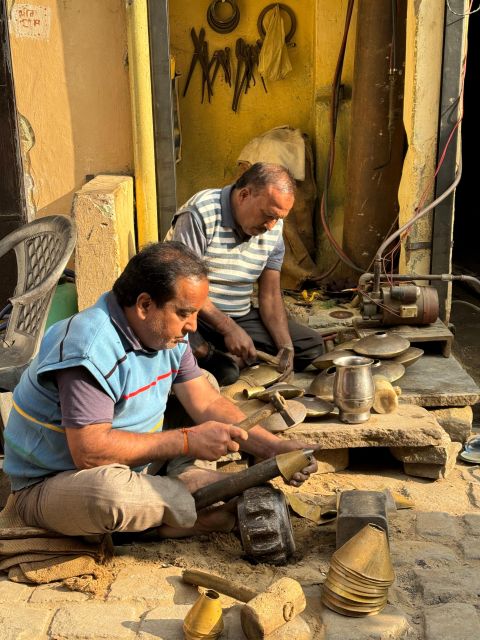
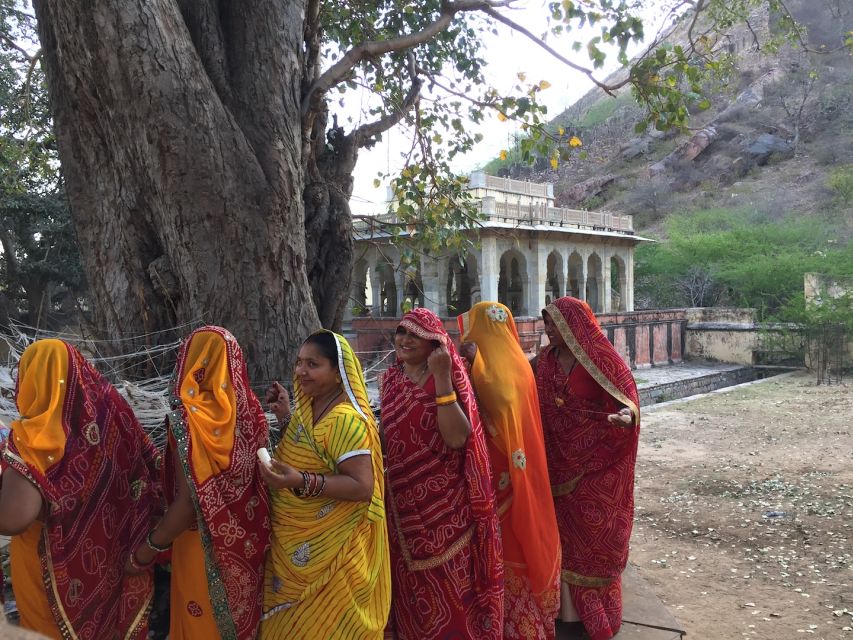
- The route reaches local neighborhoods: Expect back lanes, the Thathera metalworkers’ quarter, a temple, and a community well.
- Guides make the difference: Vivek, Raj, Kumar, Pushpendra, and Sam are among the guides named in recent bookings.
- Food and history share equal billing: You learn about recipes, trade, religion, architecture, and Jaipur’s old city.
- The price is modest: At $21 per person, the tour offers a lot for three hours, especially if you value local access.
- Plan for walking: Comfortable shoes, modest clothing for temple visits, sunscreen, and personal medication are sensible.
Why this Jaipur walk feels different
Many Jaipur sightseeing trips move from one major monument to another by car. This one slows you down and puts you at street level. You pass through the old walled city on foot, entering narrow gullies and market lanes that can be difficult to understand on your own.
The food is the hook, but the neighborhood is the real subject. You see fresco-painted houses, geometric street planning, entry gates, shops, temples, craftsmen, and ordinary local activity. A guide can explain what you are looking at while you stand there, rather than leaving you to guess from a passing tuk-tuk.
The guides also seem to shape the experience. Vivek is frequently praised for his calm manner, local connections, clear explanations, and care with solo visitors. Raj and Kumar are also named as friendly, flexible guides who explain both food and local history. Your guide may differ, but the format depends on having someone who can read the group and make the old city feel manageable.
I would book this early in your Jaipur stay. It helps you understand the layout of the Pink City, introduces foods you can return to later, and gives you useful context before visiting larger sights such as City Palace or Jantar Mantar.
More History Walking Tours in India
- Fontainhas Heritage Walk by Make It Happen
★ 5.0 · 2,834 reviews - The Great Indian Food Tour: Old Delhi Food and Heritage Walk
★ 5.0 · 1,698 reviews - Old Goa Heritage Walk by Make It Happen
★ 5.0 · 797 reviews
Golcha Cinema to Chaura Rasta
The meeting point is the entry gate of Golcha Cinema. From there, the walk heads toward Chaura Rasta, one of the old city’s active commercial streets. The first section lasts about 45 minutes and combines walking, tea, street food, and an introduction to the city.
This is where the tour begins to show its character. Instead of rushing straight to a famous sight, you start with the everyday city: shops, pedestrians, signs, food counters, and buildings whose details are easy to miss. Your guide explains how Jaipur’s planned streets and entry gates relate to the life of the old city.
A local tea stop usually includes masala chai, and the first savory bites may include samosa or kachori. These foods are filling, so pace yourself. You do not need to eat every portion in full, especially if you are also eager to try sweets later.
If you are cautious about street food, this is a useful setting because your guide chooses the stops and explains what you are eating. Still, food tolerance is personal. Tell the guide about allergies, dietary limits, spice concerns, or stomach problems before the tasting begins. One guest with low spice tolerance and IBS reported being able to enjoy the full route, but that is not a guarantee for everyone.
Badi Chaupar and the taste of the old city
The next 45-minute section reaches Badi Chaupar, a major square in Jaipur’s old city. Here the route includes tea, local snacks, food tasting, and views along the way.
Badi Chaupar helps you see the scale of Jaipur’s original plan. The broad square connects with the city’s market streets and offers a useful contrast to the narrower lanes you enter later. Your guide can point out architectural patterns, commercial activity, and the way the old quarters connect.
This is also a good stage for regional foods and sweets. Several food stops may add up to far more than the basic samosa, kachori, chai, and sweets listed in the tour description. Some bookings included about 15 items across six places, while another guest advised not to expect 20 separate dishes. That is a fair way to think about it: the tasting is generous, but the exact menu changes.
The food is not served as a formal sit-down meal. You are likely to taste small portions at local shops and stalls, sometimes standing or moving between stops. That keeps the walk lively, but it may not suit anyone seeking a quiet restaurant meal with a fixed menu.
Tripolia Bazar and the craft traditions
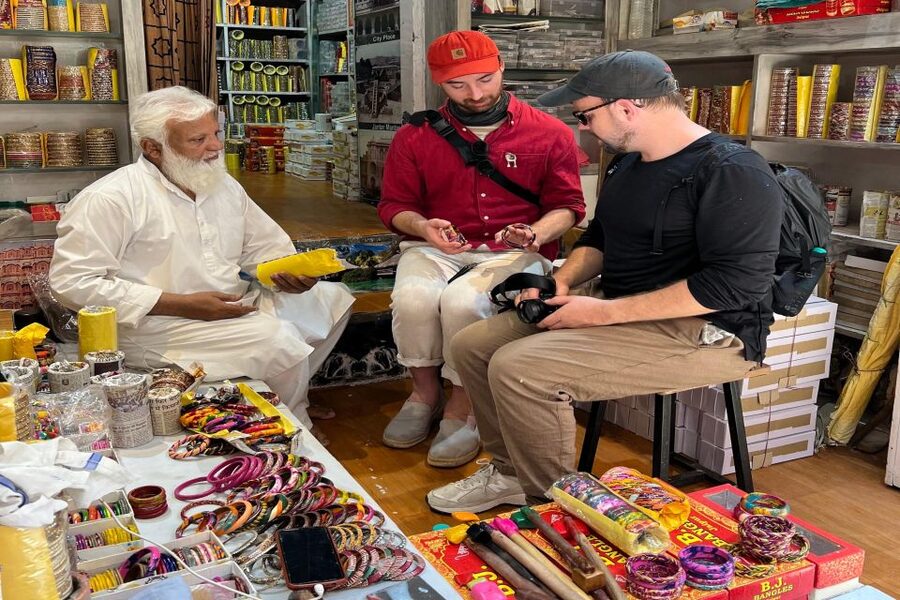
The route then continues to Tripolia Bazar for another 45-minute section. This part places more weight on the built environment, markets, and crafts than on eating.
One of the most interesting areas is associated with the Thatheras, a community of metal beaters. Here you may see the working side of traditional craft rather than a polished display designed for visitors. The value is in watching how a neighborhood keeps an old skill connected to daily commerce.
You may also encounter bangle making using sealing wax. That detail gives the craft element a human scale. It is not simply a stop to buy souvenirs. The guide can explain the material, the work, and the place of these artisans within the old city.
This is also where the no-shopping-agenda promise matters. You are not required to purchase anything, and the experience is presented as a cultural walk rather than a sales circuit. If you enjoy handicrafts, ask questions. If you are not interested in shopping, you can focus on technique, neighborhood design, and local stories.
The streets around Tripolia Bazar can be crowded and noisy. I would keep your group together, watch your footing, and avoid expecting a quiet museum-like visit. The reward is direct contact with a working quarter, not polished presentation.
More Food and History Tours in India:
- Sevilla Food Tour: Tapas, Wine, History & Traditions
★ 5.0 · 3,468 reviews - Victoria Guided Food and History Tour
★ 5.0 · 2,015 reviews - Gastown Historic Walking Food Tour
★ 5.0 · 1,863 reviews - Dublin Historical Centre Food Tour with 8 Food Tastings & Drinks
★ 5.0 · 1,718 reviews
Choti Chaupar and the final food stops
The final 45-minute section reaches Choti Chaupar, also written as Chhoti Chopad. This is where more local snacks and regional food are included before the walk ends.
By this point, the tasting may feel like a full meal. Samosa, kachori, sweets, chai, and additional samples add up quickly. One practical tip from the experience is to avoid a heavy breakfast. Another useful suggestion is to pace the sweets. One person found that eating sweet foods too early made the later savory dishes harder to enjoy.
The order may not always suit every palate. If you prefer savory food first and sweets afterward, tell your guide. The route can be adjusted to the group when possible, and several bookings describe guides changing the pace or food choices to match personal interests.
The walk finishes at Chhoti Chopad, not back at Golcha Cinema. That matters when planning your next activity. Hotel pickup and drop-off are not included, so arrange your own transport from the finish. The end point is useful for continuing around the old city, but you should not assume the guide will take you back to your hotel.
What the food experience is really worth
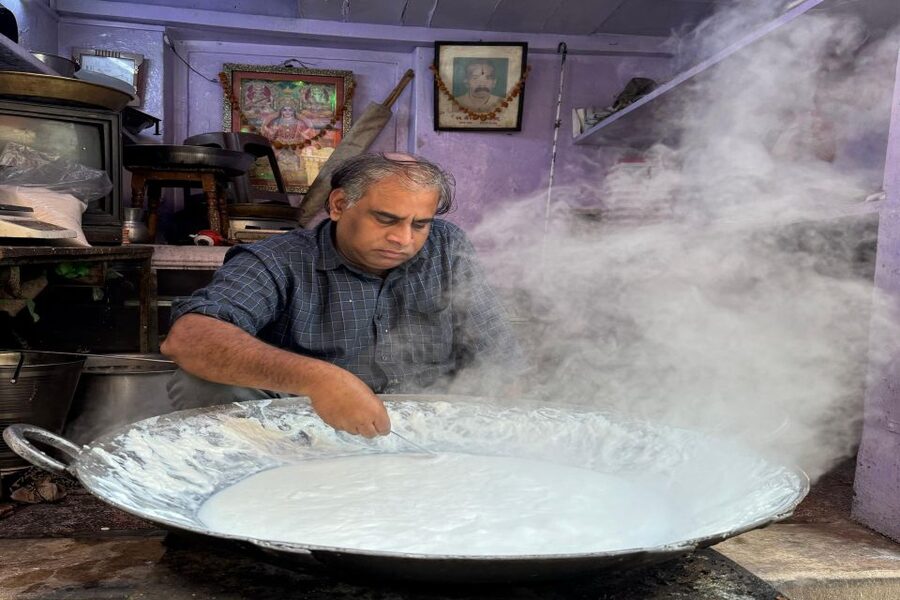
At $21 per person, this is strong value if you want both food and local orientation. The fee includes the street food, bottled water, an English-speaking cultural guide, and the heritage walk. You are paying for access and interpretation as much as for the snacks.
A cheaper self-guided food outing might cover the cost of several dishes, but it would not give you the same help choosing stalls, understanding ingredients, finding artisan lanes, or moving confidently through the old city. A private car tour would cover more distance, but it would miss the close-up view of food counters, workshops, and side streets.
The exact number of tastings can vary. The core promise is samosa, kachori, sweets, masala chai, and more, not a fixed printed menu. If you need a precise list for medical or religious reasons, ask before booking.
Alcohol is not included, and this is not a drinking tour. The focus is local food, tea, architecture, religion, crafts, and the daily life of the old city.
Food safety, spice, and dietary limits
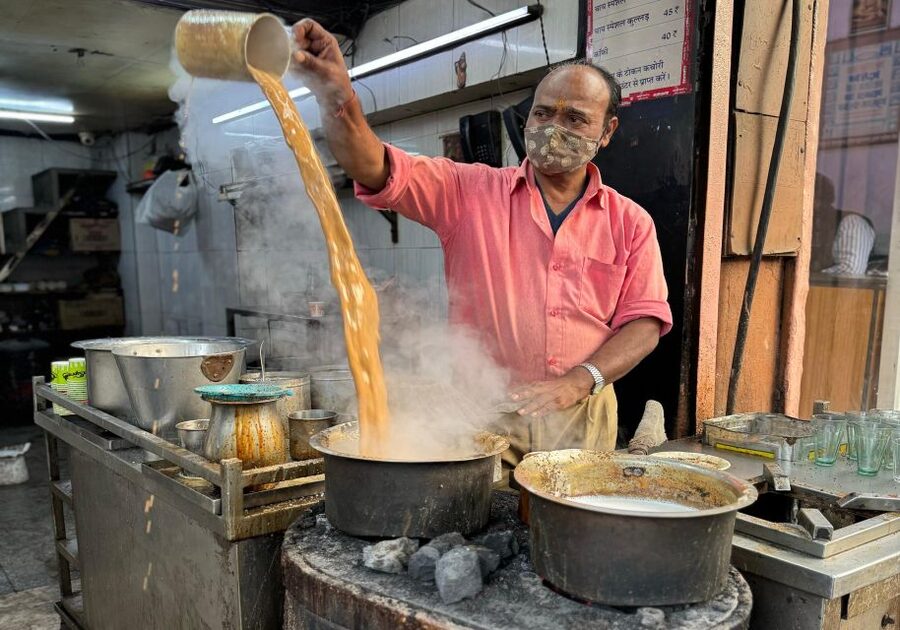
You should not treat any street-food tour as risk-free. The sensible approach is to tell your guide what you can and cannot eat, follow their advice, and carry any personal medication you need.
The supplied tour information emphasizes local shops and vendors chosen as part of the route. Several experiences describe the food as suitable for people visiting from abroad, and some people with little experience of Indian food reported no problems. That should reassure you, but it should not replace your own judgment.
Spice levels and ingredients can vary. Ask what each item contains before tasting it. If you have allergies, IBS, a very low spice tolerance, or a restricted diet, mention this at the meeting point. You can sample less, skip an item, or ask for an alternative when available.
Bring water even though a bottle is included. Jaipur’s heat, walking, and salty or spicy food can leave you thirsty. A hat and sunscreen are also sensible, particularly for a daytime departure.
Who will enjoy this experience most
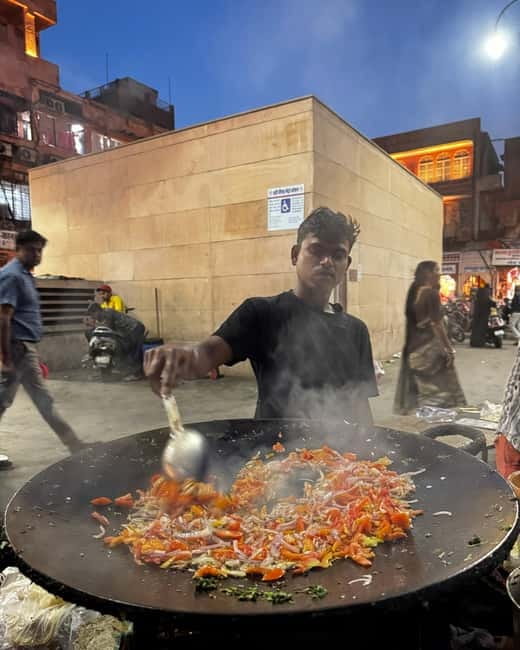
This tour suits you if you like learning through food and do not mind walking through active city streets. It is particularly useful for first-time visitors who want help getting oriented in Jaipur’s old city.
It also works well for solo visitors. The group is limited to 10 people, and guides are used to helping people navigate the busy lanes. Solo women have specifically described feeling comfortable and well looked after, though normal city awareness still applies.
Families can enjoy the range of foods and short stops, provided children are comfortable walking and trying unfamiliar dishes. Older visitors should consider the heat, standing time, crowds, and uneven surfaces.
You may want a different experience if you need wheelchair access, dislike street food, want a fixed restaurant meal, or prefer a quiet architectural tour. The tour is also not the best choice if you have only a short appetite window, since the food is plentiful and the route takes three hours.
Timing, clothes, and practical planning
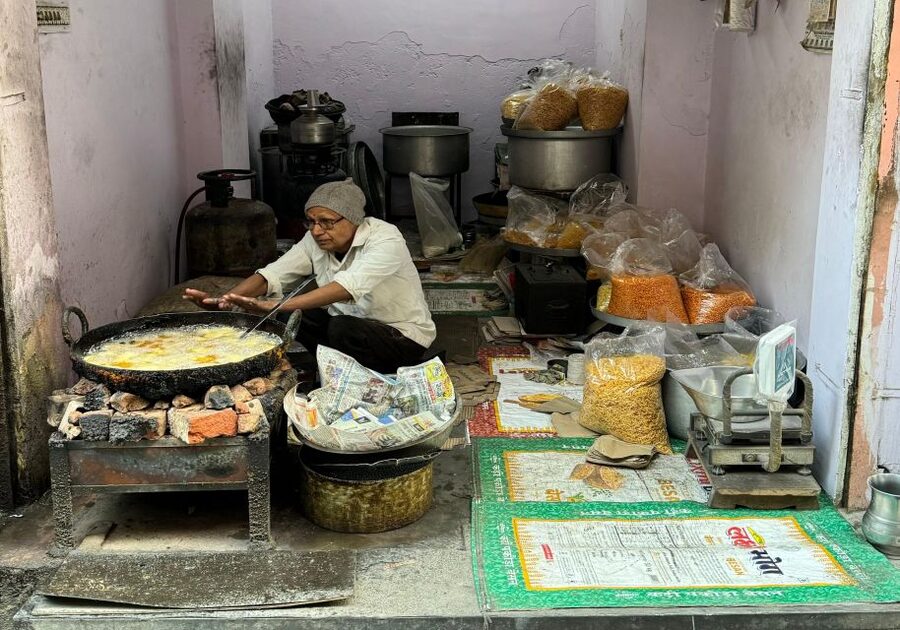
The tour runs for three hours, with four main sections of roughly 45 minutes each. Starting times vary, so check availability for your date. Morning and late afternoon both have practical advantages, but the exact comfort level depends on the weather.
Wear comfortable shoes and loose, modest clothes. You will walk a lot, and temple visits call for respect toward local customs. Photography is allowed, but do not use flash inside temples.
Bring your passport or another form of identification, personal medication, sunscreen, and a hat. Keep your belongings secure in crowded areas and listen when the guide asks the group to pause or stay together.
Cancellation is flexible up to 24 hours before the tour for a full refund. You can also reserve and pay later, which helps if your Jaipur plans are still shifting.
Should you book the Jaipur Heritage Walk and Food Tasting?
I would book it if your ideal Jaipur afternoon includes small lanes, local snacks, crafts, neighborhood stories, and a guide who can make the old city easier to read. At $21, the combination of food and cultural guidance is hard to fault.
Choose it early in your stay, arrive hungry but not exhausted, and tell the guide about food limits at the start. The main tradeoff is comfort: you will walk, stand, eat on the move, and deal with crowds and weather. If that sounds like part of the fun, this is a practical, friendly way to meet Jaipur beyond its famous monuments.
FAQ
Where does the Jaipur food and heritage walk begin?
The meeting point is at the entry gate of Golcha Cinema in Jaipur.
Where does the tour finish?
The walk finishes at Chhoti Chopad, also written as Choti Chaupar.
How long does the experience last?
The tour lasts three hours. The route is divided into four sections of about 45 minutes each.
What food is included?
The tasting includes samosa, kachori, famous sweets, masala chai, and other local foods from shops and street vendors.
Is hotel pickup included?
No. Hotel pickup and drop-off are not included, so you must make your own way to Golcha Cinema and arrange transport after finishing at Chhoti Chopad.
Is the tour suitable for wheelchair users?
No. The experience is not suitable for wheelchair users and involves substantial walking through old-city streets and lanes.
What language is the tour conducted in?
The live tour guide speaks English. Guides may include Vivek, Raj, Kumar, Pushpendra, or Sam, depending on the booking.
Newest history tours we have reviewed in India
- Agra Fort: Guided UNESCO Heritage Walking Tour★ 4.9 · 21 reviews
- World heritage Ahmedabad city tour in private car with guide and lunch★ 5.0 · 44 reviews
- Private Elephanta Caves UNESCO World Heritage Site Tour★ 5.0 · 34 reviews
- Hill-station & Heritage: Lonavala & Karla Caves Tour from Mumbai★ 5.0 · 60 reviews
- Best South Mumbai Heritage Walk★ 5.0 · 122 reviews
- Heritage Walk: Recommended by Gigi Hadid as a must-do in Mumbai★ 5.0 · 122 reviews
- Mumbai: South Mumbai Heritage Walking Guided Tour★ 4.5 · 69 reviews
- The Cultural And Historical Walking Tour in Margao★ 5.0 · 280 reviews
Food & History Tours, compared.
Sevilla Food Tour: Tapas, Wine, History & Traditions
Read our review →

Dublin Historical Centre Food Tour with 8 Food Tastings & Drinks
Read our review →


Boston Pizza Lovers Food and History Walking Food Tour
Read our review →
Rome Food Tour in the Historic Centre with 8+ Food Tastings
Read our review →Browse the lists this tour appears in