Review · TOURS
Ghana Heritage Tours – Beyond The Return
Ghana’s past comes into sharp focus on this eight-day heritage journey, which moves from Accra’s independence landmarks to Kumasi’s Ashanti royal sites and the coastal castles tied to the transatlantic slave trade. The most personal moment comes in a village near Cape Coast, where chiefs and elders welcome you through drumming, libation, and a traditional African naming ceremony.
I like the way the tour mixes major sights with hands-on encounters, including beadmaking, kente weaving, adinkra printing, and time in local markets. I also like the practical setup: airport transfers, hotels, meals, an air-conditioned vehicle, mineral water, and a guide are included. The main drawback is the pace. You cover a lot of ground, and some days carry heavy emotional weight, so this is not a slow, poolside holiday.
Key points to know before booking
- Your African name is part of the journey: The traditional naming ceremony is led by village chiefs, queen mothers, and elders near Cape Coast.
- The route covers three very different regions: You see Accra, Ashanti country around Kumasi, and Ghana’s central coast.
- Craft experiences are built into the schedule: Meet beadmakers, kente weavers, adinkra printers, tailors, and wood or drum craftsmen.
- The difficult history is treated directly: Assin Manso, Cape Coast Castle, and Elmina Castle provide the emotional core of the trip.
- The price covers much of the daily cost: At $3,595 per person, lodging, meals, transport, guide services, water, airport transfers, and entry fees are included.
- This is a private tour: Only your group participates, which gives you more control than a large coach trip.
Accra begins with welcome and orientation
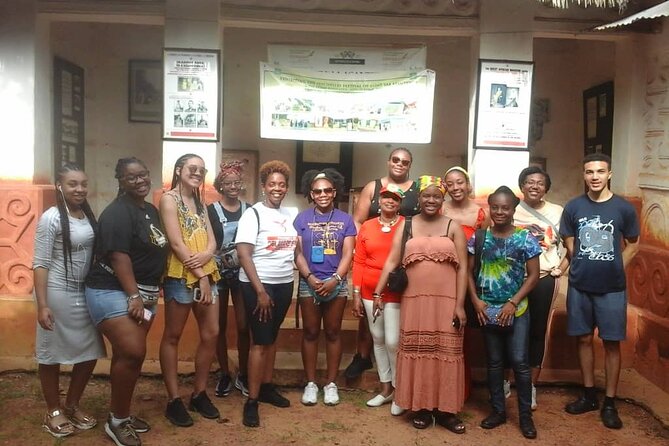
Your trip starts at Accra airport, where you look for the Ashanti African Tours sign after leaving the arrival hall. The team offers an Akwaaba, meaning welcome, then takes you to your hotel. After time to freshen up, dinner becomes the first chance to discuss the days ahead.
The opening evening is flexible. You can stay at the hotel or head into Accra for nightlife. That choice sets the tone well: you get a soft landing after an international flight, but you can also start seeing the city right away.
The airport transfer matters here. Accra can feel unfamiliar after a long flight, and having the hotel connection arranged removes one of the first practical worries. Your driver and guide are available throughout the trip, with office support listed around the clock.
One detail needs checking before you pay: the published start time is shown as 12:00 a.m., which is not useful enough for planning an arrival. Ask for the exact pickup time, hotel name, and first-day schedule.
More History Tours in the world:
- New York City: American Museum of Natural History Ticket
★ 4.5 · 15,447 reviews - History and Hauntings of Salem Guided Walking Tour
★ 5.0 · 14,564 reviews - Colosseum: Underground and Ancient Rome Tour
★ 4.7 · 12,691 reviews
Accra’s museums, independence sites, and James Town
Day two gives you a broad introduction to Ghana. The National Museum of Ghana is a sensible first stop because its displays explain customs and daily life across Ghana and other parts of West Africa. Allow about an hour, then take time in the adjoining garden, where sculptures reflect local traditions.
The museum area is also useful for shopping. You can look at African fabrics and arrange measurements with a tailor for made-to-order clothing. The tour includes an evening fitting session, so you have time to choose fabric and discuss an outfit before the trip continues.
Next comes Black Star Gate and Independence Square, Ghana’s main ceremonial ground. The enclosed flame of African liberation was lit by Kwame Nkrumah in 1961. Nearby, the Kwame Nkrumah Memorial Park honors the leader who guided the Gold Coast to independence from Britain in 1957.
The memorial grounds are attractive, and the museum adds photographs and objects from Nkrumah’s life. The adjoining National Cultural Center is Ghana’s largest outdoor arts and crafts market, with fabrics and handmade items from across West Africa. You should expect time for browsing, bargaining, and deciding what is genuinely useful rather than buying at the first stall.
James Town changes the mood. A walking tour takes you through one of Accra’s oldest neighborhoods, past colonial-era structures, the 30-meter lighthouse built by the British in 1871, colorful fishing boats, and Fort James, a British trading post dating from 1673.
This is a good place to see how history sits beside everyday life. It is not a polished museum district, and that is part of its value. You will be walking through an active community, so wear comfortable shoes and expect uneven or busy streets.
The evening returns to your hotel for dinner, tailoring, and another optional outing in Accra. The schedule is full, but you can skip the nightlife if you need rest.
DuBois, beads, and the hills above Accra
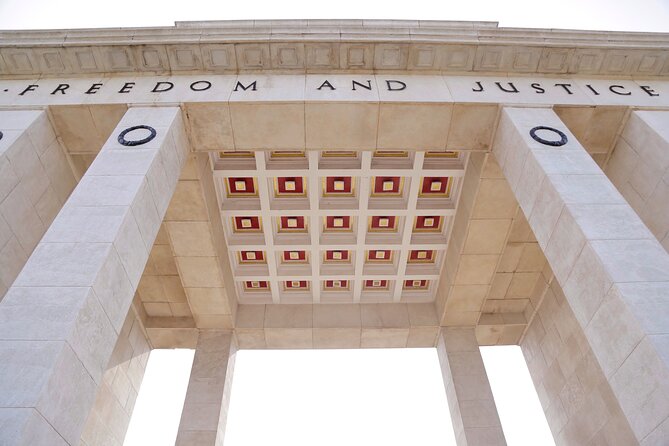
Day three links Pan-African history with craft and plant life. At the W.E.B. DuBois Center, you visit the former home and final burial place of the American Pan-Africanist and writer. The center now functions as a library and research institute for students of Pan-Africanism.
This stop has special meaning for visitors interested in the connections between African independence movements and the African diaspora. The one-hour visit is focused, so it does not overwhelm the rest of the day.
At T.K. Beads, you see how traditional African beads are made and learn why they can signal beauty, wealth, and social standing. You have about two hours here, including time in the shop. This is one of the better chances to buy a meaningful object while also seeing how it is produced.
The road then rises toward the Akuapem hills and Aburi Botanical Gardens. The gardens offer views toward Accra and a mix of indigenous and exotic plants. Your guide identifies trees and plants, including some used for medicine in Ghana. The visit lasts about 45 minutes, so expect an overview rather than a long botanical walk.
Nearby Aburi Crafts Village focuses on drums, sculptures, and other handmade objects. Craftspeople work in traditional ways, and the tour describes local prices as among the lowest in Ghana. Still, compare items before buying and ask about packing if you purchase anything large.
Kumasi and the power of Ashanti tradition
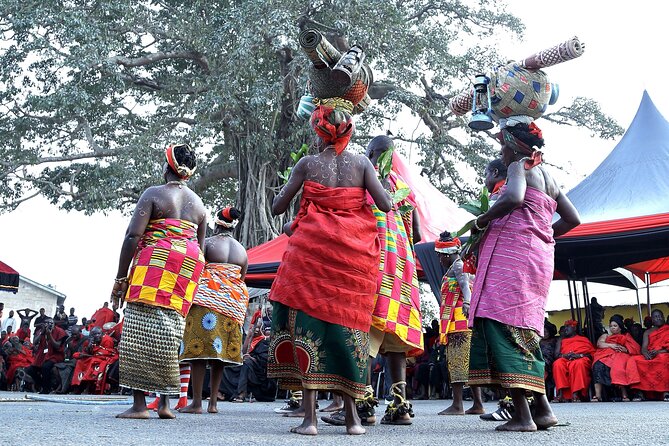
Day four takes you to Kumasi, where the focus shifts to Ashanti political and cultural history. At Manhyia Palace Museum, you learn about the Asantehene, the Ashanti king, and the Asanteman Kingdom. The museum explains the authority and traditions of one of West Africa’s most important historic powers.
The Prempeh II Jubilee Museum adds older objects and a broader account of Ashanti history. Together, these museums help you understand why later visits to kente and adinkra villages matter. Cloth patterns, symbols, royal objects, and ceremonies are not simply decorative. They carry social and historical meaning.
Kejetia Market brings you into present-day Kumasi. It is described as one of the largest outdoor markets in West Africa, with tightly packed stalls and trade continuing for much of the day. You have about an hour, which is enough for a first look but not enough to see every corner.
Stay close to your guide here. The market is a maze, and the point is not only shopping. You are seeing how food, fabric, household goods, clothing, and daily business come together in one enormous public space.
The Okomfo Anokye Sword Site adds legend to the day. Okomfo Anokye was a powerful priest associated with Osei Tutu I, the Ashanti king who defeated the Denkyera kingdom. According to tradition, the Golden Stool descended from the sky onto Okomfo Anokye’s lap, and the sword he planted became a symbol of unity between the Ashanti and Nzema people.
The sword is said to remain fixed in the ground. The story even includes Muhammad Ali’s unsuccessful attempt to pull it out during his 1964 visit to Ghana. You have about 45 minutes here, enough to hear the account and consider how oral tradition and national identity overlap.
That night, you can explore Kumasi after dinner or rest at the hotel. You will probably appreciate the choice after a long day.
Same streets, a different century:
- Lisbon: History, Stories and Lifestyle Walking Tour
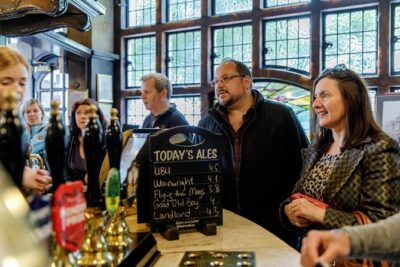
★ 4.8 · 10,902 reviews - London Small Group Tour of Historical Pubs
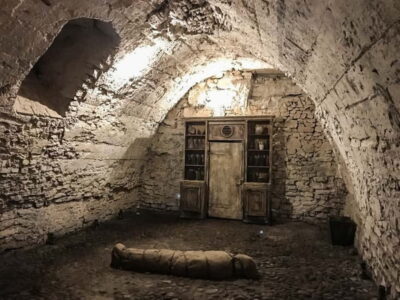
★ 5.0 · 10,422 reviews - Prague: Oldtown, Medieval Underground & Dungeon History Tour
★ 4.3 · 10,277 reviews - Charleston’s Old South Carriage Historic Horse & Carriage Tour
★ 5.0 · 10,023 reviews
Kente, adinkra, and the work behind Ghanaian cloth
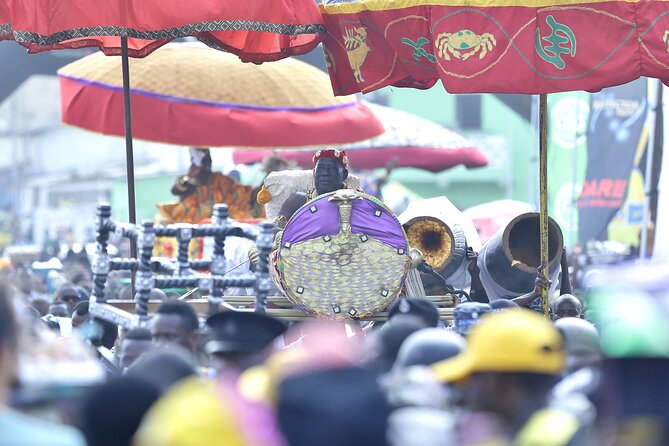
Day five moves away from royal museums and into the communities that keep textile traditions alive. The Asante traditional buildings are UNESCO World Heritage Sites and are linked to Nana Yaa Asantewaa, a major female leader in Ashanti history. She led resistance against the British in the 1901 war and was Queen Mother of Ejisu Besease.
At Adanwomase, you see kente weaving on traditional looms. Families have produced the cloth for generations, and the visit gives you time to speak with weavers, learn what different patterns mean, and buy cloth directly in the community.
Kente can be expensive, so this is a good place to ask about the number of strips, the weaving time, and the difference between patterns. The tour describes Adanwomase as a place to find quality kente at fair prices, but you should still compare designs and agree on a price before purchasing.
Ntonso introduces adinkra cloth, which predates kente among the Ashanti. The symbols are carved from calabash shells, then printed on cloth with natural dyes made from tree bark. Adinkra designs are used for funerals, festivals, and other important events.
The most engaging part is making your own strip of adinkra cloth. Choose symbols with personal meaning, then watch how the stamp and dye create the pattern. It is a small activity, but it helps you remember that the designs carry messages rather than serving as decoration alone.
The afternoon and evening are free in Kumasi. That break is welcome. This is one of the trip’s most active stretches, with museums, markets, stories, and demonstrations packed into two days.
Assin Manso and the coast’s hardest history
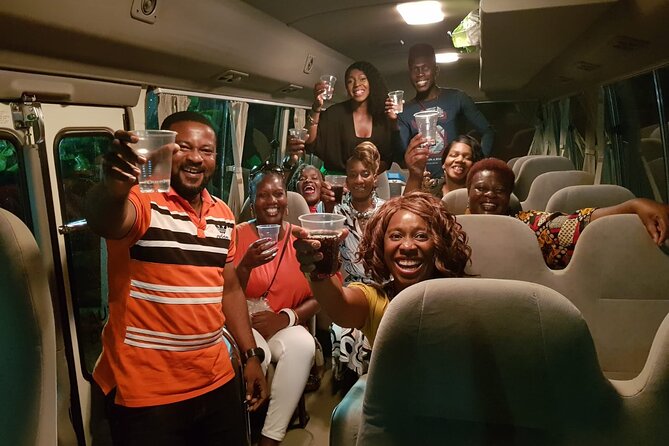
Day six carries the tour south toward the coast. At Assin Manso Ancestral Slave River Park, you visit a site connected to the forced movement of enslaved Africans from northern Ghana, Burkina Faso, and Niger toward the coast.
The Ndonkor Nsuo, known as the Slave River, was used to wash and assess enslaved people before they were taken onward to Cape Coast. The route involved long marches in shackles, and Assin Manso marks the final stage before the coast for many people.
This is not a casual sightseeing stop. You may want quiet time afterward, and the schedule allows the day to develop slowly. A guide can provide context, but no explanation makes the place easy.
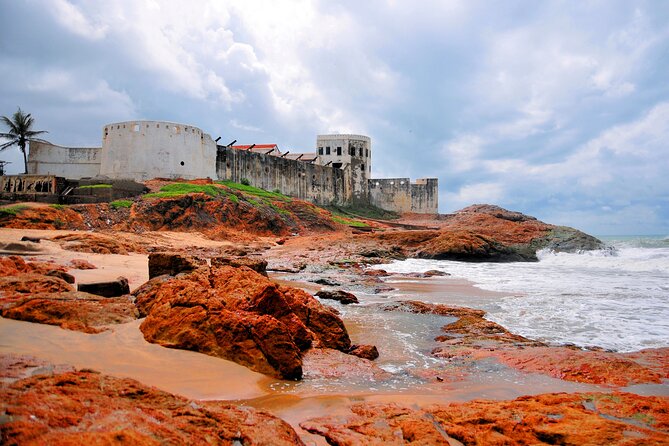
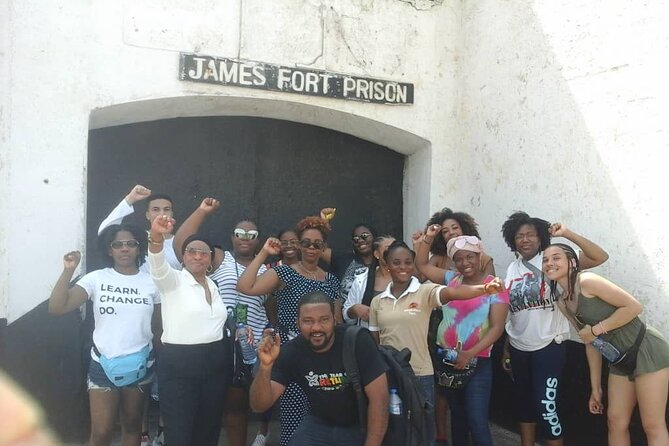
At Cape Coast Castle, you spend about two hours visiting the courtyards, church, governor’s area, and dungeons. The castle held up to 1,300 African men, women, and children at one time. The infamous Door of No Return gives the site its most painful physical symbol.
The visit is educational and spiritual in tone. Expect cramped spaces and difficult details. If you want only light cultural sightseeing, this section may be too intense. If you want to understand the connection between Ghana, the slave trade, and the African diaspora, it is essential.
You then check into a beachfront hotel in Elmina. Dinner overlooks the coast, giving you a place to think through the day rather than rushing straight into another attraction.
Kakum and a name that becomes part of your story
Day seven begins at Kakum National Park, a semi-deciduous upper Guinea rainforest. The canopy walkway uses seven bridges attached to seven tall trees, about 40 meters above the forest floor.
The walkway is a physical highlight, but it is not for everyone. You will be suspended above the ground, and the bridges can feel demanding if heights make you uneasy. The visit lasts about two hours, including time on viewing platforms with broad forest views.
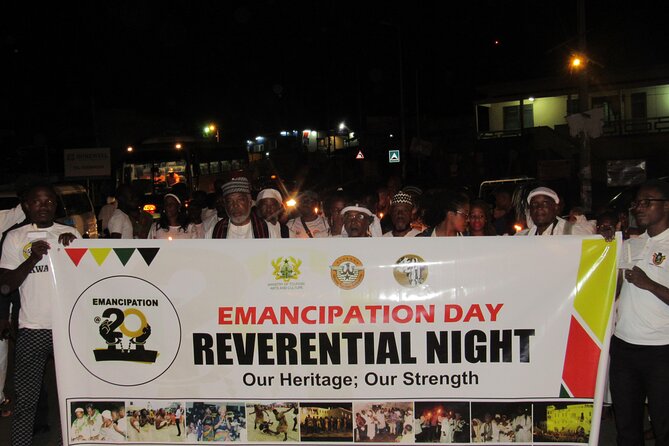
Later, you visit a local village near Cape Coast for the traditional naming ceremony. Chiefs, queen mothers, and elders welcome you with poured libation, drumming, and dancing. The ceremony formally connects you with the community and gives you an African name.
This is the emotional center of the tour. It is also a cultural ceremony, not a theatrical show, so approach it with respect and listen carefully to the instructions from your guide and the elders.
Afterward, you return to the beachfront hotel for dinner and preparation for an evening celebration in Cape Coast. If you ordered clothing earlier, the tailor or seamstress is expected to deliver it by this point. Wearing the outfit for the first time at the naming celebration gives the day a strong sense of occasion.
Elmina Castle and the road back to Accra
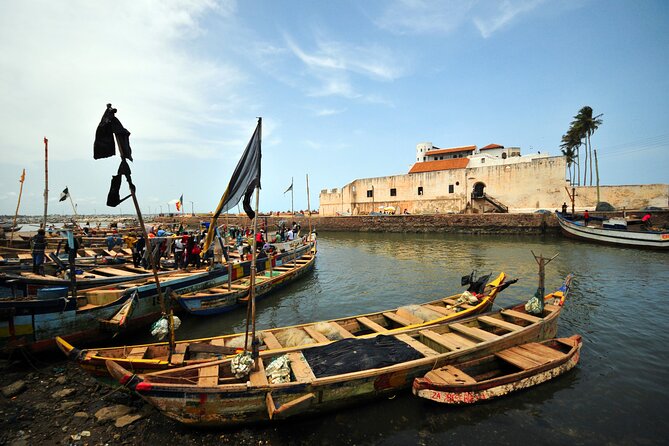
On the final day, you visit Elmina Castle, built in 1482 and recognized as the oldest surviving colonial building in sub-Saharan Africa. The castle played a major role in the transatlantic slave trade and is now a UNESCO World Heritage Site.
The museum focuses on local history, while the castle itself shows how trade, military power, religion, and captivity occupied the same confined space. You also walk through the fishing market and visit boat builders in the community.
That extra time in Elmina matters. You are not seeing only the castle as an isolated monument. You are also seeing a working fishing town whose life continues around a place connected to enormous suffering.
The drive returns you to Accra for an early evening meal, goodbyes, and an airport transfer or drop-off at a prearranged Accra location. International flights are not included, so plan your departure carefully around the return drive.
What $3,595 includes, and what it does not
At $3,595 per person, this is a substantial trip cost, but it covers far more than admission tickets. The package includes accommodation, breakfast on seven days, lunch on seven days, eight dinners, an air-conditioned vehicle, fuel, an experienced driver, an expert local guide, mineral water, airport transfers, excursion fees, the naming ceremony, insurance, and office support.
That makes the price easier to assess. You are paying for an organized private journey across Ghana, not just a collection of day tours. Meals and transport can add up quickly on an eight-day trip, and the long road sections are handled for you.
International flights, visas, and soft or alcoholic drinks are not included. Budget for those separately. The tour also offers group discounts, but the supplied price is listed per person, so confirm how the discount applies to your party.
The private format is a strong point if you want flexibility and personal attention. It may be less appealing if you prefer traveling independently or setting your own pace at every stop.
Who should book this Ghana journey?
I would choose this tour if you want Ghana’s history, African diaspora connections, Ashanti culture, and personal ceremony treated as one connected journey. It suits families, friends, and private groups who value a guide and do not want to arrange hotels, drivers, meals, and entrance fees themselves.
It is especially well suited to anyone interested in Pan-African history, genealogy, traditional textiles, and the history of the transatlantic slave trade. The naming ceremony adds a personal element that ordinary sightseeing cannot provide.
You should think twice if you want long stretches of free time, luxury resort relaxation, or a light cultural holiday. The route is demanding, some drives are long, and Cape Coast’s castles and Assin Manso can be emotionally difficult.
The cancellation terms are fairly clear: cancel at least three full days before the local start time for a full refund. Poor weather or failure to meet the minimum group size can also lead to a date change or refund.
FAQ
How long is the Ghana Heritage Tours journey?
The experience lasts approximately eight days.
Where does the tour begin?
It begins in Accra, with airport pickup offered after you leave the arrival hall.
Is this a private tour?
Yes. Only your group participates.
Is accommodation included?
Yes. Accommodation is included for the tour.
Are meals included?
Yes. The package includes seven breakfasts, seven lunches, and eight dinners.
Are international flights included?
No. International flights are not included.
Is a visa included?
No. You must arrange and pay for your own visa.
What is included in the transportation?
An air-conditioned vehicle, fuel, an experienced driver, and airport transfers are included.
Is the traditional naming ceremony included?
Yes. The traditional African naming ceremony is included.
Can I cancel for a full refund?
Yes, if you cancel at least three full days before the experience start time, based on local time. Cancellations made later are not refundable.
Should you book it?
Book this tour if you want a structured, private introduction to Ghana that reaches well beyond the capital. The strongest reasons are the Ashanti sites around Kumasi, the textile villages, the serious historical visits at Assin Manso and the coastal castles, and the naming ceremony near Cape Coast.
Before booking, confirm the exact start time, hotel details, group discount, and how the long drives are arranged. If those details suit you, the package offers a practical way to connect Ghana’s past and present without having to manage each moving part yourself.
Newest history tours we have reviewed in the world
- Bicycle tour in historic Ghent★ 5.0 · 87 reviews
- Chocolate history workshop Ghent★ 5.0 · 34 reviews
- Gettysburg Historic Downtown Food Tour By Junket★ 4.5 · 36 reviews
- Skip the Line: Gettysburg Heritage Center and Museum Admission Ticket★ 4.5 · 203 reviews
- The Historic Welty House Ghost Hunt with Equipment★ 4.5 · 91 reviews
- Genoa Food, Wine Tasting & History Walking Tour★ 5.0 · 212 reviews
- Genoa Day Tour: 4 hours of History with Focaccia , Prosecco & Joy★ 5.0 · 41 reviews
- 2 Hours Private Historical Tour in Genoa★ 5.0 · 248 reviews
Tours, compared.
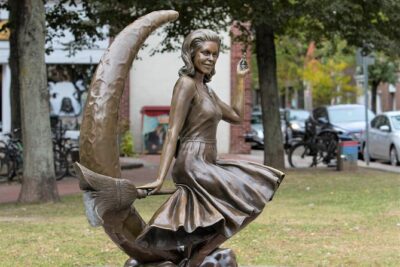
History and Hauntings of Salem Guided Walking Tour
Read our review →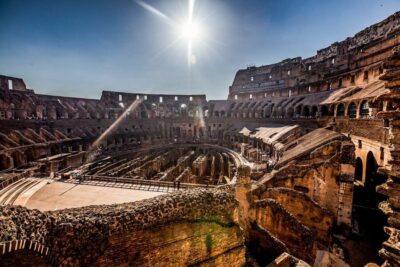
Colosseum: Underground and Ancient Rome Tour
Read our review →
Oldtown, Medieval Underground & Dungeon History Tour
Read our review →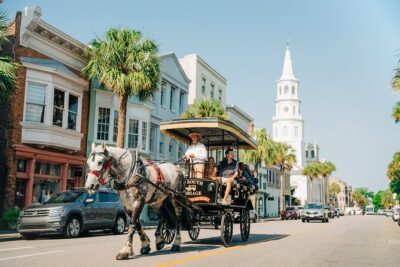
Charleston’s Old South Carriage Historic Horse & Carriage Tour
Read our review →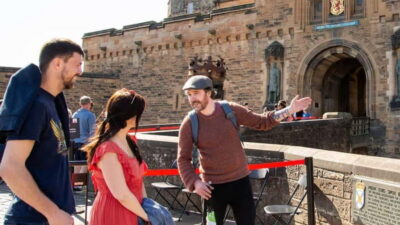
Edinburgh Castle Guided History Tour with Tickets
Read our review →