
Review · ITALY HISTORY TOURS
Cinematic & Classical Organ Experience in Historic Church
The pipe organ is the star here, not just background music. Inside Milan’s historic Church of Sant’Angelo, you hear how one instrument can move from solemn Italian classics to the sweeping sound of film music, including Interstellar, Ennio Morricone, and Game of Thrones. The acoustic demonstration gives you a better ear for what the organ can do.
I like two things in particular: the one-hour length, which fits neatly into a day of sightseeing, and the setting, where music fills an old church rather than a formal concert hall. The connection to Maestro De Vita and the strong praise for the organ’s sound add confidence. The main consideration is that this is a listening and teaching experience, not a full sightseeing tour of Milan or a long traditional organ recital.
Key Points
- Hear one pipe organ imitate an orchestra, moving between classical works and modern screen music.
- Enjoy the Church of Sant’Angelo’s powerful acoustics, where the building becomes part of the performance.
- Compare Italian masters with familiar cinematic themes, including Ennio Morricone, Interstellar, and Game of Thrones.
- Learn why the organ fits the church, with explanation of the instrument, the architecture, and the music.
- Plan for one focused hour, ideal before dinner or between other Milan stops.
- Expect an English or Italian presentation, with wheelchair access and free cancellation up to 24 hours before the start.
Entering the Church of Sant’Angelo
This experience begins with a change of pace. Milan can keep you moving from one grand sight to the next, but inside the Church of Sant’Angelo, the focus narrows to stone, sound, and silence between pieces.
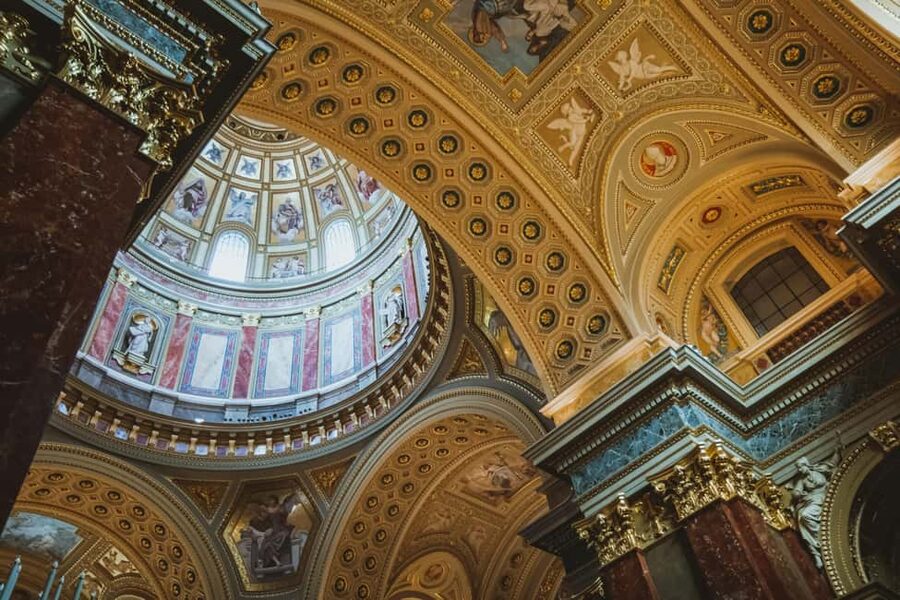
The church dates to the 16th century and provides the setting for the entire program. You are not simply sitting down for a concert. The presentation uses the building to explain why organ music works so well in a sacred space, with the sound traveling through the church’s interior and gathering strength as it goes.
I find this format more useful than a standard recital when you want context. You hear a piece, then begin to understand how the instrument relates to the room around you. The architecture is not just decoration. It shapes the music you hear.
The supplied information uses both Church of Sant’Angelo and Santa Maria degli Angeli for this venue. Check the meeting-point details on your booking before setting out, especially if you are using a map. The listed location is in Lombardy, Italy, and the experience is presented as a Milan cultural activity.
More Ancient History Tours in Italy
- Colosseum: Underground and Ancient Rome Tour
★ 4.7 · 12,691 reviews - Colosseum & Ancient Rome with Arena Floor Option I Max 6 People
★ 5.0 · 3,306 reviews - Rome: Colosseum, Ancient Rome Tour or AudioGuided Tour
★ 4.4 · 2,879 reviews
The pipe organ takes center stage
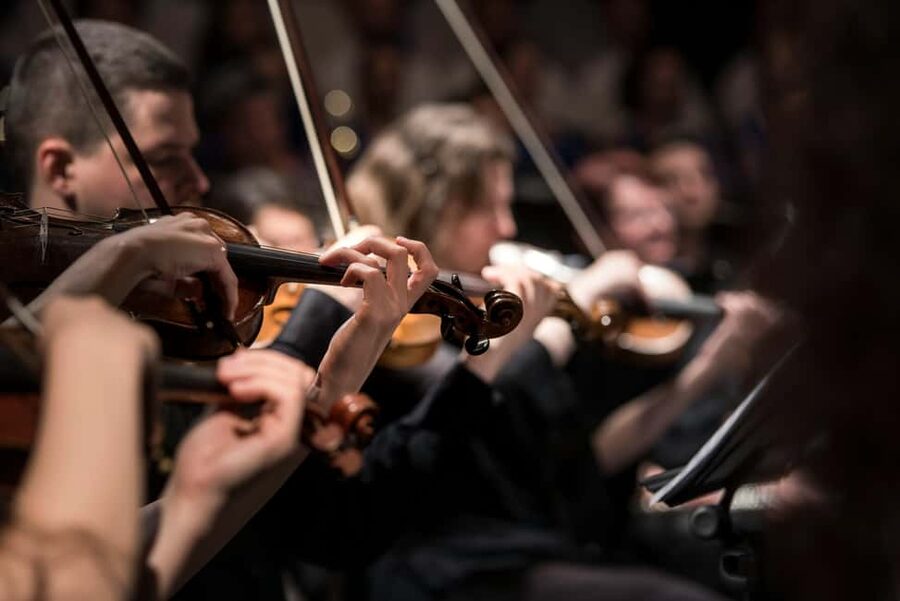
The organ is often called the King of Instruments, and the title makes sense once you hear its range. It can produce a solemn, church-filling sound, but it can also suggest strings, brass, voices, and other orchestral colors.
The organist builds the program around that versatility. Instead of giving you only one style of music, the presentation compares Italian classical works with modern film scores. This makes the instrument easier to understand, even if you do not normally listen to organ music.
One moment may feel formal and devotional. The next may sound closer to a cinema soundtrack. The point is not that the organ becomes a literal orchestra. Rather, you hear how different stops, tones, and combinations let a single instrument create contrasting moods.
That contrast is one of the strongest reasons to book. Familiar film themes give your ear something to hold on to. Then the classical selections show where the instrument’s older musical language comes from.
You should expect a structured musical presentation, not a loose demonstration of random pieces. The organist explains the instrument’s range while the music shows it in practice. The sound can be physically powerful, so this is not background entertainment for conversation.
From Italian classics to film music
The music selection is designed for comparison. Italian classical masters provide the traditional side of the program, while modern scores show how the same instrument can carry drama, suspense, and emotion.
Ennio Morricone is an especially natural choice for an Italian setting. His work is closely linked with the sound of cinema, and organ arrangements can bring out the weight and drama in those themes. Interstellar offers a different kind of contrast, with broad, atmospheric music that suits a large acoustic space.
Game of Thrones brings another familiar reference point. You do not need special musical training to recognize the force of a theme you have heard on screen. The program uses that familiarity to make the organ’s abilities clear.
This mix will suit you if you want classical music presented in an accessible way. It may not suit you if you are looking for a complete recital devoted only to historic Italian organ repertoire. The cinema selections are not an extra thrown in at the end. They are a central part of the comparison.
I also appreciate that the program treats film music seriously. It does not assume that classical music is automatically more important. Instead, it shows how the pipe organ can handle both older works and modern themes, each with a different emotional purpose.
Why the church acoustics matter
The sound is part of the attraction. A pipe organ in a historic church does not behave like an organ in a small studio or a concert hall. The building adds space, echo, and resonance.
That can make the performance feel larger than the one-hour schedule suggests. A quiet passage may hang in the air, while a powerful chord can seem to spread through the whole interior. The result is not only something you hear through your ears. You also notice the room responding to the music.
The acoustics have a practical downside. Echo can soften the edges of fast musical passages, and the sound may not be equally clear from every position. The provided information calls the acoustics perfect, but you should still expect a historic church sound rather than the tight clarity of a modern auditorium.
For me, that slight unpredictability is part of the appeal. The organ is being heard in the kind of place for which it was made. You are not receiving a studio-clean recording. You are hearing music shaped by stone, height, and open space.
The setting also encourages quiet attention. Smoking is not allowed, and bikes, alcohol, and drugs are prohibited. Tight clothing is listed among the restrictions, so dress with the church setting in mind.
More Architecture and Landmark Tours in Italy
- Venice: St. Mark’s Basilica Guided Tour & VR History Intro
★ 3.9 · 4,880 reviews - Venice’s Best: Basilica, Doge’s Palace, Gondola & History Gallery
★ 4.5 · 2,478 reviews - Pantheon Elite Guided Tour – Rome’s Iconic Ancient Temple
★ 5.0 · 1,447 reviews - Venice: The History of St. Mark’s Basilica Tour
★ 4.2 · 986 reviews
A guided lesson in music and architecture
The performance includes explanation of the music, the church, and the relationship between them. That matters because the organ can seem mysterious if you only hear the finished sound.
You learn why the instrument belongs in this kind of building and how its sound brings the architecture into the experience. The historical material is not presented as a separate lecture. It supports the music, giving you a reason to listen for changes in volume, tone, and mood.
The English and Italian language options make the activity practical for international visitors. The host or greeter is listed as speaking both languages. If you do not speak Italian, confirm the English option when checking available times.
Do not expect a long walking tour or a detailed survey of Milanese church art. The focus stays on the organ, the music, and the acoustic character of the church. That narrow focus is a strength if you want one clear subject rather than another broad city introduction.
The presentation is also a good choice for anyone who has passed church organs without giving them much thought. You leave with a clearer sense of what the instrument is doing, rather than simply deciding that it sounds loud or grand.
What the one-hour schedule feels like
The duration is one hour, so the experience asks for a short period of full attention. That makes it easy to place in your itinerary. You could schedule it between major Milan sights, before an evening meal, or during a quieter part of the day.
The hour should be treated as a complete cultural activity, not as a quick musical sample. The program combines spoken context with performance, so the time is not filled with uninterrupted music from start to finish.
That structure will appeal to you if you like knowing what you are hearing. If you want a continuous concert with no explanation, it may feel more guided than expected.
The intimate format is another benefit. The supplied description presents the performances as intimate, even though the church itself is monumental. That contrast lets you focus on the organist and the changing sound without the scale of a large event taking over.
The information provided does not state the exact group size or seating arrangement. I would not assume a particular seat or viewing angle. The organ is the focus, so the most important thing is being able to listen comfortably rather than expecting a close view of every part of the instrument.
The sound of Maestro De Vita
Maestro De Vita is named in connection with the performance, and the strongest personal praise centers on the quality and emotional force of the organ music. The comments describe the sound as impressive and moving, with particular appreciation for how digital files and familiar music are brought to life on a real pipe organ.
That detail is useful. Some film themes are now strongly associated with recordings, headphones, and cinema speakers. Hearing them played on pipes changes their character. You notice breath, resonance, and the physical force of the instrument rather than only the melody.
The response to the performance also points to excellent sound quality. In this setting, that means more than technical clarity. It means the instrument fills the room without losing the emotional shape of the music.
You should not book solely because of the named musician, since the available information does not give a full biography or a detailed list of pieces. Book because the program combines a historic church, a live organ, Italian musical context, and recognizable cinematic themes.
Is $29 a fair price?
At $29 per person, I consider this good value if you want a focused cultural activity rather than a major sightseeing ticket. The price covers one hour in a historic church, live performance by professional musicians, spoken context in English or Italian, and a program that crosses several musical styles.
The value depends on your interest. If you already plan to attend a large classical concert, this may feel less essential. If you want something shorter and more distinctive, the price is easier to justify.
You are paying for the setting as much as the music. A recording of Interstellar or Morricone costs nothing to play at home, but it cannot reproduce the sensation of those themes sounding through a historic church on a pipe organ.
I would also compare the activity with a standard church visit. Entry to a church may be free or inexpensive, but it will not normally include a structured explanation of the organ or a live program built around classical and film music. That added interpretation is what gives this experience its value.
The 4.7 rating from 22 bookings suggests a consistently positive response, though the sample is not large. The individual comments repeatedly praise the venue, the organ’s sound, and the emotional impact of the music. Those are exactly the parts of the activity that matter most.
Who should book this experience?
I would recommend it to:
- You enjoy film music and want to hear familiar themes in a new form.
- You have an interest in Italian culture but do not want another standard museum visit.
- You like churches for their sound and atmosphere as well as their art.
- You want a one-hour activity that fits neatly into a busy Milan schedule.
- You are curious about how a pipe organ can reproduce orchestral effects.
- You prefer a small, focused cultural program to a large concert event.
Families may find the recognizable themes helpful, though the church setting still calls for quiet attention. Music lovers will get the most from the comparisons between classical works and film scores.
I would be more cautious if you dislike organ music, want a long sightseeing program, or expect a full orchestra. The performance demonstrates orchestral color through one instrument. That is the point, but it is not the same as hearing an orchestra on stage.
The activity is wheelchair accessible, which makes it practical for more visitors. The available information does not describe the precise seating area or route inside the church, so ask for current access details if you need specific arrangements.
Planning your visit without overcomplicating it
The activity lasts one hour, and starting times vary. Check the schedule before booking, then allow enough time to reach the church without rushing. The listing does not provide transport instructions, so use the exact meeting-point information attached to your reservation.
English and Italian are the stated languages. If you need English, select or confirm that option when you check availability rather than assuming every session uses both languages.
You can cancel up to 24 hours before the start for a full refund. The reserve-now-and-pay-later option is useful if your Milan plans are still shifting. It lets you hold a place without paying at once, subject to the booking terms shown at the time you reserve.
Dress respectfully for a church. Tight clothing is specifically listed as not allowed, along with smoking, bikes, alcohol, and drugs. You do not need to treat this like a formal gala, but comfortable, church-appropriate clothing is the sensible choice.
Should you book the organ experience?
Book it if you want to hear Milan through sound rather than only through sights. The combination of the Church of Sant’Angelo, a live pipe organ, Italian classics, and recognizable film scores gives the hour a clear purpose.
I especially recommend it to people who normally skip classical concerts because they fear they will not understand them. The spoken context and cinematic comparisons make the program approachable without stripping away its cultural value.
Skip it if your main goal is a traditional organ recital with a long, strictly classical program. The film themes are central, and the experience includes explanation as well as music.
For $29, this is a sensible choice for a short cultural stop with a strong setting. You get a memorable sound, a lesson in the organ’s range, and a different way to experience Milan’s church architecture.
FAQ
Where does the organ experience take place?
It takes place in Milan, in the historic Church of Sant’Angelo. The supplied details also refer to the venue as Santa Maria degli Angeli, so check the exact meeting-point information before arrival.
How long does the experience last?
The experience lasts one hour.
How much does it cost?
The listed price is $29 per person.
What music will be performed?
The program combines Italian classical music with cinematic themes, including music connected with Interstellar, Ennio Morricone, and Game of Thrones.
Is this a standard organ concert?
No. It is presented as a guided acoustic and cultural journey that explains the pipe organ, the church architecture, and the music alongside the live performance.
Which languages are available?
The host or greeter languages are English and Italian.
Is the venue wheelchair accessible?
Yes, the activity is listed as wheelchair accessible.
Can I cancel for a full refund?
Yes. You can cancel up to 24 hours in advance for a full refund.
Can I reserve now and pay later?
Yes. A reserve-now-and-pay-later option is available, allowing you to book without paying immediately.
What is not allowed inside?
Smoking, bikes, alcohol, drugs, and tight clothing are not allowed.
Newest history tours we have reviewed in Italy
- Guided Cultural Tour of the Godfather Film in Messina★ 5.0 · 31 reviews
- SU NURAXI BARUMINI Unesco World Heritage Site★ 5.0 · 129 reviews
- Picnic aperitif in the vineyard of an ancient trullo in Martina Franca★ 5.0 · 21 reviews
- Brescia the Unexpected: History, Local Stories & a drink★ 5.0 · 31 reviews
- Bologna historical art walking tour with hidden gems and tastings★ 5.0 · 108 reviews
- Bolognese Cooking Class with Margherita in the Historic Center★ 5.0 · 26 reviews
- Best of Bologna in one day : Food, architecture, art and history★ 5.0 · 27 reviews
- Private or semi-private tour of the historic center of Bologna★ 5.0 · 34 reviews
Ancient History Tours, compared.
Colosseum: Underground and Ancient Rome Tour
Read our review →
Colosseum & Ancient Rome with Arena Floor Option I Max 6 People
Read our review →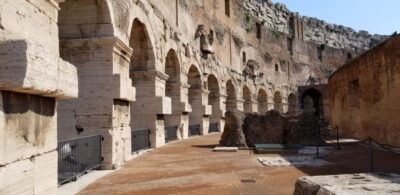
Colosseum, Ancient Rome Tour or AudioGuided Tour
Read our review →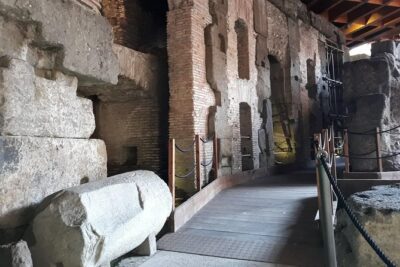
Colosseum Underground & Ancient Rome Guided Tour
Read our review →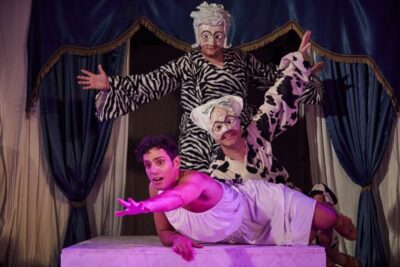
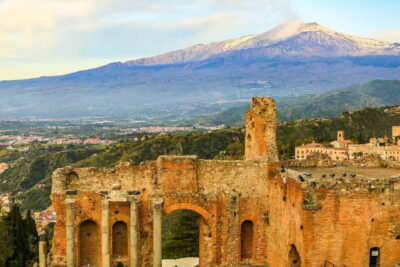
Taormina: Ancient Theater Skip-the-Line Ticket & Audio Guide
Read our review →
Discover the Ancient Ruins of Pompeii: Day Trip from Rome
Read our review →
Discover Matera, the ancient city – English tour
Read our review →Browse the lists this tour appears in