
Review · THAILAND HISTORY TOURS
Chiang Mai: Historic Old City Bike Tour – Morning or Night
Chiang Mai’s old town makes much more sense from a bicycle seat. You can cover the moat, ancient walls, temples, monuments, and back lanes without spending the day in traffic or on foot. The 12 to 14-kilometer route stays relaxed, with regular stops for stories, photos, and temple visits.
I like the choice between a morning ride and a cooler night outing, and I like that guides such as Kitty, Mai, T, and Farm focus on local customs as well as dates and buildings. The market stop adds a welcome taste of daily life. The main consideration is clothing: shorts, short skirts, and sleeveless shirts are not allowed, and the ride is not suitable for anyone who cannot comfortably cycle.
Key points to know before you book
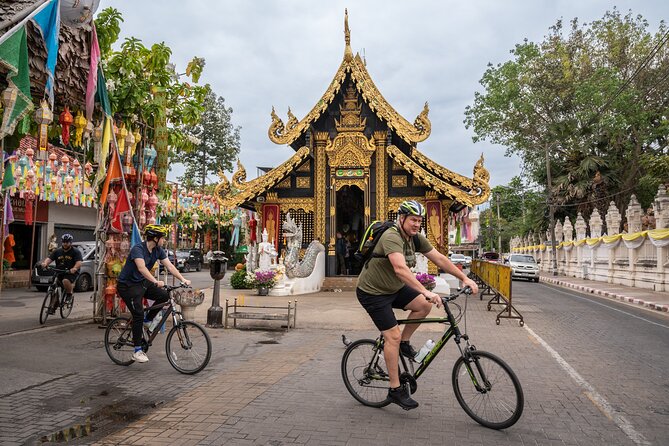
- Ride through quiet lanes: Much of the route uses small streets and alleys rather than busy main roads, though you will still cross traffic at times.
- Choose your atmosphere: Morning brings fresh markets and the chance to see monks beginning daily rituals. Night brings cooler air, lively food stalls, and illuminated temples.
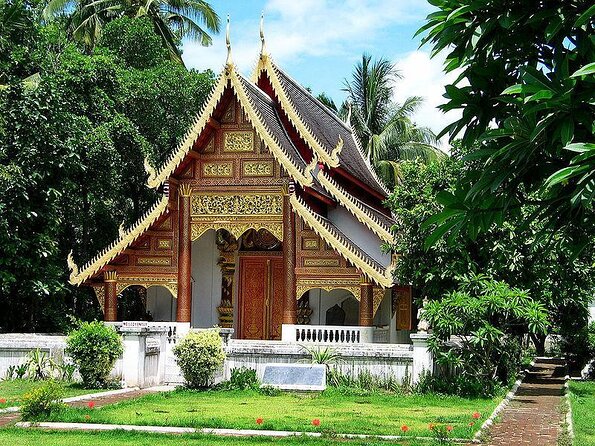
- See Chiang Mai’s historic core: Tha Phae Gate, Wat Chedi Luang, Wat Inthakhin, the Three Kings Monument, the moat, and old wall sections are all part of the experience.
- Expect an easy pace: The roads are generally flat, and the ride is designed for sightseeing rather than speed.
- Local food is part of the tour: Simple snacks, fruit, and drinking water are included at a market stop.
- Small groups make a difference: The guide can help with road crossings, answer questions, and adjust the pace more easily than on a large coach tour.
Why a bicycle works so well in Chiang Mai’s Old City
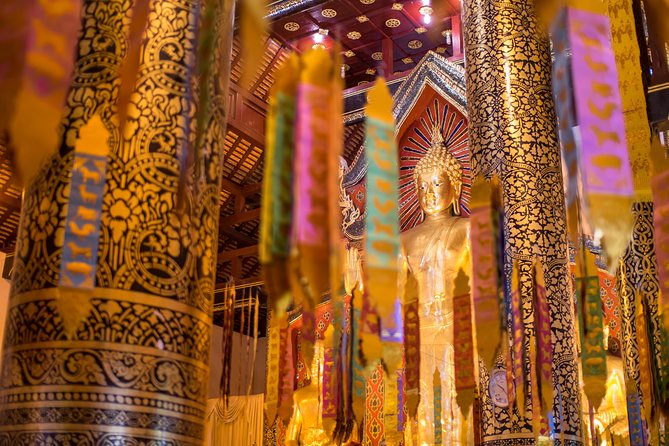
Chiang Mai’s old center is a square enclosed by a moat, with traces of the original walls and gates still visible. It is compact enough to cross by bicycle, yet large enough that walking between the main sights takes time, especially in Thailand’s heat.
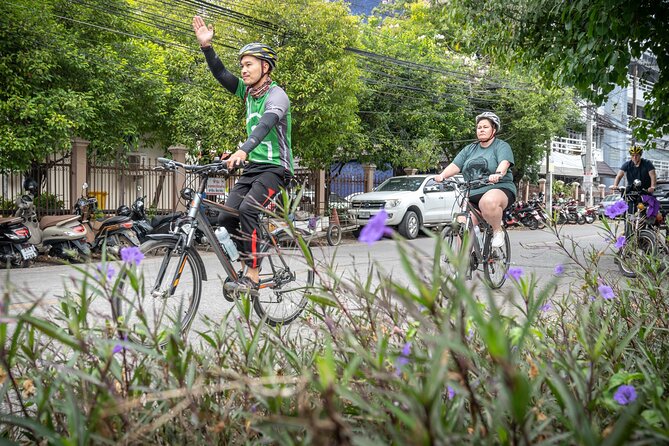
A bike gives you a useful middle ground. You move faster than a walker but slowly enough to notice homes, small shrines, temple entrances, cafés, and market stalls. The route also uses back streets that are easy to miss from a car or songthaew.
You should not expect a completely traffic-free ride. Some roads are busier, and you need to follow the guide carefully at crossings. The guides are used to leading riders through Chiang Mai and may position themselves at the front and rear of the group to help everyone stay together.
The bikes are quality mountain bikes with helmets. Several guides set the bikes to each rider’s height before departure, which saves fuss at the start. Water is supplied, but I would still bring sunscreen and sunglasses, especially for the morning option.
More History Bike, Segway and Tuk-Tuk Tours in Thailand
- Sukhothai: Historical Park & Countryside Cycling Tour
★ 5.0 · 276 reviews - Chiang Mai: Historic Old City Bike Tour – Morning or Night
★ 5.0 · 202 reviews - Ayutthaya City and Historical Park Bike Tour
★ 4.8 · 175 reviews
Starting near Chang Puak Gate
The meeting point is the Discova Day Tour Shop at 10/3 Wiang Kaew Road, near Chang Puak Gate, the old city’s north gate. Look for the greenery co-working space called Punspace. The tour office is in front of it, and you should arrive 15 minutes early.
Private tours include hotel pickup and drop-off, but the standard small-group option does not. That makes the meeting point important when you plan your morning or evening. The shop is inside the old town area, so you can pair the ride with lunch, dinner, or more sightseeing afterward.
At the start, the staff provide the bicycle, helmet, water, and a basic safety briefing. Give the operator each rider’s full name and height when requested. If you need a child seat, ask in advance. The seat accommodates a child weighing up to 14 kilograms.
Tha Phae Gate and the old trading entrance
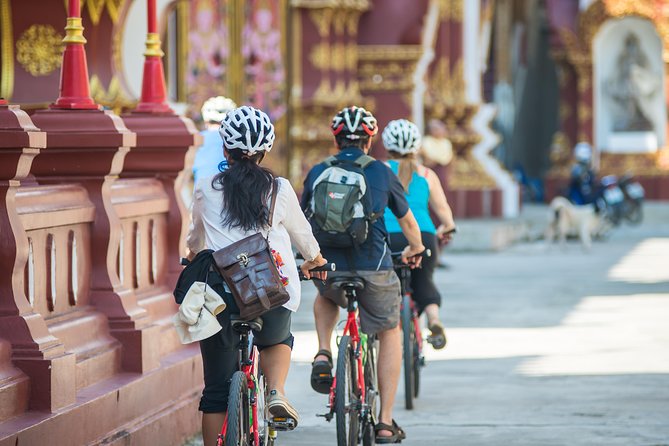
The first major stop is Tha Phae Gate, one of Chiang Mai’s best-known landmarks. This was once a key entrance for traders and a point of connection between the walled city and areas outside it.
It is a useful opening stop because your guide can explain how the old city was planned and why the moat and walls mattered. You also get an early sense of the scale of the square fortress, rather than seeing each temple as an isolated attraction.
Allow about 30 minutes here for explanation and photographs. The gate is an active part of modern Chiang Mai, so you may see traffic, pedestrians, and local activity around the historic structure. That contrast is part of the appeal, but it means this is not a silent archaeological site.
The Three Kings Monument and the City Navel Temple
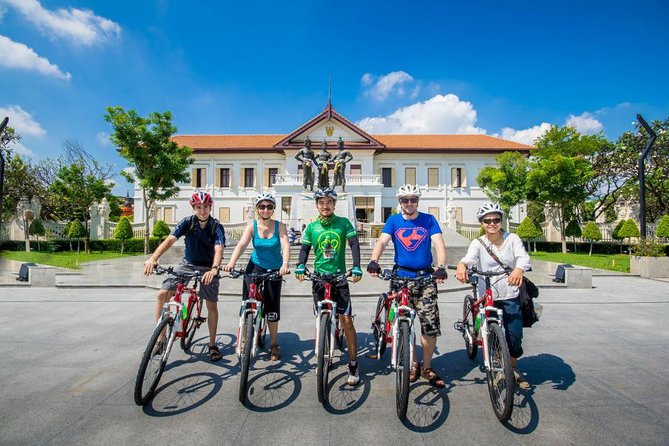
The ride continues toward the square around the Three Kings Monument. The monument honors the rulers associated with the founding of Chiang Mai, and the open space around it helps place the city’s origins in a wider civic setting.
Nearby, Wat Inthakhin Sadue Muang, also called the City Navel Temple, marks the symbolic center of the old kingdom. This stop adds a spiritual layer to the tour. You are not just looking at a monument or a temple façade. You are learning how the city’s physical center was tied to religious belief and political power.
The guide-led explanation matters here. Without context, the Three Kings Monument can look like a simple statue in a square. With a good guide, it becomes part of the story of Chiang Mai’s foundation and the Lanna Kingdom.
The stop is usually unhurried, with time to walk and ask questions. Guides including T and Kitty have been praised for explaining Buddhist ideas and Thai culture in clear, approachable language. That kind of conversation is especially useful if this is your first visit to northern Thailand.
More Old Town and Historic Centre Walks in Thailand:
- Madrid Essential: Historic Center, Plaza Mayor & Royal Palace
★ 5.0 · 6,416 reviews - Lisbon: Live Fado Show with Port Wine in Historic Center
★ 4.7 · 4,166 reviews - Valencia Old Town Tour with Wine & Tapas in 11th Century Historic Monument
★ 5.0 · 3,234 reviews - Prague Old Town, Medieval Underground and Dungeon Historical Tour
★ 4.5 · 3,227 reviews
Wat Chedi Luang’s enormous ruined chedi
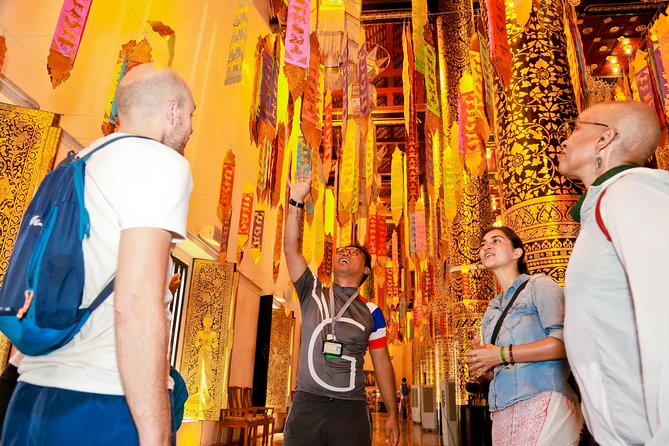
Wat Chedi Luang is the visual centerpiece of the ride. Its huge brick chedi rises above the temple grounds, even though the structure was damaged over time. The scale is impressive, and the weathered brick gives the site a different character from Chiang Mai’s more polished, brightly decorated temples.
The temple also has a long connection with the city’s spiritual life and the ancient City Pillar. Your guide explains the site’s religious importance, the role of the chedi, and the customs you should follow inside temple grounds.
Plan on about 30 minutes here, including walking. You will need suitable clothing, and shoulders and knees should be covered. The operator specifically does not allow shorts, short skirts, or sleeveless shirts, so dress for temple visits from the beginning rather than planning to change later.
The morning and night versions feel different at Wat Chedi Luang. In the morning, you might see monks beginning their daily routines. At night, the old brickwork is lit, giving the ruins a more dramatic mood. The night tour is not simply the daytime ride done after dark. The cooler temperature and temple lighting change the feel of the entire route.
Wat Chiang Man or Wat Lok Molee
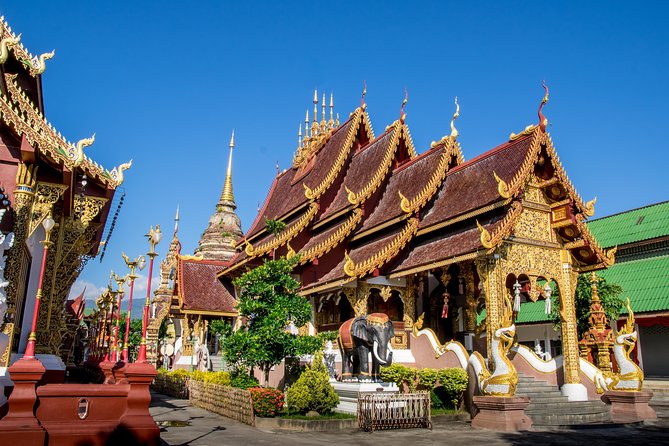
The exact temple focus can vary with the departure time. The morning route may include Wat Chiang Man, regarded as Chiang Mai’s oldest temple. The other version may pass Wat Lok Molee, known for its Lanna-style wooden viharn and tall brick stupa.
Wat Chiang Man is a strong choice for anyone interested in the city’s beginnings. Its age connects directly with the early period of Chiang Mai, and the grounds offer another chance to see how historic temples fit into ordinary city life.
Wat Lok Molee has a different appeal. Its wooden prayer hall and brick stupa are especially atmospheric in the evening, when the temple buildings are illuminated. If you choose the night outing, this can be one of the most memorable visual stops.
The operator does not promise the same exact temple sequence for every departure, so ask at the start which version you will follow. That small difference may matter if you have already visited one of the temples or have a particular interest in Lanna architecture.
Moat roads, old walls, and quieter back streets
Between the formal stops, the ride passes along sections of the ancient moat and the original city walls. These stretches help you understand Chiang Mai as a planned defensive capital rather than just a collection of attractive temples.
I particularly like this part of the route because the history appears in fragments. You might move from a busy crossing to a quiet lane, then pass a temple wall or a remnant of the old fortifications. The guide can point out details that would be easy to miss if you were following a map alone.
The route is described as easy and mostly flat, but you should be comfortable riding for four hours with breaks. The main physical challenge is not hills. It is staying alert around traffic, heat, pedestrians, and uneven patches of road.
Families with older children can manage the outing if everyone rides confidently. For younger children, request the child seat ahead of time and remember its 14-kilogram limit. The tour is not suitable for pregnant people, people with back problems, or anyone unable to ride a bicycle.
A market stop with fruit and simple Thai snacks
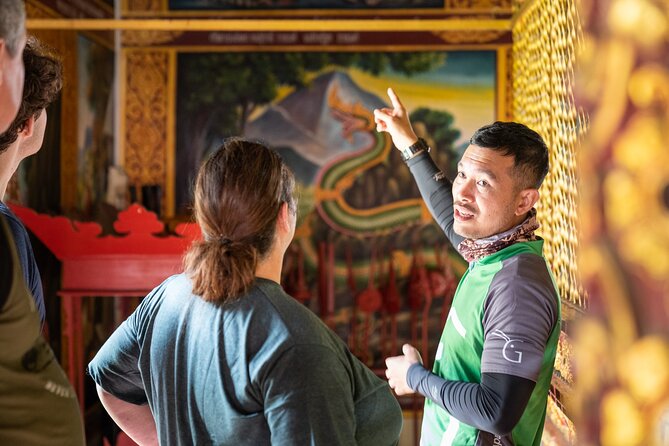
The market visit gives the ride a useful change of pace. In the morning, you may stop at a fresh market with produce and prepared foods. At night, the market has more of a street-food feel, with stalls and local activity continuing into the evening.
Simple snacks and fruit are included, along with drinking water. Guides may help you choose something to try, explain unfamiliar foods, or suggest places for a later meal. Past outings have included fruit, local snacks, mango drinks, fresh coconut, and other small tastes, though the exact food depends on the market and timing.
Do not book this expecting a full food tour. The included tasting is a modest part of the four-hour ride, not a meal. You should budget for your own food if you want a substantial breakfast, lunch, or dinner afterward.
This stop is valuable because it shows you a part of Chiang Mai that a temple-only tour misses. You see what people buy, how food is arranged, and how the old city functions beyond its major sights.
Morning or night: which version should you choose?
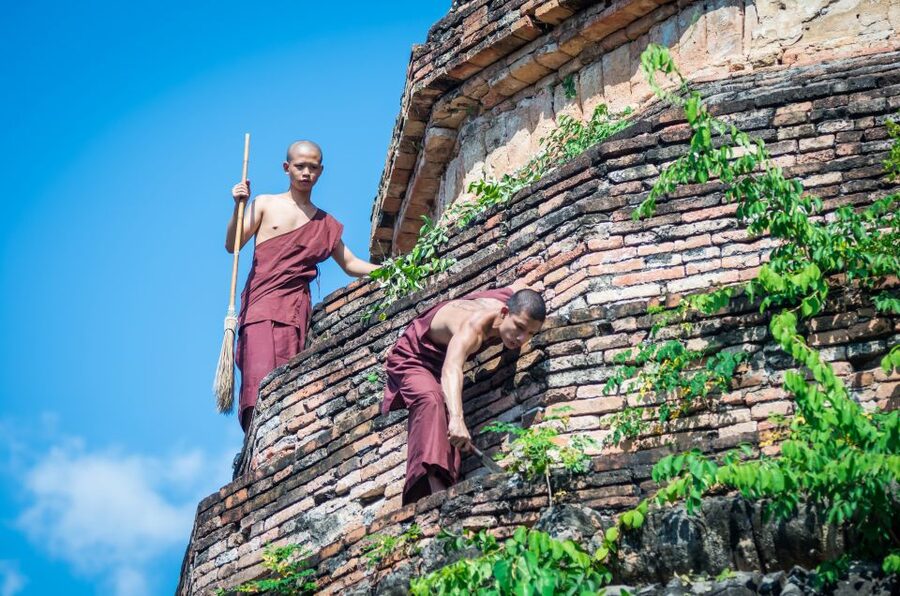
The morning tour is the better fit if you want cooler conditions before the heat builds and a quieter look at the city. Fresh produce markets and early temple activity give it a more local, everyday feel. It also leaves the rest of your day open for more sightseeing.
The night ride suits you if you dislike midday heat or want to see Chiang Mai’s temples under lights. The market stop should feel livelier after dark, and Wat Lok Molee and Wat Chedi Luang can take on a striking appearance.
The evening option does not remove every practical concern. You still need to watch for traffic, and the light will be lower on some streets. The guides keep the pace controlled, but you should choose the time that matches your own cycling confidence.
If this is your first day in Chiang Mai, either version works well. The route gives you a useful map of the old city, and you can return later to the temples, markets, and restaurants that interest you most.
Guides, safety, and the small-group advantage
The quality of the guide is central to this experience. The strongest part of the tour is not simply getting from gate to temple. It is having someone explain Buddhism, Lanna culture, local food, and the city’s past while also watching the road.
Guides named Kitty, Mai, T, Farm, Gun, and Ae have led this ride. Their roles go beyond reciting dates. They help with crossings, answer questions, adjust the timing of stops, and sometimes suggest nearby places to eat or continue exploring.
The small-group format keeps the ride friendly and manageable. If only two people are booked, the outing can feel close to a private tour. Private tours are also available, and private bookings include hotel pickup and drop-off.
You receive accidental insurance and a temple donation allowance. Personal spending and meals beyond the included snacks are not covered. The experience is conducted in Thai and English, so confirm that the language option suits you when booking.
Is $39 a fair price?
At $39 per person, this is not the cheapest way to see the old city. You could visit the monuments and temples independently for less, especially if you are happy walking and arranging your own transport.
The price makes more sense if you value orientation, cultural explanation, bicycle equipment, water, temple donations, and a guide who handles the route. You also cover more ground than you would on foot while still reaching small lanes that a car may not use.
For a first day in Chiang Mai, I consider the cost reasonable. You get four hours, a well-organized ride, several major sights, a market visit, and practical advice for the rest of your stay.
The value drops if you already know the old city well, dislike guided schedules, or want a long food-focused outing. In those cases, renting a bicycle independently may offer more freedom, but you will need to manage traffic, route planning, temple etiquette, and local context yourself.
What to wear and bring
Wear clothes that cover your shoulders and knees from the start. Shorts, short skirts, and sleeveless shirts are not allowed on this activity because temple visits are part of the route.
Bring sunscreen and sunglasses. Drinking water is provided, but carrying extra water is sensible in hot weather. Comfortable shoes are useful for walking around temple grounds, and you should avoid clothing that restricts your movement on the bike.
The free cancellation window is 24 hours before departure, and you can reserve now and pay later. Check the available start times before booking, since the four-hour schedule changes the rest of your day.
Who should book this ride?
Book it if you want a gentle introduction to Chiang Mai, enjoy light cycling, and prefer local explanation over simply taking photographs. It is especially useful during your first few days, when you are still learning the shape of the old city and deciding where to return.
It suits couples, families with older children, and solo riders who like a social but small-scale outing. It also works well for people who want to see temples without spending the whole day walking in the heat.
Think twice if you have back problems, are pregnant, cannot ride confidently, or dislike cycling near traffic. The roads are chosen carefully and the guides take safety seriously, but this remains a bicycle tour, not a sightseeing vehicle.
Should you book the Chiang Mai Old City Bike Tour?
I would book this tour if you want a practical first look at Chiang Mai’s historic center. The combination of quiet lanes, major temples, old walls, and a local market gives you more variety than a simple monument walk.
Choose morning for cooler riding and early-market atmosphere. Choose night for illuminated temples and a more relaxed evening mood. At $39, the tour earns its price through the guide, equipment, route planning, and cultural context, not through luxury.
It is a good fit for curious, reasonably active visitors who want to understand the city as they move through it. If that sounds like you, this is one of the better ways to get your bearings without rushing past the details.
FAQ
How long is the Chiang Mai Old City bike tour?
The tour lasts four hours, including cycling, guided sightseeing, temple visits, and the market stop.
How far do we cycle?
The route covers approximately 12 to 14 kilometers at a relaxed pace.
Can I choose a morning or night departure?
Yes. You can choose between a morning ride and a night ride, subject to available start times.
What sights are included?
The route includes Tha Phae Gate, Wat Chedi Luang, Wat Inthakhin Sadue Muang, the Three Kings Monument, sections of the old moat and walls, temple areas, and a local market.
Which temples might be visited besides Wat Chedi Luang?
Depending on the departure, the route may include Wat Chiang Man or Wat Lok Molee.
Is food included?
Simple snacks or fruit and drinking water are included. Meals beyond the light tasting are not included.
Do I need to bring my own bicycle or helmet?
No. A quality mountain bike and safety helmet are provided.
Is hotel pickup included?
Hotel pickup and drop-off are included for private tours. The standard small-group tour begins and ends at the Discova Day Tour Shop near Chang Puak Gate.
Newest history tours we have reviewed in Thailand
- Bangkok: Historical Temples Tour & Hidden Bar at Sunset★ 4.8 · 29 reviews
- Ayutthaya City and Historical Park Bike Tour★ 4.8 · 175 reviews
- Krabi: Ao Nang Landmark Stadium Muay Thai★ 4.7 · 287 reviews
- Chiang Mai: Historic Old City Bike Tour – Morning or Night★ 5.0 · 202 reviews
- Sukhothai: Historical Park & Countryside Cycling Tour★ 5.0 · 276 reviews
- Bangkok: Backstreets and Historic Temples Bike Tour★ 4.9 · 98 reviews
- The Ultimate Ancient city of Ayutthaya Private Day Trip★ 5.0 · 139 reviews
- Ayutthaya Private Guided Day Tour, 4 Ancient Temples★ 4.5 · 57 reviews
Old Town & Historic Centre Walks, compared.
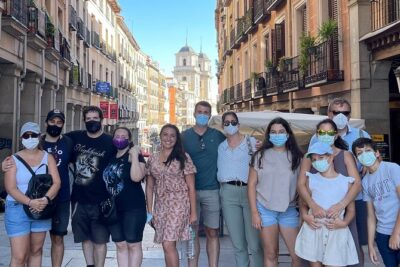
Madrid Essential: Historic Center, Plaza Mayor & Royal Palace
Read our review →
Live Fado Show with Port Wine in Historic Center
Read our review →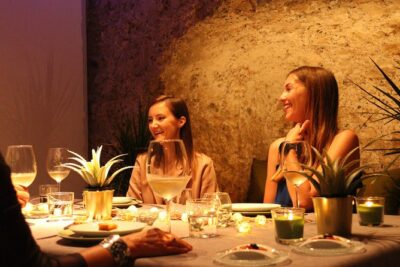
Valencia Old Town Tour with Wine & Tapas in 11th Century Historic Monument
Read our review →
Prague Old Town, Medieval Underground and Dungeon Historical Tour
Read our review →
Cartagena: Historic Center and Getsemaní Shared Walking Tour
Read our review →
Old Town Walking Tour History and Tales in Edinburgh
Read our review →
Philadelphia Old City Historic Walking Tour with 10+ Top Sites
Read our review →Browse the lists this tour appears in