
Review · CHARLESTON HISTORY TOURS
Charleston: Boone Hall & Historic City Tour Combo
Boone Hall is the heart of this outing, especially if you want to see more than a grand plantation house. You can visit the brick quarters of enslaved people, learn about Gullah culture, walk among old roses, and hear how the property changed hands since 1681. The later Charleston city tour adds a brisk look at the Battery, Rainbow Row, churches, markets, and old residential streets.
I like the easy air-conditioned coach ride, which saves you the trouble of arranging transport to Boone Hall. I also like the choice of presentations, since you can focus on gardens and architecture or spend more time with the difficult story of slavery and the Gullah people. The main drawback is time: with several plantation activities competing for attention, you may need to choose carefully rather than see everything.
Key points to know before booking

- Boone Hall’s brick quarters give the plantation visit a serious historical focus beyond the main house.
- Choose your plantation activities wisely, since the available time can feel short if you want the house, gardens, trolley, and presentations.
- Charleston’s 90-minute tour is mainly a moving overview, with no guaranteed chance to leave the bus during the city portion.
- Gullah culture is a major highlight, presented live at Boone Hall and tied to the Lowcountry’s African American heritage.
- Guides add value on the road, with Alan, Vicky, Bicki, and Scott praised for useful local details and practical tips.
- The $87 price works best for first-time visitors who want transport, plantation admission, and a city overview in one half-day outing.
Boone Hall gives the tour its strongest sense of place
You meet behind the Charleston Visitors Center and Charleston Museum, then board a climate-controlled coach for Boone Hall. The ride matters more than it may seem. You do not need to find your way out of the city or arrange a rental car, and the driver can point out local areas along the route.
Vicky, also identified in one account as Bicki, has been praised for filling the drive with information and helping people plan their time at the plantation. Another guide made the trip more interesting by talking about the neighborhoods and places along the road. That is useful because the ride becomes part of the lesson instead of dead time.
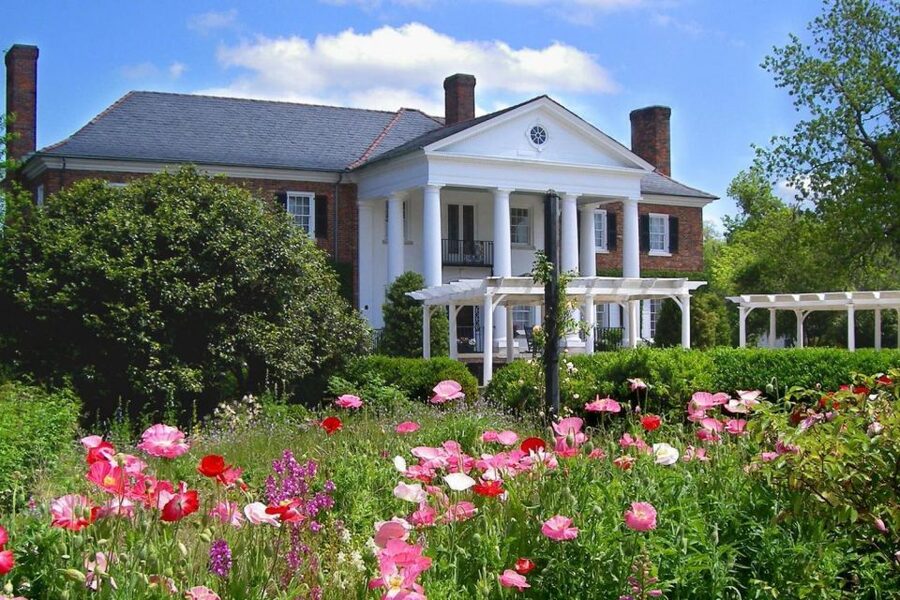
Once you arrive, the plantation offers several ways to spend your visit. A guided tour of the main house lasts about 30 minutes and begins on the front porch with a guide in historical dress. You hear how Boone Hall developed through several owners after 1681, then get a closer look at the house and its place in local history.
The house is the most obvious choice, but it is not the only one. I would not treat the grand residence as the entire point of Boone Hall. The plantation is more meaningful when you also make room for the stories of the people who lived and worked there, including the enslaved people whose labor supported the property.
More History Tours in Charleston:
- Charleston’s Old South Carriage Historic Horse & Carriage Tour
★ 5.0 · 10,023 reviews - Historic Charleston Guided Sightseeing Walking Tour
★ 5.0 · 6,216 reviews - Charleston Horse-Drawn Carriage Tour: Explore Historic Charleston
★ 5.0 · 3,561 reviews
The history of slavery is not an optional footnote
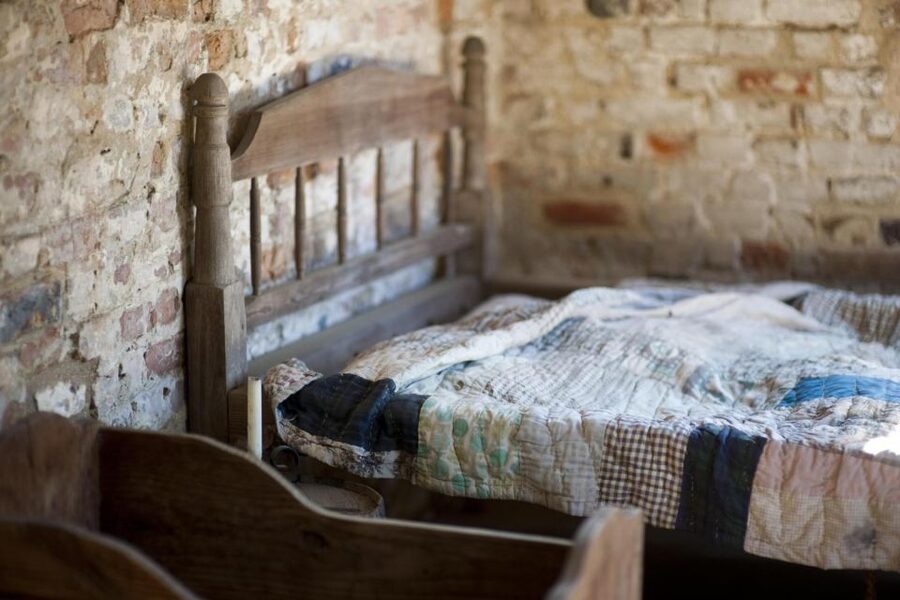
The Slave Street and History presentation takes you to the living quarters and historic relics connected with enslaved people at Boone Hall. The brick structures are especially important. They are described as the only original slave houses still standing in South Carolina because they were built of brick.
That fact gives the site unusual physical weight. You are not just looking at a restored mansion and hearing about owners. You can see the quarters where enslaved people lived, then consider the sharp contrast between those buildings and the main house. The presentation is the part of the visit I would make a priority for anyone who wants a more honest account of plantation life.
The language here matters. Boone Hall was not simply a pretty country estate. It was also a place where enslaved people lived and worked under a brutal system. The presentation helps place the house, gardens, and agricultural wealth in that larger setting.
You should expect the visit to cover several subjects rather than follow one smooth, uninterrupted route. Depending on the schedule, you may choose the house tour, Slave Street and History, Gullah culture, the gardens, or other activities. That variety is a strength, but it also creates the tour’s biggest practical problem: you probably cannot take your time everywhere.
Gullah culture adds living context

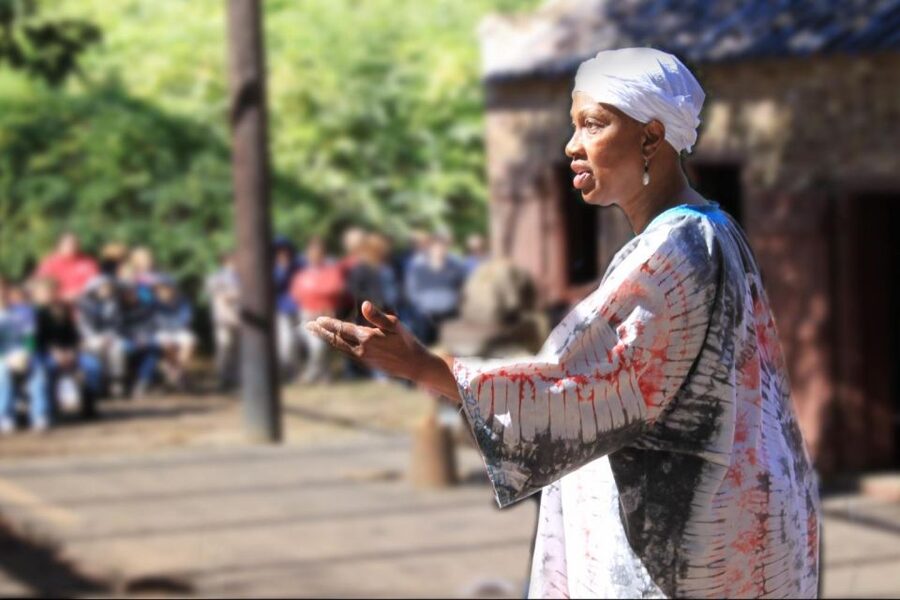
The Exploring the Gullah Culture presentation offers a different kind of history lesson. It focuses on the culture developed by African people brought to the Lowcountry and is presented live at Boone Hall.
This is valuable because it moves the subject beyond plantation dates and architecture. Gullah culture connects African heritage, language, customs, and community life to the broader Lowcountry. The presentation gives you a chance to hear about that continuing cultural identity rather than treating slavery as a closed chapter.
For many people, this will be the most memorable activity at Boone Hall. One detailed account singled it out along with the beautiful grounds, and that pairing makes sense. The gardens show the polished public face of the property, while the Gullah presentation brings attention to the people and traditions shaped by the region’s difficult past.
If this presentation is your priority, check the timing as soon as you arrive. The plantation schedule may require you to choose between it and another activity. I would choose the Gullah presentation over trying to rush through every available stop.
The gardens offer a quieter side of Boone Hall

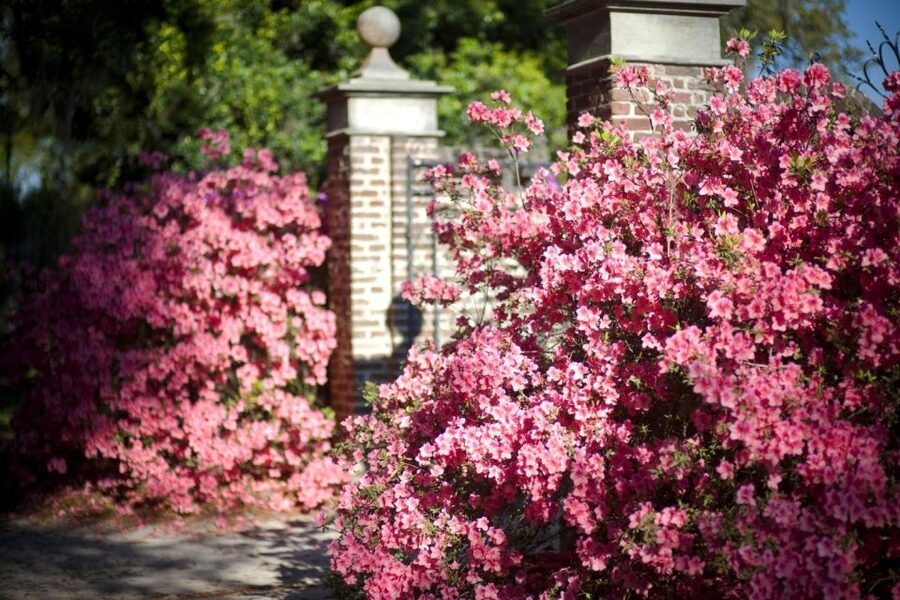
The garden tour is a good pick if you enjoy plants, formal grounds, and older cultivated varieties. The gardens include antique roses that are more than 100 years old.
That detail gives the garden walk a clear sense of character. You are not just passing through generic lawns. You can look for old rose varieties and enjoy a slower break from the presentations and coach ride.
The gardens also help explain why Boone Hall is popular with people who come for different reasons. A history-focused visitor can spend time at the quarters and cultural presentations, while someone interested in design and horticulture can take in the grounds and house. The catch is that the same flexibility can make the visit feel rushed.
Several hours may sound generous, but the plantation has enough to fill them. One person found there was not enough time for the house, slave cabins, Gullah presentation, trolley, and the rest of the grounds. Plan your top two or three choices before you arrive, and do not assume you will comfortably fit every activity into one visit.
Same streets, a different century:
- Charleston Harbor History Day-Time or Sunset Boat Cruise
★ 4.5 · 2,788 reviews - Hidden Alleyways and Historic Sites Small-Group Walking Tour
★ 5.0 · 2,335 reviews - Charleston: Daytime or Sunset Historic Harbor Cruise
★ 4.5 · 1,352 reviews - Charleston historical walking tour with a Professor of History at The Citadel
★ 5.0 · 1,284 reviews
Charleston from the coach: a useful first look
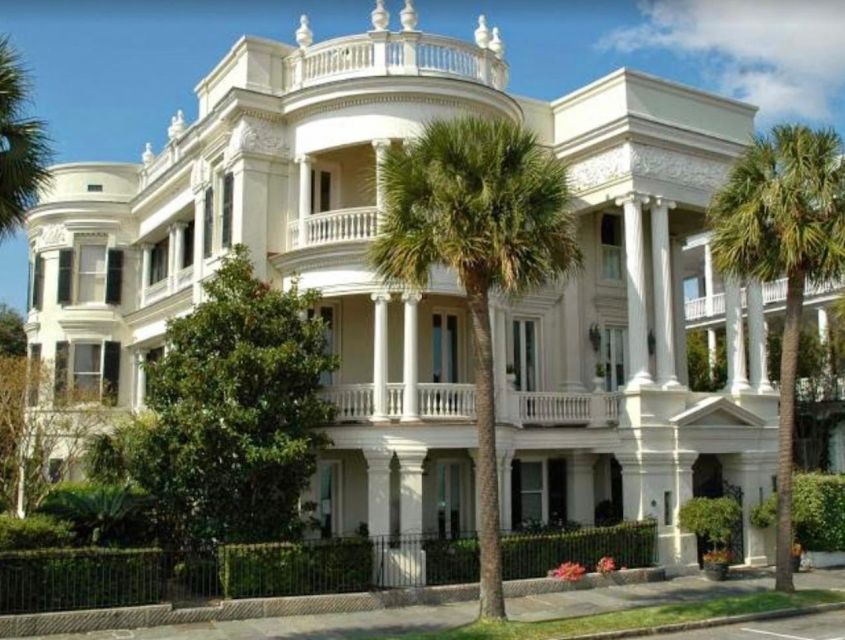
After Boone Hall, you return to Charleston for a 90-minute guided city tour. The route covers more than 100 of the city’s best-known sights, including historic homes, the Battery sea wall, the Four Corners of Law, Rainbow Row, churches, old markets, and picturesque neighborhoods.
This is an overview rather than a walking tour. You will hear stories and anecdotes while riding through the historic areas, but you should not expect to stop at every landmark. One person specifically wished for the chance to get off the bus during the city section. That is a fair concern if you want photographs, time inside churches, or a close look at the houses.
Still, the coach format has a practical advantage. In 90 minutes, you can cover far more ground than you could on foot. The Battery, old neighborhoods, markets, and Rainbow Row are spread across the city, and the guide can link them into one broad picture.
Alan has been praised for explaining the important sights and handling the bus carefully. Scott has also been helpful with restaurant suggestions and extra information about the city. You should treat the tour as a way to learn what deserves a return visit, not as a replacement for exploring Charleston on foot.
What the Charleston sights tell you

The Battery sea wall gives the city tour a strong visual stop, even if you remain on the coach. The waterfront setting helps explain Charleston’s relationship with the harbor and gives you a sense of the city’s older edge.
Rainbow Row offers a different view, with its colorful historic homes and compact streets. It is one of the city’s most recognizable sights, but the city tour puts it alongside less famous churches, markets, and neighborhoods. That broader mix is helpful because Charleston is more than a postcard street.
The Four Corners of Law brings together several important public buildings and shows how civic life developed in the historic center. Churches and old markets add another layer, pointing to the city’s religious, commercial, and community life.
Because the guide does the talking while you ride, you can focus on the layout of Charleston. I find that useful on a first visit. You learn where the major districts are, get a steady stream of local anecdotes, and can then return later to the places that caught your eye.
The city portion may not satisfy you if your main goal is photography or detailed architecture. The coach windows limit how long you can study a building, and traffic can affect the pace. Some commentary may also feel a bit theatrical or corny, and one person found a guide hard to understand at times. Even so, the tour provides a solid first orientation.
Timing, transport, and the $87 price
The listed price is $87 per person for about 270 minutes, or four and a half hours. It includes admission to Boone Hall and the 90-minute guided Charleston tour, but not food, drinks, or hotel pickup and drop-off.
I see the price as fair for a first-time visitor who wants both a plantation visit and a city overview without arranging transport. The coach, plantation admission, and live guiding are bundled together, and the trip covers two places that would otherwise require separate planning.
The value drops if you want a slow, detailed day at Boone Hall. The plantation has enough activities to fill three or more hours on its own, according to one account, while the full advertised experience is about 270 minutes including the city tour and transfers. That means you should think of this as a highlights package, not an unhurried plantation day.
The schedule can also be affected by traffic. One person reported that the bus to Boone Hall arrived about 30 minutes late because of road conditions. The operator runs the tour rain or shine, so build some flexibility into your day and avoid scheduling an important dinner or timed attraction immediately afterward.
Food and drinks are not included, and food and drinks are not allowed in the vehicle. Wear comfortable shoes and clothes, and bring a camera. You will spend time walking at the plantation even though the coach handles the longer transfers.
Who will get the most from this combo
I would recommend this outing to a first-time Charleston visitor who wants a broad introduction in one booking. It suits you if you want to understand the city’s layout, see Boone Hall, and hear historical context without renting a car.
It is also a good fit for families and mixed-interest groups. One person may prefer the house and gardens, another may care most about the Gullah presentation, and another may simply want to see Charleston’s churches, old markets, and waterfront. The menu of activities lets each person find something worthwhile, though the group should agree on priorities before arrival.
History-minded visitors should make time for the Slave Street and History presentation. It gives the Boone Hall visit more substance and keeps the main house from becoming the only story.
I would hesitate to book it if you want long walking stops, quiet time in the gardens, or a full day devoted to Charleston’s architecture. The city tour is mostly from the bus, and the plantation schedule can feel compressed. In that case, a separate walking tour and a longer Boone Hall visit would give you more freedom, though this combo is simpler.
Small details that make the day easier
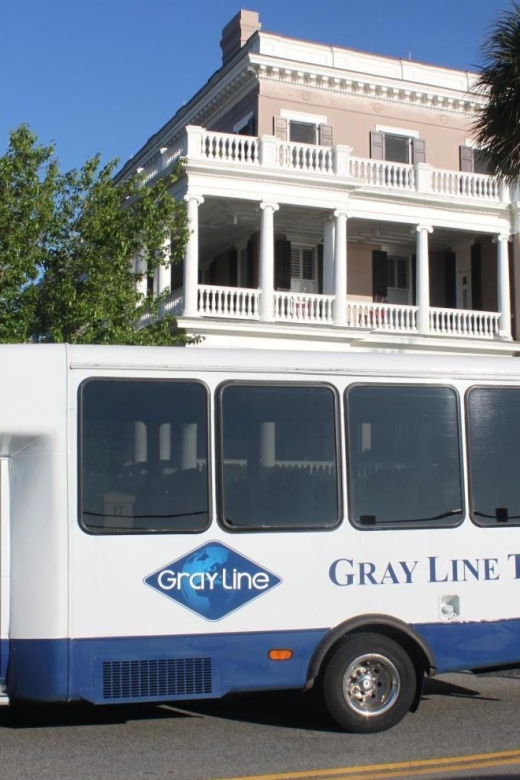
Check in directly at the buses behind the Visitors Center and Charleston Museum. Since there is no hotel pickup, make sure you allow enough time to reach that meeting point.
Keep your camera ready, but remember that the city portion may not provide many chances to stop and take a careful photograph. The best use of the city tour is to listen, note the places you want to revisit, and enjoy the changing streets from the coach.
At Boone Hall, ask about the timing of the house, gardens, Slave Street and History, Gullah culture, and any trolley activity as soon as you arrive. You will get more from the visit if you choose your priorities rather than trying to chase every option.
The tour is in English, with a live guide. The cancellation policy allows a full refund if you cancel at least two hours ahead, which gives you some useful flexibility if your plans change.
Should you book the Boone Hall and Charleston combo?
Book it if you want efficient coverage of two major Charleston experiences and value included transport. The guides can add useful local color on the road, Boone Hall offers more than a house tour, and the city circuit gives you a good map of the historic center.
Before you pay, decide what matters most. If it is the Gullah presentation and the quarters of enslaved people, go straight to those choices. If you want roses and architecture, choose the gardens and house. If you want a slow, reflective plantation visit or frequent city walking stops, this half-day format may feel too tight.
For $87, I think the combo is a sensible choice for a first visit, provided you accept its limits. You get range, transport, and a serious look at Boone Hall’s complicated past, but you trade away some free time.
FAQ
How long does the Boone Hall and Charleston tour last?
The listed duration is 270 minutes, or about four and a half hours. The schedule includes transportation, the Boone Hall visit, and a 90-minute guided tour of historic Charleston.
What is included in the price?
The price includes admission to Boone Hall Plantation and a 90-minute guided tour of historic Charleston. Food, drinks, and hotel pickup and drop-off are not included.
Where do I meet the tour?
You check in at the buses directly behind the Visitors Center and Charleston Museum in Charleston.
Is the Charleston portion a walking tour?
No. The Charleston section is a guided 90-minute coach tour. You see sights such as the Battery sea wall, Rainbow Row, historic churches, old markets, and neighborhoods from the route, and there may not be time to get off the bus.
What can I do at Boone Hall?
You can take a guided tour of the main house, visit the gardens, attend the Slave Street and History presentation, and attend the Exploring the Gullah Culture presentation. The available time may require you to choose among these activities.
Is the tour offered in English?
Yes. The tour has a live English-speaking guide.
What happens if it rains?
Tours operate rain or shine. Bring comfortable clothing and shoes, and a camera if you want photographs.
Newest history tours we have reviewed in Charleston
- Charleston’s Strong Women of the South History Tour★ 4.5 · 27 reviews
- Charleston’s Historic Pubs, Taverns, and Taprooms Tour★ 4.5 · 33 reviews
- Sip History in The Sun Cabana Covered Cocktail Class★ 5.0 · 332 reviews
- Small-Group Tour: Charleston Old Walled City Historical Walking Tour★ 4.5 · 283 reviews
- Sip History In a Secret Speakeasy Cocktail Class★ 5.0 · 40 reviews
- Private Sunset Sail BYOB Dolphin/History Tours on 43ft Mystique★ 5.0 · 42 reviews
- Private Afternoon Sailing/Dolphin & History Tour on 43ft Mystique★ 5.0 · 32 reviews
- Private Walking Tour of Historic Charleston★ 5.0 · 38 reviews
Charleston History Tours, compared.

Charleston’s Old South Carriage Historic Horse & Carriage Tour
Read our review →
Historic Charleston Guided Sightseeing Walking Tour
Read our review →
Charleston Horse-Drawn Carriage Tour: Explore Historic Charleston
Read our review →
Charleston Harbor History Day-Time or Sunset Boat Cruise
Read our review →
Hidden Alleyways and Historic Sites Small-Group Walking Tour
Read our review →

Charleston historical walking tour with a Professor of History at The Citadel
Read our review →
Historical Downtown Tour by Horse-drawn Carriage
Read our review →Browse the lists this tour appears in