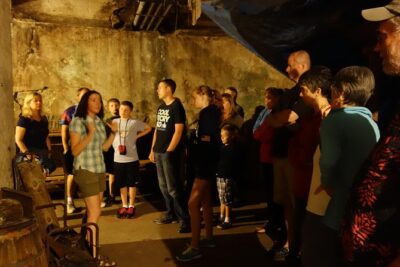
Review · TOURS
Buenos Aires: Historic Buenos Aires Landmarks & Icons Tour
Buenos Aires tells its story in a tight cluster of grand buildings and public squares. This tour connects Casa Rosada, Plaza de Mayo, the Cathedral, Cabildo, and Manzana de las Luces, so you can get your bearings while learning how Argentina’s capital took shape. The Garay Monument and the former post office palace add useful context beyond the usual photo stops.
I like the strong historical focus and the fact that the tour costs only $20 for 150 minutes. I also like the personal touch associated with guide Miguel, who explains the city clearly, answers questions, and may add local details such as the proper way to drink mate. The main drawback is practical: this is a walking tour in Spanish with a significant amount of time outdoors, and it is not suitable for wheelchair users or people with mobility impairments.
Key points to know before you go
- Casa Rosada and Plaza de Mayo: See Argentina’s best-known seat of government and the square at the center of major national events.
- A compact historic route: The stops sit close together, making this a useful first look at central Buenos Aires without arranging transport.
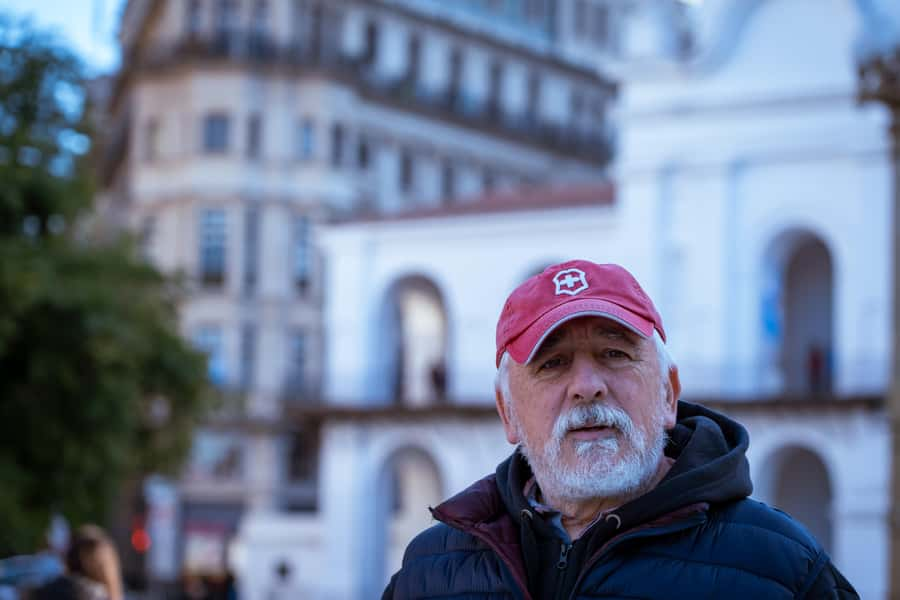
- Miguel’s personal guiding style: His explanations, flexibility, and attention to questions receive especially strong praise.
- Several interior visits: The route includes the Bicentennial Museum, Metropolitan Cathedral, Cabildo, and Manzana de las Luces.
- Spanish is the stated language: Miguel has adapted for some English-speaking participants, but you should book expecting a Spanish tour.
- Come ready to walk: Wear good shoes, bring water, a hat, and sunscreen, and check the forecast.
Why this walking tour works for a first day
The route begins at Plaza de Mayo, the natural meeting point for this part of Buenos Aires. Meet your guide near the flagpole, then spend the next 150 minutes moving through the city’s political, religious, civic, and colonial landmarks.
I like this format because it gives you a framework for later exploring on your own. Instead of seeing Casa Rosada, the Cathedral, or Cabildo as isolated sights, you learn how they relate to one another. The tour also keeps the geography manageable. You are not spending the afternoon crossing town in a bus or taxi.
At $20 per person, the value is particularly good if you want a history-focused introduction. The price covers a live guided tour, but not food, drinks, or hotel pickup and drop-off. You will need to reach Plaza de Mayo yourself and remain prepared for outdoor walking.
The official language is Spanish. That point matters. One participant who had accidentally booked the Spanish option said Miguel adapted the tour into English, and another noted that he adjusted his explanations for someone whose Spanish was limited. That suggests flexibility, but it does not turn this into a guaranteed English-language experience. If you need English, confirm the language before booking.
More History Tours in the world:
- New York City: American Museum of Natural History Ticket
★ 4.5 · 15,447 reviews - History and Hauntings of Salem Guided Walking Tour
★ 5.0 · 14,564 reviews - Colosseum: Underground and Ancient Rome Tour
★ 4.7 · 12,691 reviews
Plaza de Mayo and the Casa Rosada
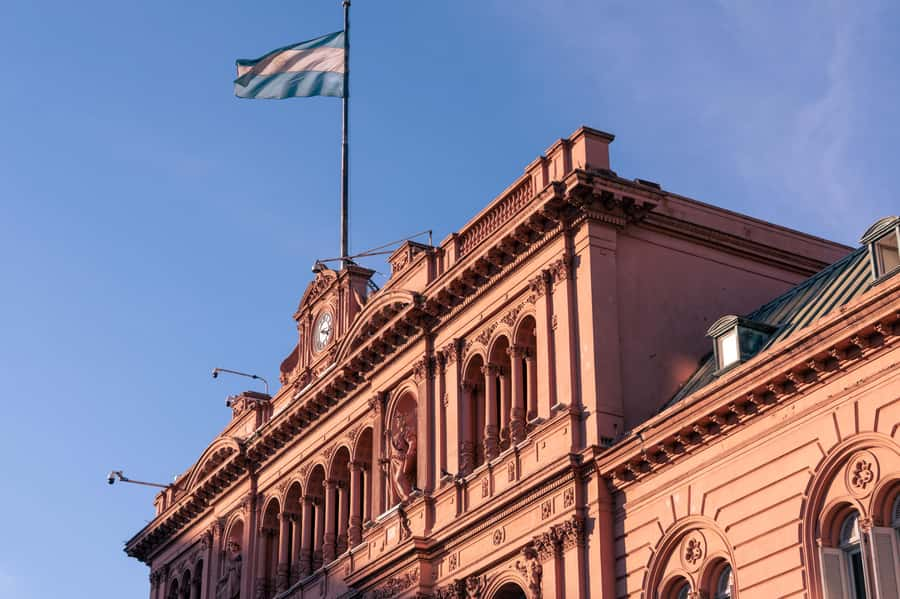
The first major sight is Casa Rosada, the pink government palace facing Plaza de Mayo. You have about 10 minutes here for a guided explanation, a photo stop, and a view from outside.
This is not simply a quick palace photo. Casa Rosada anchors the entire square and helps explain why Plaza de Mayo has such weight in Argentine public life. Your guide can place the building within the wider story of the city and national government, while the square gives you a clear view of several important institutions at once.
The stop is short, so set your expectations correctly. This is not a full palace tour, and the information provided does not promise interior access to Casa Rosada. You will get the most from it by listening closely, taking your photographs early, and using the surrounding buildings as part of the lesson.
The square itself is one of the most important public spaces in Argentina. It is also a practical place to begin because the surrounding sights are within walking distance. Bring sunscreen and a hat on sunny days, since the tour takes place outdoors and shade may not always be available.
The Garay Monument and Buenos Aires’ second founding
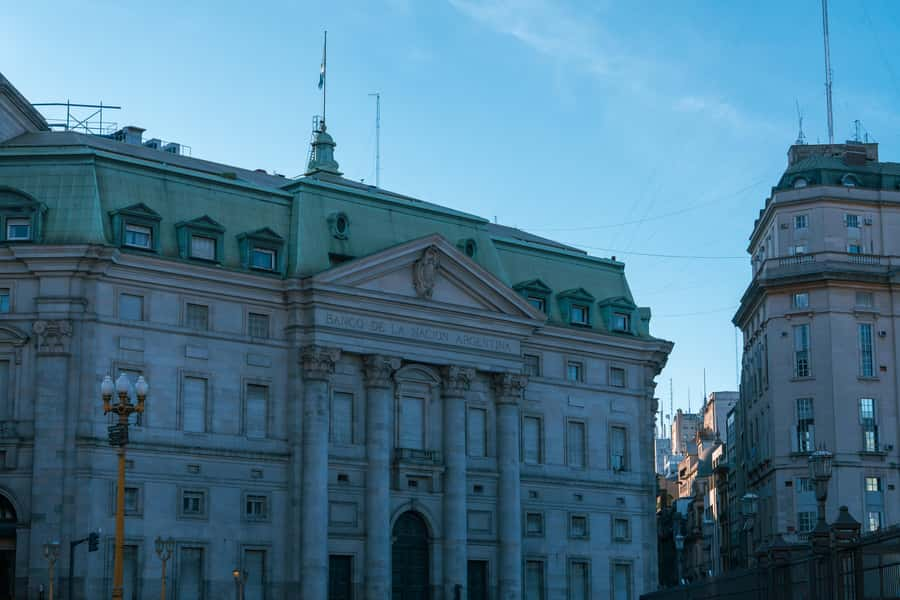
Next comes the Monumento a Juan de Garay, with about 10 minutes for a guided visit and photographs. This stop adds a historical layer that is easy to miss if you only visit the main palace and cathedral.
The monument marks the site associated with the second founding of Buenos Aires. You also get a view toward the historic center, including the former grand post office palace that now serves as a cultural center. That combination of monument, open space, and city view helps connect the city’s early development with its later civic architecture.
I like this stop because it moves the tour beyond the standard list of famous facades. The monument is a prompt for understanding how Buenos Aires began, grew, and organized itself around the central square. It may be less immediately dramatic than Casa Rosada, but it gives the rest of the walk a stronger sense of place.
Again, the visit is brief. If you enjoy taking detailed photographs or asking many questions, you will need to keep an eye on the group’s pace.
Inside the Bicentennial Museum
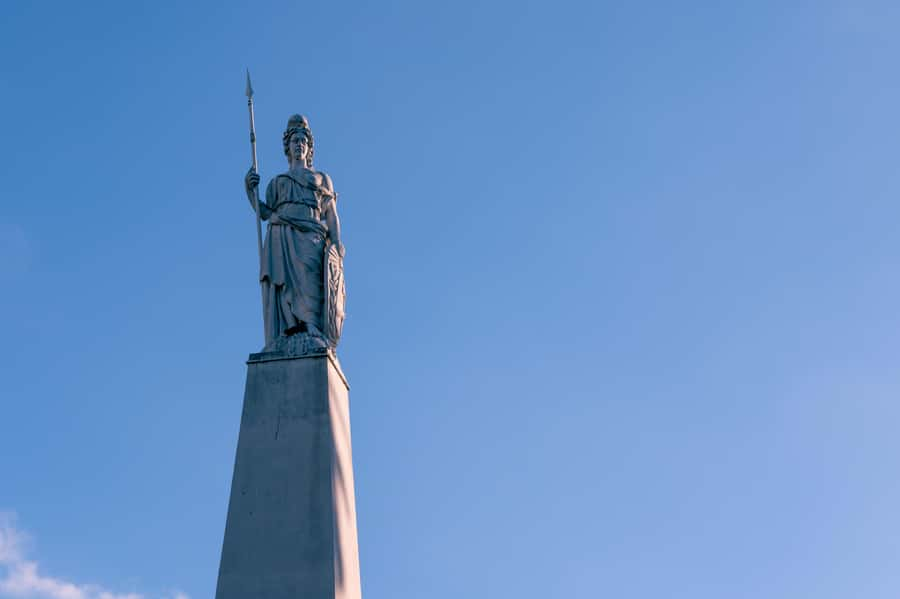
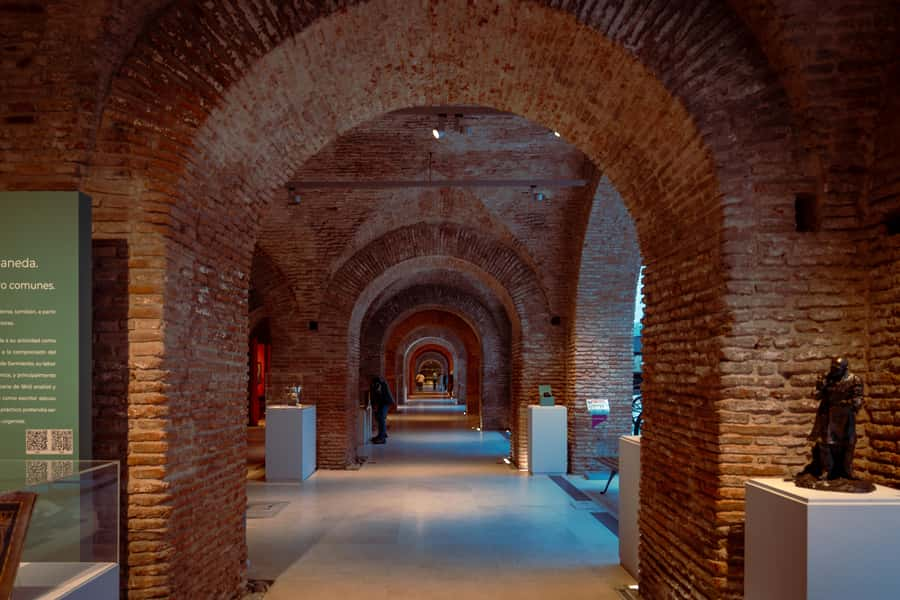
The Museo del Bicentenario receives about 20 minutes of guided sightseeing and a visit. It occupies the former customs area behind Casa Rosada and presents objects connected with Argentina’s presidents and national past.
The useful feature here is the change of pace. After several exterior stops, you enter a museum where political history is presented through relics and artworks. The collection includes items associated with past presidents, along with notable works of art. This gives you something more concrete than dates and building styles.
Twenty minutes is enough for a focused introduction, but not for a full museum visit. You will see selected highlights and receive context from the guide rather than studying every display at length. If you are hoping to return later, note the museum’s name and location so you can plan a separate visit.
This stop is also one reason the tour offers better value than a simple plaza walk. You are not only looking at buildings from the pavement. Part of the route brings you into places where Argentina’s political story is displayed through objects.
Same streets, a different century:
- Lisbon: History, Stories and Lifestyle Walking Tour
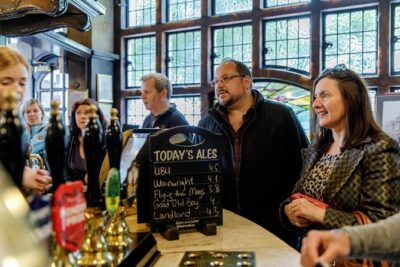
★ 4.8 · 10,902 reviews - London Small Group Tour of Historical Pubs
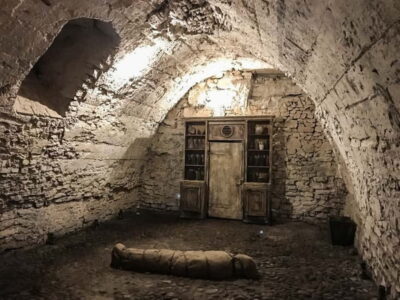
★ 5.0 · 10,422 reviews - Prague: Oldtown, Medieval Underground & Dungeon History Tour
★ 4.3 · 10,277 reviews - Charleston’s Old South Carriage Historic Horse & Carriage Tour
★ 5.0 · 10,023 reviews
The Metropolitan Cathedral and the Cabildo
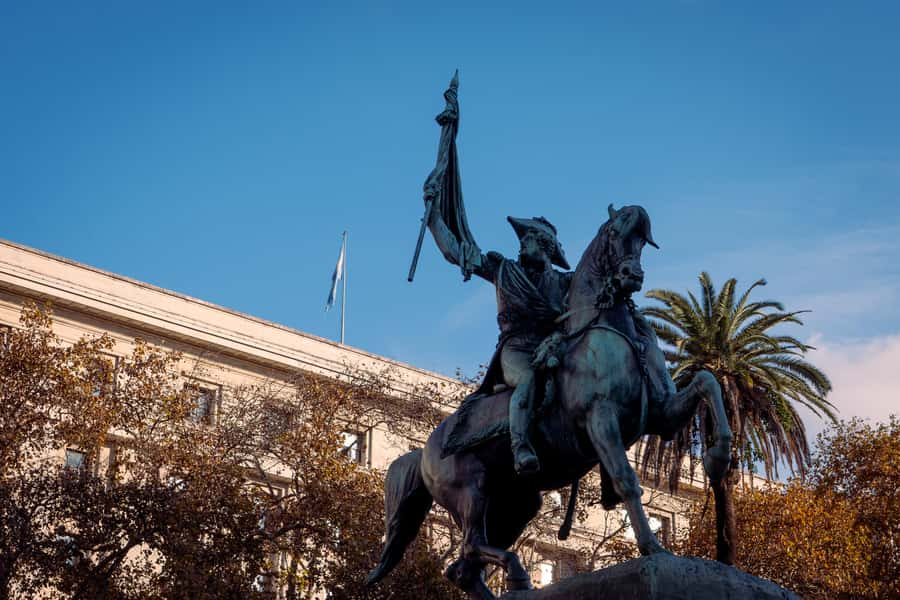
The Buenos Aires Metropolitan Cathedral receives about 20 minutes. You can expect a guided visit and a photo stop inside or around this important religious building.
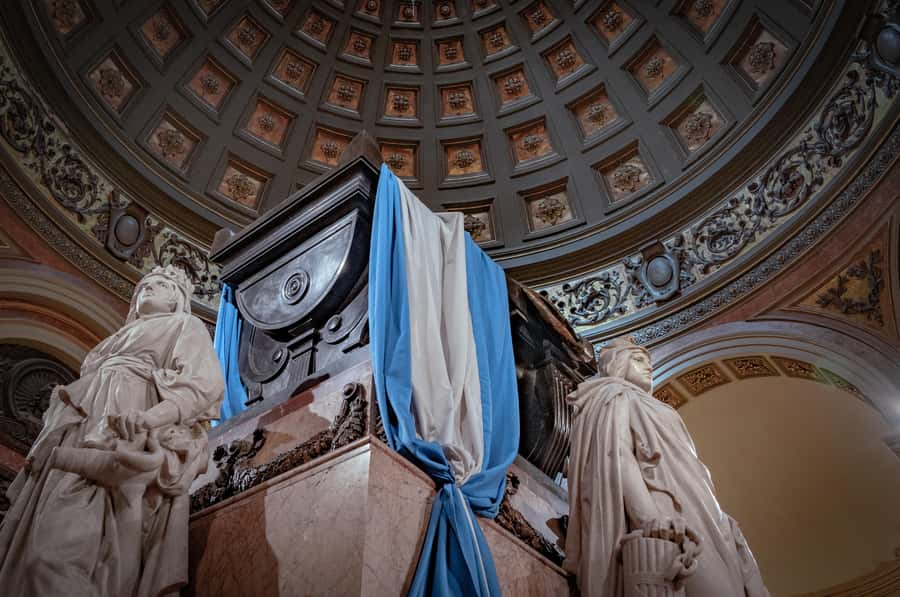
The Cathedral helps show the different layers of the city’s public life. On the same square, government, religion, banking, and civic institutions sit close together. Your guide can explain that relationship while pointing out the building’s interior and exterior features.
The next stop is the Cabildo of Buenos Aires, also scheduled for about 20 minutes. The Cabildo served as a center of colonial administration and now functions as a museum preserving the story of the city and country. It is one of the key places for understanding Buenos Aires before and during the formation of modern Argentina.
I like having both the Cathedral and Cabildo on the same route because they offer different ways to read the square. The Cathedral presents a religious and ceremonial side of the capital. The Cabildo brings in colonial government and the city’s political development.
The timing remains fairly brisk. You will have time for an introduction, photographs, and a guided explanation, but not a slow architectural study. Comfortable shoes help, especially if the group is moving between several buildings on foot.
Manzana de las Luces and the final stretch
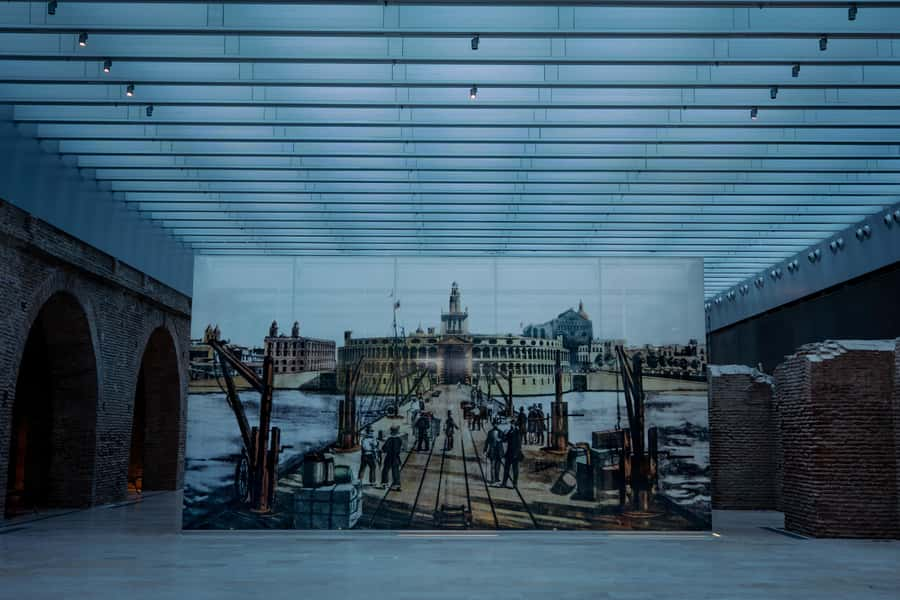
The tour also visits Manzana de las Luces, with about 20 minutes for a guided visit and photographs. The name refers to a historic city block associated with some of Buenos Aires’ oldest educational and religious institutions.
This is a good final stop because it shifts attention away from national government and toward the city’s early intellectual and religious life. The block gives you another angle on how Buenos Aires developed around institutions, not just around grand government buildings.
The tour description also includes the Central Bank building, formerly the San Ramón Nonato Convent, the former post office palace now used as a cultural center, the Bank of the Argentine Nation, the City Legislature, the Ministry of Defense, the National Customs House, and Comic Strip Plaza. Not every one of these places receives the same scheduled visit time, so treat some as exterior points or passing views rather than guaranteed interior tours.
That distinction is useful when planning your expectations. You will see a large number of important buildings, but the main timed visits are Casa Rosada, the Garay Monument, the Bicentennial Museum, the Metropolitan Cathedral, Cabildo, and Manzana de las Luces.
What makes the guide important
The strongest part of this experience is the guide’s role in connecting the buildings. Miguel is repeatedly praised for clear explanations, strong knowledge of Buenos Aires history, kindness, and flexibility.
He also appears to make the tour feel personal rather than mechanical. One participant described him as attentive to questions and protective of the group during the walk. Another said he added a demonstration of how to drink mate, Argentina’s famous shared infusion. That sort of small local detail can make a history walk easier to remember.
You should still think of the experience as a Spanish-language tour. If you speak Spanish, you are likely to get the fullest version of Miguel’s storytelling. If your Spanish is limited, ask in advance about language arrangements rather than assuming English will be available.
The guide can also affect the pace. The information provided does not specify a fixed group size, so you should not book expecting a private tour. The wording about a personal tour reflects the guiding style, not a stated guarantee that every booking is private.
Walking conditions, weather, and access
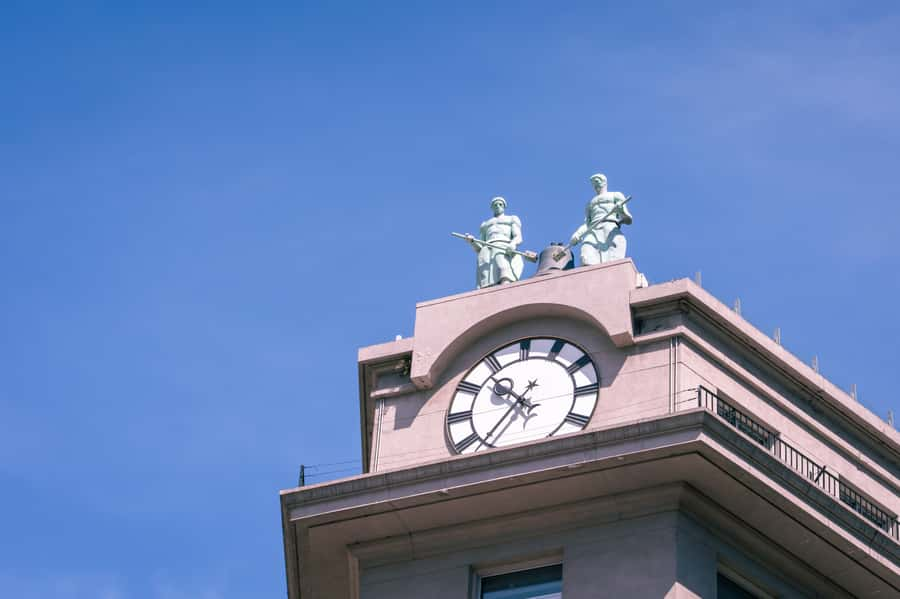
This is a 150-minute outdoor walking experience with several building visits. You need comfortable walking shoes, water, a hat, and sunscreen. Check the forecast and dress accordingly, since heat, rain, or strong sun can affect how enjoyable the route feels.
The tour is specifically not suitable for people with mobility impairments or wheelchair users. The information does not describe step-free access, adapted transport, or a shortened route. If walking for more than two hours is difficult, this is not the right way to see central Buenos Aires.
There is no hotel pickup or drop-off. Plan your own route to Plaza de Mayo and meet near the flagpole. Food and drinks are not included, so carry water, especially during hot weather.
Because the route is concentrated around the historic center, the lack of transport is more an advantage than a problem for many visitors. You spend your time seeing the city instead of sitting in traffic. Still, it means you should allow enough time to reach the meeting point before the start.
Who will get the most from this tour
I would choose this tour for a first visit to Buenos Aires, especially if you want a clear introduction to the city’s central landmarks before exploring other neighborhoods. It suits people who prefer history, architecture, public squares, and guided explanations over shopping or food-focused activities.
It is also a good fit if you have only a short stay. In two and a half hours, you see several major sights and learn how they fit together. You can then return to the places that interest you most, perhaps spending longer at the museum, Cabildo, or cultural center.
The tour is less suitable if you want a relaxed pace, a guaranteed English guide, or extensive time inside each museum. It is also a poor match for anyone who cannot manage a substantial amount of walking.
The 4.9 rating from 37 bookings reflects very strong satisfaction, with praise centered on the guide’s explanations, friendliness, and personal attention. One booking received four stars after the participant accidentally chose Spanish, but even that account praised Miguel for adapting the experience into English. I would read this as a strong sign about the guide, paired with a reminder to confirm the language you need.
Is the $20 price good value?
Yes, provided you want a guided history walk rather than a full-day sightseeing package. For $20, you receive 150 minutes with a live guide and several scheduled visits, including the Bicentennial Museum, Cathedral, Cabildo, and Manzana de las Luces.
The value comes from the connections between the sights. You could walk through Plaza de Mayo alone and photograph the main buildings, but you would miss much of the context linking the Garay Monument, colonial institutions, national government, religion, and public memory.
The price does not include transportation, food, drinks, or hotel service. Those exclusions are reasonable for a central walking tour, but remember to budget a little extra for getting to and from the square and for water or a snack.
You can cancel up to 24 hours before the start for a full refund, and you can reserve now and pay later. Those terms are useful when your Buenos Aires plans are still shifting.
Should you book it?
Book this tour if you want an affordable, Spanish-language introduction to central Buenos Aires led by someone who can explain more than the names on the buildings. Miguel’s clear storytelling, flexibility, and local touches are the main reasons to choose it.
Skip it if you need guaranteed English, wheelchair access, or a slow, highly detailed museum visit. For most able-bodied visitors who enjoy history and can manage a brisk outdoor walk, this is a smart first-day orientation to Plaza de Mayo and the city’s central landmarks.
FAQ
Where does the tour begin?
Meet your guide near the flagpole at Plaza de Mayo.
How long does the tour last?
The tour lasts 150 minutes, or two and a half hours.
What language is the tour conducted in?
The stated tour language is Spanish.
Is hotel pickup included?
No. You must make your own way to Plaza de Mayo, and hotel drop-off is not included.
What is included in the price?
A live guided tour is included.
Are food and drinks included?
No. Food and drinks are not included, so bring water, especially on hot days.
Which major sights are visited?
The route includes Casa Rosada, Monumento a Juan de Garay, Museo del Bicentenario, Buenos Aires Metropolitan Cathedral, Cabildo of Buenos Aires, and Manzana de las Luces.
Do I need comfortable shoes?
Yes. The tour involves a significant amount of walking, so comfortable walking shoes are recommended.
Is the tour suitable for wheelchair users?
No. The experience is listed as not suitable for wheelchair users or people with mobility impairments.
Can I cancel for a refund?
Yes. You can cancel up to 24 hours in advance for a full refund.
Newest history tours we have reviewed in the world
- Florence tour of the historic center. Stories, legends and gossip★ 5.0 · 27 reviews
- Fort Lauderdale Historic District Food Tour Experience★ 5.0 · 28 reviews
- Fort Lauderdale History and Sightseeing Tour on Electric Bike(s)★ 5.0 · 34 reviews
- The History of Florence: The Renaissance Era Private Tour★ 5.0 · 49 reviews
- Dolphin and Manatee Adventure tour of Osprey with Florida History★ 4.5 · 20 reviews
- Private Tour of the Historic Center of Florence by Golf Car★ 4.5 · 40 reviews
- Florence Highlights: Guided Walking Tour of the Historic Center★ 5.0 · 27 reviews
- Private Chianti Classico Tour with wine and food tasting in a Historic Estate★ 4.5 · 23 reviews
Tours, compared.
History and Hauntings of Salem Guided Walking Tour
Read our review →
Colosseum: Underground and Ancient Rome Tour
Read our review →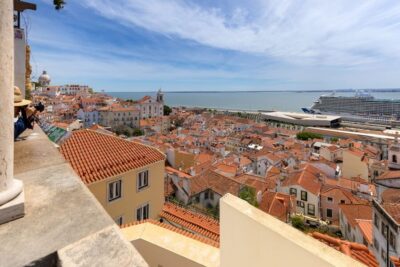
Oldtown, Medieval Underground & Dungeon History Tour
Read our review →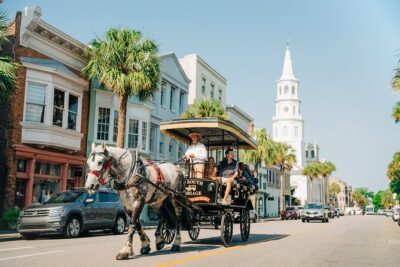
Charleston’s Old South Carriage Historic Horse & Carriage Tour
Read our review →
Edinburgh Castle Guided History Tour with Tickets
Read our review →