
Review · BOSTON HISTORY TOURS
Boston: Guided Seafood Tasting and History Tour
Boston’s seafood story comes alive on foot, with a lobster facility, working fish pier, harbor views, and plenty to eat along the way. You get more than a string of restaurant samples: you see how seafood reaches Boston tables and how the harbor has changed.
I especially like the small group of up to 12 and the mix of lobster roll, chowder, oysters, tuna, stuffed clams, and seasonal bites. Guides such as Nabil, Allison, Conner, and Lexie have earned repeated praise for pairing local history with good humor. The main drawback is simple: this is not the tour for anyone with a shellfish allergy, and the two-mile walk can feel long in cold or wet weather.
Key points at a glance
- Behind the scenes at Boston Fish Pier: Visit the oldest continuously operating fish pier in the United States and hear how the seafood trade works.
- A full meal in small portions: Samples can include lobster roll, clam chowder, oysters, fried clams, tuna handrolls, stuffed clams, quahogs, and seasonal specialties.
- Harbor cleanup with a purpose: Learn how Boston Harbor became one of the cleanest urban waterfronts in the world and why sustainable fishing matters.
- A well-paced 2.5-hour walk: Cover about 3.2 kilometers through the Seaport, Harborwalk, South Boston Waterfront, Fort Point Channel, and Rose Kennedy Greenway.
- Strong guide-led experience: Nabil, Allison, Conner, Lexie, Alex, Molly, Adam, and others have been praised for lively storytelling and local insight.
- Best for seafood eaters: Shellfish is central to the menu, and suitable substitutions cannot be guaranteed for shellfish allergies.
Why this Boston seafood tour feels different
Many food tours take you from one restaurant door to the next. This one uses the food as a way into Boston’s working waterfront. You walk past docks, harbor paths, seafood businesses, historic sites, and public spaces while your guide explains what you are seeing.
That difference matters. A lobster roll tastes better when you understand the trade behind it, and clam chowder has more character when it arrives in a place tied to Boston’s long relationship with the sea. The tour also gives you a look at a part of the city that can be easy to miss if you spend all your time around the Freedom Trail or Beacon Hill.
The setting is the Seaport District, beginning at South Boston Maritime Park on the corner of D Street and Congress Street. The meeting point is in the center of the park, near the outdoor seating and under the tall roof structures. Give yourself enough time to find the park, since the tour starts outdoors.
The group is capped at 12 people. That is a useful size for a walking tour with several food stops. You can hear the guide, ask questions, and move through working areas without the feel of a large organized crowd. A private group is also available if you want a more personal format.
More Guided Tours in the USA:
- History and Hauntings of Salem Guided Walking Tour
★ 5.0 · 14,564 reviews - Historic Charleston Guided Sightseeing Walking Tour
★ 5.0 · 6,216 reviews - Historic Savannah Guided Walking Tour
★ 5.0 · 2,918 reviews
Starting at South Boston Maritime Park
The tour begins with introductions and a short orientation before heading toward the waterfront. This is a practical starting point because you are already in the Seaport, close to the harbor and the route ahead.
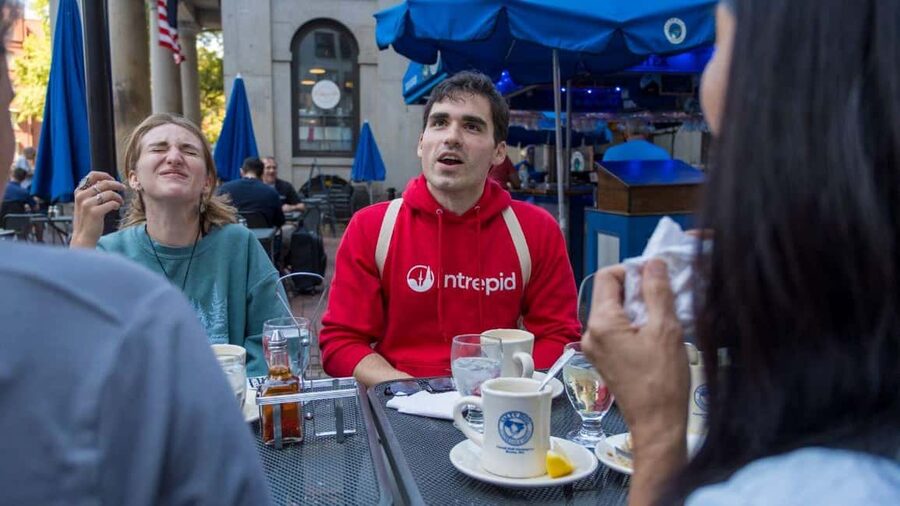
Your guide sets the tone here. The strongest part of the experience is not just the number of tastings, but the person connecting them. Nabil has been praised for his enthusiasm for Boston’s people and waterfront, while Allison has been noted for her humor and easy manner. Conner has a knack for linking food stops with local stories, and Lexie brings a strong command of Boston history.
You may have a guide from this group or another member of the local team. The exact personality will vary, but the format depends on a guide who can shift between food, history, and city life without turning the walk into a lecture.
This is also when you should mention food allergies. Shellfish is at the center of the tour, and the operator cannot provide suitable substitutions for a shellfish allergy. Other allergies should be reported at least 24 hours before departure, although alternatives are not guaranteed if you wait.
Walking the Boston Harborwalk
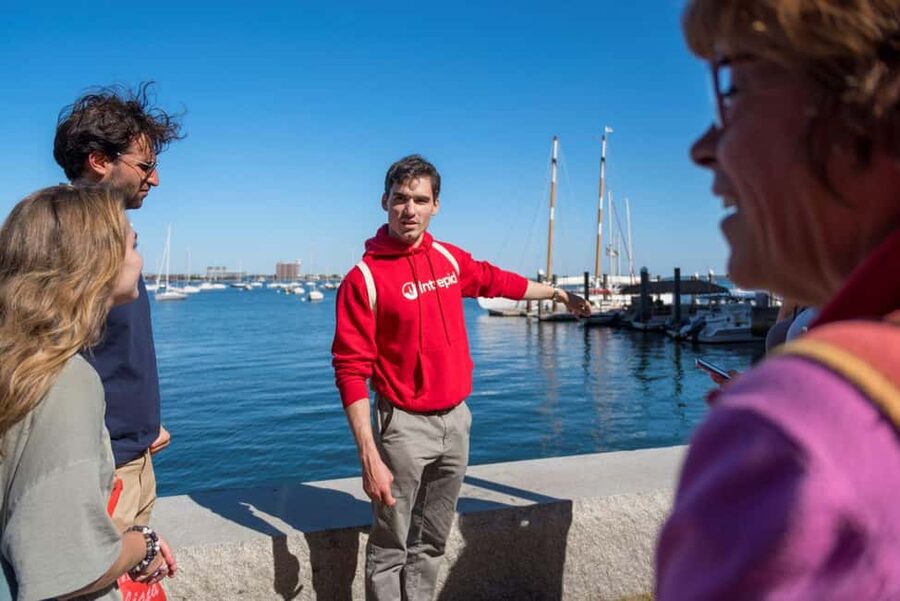
The Harborwalk gives you the first clear sense of why this is more than a restaurant crawl. The route follows Boston’s waterfront, with views across the harbor and access to working areas that tell a less polished story of the city.
Your guide explains how Boston Harbor changed over time, including the work that helped make it one of the cleanest urban waterfronts in the world. That environmental story adds weight to the meal. You are not simply eating local seafood. You are hearing about the systems that affect water quality, fish populations, docks, and the future of the industry.
The sustainability discussion is useful because it stays tied to ordinary choices. You learn how responsible fishing helps keep seafood on local plates for years to come, along with practical ideas for making greener choices while in Boston. The tour is carbon neutral and operated by a B Corp certified company, so conservation is part of the activity rather than a passing comment.
Bring comfortable shoes. The total walk is about two miles, or 3.2 kilometers, and the tour runs in all seasons. It proceeds in rain or shine unless conditions become dangerous. On a cold day, the waterfront can feel much harsher than an inland city street, so dress for wind and weather.
Inside a working lobster facility
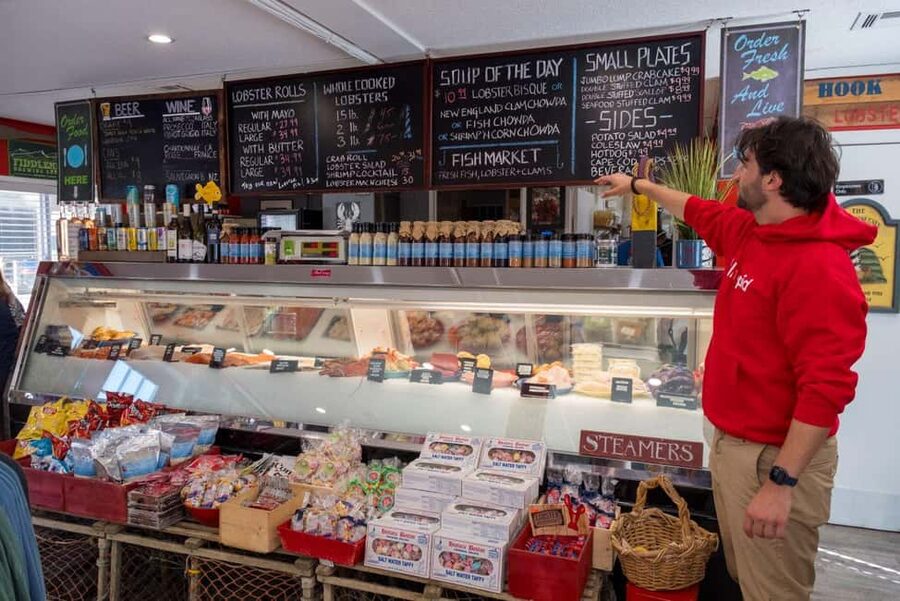
One of the most distinctive parts of the experience is the visit behind the scenes at a working lobster facility. You get a closer look at the business that supports the lobster roll on your plate.
The value here is context. A lobster roll can be treated as a classic New England symbol, but the facility shows that it is also a product of handling, storage, transport, labor, and market demand. Your guide connects those practical details to the wider seafood trade.
This stop may appeal most to curious eaters who want to know how food moves from the water to the table. It is not simply a photo stop, and it may feel less polished than a standard sightseeing attraction. That is part of its appeal. You are seeing an operating business rather than a display built for tourists.
Because the facility is working, the exact pace and access may depend on conditions on the day. You should expect a guided look rather than a long formal presentation. The small group helps keep this part manageable.
More History Tours in the USA:
- New York City: American Museum of Natural History Ticket
★ 4.5 · 15,447 reviews - Charleston’s Old South Carriage Historic Horse & Carriage Tour
★ 5.0 · 10,023 reviews - Beneath The Streets Underground History Tour
★ 4.5 · 8,006 reviews - Big Island in a Day: Volcanoes Waterfalls Sightseeing and History
★ 5.0 · 6,569 reviews
Boston Fish Pier and the working waterfront
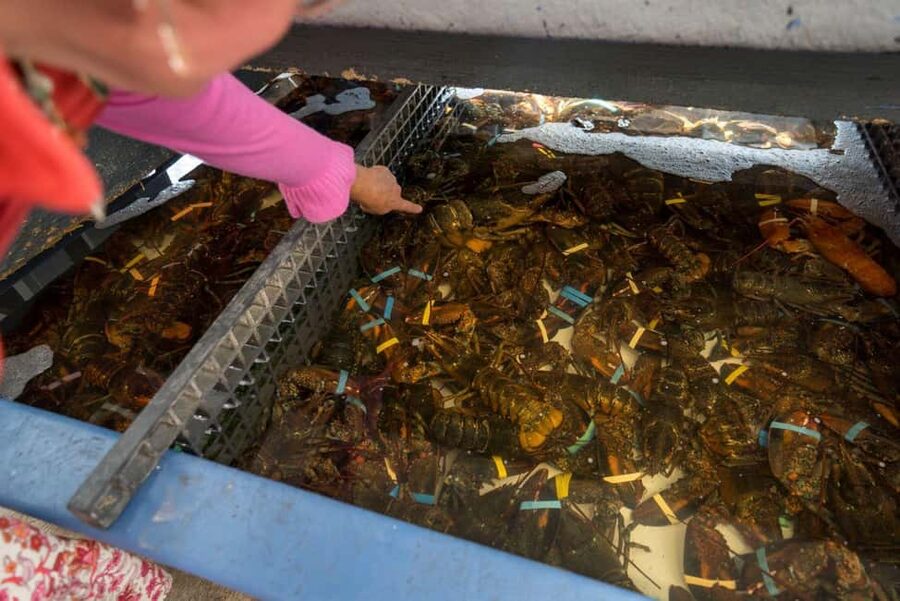
The tour then reaches Boston Fish Pier, described as the oldest continuously operating fish pier in the United States. This is the backbone of the experience. It brings the history of Boston seafood into the present tense.
Your guide explains how the pier operates and how the seafood industry fits into the city. The lesson is not limited to old dates and famous names. You get a picture of boats, markets, workers, supply chains, and the daily business of landing and selling seafood.
This is where guides with a strong local connection make the biggest difference. Nabil has been praised for his respect for the people who work in this part of Boston. Other guides, including Adam and Alex, have been noted for making local and city history easy to follow.
The pier also gives you a useful counterpoint to the new Seaport buildings. Boston’s waterfront is not only offices, restaurants, and modern apartments. It still has a working core, and this tour makes that visible.
The history portion can vary with the guide and the questions in the group. One participant wanted more history, while most of the feedback praised the balance between food and storytelling. If you want a full-length history lecture, this may feel food-heavy. If you want history connected to real places and meals, the mix is likely right.
The tasting lineup: lobster roll, chowder, and seasonal bites
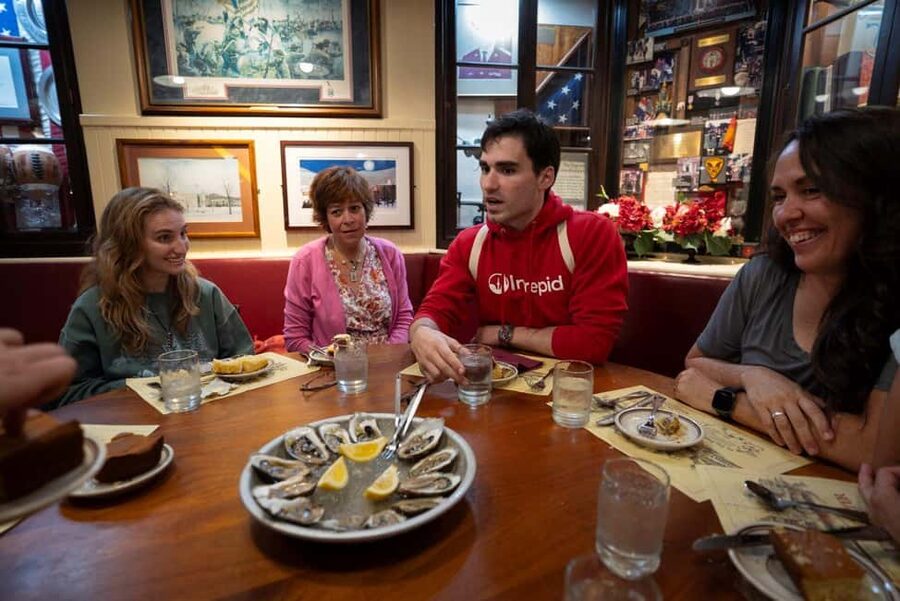
The food is intended to equal a full meal, though it arrives as a series of samples rather than one large sitting. That format lets you try several Boston staples without committing to one restaurant or one style of cooking.
The lineup can change, but possible tastings include:
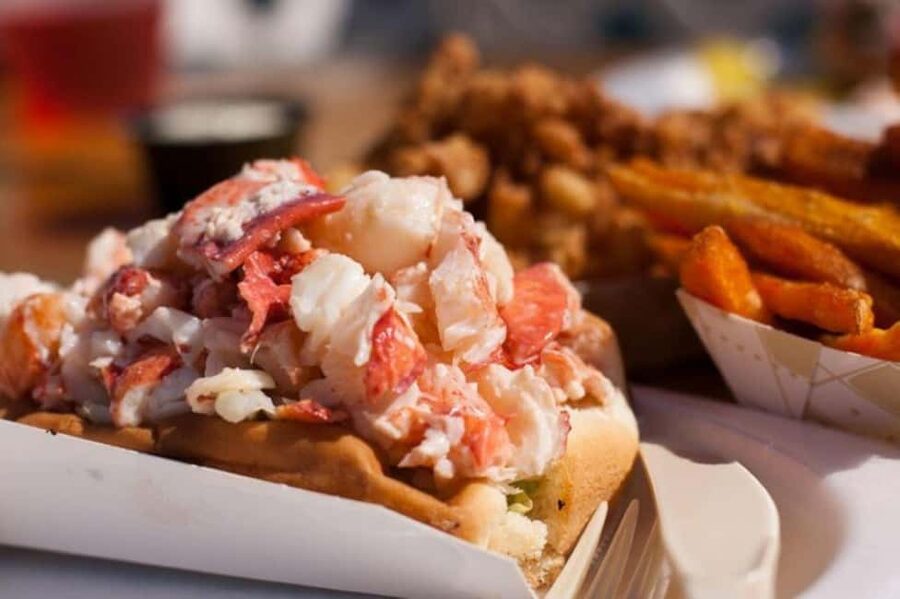
- Lobster roll
- New England clam chowder
- Atlantic bluefin tuna handrolls
- Stuffed clams or stuffed scallops
- Quahogs
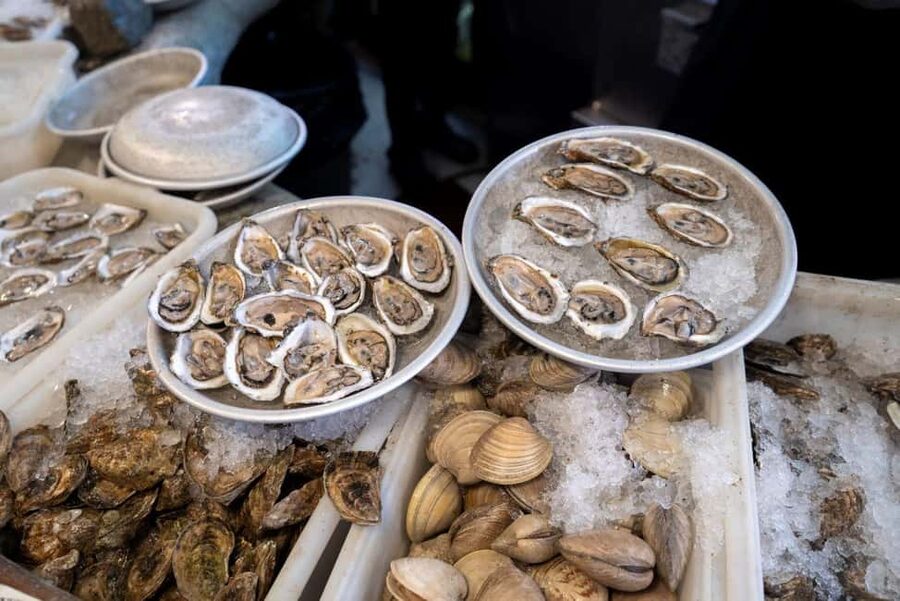
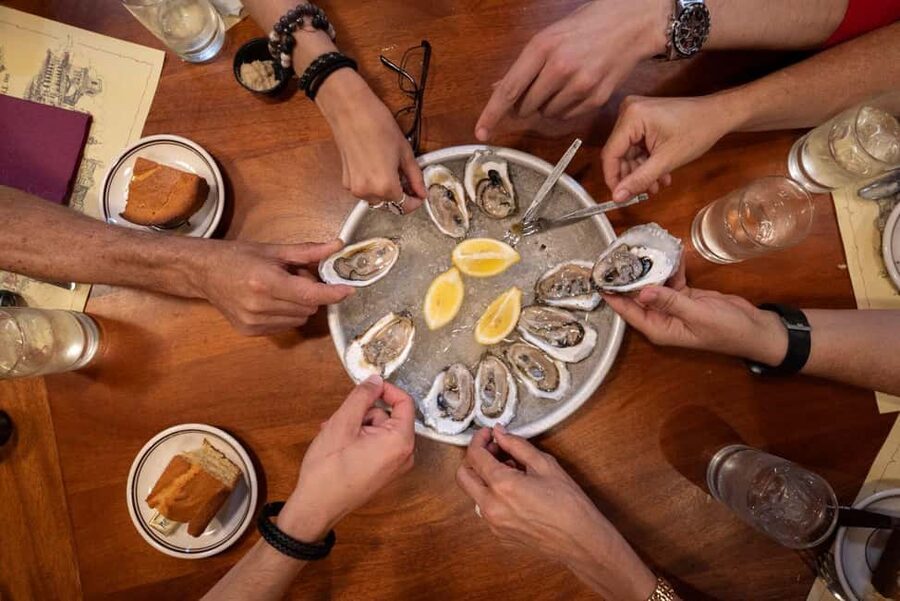
- Raw oysters
- Fried clams
- Crab cake
- Seasonal seafood specialties
The lobster roll is the star for many people. Expect a buttery sample that gives you a clear taste of the New England classic without making it the entire meal. The chowder offers a creamy counterpoint, while oysters or tuna can add a fresher, lighter note.
Stuffed clams, quahogs, and fried clams bring you into a more local seafood vocabulary. If you have never tried a quahog or a stuffed scallop, the small portions make it easy to experiment. The meal can include several different textures, from creamy chowder to crisp fried seafood and cool raw shellfish.
The order of the food is also part of the pleasure. Conner has been praised for arranging a progression of stops, moving from one bite to the next with local stories in between. You are not handed a random collection of samples. The guide gives the route a sense of rhythm.
At one stop, you may eat outdoors on a sunny patio. At another, you may be in a busy marketplace or a historic seafood setting. This is less formal than a seated tasting menu, so expect movement, shared spaces, and the occasional need to eat on your feet.
Additional food and drinks are not included. For most people, the included samples should cover lunch, but a large appetite may call for a snack later. One person wished for another stop, perhaps dessert, which is a fair point. The tour is seafood-focused and does not promise a sweet finish.
South Boston Waterfront and Fort Point Channel
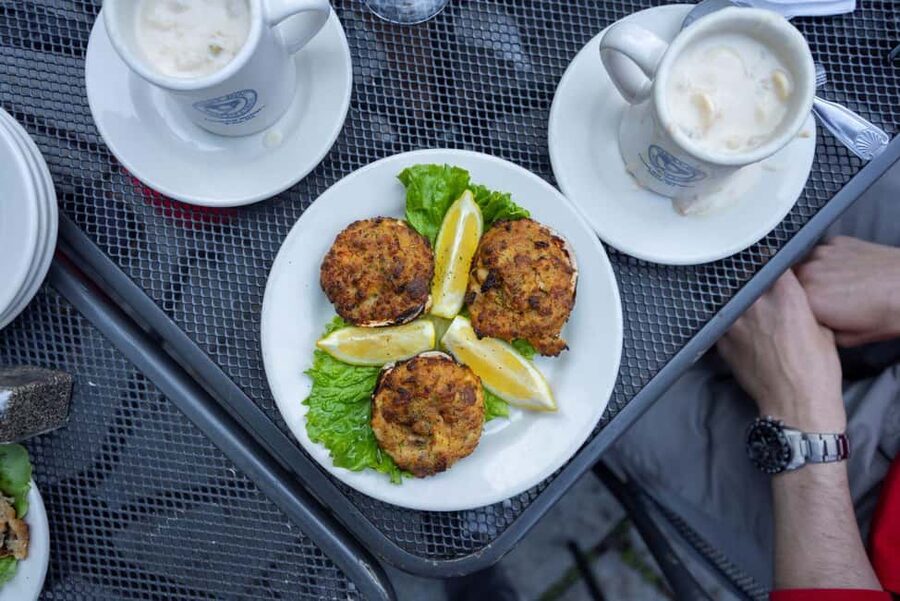
The route continues through the South Boston Waterfront and along Fort Point Channel. These stretches add city scenery to the food and industry stops.
You will see how old working spaces and newer public areas sit together. The guide helps explain the relationship between Boston’s waterfront, its businesses, its public paths, and its changing identity. The walk is also a chance to pause between tastings rather than rush from one plate to the next.
The final bite comes from a century-old seafood shack along Fort Point Channel. This gives the end of the tour a sense of place. You are not finishing at a generic chain or an unrelated café. The closing food stop keeps the focus on Boston’s seafood tradition.
Fort Point Channel is also a practical part of the route because it leads toward the Rose Kennedy Greenway. You continue walking, so wear shoes you can manage for several hours. The terrain is suitable for all fitness levels according to the activity details, but two miles is still worth taking seriously if you have mobility concerns or dislike extended walking.
Ending at the Rose Kennedy Greenway
The tour finishes at the Rose Kennedy Greenway, a public space filled with art, plantings, and places to pause. Your guide can offer suggestions on where to eat, drink, and explore next.
This ending works well for planning the rest of your day. You are not dropped at an isolated restaurant. You finish near central Boston, with more city sights within reach. The guide’s recommendations may also help you avoid spending your next meal at a place chosen only because it is close.
The Greenway provides a calmer finish after the pier, harbor paths, and food stops. It also gives the group a natural place to say goodbye without extending the tour beyond its 150-minute schedule.
Guide quality and group atmosphere
The guide is the key variable. Food matters, but the repeated praise for Nabil, Allison, Conner, Alex, Lexie, Molly, Adam, Olivia, and others centers on their ability to tell stories, answer questions, and keep the pace comfortable.
The strongest guides make room for both Boston history and seafood details. Larry, for example, has been praised for moving easily between American Revolution stories and stuffed clams. Adam has been noted for his passion for Boston, while Molly was praised for being friendly, engaging, and fun.
A group of no more than 12 helps the guide adjust. You can ask about a dish, a building, the fishing trade, or the harbor cleanup rather than simply listening from the back. A private option is available if you want control over the pace and conversation.
The tour is in English. Children under four can join free, and the experience is suitable for all ages and fitness levels. Keep in mind that young children still need to handle the walking and the seafood-centered food stops.
Is $79 a fair price?
At $79 per person, this is not a cheap way to grab lunch. It is a fair price if you value a guided look at Boston’s working waterfront along with enough food to replace a meal.
You are paying for more than the lobster roll. The price includes 150 minutes with a local guide, access to a working lobster facility, a visit to Boston Fish Pier, several tastings, and the planning required to connect food stops with the city’s seafood story.
Compared with ordering a lobster roll, chowder, and a few extras on your own, the value depends on how much you want the access and explanation. You could spend less by choosing one restaurant. You would not get the same look at the fish pier, the harbor cleanup story, or the working lobster operation.
The value is strongest for first-time visitors, seafood fans, and people who prefer an activity with a clear local focus. It is less compelling if you already know Boston’s waterfront well, want a sit-down meal, or do not eat shellfish.
Free cancellation up to 24 hours before departure and the reserve-now, pay-later option make the booking less rigid. Those policies are useful, but the main reason to book is the combination of access, food, and a small group.
Practical advice before you go
Wear comfortable shoes and dress for the forecast. The waterfront can be cold, and the tour runs year-round in most weather.
Tell the operator about non-shellfish food allergies at least 24 hours ahead. Shellfish allergies are a firm concern because substitutions cannot be guaranteed.
Arrive at South Boston Maritime Park and meet in the center near the outdoor seating and tall roof structures. The address is 600 D Street, Boston, Massachusetts 02210.
Plan on about 150 minutes and roughly two miles of walking. The route ends at the Rose Kennedy Greenway, not back at the starting point, so think about what you want to do afterward.
If you want more history, ask questions as you walk. The experience covers Boston’s past and present, but its main focus remains seafood, the harbor, and the people who work there.
Who should book this tour?
I would book it if you want to eat classic Boston seafood while seeing where the city’s seafood business actually operates. The tour has enough food for a meal, but its real strength is the connection between each bite and the waterfront around you.
It is especially good for first-time Boston visitors, curious food lovers, couples, families with older children, and local residents who want a fresh look at the Seaport. The small group and strong guide reports add real value.
I would skip it if you have a shellfish allergy, dislike raw seafood, want a seated tasting menu, or prefer a short activity with little walking. For everyone else, $79 buys a well-shaped introduction to Boston’s harbor, seafood culture, and changing waterfront, with the added benefit of leaving you full.
FAQ
Where does the Boston seafood tour begin?
It begins at South Boston Maritime Park, 600 D Street, Boston, MA 02210. Meet in the center of the park near the outdoor seating and beneath the tall roof structures.
Where does the tour finish?
The tour ends at the Rose Kennedy Greenway in central Boston.
How long is the tour?
The experience lasts 150 minutes, or two and a half hours.
How much walking is involved?
You will walk about 3.2 kilometers, or two miles, through the Seaport, Harborwalk, Boston Fish Pier, South Boston Waterfront, Fort Point Channel, and the Rose Kennedy Greenway.
What seafood might be included?
Samples may include a lobster roll, New England clam chowder, Atlantic bluefin tuna handrolls, stuffed clams, quahogs, raw oysters, fried clams, crab cake, stuffed scallops, and other seasonal seafood.
Is the tour suitable for someone with a shellfish allergy?
No. Shellfish is central to the tour, and suitable substitutions cannot be guaranteed. For other food allergies, provide notice at least 24 hours before departure, although alternatives are not guaranteed.
Newest history tours we have reviewed in the USA
- Nashville: Belle Meade Historic Mansion Tour★ 4.8 · 63 reviews
- Beaufort: Local History and Film Sites Tour by golf cart★ 4.9 · 102 reviews
- Beaufort: Gullah Heritage Tour★ 4.8 · 26 reviews
- Beaufort: Historic City Tour by Bus★ 4.9 · 228 reviews
- Austin: Downtown Austin Haunted History Tour★ 4.4 · 31 reviews
- Austin: Morning History Walking Tour of Downtown Austin★ 4.9 · 71 reviews
- Atlanta: Beltline Food, Street Art, and History Walking Tour★ 5.0 · 47 reviews
- Atlanta: Black History & Civil Rights City Bus Tour★ 4.9 · 151 reviews
Boston History Tours, compared.
Freedom Trail History Small Group Walking Tour
Read our review →
Tour of Historic Fenway Park, America’s Most Beloved Ballpark
Read our review →
Boston Food & History: Pizza, North End & Freedom Trail
Read our review →Freedom Trail History Small Group Walking Tour
Read our review →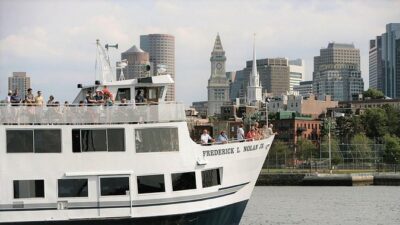
City Cruises Boston Historic Sightseeing Harbor Cruise
Read our review →
Boston Pizza Lovers Food and History Walking Food Tour
Read our review →
Boston Freedom Trail History Pub Crawl Small-Group Tour
Read our review →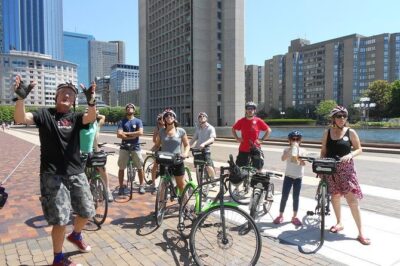
Boston City View Bicycle Tour: History and Landmarks
Read our review →Browse the lists this tour appears in