Review · TOURS
BEST OF CEBU: Cebu City Heritage with Uphill Tour | Joiners
Cebu’s best surprise is the sharp change of mood between its old city streets and the cool uphill sights. In one half-day, you move from Magellan’s Cross and a centuries-old ancestral house to Chinese temples, flower gardens, and the grand Temple of Leah. The contrast gives you a useful first look at Cebu, rather than a single narrow slice of it.
I like the small maximum group of 10, which keeps the day more personal, and I like having both an air-conditioned vehicle and a guide who can explain what you are seeing. Guides such as Rix, Tyler, and Olivier have earned praise for humor, local stories, flexibility, and good photo help. The main caution is traffic: Cebu roads can turn a four-hour plan into a longer outing, and one uphill stop may be closed or feel more commercial than cultural.
Key points to know before booking
- Eight major stops in four to five hours: You cover Cebu’s historic core, city viewpoints, and uphill attractions in one compact outing.
- A strong guide can shape the day: Rix, Tyler, and Olivier are among the guides named for clear explanations, humor, flexibility, and friendly service.
- The old city section is the most cultural: The Heritage Monument, Yap-Sandiego House, Fort San Pedro, Magellan’s Cross, and Santo Niño Basilica provide the historical backbone.
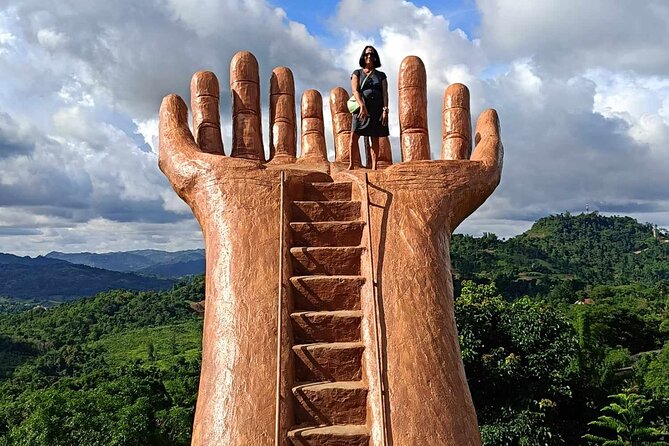
- The uphill section changes the scenery: Taoist Temple, Sirao Flower Garden, and Temple of Leah offer mountain air, city views, gardens, and grand photo settings.
- Traffic is the real variable: The itinerary is full, and road delays can shorten time at individual stops.
- Dress modestly for the church: Proper dress is required, and unsuitable clothing can prevent entry to Santo Niño Basilica.
Why this Cebu tour works as a first look
I see this as a sampler rather than a slow, scholarly study of Cebu. The schedule gives you short visits at many places, with roughly 20 to 45 minutes per stop. That pace works well if you are in Cebu for a short stay, want an introduction before exploring alone, or prefer to let someone else handle the driving.
The tour also solves a practical problem. Cebu’s historic center and uphill attractions are not a natural walking route. You will spend time moving between districts, and an air-conditioned vehicle matters in the heat, especially after visiting outdoor monuments and fort walls.
The joiner format keeps the price at $63.50 per person, with pickup offered, bottled water, admission fees listed as included, and a Cebu souvenir. For a half-day with transport, guide service, and several paid attractions, that is reasonable value if you want variety. It is less appealing if you would rather spend an hour or two at each historic site or avoid fixed group timing.
The group limit of 10 is helpful. It is large enough to keep the price down but small enough for a guide to answer questions and help with photos. Still, traffic is not a minor detail here. The city section and the uphill roads can both slow the plan, so keep your afternoon flexible.
More History Tours in the world:
- New York City: American Museum of Natural History Ticket
★ 4.5 · 15,447 reviews - History and Hauntings of Salem Guided Walking Tour
★ 5.0 · 14,564 reviews - Colosseum: Underground and Ancient Rome Tour
★ 4.7 · 12,691 reviews
Cebu’s story in stone at the Heritage Monument
The Cebu Heritage Monument is a compact outdoor tableau of sculptures showing important people and events from the city’s past. Artist Eduardo Castrillo created the work, and your guide can help you read the busy scene instead of simply walking past it.
You get about 30 minutes here, with no admission charge. That is enough for an explanation and photographs, though not enough for a long art discussion. I like this as the opening stop because it gives context to the places that follow, especially the Spanish-era church, fort, and Magellan connection.
Look closely at the figures and scenes. The monument is not a quiet memorial in a formal park. It is a visual history lesson, and the compact arrangement makes it easy to grasp the broad story quickly.
A 17th-century home at Yap-Sandiego Ancestral House
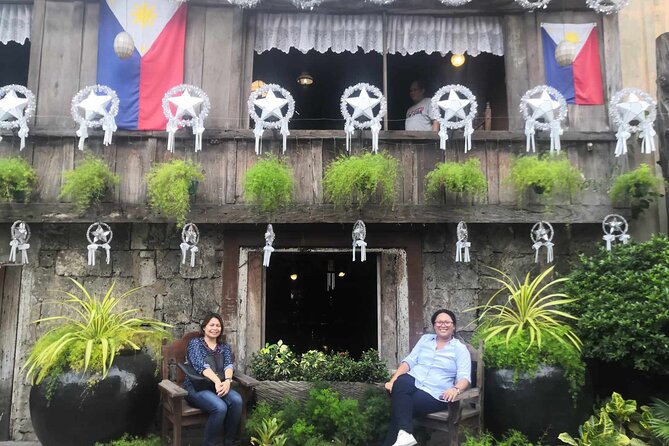
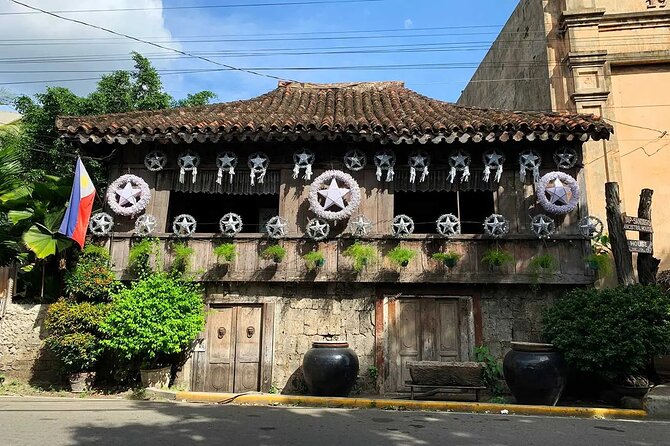
The Yap-Sandiego Ancestral House offers a more intimate look at Cebu. Built in the 17th century, it is one of the oldest preserved homes in the Philippines and shows Spanish and Chinese influences in its design and furnishings.
The 30-minute visit is short, but it gives you a feel for how different this place is from the city’s churches and government buildings. The house is valuable because it is domestic. You are looking at a lived-in home rather than a grand public monument.
I would pay attention to the woodwork, old objects, and the way the structure reflects more than one cultural influence. The interior can be more rewarding than the exterior, so listen closely while the guide explains what you are seeing. This is one of the stops that can make the tour feel personal and rooted in daily life.
Fort San Pedro and the edge of the old port
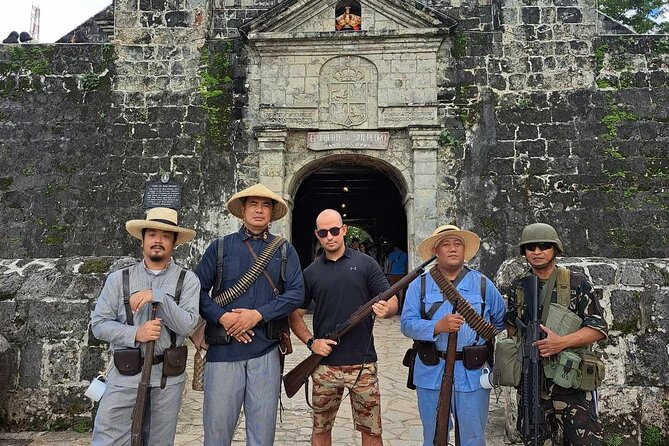
Fort San Pedro is a small triangular Spanish defensive structure built in 1738. It is described as the oldest and smallest fort in the Philippines, with stone walls and bastions that point to Cebu’s role as an important port.
You have about 30 minutes, which lets you walk the main section and take photographs without turning the stop into a full museum visit. The fort is not enormous, so the limited time is workable. I like the scale because you can understand the basic layout quickly.
This stop also breaks up the indoor visits. Expect stone, open air, and a sense of military history rather than elaborate decoration. If you enjoy old fortifications, you may wish for more time. If you prefer a quick introduction, the schedule is enough.
Same streets, a different century:
- Lisbon: History, Stories and Lifestyle Walking Tour
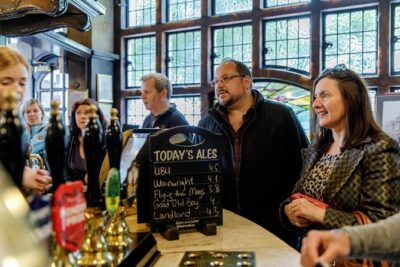
★ 4.8 · 10,902 reviews - London Small Group Tour of Historical Pubs
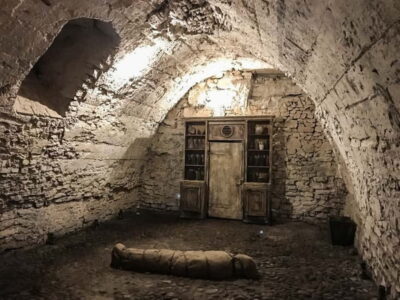
★ 5.0 · 10,422 reviews - Prague: Oldtown, Medieval Underground & Dungeon History Tour
★ 4.3 · 10,277 reviews - Charleston’s Old South Carriage Historic Horse & Carriage Tour
★ 5.0 · 10,023 reviews
Magellan’s Cross and Santo Niño Basilica
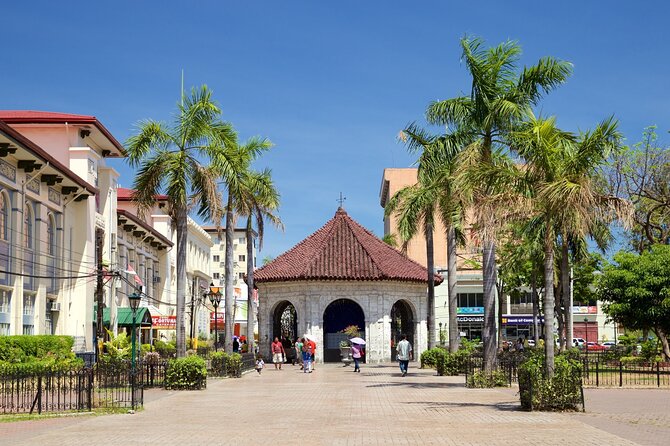
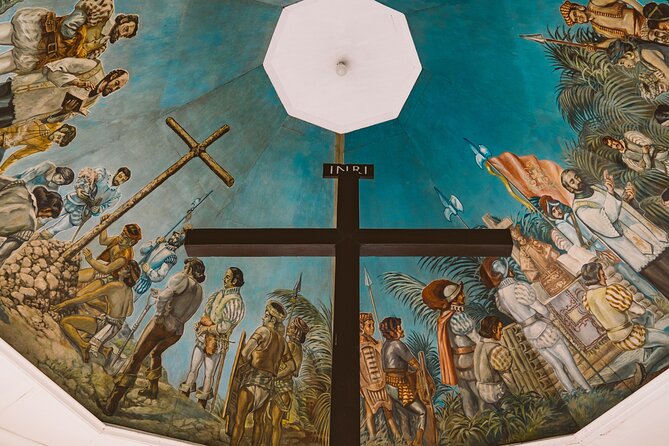
Magellan’s Cross marks the 1521 arrival of Ferdinand Magellan and the introduction of Christianity to the Philippines. The cross is protected inside a small chapel, and the visit usually takes about 20 minutes.
The nearby Basilica Minore del Santo Niño de Cebu adds a major religious and architectural stop. Established in 1565, it is the oldest Roman Catholic church in the Philippines and home to the Santo Niño de Cebu statue. You get about 30 minutes here, with no separate admission charge listed.
These places are close in meaning as well as location, but do not treat them as interchangeable. Magellan’s Cross is a brief historical marker. The basilica is an active place of worship with a stronger sense of ceremony and devotion.
Dress properly for the basilica. The tour specifically warns that unsuitable clothing may keep you from entering Santo Niño Church. I would choose covered shoulders and knees, and avoid beachwear even if the rest of your day is casual.
The stop can also be affected by religious services or crowds. The schedule gives you an introduction, not a quiet extended visit. Be respectful, keep your voice down, and follow any instructions at the church.
Fuente Osmeña and the Capitol view
Fuente Osmeña is a public landmark centered on a historic fountain and named for President Sergio Osmeña. It is used for community events and celebrations, so it helps you see Cebu as a living city rather than a string of preserved sites.
The itinerary also passes Cebu Capitol Building, a neoclassical structure completed in 1938. Its columns and dome make it one of the city’s more formal architectural sights. These appear to be short viewing or drive-by points rather than full stops with set visit times.
That distinction matters. You may get a quick look and a photograph, but do not count on a long architectural tour. I still like their place in the route because they connect Cebu’s colonial-era sites with its civic life and modern government.
The uphill change at the Taoist Temple
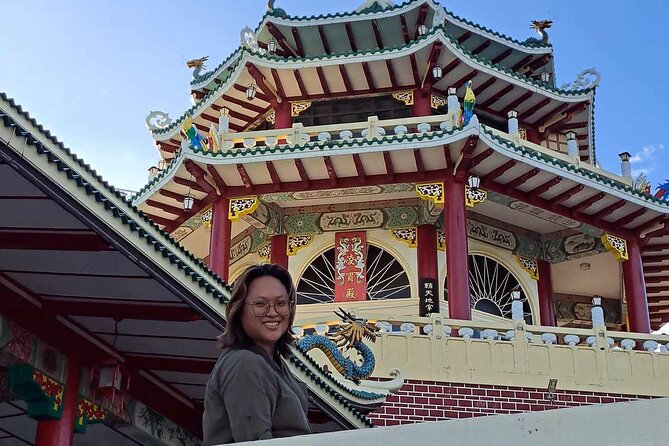
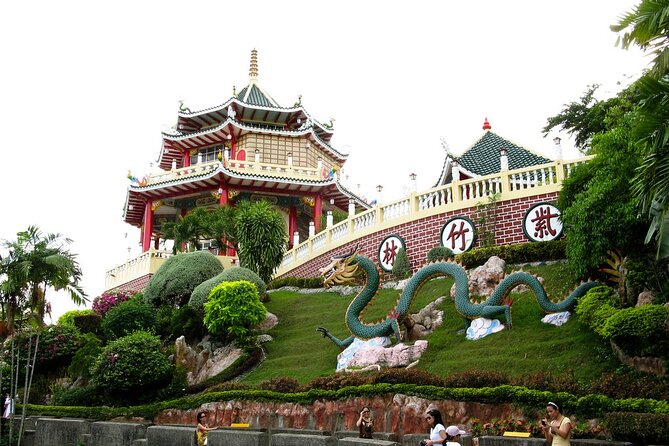
The Cebu Taoist Temple sits on a hillside and looks over the city. Built in 1972, it uses Chinese architectural forms, colorful details, gardens, and a replica of the Great Wall. The planned visit lasts about 45 minutes, making it one of the longer stops.
This is a major change from the old Spanish quarter. You get steps, open views, quiet garden areas, and a distinctly Chinese religious setting. The city views are one of the strongest reasons to include the uphill portion, especially if you want a break from streets and museums.
The practical warning is important: the temple has been closed to visitors at times. If it is shut on your date, the guide may need to adjust the stop, and you should not expect the full interior experience. The route can also face road delays on the way uphill.
The temple is a religious site, not just a photo backdrop. Follow posted rules and keep your visit calm. The 45-minute allocation should give you time to see the main exterior areas when access is available.
Sirao Flower Garden and the Little Amsterdam effect
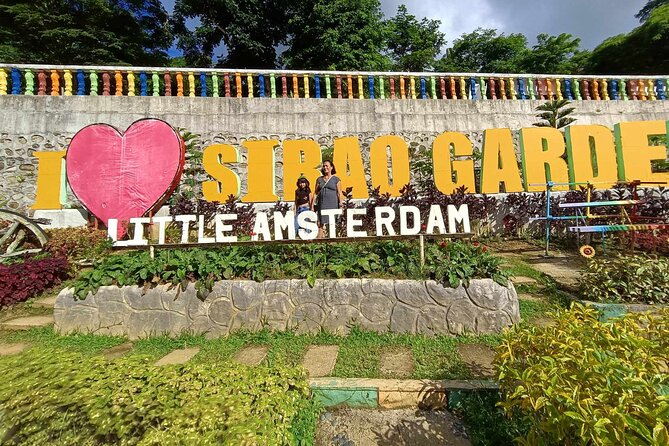
Sirao Flower Garden, sometimes called Little Amsterdam, is a hilltop photo stop known for celosia and other flowers. It includes colorful displays and an Amsterdam-style windmill, which explains its popularity with people looking for bright, playful pictures.
You get about 30 minutes, enough for a quick circuit and photographs. This is not a botanical garden visit in the scientific sense. It is a designed attraction, and some displays may feel touristy or dated rather than natural.
I would still keep it on the route if you want visual variety. After forts, churches, and city streets, the flowers and mountain setting provide a welcome change. Just set your expectations correctly. You are visiting a picture-friendly garden with themed structures, not a quiet wilderness preserve.
Cloud, rain, road conditions, and maintenance can affect the experience. The value here is strongest for photographers, families, and anyone who enjoys colorful stops. If your interests lean toward architecture and history, this may be the first place you would shorten.
Temple of Leah, Cebu’s grand uphill finale
The Temple of Leah is a large tribute to love and devotion, built in 2012 and inspired by ancient Roman architecture. Its halls contain sculptures, art, and personal mementos connected with the woman it honors.
The 30-minute visit gives you time to see the main architectural features and enjoy the elevated views. The building is intentionally grand. Columns, statues, and broad terraces create a theatrical setting that feels very different from the older, more restrained sites downtown.
I find the Temple of Leah useful as a finale because it leaves you with a memorable visual image. It also gives the uphill tour a clear ending after the smaller garden and temple stops. Still, this is a matter of taste. Some people will love the scale and photo opportunities, while others may find it overly ornate or prefer to spend that time at the historic core.
If you are deciding between the uphill attractions, do not assume the Temple of Leah will appeal to everyone. It is a modern memorial with classical styling, not an ancient Roman ruin. That difference is part of its charm, but it is also why this stop can feel less essential than Fort San Pedro or the basilica.
Guides, vehicles, and the human side of the day
The guide can make a large difference on a fast schedule. Rix is described as friendly, funny, flexible, and strong on historical explanations. Tyler is noted for a witty style and clear coverage of the main sights. Olivier is described as talkative, cheerful, and even a good singer.
Those details matter because you will spend a fair amount of time in the vehicle. A guide who can explain the stops, answer questions, and adjust the pace adds value beyond simple transportation. The service also appears suitable for solo guests, since flexibility with an individual schedule has been specifically praised.
The driver matters just as much. Cebu traffic can be difficult, and the tour includes narrow or uphill routes as well as busy central streets. A careful driver lets you rest between stops instead of worrying about navigation.
The vehicle is air-conditioned, bottled water is included, and all listed fees and taxes are covered. These are modest extras, but they make a difference during a warm half-day. A souvenir is also included.
Who should book this half-day outing
I would recommend it most strongly to a first-time Cebu visitor who wants orientation without arranging several separate rides. It is also a good fit for solo visitors, couples, and small groups who want a guide and do not mind sharing the vehicle with other people.
You will get the most from it if you enjoy switching between subjects: local history, religious sites, architecture, gardens, city views, and photo stops. The tour is less suited to someone who wants a slow museum day, extended church time, or a detailed study of one period.
The 95 percent recommendation rate and 4.7 rating from 22 reviews suggest a strong overall experience, but the same information points to two real cautions: same-day cancellation has happened, and traffic can disrupt timing. Free cancellation is available up to 24 hours before the start time. Inside that window, the payment is not refunded, and changes are not accepted.
Should you book the Best of Cebu tour?
Book it if you want maximum variety in a manageable half-day and value a guide who can explain Cebu while someone else handles the roads. The old city stops are the strongest cultural part, while Taoist Temple and the viewpoints make the route feel broader than a standard heritage walk.
Think twice if you dislike photo-oriented attractions, ornate modern buildings, or fixed group timing. You may find Sirao too themed and Temple of Leah too grand, and heavy traffic can reduce your time at the stops.
For most first-time visitors, I think the combination is worth the $63.50 price, especially with transport, admissions, water, and guide service included. Go in expecting a brisk introduction rather than a slow examination, dress properly for Santo Niño Basilica, and leave room in your schedule for Cebu traffic.
FAQ
How long does the Cebu tour last?
The experience lasts approximately four to five hours. Traffic and road conditions can affect the exact timing.
What places are included?
The route includes the Cebu Heritage Monument, Yap-Sandiego Ancestral House, Fort San Pedro, Magellan’s Cross, Basilica Minore del Santo Niño de Cebu, Fuente Osmeña, Cebu Capitol Building, Taoist Temple, Sirao Flower Garden, and Temple of Leah.
Is transportation included?
Yes. The tour includes an air-conditioned vehicle, and pickup is offered.
What is included in the price?
The price includes the listed admission fees and taxes, bottled water, professional guide assistance, and a Cebu souvenir. Items not specifically listed are not included.
How many people can join the tour?
The maximum group size is 10 people.
What is the cancellation policy?
You can cancel at least 24 hours before the start time for a full refund. Cancellations and changes made within 24 hours are not accepted for a refund.
Newest history tours we have reviewed in the world
- Brewood Village Historical Tour★ 5.0 · 21 reviews
- The History Behind Outlander Tour★ 5.0 · 18 reviews
- El Calafate History Museum Tour★ 4.5 · 32 reviews
- Thirsty for Edinburgh: Scotlands Best Historical Pub Tour★ 5.0 · 24 reviews
- Private Royal Mile walking tour – Discover the history of our most famous street★ 5.0 · 48 reviews
- St Andrews, Fife Coast Walk & Historic Abbey Tour from Edinburgh★ 5.0 · 62 reviews
- Old Town Walking Tour★ 5.0 · 17 reviews
- Edinburgh: History Lovers Old Town Walking Tour★ 5.0 · 216 reviews
Tours, compared.
History and Hauntings of Salem Guided Walking Tour
Read our review →
Colosseum: Underground and Ancient Rome Tour
Read our review →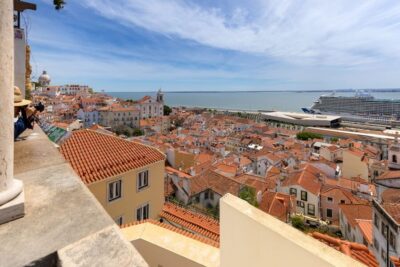
Oldtown, Medieval Underground & Dungeon History Tour
Read our review →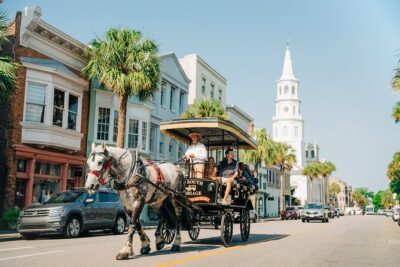
Charleston’s Old South Carriage Historic Horse & Carriage Tour
Read our review →
Edinburgh Castle Guided History Tour with Tickets
Read our review →