
Review · ATLANTA HISTORY TOURS
Atlanta Then and Now Private History Tour
Atlanta’s story comes into focus when you connect its oldest places with its newest ones. This private tour links Oakland Cemetery and the Martin Luther King Jr. National Historic Site with Olympic Atlanta, old suburbs, street art, and the Atlanta BeltLine, giving you a useful sense of how the city grew and changed.
I like the private format, since Chris can adjust the conversation to your interests and schedule. I also like the mix of quiet historic sites and modern city projects, especially the Krog Street Tunnel and the 22-mile BeltLine.
The main drawback is time. Three hours moves quickly, and several stops appear to be viewed from the vehicle or treated as brief photo stops. If you want long museum visits or a slow walk through every neighborhood, you’ll need more time on your own.
Key points to know before booking

- Oakland Cemetery opens the story: This cemetery dates to 1850 and offers a calm starting point for Atlanta’s past.
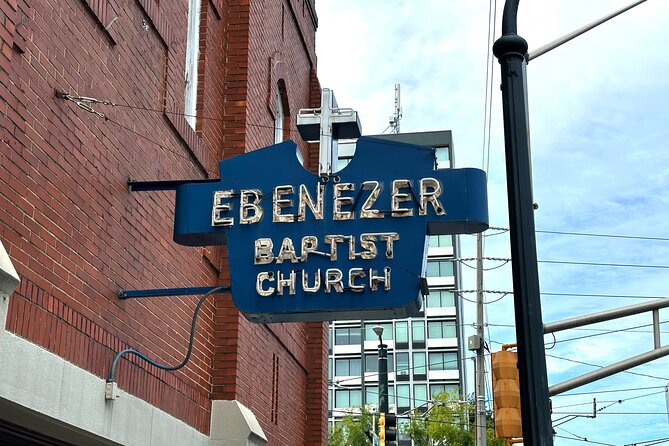
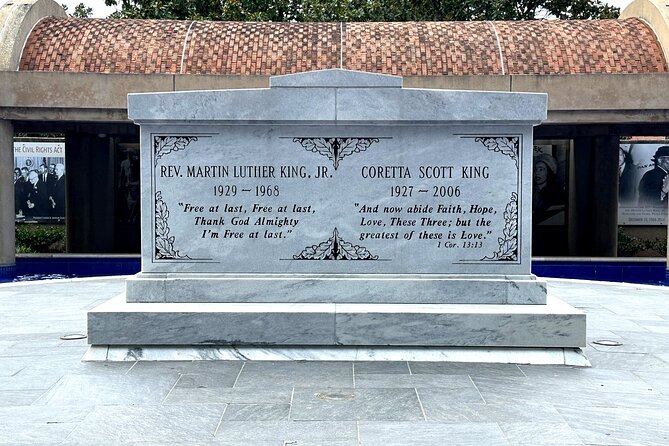
- The tour reaches the heart of civil rights history: The Martin Luther King Jr. National Historic Site includes Ebenezer Baptist Church, King’s birth home, his gravesite, and museums.
- Chris shapes the tour around you: He can fine-tune the discussion, answer questions, and adjust the schedule when possible.
- You see more than downtown: The route includes historic neighborhoods, Atlanta’s first suburb, the Olympic district, and the BeltLine.
- The Krog Street Tunnel adds a local edge: Its changing street art connects historic neighborhoods in a way a standard sightseeing route often misses.
- Private transportation keeps the day easy: Pickup, bottled water, and an air-conditioned vehicle are included.
Atlanta’s story in one moving route
Atlanta can feel scattered at first. Its major sights are spread across different neighborhoods, and the city’s past is tied to war, rebuilding, civil rights, transportation, and rapid redevelopment.
This tour gives you a guide to those connections. Instead of focusing only on famous buildings, you move through places that show how Atlanta developed. You’ll see a cemetery from the mid-1800s, a neighborhood from the late 19th century, the district shaped by the 1996 Olympics, and the BeltLine, a modern rail-trail project changing how people get around.
That range is the tour’s main strength. You are not looking at Atlanta as a collection of isolated attractions. You are watching the city shift from one era to the next.
The experience lasts about three hours. Since it is private, only your group takes part. That matters in Atlanta, where traffic and distance can eat into a sightseeing day. An air-conditioned vehicle and pickup service make the route more comfortable than trying to cover the same ground on foot or by public transportation.
Chris is the guide named in the available tour information. He has a strong grasp of Atlanta’s past and can adjust the discussion to suit your questions. One particularly useful feature is his ability to fine-tune the tour as it goes, rather than delivering the same fixed talk to every group.
More Private History Tours in the USA
- Private Atlanta History Tour From Civil War to Civil Rights
★ 5.0 · 47 reviews - Private Guided Historic Electric Cart Tour of St. Augustine
★ 5.0 · 1,194 reviews - Private Tour of Savannah’s Historic/Victorian Districts & Bonaventure Cemetery
★ 5.0 · 418 reviews
Oakland Cemetery starts the tour quietly

Oakland Cemetery dates to 1850, making it one of the best places on this route to begin thinking about Atlanta’s early years. A cemetery can sound like a somber first stop, but it gives you something many city tours lack: space to slow down.
You can expect about 30 minutes here. That is enough for an introduction to the grounds and the city’s older story, but not enough for an extended cemetery visit. The admission ticket is free, which keeps this part of the tour focused on your guide and the setting rather than on a paid attraction.
I like Oakland as an opening stop because it creates a clear contrast with the city outside. After seeing Atlanta’s older roots, the rest of the drive becomes easier to understand. You can place the later neighborhoods, civic projects, and civil rights sites in a longer timeline.
The short stop also creates a practical limit. If you enjoy cemetery architecture, gravesite research, or quiet walking, 30 minutes may feel brief. Treat this as an introduction, not a full visit. You can return independently if the cemetery catches your interest.
Olympic Atlanta shows the city’s modern turn
The route includes the area built for the 1996 Olympics. This part of Atlanta is home to many of the city’s most popular attractions, so it helps explain the city’s modern public identity.
The tour information does not assign a separate admission stop or a fixed walking period here. That suggests you should expect a guided look at the area rather than a full visit to each attraction. The value comes from seeing how the Olympics helped shape this part of town and how it fits into the wider story.
For a first visit, this is a useful orientation. You can note which attractions you want to explore later, instead of trying to fit every major site into one rushed outing. If you already know downtown well, the historical context may be more useful than the sightseeing itself.
This is also one reason the private format helps. You can ask Chris to spend more time explaining the Olympic district or move on if your group has already seen it.
Old neighborhoods reveal Atlanta’s changing character
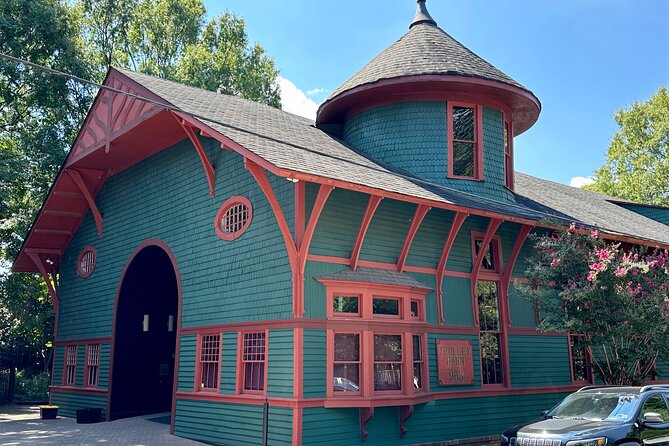
Several stops focus on historic neighborhoods dating from the late 1800s. Another is identified as Atlanta’s first suburb, founded in 1890. These sections add texture to the tour because they show where people lived, not just where major events took place.
The available information does not name every neighborhood, so I would not book this expecting a precise list of streets or house tours. Instead, think of these as guided drives through older parts of Atlanta, with explanations of how the city spread beyond its original core.
That distinction matters. You may see the neighborhoods from the vehicle, with short stops depending on traffic, timing, and your group’s interests. The experience is best for someone who wants context and visual orientation, not for someone seeking a long architectural walk.
I especially like this part for repeat visitors. One person who had been to Atlanta many times still found new parts of town and learned more about familiar areas after taking a tour. That is a good sign for anyone who has already seen the main downtown sights but wants a better understanding of the city around them.
Chris can also shape the conversation to your group. If you care about urban growth, residential areas, civil rights, or Atlanta’s past, say so early. A private guide has room to follow those interests.
More Private History Tours in Atlanta:
- Private Historical Walking Tour of York
★ 5.0 · 1,324 reviews - Istanbul: Acemoglu Historical Turkish Bath w/Private Options
★ 4.6 · 1,190 reviews - From Cairo: Private Full-Day Tour of Historical Alexandria
★ 4.1 · 1,155 reviews - Porto: Private Tour of the Historic City in a Ford T Car
★ 4.8 · 932 reviews
The Krog Street Tunnel brings the city down to street level
The Krog Street Tunnel is one of the route’s most distinctive stops. It is an iconic passage covered in changing street art and connects historic neighborhoods.
This is not polished museum culture. The tunnel gives you a view of Atlanta’s creative, informal side. Its walls make the city feel active and personal, with art that can change over time. It also shows how older neighborhoods are now linked by places used for walking, cycling, and local activity.
The tunnel works well in this tour because it follows the older neighborhoods. You get a sense of how historic areas can remain part of a modern city rather than being sealed off as museum pieces.
The practical catch is that street art is temporary. What you see depends on the day, and the tour information does not promise a specific amount of walking time here. Wear comfortable shoes if you hope to get out and look around, but keep your expectations flexible.
The birthplace area connects Atlanta to its beginnings
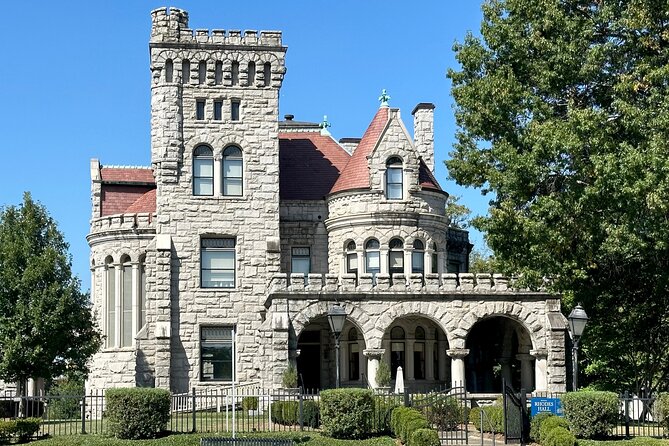
Another stop is described as being built next to where Atlanta first started. The information does not identify the site by name, so the guide’s explanation will be important here.
This is the kind of detail that can be easy to miss on your own. Atlanta’s origin is not just a point on a map. It helps explain why the city grew where it did and why transportation has always mattered so much to its development.
I would pay close attention during this section and ask questions. The stop may be more valuable for the story Chris tells than for a long period of sightseeing. It is another example of how the tour works best as a guided city overview rather than a checklist of major attractions.
The Martin Luther King Jr. National Historic Site is the emotional center
The Martin Luther King Jr. National Historic Site is the tour’s most important stop. This national park is devoted to Dr. King’s life and includes historic Ebenezer Baptist Church, his birth home, his gravesite, and museums.
You receive about 30 minutes here, with admission listed as free. That short time can introduce the site, but it is unlikely to allow a full visit to every part named above. If the civil rights story is a major reason for your Atlanta trip, plan to return for a longer independent visit.
Even with limited time, the site gives the tour moral and historical weight. The earlier stops explain Atlanta’s growth. Here, you confront the people and events that shaped the nation’s struggle for civil rights.
The range of places within the national historic site matters. Ebenezer Baptist Church connects to Dr. King’s public and religious life. His birth home points to his family and early years. His gravesite and the museums add later chapters. You are not getting only a monument or a photo opportunity.
Because the tour is private, you can ask Chris to focus more heavily on this part. If your group has children, older relatives, or different levels of familiarity with Dr. King’s life, a flexible conversation can help everyone stay engaged.
Still, be realistic about the clock. Thirty minutes is a strong introduction, not a complete study of the site. I would consider this tour a good first look, then set aside additional time if you want to explore the church, birth home, museums, and memorial areas at a slower pace.
The BeltLine shows Atlanta looking ahead

The final major theme is the Atlanta BeltLine, an ambitious 22-mile rail-to-trails project. It is helping drive development and changing how people move through the city.
This is a valuable addition because it brings the story into the present. The cemetery and historic neighborhoods show older Atlanta. The BeltLine shows a city trying to reuse transportation corridors and connect communities in new ways.
You should not expect to cover the full 22 miles during this tour. The route gives you an introduction to the project and its effect on Atlanta. It may also help you decide which section you want to explore later on foot or by bike.
The BeltLine can look very different from a traditional historic sight. Its importance is tied to movement, housing, development, and public space. If you enjoy seeing how cities change, this may be one of the most useful parts of the tour.
It also makes the route feel current. You are not only hearing about Atlanta’s past. You are seeing a project that is actively changing how people use the city.
What the private format is worth at $140
The price is $140 per person. That is a serious cost for a three-hour outing, especially if you are traveling alone or as a couple. The value depends on how much you want from the guide rather than how many admission tickets are included.
This is not a package built around expensive entry fees. Oakland Cemetery and the Martin Luther King Jr. National Historic Site are listed with free admission. You are paying mainly for private transportation, pickup, the guide’s time, and a route that connects places spread across Atlanta.
For a group, the price can make more sense because you are not sharing the vehicle or the conversation with strangers. You can ask questions, request more attention to a particular subject, and avoid wasting time on sights your group does not care about.
Chris has also adjusted the tour schedule for an earlier start and shaped the discussion around specific interests. That flexibility is a real part of the value, though it is wise to confirm your preferred pickup time in advance. The guide contacts you 24 hours before the tour to confirm pickup details.
Bottled water and an air-conditioned vehicle are included. Those are modest extras, but Atlanta’s heat and traffic can make them welcome. The private vehicle also lets you cover more ground than a walking tour could manage in three hours.
I would not choose this tour if your main goal is a long visit inside the national historic site or a detailed walking tour of Oakland Cemetery. I would choose it if you want an efficient city overview with a personal guide and a better sense of how Atlanta fits together.
Who will get the most from this tour
This tour suits you best if you are visiting Atlanta for the first time and want historical context before exploring on your own. It is also a good choice if you have been to Atlanta before but have seen only the central attractions.
Families and multigenerational groups may appreciate the private setup. The tour can be adjusted to different interests, and most people can participate. Service animals are allowed, and the experience is near public transportation, though the main tour itself uses private transportation.
History fans should know that the pace is brisk. The tour touches many subjects, from 1850 cemetery grounds to civil rights landmarks and present-day urban planning. You will get a broad view, but some places deserve a separate return visit.
The tour is offered in English. It is booked, on average, 56 days in advance, so planning early is sensible if your dates are fixed. Free cancellation is available up to 24 hours before the start time. Changes or cancellations inside that window are not accepted for a refund.
Should you book the Atlanta Then and Now Private History Tour?
Book it if you want Atlanta explained as a living city, not just a list of attractions. The combination of Oakland Cemetery, the Martin Luther King Jr. National Historic Site, older neighborhoods, the Krog Street Tunnel, Olympic Atlanta, and the BeltLine gives you a wide view in a short time.
Chris is the key reason to choose this format. He can adjust the schedule when possible, answer questions without losing the thread, and focus on what interests your group. That makes the $140 price easier to justify for families or small groups.
Skip it if you want a slow, detailed visit to every museum and historic building. For that kind of day, use this tour as an introduction, then return to the Martin Luther King Jr. National Historic Site or Oakland Cemetery on your own.
FAQ
How long does the Atlanta Then and Now Private History Tour last?
The tour lasts approximately three hours.
What places are included?
The tour includes Oakland Cemetery, the Martin Luther King Jr. National Historic Site, Atlanta’s Olympic area, historic neighborhoods, Atlanta’s first suburb, the Krog Street Tunnel, the area built next to where Atlanta began, and the Atlanta BeltLine project.
Is admission included?
Admission is listed as free for Oakland Cemetery and the Martin Luther King Jr. National Historic Site.
Is transportation provided?
Yes. Private transportation in an air-conditioned vehicle, pickup, and bottled water are included.
Is this a private tour?
Yes. Only your group participates in the activity.
What is the cancellation policy?
You can cancel up to 24 hours before the experience start time for a full refund. Cancellations or changes made less than 24 hours before the start time are not accepted for a refund.
Newest history tours we have reviewed in Atlanta
- 2-Hour Food, History and Street Art Tour of Ponce City Market★ 5.0 · 159 reviews
- 2 Hour Historic Market Food Tour and Hands-On Biscuit Class★ 5.0 · 251 reviews
- Private Atlanta History Tour From Civil War to Civil Rights★ 5.0 · 47 reviews
- Atlanta Historical Homes Tour★ 4.5 · 26 reviews
- Atlanta: Historic Market Food Tour and Biscuit Cooking Class★ 4.9 · 25 reviews
- Atlanta: Beltline Food, Street Art, and History Walking Tour★ 5.0 · 47 reviews
- Atlanta: Black History & Civil Rights City Bus Tour★ 4.9 · 151 reviews
- Atlanta: Martin Luther King Historical Park Walking Tour★ 5.0 · 86 reviews
Private History Tours, compared.


Private Guided Historic Electric Cart Tour of St. Augustine
Read our review →
Private Full-Day Tour of Historical Alexandria
Read our review →
Private Tour of the Historic City in a Ford T Car
Read our review →
Madrid Historical Tour with Local Guide in Eco Tuk Tuk Private
Read our review →
Private Biblical Tour Ancient Corinth & Isthmus Canal from Athens
Read our review →
Private Kathmandu Sightseeing Tour | UNESCO World Heritage sites
Read our review →
Historic Porto by Private Electric Tuk Tuk to Top Landmarks
Read our review →Browse the lists this tour appears in