
Review · GREECE HISTORY TOURS
Athens: Kotsanas Museum of Ancient Greek Technology Ticket
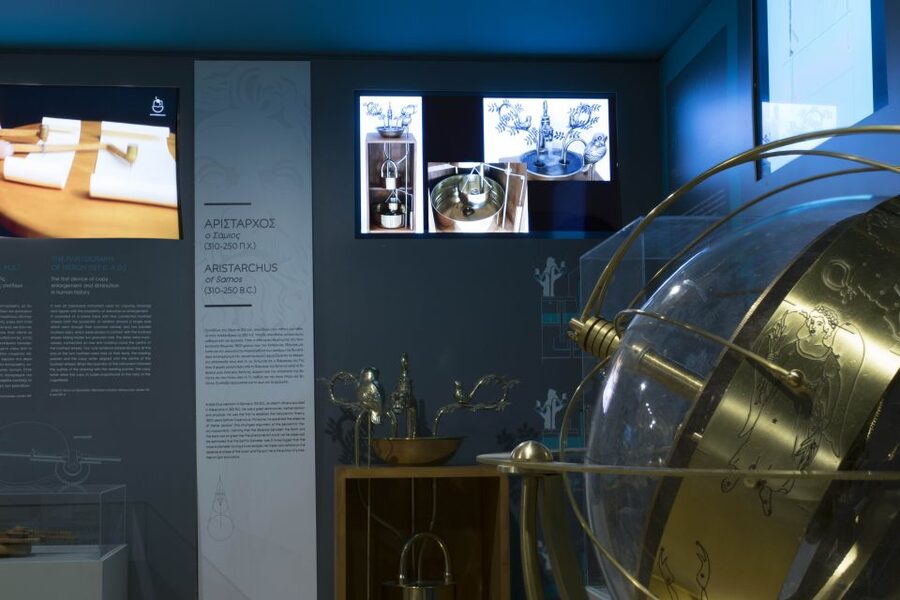
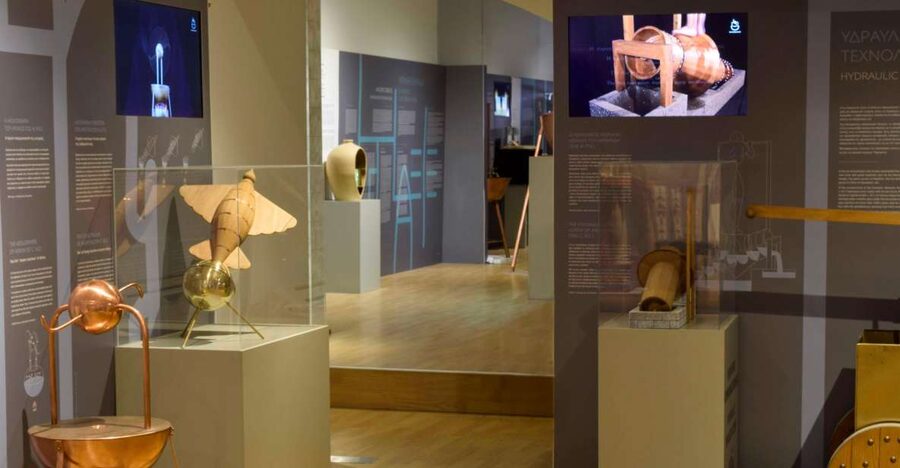
The most surprising thing here is how modern ancient Greek engineering can feel. Inside a historic Art Nouveau building near Syntagma, you’ll see working models of an analog computer, automatic figures, clocks, theater devices, and machines powered by water, air, weights, or clever gears. This is ancient Greece with the marble statues set aside and the machinery switched on.
I like the hands-on displays, since you can operate some mechanisms yourself instead of simply staring at glass cases. I also like the amount of explanation: diagrams, photographs, videos, animations, and English text make difficult ideas easier to follow. The main consideration is that your ticket is for museum entry, not a guided tour, so you’ll need to take your time with the material on your own.
Key points to know before you go
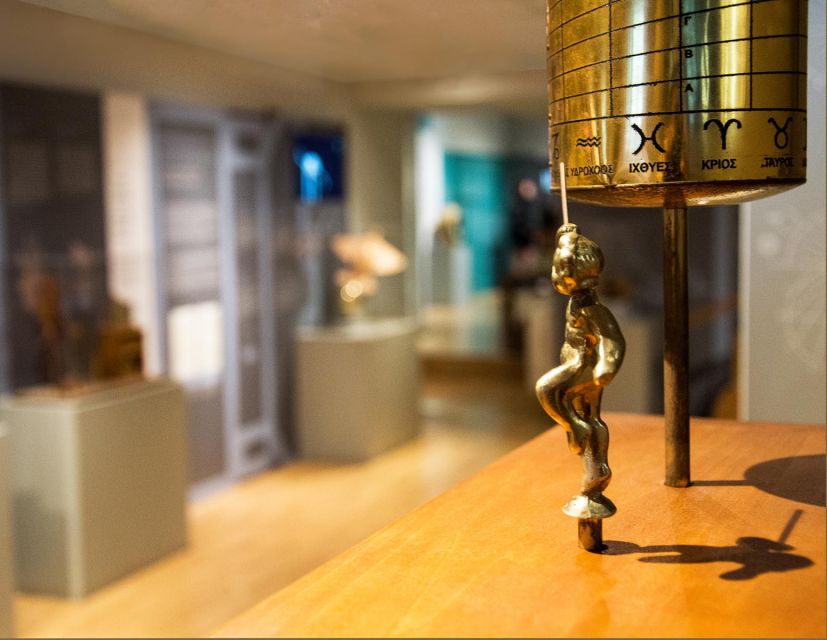
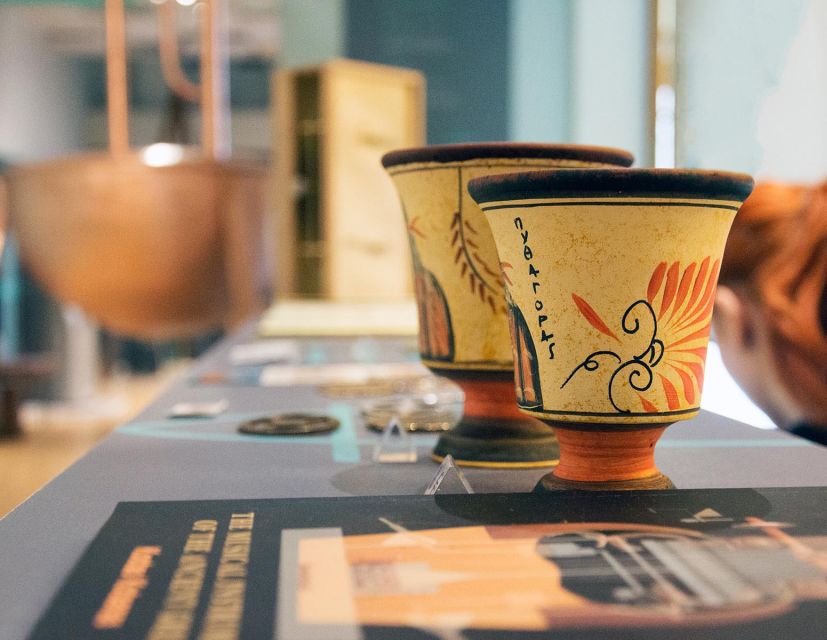
- About 100 working models: See reconstructions of inventions linked to figures such as Philon, Heron, and Ktesibios.
- The Antikythera mechanism: Examine a model of the ancient calculating device often described as the world’s oldest analog computer.
- A hands-on museum: Some machines can be set in motion or tested with your own hands.
- English explanations: Labels, posters, videos, and other audio-visual material are available in Greek and English.
- Easy central location: The museum is about a five-minute walk from Syntagma Metro Station.
- Low admission cost: At about $7.90 per person, it is a reasonably priced indoor stop in central Athens.
Why this small Athens museum is worth your time
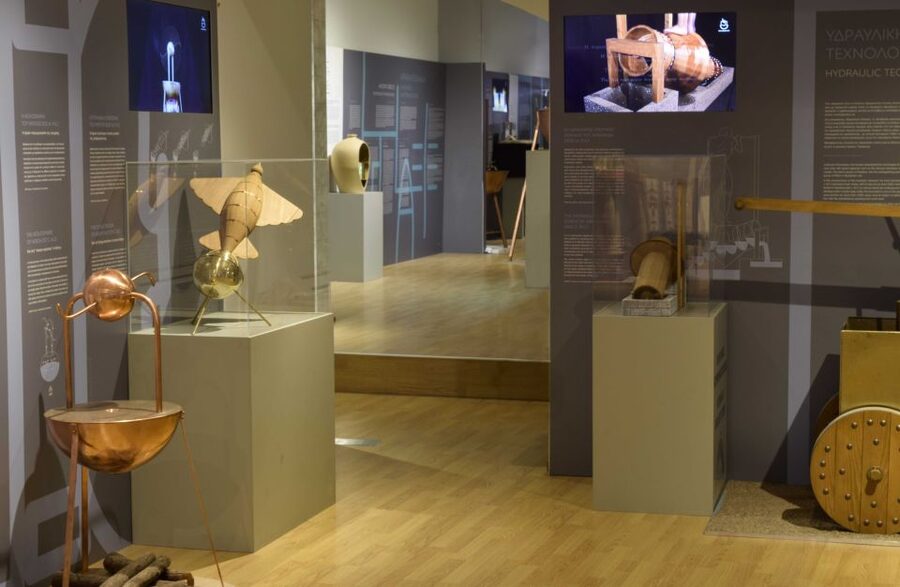
Athens is filled with famous ancient sites, but most of them show what people built, worshipped, or sculpted. The Kotsanas Museum focuses on how people solved practical problems. It asks you to look at ancient Greek culture through engineering, automation, measurement, sound, movement, and mechanical design.
That change in focus matters. You may already know the Parthenon as a symbol of architecture, but here you can see another side of the ancient world: people designing devices that measured time, performed actions, calculated astronomical cycles, and entertained an audience.
The museum presents approximately 100 operating models in an area of about 700 square meters. That is enough space for a substantial visit, but not so much that you feel lost in a giant institution. I would plan on reading the displays rather than rushing through in 20 minutes. The value comes from understanding what each mechanism did and how it achieved the result.
The central idea is simple and effective: ancient technology can look surprisingly close to early modern technology. The materials and power sources were different, but the problem-solving is familiar. Gears turn, water rises, air moves, weights drop, and figures perform programmed actions.
More Ancient History Tours in Greece
- Athens: Ancient Greek Theater Performance
★ 4.7 · 2,481 reviews - Historical Delphi One Day Tour with Arachova Stop & Expert Guide
★ 4.5 · 1,247 reviews - From Athens: Ancient Corinth Day Trip with Canal & VR Guide
★ 4.6 · 1,073 reviews
Entering at Pindarou 6 near Syntagma
The museum is at Pindarou 6, in central Athens, roughly five minutes on foot from Syntagma Metro Station. That makes it easy to add to a day in the city center, especially if you want an indoor activity between major archaeological stops.
The address is in a historic Art Nouveau building, which gives the visit a little character before you reach the exhibits. The museum itself occupies about 700 square meters, so you are not entering a vast complex that requires half a day and a map.
Your ticket is valid for one day, with entry times based on availability. The activity begins and ends at the museum, with no transport included. Since the location is central and close to the metro, getting there is fairly simple if you are already exploring Syntagma and nearby streets.
Food and drinks are not allowed inside. That is a small point, but it is useful to know before arriving with a coffee or snack in hand.
The Antikythera mechanism and ancient calculation
The Antikythera calculating mechanism is likely to be the museum’s biggest draw. It is presented as the oldest analog computer in the world, and the model gives you a way to understand what that claim means in practical terms.
Rather than seeing only a mysterious collection of corroded bronze fragments, you can study a working reconstruction and the ideas behind it. The mechanism shows how gears could be used for calculation and astronomical tracking. Even if you are not comfortable with technical subjects, the diagrams and explanations help connect the parts to the device’s purpose.
This is a good example of why the museum’s operating models are useful. A static object can tell you that an ancient machine existed. A working model shows you how motion and calculation were linked. You do not need specialist knowledge to appreciate the basic surprise: sophisticated mechanical planning was possible long before electricity or digital screens.
Give this section time. The Antikythera mechanism is not just another display to photograph. It is the clearest example of the museum’s main theme, ancient engineering that feels far ahead of its time.
Robots, automatic figures, and mechanical theater
The exhibits also cover machines designed to move, serve, or entertain. You can see a model of Philon’s robot servant, along with Heron’s automated puppet show. These inventions bring ancient technology to life in a more immediate way than a clock or measuring device.
The robot servant is especially useful for understanding automation. The point is not that it was a modern robot in the electronic sense. It is that a sequence of actions could be controlled through mechanical design, allowing a figure to perform a task without constant human handling.
Heron’s automotive puppet show adds a theatrical side. Ancient technology was not limited to farming, construction, or science. Mechanical systems could also create a performance, with movement arranged to produce a visual effect for an audience.
You might find these displays easier to grasp than the more technical calculating instruments because the result is visible at once. A figure moves. A scene changes. A machine performs a set action. The museum uses this simple connection between cause and effect well.
More Museum and Gallery History Tours in Greece
- Ancient Olympia: Archaeological Site and Museum Entry Ticket
★ 4.3 · 555 reviews - Ancient Athens tour: Acropolis, Parthenon and Acropolis Museum
★ 5.0 · 256 reviews - Acropolis of Athens, Ancient Agora and the Agora Museum Tour
★ 5.0 · 86 reviews - Heraklion Highlights: Knossos, Museum & Historic City Drive
★ 5.0 · 64 reviews
Water clocks and the problem of measuring time
The hydraulic clock of Ktesibios shows how water could be used to measure the passing hours. This may sound basic, but dependable timekeeping requires careful control of flow, level, and movement.
The model gives you a physical sense of the challenge. Water is not just poured into a container and left to run. The mechanism must turn a changing water level into a readable measure of time. That calls for design choices that are easy to overlook when you only look at the finished clock.
This exhibit also helps connect ancient technology to daily life. A calculating device may feel specialized, but timekeeping affects public activity, religious events, work, and personal routines. The hydraulic clock is a reminder that practical engineering often begins with a very ordinary question: how do we measure something that cannot be held?
What the interactive displays add
The museum is not designed only for looking. Many of the exhibits are interactive, and you can put some mechanisms into use with your own hands. That makes a real difference, especially for children, families, and anyone who finds mechanical diagrams hard to follow.
When you operate a device, you can see the relationship between your action and the machine’s response. Turn something, pull something, or set a mechanism in motion, and the result becomes easier to remember. You are not simply collecting facts. You are watching an idea work.
The museum also uses projection stations with video and animation. Documentaries explain the function and use of the mechanisms, and the exhibitor demonstrates how they operate. These visual aids are helpful when several parts move at once or when the internal process cannot be seen directly.
The displays are supported by explanatory labels, large posters, detailed diagrams, photographs, and full bibliographical references. The result is more substantial than a quick novelty exhibit. You can keep things simple and focus on the moving parts, or spend longer with the technical background.
How easy is it to understand without a guide?
A guided tour is not included. This is important if you prefer someone to lead you from one display to the next or answer questions as you go.
The museum supplies explanatory material in Greek and English, including labels and audio-visual content. English is listed for the host or greeter, and the activity information identifies English as an available language. You should therefore be able to follow the main explanations without knowing Greek.
I see the lack of a guide as both a strength and a limitation. You control the pace, skip sections that do not interest you, and return to a mechanism that catches your attention. On the other hand, a guide could provide more context and help connect the inventions into a larger story.
If you enjoy learning by reading, watching demonstrations, and testing devices, the self-guided format should work well. If you want a lively lecture or detailed answers about every invention, keep your expectations in check.
How much time should you allow?
The ticket is valid for one day, but the information does not specify a fixed visit length. Your actual time will depend on how closely you read the material and how long you spend with the interactive machines.
A quick visit could focus on the Antikythera mechanism, the automatic figures, and the hydraulic clock. A slower visit would include the diagrams, videos, animations, and documentary material. Since the museum presents about 100 exhibits, you should not expect to absorb everything in a hurried stop.
I would treat it as a focused museum visit rather than a five-minute filler activity. Its central location makes it easy to fit into a wider Athens schedule, but the displays reward attention. The technical content is the reason to come, so rushing defeats much of the point.
Who will enjoy the Kotsanas Museum most?
This experience suits curious adults, families, students, science fans, history enthusiasts, and anyone who likes seeing how things work. Children may respond well to the moving figures and hands-on mechanisms, while adults may spend more time with the Antikythera model and the engineering explanations.
It is also a useful choice if you have already seen the major ancient monuments and want a different view of Greek culture. You will not get another hilltop panorama or a grand temple here. You will get machines, diagrams, demonstrations, and a closer look at technical creativity.
The museum may be less suitable if you want a purely art-focused collection or a formal guided experience. It is also not the right stop if you plan to carry food or drinks inside, since those are not allowed.
The building is wheelchair accessible, which makes this a practical central Athens option for visitors who need accessible entry. The information provided does not describe every internal feature, so you may want to confirm any specific access needs before booking.
Is $7.90 good value?
At about $7.90 per person, the admission is modest for a central Athens museum with roughly 100 operating models and a large amount of supporting material. The price is particularly fair if you take time to read the explanations and use the interactive displays rather than simply walking past them.
You are paying for admission only, not transport or a guided tour. That keeps the cost low, but it also means the value depends on your willingness to explore independently.
For families, the hands-on format can make the ticket more useful than a museum filled with objects that cannot be touched. For adults with a strong interest in ancient engineering, the Antikythera mechanism alone may justify the stop. If you are only looking for a short break from sightseeing, you may not get as much from it.
The experience has a rating of 4.9 from 26 reviews, which fits the museum’s clear strengths: unusual subject matter, working models, good visual explanation, and a convenient location. The number of ratings is not huge, so I would use it as a helpful signal rather than the only reason to book.
Should you book this museum ticket?
Book it if you want to see ancient Greece from an angle that goes beyond temples, sculpture, and mythology. The combination of working models, English explanations, and hands-on displays gives you a practical look at ancient invention, with the Antikythera mechanism as the main prize.
It is especially easy to recommend for families, science-minded visitors, and anyone with an hour or more to spend near Syntagma. The low price and central location make it a sensible addition to an Athens day.
Skip it if you strongly prefer a guided tour, dislike reading technical displays, or want a major archaeological site rather than a museum about reconstructed machines. For everyone else, the Kotsanas Museum offers a memorable reminder that ancient Greek ingenuity was not only carved in stone. It also moved, calculated, measured, and performed.
FAQ
Where is the Kotsanas Museum of Ancient Greek Technology?
The museum is at Pindarou 6, Athina 106 71, Greece. It is about a five-minute walk from Syntagma Metro Station.
What does the ticket include?
The ticket includes entry to the Kotsanas Museum of Ancient Greek Technology.
Is a guided tour included?
No. The ticket provides museum entry, but a guided tour is not included.
How long is the ticket valid?
The ticket is valid for one day. Available starting times depend on the selected availability.
What can I see inside the museum?
You can see approximately 100 operating models of ancient Greek inventions, including the Antikythera calculating mechanism, Philon’s robot servant, Heron’s automated puppet show, and Ktesibios’ hydraulic clock.
Are the displays available in English?
The museum provides audio-visual material, explanatory labels, posters, diagrams, and other information in Greek and English. English is also listed as an available language for the activity.
Is the museum wheelchair accessible?
Yes, the activity is listed as wheelchair accessible.
Can I bring food or drinks inside?
No. Food and drinks are not allowed inside the museum.
Newest history tours we have reviewed in Greece
- Athens: The History of Greek Mythology Private Tour★ 4.7 · 53 reviews
- Athens: Women in Ancient Greece★ 5.0 · 98 reviews
- Athens: Ancient Corinth & Nafplion Guided Premium Tour★ 4.7 · 237 reviews
- Athens: Be an Ancient Sculptor: Craft Your Greek Masterpiece★ 5.0 · 26 reviews
- Athens: Roman Agora & Ancient Agora E-ticket & 2 Audio Tours★ 4.1 · 107 reviews
- Athens: Ancient Greek Theatre Murder Mystery Experience★ 4.8 · 298 reviews
- Athens: Corinth Canal and Ancient Olympia Private Trip★ 4.6 · 21 reviews
- Athens: Kotsanas Ancient Greek Technology Museum Guided Tour★ 5.0 · 29 reviews
Ancient History Tours, compared.

Colosseum: Underground and Ancient Rome Tour
Read our review →
Colosseum & Ancient Rome with Arena Floor Option I Max 6 People
Read our review →
Colosseum, Ancient Rome Tour or AudioGuided Tour
Read our review →
Colosseum Underground & Ancient Rome Guided Tour
Read our review →

Taormina: Ancient Theater Skip-the-Line Ticket & Audio Guide
Read our review →
Discover the Ancient Ruins of Pompeii: Day Trip from Rome
Read our review →
Discover Matera, the ancient city – English tour
Read our review →Browse the lists this tour appears in