

Review · ITALY HISTORY TOURS
Amalfi Organic Lemon Tour & Tasting in the Historical Garden
Amalfi’s lemons grow on hand-built terraces, not on a flat commercial farm. This small-group visit leads you up ancient stairs through pergolas, stone walls, water channels, and family groves, with Amalfi and the sea spread below. The setting explains more about local life than another hour of shopping ever could.
I like the family connection. Giovanna, a fourth-generation farmer, shares the work and history of the land with clear pride. I also like the tasting: fresh lemonade, lemon cake, and organic limoncello served during a quiet break above the town. The main drawback is simple: reaching the farm means steep paths and many stairs, with no concrete platforms or easy-access route.
Key points to know
- Terrace farming in action: See chestnut-wood pergolas, dry-stone walls, cisterns, and channels that support Amalfi’s vertical farms.
- Guided by the farming family: Giovanna explains the Sfusato lemon, other citrus varieties, organic growing, and the work behind each harvest.
- Three local tastes included: Sip lemonade and limoncello, then try homemade lemon cake, with additional products sometimes available to taste.
- Excellent views: The tasting break looks over Amalfi and the blue sea.
- Expect stairs: This is a walking tour through a working hillside farm, not a level garden visit.
Why Amalfi’s lemon terraces matter

The Amalfi Coast is famous for its lemons, but a quick stop at a shop does not show you how they are grown. Here, the trees occupy narrow terraces cut into the steep hills above Amalfi. Farmers built the land by hand, stacking stone walls and carrying soil from one level to the next.
The result is a form of vertical farming. Chestnut poles from local forests support pergolas above the trees, while old cisterns and water channels bring spring water to the groves. Ancient stairways link the levels. Every part of the farm reflects a practical answer to difficult terrain.
I find this context valuable because it changes the way you see a lemon on a market stall. The fruit is not simply a local specialty. It represents years of wall repair, pruning, watering, carrying, and careful harvesting. Women took part in this hard work too, carrying baskets of lemons on their shoulders or helping move them by foot and mule.
The farm also presents a traditional approach to sustainability. In the old peasant system, very little went to waste. Each item had a use, and the farm depended on balance between crops, animals, water, soil, and people. The guide connects this older way of life with organic farming today.
More History Tours in Italy:
- Colosseum: Underground and Ancient Rome Tour
★ 4.7 · 12,691 reviews - Rome: Colosseum with Arena, Roman Forum and Palatine Guided Tour
★ 4.0 · 5,598 reviews - Venice: St. Mark’s Basilica Guided Tour & VR History Intro
★ 3.9 · 4,880 reviews
Meeting the family farm in central Amalfi
The experience begins at the gate of the Amalfi Historical Garden in Amalfi center. You receive the exact meeting details after booking, so keep an eye on your messages before setting out. The visit returns to the same farm, and accommodation pickup is not included unless arranged in advance.
The farm is close enough to reach from the port area by foot, but close does not mean flat. One visitor described it as an easy walk from the port with lots of stairs, which is a useful description. You need comfortable shoes, steady footing, and enough energy for an uphill route.
The tour is shared, but the group stays very small. One visit had eight people, a size that allows questions without turning the walk into a lecture. Giovanna, also written as Joanna in some booking material, guides many of the visits. She is part of the family that runs the farm and explains the work from personal experience.
That family connection makes a difference. You are not looking at a preserved display with signs beside each tree. You are walking through a living farm that still depends on care and labor. The atmosphere is informal and personal, with time to ask about citrus varieties, harvesting, organic methods, and the farm’s past.
Walking among Sfusato lemons and old citrus trees
The guided walk lasts about 1.5 hours, though the full visit can run from 1.5 to 2.5 hours depending on the start time and pace. You move through several parts of the garden, stopping to look at lemon trees, pergolas, walls, water systems, and older plantings.
One of the main subjects is the Sfusato lemon, the long, fragrant lemon strongly associated with the Amalfi Coast. You learn how it differs from other varieties grown on the property. The farm also has other citrus, including oranges and additional lemon types, so the tour is about more than one famous fruit.
The trees are not manicured for easy access. Branches may be rough and twisted, and some carry thorns. The guide explains that harvesting requires care and a proper approach. That is a small but telling detail: the visit shows farming as physical work, not as a decorative backdrop for photographs.
You also hear about the problems of running an organic farm. The information provided does not set out a technical list of treatments or certifications, so you should not expect a formal agricultural class. Instead, the emphasis is on the contrast between organic and conventional growing, the value of biodiversity, and the day-to-day demands of preserving the land.
The farm avoids concrete roads and platforms under the lemon trees. That keeps the setting natural, but it also means the route can be uneven and demanding. If you have a heart, respiratory, or mobility condition, this activity is specifically not recommended.
The engineering behind the stone walls and water
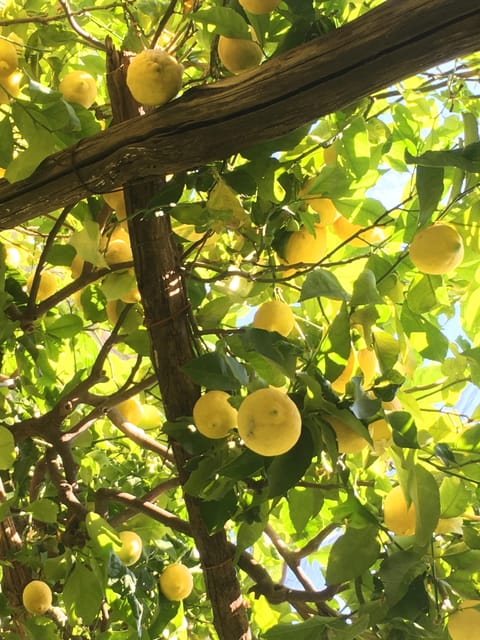
The most interesting part of the visit may be what sits beneath the lemons. The macerine stone walls hold earth and rocks from one terrace to the next. They are not merely borders. They keep the farm from sliding downhill and create usable pockets of soil on a very steep slope.
Ancient cisterns and channels solve another problem: water. Springs high above the farm provide clear water, which has to be directed to terraces where modern hoses and level roads are not always practical. The guide explains how earlier farmers made water reachable with simple but effective engineering.
This is where the tour offers something different from a tasting stop. You learn to read the hillside. A wall, stairway, or wooden support is part of a larger system. It reflects labor passed down through generations and the need to maintain every part of the farm if the lemon trees are to survive.
The setting also gives you a strong sense of quiet. Sunlight filters through the branches, and the scent of citrus follows you along the paths. The coast remains visible between the terraces, but the garden itself feels removed from Amalfi’s traffic and busy waterfront.
Same streets, a different century:
- Colosseum with Arena, Roman Forum and Palatine Hill Guided Tour
★ 4.5 · 3,526 reviews - Colosseum & Ancient Rome with Arena Floor Option I Max 6 People
★ 5.0 · 3,306 reviews - Rome: Colosseum, Ancient Rome Tour or AudioGuided Tour
★ 4.4 · 2,879 reviews - Colosseum Underground & Ancient Rome Guided Tour
★ 4.5 · 2,590 reviews
A sea-view break with lemonade, cake, and limoncello
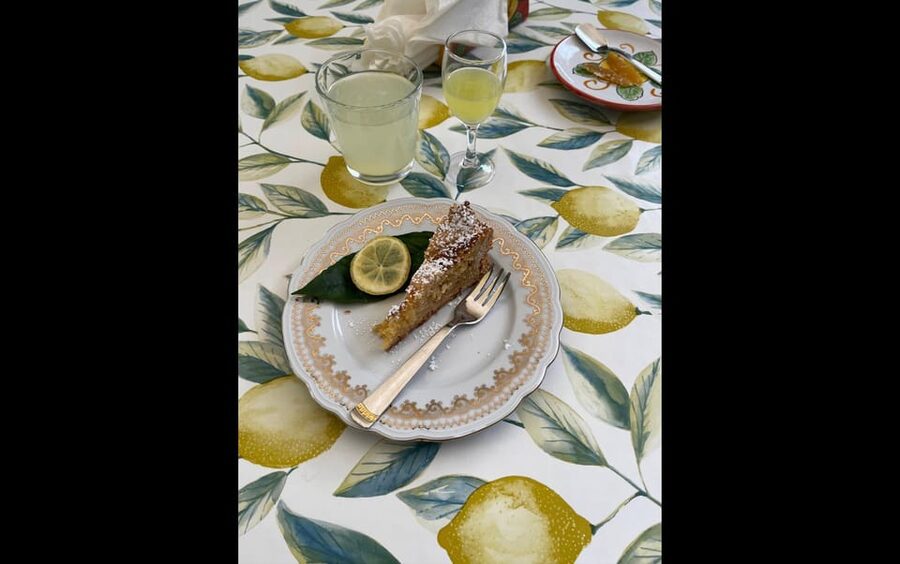
The tour pauses at a spot overlooking Amalfi and the blue sea. This is the natural place to sit, slow down, and taste products made from the farm’s lemons. The included tasting contains organic lemonade, lemon cake, and limoncello.
The lemonade is refreshing after the uphill walk. The cake gives you a sense of how local lemons work in cooking, not only in drinks. The limoncello provides the strongest connection to Amalfi’s famous food culture, though it is served as a tasting rather than a full drink.
Several visits also included candied lemon peel, honey, perfume, or mandaretto, but these should be treated as possible extras rather than guaranteed parts of the basic package. The core tasting is lemonade, cake, and limoncello.
The homemade quality is a major reason to book. You are tasting products made in the same family setting as the trees you have just seen. If you usually find commercial limoncello too sweet or harsh, the organic version may be worth your attention. You can also buy a bottle or other local products at special prices offered through the farm.
Do not expect a full meal. Lunch and dinner are not included, though they may be arranged in advance. The tasting works best as a generous snack and a conclusion to the walk, not as a substitute for a restaurant meal.
The view is part of the value
The coast view is not a minor bonus. Amalfi is built between steep hills and the water, and the farm gives you a different angle on the town. From the terraces, you look across the rooftops and down toward the sea, with lemon branches and wooden pergolas in the foreground.
I like this combination of scenery and substance. Plenty of coastal viewpoints give you a fine photograph and little else. Here, the view comes after you have learned why the terraces exist and how much work they require. The picture has a story behind it.
The pace also helps. The tour is not designed as a race from one point to another. The family guide stops to explain, answer questions, and let you look around. One particularly useful quality is the clear English spoken by the guide, which makes agricultural terms and historical details easier to follow.
The group can include people from several countries, and the tasting break offers a relaxed chance to talk with others. That social element is incidental, not the main reason to book, but it adds warmth to the final part of the visit.
What the $59 price gets you

At $59 per person, the tour costs more than simply buying a bottle of limoncello or a slice of lemon cake in town. The price pays for a small-group guide, access to a working family farm, the tasting, and the time spent explaining the land’s farming systems and history.
I consider it fair value if you want context and a personal visit rather than a quick product sample. You are paying for access to a place that is difficult to maintain and not set up as a standard attraction. The walls, stairways, pergolas, and waterworks are part of the experience, as is the family’s effort to preserve them.
The value is weaker if your main goal is only to taste limoncello. You can find lemon products elsewhere in Amalfi, often without walking uphill. This tour makes sense when you also care about agriculture, local families, the physical work behind regional food, and a quiet setting away from the main streets.
The booking terms are useful for uncertain plans. You can reserve and pay later, and cancellation is free up to 24 hours before the visit. Starting times vary, so check availability when choosing your date.
When to go and what the lemon trees look like
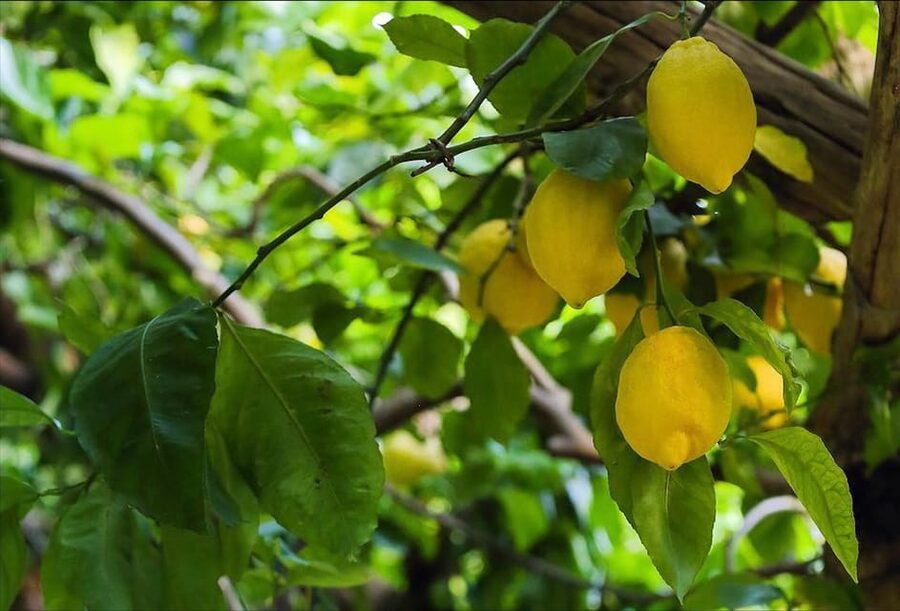
The farm operates across the year, but the lemons are yellow only from February through July. If seeing bright ripe fruit on the trees matters to you, plan within that period.
Outside those months, the garden can still show you terrace farming, citrus varieties, old trees, and the views. Just do not book expecting every tree to be covered with yellow lemons. The guide can still explain the growing cycle and the work of organic cultivation.
Warm months make the sea view and lemonade especially appealing, but summer heat can make the stairs harder. Wear light, comfortable clothing and shoes with a secure grip. The farm does not have concrete platforms, so this is not the place for delicate footwear or a casual stroll in smooth sandals.
Who should book this Amalfi experience
I would choose this tour if you want a break from shops, traffic, and crowded waterfront streets. It suits people who enjoy gardens, food production, family stories, photography, and seeing how local traditions continue in daily life.
Families with teenagers can enjoy it too. The visit is active but not a full-day hike, and the tasting gives the tour a clear reward at the end. Children who dislike stairs or have little interest in plants may find the route less appealing.
The experience is not suitable for people with mobility impairments, heart problems, or respiratory issues. The steep incline and many stairs are not minor details. Contact the farm before booking if you are unsure about your ability to manage the route. The provider lists a phone number for questions and possible discounts.
Should you book the Historical Garden lemon tour?

Book it if you want to understand how Amalfi’s lemons are grown, not just buy lemon-flavored souvenirs. The family-led setting, organic products, sea view, and explanation of terrace farming make this a useful two-hour addition to an Amalfi visit.
Skip it if you need a level, accessible activity, a full meal, or a quick tasting with no walking. For everyone else, $59 buys a personal look at one of the coast’s most important traditions, plus three well-chosen tastes and a view you will remember.
FAQ
Where does the Amalfi lemon tour begin?
The tour begins at the gate of the Amalfi Historical Garden Lemon Farm in Amalfi center. Exact meeting details are provided after booking.
How long does the experience last?
The guided tour lasts about 1.5 hours. The total activity can take between 1.5 and 2.5 hours, depending on the scheduled start and pace.
How much does the tour cost?
The listed price is $59 per person.
What food and drinks are included?
The tasting includes organic lemonade, lemon cake, and limoncello. Other products such as candied lemon peel, honey, perfume, or mandaretto may also be offered, but they are not listed as guaranteed inclusions.
Is lunch included?
No. Lunch and dinner are not included, though they can be reserved in advance.
Is the tour offered in English?
Yes. The activity includes a live English-speaking guide.
Are there many stairs?
Yes. The farm is built on steep Amalfi terraces, and reaching it involves stairs and inclines. There are no concrete roads or platforms through the lemon groves.
Is the tour suitable for people with mobility or health concerns?
No. It is listed as unsuitable for people with mobility impairments, heart problems, or respiratory issues. Contact the provider if you are uncertain about the physical demands.
When are the lemons yellow?
The lemons are yellow from February through July. Outside that period, you may see the trees and learn about cultivation, but ripe yellow fruit is not guaranteed.
Newest history tours we have reviewed in Italy
- Bologna: Street Food Tour in the Historic Center★ 4.8 · 125 reviews
- Asti Historic Town Walking Tour★ 4.5 · 82 reviews
- Ancient Rome: Archeological area Largo Argentina★ 3.9 · 49 reviews
- Ancient Rome Half-Day Segway Tour★ 4.8 · 25 reviews
- Alghero: Historic Center Walking Tour with A Local Guide★ 4.8 · 120 reviews
- Alghero: walking tours around the ancient city★ 4.6 · 30 reviews
- Alba: History Walking Tour and Food Tasting with a Local★ 4.8 · 20 reviews
- Alba: Historic Town Highlights Guided Walking Tour★ 4.2 · 80 reviews
Italy History Tours, compared.

Colosseum: Underground and Ancient Rome Tour
Read our review →
Colosseum with Arena, Roman Forum and Palatine Guided Tour
Read our review →
St. Mark’s Basilica Guided Tour & VR History Intro
Read our review →
Colosseum with Arena, Roman Forum and Palatine Hill Guided Tour
Read our review →
Colosseum & Ancient Rome with Arena Floor Option I Max 6 People
Read our review →
Colosseum, Ancient Rome Tour or AudioGuided Tour
Read our review →
Colosseum Underground & Ancient Rome Guided Tour
Read our review →
Venice’s Best: Basilica, Doge’s Palace, Gondola & History Gallery
Read our review →Browse the lists this tour appears in