
Review · ATHENS HISTORY TOURS
From Athens: Explore Ancient Greece 4-Day Tour
The most remarkable feature of this four-day tour is its range. In one sweep, you can test the acoustics of Epidaurus, walk through the royal ruins of Mycenae, picture the first Olympic contests, stand at Delphi, and look up at the monasteries of Meteora. It gives you a broad, useful introduction to mainland Greece beyond Athens.
I like the way the tour combines major archaeological sites with changing scenery, and I like that breakfast and dinner are included, which removes some daily planning. Guides such as Christina Stamou, Dosia, Panaiota, and Sofia have been praised for bringing mythology and ancient history to life. The trade-off is time on the bus, especially when fitting so many places into four days.
Key points to know
- Epidaurus offers a hands-on ancient theater moment: Try speaking from the stage and listen for the famous acoustics.
- Mycenae connects myth with archaeology: See the Lion Gate and the Tomb of Agamemnon in a setting tied to the stories of the Trojan War.
- Olympia is more than a photo stop: Temples, sporting grounds, the Olympic Flame altar, and the museum make it one of the tour’s strongest visits.
- Delphi brings mountains and mythology together: Explore the ancient sanctuary and visit the mountain village of Arachova.
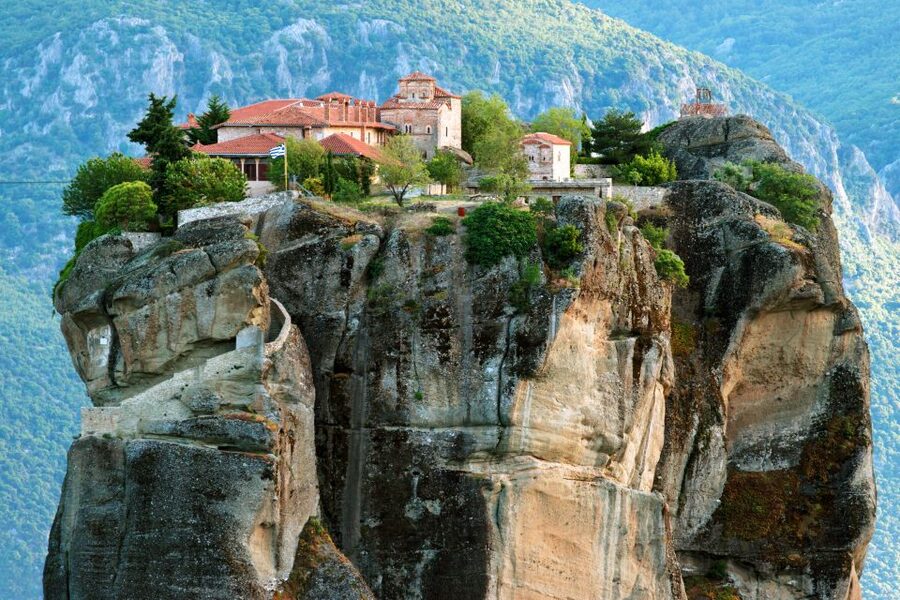
- Meteora adds a very different kind of history: The Eastern Orthodox monasteries sit high on sandstone pillars above Kalambaka.
- The value comes from the package: Hotels, entrance fees, transport, guides, breakfast, and dinner are covered, but lunch, drinks, and hotel tax are extra.
Five ancient sites in four days
At $742 per person, this is not a budget bus transfer. It is a structured four-day trip with entrance fees, three nights of accommodation, a guide, air-conditioned transport, breakfast, and dinner included. I see the price as reasonable if you want to cover the Peloponnese, Delphi, and Meteora without arranging hotels and long-distance transport yourself.
You should also understand the shape of the trip. This is a sightseeing circuit, not a slow village holiday. You will spend substantial time on the road, but the payoff is a much wider view of mainland Greece than you could get from day trips out of Athens.
The bus journey is presented as a lower-carbon way to travel, and it is fitted with air conditioning. One recent account also praised the onboard chargers and comfortable vehicle. Food and drinks are not allowed on the buses, so plan your water and snack stops around the schedule. The roads and scenery are part of the experience, but you should not expect long, unhurried visits at every stop.
More Ancient History Tours in Athens
- Athens: Ancient Greek Theater Performance
★ 4.7 · 2,481 reviews - Historical Delphi One Day Tour with Arachova Stop & Expert Guide
★ 4.5 · 1,247 reviews - From Athens: Ancient Corinth Day Trip with Canal & VR Guide
★ 4.6 · 1,073 reviews
Day one: Epidaurus, Nafplio, and Mycenae
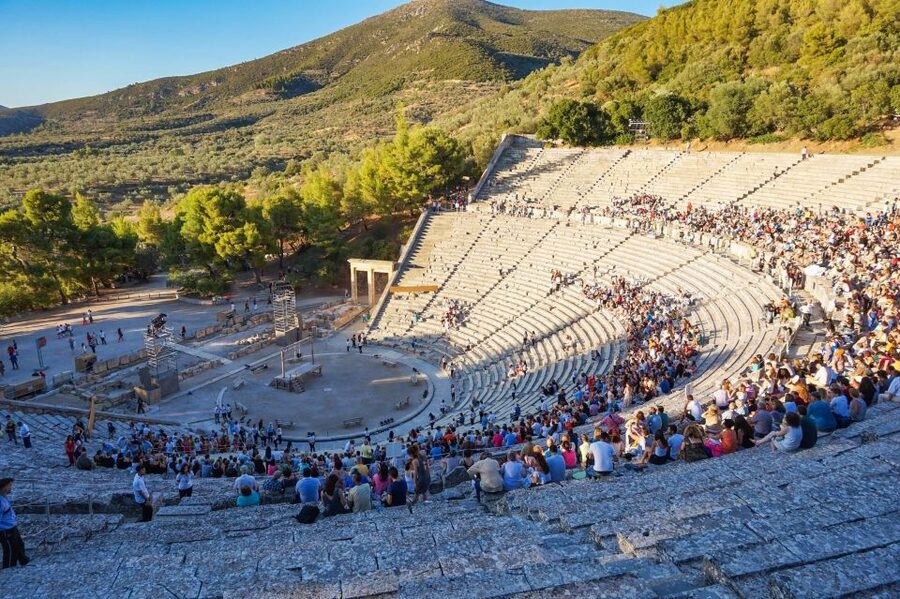
The first morning takes you along the Corinth Canal toward Epidaurus. The canal itself is a striking engineering sight, but the main event is the ancient theater, famous for its symmetry and sound.
This is one of those places where a simple test helps you understand the site. Stand in the theater and speak or clap while someone else listens from higher up. The acoustic design is the point, and you do not need a long lecture to appreciate it.
Epidaurus was linked to Asclepius, the son of Apollo and a major figure in ancient Greek healing. That connection gives the site more depth than a pretty theater alone. It was part of a wider sanctuary tied to worship and medicine.
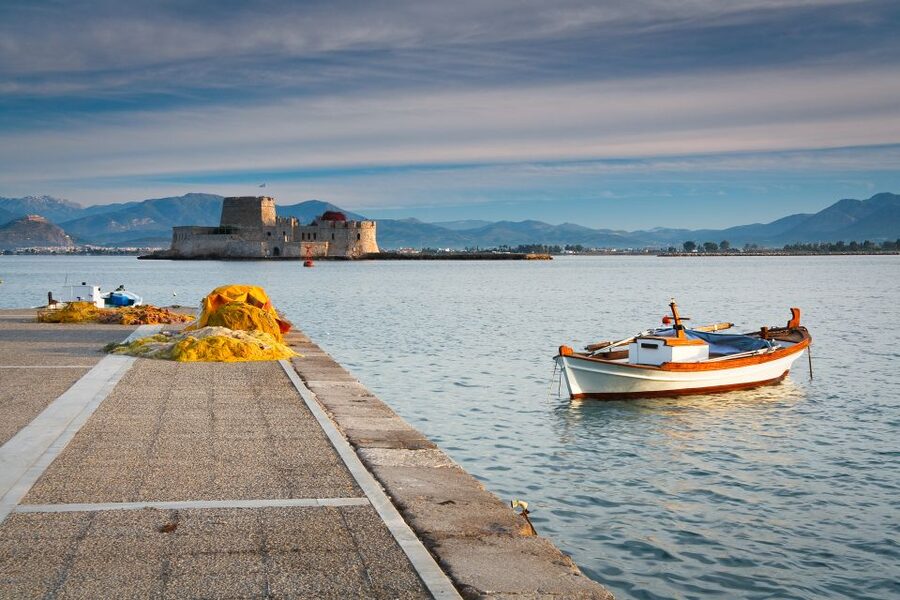
The short stop in Nafplio changes the mood. This seaport town offers a look at a more lived-in side of the region before the tour moves inland across the plain of Argos. Do not expect a full town visit. It is a brief pause, useful for seeing Nafplio and stretching your legs.
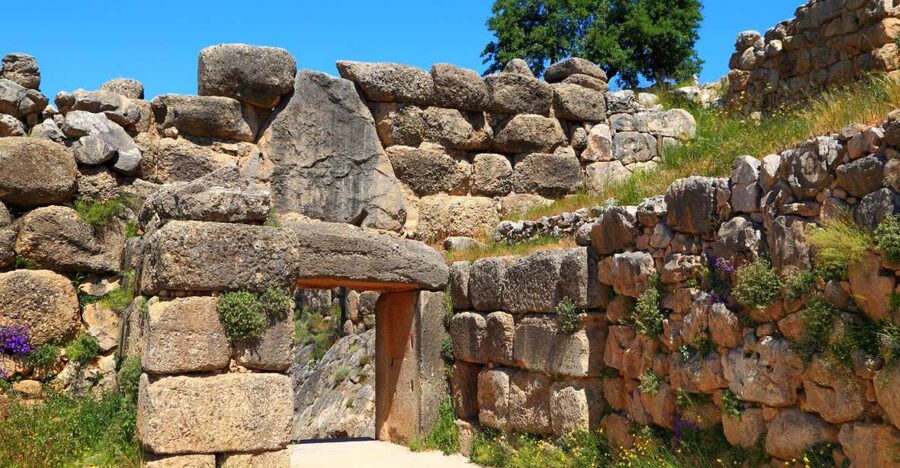
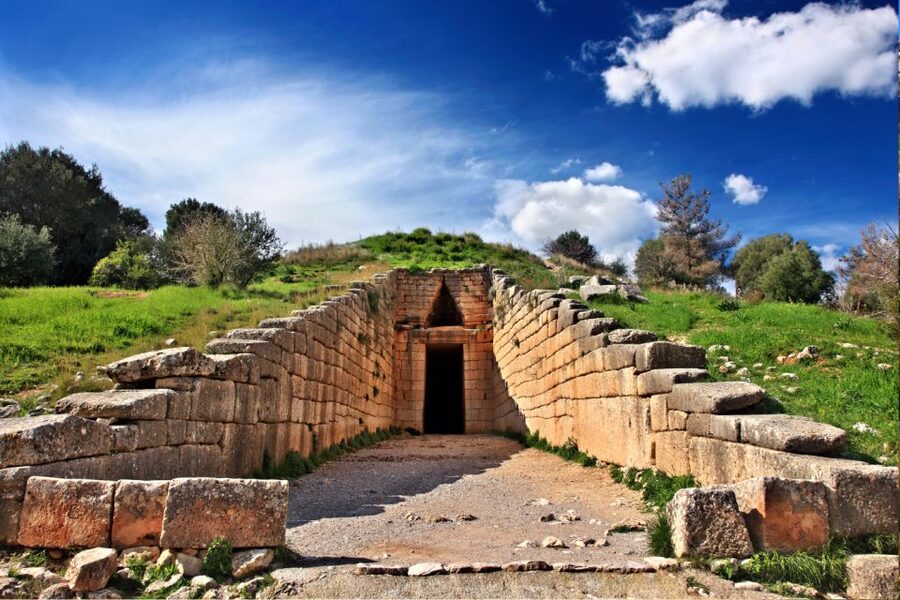
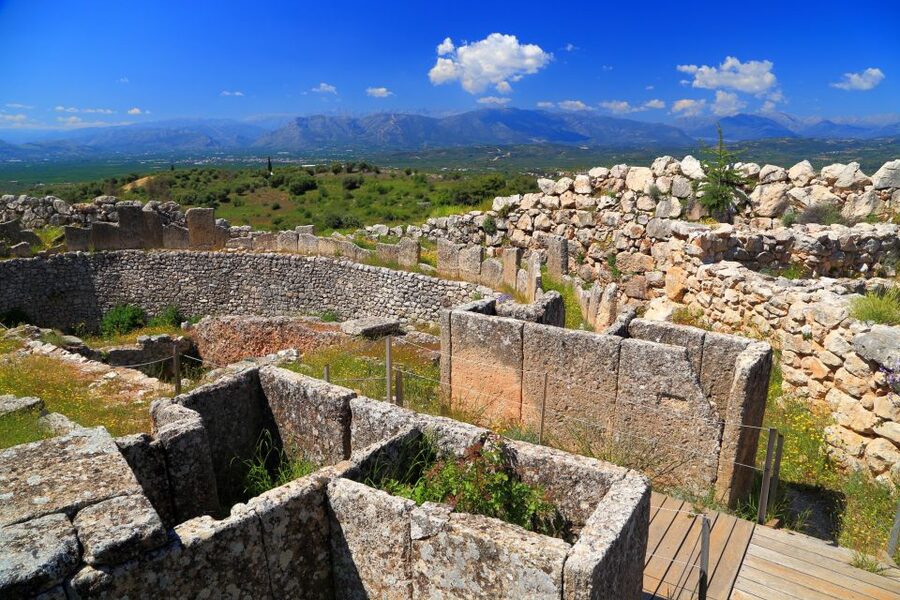
Mycenae is the day’s most dramatic archaeological stop. The site was once a major center of Greek civilization, and its hilltop setting helps explain why the place feels so imposing. The Lion Gate is the famous entry point, while the Tomb of Agamemnon connects the ruins with the legendary king associated with the Trojan War.
I find Mycenae most rewarding when you keep myth and archaeology separate but allow both to add interest. The stories of Agamemnon are not a simple historical record, yet the stonework, tombs, and scale of the site show that this was a powerful center long before classical Athens.
In the afternoon, you continue toward Olympia for the night. The first day packs in three major stops, so comfortable shoes and a willingness to keep moving will help.
Day two: Olympia, the Rio-Antirrio Bridge, and Delphi
Olympia is one of the best reasons to choose this tour. It was the home of the ancient Olympic Games, and the visit combines open-air ruins with a museum.
You will see the temples of Hera and Zeus, the altar associated with the Olympic Flame, and the grounds where athletic contests took place. The site is not a modern stadium experience. Much of its power comes from imagining athletes arriving here under very different rules and expectations.
The museum helps put the broken columns and foundations into context. I recommend paying attention to the sculpture and objects that show how the sanctuary looked and functioned. Without the museum, it is easy to see Olympia as a pleasant walk among ruins. With it, the religious and athletic importance becomes clearer.
The tour then crosses the Rio-Antirrio Bridge near Rio, a modern counterpoint to the ancient sites. The route passes Nafpaktos before following the coast toward Delphi. This is one of the prettiest stretches of the trip, with sea views and mountain scenery providing a welcome change after the archaeological visits.
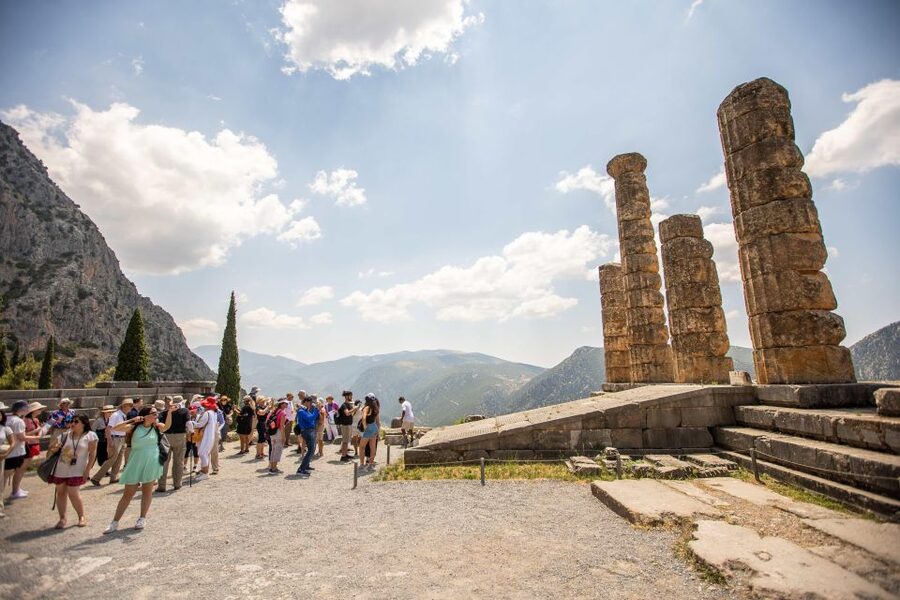
Delphi was regarded by ancient Greeks as the center of the world, or the navel of the world. Its location explains much of its appeal. The sanctuary sits on mountain slopes with broad views, and the setting gives the ruins a strong sense of place.
You will spend the night in Delphi, with an excursion to Arachova in the afternoon. This mountain village is a pleasant contrast to the sanctuary. It gives you a short look at a modern Greek community in the highlands rather than another set of ancient stones.
The second day is long. Olympia deserves attention, and Delphi deserves even more. If you like history, mythology, and geography, this is likely the most satisfying part of the route. If you prefer slow meals and long museum visits, the schedule may feel tight.
Day three: Delphi before the road to Kalambaka
The third day gives you a more relaxed morning in Delphi before the road north to Kalambaka. That extra time matters because Delphi is easy to rush. The sanctuary contains layers of meaning: religious ceremony, political influence, sacred architecture, and the famous oracle.
A good guide can make a major difference here. Christina Stamou has been singled out for her ability to keep a good pace while explaining the site. Angela, described as a Greek archaeologist, was also praised for directing attention toward important museum objects and using images to show how the ancient buildings once looked.
Your guide may shape how much you take from the visit. English and Spanish tours are available, and the strongest guiding on this route combines mythology with practical explanations of what you are actually seeing.
The afternoon drive to Kalambaka is one of the tour’s longer transfers. Kalambaka is the overnight base for Meteora, and its position below the monasteries gives you a preview of the next day.
This is a useful night to keep expectations realistic. You are changing hotels often, and accommodation can vary by the selected three-star or four-star option. The three-star choice has been described as comfortable and serviceable, with some hotels offering pools and views. Some stays, including hotels in places such as Lagadia, Itea, and Kalambaka, have been praised for food and scenery, while other properties may be more basic.
Dinner is included, which helps after a full day. Lunch is not, and drinks are extra, so budget for those separately.
More Ancient History Tours in Greece
- Acropolis, Parthenon & Athens Old City Heritage Walking Tour
★ 4.5 · 876 reviews - Private Biblical Tour Ancient Corinth & Isthmus Canal from Athens
★ 5.0 · 762 reviews - Athens: Ancient Corinth & Nafplio Full Day Trip with Swim
★ 4.8 · 531 reviews - Athens Skip the Line: Open Air Ancient Greek Theatre Performance
★ 4.5 · 520 reviews
Day four: Meteora and the return to Athens
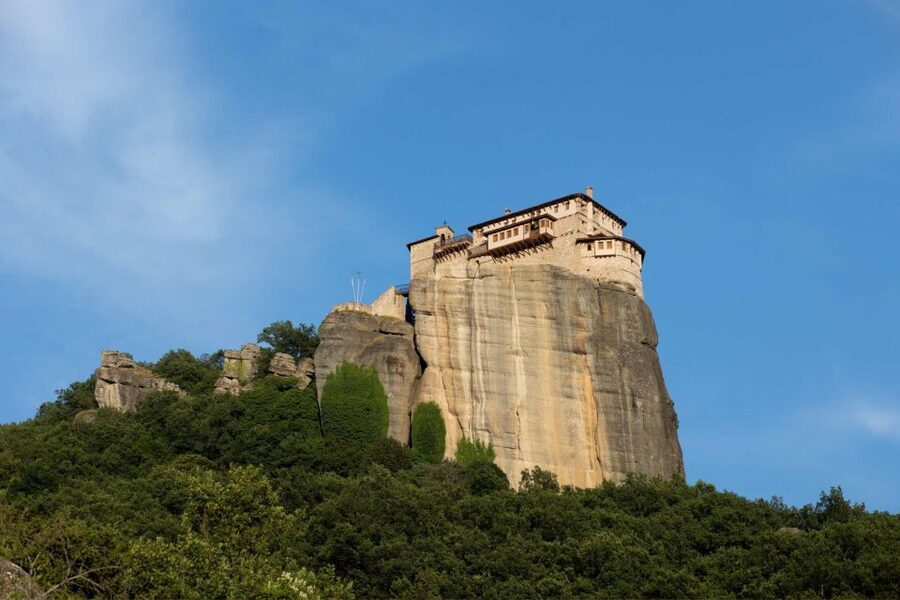
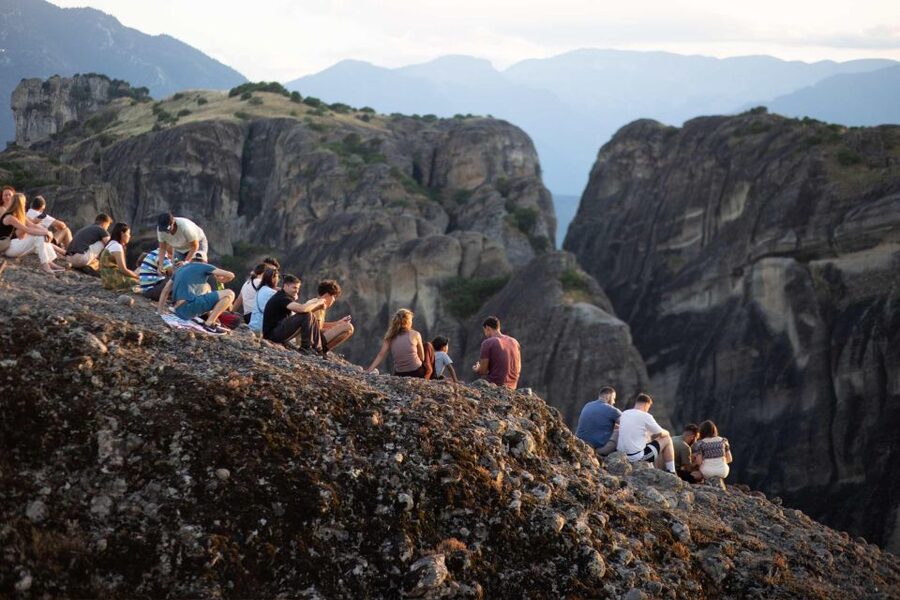
Meteora gives the final day a completely different feel. The monasteries were built high on sandstone pillars above Kalambaka, and the views are shaped by both nature and human effort.
You will visit the most important complex of Eastern Orthodox monasteries in Greece. Their position is the first thing you notice, but the buildings also show how religious communities created places of worship in difficult, isolated settings.
Dress carefully. Shorts are not allowed, short skirts are not suitable, and women are asked to wear long-sleeved tops. Modest clothing is not a minor detail here. You may be refused entry if your clothing does not meet the monastery requirements, so pack a scarf or cover-up if needed.
The Meteora visit can be very rewarding, though it may feel less intimate than the earlier sites if the group becomes larger. One account found that the group expanded for this part of the trip, making it harder to walk freely and hear every explanation. That is worth keeping in mind if you prefer small-group touring.
The return journey includes an optional stop at a factory producing Byzantine-style icons. After that, the route passes the monument to Leonidas, the Spartan king, before arriving back in Athens in the late afternoon.
Leonidas is a fitting final reference point for a tour centered on Greek stories of war, worship, sport, and sacrifice. Still, the final return is a travel day rather than another major guided visit. You should avoid scheduling a flight immediately afterward.
What the hotels and meals add
The hotel choice is either three-star or four-star, depending on the option you book. Each reservation covers a double or triple room. If you want a single room, a separate booking for one person is required.
The hotels are part of the tour’s practical value. You do not have to search for three different overnight bases, compare locations, or arrange transport between remote archaeological areas. The standard is not identical every night, but the available accounts describe the properties as pleasant, with some especially good views and meals.
Breakfast and dinner are included. That is easy to miss when comparing prices, but it changes the daily cost. You still need money for lunch, drinks, personal expenses, and the hotel accommodation tax.
The tax is paid directly to the hotel at €5 per room per night for three-star accommodation or €10 per room per night for four-star accommodation. Since the charge is per room, the cost is not the same as a per-person fee.
The guide and driver can shape the whole trip
On a route this busy, guiding is not decoration. A clear guide helps you understand why a pile of stones matters, keeps the group moving, and points you toward the museum objects worth your time.
Several guides have received especially strong praise. Panaiota was described as caring and calm, while Dosia was praised for detailed explanations and interesting commentary between stops. Ivan was valued for his grasp of Greek mythology, and Sofia for being approachable and full of useful information. Christina Stamou was noted for her strong pacing.
The drivers also matter because the route covers long distances and mountain roads. Stelios, Evan, George, and others have been praised for careful, smooth driving. That may sound like a small detail, but four days of road travel feel much better when you can relax rather than worry about the journey.
The tour uses English and Spanish. Pickup is available from most centrally located Athens hotels, usually about an hour before departure. You can also meet at the supplier’s office 15 minutes before the departure time.
Who should book this four-day Greece tour?
I would choose this tour if you want ancient Greek sites but do not want to rent a car, plan remote hotels, or manage the route yourself. It is especially well suited to first-time visitors who want the major sites explained in context.
It also suits people who enjoy mythology, archaeology, and changing scenery. You get theaters, tombs, temples, athletic grounds, mountain villages, coastal roads, and Orthodox monasteries in one trip.
I would hesitate if you need lots of free time, dislike long bus rides, or want to explore each town independently. The schedule is efficient rather than leisurely. You will see a great deal, but you will not linger everywhere.
The tour is not suitable for wheelchair users. You should also be comfortable with uneven archaeological ground, stairs, and the physical demands of visiting hilltop and mountain sites, although the provided information does not give a specific difficulty rating.
My verdict on the $742 price
The strongest value is the combination of coverage and convenience. Entrance fees, a guide, air-conditioned transport, three nights of hotels, breakfast, and dinner are included. You are paying to connect places that are spread across mainland Greece, not simply to enter one attraction.
The weaker side is the pace. Lunch, drinks, hotel tax, and personal costs remain outside the listed price, and the amount of driving can limit your time at each site. Four-star accommodation costs more, so compare the options carefully rather than assuming the higher category is essential.
For a history-focused visitor, I think the route justifies the price. For someone interested mainly in Meteora, a shorter tour would make more sense. For someone wanting all the major ancient stops without handling the logistics, this four-day plan is a sensible choice.
Should you book it?

Book this tour if your priority is seeing Epidaurus, Mycenae, Olympia, Delphi, and Meteora in one organized trip, with history explained along the way. The best guides turn the long route into a connected story, and the included dinners and hotels make the planning easier.
Skip it if you want a slow, independent trip or if long days on a bus sound exhausting. The route is ambitious, but that is also its strength. You leave with a much broader understanding of mainland Greece than an Athens-only visit can provide.
FAQ
How long is the tour?
The tour lasts four days and returns to Athens in the late afternoon of the fourth day.
What sites are included?
The route includes Epidaurus, Nafplio, Mycenae, Olympia, Delphi, Arachova, Kalambaka, and the Meteora monasteries.
Are hotels included?
Yes. Three-star or four-star hotel accommodation is included, depending on the option selected.
Are meals included?
Breakfast and dinner are included. Lunch, drinks, personal expenses, and hotel tax are not included.
What languages are available?
Live tour guides are available in English and Spanish.
Is hotel pickup available in Athens?
Yes. Complimentary pickup and drop-off are available from most centrally located Athens hotels. Pickup usually takes place about one hour before departure.
What should I wear to the Meteora monasteries?
Shorts and short skirts are not suitable. Women are asked to wear long-sleeved tops, and appropriate modest clothing is required for entry.
Can wheelchair users join the tour?
No. The tour is not suitable for wheelchair users.
Newest history tours we have reviewed in Athens
- The original Christian tour on Paul’s footsteps in Athens and ancient Corinth★ 4.5 · 25 reviews
- Ancient Sparta & Mystras Private Day Tour from Athens★ 5.0 · 52 reviews
- Athens: Combo Ticket for Acropolis & 6 ancient sites★ 3.0 · 21 reviews
- Small-Group Women History in Ancient Greece Walking Tour★ 5.0 · 38 reviews
- Ancient Corinth, Sanctuary of Hera, Blue Lake & Canal from Athens★ 5.0 · 26 reviews
- Half Day Historical Athens City Private Taxi Service Tour★ 5.0 · 79 reviews
- Private Luxury Tour: Marathon – Battle & Run That Changed History★ 5.0 · 30 reviews
- Ancient Olympia & Ancient Corinth Private LuxuryTour from Athens★ 5.0 · 25 reviews
Ancient History Tours, compared.
Colosseum: Underground and Ancient Rome Tour
Read our review →
Colosseum & Ancient Rome with Arena Floor Option I Max 6 People
Read our review →
Colosseum, Ancient Rome Tour or AudioGuided Tour
Read our review →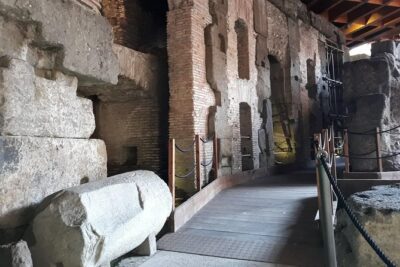
Colosseum Underground & Ancient Rome Guided Tour
Read our review →
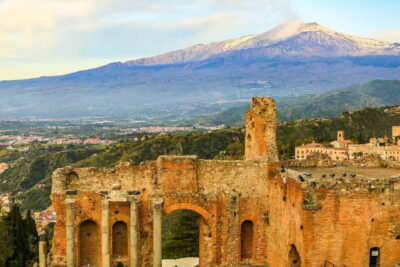
Taormina: Ancient Theater Skip-the-Line Ticket & Audio Guide
Read our review →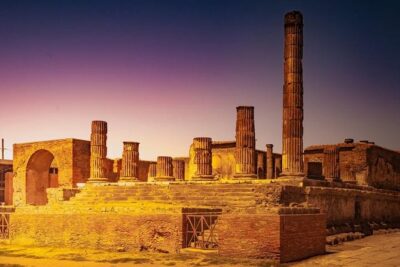
Discover the Ancient Ruins of Pompeii: Day Trip from Rome
Read our review →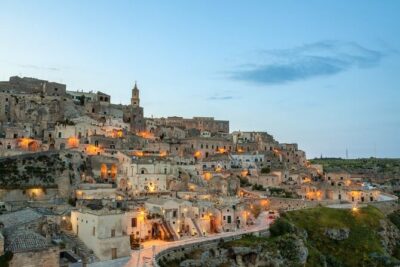
Discover Matera, the ancient city – English tour
Read our review →Browse the lists this tour appears in