
Review · ITALY HISTORY TOURS
Venice: St. Mark’s Basilica Guided Tour & VR History Intro
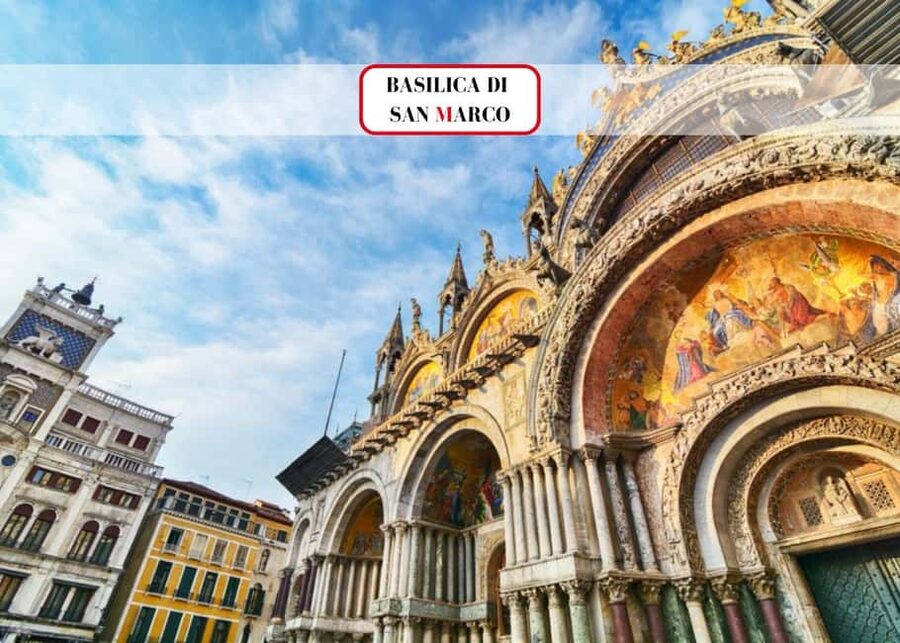
St. Mark’s Basilica is Venice at its most dazzling: more than 43,000 square feet of gold-ground mosaics, marble floors, and five great domes. I like that this visit begins with a VR history introduction, because the square’s changing shape and the basilica’s unusual Byzantine design make far more sense once you see Venice develop around them. I also like the guided explanations inside, where details such as the mosaics, marble inlay, and legends of St. Mark can be easy to miss on your own.
The priority entry is especially useful in summer, when the regular security line can stretch across the square. The main caution is that you first need to find the meeting point or ticket office, and priority entry does not always mean instant entry: security checks still apply. Check your booking option carefully, since the Doge’s Palace version does not include the basilica tour or the three-basilica pass.
Key points to know before you book
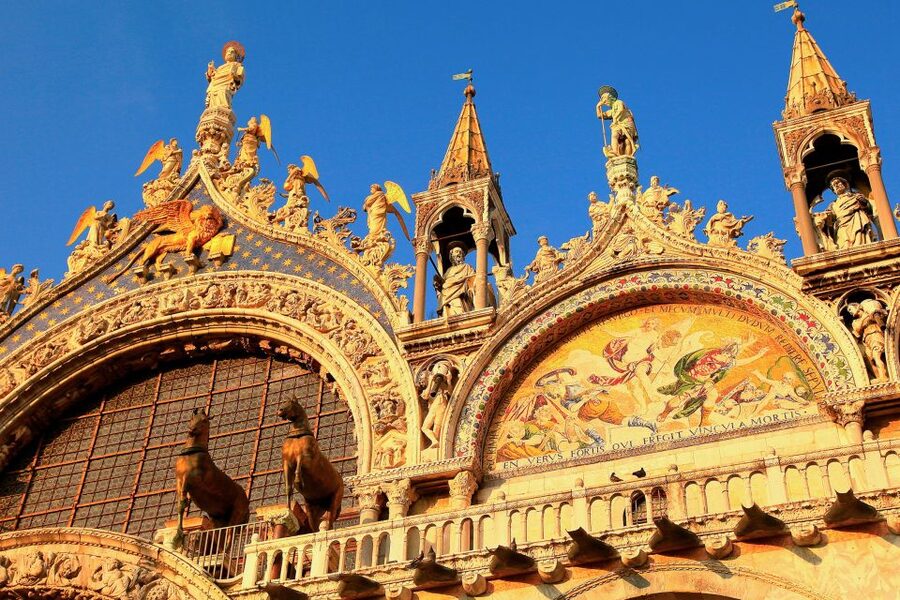
- The VR introduction comes first: See St. Mark’s Square change from medieval Venice to the grand piazza you see today.
- The basilica tour focuses on the main interior: You’ll see the golden mosaics, five domes, marble floors, and major artistic features.
- Priority entry saves time: You bypass the regular ticket queue, but everyone still passes through security.
- Three basilicas are included in the main option: St. Mark’s Basilica, Torcello Cathedral, and Santa Maria della Salute.
- The guide can make the difference: Francesco, Elena, Valentina, Andrea, and other guides have been praised for clear and engaging explanations.
- Dress and phone preparation matter: Bring identification, cover shoulders and legs, and download the audio-guide app before entering.
Why St. Mark’s Basilica needs a little context
You can walk into St. Mark’s Basilica and admire the gold, but the building can feel like a dazzling puzzle without some explanation. Its art, architecture, and legends grew over centuries, reflecting Venice’s close links with the Byzantine world and its pride as a major maritime republic.
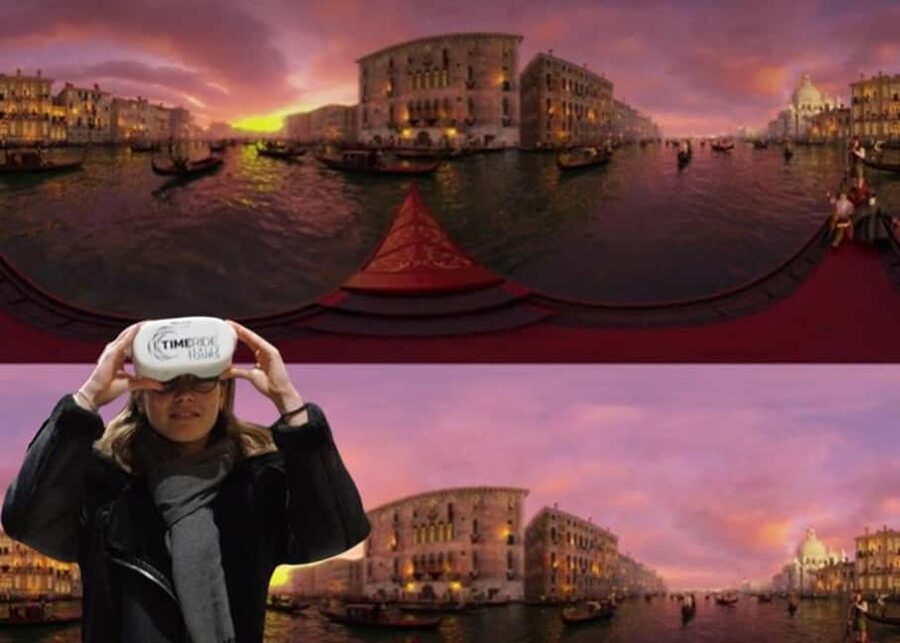
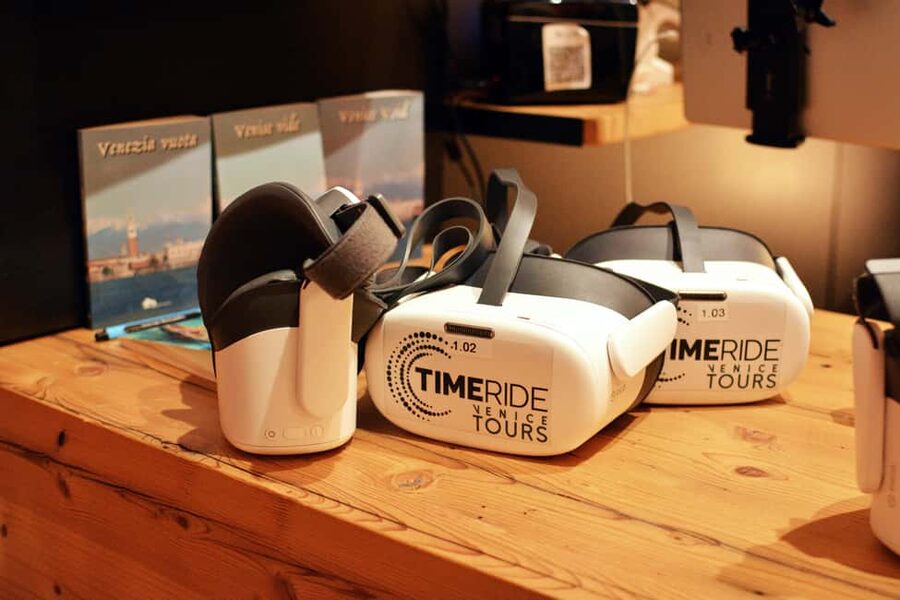
That is why I find the opening VR presentation useful. Instead of starting with a static introduction, you see St. Mark’s Square change through time. Medieval buildings, the growth of the Venetian Republic, and the familiar square of today are presented as stages in one story.
The VR section is held at the History Gallery before the basilica visit. It is not the main event, but it gives you a better frame of reference. Afterward, you can look at the square and understand it as more than a pretty open space beside the Grand Canal.
The VR segment is also a good fit for families and younger visitors. A nine-year-old has been reported to stay engaged with the basilica after this kind of introduction, and that makes sense: the visual approach gives children something concrete to remember before the guide begins explaining religious art and Venetian politics.
More Architecture and Landmark Tours in Italy
- Venice’s Best: Basilica, Doge’s Palace, Gondola & History Gallery
★ 4.5 · 2,478 reviews - Pantheon Elite Guided Tour – Rome’s Iconic Ancient Temple
★ 5.0 · 1,447 reviews - Venice: The History of St. Mark’s Basilica Tour
★ 4.2 · 986 reviews
Starting at the History Gallery
Allow extra time to find the meeting point. The office is close to St. Mark’s Square, but Venice is a maze of narrow passages, small lanes, and easily missed turns. Several bookings have gone smoothly once the office was found, while others lost time looking for it.
Arrive early enough to collect or confirm your entry materials. Staff provide directions, and in some cases a map showing the correct basilica entrance. This small bit of help matters because the square has several entrances, queues, and security arrangements that are not always obvious.
The History Gallery portion usually sets the tone for the visit. You see the evolution of St. Mark’s Square through a virtual reconstruction, then move on with a guide or host toward the basilica. The advertised duration ranges from 45 minutes to two hours, so check the specific start time and option you choose.
One point needs careful attention: the experience may be described with an audio guide in some booking information, but many time slots place you with a live guide. Names associated with highly rated departures include Francesco, Elena, Valentina, Andrea, Alessia, and Niccola. If you prefer to move at your own pace, the audio-guide format may suit you better. If you want questions answered and stories told in the moment, the guided format is the stronger choice.
Entering St. Mark’s Basilica
The priority lane is the practical heart of the booking. At busy times, the regular line can be long, and the saved time is worth something in Venice’s summer heat or rain. You still need to pass security, so do not interpret skip the line as skip every queue.
Security has caused some confusion. A line outside the basilica may be for inspection rather than ticket purchase, and it can move steadily even when it looks intimidating. Reports of 15 to 30 minutes at security are possible, depending on the crowd and the hour.
Bring a valid identity document. It is required for security checks, and forgetting it could cause a serious problem at the entrance. Dress respectfully too. Shorts, short skirts, and bare shoulders are not accepted. A few people have had to buy extra coverings after arriving in unsuitable clothing, so it is easier to dress properly before you leave your hotel.
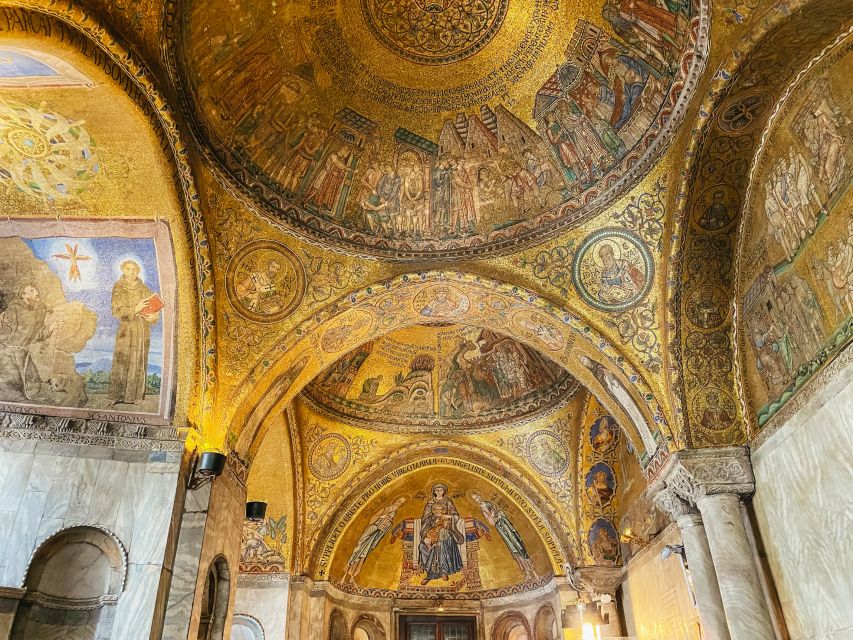
Once inside, the visual impact is immediate. Light catches on the gold mosaics, while patterned marble spreads across the floor. The building’s decoration is not a single painting program completed at one time. It is a collection of religious images, symbols, materials, and styles that developed over a long period.
Seeing the gold mosaics and marble floors
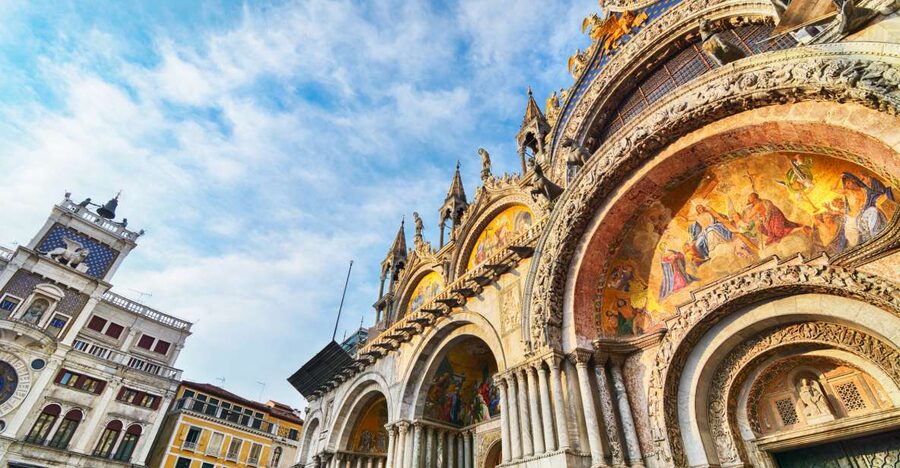
The mosaics cover more than 43,000 square feet. That figure is impressive, but the better reason to take a guided visit is that you can learn how to read what you are seeing.
Look up at the biblical scenes set against gold backgrounds. The gold does not behave like a flat yellow wall. As light shifts across the small pieces, the surface changes, giving the interior a sense of movement even when you are standing still.
The guide also helps connect the images to the role of St. Mark’s Basilica. This was not only a place of worship. It became a symbol of Venice’s wealth, power, religious identity, and links with the eastern Mediterranean. Legends connected to St. Mark add another layer to the visit.
The marble floors deserve time too. Their geometric patterns and inlaid designs can be overshadowed by the ceiling mosaics, but they reward a slower look. If your group moves quickly, make a point of glancing down before following the guide toward the next section.
The basic visit does not automatically include every extra area. Access to the main altar, the Pala d’Oro, the museum, or the upper terrace may require an additional payment, depending on what is available at the time. One particularly useful tip is to consider the Pala d’Oro if you have the opportunity, since it is described as a central feature of the church. The upper level has also been praised for its view over the square, but it costs extra.
Same streets, a different century:
- Colosseum: Underground and Ancient Rome Tour
★ 4.7 · 12,691 reviews - Rome: Colosseum with Arena, Roman Forum and Palatine Guided Tour
★ 4.0 · 5,598 reviews - Colosseum with Arena, Roman Forum and Palatine Hill Guided Tour
★ 4.5 · 3,526 reviews - Colosseum & Ancient Rome with Arena Floor Option I Max 6 People
★ 5.0 · 3,306 reviews
What the live guides add
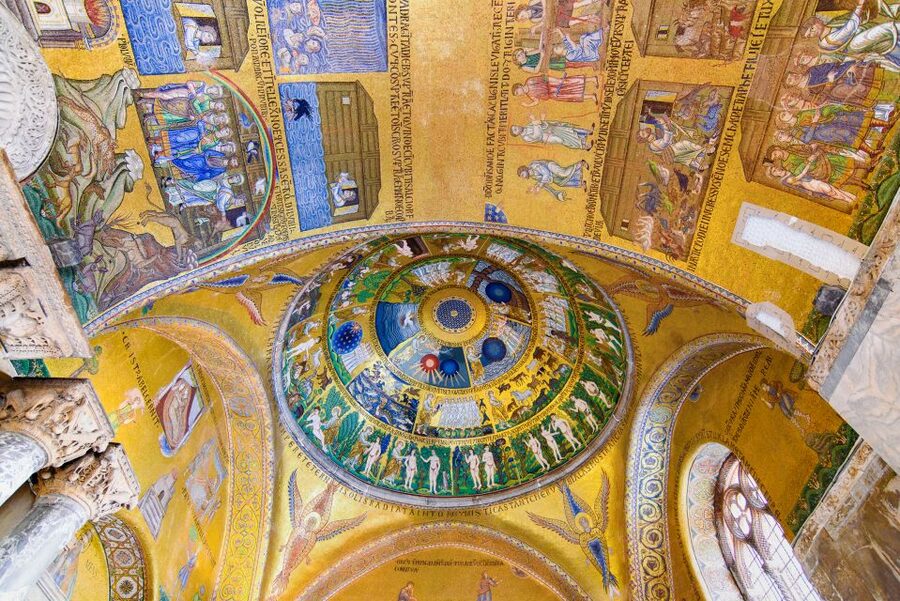
A good guide turns a beautiful interior into a readable one. You will hear stories about the basilica, explanations of its art, and details about Venice’s connection with St. Mark. The best guides keep the pace moving while leaving you enough time to look.
Francesco is noted for his enthusiasm and clear grasp of Venice’s past. Elena has been singled out for making the stories engaging enough to hold the attention of teenagers. Valentina has led visits praised for being both entertaining and informative, while Andrea has been described as an excellent source of explanation.
The quality can vary with the individual guide and language. English, Spanish, German, and French are listed as guide languages. One issue to consider is that a strong accent or fast speaking can make some explanations harder to follow, especially inside a large, echoing church.
If you receive an audio guide instead of a live tour, download the app before entering. The basilica may not provide a reliable phone connection, and preparing at the ticket office while connected to Wi-Fi is the sensible move. Bring headphones, including AirPods if you prefer, so you can listen without holding your phone up throughout the visit.
The audio guide has one clear advantage: you control the pace. You can pause at the mosaics, move ahead, or spend longer in a quiet corner. A live guide offers more personality and the chance to ask questions, but a self-guided visit gives you more freedom.
The three-basilica pass and what it adds
The main booking option includes access to three important Venetian religious buildings. St. Mark’s is the grand centerpiece, while the other two give you a broader view of how Venetian religious art developed beyond the main square.
Torcello Cathedral
The Cathedral of Santa Maria Assunta on Torcello is one of the oldest religious sites in the Venetian Lagoon. Its Byzantine mosaics make it a natural companion to St. Mark’s Basilica, especially if you want to compare the use of religious imagery and gold-toned decoration.
Torcello is not simply another stop beside St. Mark’s Square. It represents an older chapter of lagoon history and gives the pass a wider geographic reach. Check the practical arrangements for reaching it, since the experience information does not provide transportation or a same-day route between the basilicas.
Santa Maria della Salute
The Basilica of Santa Maria della Salute offers a different mood. This monumental Baroque church was built as a votive offering after the plague and sits beside the Grand Canal.
Its setting and architecture provide a useful contrast with St. Mark’s Byzantine appearance. If St. Mark’s feels layered, glittering, and closely tied to Venice’s eastern connections, Santa Maria della Salute gives you a chance to see the city’s later Baroque style and its religious response to crisis.
The three-basilica access is valuable if you plan to see all three buildings. It is less useful if you only have a short stay and intend to remain around St. Mark’s Square. The pass adds artistic range, but you need to plan your own movement between sites.
How much value does the $26 price offer?
The listed price is $26 per person. The standard official St. Mark’s Basilica ticket is €12, while entry with the terrace or Pala d’Oro is listed at €24. That means the difference is paying for more than the basic admission.
Your price covers the assistance at the meeting point, accompanied entry with a certified guide or host, the VR presentation at the History Gallery, use of an audio guide or radio system with earphones in applicable options, and booking or sales costs. The main version also includes access to the two additional basilicas.
At a quiet time, the value is less obvious. One person noted that the basilica had no queue at 10 a.m., making the basic admission look more attractive. At a hot or crowded time, the priority lane and help finding the correct entrance can justify the extra cost.
I would book this for a first visit when time matters, especially during a busy season. I would be less eager to pay for it if I planned to visit at a quiet hour, already knew the basilica well, and did not care about the VR presentation or live explanation.
The Doge’s Palace option needs special care. If you select the Doge’s Palace ticket with audio guide, the St. Mark’s Basilica ticket, guided tour, and three-basilica pass are not included. That is a different product, not a larger version of the basilica package.
Who will get the most from this visit?
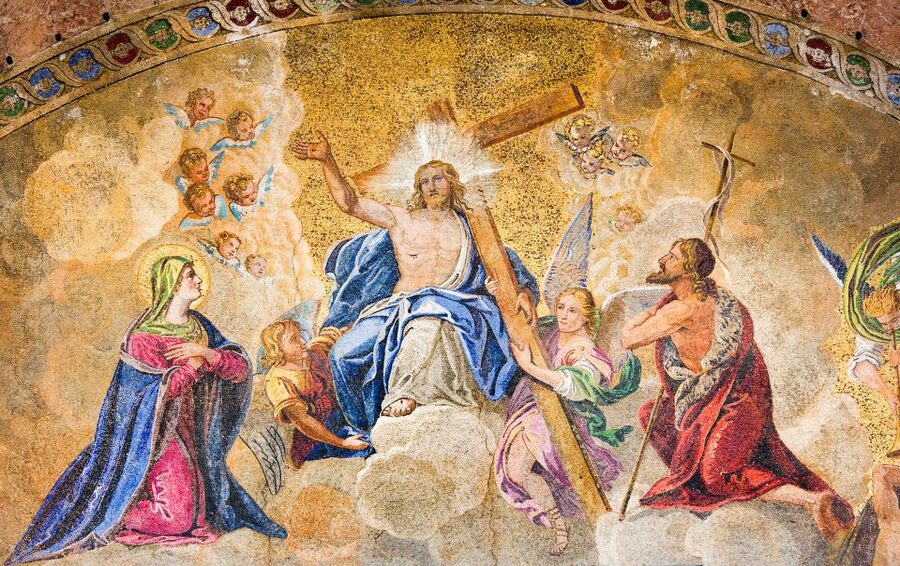
This works best for a first-time Venice visit, families who want a clear introduction, and anyone who prefers context over simply walking through a famous building. The guide can point out details you might miss, while the VR section gives children and adults a quick picture of how the square changed.
It is also useful for people who dislike standing in long ticket lines. The priority arrangement does not eliminate security, but it can remove the slowest part of the normal entry process.
You should think twice if you have limited mobility. The experience is not suitable for wheelchair users or people with mobility impairments. Comfortable shoes are recommended, and the wider three-basilica access involves sites in different parts of Venice.
The 45-minute to two-hour range is broad. Your actual time depends on the booking option, waiting at security, the guide, and how much time you spend with the audio guide or inside the church. Do not schedule another fixed appointment immediately afterward.
Practical advice for a smoother visit
- Arrive early because the office can be difficult to locate in Venice’s narrow streets.
- Bring a valid ID for the basilica security check.
- Wear clothing that covers shoulders and legs.
- Download the audio-guide app before entering the church.
- Keep comfortable shoes on, especially if you plan to use the wider basilica pass.
- Ask which entrance to use when collecting your materials.
- Confirm that your option includes St. Mark’s Basilica if you are considering Doge’s Palace.
- Expect security screening even with priority entry.
- Check whether Pala d’Oro, the museum, or the terrace requires an extra ticket.
- Allow more time than the headline duration if you need to find the office or wait at security.
Should you book the St. Mark’s Basilica and VR tour?
I would book it if you want the famous basilica explained rather than simply photographed. The VR opening, priority entry, and live guide make a strong combination, especially for a first visit or a busy summer day.
The price is not the cheapest way through the doors. You are paying for organization, explanation, and added access, not just admission. If the queue is short and you prefer to explore alone, the standard ticket and your own audio guide may be better value.
Choose the three-basilica option if Torcello Cathedral and Santa Maria della Salute fit your plans. Choose carefully if you are comparing it with Doge’s Palace, since that option does not include the basilica visit. For most first-time visitors who want an easier, more meaningful look at Venice’s greatest church, this is a sensible choice, provided you arrive prepared and dressed for entry.
FAQ
How long does the St. Mark’s Basilica experience last?
The listed duration is between 45 minutes and two hours. The exact length depends on the option and starting time you select.
What does the VR introduction show?
The VR presentation shows the history and evolution of St. Mark’s Square, from its medieval origins through the Venetian Republic to the square seen today.
Is skip-the-line entry included?
Yes. The main option includes priority entry to St. Mark’s Basilica, but you still need to pass through security.
Do I need identification?
Yes. A valid ID document is mandatory for security checks at the basilica entrance.
What clothing is required?
You must wear suitable clothing for a church visit. Shorts, short skirts, and tank tops or bare shoulders are not permitted.
Is the tour available in English?
Yes. Guide languages include English, Spanish, German, and French.
Is an audio guide available?
An optional audio guide is available in English, French, German, Italian, and Spanish. You need to download the app on your smartphone, preferably before entering the basilica.
Does the ticket include other basilicas?
The main three-basilica option includes St. Mark’s Basilica, Torcello Cathedral, and Santa Maria della Salute.
Does the ticket include Doge’s Palace?
Only if you select the Doge’s Palace ticket with audio guide option. That option does not include the St. Mark’s Basilica tour or the three-basilica pass.
Is the experience suitable for wheelchair users?
No. The activity is not suitable for wheelchair users or people with mobility impairments.
Newest history tours we have reviewed in Italy
- Bologna: Street Food Tour in the Historic Center★ 4.8 · 125 reviews
- Asti Historic Town Walking Tour★ 4.5 · 82 reviews
- Ancient Rome: Archeological area Largo Argentina★ 3.9 · 49 reviews
- Ancient Rome Half-Day Segway Tour★ 4.8 · 25 reviews
- Alghero: Historic Center Walking Tour with A Local Guide★ 4.8 · 120 reviews
- Alghero: walking tours around the ancient city★ 4.6 · 30 reviews
- Amalfi Organic Lemon Tour & Tasting in the Historical Garden★ 4.9 · 46 reviews
- Alba: History Walking Tour and Food Tasting with a Local★ 4.8 · 20 reviews
Architecture & Landmark Tours, compared.
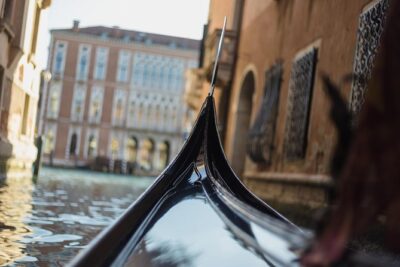
Venice’s Best: Basilica, Doge’s Palace, Gondola & History Gallery
Read our review →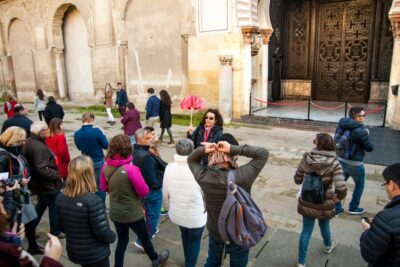
Córdoba: Skip-the-Line Great Mosque-Cathedral History Tour
Read our review →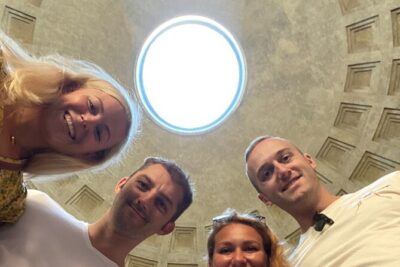
Pantheon Elite Guided Tour – Rome’s Iconic Ancient Temple
Read our review →
Abu Dhabi Grand Mosque, Palace, and Heritage Village
Read our review →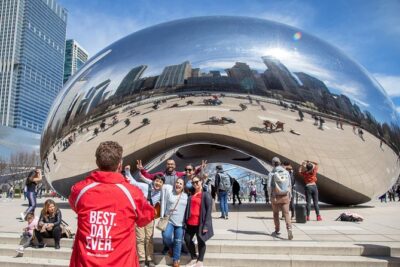
Chicago in a Day: Food, History & Architecture Walking Tour
Read our review →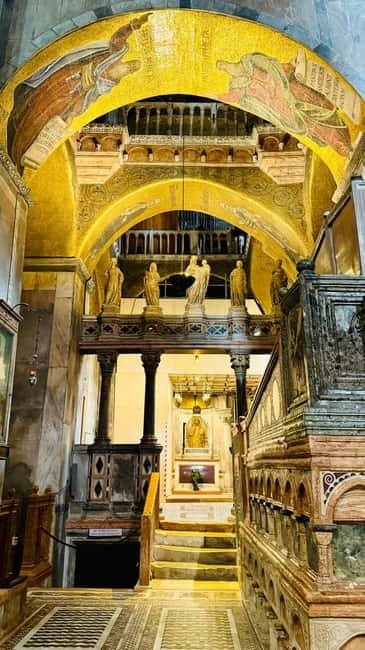
Colosseum Special Access Tour, with Ancient Temples & Tombs
Read our review →
Historic Charleston Walking Tour: Rainbow Row, Churches, and More
Read our review →Browse the lists this tour appears in