
Review · CANADA HISTORY TOURS
Discover Ancient Pictographs – Guided Canyon Hiking Tour 3H
The most memorable part of this Canmore outing is not simply the walking. It is the chance to reach Indigenous pictographs tucked into canyon rock while a local guide explains how the area was shaped and used over time. You also get two waterfalls, caves, and dramatic Canadian Rockies scenery within a compact three-hour trip.
I like the small maximum group of six, which gives you room to ask questions and lets the guide adjust the walk. I also like the practical safety setup: certified guides carry bear spray and a first aid kit, while hiking poles come year-round and ice cleats are supplied in winter. The main consideration is that this is not a casual sightseeing ride. The tour is unsuitable for people with mobility impairments, pregnant women, or certain pre-existing medical conditions.
Key points to know before you book
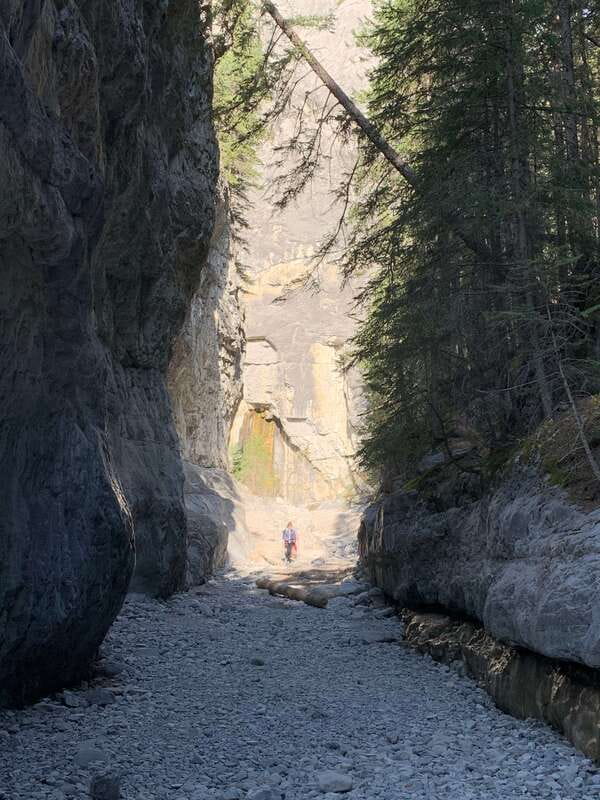
- Indigenous pictographs are the cultural focus: You’ll see painted images on canyon rock and hear about Indigenous use of plants, animals, shelter, and medicine.
- Two waterfalls and canyon scenery: The walking route combines water, rock walls, caves, and mountain views rather than offering only one viewpoint.
- Small groups make the walk personal: The maximum is six people, and guides have adjusted hikes for families and different levels of experience.
- The tour includes local transport: A 15-minute ride takes you from the Canmore Recreation Centre to the walking area, with another 15 minutes back.
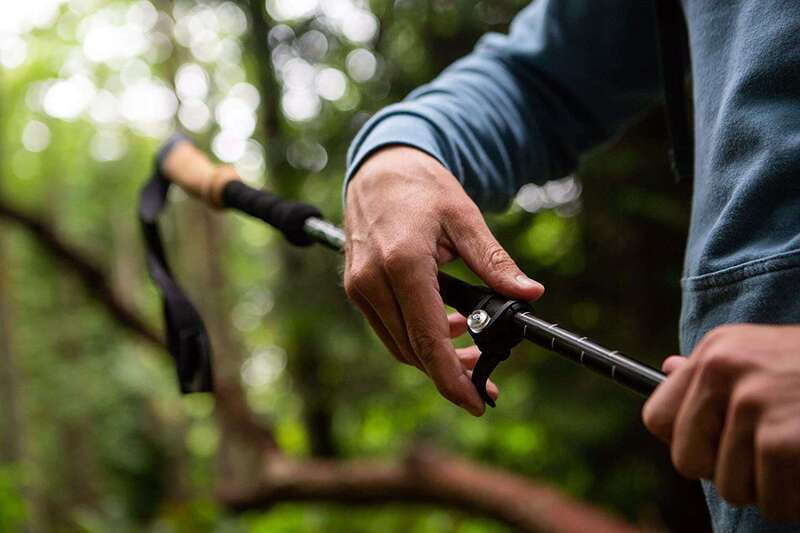
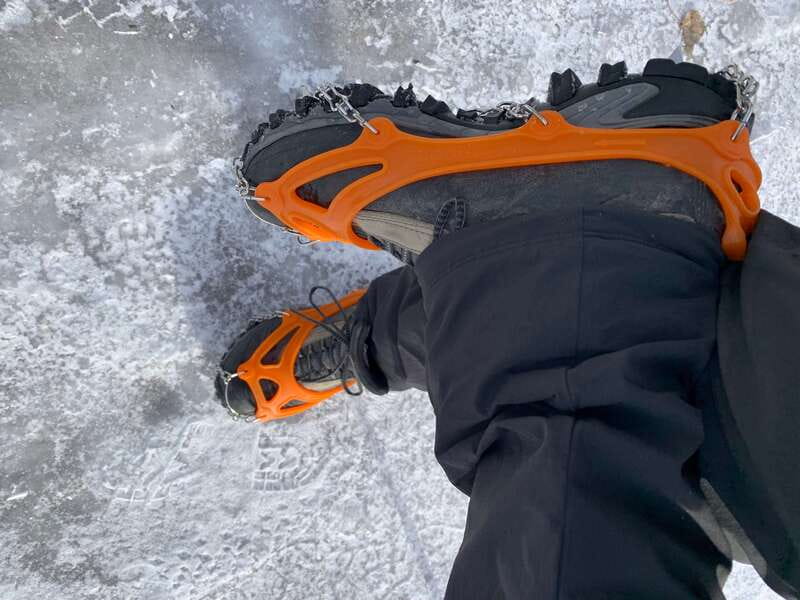
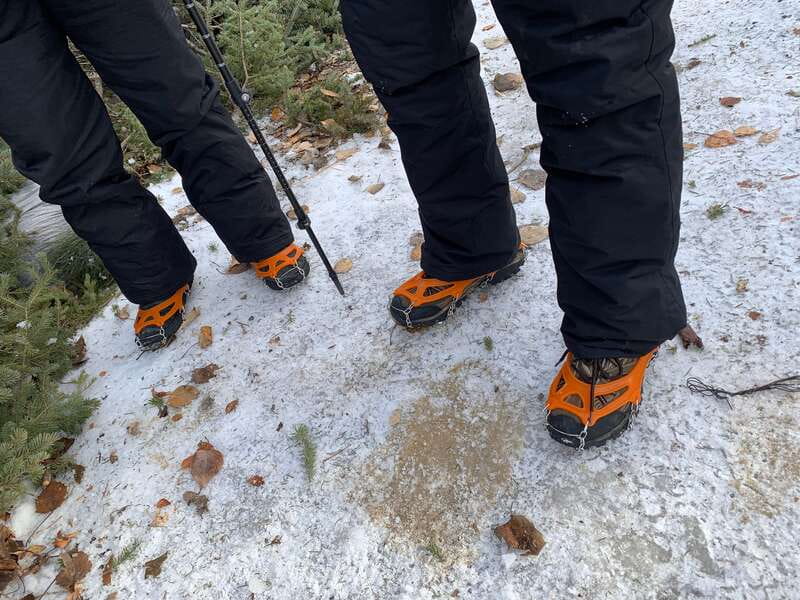
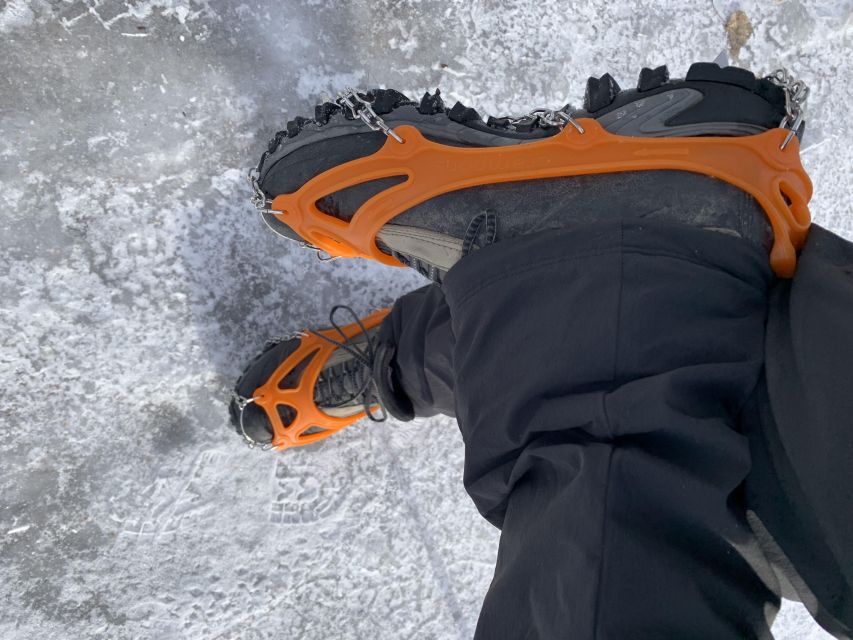
- Winter support is included: Hiking poles are supplied year-round, and ice cleats are available in winter, including kids’ sizes according to one family’s experience.
- Weather can change the plan: When canyon conditions were poor, guide Jake arranged an alternate hike instead of forcing the original route.
What this three-hour Canmore tour is really about
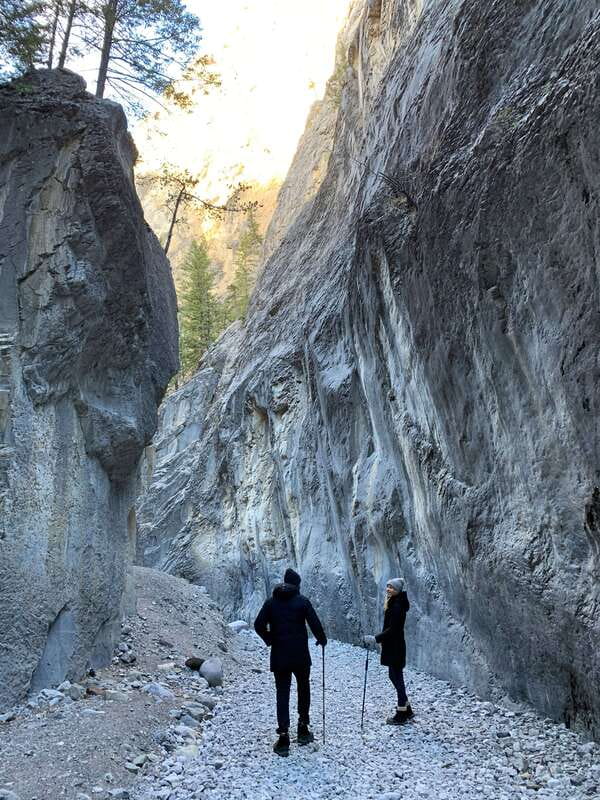
This experience works best if you want more than a marked trail and a quick photo stop. You spend about two and a half hours on foot in the Canadian Rockies, but the guide adds the meaning that a solo walk would likely miss.
The canyon provides several layers of interest. You have rock formations shaped by ancient geological forces, waterfalls that break up the walk, caves and narrow canyon spaces, and Indigenous pictographs that connect the place to people who used it long before modern tourism.
That combination gives the outing a good rhythm. You are not listening to a lecture for three hours, and you are not simply walking in silence. The guide talks while you move, then has time to answer questions and point out details in the rock, plants, and surroundings.
The focus on Indigenous culture is especially important. Pictographs can be easy to overlook when you do not know where to look or what questions to ask. Your guide can help you see them respectfully and explain their place within broader cultural stories and traditional ways of living.
More Ancient History Tours in Canada:
- Colosseum: Underground and Ancient Rome Tour
★ 4.7 · 12,691 reviews - Colosseum & Ancient Rome with Arena Floor Option I Max 6 People
★ 5.0 · 3,306 reviews - Rome: Colosseum, Ancient Rome Tour or AudioGuided Tour
★ 4.4 · 2,879 reviews
Starting at the Canmore Recreation Centre
Your meeting point is outside the main doors of the Canmore Recreation Centre. Look for the guide wearing a black hat and carrying a clipboard. That detail matters because recreation centres can have several entrances, and a clear meeting signal saves time at the start.
The outing begins with a short coach or bus transfer of about 15 minutes. Hotel pickup and drop-off are not included, so you need to reach the recreation centre on your own.
I like this arrangement for a short tour. You avoid spending a large part of the three hours on the road, but you still get a ride to the walking area. During the transfer, the guide introduces the region, its geology, and its role in local history. That gives you useful context before you start looking at the canyon walls.
The small group limit of six is a real advantage here. You can hear the guide without being pushed to the back of a large crowd, and you have a better chance to ask about the pictographs, plants, animals, or route.
Walking through the Canadian Rockies
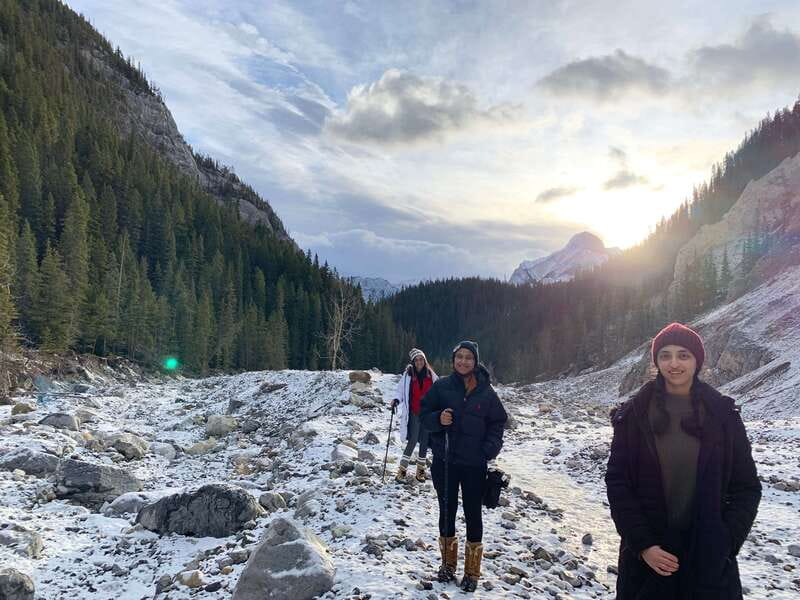
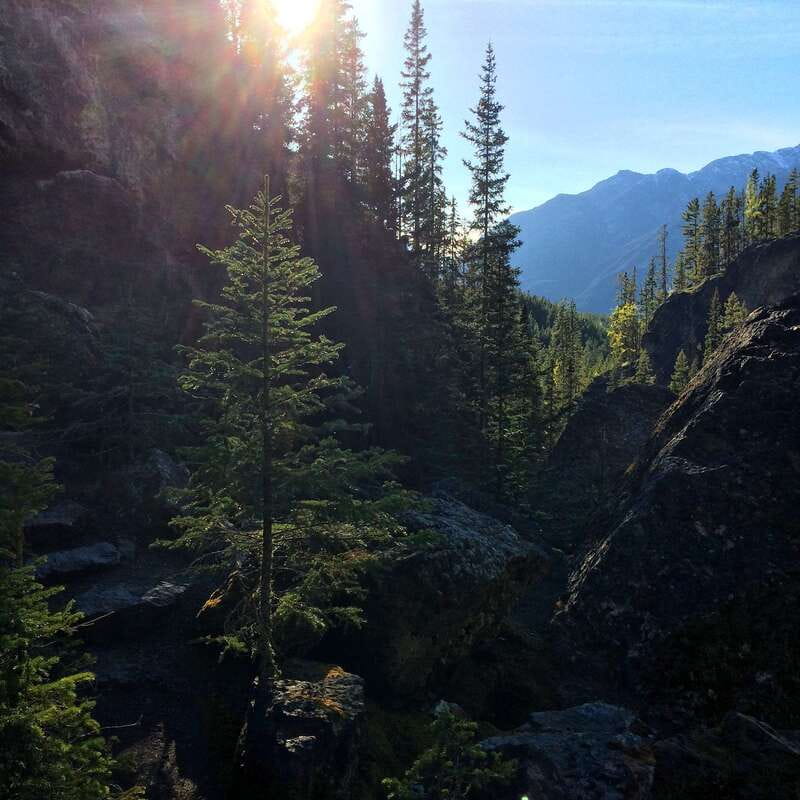
The main guided walk lasts about two and a half hours. Expect a mix of scenic views, canyon exploration, waterfalls, and rock formations rather than one steady trail type.
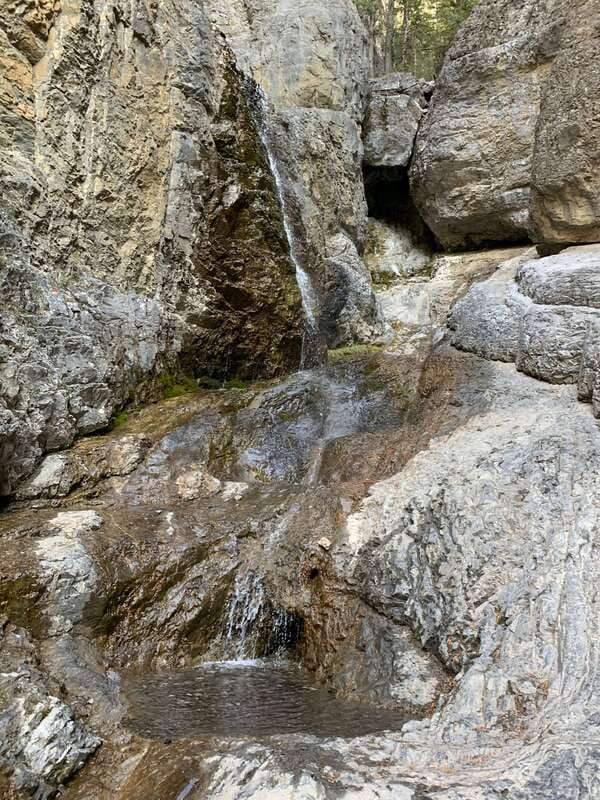
You will visit two waterfalls, which gives the route some visual variety. Water adds movement and sound to a canyon walk, while the surrounding rock provides the larger sense of place. The exact feel of the route can depend on weather and seasonal conditions, so you should come ready for an outdoor hike rather than a fixed indoor attraction.
Caves and canyon sections add another layer. These spaces help you see how water and time shaped the rock. The guide can explain the forces behind the formations instead of leaving you with only a photo opportunity.
The tour description does not provide a distance, elevation gain, or trail grade. That is worth noting if you are choosing between several hikes. You should ask about current conditions if you have concerns about fitness or footing, and you should take the restrictions seriously. The experience is not suitable for people with mobility impairments, pregnant women, or people with pre-existing medical conditions.
The guide supplies hiking poles throughout the year. In winter, ice cleats are also available. One family specifically used kids’ ice cleats, which makes the winter setup more useful for families than a generic promise of seasonal equipment.
Finding the pictographs respectfully
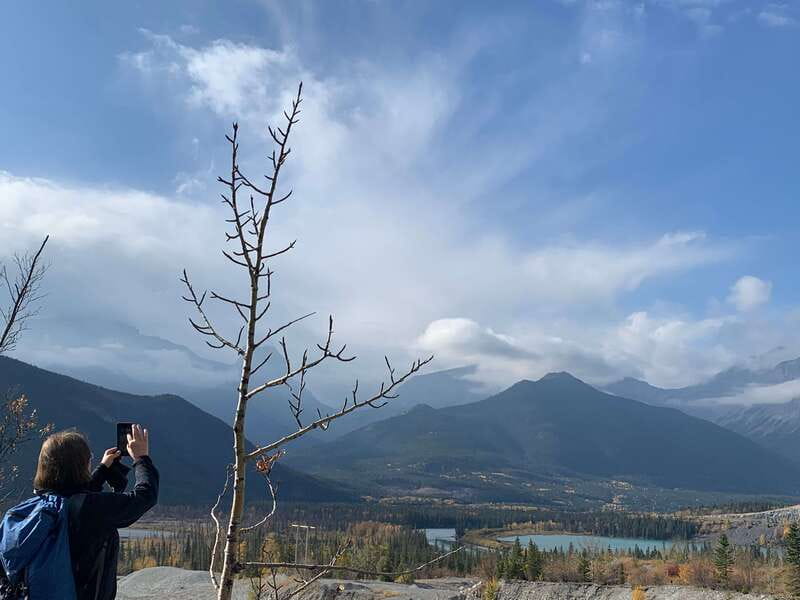
The Indigenous pictographs are the most distinctive part of the outing. They are painted on canyon rock and offer a direct connection to Indigenous artistic expression and cultural storytelling.
Your guide may explain how people used the surrounding area for food, shelter, medicine, and other daily needs. You may also hear about local plants and animals and the ways they supported traditional life. This moves the experience beyond simply spotting painted marks on stone.
I appreciate that the cultural information is built into a walk through the actual setting. You see the rock face, the canyon, and the natural resources discussed by the guide. That makes the information easier to understand than a short label beside an isolated display.
The supplied details do not identify the specific Indigenous nation connected with the pictographs, nor do they give a precise age for the paintings. You should not expect a full archaeological presentation or a museum-style catalog of every image. The value is in seeing the pictographs in their setting and having an experienced local guide help you understand their significance.
Treat this part of the walk with care. Listen to the guide’s instructions, avoid touching the rock, and keep your attention on the cultural importance of what you are seeing rather than treating the images as ordinary graffiti or a photo prop.
More Three-Hour Tours in Canada:
- Berlin: 3-Hour World Heritage Cruise to Potsdam
★ 4.5 · 1,569 reviews - Edinburgh: 3-Hour Historical Walking Tour in Italian
★ 4.7 · 734 reviews - 3-Hour Porto Jewish Heritage Walking Tour with Local Guide
★ 4.5 · 396 reviews - 3-Hour Atlanta Beltline Food, Street Art and History Tour
★ 5.0 · 345 reviews
Guides who shape the experience
The company is Banff & Canmore Tours, and the experience is led in English by a professional certified guide. Several guide names appear in the tour’s operating history, including Ben, Jake, and Jacob.
Ben is described as funny, personable, interactive, and accommodating. That combination matters on a small-group hike because the guide is not only explaining geology and culture. He is also setting the pace and keeping the group involved.
Jacob has adjusted hikes for families with limited hiking experience. In one case, he kept the outing beautiful and informative while making it manageable for the family. He was also praised for patience and attention to safety during a winter family hike.
Jake handled a weather problem by suggesting an alternate hike when the canyon walk was not suitable. That tells you something practical about the operation: the original route is not treated as more important than safe conditions.
Of course, you may not receive a specific guide by name. Still, the pattern is useful. This is a guide-led experience where the human element matters as much as the route. You should expect questions, conversation, and some flexibility rather than a scripted march from one stop to the next.
Weather, safety, and seasonal conditions
The guide carries bear spray and a first aid kit. Those items do not mean you should expect a dangerous outing, but they show that the company takes mountain conditions seriously.
You receive hiking poles year-round. Winter visitors also receive ice cleats, and children’s sizes have been available. That is a useful inclusion because icy footing can change a simple trail into a difficult one.
Weather may alter the route. One November outing changed from the planned canyon walk to another hike because conditions were poor. I see that as a strength, provided you are comfortable with flexibility. You may not get the exact route pictured in your plans, but you are less likely to be pushed into an unsafe canyon.
Wear clothing suitable for changing outdoor conditions and shoes that can handle uneven ground. The supplied information does not specify food, drinks, or clothing rental, so plan to bring what you need for three hours outside. Food and drinks are not included.
The tour is not suitable for pregnant women, people with mobility impairments, or people with pre-existing medical conditions. This is not the right pick if you need a fully accessible path or a low-effort sightseeing stop.
Is $69 a fair price?
At $69 per person, the value comes from the combination of transport, a certified guide, a small group, equipment, and access to a cultural site you might not understand as well on your own.
You are paying for three hours total, with about 30 minutes of transportation and roughly two and a half hours of guided walking. The guide’s interpretation is the key part of the price. A solo hike may cost less, but it would not provide the same explanation of the pictographs, geology, Indigenous traditions, or local plants and animals.
The group limit also helps justify the cost. Six people is small enough for personal questions and possible route adjustments. Families with young children or limited hiking experience may find that flexibility particularly useful.
The value is less clear if you already know the area well, prefer to hike alone, or want a long full-day mountain route. The tour is short, and the available details do not include trail mileage or major elevation statistics. If your main goal is a strenuous workout, this may feel too brief.
For a first introduction to Canmore’s canyons and cultural sites, I consider the price reasonable. The included poles, winter cleats, and transfers remove a few extra costs and practical worries.
Who should book this outing?
I would choose this tour if you want a compact introduction to the Canadian Rockies with a strong cultural element. It suits people who enjoy asking questions, learning from a guide, and seeing several types of scenery in one half-day outing.
Families can also consider it, especially if children are comfortable walking outdoors. Jacob’s previous family hikes were adjusted for limited experience, and kids’ ice cleats have been available in winter. Still, the activity is not automatically easy just because families can join. Ask about current conditions if your children are young or new to hiking.
This is also a good fit if you want a small group instead of a large coach excursion. A maximum of six creates a more conversational feel and makes it easier for the guide to monitor the group.
You should think twice if you need accessible terrain, cannot manage uneven walking, or have a medical condition that affects outdoor exertion. You should also skip it if you want guaranteed weather or a fixed route. The alternate hike used in poor conditions is sensible, but it means the exact canyon experience cannot be promised in every season.
Booking details that matter
The tour lasts three hours, and starting times vary, so check the available schedule when booking. Meet outside the main doors of the Canmore Recreation Centre, where the guide will have a black hat and clipboard.
Transportation to and from the walking area is included, but hotel pickup and drop-off are not. Food and drinks are also not included.
You can cancel up to 24 hours before the activity for a full refund. The reserve-now, pay-later option lets you hold a place without paying immediately, which is useful if your mountain plans depend on weather.
The only stated language is English. If you need another language, this tour may not suit you.
Should you book the canyon hike?
Book it if you want pictographs, waterfalls, and canyon scenery in one focused outing, and if you value a guide who can explain what you are seeing. The small group, included equipment, and willingness to change routes in poor weather add practical value.
Skip it if you are looking for a demanding full-day hike, guaranteed canyon access, or an accessible walk. For most visitors who want a personal introduction to Canmore’s natural and cultural setting, $69 is a fair price, especially when a guide like Ben, Jake, or Jacob turns a short hike into a more informed experience.
FAQ
How long does the guided canyon hike last?
The full activity lasts three hours. This includes about 15 minutes of transport to the walking area, approximately two and a half hours of guided exploration, and another 15-minute ride back.
Where does the tour begin?
Meet your guide outside the main doors of the Canmore Recreation Centre. The guide will be wearing a black hat and carrying a clipboard.
Is transportation included?
Yes. Transfer to and from the designated meeting point is included. The ride takes about 15 minutes each way.
Is hotel pickup included?
No. Hotel pickup and drop-off are not included. You need to make your own way to the Canmore Recreation Centre.
What will I see during the hike?
The experience includes two waterfalls, canyon scenery, caves, scenic views in the Canadian Rockies, and Indigenous pictographs painted on canyon rock.
Are hiking poles provided?
Yes. Hiking poles are supplied year-round.
Are ice cleats provided in winter?
Yes. Ice cleats are supplied in winter. Kids’ sizes have also been available.
What language is the tour conducted in?
The live tour guide speaks English, and English is the listed tour language.
Can I cancel the booking?
Yes. You can cancel up to 24 hours in advance for a full refund. A reserve-now, pay-later option is also available.
Newest history tours we have reviewed in Canada
- Historic Walking Tour of Charlottetown★ 5.0 · 211 reviews
- Horse Drawn Historical Guided Tour★ 5.0 · 24 reviews
- From Calgary to Waterton National Park Nature History and Wonders★ 5.0 · 22 reviews
- Heritage Park Admission★ 4.5 · 155 reviews
- Toronto: Niagara Falls & NOTL Heritage Town Guided Day Tour★ 4.8 · 28 reviews
- Toronto: Distillery District Historic Walking Tour★ 4.8 · 267 reviews
- Toronto: Dark History Nighttime Walking Tour★ 4.7 · 273 reviews
- Vancouver: Guided Food and City History Tour★ 4.5 · 53 reviews
Ancient History Tours, compared.
Colosseum: Underground and Ancient Rome Tour
Read our review →
Colosseum & Ancient Rome with Arena Floor Option I Max 6 People
Read our review →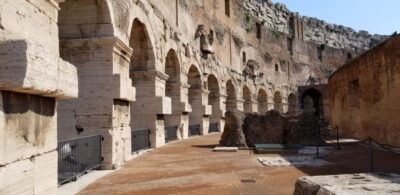
Colosseum, Ancient Rome Tour or AudioGuided Tour
Read our review →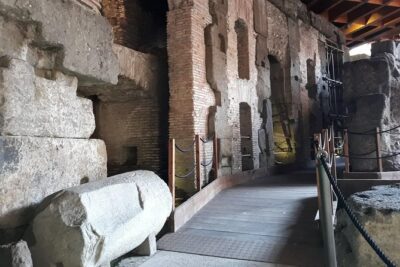
Colosseum Underground & Ancient Rome Guided Tour
Read our review →
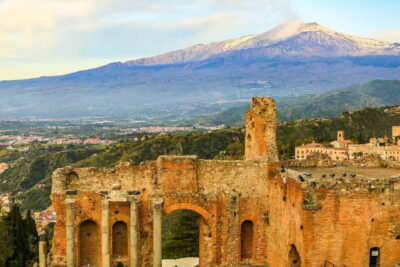
Taormina: Ancient Theater Skip-the-Line Ticket & Audio Guide
Read our review →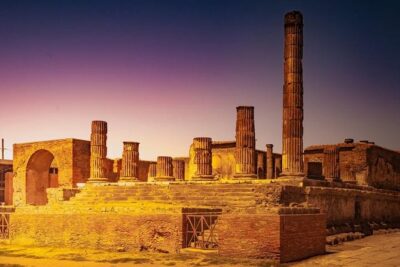
Discover the Ancient Ruins of Pompeii: Day Trip from Rome
Read our review →
Discover Matera, the ancient city – English tour
Read our review →Browse the lists this tour appears in