
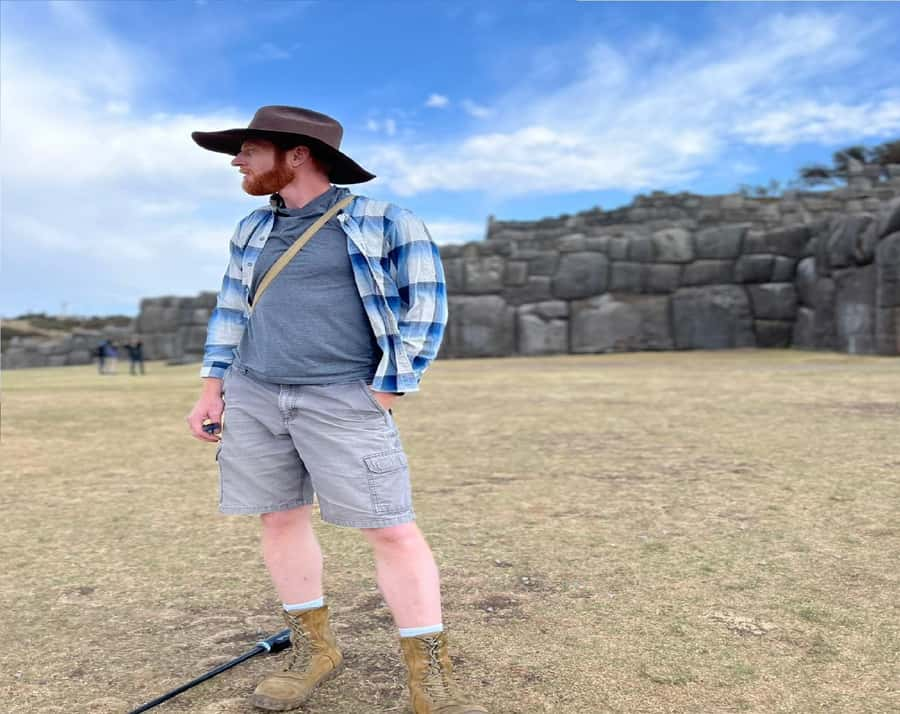
Review · PERU HISTORY TOURS
Cusco: Historical Guided City Tour with 4 Inca Ruins
Sacsayhuaman’s giant stone walls are the headline here, but the real strength of this tour is the way it links four Inca sites into one easy half-day outing. You move from Cusco’s Temple of the Sun to hilltop ruins, ceremonial spaces, water fountains, and old watchpoints without having to arrange taxis or bargain for separate rides.
I like the low $23 price and the fact that an accredited guide travels with you throughout the route. I also like the range of guides who have led this experience, including Luis, Alfredo, Romulo, and Hyame. The main catch is that your actual cost rises once you add the required entrance tickets, and the tour involves walking at high altitude.
Key points at a glance
- Four Inca sites in one morning or afternoon: Sacsayhuaman, Qenqo, Puka Pukara, and Tambomachay.
- Qoricancha adds a city-center start: See the Temple of the Sun before heading uphill.
- Sacsayhuaman is the visual highlight: Its enormous fitted stones are the most impressive construction on the route.
- Transport saves time and energy: The sites are spread around Cusco and are not practical to connect on foot in half a day.
- English and Spanish guiding: Past departures have included guides such as Luis, Alfredo, Romulo, and Hyame.
- Budget price, extra ticket costs: The $23 covers the tour services, but site admissions are separate.
Why this half-day route works well in Cusco
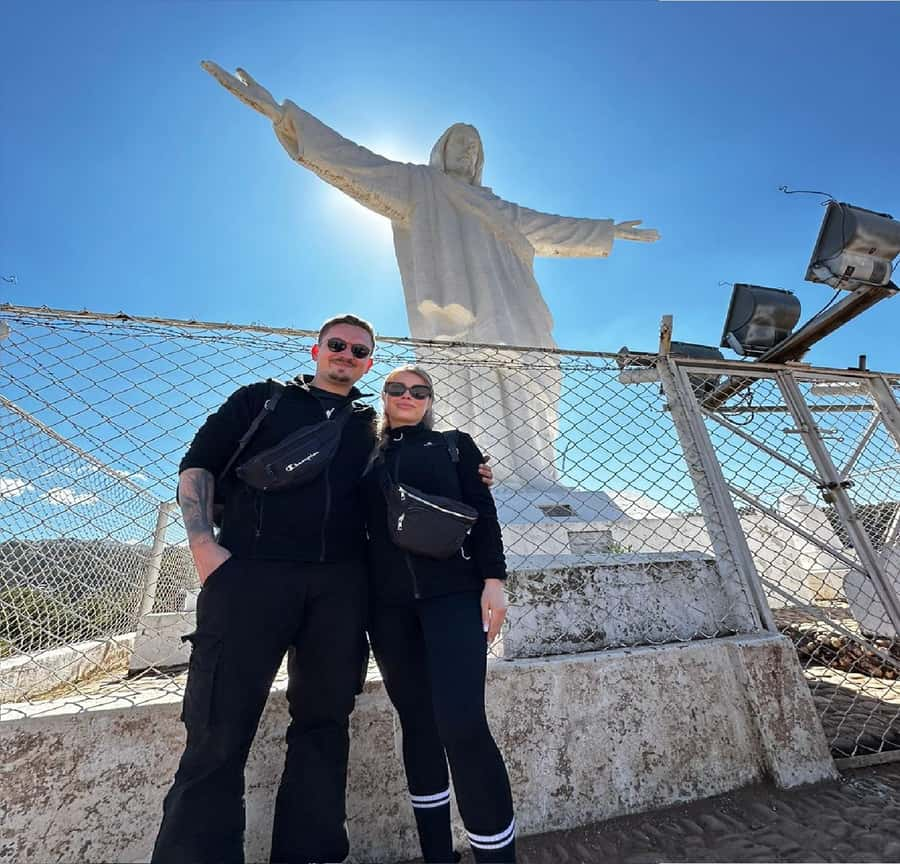
Cusco can be tiring at first. The city sits high, and its most important Inca sites are scattered across steep roads and hills. This six-hour tour gives you a broad first look without asking you to plan every transfer yourself.
You can choose a morning departure or an afternoon departure. The morning version begins around 8:35 to 9:00 am, depending on your hotel and pickup arrangement, and ends near the Plaza de Armas at about 2:30 pm. The afternoon option meets near the cathedral around noon and finishes between 6:00 and 6:30 pm.
The morning route is the better choice if you want the rest of the day free for lunch, museums, or a slow walk through San Blas. The afternoon route may suit you if you arrive late, prefer a slower morning, or want to visit the cathedral as part of the same outing.
Pickup is offered from many hotels close to Cusco’s main square. If your hotel is not on the pickup list, the meeting point may be more useful than waiting for a vehicle that cannot reach your address. Confirm the exact meeting place and start time before setting out.
More Archaeological Site Tours in Peru:
- Discover the Ancient Ruins of Pompeii: Day Trip from Rome
★ 3.5 · 2,247 reviews - Ancient Ruins Tour – Guided Arizona Desert Tour by UTV
★ 5.0 · 684 reviews - Ancient Olympia: Archaeological Site and Museum Entry Ticket
★ 4.3 · 555 reviews
Qoricancha puts Inca power beneath a Spanish church
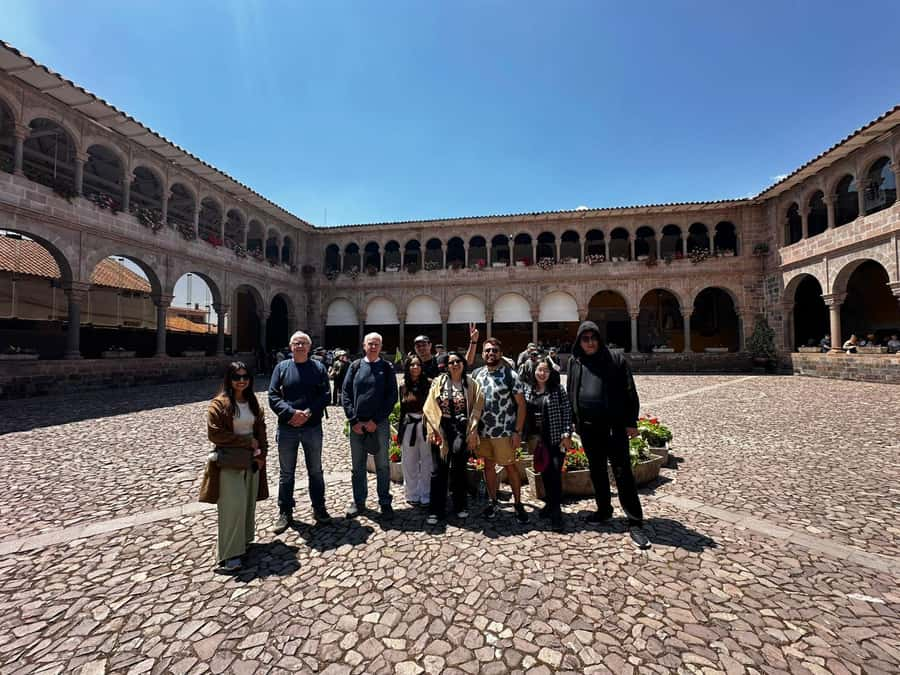
The first stop on the morning route is Qoricancha, also written Coricancha or Koricancha. This was the most important Inca religious complex in Cusco, dedicated to the Sun. Today, it is joined to the Santo Domingo church, creating one of the clearest places in the city to see how Inca and Spanish architecture occupy the same ground.
Your guide can explain the role of the temple and help you read the surviving stonework. The visit lasts about an hour, which is enough for an introduction without making the tour feel stuck indoors.
Qoricancha costs 15 soles, paid separately. That small fee is easy to overlook when you see the low tour price, so keep cash ready. The site is in central Cusco and makes a useful contrast with the open-air ruins that follow.
The afternoon option may include Qoricancha after a cathedral visit. Cathedral entry is not included and costs 50 soles. You must ask about availability if you want to go inside, so do not assume that the cathedral visit is automatic.
Sacsayhuaman shows what Inca stonework could do
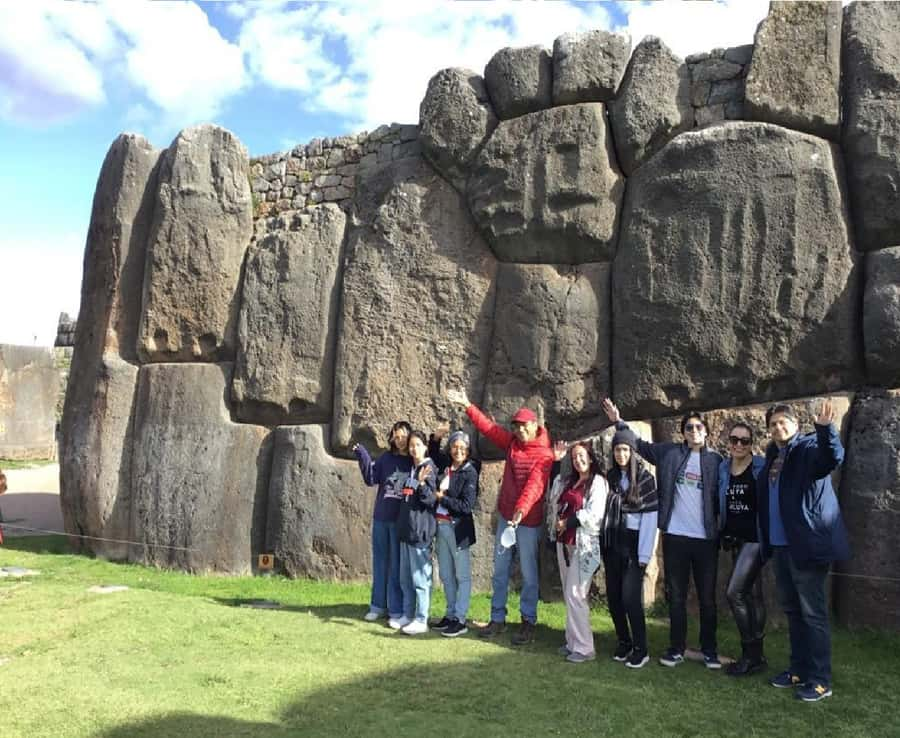
After Qoricancha, transport takes you to Sacsayhuaman, the largest archaeological site included in the route. The name is often translated as puma head, fitting Cusco’s traditional puma-shaped plan.
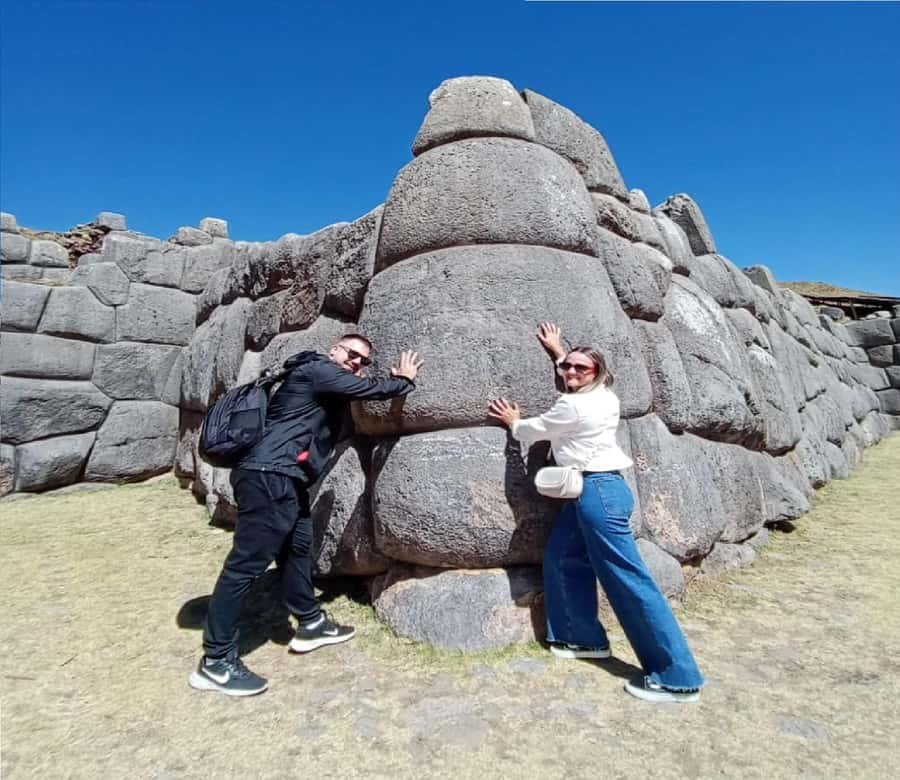
The walls are the reason to come. Some blocks reach roughly four to six meters in height, and the largest stones are described as weighing more than 100 tons. Their tight joins remain the main spectacle. You will have time to walk around, take photographs, and hear the guide explain the site’s military role.
I would give Sacsayhuaman the most attention. If the group is moving quickly, stay focused on the stone walls and ask questions here. This is also where you can buy the ticket covering the archaeological sites, priced at 70 soles according to the supplied information.
That admission is the largest extra cost of the day. Add the 15 soles for Qoricancha and, if you enter, 50 soles for the cathedral, and the full outing is much more than the advertised $23. It can still be good value, since transport, guiding, and several hours of sightseeing are included, but budget for the admissions before booking.
Qenqo explains the ceremonial side of Cusco
Qenqo is a different experience from Sacsayhuaman. Instead of massive defensive-looking walls, you see a ceremonial complex cut into and arranged around natural rock. The site is associated with rituals, the Sun God, and mummification.
Your guide’s explanation matters here because the remains are less immediately clear. A good guide can separate established facts from local stories and explain what archaeologists think the spaces were used for. Several past guides, including Luis and Alfredo, were praised for explaining both history and legends while making room for questions.
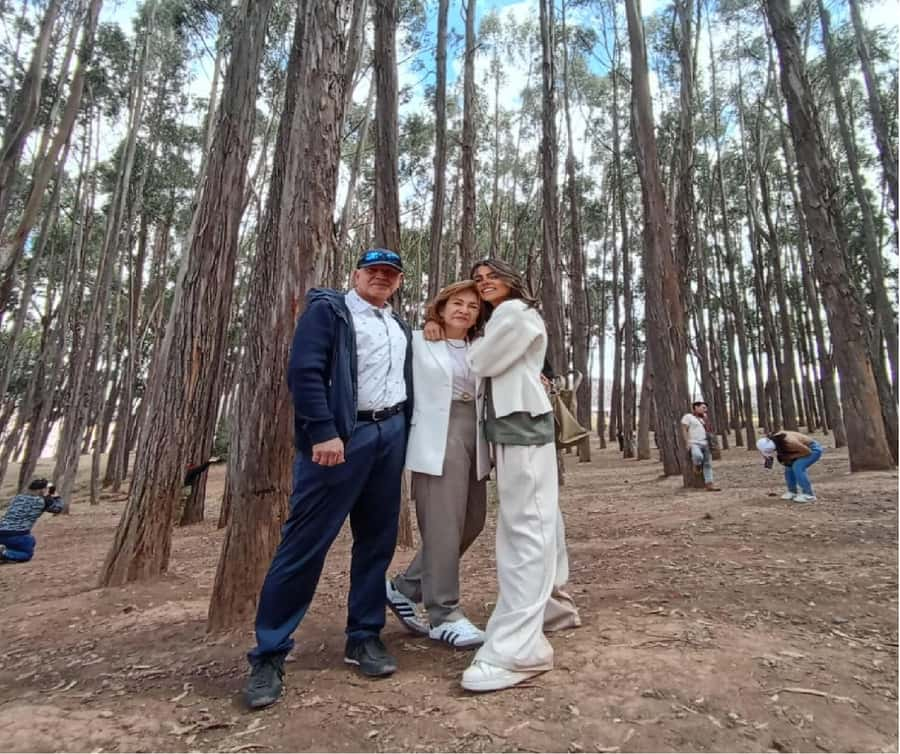
The planned visit can last around an hour and a half, though the exact pace depends on the group. The nearby eucalyptus forest is also included on some versions of the route. It gives you a pleasant photographic break, though it is more of a scenic stop than a major archaeological sight.
Bring water and wear shoes with a firm sole. Cusco’s altitude can make even short walks feel harder than expected, especially early in your stay. One useful feature of this tour is that transport handles the distance between sites, leaving you to save your energy for walking and listening.
More Ancient History Tours in Peru:
- 6-Day Cultural Tour to Machu Picchu
★ 5.0 · 76 reviews - Machu Picchu: historical and photographic guided tour
★ 4.9 · 27 reviews - Colosseum: Underground and Ancient Rome Tour
★ 4.7 · 12,691 reviews - Colosseum & Ancient Rome with Arena Floor Option I Max 6 People
★ 5.0 · 3,306 reviews
Puka Pukara was a lookout above the city
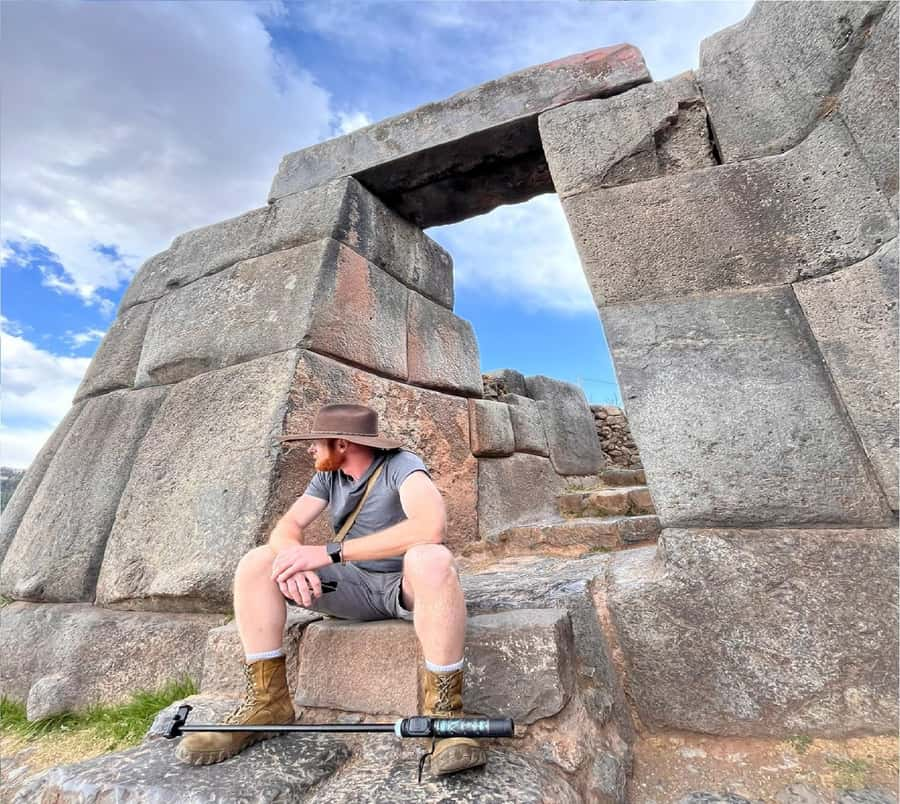
Puka Pukara is often called the Red Fortress because of the color of its stone. It occupies a high position with broad views toward the surrounding Andean countryside.
The site is linked with surveillance and control of access to Cusco. Its position helps make the function easier to understand: this was not simply a place built for decoration. You can see why a high lookout would matter to an empire managing roads, people, and supplies.
The stop is fairly open, so weather matters. Sun can be strong, clouds can arrive quickly, and rain gear is sensible even during a dry-season visit. Carry sunscreen, water, and a light waterproof layer. The high position also makes this one of the better places for photographs, though the tour does not pause endlessly for pictures.
Puka Pukara is valuable because it broadens the story. You are not seeing only temples and walls. You are also seeing how the Inca organized movement through the region.
Tambomachay closes with water and mystery
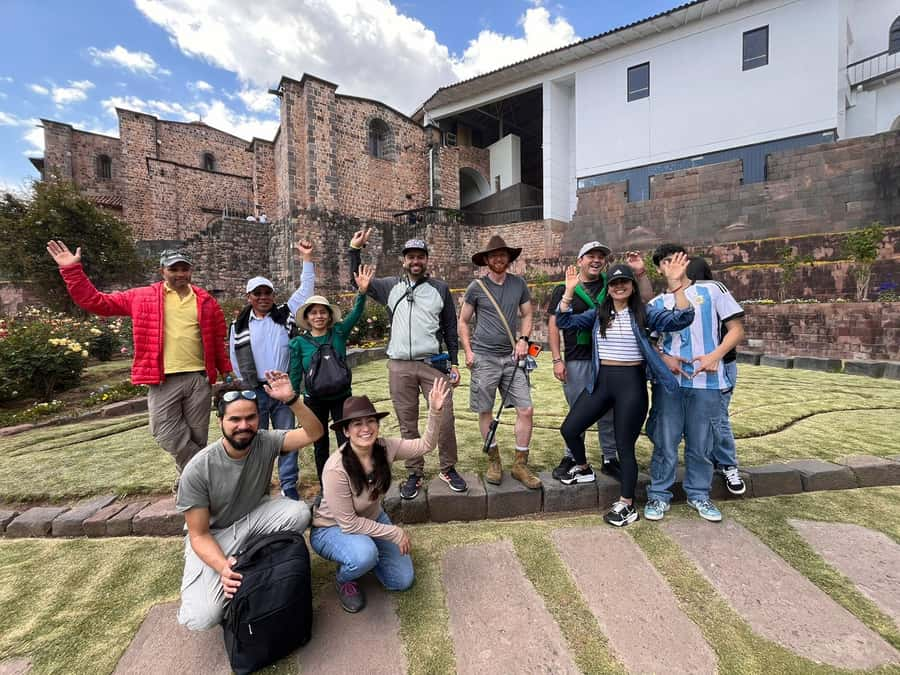
Tambomachay is the final archaeological stop. It is commonly called the Temple of Water because of its stone channels and fountains.
The site feels quieter and more mysterious than Sacsayhuaman. Water is the focus, and the guide can explain its ceremonial importance and the ways the Incas worked with springs and carefully built channels. The fountains are the main feature, so do not expect another huge complex of walls.
Tambomachay completes the route nicely. Qoricancha introduces religion in the heart of Cusco, Sacsayhuaman shows monumental construction, Qenqo brings in ceremony and death rituals, Puka Pukara covers control and defense, and Tambomachay returns to water and sacred space.
The tour then returns you to central Cusco. Morning departures finish near Plateros Street or the Plaza de Armas at roughly 2:30 pm. Afternoon departures finish in the same general area around 6:00 to 6:30 pm.
What the guide adds to the experience
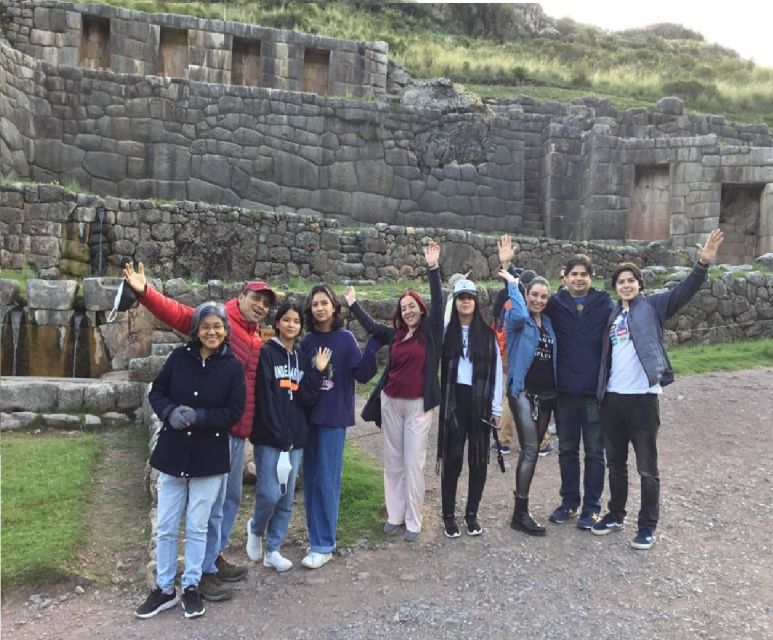
The guide is more than a person who points out stones. At these sites, much of the meaning is not obvious without context. The best part of the service is the chance to connect architecture with Inca religion, military planning, ritual practice, and Spanish colonial change.
English and Spanish are available. Past departures have included Luis, Alfredo, Romulo, and Hyame. Alfredo was noted for moving easily between English and Spanish, while Luis was praised for giving detailed explanations and checking that the group understood. Hyame was especially useful for a short first visit to Cusco, when efficient transport and clear answers matter.
The exact guide assigned to your departure may differ. Still, the repeated pattern is clear: guide quality is central to this tour, so ask questions rather than simply following the group from one site to the next. If a site interests you, say so. You will get more from the experience by treating it as a history walk with transport rather than as a photo shuttle.
The real cost and what you receive for $23
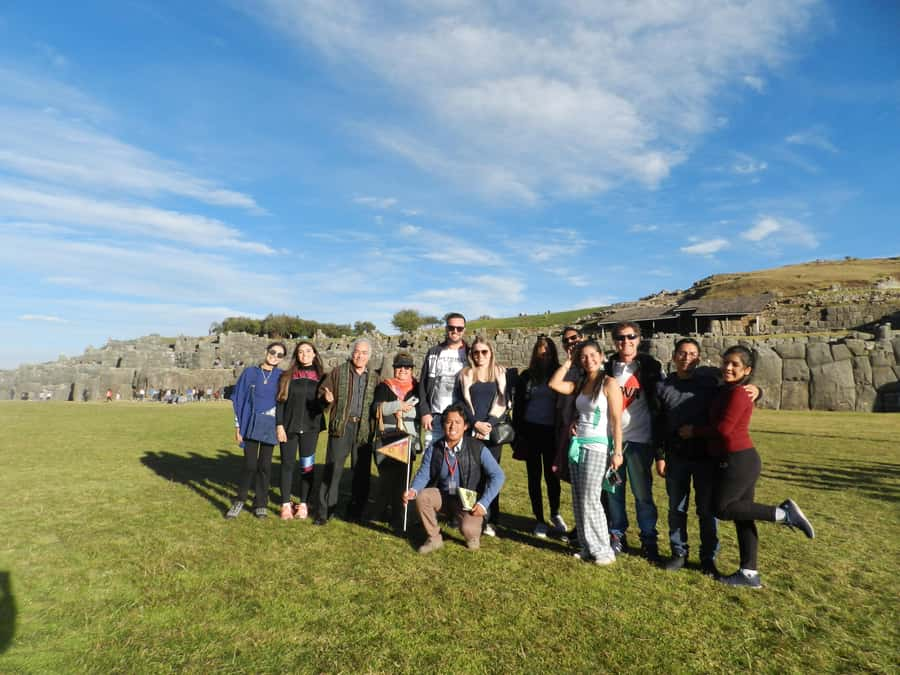
At $23 per person, this is an inexpensive way to cover a lot of ground. You receive tourist transport, an accredited guide, hotel pickup when available, and the guided visits included in your chosen version.
The entrance costs change the calculation:
- Qoricancha: 15 soles
- Archaeological sites: 70 soles
- Cusco Cathedral: 50 soles, if you enter
The archaeological ticket requires showing your passport and is available only in person. Children under nine can receive the Cusco Tourist Card free of charge, but a passport is required. The supplied information uses the term Cusco Tourist Card for access to the Inca sites, so confirm the exact ticket procedure when booking.
Even with the extra admissions, the tour can make financial sense for a first day in Cusco. A private taxi circuit would require more planning, and separate transport to four outlying sites could quickly erase the savings. The tradeoff is control. You follow the group’s timing, and the schedule may feel quick if you want long periods at each ruin.
Morning or afternoon: which departure should you choose?
Choose the morning route if you want Qoricancha first, prefer to finish by midafternoon, or plan to eat lunch near the Plaza de Armas afterward. Hotel pickup is available for many central properties, generally between 8:35 and 9:00 am.
Choose the afternoon route if you want a later start and the possibility of visiting Cusco Cathedral. This version meets at the cathedral entrance around 11:50 am to noon, then covers Qoricancha and the four Inca sites before returning in the evening.
The afternoon option may be less convenient if you have an evening reservation or need an early night before a trek. The morning option can be demanding if you have just arrived after a long journey. In either case, give yourself time to adjust to the altitude and do not treat the six-hour duration as six hours of easy walking.
Practical preparation for the ruins
Wear comfortable shoes. You will walk at several archaeological sites, and uneven stone surfaces are part of the experience.
Carry your passport or identity card, cash, water, sunscreen, a camera, and rain gear. Weather can change quickly around Cusco, and the open sites offer little shelter.
Alcoholic drinks are not allowed in the vehicle, and bikes, alcohol, drugs, and explosive substances are not permitted as part of the activity. The tour is not suitable for people over 95 years old.
Cancellation is free up to 24 hours before the start, and you can reserve now and pay later. Those policies are useful if your Cusco schedule depends on weather, altitude, or changes to a longer Peru trip.
Who should book this Cusco city tour?
I would recommend it to first-time visitors who want the major Inca sites explained in one organized outing. It is also useful if you have only one day in Cusco, or if you are preparing for Machu Picchu and want a broad introduction before moving on.
It suits you especially well if you value transport and interpretation more than having complete freedom at each ruin. It is less ideal if you dislike group schedules, want extended photography time, or have already visited these sites with a private guide.
The tour received a 4.5 rating from 99 bookings, and the strongest praise focused on clear English, careful explanations, useful comparisons between fact and myth, and guides who made time for questions. Those are exactly the qualities that matter here. The ruins are impressive on their own, but the guide determines how much you understand.
Should you book it?
Book this tour if you want a practical, low-cost introduction to Cusco’s Inca sites and do not want to arrange four separate transfers. The combination of Sacsayhuaman, Qenqo, Puka Pukara, and Tambomachay gives you a useful picture of Inca religion, ceremony, defense, and water systems.
Before paying, add the entrance fees to the advertised price and confirm your pickup point. Pick the morning for a freer afternoon, or the later departure if the cathedral matters to you. If you are comfortable with a set pace and prepared for high-altitude walking, this is a sensible first tour of the Cusco area.
FAQ
How long does the Cusco city tour last?
The activity lasts about six hours. Morning departures finish at approximately 2:30 pm, while afternoon departures finish between 6:00 and 6:30 pm.
Which Inca sites are included?
The route includes Sacsayhuaman, Qenqo, Puka Pukara, and Tambomachay.
Is Qoricancha included?
Qoricancha is included in the morning options described. Entry to the Temple of the Sun costs 15 soles and is not included in the tour price.
Is Cusco Cathedral included?
The cathedral is included in the afternoon option and in one morning option described in the supplied details. Entry costs 50 soles, and you must ask about availability.
How much does the tour cost?
The listed price is $23 per person. Entrance tickets to Qoricancha, the archaeological sites, and the cathedral are additional.
Is hotel pickup available?
Pickup is available from hotels close to Cusco’s main square. You should wait in the hotel lobby if pickup applies to your booking.
Where does the tour finish?
The tour finishes near Cusco’s Plaza de Armas, including Calle Plateros.
What languages are available?
The live guide service is available in English and Spanish.
What should I bring?
Bring your passport or identity card, comfortable shoes, a camera, sunscreen, water, rain gear, and cash.
Can I cancel the booking?
You can cancel up to 24 hours in advance for a full refund. You can also reserve now and pay later.
Newest history tours we have reviewed in Peru
- 6-Day Cultural Tour to Machu Picchu★ 5.0 · 76 reviews
- Piramids of Tucume Tour, Sican Museum and Lambayeque city tour★ 5.0 · 30 reviews
- Arequipa, Historic and Colonial City and Santa Catalina Monastery★ 4.5 · 42 reviews
- Aymara Route Mystical Cultural Tour★ 4.7 · 27 reviews
- Machu Picchu: historical and photographic guided tour★ 4.9 · 27 reviews
- Lima: Historic Downtown, Miraflores & Catacombs Private Tour★ 4.5 · 28 reviews
- Lima: Historical, Colonial, and Modern City Tour★ 4.3 · 21 reviews
- Cusco: Historic Walking Tour with Pisco Sour and Music Show★ 4.6 · 65 reviews
Archaeological Site Tours, compared.
Discover the Ancient Ruins of Pompeii: Day Trip from Rome
Read our review →
Ancient Ruins Tour – Guided Arizona Desert Tour by UTV
Read our review →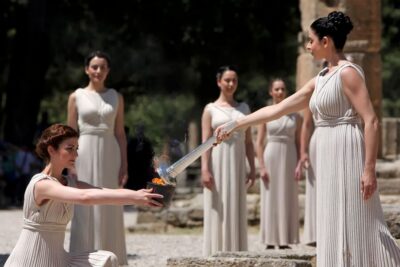
Ancient Olympia: Archaeological Site and Museum Entry Ticket
Read our review →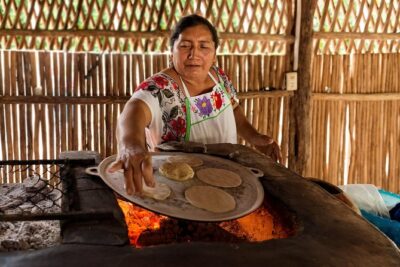
Ancient Chacchoben Mayan Ruins & Mayan Experience from Costa Maya
Read our review →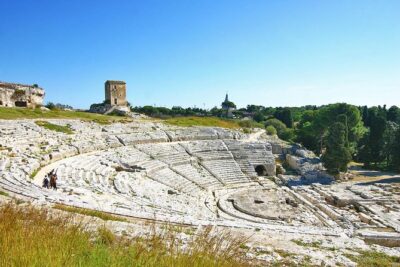
Ancient Syracuse: private guided tour of the Neapolis archaeological park
Read our review →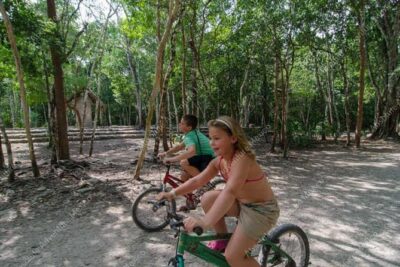
Coba Private Tour – Ancient Ruins & Refreshing Cenote Swim
Read our review →
Alanya: Ancient Ruins & Hidden Coves of Gazipaşa w/ Cave
Read our review →
Buggy Tour in Ancient Ruins and Temples around Athens-SOUNIO Poseidon Temple
Read our review →Browse the lists this tour appears in