
Review · ITALY HISTORY TOURS
Discover Matera, the ancient city – English tour
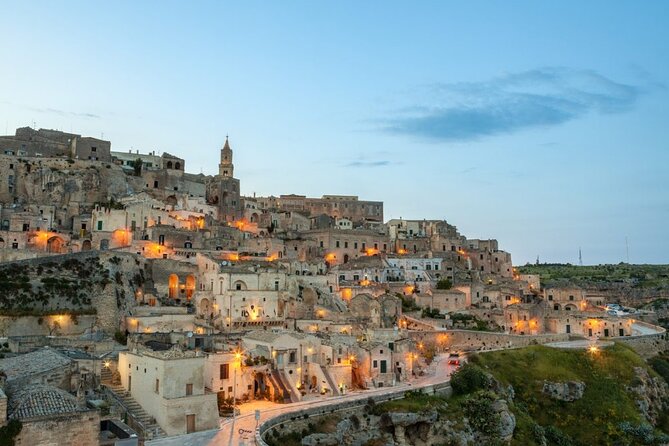
Matera is easiest to understand from inside its tangled alleys, not from a quick lookout photo. This walking tour takes you through Sasso Caveoso and part of Sasso Barisano, explaining how homes, bakeries, churches, and water systems fitted into a city carved from rock.
I like two things in particular. First, the focus is on ordinary life, including the people who lived in the Sassi and the family stories shared by guides such as Gaetano and Renato. Second, the route helps you get your bearings without turning into a standard church-by-church tour.
The tradeoff is clear: church interiors are not the main event, and one well-intentioned guide may offer more explanation than some people want. If you prefer a brisk walk with lots of monuments, this may feel talk-heavy. If you want to understand Matera, that detail is the point.
Key points to know before booking
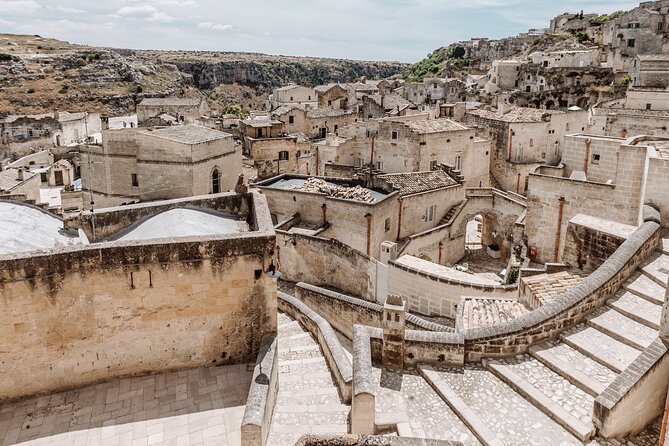
- Sasso Caveoso takes center stage: Walk through one of Matera’s most atmospheric cave districts, then continue into part of Sasso Barisano.
- People come before monuments: Learn how families lived in cave homes, shared resources, and dealt with displacement.
- English-speaking guides vary by departure: You may be led by Renato, Gaetano, Sara, or Domenico.
- The route includes unusual details: Look for traditional bakeries, water collection systems, a family cave house, and a James Bond filming location.
- This is a walking orientation, not a church tour: The city’s alleys, architecture, anthropology, and social history shape the experience.
- The two to three hour length offers real context: At $36.28 per person, the price is reasonable if you want more than photographs and a quick introduction.
Why Matera makes more sense on foot
Matera can look simple from above: pale stone, caves, stairways, and a broad valley. On the ground, it is a maze of lanes and passages that can be hard to read. A guide gives you the story behind what appears to be a jumble of rock.
The key subject is the Sassi, the old cave districts of Matera. The tour moves through Sasso Caveoso and part of Sasso Barisano, using the city itself as the classroom. You are not simply taken from one famous viewpoint to the next. You walk through the meanders of the old quarters and learn how homes, work spaces, religious places, and public systems were linked.
That approach matters because Matera’s most striking features can be misunderstood. A cave may look empty and ancient, but it once formed part of a working home. A small opening in the stone may point to a practical system for collecting water. A narrow lane may tell you more about daily life than a grand facade.
The guides also explain the city’s difficult modern story. Matera was once known in Italy as the Shame of Italy, a label tied to the poor conditions of life in the Sassi. The tour follows the city’s change from neglected and stigmatized place to UNESCO World Heritage site.
That shift is not treated as a simple success story. You learn about the people who lived in the Sassi, the reasons for their displacement, and the way Matera later became valued for its architecture and cultural importance. This gives the city a human scale that photographs alone cannot provide.
More Ancient History Tours in Italy
- Colosseum: Underground and Ancient Rome Tour
★ 4.7 · 12,691 reviews - Colosseum & Ancient Rome with Arena Floor Option I Max 6 People
★ 5.0 · 3,306 reviews - Rome: Colosseum, Ancient Rome Tour or AudioGuided Tour
★ 4.4 · 2,879 reviews
Walking through Sasso Caveoso and Sasso Barisano
The route develops through the most suggestive parts of ancient Matera, with Sasso Caveoso as a major focus and part of Sasso Barisano included as well. The exact order can vary, but the idea is steady: move through the old city while building the story step by step.
Sasso Caveoso is especially useful for understanding the cave-city character of Matera. Here, the rock-cut spaces and uneven lanes help you see how closely domestic life was tied to the stone. Instead of treating the caves as strange curiosities, the guide explains them as places shaped by practical needs, family life, and local customs.
You should expect plenty of walking through alleys and over uneven surfaces. One guide specifically advises sensible shoes, and that is good advice. The tour is described as not too strenuous, but Matera’s slopes and stone streets still call for footwear with a firm sole.
Part of Sasso Barisano adds another view of the old city. Seeing both districts helps you understand that Matera is not one single cave quarter with one single story. The route also includes valley views, giving you a chance to step back and see how the built areas relate to the surrounding terrain.
The group size can reach 20 people. That is still small enough for a more relaxed format than a large coach group, though the experience will feel more personal when the group is on the smaller side. You can ask questions, take photographs, and keep listening without feeling rushed from one stop to another.
Cave homes, water systems, and everyday life
The strongest part of this tour is its attention to how people actually lived. Matera’s history is not presented only through dates or famous buildings. You hear about homes, food, work, water, family routines, and the pressures faced by people in the Sassi.
One of the most memorable possibilities is a stop at a cave house where Renato’s family lived. A personal connection like this changes the tone of the walk. You are no longer looking at an anonymous old room. You are considering a place connected to a real family and to the recent past.
The route also explains traditional bakeries. That detail may sound small, but it helps you picture the old neighborhoods as active communities rather than museum pieces. Food production, household tasks, and shared spaces all formed part of life in the Sassi.
Water is another important theme. You learn about public and private water collection systems, which shows how people adapted to the setting. This is the sort of detail that is easy to miss when walking alone. Once you know what to look for, an otherwise plain feature in the rock can become evidence of careful planning.
The tour also brings in anthropology and architecture. Those terms may sound academic, but the approach is practical: how did families use space, how did the buildings fit the rock, and how did the community function? The guide’s job is to connect those questions to what you are seeing directly.
This people-centered approach is why I would take the tour early in a Matera visit. It gives you a way to read the city afterward. On your own, you can return to a lane, cave, bakery, or viewpoint with a better sense of what it means.
From the Shame of Italy to UNESCO status
Matera’s modern story gives the walk much of its emotional weight. The old districts were not always admired. For much of the 20th century, the Sassi were associated with poverty and poor living conditions, leading to the painful label Shame of Italy.
The tour explains why the city was not widely heard about until near the beginning of the 21st century. It then traces how attitudes changed and how Matera came to be recognized as a World Heritage site.
This is valuable because the polished image of Matera can hide the hard questions. What happens when historic homes are also homes where people struggled? What is gained when an old district is preserved, and what is lost when the original residents are moved elsewhere? The tour gives you a framework for thinking about those issues without reducing Matera to a pretty backdrop.
The best guides bring energy to this material. Gaetano is repeatedly praised for mixing humor with detailed explanations, while Renato is noted for personal stories and a strong connection to the area. Sara and Domenico may also lead the walk. Since the guide can vary, the exact personality and storytelling style will not be identical every time.
English is offered, and the guides are expected to explain complex subjects clearly. One point to keep in mind is that the amount of detail may feel generous. If you enjoy a full account and asking questions, that is a benefit. If you want to cover ground quickly, the pace may seem slow.
Same streets, a different century:
- Rome: Colosseum with Arena, Roman Forum and Palatine Guided Tour
★ 4.0 · 5,598 reviews - Venice: St. Mark’s Basilica Guided Tour & VR History Intro
★ 3.9 · 4,880 reviews - Colosseum with Arena, Roman Forum and Palatine Hill Guided Tour
★ 4.5 · 3,526 reviews - Colosseum Underground & Ancient Rome Guided Tour
★ 4.5 · 2,590 reviews
The route goes beyond the usual churches
This is not the right choice if your main goal is to enter as many churches or cathedrals as possible. Churches may appear in the city’s story, but the route is designed around Matera’s wider setting and the way its districts developed.
That difference is worth understanding before you reserve. Many city walks focus on a checklist of major sights. This one uses the alleys as the main route and explains the city through art, architecture, anthropology, and the experiences of its residents.
You still get memorable visual moments. The walk includes views over the valley, unusual cave spaces, and sections of the Sassi that you might not identify on your own. You also have time for photographs and questions rather than being hurried through a chain of interiors.
One useful stop is a well-known filming location connected with the James Bond film No Time to Die. The appeal is not only the film connection. The guide also explains an unusual fix used during production, adding a small piece of modern local color to the older story of Matera.
Film fans will enjoy that detail, but the tour does not turn into a movie-location walk. The main subject remains the city and its people. Think of the film stop as an extra layer, not the reason to book.
What the guides add to the experience
The guide can shape this experience more than the route itself. Renato Favilli leads the activity, with Renato, Gaetano, Sara, or Domenico among the guides who may accompany you.
Gaetano is particularly strong for visitors who like a lively presentation. He is described as funny, engaging, clear in English, and able to answer questions in depth. He also shares practical suggestions about places to eat and areas to explore after the walk.
Renato brings a personal connection to the city, including stories tied to his family and a cave home where relatives lived. That first-hand link gives the walk a more intimate feel. He also takes the group off the main path at times to help explain life in the Sassi.
No matter which guide you receive, the experience depends on listening. This is not a silent stroll with occasional labels. You will hear a steady flow of background, explanation, and stories. One concern is that the information can become repetitive if delivered too slowly or at too much length.
For most people, the two to three hour duration is a good balance. It is long enough to develop a timeline and discuss daily life, but not so long that the walking becomes an all-day commitment. The time passes quickly when the guide keeps the story moving, though your experience can vary with group size and guide style.
Is $36.28 a fair price?
At $36.28 per person, this is a reasonable price for a two to three hour small-group walking tour in a city that can be confusing to explore alone. You are paying less for admission tickets and more for interpretation, orientation, and access to details that are easy to overlook.
The value is strongest if you are new to Matera. A good guide can help you understand the city early, point out places worth revisiting, and suggest restaurants afterward. Several guides also offer practical local advice, which can add value beyond the official route.
The price is less attractive if you only want photographs or prefer to wander without commentary. You can see many of Matera’s exterior views on your own. The paid part is the explanation: why the Sassi developed as they did, how people lived, what changed, and how the city gained its current status.
The group limit of 20 helps keep the walk manageable. It is not a private tour, and you should not expect constant one-on-one attention. Still, the format allows questions and a more measured pace than a large group excursion.
Who should book this Matera walk?
I would choose this tour if you want context, personal stories, and a better understanding of Matera’s old districts. It suits first-time visitors, history fans, architecture students, photographers who want to know what they are looking at, and anyone curious about daily life in the Sassi.
It is also a good fit if you have only a short stay. The walk gives you an efficient introduction to Sasso Caveoso and part of Sasso Barisano without requiring you to decode every alley yourself.
You may want something else if your priority is a long list of church interiors, a private guide, or a fast route with minimal narration. The experience is built around conversation and explanation, so bring patience along with your walking shoes.
The tour is near public transportation, service animals are allowed, and most people can participate. Confirmation is provided at booking. It requires good weather, and if poor weather forces cancellation, you are offered another date or a full refund. You can cancel for a full refund up to 24 hours before the start time. Within 24 hours, the payment is not refunded.
Should you book it?
Book this tour if you want Matera to become more than a striking collection of caves and stairways. The strongest reasons are the focus on real residents, the explanation of the city’s painful transformation, the family connections shared by guides such as Renato, and Gaetano’s lively style when he leads.
Skip it if you mainly want churches or a quick photo walk. For most first visits, though, the $36.28 cost buys something useful: a clear way to understand the Sassi, notice details you would otherwise miss, and continue exploring on your own with better bearings.
FAQ
How long does the Matera tour last?
The tour lasts approximately two to three hours.
What areas of Matera does the tour visit?
The route passes through Sasso Caveoso and part of Sasso Barisano, including alleys, cave areas, and valley viewpoints.
Is the tour conducted in English?
Yes. The experience is offered in English.
Will the tour visit churches and cathedrals?
Churches are not the main focus. The walk is designed to explain Matera through its alleys, cave homes, architecture, anthropology, water systems, and the lives of its residents.
How many people can join the tour?
The maximum group size is 20 people.
What is the cancellation policy?
You can cancel at least 24 hours before the start time for a full refund. Cancellations or changes made within 24 hours are not refunded. If poor weather causes the tour to be canceled, you are offered another date or a full refund.
Newest history tours we have reviewed in Italy
- Bologna: Street Food Tour in the Historic Center★ 4.8 · 125 reviews
- Asti Historic Town Walking Tour★ 4.5 · 82 reviews
- Ancient Rome: Archeological area Largo Argentina★ 3.9 · 49 reviews
- Ancient Rome Half-Day Segway Tour★ 4.8 · 25 reviews
- Alghero: Historic Center Walking Tour with A Local Guide★ 4.8 · 120 reviews
- Alghero: walking tours around the ancient city★ 4.6 · 30 reviews
- Amalfi Organic Lemon Tour & Tasting in the Historical Garden★ 4.9 · 46 reviews
- Alba: History Walking Tour and Food Tasting with a Local★ 4.8 · 20 reviews
Ancient History Tours, compared.
Colosseum: Underground and Ancient Rome Tour
Read our review →
Colosseum & Ancient Rome with Arena Floor Option I Max 6 People
Read our review →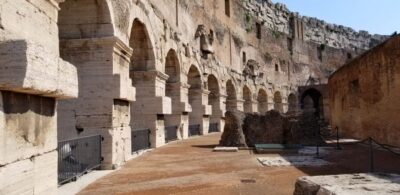
Colosseum, Ancient Rome Tour or AudioGuided Tour
Read our review →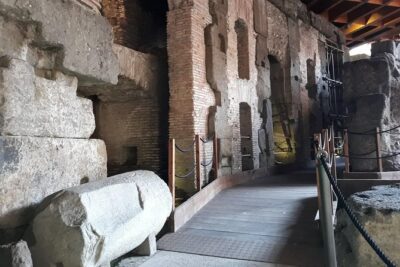
Colosseum Underground & Ancient Rome Guided Tour
Read our review →
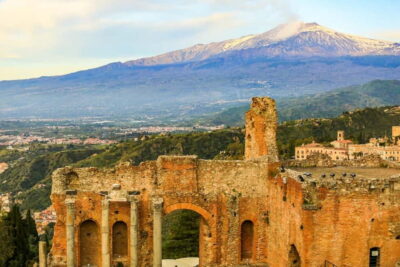
Taormina: Ancient Theater Skip-the-Line Ticket & Audio Guide
Read our review →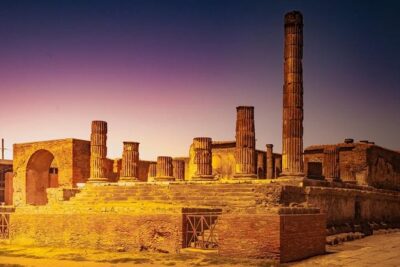
Discover the Ancient Ruins of Pompeii: Day Trip from Rome
Read our review →
Pantheon Elite Guided Tour – Rome’s Iconic Ancient Temple
Read our review →Browse the lists this tour appears in