
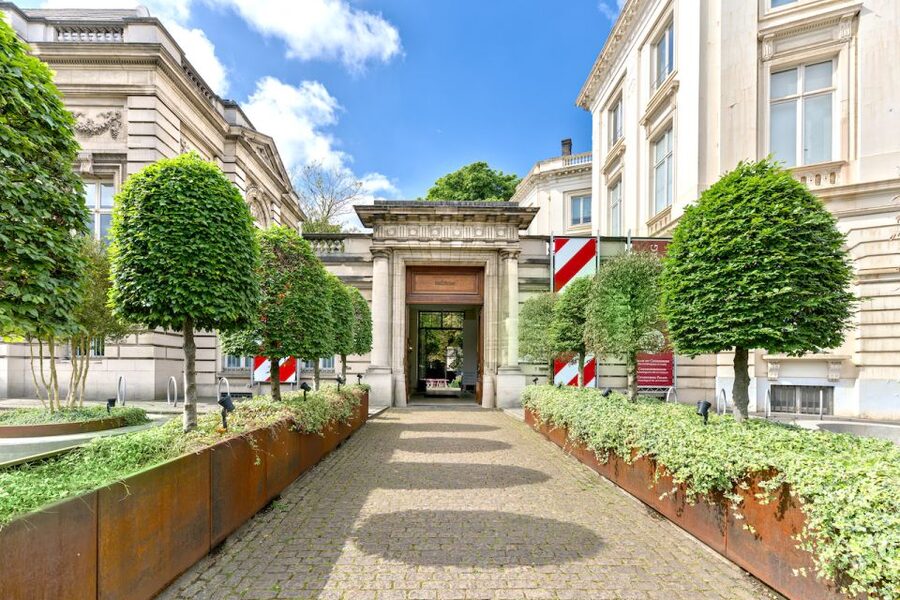
Review · BELGIUM HISTORY TOURS
Brussels: BELvue Belgium History Museum Entry Ticket
Belgium’s story gets a fresh telling at BELvue Museum, where seven themes replace a long march through kings, battles, and dates. You’ll look at democracy, prosperity, solidarity, pluralism, migration, language, and Europe through videos, news clips, charts, posters, and personal testimony.
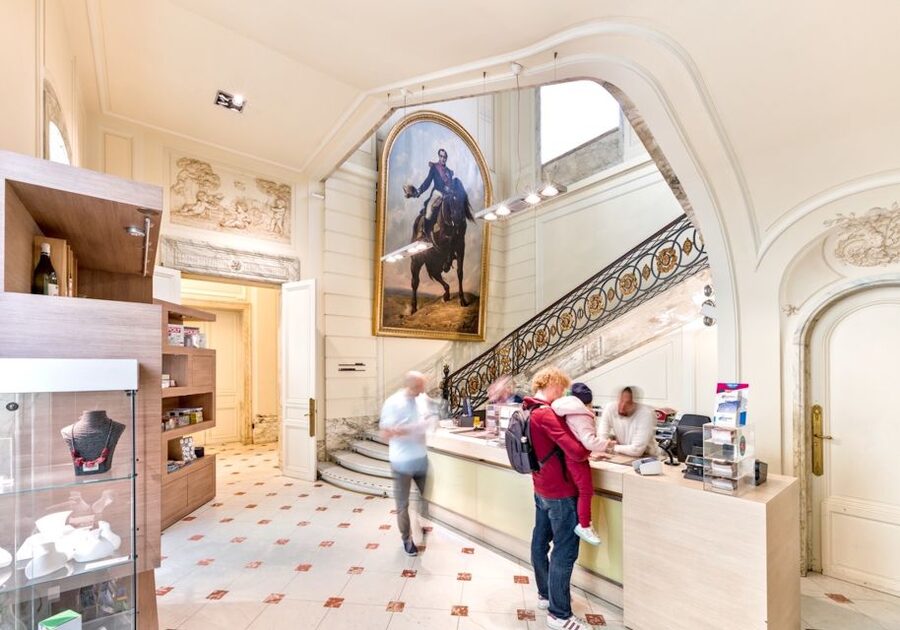
I like the museum’s focus on ordinary Belgian life, including familiar objects such as coffee filters, an electric fryer, Val Saint-Lambert crystal, and a football signed by the Red Devils. I also like that you can use a free audio guide on your own phone, visit independently, or bring children and make the pace your own.
The main drawback is that the displays can feel busy. One recent visitor found there was a lot to look at and not always an obvious place for the eye to rest. Allow time to pause, and do not expect a quiet, old-fashioned history museum.
Key points to know before you go
- Seven rooms, seven ideas: Follow Belgium through democracy, prosperity, solidarity, pluralism, migration, language, and Europe.
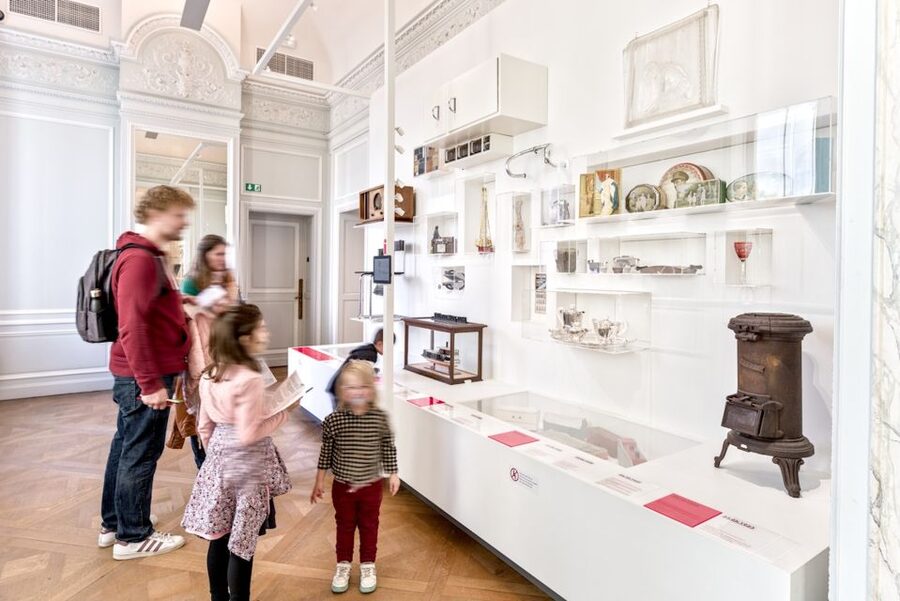
- More than 200 objects: See everyday items and cultural symbols, including crystal vases, a fryer, coffee filters, and a signed football.
- Audio on your own phone: Download the guide before or during your visit and listen at your own speed.
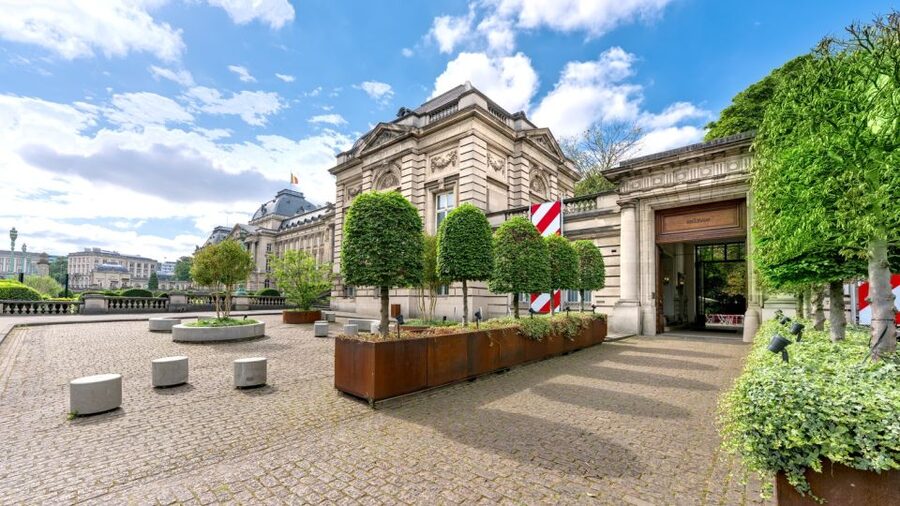
- Next to the Royal Palace: The entrance is beside one of Brussels’ most recognizable landmarks.
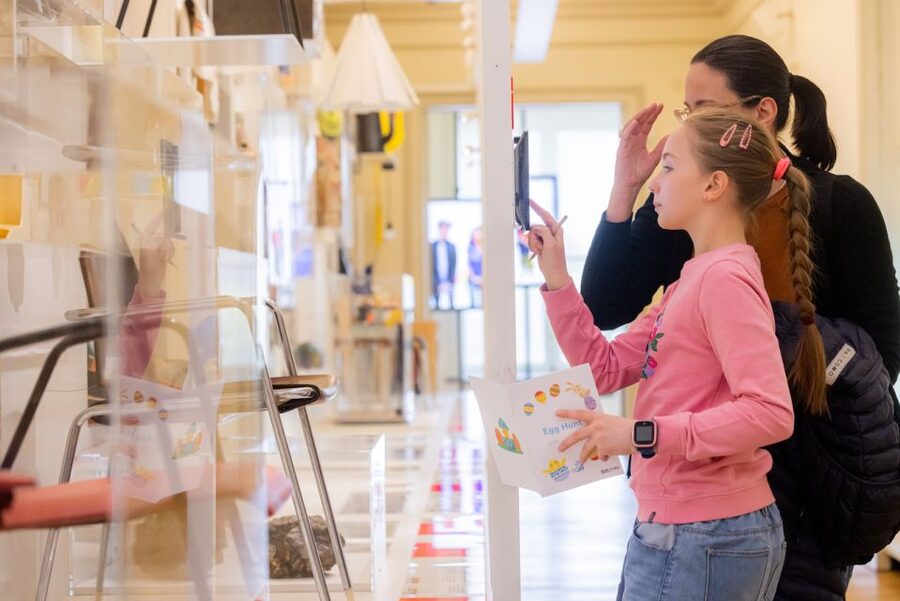
- Good for different ages: The museum offers material for solo visitors, groups, and families with children.
- About $11 per person: The price is reasonable if you want context for Belgium beyond the Grand Place and chocolate shops.
A modern introduction beside the Royal Palace
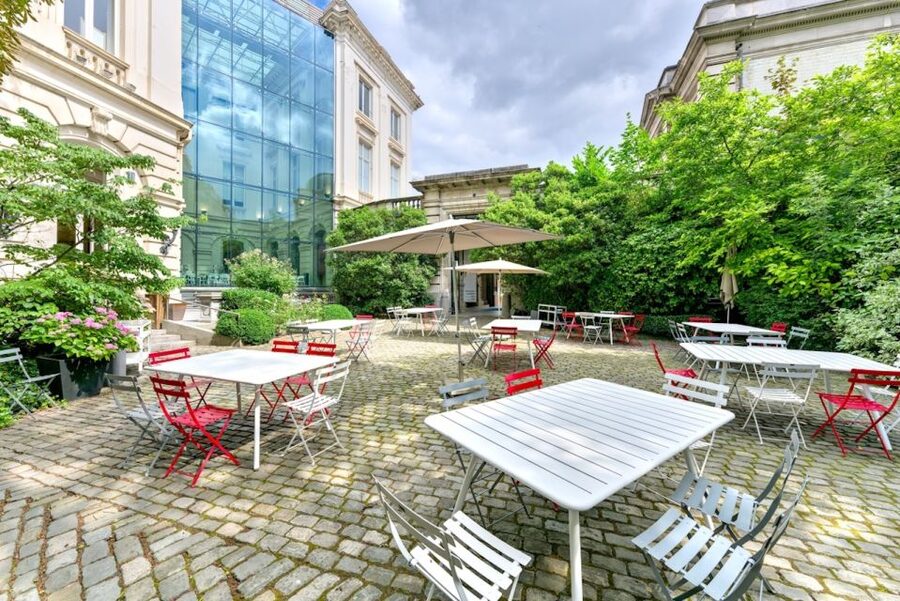
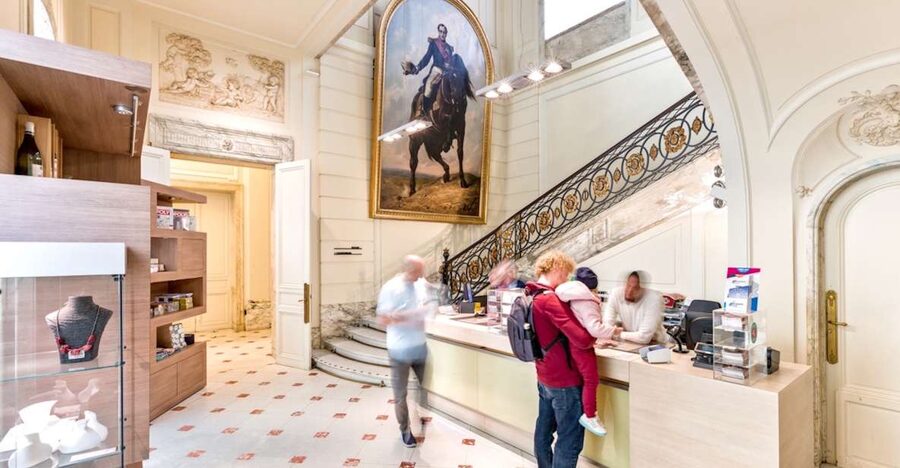
BELvue Museum sits beside Brussels’ Royal Palace, an easy location to pair with a day in the central city. You do not meet a tour guide here. Instead, you enter independently, collect the visitor information booklet, and use the downloadable audio guide on your own mobile phone.
That setup suits me. You can stop when a display catches your eye, skip material that feels less useful, and take a break without holding up a group. It also means you should arrive with a charged phone and enough patience to manage the audio yourself.
The museum is designed to explain Belgium as it functions today, not simply as a sequence of royal portraits and political dates. The seven themes give you a framework for a country shaped by several languages, different communities, social support, migration, and its place in Europe.
The entrance is next to the Royal Palace, so the museum works well as a cultural stop before or after seeing the palace area. The ticket is valid for one day, though the supplied information does not set a fixed visit length. That gives you room to choose your own pace rather than racing through a timed tour.
More Museum and Gallery History Tours in Belgium:
- New York City: American Museum of Natural History Ticket
★ 4.5 · 15,447 reviews - Paris: Louvre Museum Entry with History of Mona Lisa
★ 3.9 · 2,823 reviews - Venice’s Best: Basilica, Doge’s Palace, Gondola & History Gallery
★ 4.5 · 2,478 reviews
Democracy and the practical shape of Belgium
The democracy section gives you a starting point for understanding how the country is organized. Rather than relying only on text panels, BELvue uses news clips, posters, charts, graphs, and contemporary accounts to show how public life is discussed and experienced.
I find this approach more useful than a room packed with dates. Belgium can seem complicated when you first encounter its institutions and communities. A presentation built around public issues helps you connect the country’s political structure with everyday society.
You may want to listen closely to the audio guide here, since the displays are intended to be read and watched as well as viewed. If you are with children, the mix of screens and visual material may be easier to approach than a traditional political exhibition, although younger visitors may still need help with the more abstract ideas.
Prosperity, solidarity, and what people share
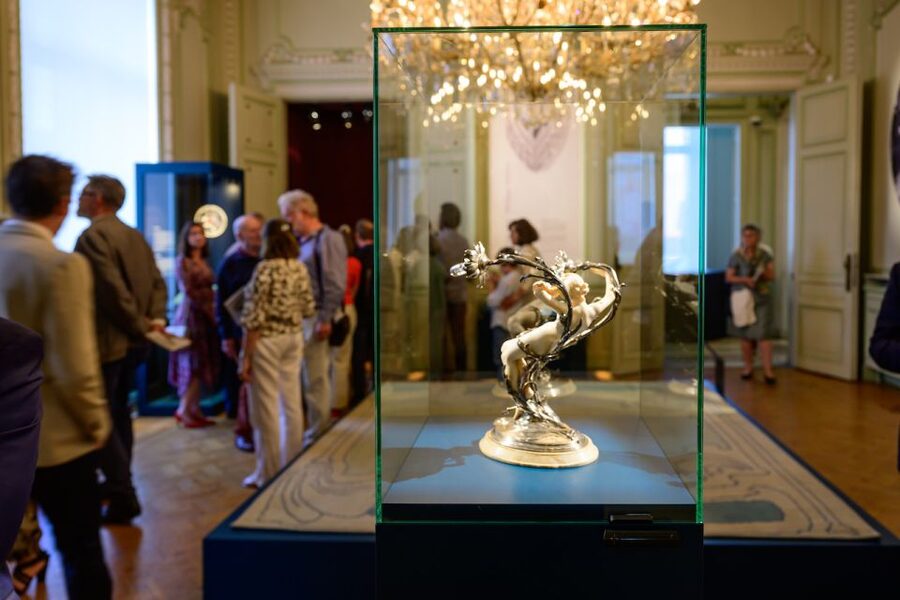
The themes of prosperity and solidarity turn the museum toward the systems and habits that shape daily life. The displays use charts, videos, and objects to make these ideas less abstract.
The museum also explains social security, a key subject for anyone trying to understand contemporary Belgium. This is one of the more useful parts of the visit because it moves beyond tourist images and shows how a society thinks about support and shared responsibility.
I appreciate that the museum does not treat prosperity as a simple list of famous companies or products. The subject is linked to the way people live together and to the public structures that support them. The material may appeal most to adults and older children, but the visual displays give families several ways into the subject.
Do not expect every panel to be light or quick. The museum asks you to think about how Belgian society works. That makes it worthwhile, but it can also make the visit feel dense if you try to absorb every chart and video.
Pluralism and migration in a small country
Pluralism and migration help explain why Belgium cannot be reduced to one national identity. The museum presents Belgium as a place where communities, viewpoints, and backgrounds overlap.
This is where the contemporary focus matters most. You are not just looking backward at a finished national story. You are being asked to consider how Belgium has changed and how different groups fit into public life.
The museum uses contemporary testimonies along with visual material, so you get more than official statements. Personal voices can make large subjects easier to grasp, especially when paired with the charts and news clips around them.
I would give these rooms time instead of treating them as corridors between more familiar displays. If your interest is limited to royal history, they may feel less immediately appealing. If you want to understand the Belgium you see on the street, they are central to the visit.
More Entry Tickets in Belgium:
- Edinburgh: Edinburgh Castle Guided History Tour with Tickets
★ 4.8 · 9,933 reviews - Taormina: Ancient Theater Skip-the-Line Ticket & Audio Guide
★ 4.5 · 2,412 reviews - Historic Milan Tour with Skip-the-Line Last Supper Ticket
★ 4.5 · 1,976 reviews - American Museum of Natural History Admission Ticket
★ 4.0 · 1,931 reviews
Language, one of Belgium’s essential subjects
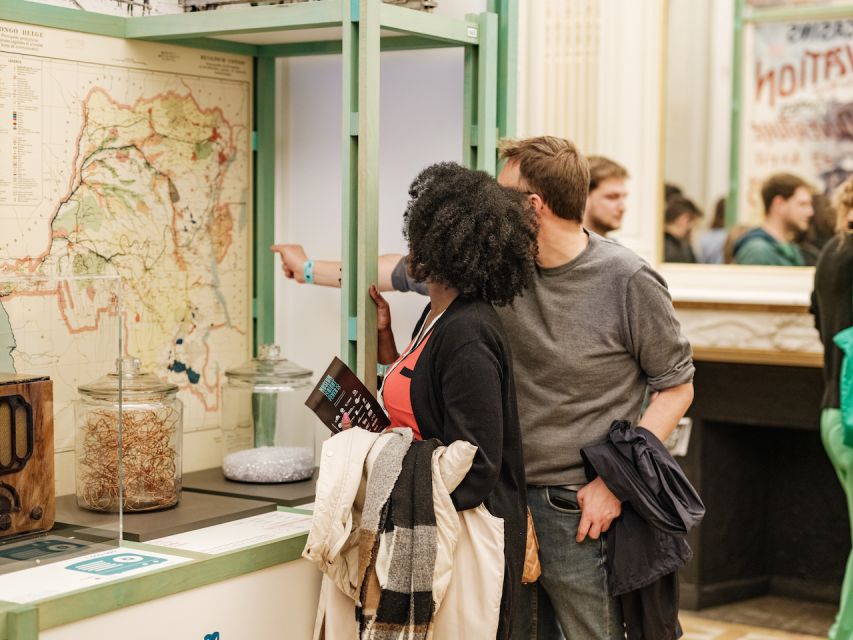
Language is one of the most practical themes in the museum. Belgium’s spoken languages affect identity, politics, public services, and daily communication, so this section helps explain why the country often seems more complex than its small size suggests.
Videos and other displays introduce the subject in a direct way. The museum is not asking you to become an expert in Belgian language policy during one visit. It is giving you enough context to understand why language matters so much in Belgian public life.
I would pay special attention here if you are visiting several parts of Belgium. The language theme gives useful background for noticing the country’s regional differences without treating them as a puzzle you must solve before continuing your trip.
This is also a good place to use the audio guide. Listening while viewing the displays can help you sort the main points from the smaller details. The language information lists Dutch, English, French, German, and Italian for the audio guide, although the inclusion details also describe it as available in four languages. Check the current language options when booking.
Europe and Belgium’s place beyond its borders
The final theme, Europe, places Belgium within a wider setting. The subject fits naturally in Brussels, a city strongly linked with European institutions, but the museum keeps its attention on Belgium itself.
You can expect more context about how the country sees its role in Europe rather than a tour of European buildings. This makes the section useful after you have spent time around the city’s European quarter, though no transport or guided connection between the museum and other sights is included.
I like the balance here. The museum presents Belgium as its own country while showing that national life is tied to larger political and social structures. It rounds out the seven-theme route and prevents the visit from becoming only a study of domestic issues.
The gallery of more than 200 Belgian objects
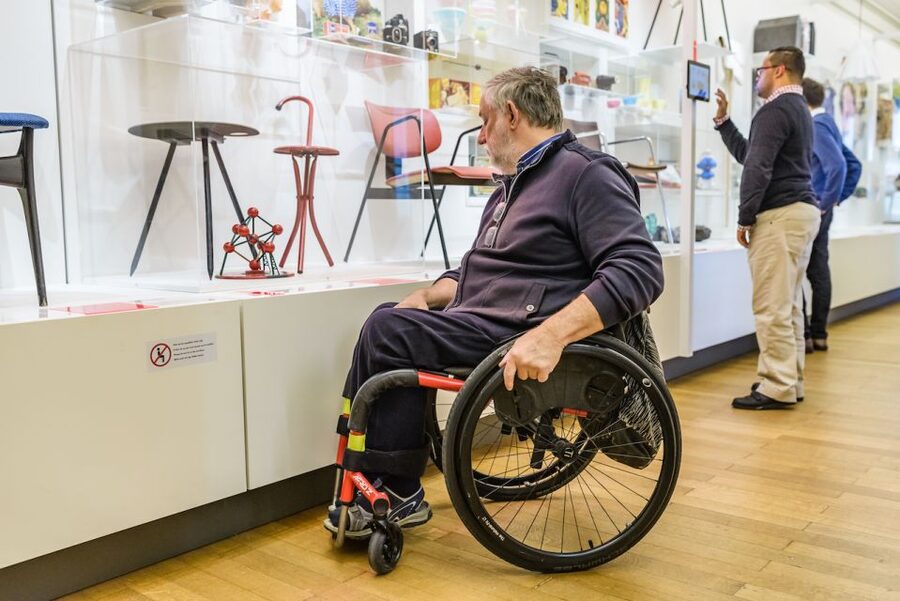
The gallery gives the museum a welcome change of pace. More than 200 objects represent the material memory of Belgium, with items that connect national identity to homes, design, food, sport, and popular culture.
Some examples are delightfully ordinary: coffee filters and an electric fryer. These are not grand monuments, but they show how a country can be remembered through the things people use. Val Saint-Lambert crystal vases add a design and craft angle, while a ball signed by the Red Devils gives football fans a clear point of interest.
I find this collection especially effective because it makes the national story physical. A chart can explain a social system, but a familiar household object can trigger a more immediate response. You might recognize something from your own home, or discover a Belgian product you had not connected with the country before.
The range also makes the gallery useful for mixed groups. Someone interested in design can focus on the crystal, a football fan can look for the signed ball, and a child may respond more quickly to an object than to a political display.
At the same time, the number of objects contributes to the museum’s busy feel. I would not try to give every item equal attention. Choose the pieces that interest you, then move on when the display begins to feel crowded with information.
Using the audio guide without a live guide
The audio guide is free and downloadable, and you listen on your own mobile phone. No personal guide is provided, so this experience is best for people who are comfortable exploring without a scheduled group or live commentary.
That independence is a real advantage. You can replay a section, pause for a video, or move ahead to the gallery. You can also visit alone, with friends, or with children without trying to match a guide’s pace.
The tradeoff is that your phone becomes part of the museum experience. Download the guide before you arrive if possible, bring headphones, and make sure your battery is in good shape. The museum information does not specify whether equipment is supplied, so do not plan on receiving a separate audio device.
The visitor information booklet is included and can help you get your bearings. Since the rooms contain posters, graphs, news clips, objects, and testimonies, a little planning will keep the visit from becoming a blur of material.
Is the $11 ticket good value?
At about $11 per person, BELvue is fairly priced for a museum that covers both Belgian history and contemporary society. The value is strongest if you want more than a quick look at royal buildings, comic art, beer, or chocolate.
You are paying for an organized explanation of the country, not just a room of historic objects. The seven themes, contemporary testimonies, visual media, and large gallery give you several ways to understand Belgium. The audio guide and booklet are included, which helps the price feel straightforward.
The value is less clear if you prefer a small, quiet museum with a short display and a narrow subject. The large amount of material may feel long or visually crowded, especially if you try to read everything. A focused visitor can still manage the cost well by choosing the themes and objects that matter most.
I would place the museum high on the list for a first visit to Brussels if you want national context. It is also useful early in a Belgium trip, since the themes can help you make sense of later stops in different parts of the country.
Who will enjoy BELvue most?
I recommend this museum to solo visitors who like setting their own pace, couples who want a thoughtful indoor stop, and families looking for more than a formal history lesson. The mix of screens, objects, football, household goods, and short visual elements gives children several possible entry points.
It also suits visitors who want to understand current Belgium. The sections on language, migration, social security, and Europe are more useful for that purpose than a display focused only on monarchs and old battles.
You may want to skip it if you have very little time and only want Brussels’ headline sights. The museum contains a lot of material, and the experience works better when you can pause and listen rather than rush from room to room.
Wheelchair access is available, but if you plan to visit with a wheelchair, contact the museum in advance so staff can make the right preparations. Pets are not allowed, with assistance dogs permitted.
Should you book the BELvue Museum ticket?
Book it if you want a clear, modern introduction to Belgium and enjoy learning through objects, videos, charts, and personal voices. The signed Red Devils football and everyday objects give the museum personality, while the seven themes explain subjects that a typical sightseeing walk may leave out.
The $11 price is sensible, and the free phone audio guide lets you choose your own rhythm. Just prepare for a display-heavy visit with plenty to read and watch. If you prefer a small collection or a short, quiet stop, this may feel like too much.
Free cancellation up to 24 hours before the visit and a reserve-now, pay-later option make planning easier. The entrance beside the Royal Palace also lets you fit BELvue into a central Brussels sightseeing day without arranging hotel transport.
FAQ
Where is the BELvue Museum entrance?
The entrance is next to the Royal Palace in Brussels.
How much does entry cost?
The listed price is $11 per person.
How long is the ticket valid?
The ticket is valid for one day. The information provided does not set a fixed length for the museum visit.
Is a live guide included?
No. A guide is not included. You explore independently using the visitor information booklet and downloadable audio guide.
What audio guide languages are available?
The additional information lists Dutch, English, French, German, and Italian. The inclusion details describe the guide as available in four languages, so confirm the current options when booking.
Can I visit with children?
Yes. The museum offers an option for visits with children, as well as for solo visitors and groups.
Is the museum wheelchair accessible?
Yes, the museum is wheelchair accessible. If you are visiting with a wheelchair, inform the museum in advance so it can make the proper preparations.
Are pets allowed inside?
Pets are not allowed. Assistance dogs are permitted.
Newest history tours we have reviewed in Belgium
- Bruges: Historical Walking Tour with Food Tasting★ 3.6 · 22 reviews
- Unforgettable Bruges: Sightseeings, History and Tasting.★ 4.3 · 27 reviews
- Bruges: History, Chocolate and Beer Walking Tour★ 4.9 · 65 reviews
- Bruges: Nightly Tales and Untold History Walking Tour★ 4.9 · 154 reviews
- Antwerp: Private 3-Hour Historical Sightseeing Walking Tour★ 4.8 · 70 reviews
- Antwerp: Private Historical Highlights Walking Tour★ 4.9 · 36 reviews
- Private Historical Tour: Legends of Antwerp★ 5.0 · 125 reviews
- Bruges: Private Historical Highlights Walking Tour★ 4.7 · 191 reviews
Museum & Gallery History Tours, compared.
Louvre Museum Entry with History of Mona Lisa
Read our review →
Venice’s Best: Basilica, Doge’s Palace, Gondola & History Gallery
Read our review →
American Museum of Natural History Admission Ticket
Read our review →
Guided African American History Tour with Reserved Museum Entry
Read our review →
POLIN Museum of the History of Polish Jews Ticket
Read our review →
Bell Tower & St Mark’s Square History Gallery Ticket
Read our review →
Field Museum of Natural History Ticket or VIP Tour
Read our review →Browse the lists this tour appears in