
Review · ITALY HISTORY TOURS
Abruzzo: Historic Cellar Wine Tour and Tasting
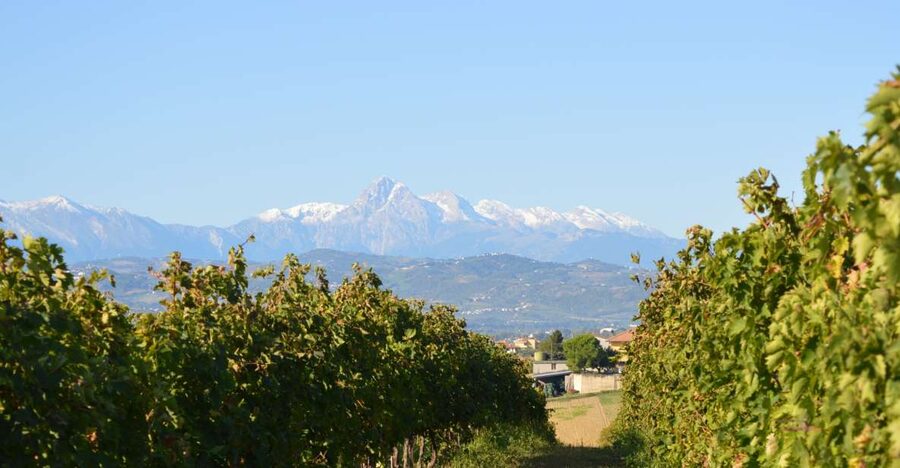
Abruzzo’s wine story becomes much clearer when you see it underground, beside old production equipment and one enormous barrel. At Cantina Mazzarosa Devincenzi, established in 1863, you get a short look at the vineyards and olive groves before heading into the cellar and tasting the region through wine, oil, cheese, and cured meats.
I like the small group of no more than 10 and the way the tasting connects wine to everyday Abruzzo food. I also like the guides, especially Sofia, who brings clear explanations and an easy manner to the visit.
The main thing to keep in mind is timing. Ninety minutes passes quickly, and the tasting may feel brisk if you want a long cellar tour or a slow study of every wine. The program describes five wines, though one tasting account recorded four, so the exact pour count may vary.
Key points at a glance
- A winery dating to 1863: Cantina Mazzarosa Devincenzi presents itself as Abruzzo’s most historic winery.
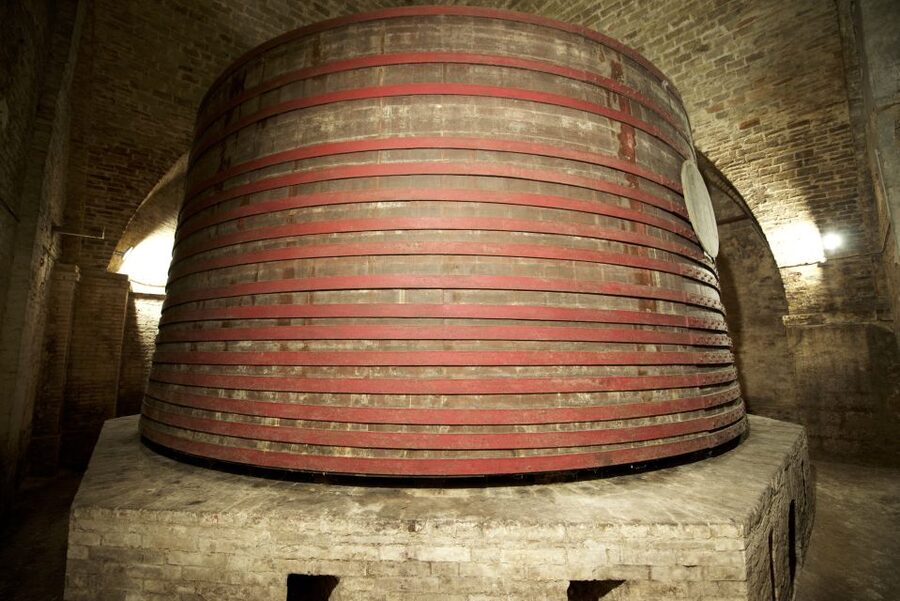
- Europe’s largest barrel: The cellar visit includes a look at a striking piece of wine-making equipment.
- Five Abruzzo wines: The tasting focuses on local tradition while also pointing toward modern, sustainable production.
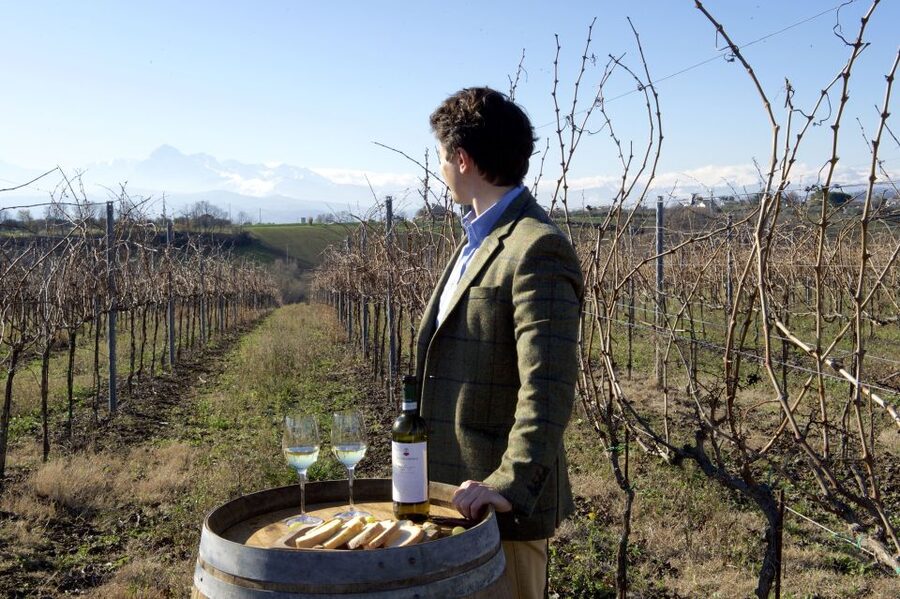
- Food comes with the wine: Expect bruschetta with olive oil, local cold cuts, cheeses, and Abruzzo Cantuccini.
- Vino Cotto closes the tasting: This traditional sweet wine is paired with the regional biscuits.
- A compact small-group visit: The 1.5-hour format works well if you want a focused stop rather than a full-day winery outing.
A 90-minute introduction to Abruzzo wine
This is a neat, contained experience. You arrive at Cantina Mazzarosa Devincenzi and spend about an hour and a half learning how the winery works, seeing the cellar, and tasting its products.
That short length matters. You can fit this visit into a day of sightseeing without giving up half your schedule. It also means the tour has a clear purpose. You are not wandering through a large estate for hours. You are getting a brief introduction, a cellar visit, and a well-stocked tasting.
The experience is offered in Italian and English, with a live guide. The group is limited to 10 people, which should make it easier to hear explanations and ask questions than on a large commercial tasting. The reviews supplied for this experience repeatedly point to Sofia as a particularly effective guide. Italian visitors describe her as capable, friendly, and good at making people feel at ease. A Portuguese-speaking visitor also praised her command of wine and her pleasant way of leading the visit.
You should still check the available start time before booking. The duration is fixed at 1.5 hours, but the exact departure time depends on availability.
More History Tours in Italy:
- Colosseum: Underground and Ancient Rome Tour
★ 4.7 · 12,691 reviews - Rome: Colosseum with Arena, Roman Forum and Palatine Guided Tour
★ 4.0 · 5,598 reviews - Venice: St. Mark’s Basilica Guided Tour & VR History Intro
★ 3.9 · 4,880 reviews
Starting with vineyards, olive groves, and 1863
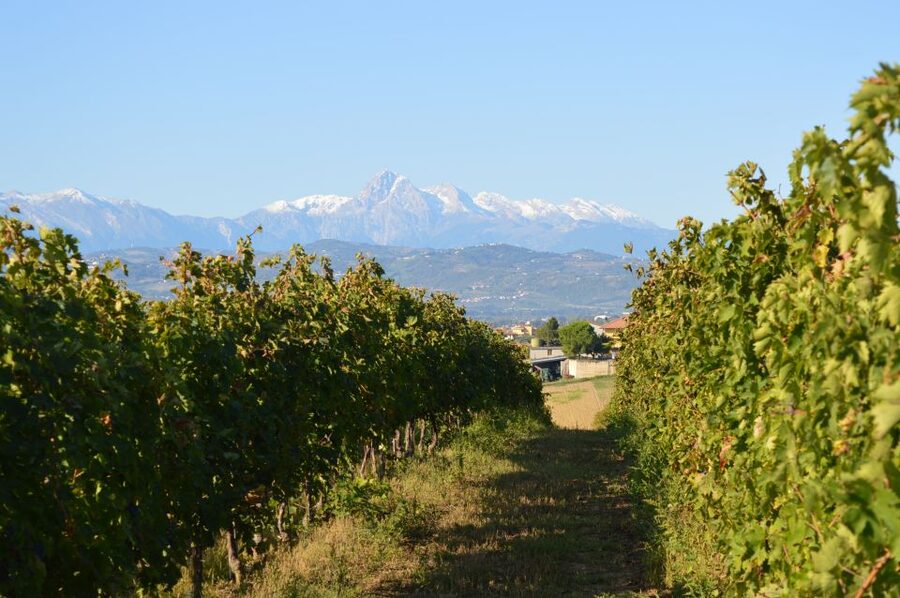
The tour begins with a short overview of the vineyards and olive groves. That opening gives you useful context before the tasting starts. Wine here is not treated as an isolated product. Olive oil and local food are part of the same table tradition, and the visit brings those products together.
The winery’s founding date, 1863, gives the stop a clear historical anchor. You are not simply visiting a modern tasting room with a regional label. The tour presents the cellar as part of a long-running local wine tradition, while also explaining how the winery approaches present-day production.
The opening talk is likely brief rather than academic. That is a good fit for visitors who want the main points before tasting, not a long lecture on every grape variety and vintage. If you already know a great deal about Abruzzo wine, you may want more technical detail than this short format allows.
For most people, though, the introduction helps you understand what comes next. You hear about the setting, learn why both wine and olive oil matter here, and then move into the place where the wine-making process is explained.
Inside the cellar and beside the largest barrel
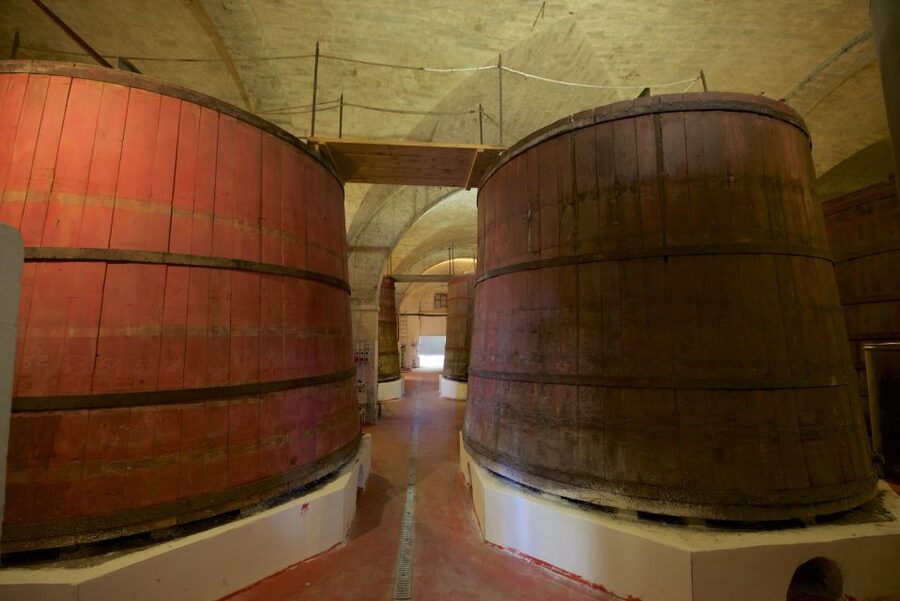
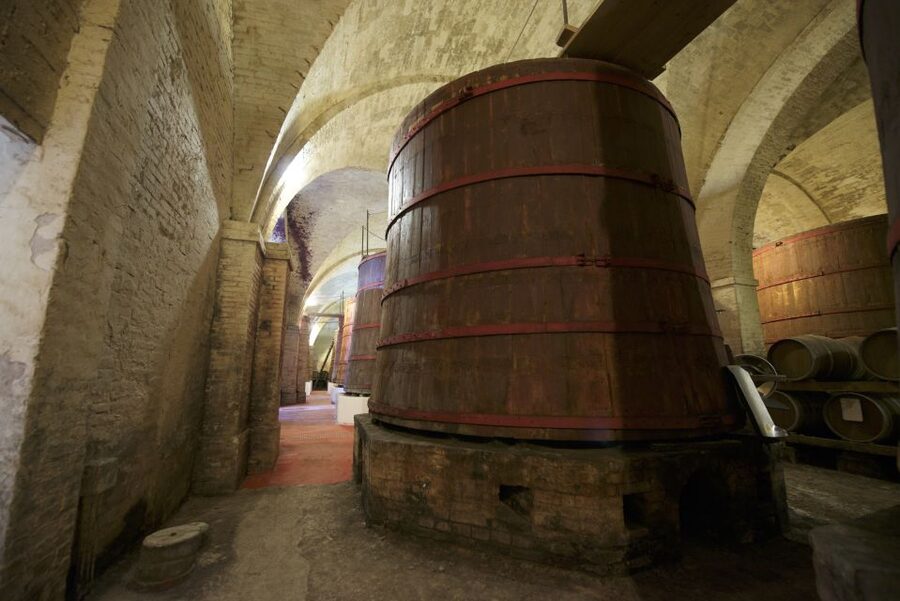
The cellar is the heart of the visit. Your guide explains the methods of vinification, or how the grapes are turned into wine, using the production area as the classroom.
That practical setting is more useful than hearing the same information in a generic tasting room. You can connect the explanation to barrels, storage, and the physical work of making wine. The tour also includes the chance to see what is described as the largest barrel in Europe. That is the memorable visual detail of the visit, and it gives the cellar a sense of scale.
Do not expect an enormous museum tour. The experience is only 90 minutes, and much of that time is reserved for tasting. Think of the cellar portion as a focused explanation of traditional methods, with the giant barrel as its main visual prize.
The balance between old and new is important here. The winery presents traditional Abruzzo wine-making methods, but the tasting also emphasizes innovation and sustainable quality. That lets you hear how a historic producer can keep its identity while adapting its approach.
The word sustainable is part of the stated focus, but no specific farming or energy practices are provided. You should treat it as a theme discussed during the experience, not as a promise of particular certifications or techniques.
Five wines and a taste of regional style
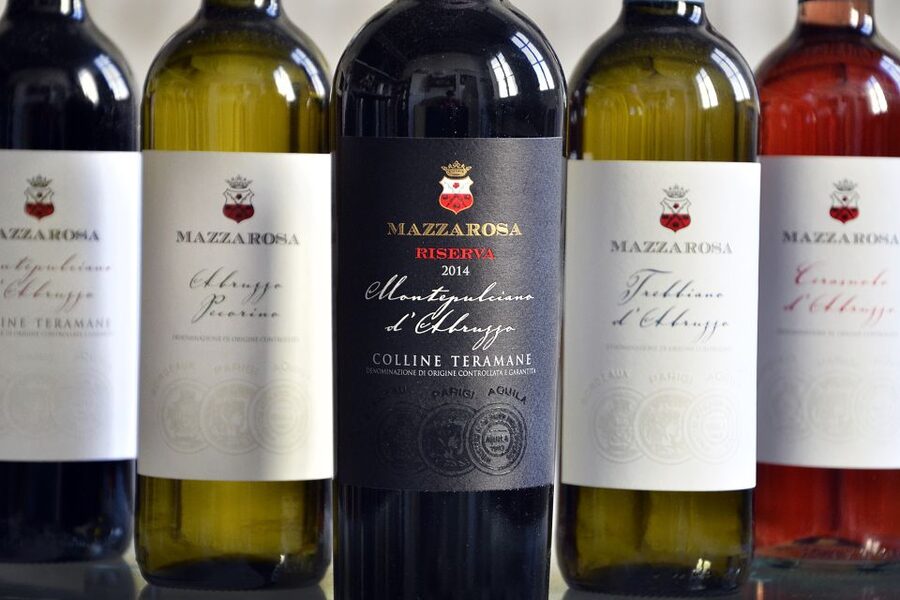
The tasting is designed to represent Abruzzo through five wines. The stated program describes five pours, while one individual account reported tasting four. That difference may reflect a change in the selection or a shorter tasting on that date, so confirm the current lineup if the exact number matters to you.
The broader point is the range. You are tasting wines chosen to show Abruzzo tradition, with attention to newer ideas and consistent quality. This is more useful than tasting one bottle in isolation because you can compare styles and notice how the food changes your perception of each pour.
The guide’s role matters here. Sofia was praised for explaining the wines clearly and making the tasting comfortable. That is especially helpful if you do not usually taste wine. You do not need to arrive with technical vocabulary. You can ask simple questions about flavor, production, or pairing and use the food to make sense of what is in your glass.
The tasting is not presented as a formal certification class. You are not promised a detailed lesson on vintages, grape chemistry, or professional tasting technique. Instead, you get an approachable introduction to wines from the area, with a guide who can put each one into context.
I would plan to pay attention to the order of the wines and take mental notes about which styles suit you. The experience is short, so there may not be much time to linger over every glass.
Same streets, a different century:
- Colosseum with Arena, Roman Forum and Palatine Hill Guided Tour
★ 4.5 · 3,526 reviews - Colosseum & Ancient Rome with Arena Floor Option I Max 6 People
★ 5.0 · 3,306 reviews - Rome: Colosseum, Ancient Rome Tour or AudioGuided Tour
★ 4.4 · 2,879 reviews - Colosseum Underground & Ancient Rome Guided Tour
★ 4.5 · 2,590 reviews
Bruschetta, olive oil, meats, and cheese
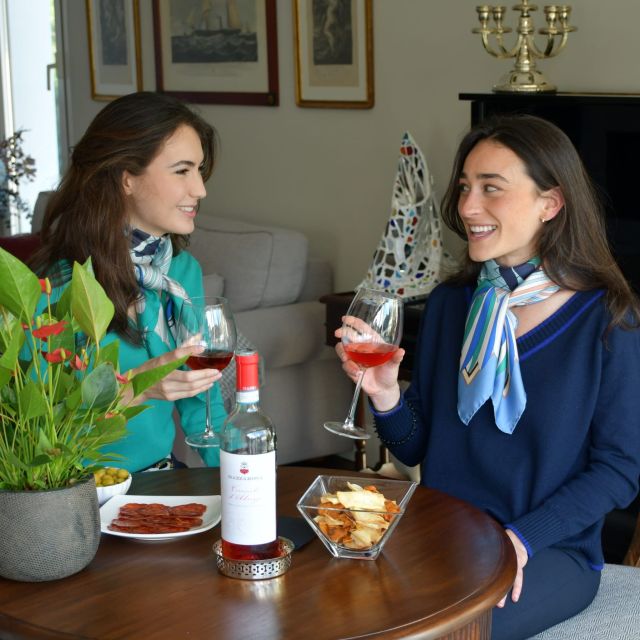
The food makes this more than a wine flight. The first pairing includes bruschetta with olive oil, followed by local cold cuts and cheeses. These are practical pairings, not decorative nibbles. They give you the chance to see how Abruzzo wine works with salty, savory foods.
The olive oil receives its own place in the tasting. One visitor singled it out as especially impressive, while the wines also earned strong praise. If you enjoy food products as much as wine, this part adds real value to the visit.
The exact portions are not stated, so do not treat the tasting as lunch. It is an aperitif with typical local products. You should arrive ready to taste rather than expecting a full meal.
Still, the inclusion of cold cuts, cheeses, and bruschetta helps justify the $41 price. A simple five-wine tasting can feel expensive if it comes with only a few crackers. Here, the food gives the tasting a clear connection to the region and makes the experience more substantial.
This is also a good choice for people in a mixed group. A serious wine drinker gets several pours to compare, while someone more interested in olive oil, cheese, or local food still has plenty to enjoy.
Ending with Cantuccini and Vino Cotto
The tasting finishes with Abruzzo Cantuccini and Vino Cotto. This is a smart ending because it shifts the experience from savory flavors to a traditional sweet pairing.
Vino Cotto is described as one of Abruzzo’s most representative sweet wines. Pairing it with Cantuccini gives you a clear final taste rather than ending abruptly after the savory courses. The biscuits also make the last pour easy to understand, even if you are not used to sweet wine.
This final pairing may be the most distinctive part of the tasting for anyone who has already done several standard winery visits. Many cellar tours end with a familiar white or red and a plate of cheese. The sweet wine and local biscuit offer a more specific regional touch.
Again, the details are limited. The description does not identify the wine varieties, vintages, or portion sizes. If you want a technical tasting built around detailed production notes, this may feel light. If you want a friendly regional introduction with food, it fits well.
Is $41 a fair price?
At $41 per person, the experience offers reasonable value for a compact winery visit. Your price covers the guide, cellar tour, wine and oil tasting, and food. You are also paying for a small group, capped at 10 people, which can make the explanations more personal.
The value is strongest if you would otherwise pay separately for wine and a meal-sized aperitif. Five wines, olive oil, bruschetta, cold cuts, cheese, and a sweet pairing add up quickly, even before counting the guided cellar visit.
The value is weaker if you are looking only for a quick drink. You are paying for the setting and the explanation, not just the liquid in the glass. Someone who wants a large estate tour, several hours of production detail, or a full meal may find the visit too short.
The winery’s long operating history and the large barrel add character that a basic tasting bar cannot offer. At the same time, the visit is not a luxury wine event with an elaborate menu. I would place it in the good-value category for a short cultural stop.
Who will enjoy this cellar visit?
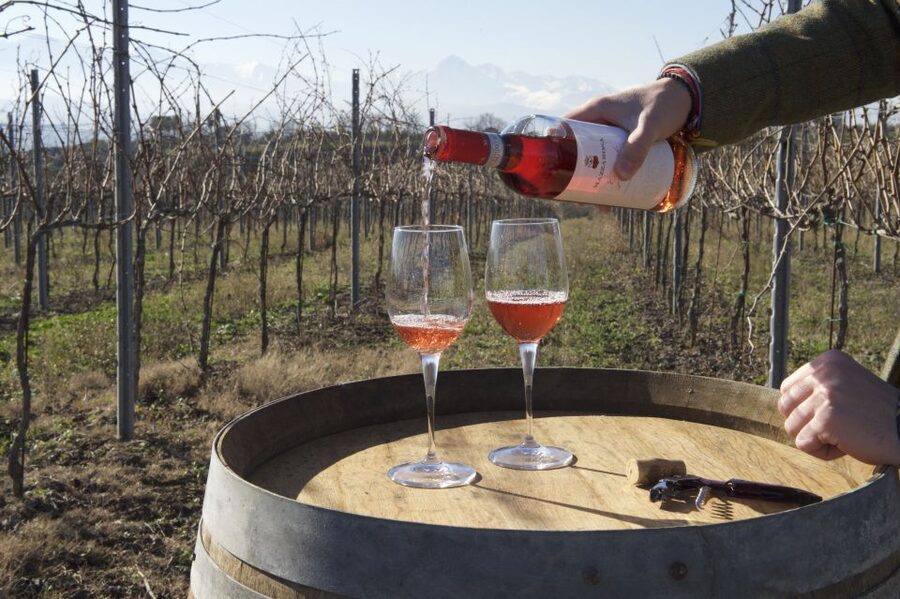
I would recommend it to you if you want a manageable introduction to Abruzzo wine and food. The English option, small group, and short schedule make it easy to add to an Abruzzo itinerary.
It also suits people who prefer a guide-led experience. The strongest praise centers on Sofia’s explanations, warmth, and ability to make the tasting comfortable. A good guide is important here because the visit depends on connecting the cellar, production methods, wines, oil, and food into one story.
Food-focused visitors should give it serious thought. The olive oil, bruschetta, cold cuts, cheeses, and Cantuccini make the tasting broader than a standard wine flight.
You may want to skip it if you are looking for a long technical tour or a full winery day. The 90-minute schedule leaves limited time for extended questions. You should also keep the possible difference in wine count in mind. The advertised format is five wines, but one account described four.
The visit is likely less suitable for anyone who does not drink alcohol, since wine is central to the experience. The supplied details do not state whether nonalcoholic alternatives are available, so ask the provider before booking if that is important to you.
Practical details before you book
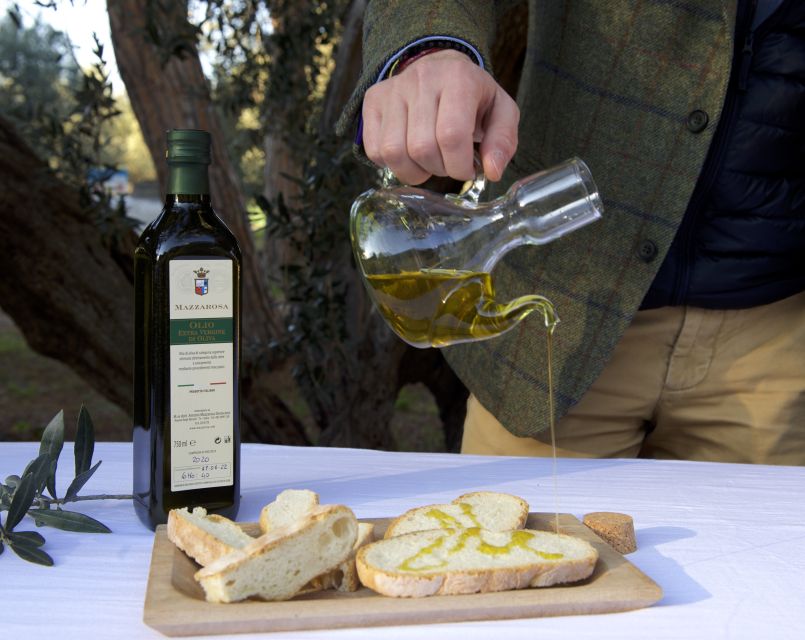
You meet at Cantina Mazzarosa Devincenzi, which is both the starting point and the tour location. No transport is included in the stated package, so you should plan your route to the winery separately.
The guide speaks Italian or English. The group size is limited to 10 people, and the tour lasts 1.5 hours. Those details make this a good fit for a morning or afternoon plan with another activity before or after it.
You can cancel up to 24 hours in advance for a full refund. The reserve-now, pay-later option also gives you some flexibility while your schedule is still taking shape.
If your trip plans are uncertain, those terms are useful. If the tasting lineup matters to you, ask about the current number of wines before confirming, since one account recorded four despite the stated five-wine format.
Should you book Cantina Mazzarosa Devincenzi?
Book this experience if you want a short, food-friendly introduction to Abruzzo wine with a real cellar visit and a small group. The historic winery, huge barrel, regional olive oil, local savory products, and Vino Cotto give it more substance than a simple tasting at a counter.
I would be most likely to book it for the guide-led explanations and the complete pairing menu. Sofia’s clear and friendly approach has made a strong impression, and the food helps you understand the wines in a natural way.
Skip it if you want a long technical study of wine-making, a full meal, or a guaranteed extended tasting of every possible style. For most visitors who have 90 minutes and want an easy way into Abruzzo’s wine culture, $41 is a sensible spend.
FAQ
Where does the tour begin?
The tour begins at Cantina Mazzarosa Devincenzi in Abruzzo, Italy.
How long does the experience last?
The wine tour and tasting last 1.5 hours.
How many wines are included?
The experience description includes five wines representing Abruzzo tradition. One tasting account recorded four wines, so the exact number may vary.
Is food included?
Yes. The tasting includes bruschetta with olive oil, local cold cuts, cheeses, and Abruzzo Cantuccini.
Is olive oil included?
Yes. Olive oil is included in the tasting, along with wine and typical Abruzzo food products.
Is the tour offered in English?
Yes. Live guided tours are offered in English and Italian.
How large is the group?
The experience is limited to 10 participants.
Newest history tours we have reviewed in Italy
- Bologna: Street Food Tour in the Historic Center★ 4.8 · 125 reviews
- Asti Historic Town Walking Tour★ 4.5 · 82 reviews
- Ancient Rome: Archeological area Largo Argentina★ 3.9 · 49 reviews
- Ancient Rome Half-Day Segway Tour★ 4.8 · 25 reviews
- Alghero: Historic Center Walking Tour with A Local Guide★ 4.8 · 120 reviews
- Alghero: walking tours around the ancient city★ 4.6 · 30 reviews
- Amalfi Organic Lemon Tour & Tasting in the Historical Garden★ 4.9 · 46 reviews
- Alba: History Walking Tour and Food Tasting with a Local★ 4.8 · 20 reviews
Italy History Tours, compared.
Colosseum: Underground and Ancient Rome Tour
Read our review →
Colosseum with Arena, Roman Forum and Palatine Guided Tour
Read our review →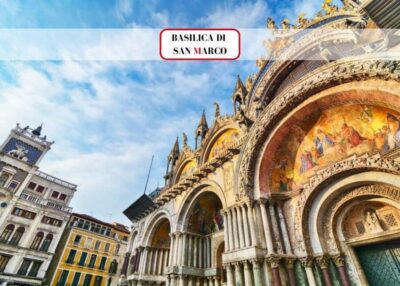
St. Mark’s Basilica Guided Tour & VR History Intro
Read our review →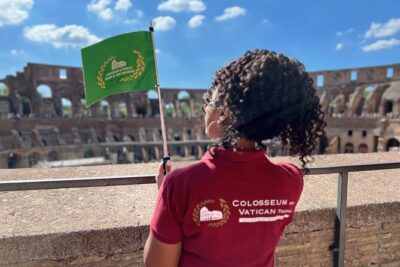
Colosseum with Arena, Roman Forum and Palatine Hill Guided Tour
Read our review →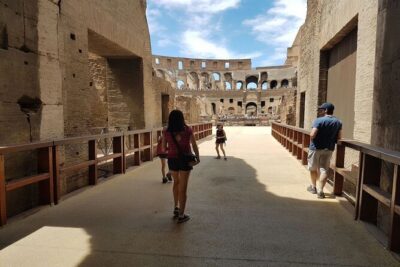
Colosseum & Ancient Rome with Arena Floor Option I Max 6 People
Read our review →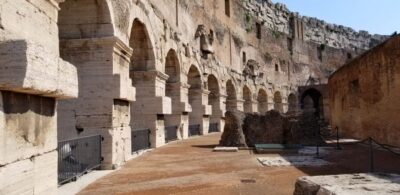
Colosseum, Ancient Rome Tour or AudioGuided Tour
Read our review →
Colosseum Underground & Ancient Rome Guided Tour
Read our review →
Venice’s Best: Basilica, Doge’s Palace, Gondola & History Gallery
Read our review →Browse the lists this tour appears in