
Review · EDINBURGH HISTORY TOURS
Medical and Surgical History of Edinburgh – Private Walking Tour
Edinburgh’s medical past unfolds right under your feet on this walk, from a cramped early teaching hospital near the Cowgate to the grand former Royal Infirmary at Lauriston Place. Physician-guide Moray Grigor links buildings, back lanes, students, surgeons, and patients into a story that feels far more personal than a standard city sightseeing walk.
I like the private format, since your group can talk freely about medicine and ask questions without being lost in a crowd. I also like the café pause and the clear route through six important locations. The main drawback is the length: at about 2.5 miles over three to four hours, this is not a good fit for anyone with painful or chronic musculoskeletal problems.
Key points to know before you book
- A physician leads the walk: Moray Grigor brings his own medical background to the story, adding a professional view of Edinburgh’s doctors, hospitals, and training.
- The route covers six historic areas: You walk from Hunter Square along the Royal Mile, Cowgate, Bristo Place, and Lauriston Place.
- It focuses on people as much as buildings: Expect stories about medical students, women fighting for entry to the profession, Charles Darwin, and famous Scottish doctors.
- The tour is private: Only your own group takes part, making it easier to ask questions and set the pace within the planned route.
- There is a café stop: Coffee or tea is not included, so bring a little money for the break.
- It is a walking tour, not a museum visit: The route includes Surgeons’ Hall Museums, but the experience does not include a medical museum tour.
Why Edinburgh’s medical story works so well on foot
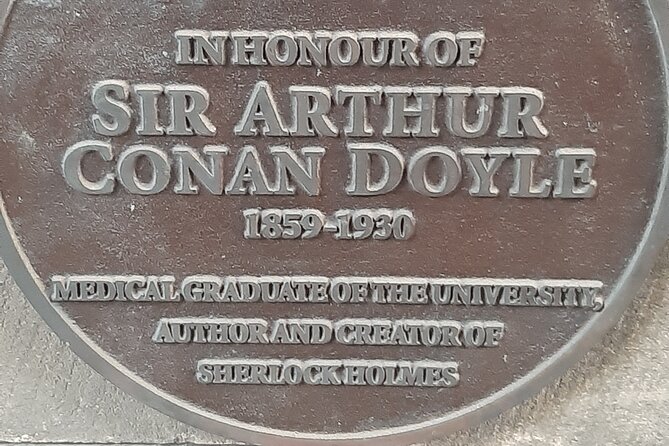
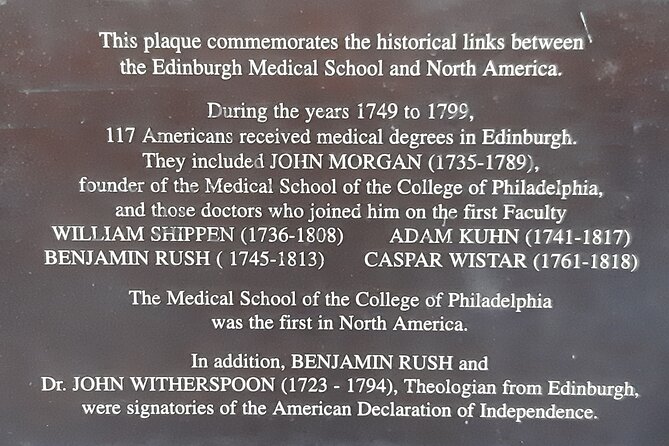
Many city tours treat medicine as a footnote. This one makes it the main plot. Edinburgh’s Old Town gives you the right setting, with narrow closes, old institutional buildings, steep streets, and a succession of medical sites packed into a manageable area.
You begin at Hunter Square, a useful central meeting point near the Royal Mile. From there, Moray traces the early roots of Edinburgh medicine and surgery. The route is not simply a procession of plaques. It asks you to imagine how medical teaching, hospital care, and professional training developed in a city where old and new buildings often sit side by side.
The private setup matters here. Medicine can lead to plenty of side questions, from the practical problems of early hospitals to the changing role of surgeons. Since your party has the guide to itself, you can pause for discussion instead of waiting for a large group to move along.
The price is $130.44 per person. That is a serious cost for a walking tour, but the comparison is not with a one-hour orientation walk. You are paying for a private guide, a specialized subject, three to four hours of commentary, and a route that connects several districts and institutions. For a couple or family with a strong interest in medical or social history, the value is easier to see. Group discounts may also help, though the discount amount is not specified.
More History Walking Tours in the UK
- Edinburgh: Old Town History and Tales Walking Tour
★ 4.8 · 2,361 reviews - Old Town Walking Tour History and Tales in Edinburgh
★ 5.0 · 2,168 reviews - Edinburgh: Witches & Haunted History Walking Tour
★ 4.8 · 1,290 reviews
The Royal Mile reveals medicine behind the postcard view
The first section takes about 45 minutes along the Royal Mile. Most people come here for the castle views, souvenir shops, and famous closes. This walk gives you another reason to slow down.
Moray begins with the origins of Edinburgh medicine and surgery, then points out the alleyway connected with the early College of Physicians. That detail sets the tone for the whole experience. The city’s medical past is not sealed away in one building. It is tucked into routes you might otherwise walk past.
I like this opening because it gives context before the tour reaches the larger hospital sites. You start with professional organization and the growth of medical practice, then move toward teaching and patient care. The Royal Mile also makes an easy starting point for visitors already exploring the Old Town.
There is no admission charge at this stop. Still, you should expect to spend much of the time listening and walking rather than entering a major attraction. If you want interior rooms, displays, or hands-on exhibits, this tour may feel different from what you first picture when you see the word museums later in the route.
Robertson’s Close and the first teaching hospital
The tour then moves toward the Cowgate, with about an hour devoted to Robertson’s Close and the early Royal Infirmary. This is one of the most important parts of the walk.
Robertson’s Close was the site of The Little House, described as Edinburgh’s first teaching hospital. The name sounds modest, and that is part of the point. Early medical education did not begin in a polished modern campus. It developed through small, practical institutions where teaching and patient care were closely tied.
From there, you explore the complex associated with the first Royal Infirmary of Edinburgh. This gives you a chance to see how the city’s medical needs outgrew its earliest arrangements. Moray’s story connects the physical growth of the hospital with the wider rise of Edinburgh as a medical centre.
Plan for a substantial amount of standing here. The stop lasts about an hour, and the interest comes from the explanation of the site rather than a formal attraction ticket. The tour is strongest for people who enjoy asking how institutions developed and why certain buildings mattered.
The Cowgate area also changes the feel of the walk. It is less polished than the main Royal Mile and helps you picture the working city behind the grand avenues. Wear shoes with good support. The total route is moderate rather than extreme, but Edinburgh’s Old Town is not known for flat, effortless walking.
Surgeons’ Hall and the fight to enter medical school
The next stop is Surgeons’ Hall Museums, the historic home of the surgical profession. You spend about 45 minutes here, including the refreshment break.
This is where the tour turns strongly toward professional identity and access. Moray discusses the long struggle for women to enter Edinburgh’s Medical School, bringing social history into the story of surgery. That subject gives the walk a human edge. It is not only about famous men and grand institutions. It is also about who was allowed to study, who was excluded, and how the profession changed.
Be clear about what you are booking. The route includes Surgeons’ Hall Museums as a historic location, but the tour does not include a medical museum visit. One account of the experience specifically notes that no medical history museum was toured. You should think of this stop as an outdoor and conversational part of the route, not as entry to a collection of exhibits.
The café break is a welcome practical touch. Coffee and tea are not included, so budget separately for your drink and any food. Since the walk can run four hours, this pause helps break up the commentary and gives you a chance to talk with Moray about the subjects that interest you most.
More Private History Tours in the UK
- Private Greyfriars Kirkyard history tour
★ 5.0 · 67 reviews - Private Royal Mile walking tour – Discover the history of our most famous street
★ 5.0 · 48 reviews - Private Historical Walking Tour of York
★ 5.0 · 1,324 reviews - Private Group: Historical Pub Walking Tour of London
★ 5.0 · 660 reviews
The old University of Edinburgh and student life
The route continues to the former home of the University of Edinburgh’s Medical School. This section lasts about 20 minutes, but it adds useful detail about the daily experience of becoming a doctor.
Here, Moray explains Edinburgh’s growing importance as a medical centre and discusses the work, hardship, and rewards of medical student life. That balance is welcome. Famous discoveries can make medical education sound glamorous after the fact, while the actual students faced long hours and demanding routines.
I particularly like this section for visitors who have studied medicine, work in health care, or are travelling with someone who does. The discussion can make the institutions feel less abstract. You are not just hearing about a school. You are hearing about the people who had to pass through it, learn its routines, and earn their place in the profession.
Because this stop is short, it works best as part of the larger sequence. Do not expect a long campus visit or a separate university tour. The value comes from the connection between this building, the earlier hospital sites, and the medical community Edinburgh was building over time.
Bristo Place, Charles Darwin, and the grand medical school
The walk passes through Bristo Place for about 25 minutes. Along the way, you see the site of Charles Darwin’s former student lodgings before reaching the imposing 1880s Medical School and graduation hall.
Darwin’s connection gives the route a familiar name, but the larger subject remains student life and medical education. His former lodgings help place a major scientific figure in the ordinary setting of a student’s Edinburgh years. It is a small detail with strong storytelling value because it links a world-famous naturalist to a real address on the route.
The later Medical School and graduation hall provide a visual change. After the modest early hospital and teaching spaces, the grander architecture suggests the confidence Edinburgh had gained as a centre for medical education. The buildings themselves become evidence of institutional growth.
This is also a useful point to remember that the tour is about Edinburgh’s medical and social past, not only surgery. You hear about doctors, students, buildings, professional barriers, and the city that supported them. That wider focus makes it suitable for anyone interested in urban history, science, or education, even if you have no medical training.
Lauriston Place and the former Royal Infirmary
The final stop takes about 15 minutes at the entrance plaza of the former Royal Infirmary on Lauriston Place. The tour finishes at Edinburgh University’s Futures Institute, which now occupies the former Royal Infirmary.
This grand front courtyard gives the walk a fitting ending. Moray tells stories of important doctors and surgeons connected with the institution, bringing the route back to the people who shaped Edinburgh medicine.
The ending is practical, too. You do not return to Hunter Square, so check the finish point before booking. The address is Edinburgh Futures Institute, The University of Edinburgh, 1 Lauriston Place. If you have another appointment in the Old Town, allow time to get there after the tour.
Finishing at a former hospital also gives the entire walk a clear arc. You begin with early medical organization on the Royal Mile, pass through small teaching and hospital sites, follow the growth of medical education, and end at a major institution. The route shows change through buildings and streets rather than asking you to absorb a list of dates.
How the pace and private format affect the experience
The advertised duration is three to four hours, and one tour ran for more than four hours. That extra time can be a benefit if you enjoy conversation and detailed stories. It can be a problem if you have a tight afternoon schedule.
Moray is described as warm, enthusiastic, and easy to talk with. His background as a physician gives the subject a personal angle, especially when the conversation turns to health care and medical careers. The tone is not presented as a dry lecture. Expect facts, stories, Scottish details, and room for discussion.
The private format is best for a family, couple, or small group with a shared interest. You can ask about a particular period or profession without worrying about slowing a large party. It also gives Moray more freedom to respond to your questions.
The trade-off is cost. A private specialist tour will normally cost more per person than a large group walk. At $130.44 per person, I would book it for the subject and the guide, not simply because you want a general introduction to Edinburgh. The more curious you are about medicine, surgery, education, and social change, the better the value.
Who should book this Edinburgh walk
I would choose this tour if you have a clear interest in:
- Medical or surgical history
- The history of hospitals and medical education
- Scottish doctors and scientific figures
- Women’s access to professional education
- Social history told through streets and buildings
- A private conversation rather than a large-group tour
It also suits returning visitors who have already seen Edinburgh Castle, the Royal Mile, and the main Old Town sights. You get a different way to read the city.
I would hesitate if you want museum interiors, a short sightseeing walk, or a relaxed route with very little standing. The 2.5-mile distance requires moderate fitness, and the operator does not recommend it for people with chronic or painful musculoskeletal conditions. Service animals are allowed, and the route is near public transportation.
The tour is offered in English and uses a mobile ticket. Confirmation arrives within 48 hours of booking, subject to availability. It requires good weather, with a different date or full refund offered if poor weather causes cancellation. You can cancel for a full refund up to 24 hours before the start time, but late cancellations and late changes are not accepted.
Should you book the Medical and Surgical History of Edinburgh tour?
Book it if you want Edinburgh to explain itself through hospitals, medical schools, surgeons, students, and the people who fought to enter the profession. Moray Grigor’s physician background, the private setting, and the carefully connected route give the walk more substance than a general Old Town stroll.
Skip it if you mainly want interiors, museum displays, or a quick overview of the city. For the right audience, this is a focused and unusually personal way to see Edinburgh. For everyone else, the specialist subject and long walking time may make the price harder to justify.
FAQ
How long is the Medical and Surgical History of Edinburgh tour?
The tour lasts approximately three to four hours. The route covers about 2.5 miles, and one scheduled café break is included in the walk.
Where does the tour start and finish?
The tour starts at Hunter Square in Edinburgh, EH1. It finishes at Edinburgh Futures Institute, The University of Edinburgh, 1 Lauriston Place, EH3 9EF, in the former Royal Infirmary courtyard.
Is this a private tour?
Yes. Only your own group takes part in the activity.
Is food or drink included?
No. The tour includes a refreshment café stop, but coffee, tea, food, and other drinks are not included in the price.
Does the tour include a visit inside a medical history museum?
No museum tour is included. Surgeons’ Hall Museums is one of the historic locations discussed, but the experience focuses on walking commentary rather than a medical museum visit.
Is the tour suitable for people with mobility problems?
The tour requires moderate physical fitness and covers about 2.5 miles. It is not recommended for people with chronic or painful musculoskeletal conditions. Service animals are allowed.
More Private History Tours in Edinburgh
- Private Guided Historic Electric Cart Tour of St. Augustine
★ 5.0 · 1,194 reviews - Istanbul: Acemoglu Historical Turkish Bath w/Private Options
★ 4.6 · 1,190 reviews - From Cairo: Private Full-Day Tour of Historical Alexandria
★ 4.1 · 1,155 reviews - Porto: Private Tour of the Historic City in a Ford T Car
★ 4.8 · 932 reviews
More History Walking Tours in Edinburgh
- Edinburgh Old Town: Historical Guided Walking Tour
★ 5.0 · 1,016 reviews - Edinburgh: 3-Hour Historical Walking Tour in Italian
★ 4.7 · 734 reviews - Edinburgh: Witches & Haunted History Walking Tour
★ 5.0 · 632 reviews - Edinburgh: Old Town History Walking Tour
★ 4.9 · 528 reviews
Newest history tours we have reviewed in Edinburgh
- The History Behind Outlander Tour★ 5.0 · 18 reviews
- Private Royal Mile walking tour – Discover the history of our most famous street★ 5.0 · 48 reviews
- Thirsty for Edinburgh: Scotlands Best Historical Pub Tour★ 5.0 · 24 reviews
- St Andrews, Fife Coast Walk & Historic Abbey Tour from Edinburgh★ 5.0 · 62 reviews
- Old Town Walking Tour★ 5.0 · 17 reviews
- Edinburgh: History Lovers Old Town Walking Tour★ 5.0 · 216 reviews
- The Anatomist – Award Winning Historical Escape Room Experience★ 5.0 · 151 reviews
- Small-Group Historic Coffee Tour in Edinburgh★ 5.0 · 64 reviews
Private History Tours, compared.
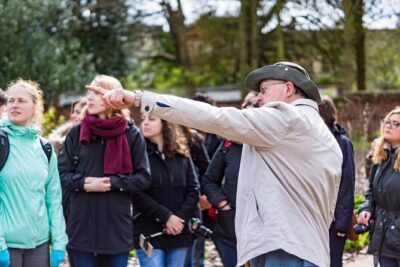
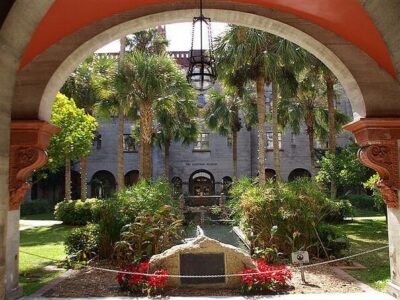
Private Guided Historic Electric Cart Tour of St. Augustine
Read our review →
Private Full-Day Tour of Historical Alexandria
Read our review →
Private Tour of the Historic City in a Ford T Car
Read our review →
Madrid Historical Tour with Local Guide in Eco Tuk Tuk Private
Read our review →
Private Biblical Tour Ancient Corinth & Isthmus Canal from Athens
Read our review →
Private Kathmandu Sightseeing Tour | UNESCO World Heritage sites
Read our review →
Historic Porto by Private Electric Tuk Tuk to Top Landmarks
Read our review →Browse the lists this tour appears in