
Review · DUBAI HISTORY TOURS
Discover Heart of Dubai’s Old Town, Heritage, Abra & Souqs
Old Dubai reveals itself in small details: a shaded alley, a wind tower catching air, a wooden abra sliding across Dubai Creek, or a spice seller explaining how to use an unfamiliar herb. This three-hour walking tour connects those details in a compact route from Al Fahidi to Deira.
I like the personal feel of a group capped at 10 people, and I like having Muhammad, a licensed local guide, to explain customs, traditional homes, and souk etiquette. The main drawback is that the tour ends at the Gold Souk, so it is more of a focused introduction than a full day in Old Dubai. You will also spend much of the time outdoors, which matters in Dubai’s heat.
Key points to know before booking
- Al Fahidi comes first: Explore traditional homes, narrow lanes, courtyards, and air towers linked to Dubai’s life before the modern boom.
- The abra ride is short but meaningful: A 10-minute crossing connects the old neighborhood with Deira in the same practical way people have crossed the creek for generations.
- The souks are the main event: Allow time for spice aromas, gold displays, vendor conversations, and a first look at local bargaining.
- Muhammad shapes the experience: He explains culture, customs, royal traditions, and shopping practices in a friendly, attentive way.
- The route is efficient: In three hours, you visit four major Old Dubai stops without committing a full day.
- The price is reasonable for a small group: At $33.21 per person, the value comes from the guide’s context and help navigating the markets, not from included meals or major museum admissions.
Why this short Old Dubai tour works
Dubai is famous for glass towers, huge malls, and engineered attractions. Yet the city’s older character is easier to understand around the creek, where trade, transport, homes, and markets came together long before the skyline appeared.
This experience gives you a clear introduction without asking you to plan every turn yourself. You meet at Al Fahidi Historical Neighbourhood, walk through the old quarter, cross by abra, and finish at the Gold Souk. That simple eastward route makes sense geographically and keeps the tour moving.
I especially like the balance between fixed sights and conversation. You are not only looking at old buildings or jewellery windows. Muhammad can explain local customs, traditional homes, family rules, and the way the souks work. His help with bargaining is useful if you want to buy something but feel unsure about vendor negotiations.
The group limit of 10 is another plus. It should be easier to hear, ask questions, and stay connected than on a large coach excursion. The tour is also suitable for most participants, and its location is near public transportation. Still, this is a walking experience with outdoor sections, so comfortable shoes, modest clothing, water, and protection from the sun are sensible choices.
More Old Town and Historic Centre Walks in Dubai:
- Dubai Old Town, Culture, History, Street food and Souks Tour
★ 5.0 · 170 reviews - Madrid Essential: Historic Center, Plaza Mayor & Royal Palace
★ 5.0 · 6,416 reviews - Lisbon: Live Fado Show with Port Wine in Historic Center
★ 4.7 · 4,166 reviews
Al Fahidi and the architecture of old Dubai
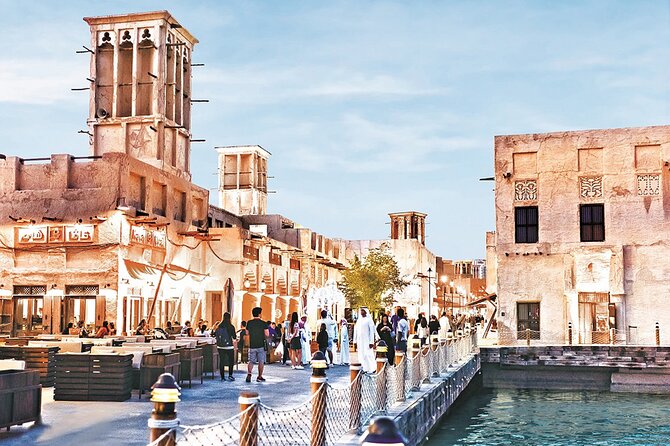
Your first hour takes place in Al Fahidi Historical Neighbourhood, the strongest part of the experience for understanding how Dubai looked and functioned before the rapid oil-era expansion.
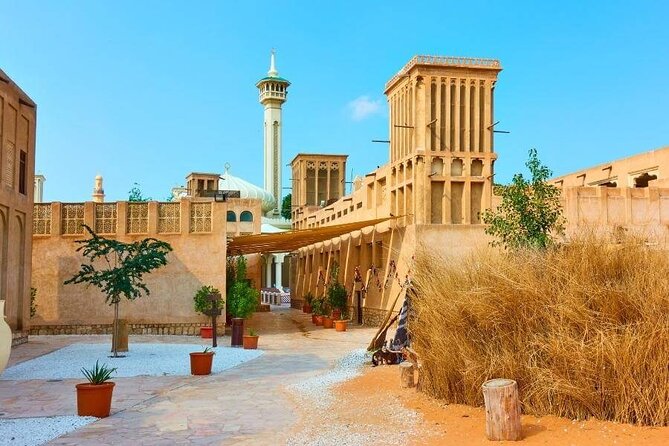
The district reflects daily life from the mid-19th century through the 1970s. Buildings sit close together along alleys, pathways, and small public squares. Their materials include stone, gypsum, teak, sandalwood, palm wood, and palm fronds. The effect is plain, practical, and a world away from Dubai’s newer districts.
Look up at the barajeel, or traditional wind towers. These structures helped move air through homes before modern air-conditioning. Their presence gives the neighborhood its distinctive profile, but the real value is the explanation of how people adapted their homes to the climate.
I would give this stop your full attention rather than treating it as a quick photo walk. Muhammad’s explanations can help connect the architecture with ordinary life, local customs, and the city’s development. The old district is not simply a preserved set of façades. Its lanes and buildings show how homes were arranged, how shade mattered, and how close the creek was to work and trade.
You may also appreciate the pace here. One hour allows time for questions and observation rather than a rushed pass through the area. The tradeoff is that anyone hoping for a major museum or a long list of formal interiors may find the focus more atmospheric and cultural than exhibition-based.
The neighborhood’s location beside Dubai Creek is important. Water shaped Dubai’s early commercial life, and the next stop makes that connection direct.
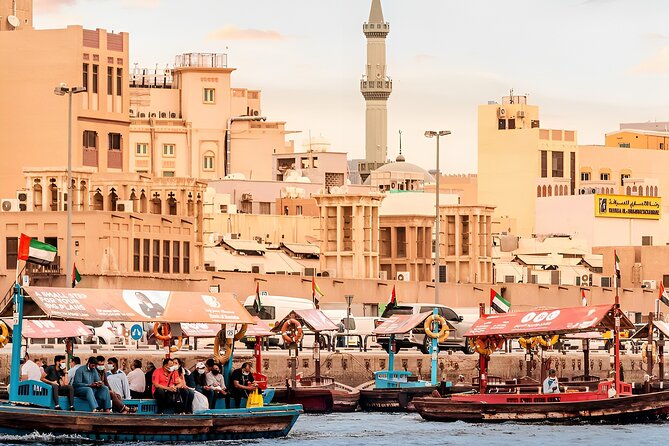
Crossing Dubai Creek by abra
At Deira Old Souk Abra Station, you take a traditional abra across the creek. The ride lasts about 10 minutes, but it gives the tour a useful change of scale.
An abra is a small traditional boat used to cross the water. The name comes from the Arabic verb abara, meaning to cross. This is not just a scenic add-on. It links the two halves of the route in the same way the creek has long linked homes, markets, and trade.
The short ride gives you a break from walking and a chance to see the waterfront from the water. It also helps explain why the creek remains central to the character of Old Dubai. You move from the quieter lanes of Al Fahidi into Deira’s market district, where the next two stops are more commercial and sensory.
Because the crossing is brief, do not expect a long cruise or a sightseeing boat trip. Its value is practical and symbolic. You are using a traditional form of transport as part of the route, not booking a separate water excursion.
The Spice Souk, with room for questions
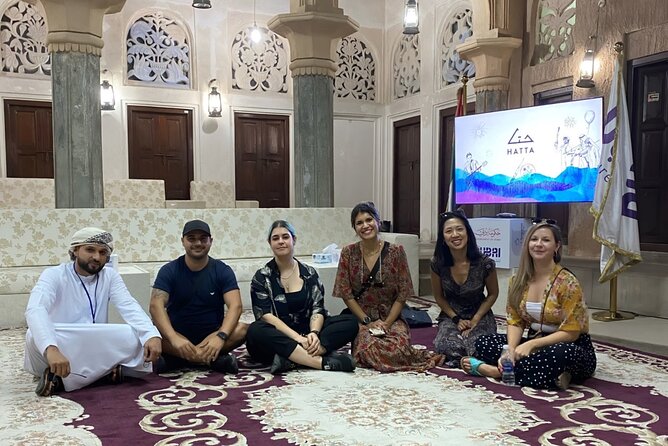
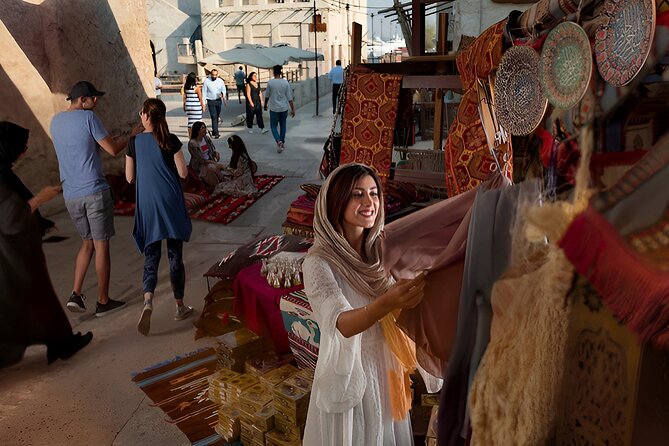
The Spice Souk is scheduled for about 50 minutes. That is enough time to walk among stalls, notice the aromas, and speak with vendors, though your exact experience will depend on the pace of the group and the conversations that develop.
Large baskets and displays of herbs, spices, and other ingredients create the visual appeal. You can ask about unfamiliar flavors, recipes, and ways to use the products. This is a good place to let Muhammad do more than point out sights. He can help explain how to approach sellers and how to judge a purchase without feeling pressured.
The souk may be particularly useful if you are interested in food but do not know where to begin. You can treat it as a market visit rather than a formal tasting. Culinary information is part of the experience, but the provided details do not promise a meal or a structured food demonstration.
The market can also test your comfort with shopping conversations. Some people enjoy bargaining and comparing products. Others prefer to look without buying. Muhammad’s assistance can make the process easier, especially if you are uncertain about negotiating a price. Keep in mind that purchases are separate from the tour price.
I would save questions for this stop. Ask what a spice is used for, how it is stored, or which local dishes commonly include it. A guided market visit becomes much more useful when you treat the stalls as a chance to learn, not only as a backdrop for photographs.
More History Tours in Dubai:
- Dubai Evening Heritage Safari by Vintage G Class Al Marmoom Oasis
★ 5.0 · 1,500 reviews - Dubai: Abu Dhabi Grand Mosque, Palace, and Heritage Village
★ 4.8 · 1,265 reviews - Dubai Camel Desert Safari, Traditional Meal & Heritage Activities
★ 5.0 · 937 reviews - Dubai: Heritage Safari in Vintage Land Rover with Dinner
★ 4.8 · 861 reviews
The Gold Souk and the final market lesson
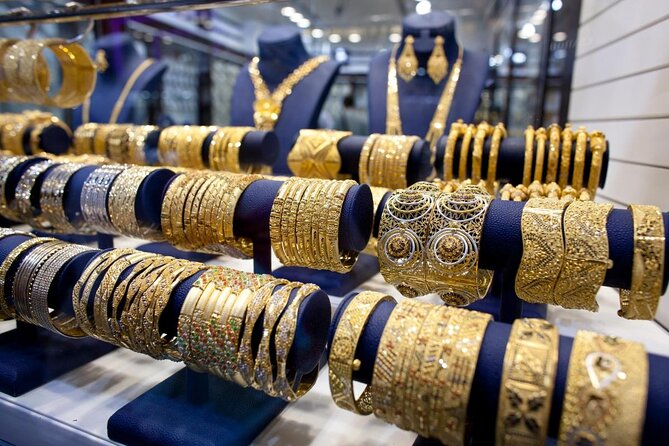
The Gold Souk is the last stop and receives about 50 minutes. It is one of Dubai’s best-known traditional markets, with covered walkways and many retailers selling jewellery made from gold, silver, diamonds, and other precious materials.
The visual impact comes from the quantity and presentation of the jewellery. Even if you have no intention of buying, the souk shows how Dubai combines old market traditions with its modern reputation as a major shopping destination.
If you do want to shop, this is where Muhammad’s guidance may be most helpful. Several people have appreciated his assistance with negotiating and with making sure the shopping experience remains comfortable. That does not mean you should assume every price is a bargain or buy simply because you have a guide beside you. Compare items, ask questions, and purchase only what you genuinely want.
The Gold Souk is also a practical endpoint. You finish in Deira, an area with public transportation nearby, rather than returning to Al Fahidi. Plan your onward route before the tour begins if you have a timed reservation elsewhere.
The market stop is less about a formal historical presentation than about seeing a major part of Dubai’s commercial culture. If your main goal is architecture, Al Fahidi will probably be your favorite section. If you enjoy shopping and market atmosphere, the final hour may be the highlight.
Muhammad’s guiding style
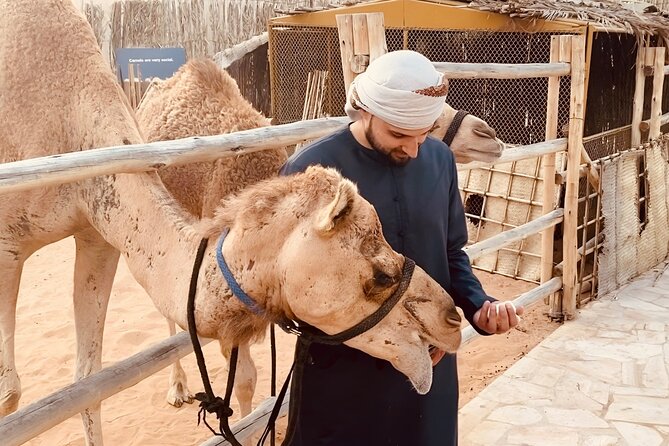
The guide can make or break a short cultural tour. Muhammad is described as friendly, attentive, and willing to tailor the experience to the group. He has also been praised for keeping children engaged, which matters if you are traveling as a family.
His role appears to extend beyond basic directions. He explains Dubai’s history, traditional homes, local rules, family customs, and the role of the ruling family. He also answers questions rather than delivering only a fixed speech. That personal exchange is especially helpful in Al Fahidi, where a building can look interesting but mean little without context.
You should also expect practical help in the souks. Muhammad can assist with vendor interactions and bargaining. That is valuable for a first visit, but remember that his support is guidance, not a guarantee of a particular price or purchase.
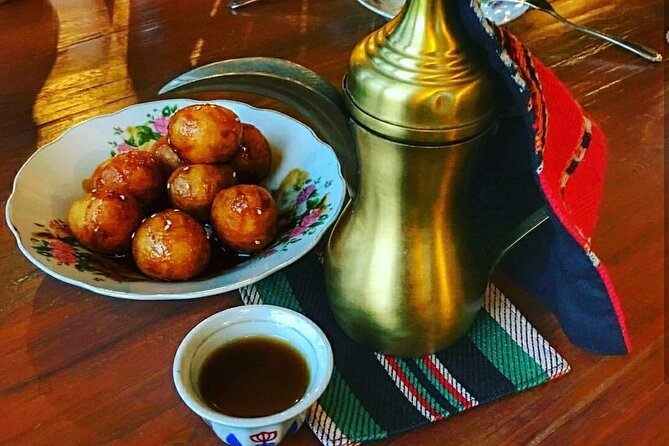
The descriptions of the experience also suggest flexibility. The tour can include cultural details beyond the four named stops, and a traditional Arabic tea with dates may be part of the hospitality during some outings. Since food and drinks are not listed as guaranteed inclusions, do not book this as a food tour.
Price, timing, and who gets the best value
The price is $33.21 per person. For three hours with a licensed local guide and a maximum of 10 participants, I consider that a fair price for an introduction to Old Dubai.
You are paying mainly for organization, interpretation, and help with the markets. The abra crossing and entry to the listed stops are included, but the experience is not built around expensive admissions, a large meal, or private transportation. If you already know Al Fahidi and feel comfortable navigating the souks alone, you may prefer to explore independently.
For a first visit, a business-trip stopover, or a short stay, the value is stronger. One person used a limited amount of free time to see the markets without having to manage the route or vendor pressure alone. That is exactly the kind of situation this tour suits.
The three-hour length also works well as a first activity in Old Dubai. You get a clear orientation, then you can return to the area later for more shopping, museums, cafés, or waterfront time. Since the tour ends at the Gold Souk, you can continue exploring Deira afterward if your schedule allows.
The experience is booked, on average, 46 days in advance. That suggests you should reserve ahead if your Dubai dates are fixed, especially if you want a small group and a particular start time.
Practical details that affect your day
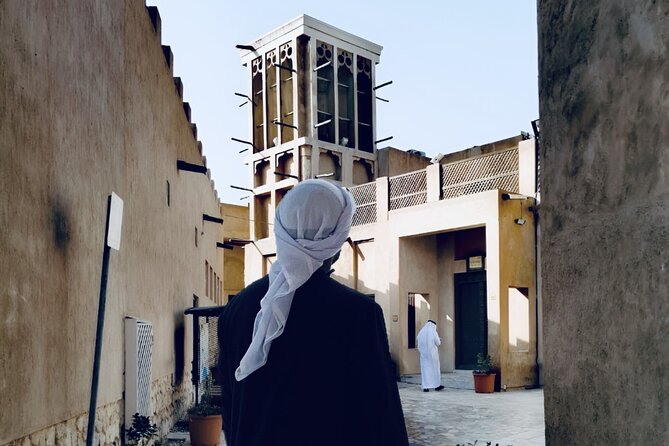
The meeting point is Al Fahidi Historical Neighbourhood in Dubai. The tour ends at Dubai Gold Souk in Deira, specifically in the Al Ras area. These are different parts of Old Dubai, so do not plan to leave a vehicle at the starting point unless you have considered how you will return to it.
A mobile ticket is provided, and confirmation is received when you book. The tour is near public transportation, which makes the start and finish more manageable.
Wear shoes suited to walking and dress respectfully for a cultural district and market setting. The information provided does not state an exact start time, meal inclusion, or hotel pickup, so check those details before paying. You should also be ready for heat, outdoor walking, and the possibility of busy market lanes.
Free cancellation is available up to 24 hours before the start time for a full refund. Cancellations or changes made within 24 hours are not refunded or accepted. The tour can also be changed or refunded if poor weather or an insufficient number of participants causes cancellation.
My verdict: book it for context, not a full-day itinerary
I would book this tour if you want a friendly introduction to Old Dubai, especially if you are new to the souks, traveling with children, or visiting during a short business trip. Muhammad’s cultural explanations and practical help with shopping add value that you may not get by wandering alone.
I would skip it if you want a long museum visit, a dedicated food tour, or a full day focused on one neighborhood. Three hours moves quickly, and the final stop is a market rather than a formal attraction.
For most first-time visitors, the route offers a smart snapshot of Dubai before the skyscrapers: traditional homes, a creek crossing, spices, gold, and the local customs that tie them together. At $33.21, it is a sensible way to get your bearings without giving up an entire day.
FAQ
How long is the Old Dubai tour?
The experience lasts approximately three hours.
Where does the tour begin?
It begins at Al Fahidi Historical Neighbourhood in Dubai.
Where does the tour end?
The tour ends at Dubai Gold Souk in the Al Ras area of Deira.
Is the abra ride included?
Yes. The 10-minute abra ride is included in the experience.
Which souks are visited?
The route includes Dubai Spice Souk and Dubai Gold Souk.
How many people can join the tour?
The tour has a maximum group size of 10 participants.
Is the tour suitable for most people?
Yes. The activity information states that most people can participate, and it is near public transportation.
Is the tour available with a mobile ticket?
Yes. A mobile ticket is provided.
What is the cancellation policy?
You can cancel up to 24 hours before the start time for a full refund. Cancellations or changes made less than 24 hours before the start time are not accepted and are not refunded.
Newest history tours we have reviewed in Dubai
- Dubai Half Day Tour: Discover Old Dubai’s Heritage & Culture★ 4.5 · 97 reviews
- Dubai: Dubai Frame Where Heritage Meets Modernity★ 4.0 · 25 reviews
- Hatta Mountain Tour, Hatta Dam, Heritage Village, Honeybee Garden★ 5.0 · 23 reviews
- 57 Heritage Safari with Dune Buggy★ 5.0 · 29 reviews
- Historic Old Dubai & Souk Small Group Walking Tour★ 5.0 · 156 reviews
- Private Historic Old Dubai and Souks Walking Tour featuring Hidden Gems★ 5.0 · 27 reviews
- Private Full Day Hatta Visit Dam Heritage Village Lake★ 5.0 · 28 reviews
- Private Full Day Old Heritage & Modern Dubai City Tour with Lunch★ 5.0 · 30 reviews
Old Town & Historic Centre Walks, compared.
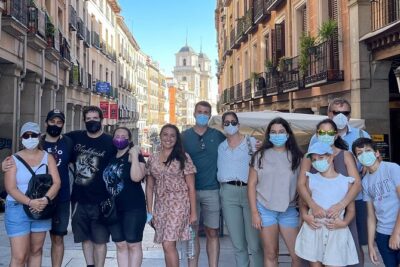
Madrid Essential: Historic Center, Plaza Mayor & Royal Palace
Read our review →
Live Fado Show with Port Wine in Historic Center
Read our review →
Valencia Old Town Tour with Wine & Tapas in 11th Century Historic Monument
Read our review →
Prague Old Town, Medieval Underground and Dungeon Historical Tour
Read our review →
Cartagena: Historic Center and Getsemaní Shared Walking Tour
Read our review →
Old Town Walking Tour History and Tales in Edinburgh
Read our review →
Philadelphia Old City Historic Walking Tour with 10+ Top Sites
Read our review →Browse the lists this tour appears in