
Review · ATHENS HISTORY TOURS
Biblical Tour Letters to The Corinthians – St Paul’s Footsteps
Paul’s story becomes far more tangible when you move from Mars Hill in Athens to the places where he preached, worked, faced Roman officials, and sailed onward. This private day reaches Corinth’s temples, ports, athletic grounds, and the Bema, then adds the Corinth Canal and Akrokorinthos for a wider view of the region.
I like the freedom to shape the day around your interests, and I like the strong local knowledge offered by drivers such as Alex, Kostas, Spyros, Constantine, and Pericles. The private car also makes this a good choice for a family or small group of up to four. The main catch is that the driver is not a licensed guide and does not enter the archaeological sites with you.
Key points to know
- Paul’s Corinth comes alive at the Bema: Visit the platform linked with Paul’s hearing before the Roman proconsul Gallio.
- A private day for up to four: The $386.18 group price can be good value when shared by four people.
- Mars Hill and Corinth in one outing: The route connects Paul’s Athenian sermon with his long ministry in Corinth.
- Bring extra time for the sites: The schedule is full, and some stops receive only 20 or 30 minutes.
- A guide is optional, not included: Your driver can explain the region in English, but a licensed guide must be arranged separately.
- The best moments are often outside the main ruins: Kechries, the Diolkos, the canal, and Akrokorinthos add useful context.
From Mars Hill to Paul’s Corinth
This tour works best when you see it as a story in two chapters. The first begins in Athens, where Paul addressed the Athenians at Areopagus Hill, also called Mars Hill. The second follows the road west toward Corinth, where he spent about 18 months around AD 51 to 52.
At Mars Hill, you have about 20 minutes. That is enough to pause, look across the Acropolis area, and consider Paul speaking about the Unknown God before an Athenian council. The rock is exposed and the visit is brief, so wear shoes with a secure grip and do not expect a long guided session on the spot.
The route then leaves Athens for the Corinth region. The drive connects the ancient world to modern Greece, with the Corinth Canal providing the clearest visual reminder of why this narrow isthmus mattered. Paul was not traveling through a minor backwater. Corinth controlled movement between mainland Greece and the Peloponnese and linked major sea routes.
More History Tours in Athens:
- Athens: Ancient Greek Theater Performance
★ 4.7 · 2,481 reviews - Historical Delphi One Day Tour with Arachova Stop & Expert Guide
★ 4.5 · 1,247 reviews - From Athens: Ancient Corinth Day Trip with Canal & VR Guide
★ 4.6 · 1,073 reviews
The Corinth Canal and the older Diolkos
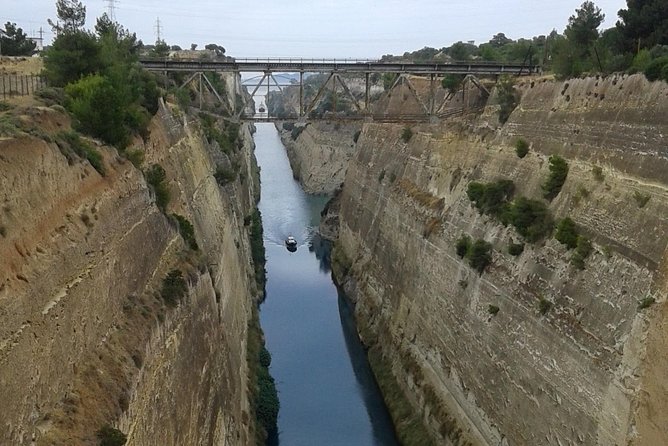
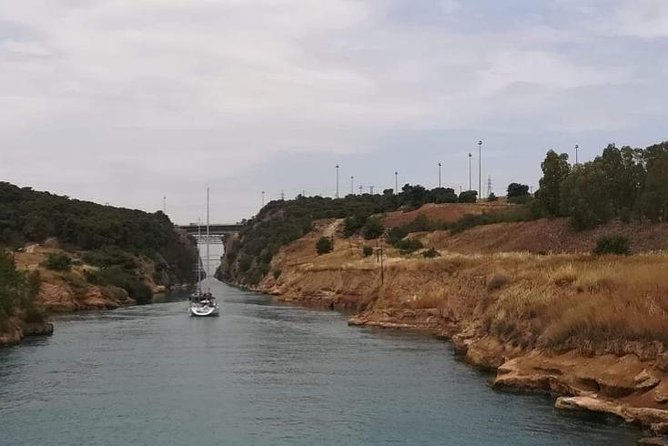
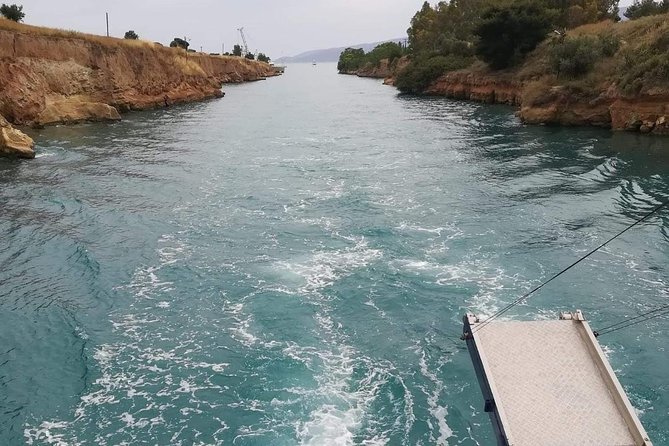
The Corinth Canal receives about 30 minutes. It is a modern engineering project, completed in the 19th century, but the idea of cutting across the isthmus goes back more than 2,000 years. Before the canal, ships sailing around the Peloponnese had to cover roughly 185 extra nautical miles.
I like this stop because it gives you a quick, physical explanation of Corinth’s power. The canal is not an ancient monument from Paul’s day, but it helps you understand why Corinth became such a useful place for trade, movement, and communication.
The Diolkos offers the older version of the same idea. For about 20 minutes, you see the ancient route used to move ships across the isthmus between the Aegean and Ionian Seas. It helps you picture the working world Paul encountered: sailors, merchants, cargo, and people constantly crossing paths.
This is a short stop, so keep your expectations sensible. You are seeing a tangible remnant and hearing the story, not spending hours at a large archaeological park.
Isthmia, the games, and Paul’s working life
Isthmia gives the tour a useful social setting. The site was linked to the Isthmian Games, one of the major athletic contests of the ancient Greek world. The games honored Poseidon and drew athletes and spectators from across Greece.
The tour connects Paul with this area through his work as a tentmaker. That connection is especially useful because it places him among ordinary working people, athletes, and visitors rather than treating him only as a figure moving from sermon to sermon. The tentmaking detail also helps explain how Paul supported himself while building relationships in new communities.
You have about an hour at Isthmia, followed by roughly 30 minutes at the archaeological museum. The museum contains objects from the sanctuary of Poseidon, along with statues, offerings, burial finds, and glass panels from Kenchreai. Those glass panels are a particular highlight because they connect the museum to the port from which Paul departed for Syria.
The museum admission is not included. The stated charge is €15 per person for Ancient Corinth and the archaeological museum admission listed with the tour, so confirm the current ticket arrangement when booking. The itinerary also includes a separate archaeological site visit at Isthmia, and admission fees for the named sites are not part of the base price.
Ancient Corinth and the Bema
Ancient Corinth is the heart of the day. Give this site your full attention. You have about an hour scheduled here, though the exact pace can change if your driver adjusts the route or you arrange a guide.
Corinth was a major commercial and cultural center. Paul lived and preached here for around 18 months, and the two letters to the Corinthians address the problems of a young Christian community operating inside a wealthy, mixed, and strongly pagan city.
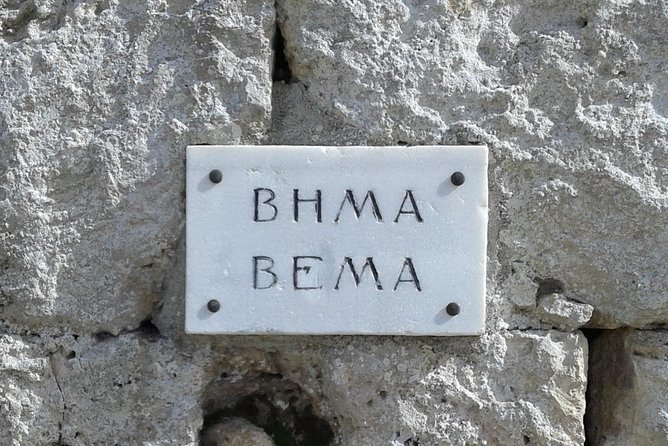
The Bema is the emotional center for many people. This stone platform in the Roman Forum is linked with the hearing before Gallio, the Roman proconsul. The Book of Acts describes Paul being brought before Gallio over accusations about his teaching. Gallio treated the case as a religious dispute and refused to intervene.
You are not simply looking at another pile of ancient stones. At the Bema, the biblical account and the surviving Roman setting meet in a very direct way. Still, the driver cannot enter the site with you unless a licensed guide has been arranged, so read the signs, use any site information available, and consider paying for the optional guide if you want close interpretation.
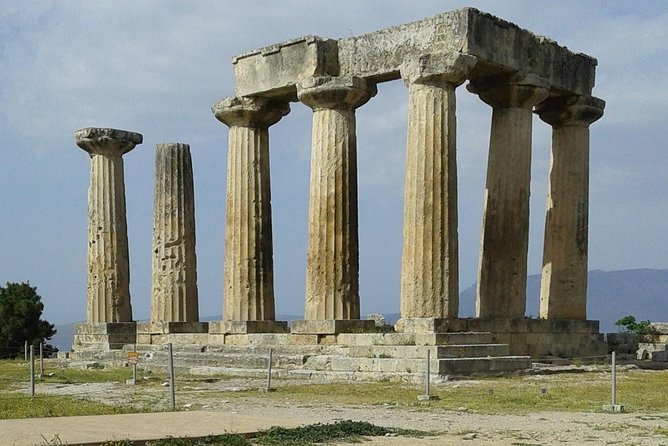
The Temple of Apollo receives another 30 minutes. Its surviving limestone columns date to around 560 BC and offer a strong visual reminder of the city Paul entered. Apollo’s temple belonged to a religious world filled with many gods, shrines, and public rituals. That backdrop makes Paul’s message about one God and Jesus Christ easier to understand.
Same streets, a different century:
- Historic Athens: Small Group Electric Bike Tour
★ 4.9 · 966 reviews - Acropolis, Parthenon & Athens Old City Heritage Walking Tour
★ 4.5 · 876 reviews - Private Biblical Tour Ancient Corinth & Isthmus Canal from Athens
★ 5.0 · 762 reviews - Athens: Ancient Corinth & Nafplio Full Day Trip with Swim
★ 4.8 · 531 reviews
The Isthmia ruins beyond the museum
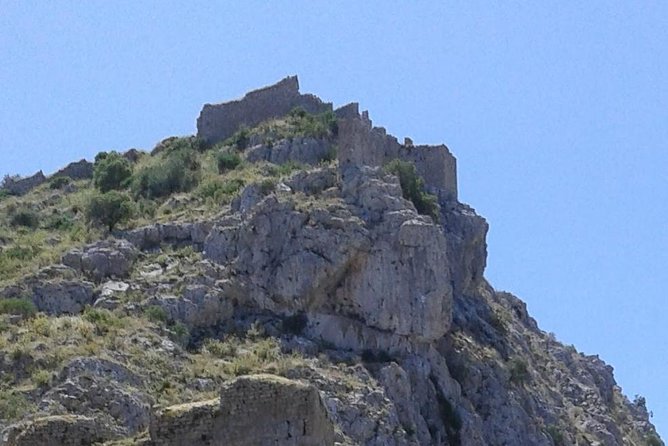
The archaeological site at Isthmia adds several layers to the earlier museum visit. You see the remains connected with the Temple of Poseidon, the stadium used for the Isthmian Games, and the Sanctuary of Palaimon, associated with the protection of sailors.
The athletic imagery matters here. Paul’s letters use images of running, discipline, training, and competition. The tour presents Isthmia as a place where Paul may have seen the games and worked for visiting athletes. That is an interesting setting for understanding his language, though you should separate the firmly recorded parts of Paul’s life from the more interpretive links made between him and the games.
The ancient theater, used for musical events connected with the games, adds another stop. Roman mosaics with sea creatures and Dionysian scenes show the cultural world around Paul. You may also hear about Isthmia as a meeting place for political and military decisions, which helps explain why the location mattered beyond sport and religion.
The schedule gives 40 minutes for the main archaeological site, with additional entries for the theater and political setting. Since the itinerary is dense, ask your driver at the start how these sections will be handled. If you prefer slow looking and careful photographs, you may need to drop a minor stop.
Kechries, Phoebe, and the road by sea
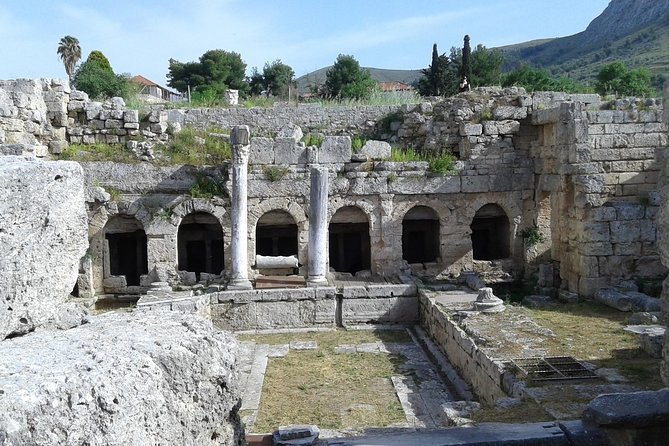
Kechries, ancient Cenchreae, is one of the most personal stops. This was Corinth’s eastern port, and Acts places Paul here during his second missionary journey. Before sailing for Syria with Priscilla and Aquila, he cut his hair to fulfill a vow.
The site also connects with Phoebe, whom Paul commends in his letter to the Romans. She belonged to the Christian community at Cenchreae and held an important service role. That detail gives the tour a welcome reminder that the early Christian movement included women with recognized responsibilities.
Kechries is scheduled for about 30 minutes and is described as a quieter coastal location. I would not expect a large, fully preserved port city. Its value is the setting: this is where Paul’s work in Corinth connects with travel, departure, and the spread of the message beyond Greece.
A church and a final view from Akrokorinthos
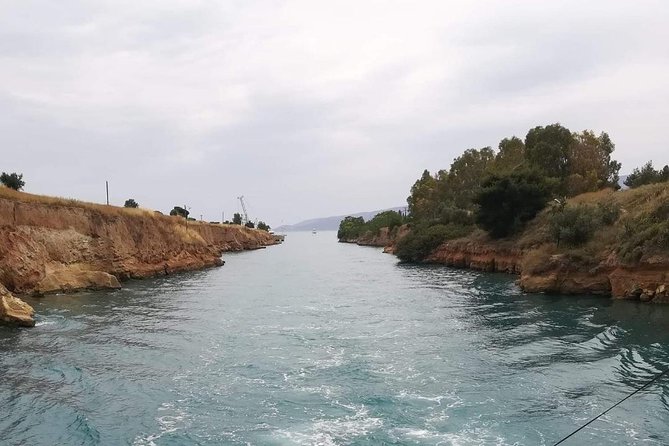
Apostolou Pavlou Church provides a short modern Christian pause. The visit lasts about 20 minutes and honors Paul’s time in Corinth. It is not an ancient ruin, but it gives the day a living religious connection after so many pagan temples and Roman remains.
Akrokorinthos closes the route with a 40-minute visit. The fortress rises above Ancient Corinth and offers wide views over the city and surrounding area. The tour frames it as a place where Paul could have looked down toward Corinth while reflecting on his work.
The fortress is also the stop most likely to test your energy. You are visiting a high, fortified site, so ask about the walking conditions before setting off. The supplied information does not specify accessibility details or the exact amount of uphill walking, so anyone with mobility concerns should confirm this in advance.
What the private format really gives you
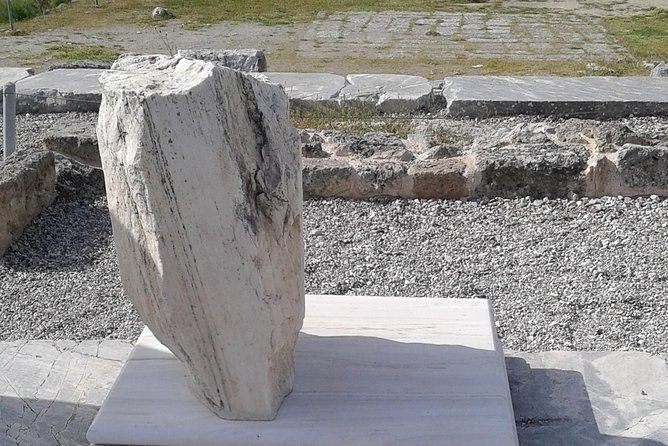
The group limit is four people, and the price is $386.18 per group. Split four ways, that is about $96.55 each before lunch, entrance fees, or a separate licensed guide. For a private full-day vehicle with pickup, air conditioning, bottled water, WiFi, and a route reaching several Corinth sites, that can be fair value.
The price makes less sense for one person or a couple unless privacy and flexibility matter more than saving money. A shared excursion may cost less, but it will not give you the same control over stops, pace, or conversation.
Flexibility is not just a sales point here. One group had already visited the Parthenon and Mars Hill, so the driver skipped that section and used the time elsewhere in Corinth. If you have already seen Athens, tell the company before departure so the day can focus on the sites you still need.
The drivers are described as professional, English-speaking, and well informed about local history. Names associated with especially strong service include Alex, Michael, Pantelis, Kostas, Spyros, Constantine, Pericles, and Vicky. Some arrangements include both a driver and a licensed guide, while the standard setup provides a driver who can give commentary but cannot guide inside the sites.
That distinction matters. If biblical interpretation is central to your trip, arrange the licensed guide in advance and confirm availability. If you mainly want transport, orientation, and a flexible route, the driver-only format may be enough.
Lunch, timing, and practical planning
Lunch is not included, but the route allows about an hour for a traditional seaside Greek taverna in Corinth. That is a sensible break after the morning drive and archaeological visits. You pay for the meal yourself, and the final restaurant choice may depend on the day’s timing.
The advertised duration is about eight hours. The route contains many stops, and some receive only 20 or 30 minutes. You can see a lot, but you cannot study every site slowly. One reported experience finished in about six hours and felt rushed, while other arrangements allowed a slower pace. Set your preference clearly at pickup.
Tell the driver what matters most:
- Biblical locations and Paul’s movements
- Ancient Greek temples and athletics
- Museums and artifacts
- Coastal stops and photography
- A slower visit at Ancient Corinth
- Extra time for Akrokorinthos
The vehicle is private, air-conditioned, and described as luxurious, with several vehicle types available. Confirm the exact vehicle when booking, especially if comfort is important to you. One booking involved a private sedan, which was supplied as requested, but a sedan will not feel like a van for a longer day.
Pickup is offered from your place in Athens. Free cancellation is available until 24 hours before the start time. Changes or cancellations inside that window are not accepted for a refund.
Who should book this St. Paul tour?
I would choose this outing if you want Christian history tied to actual places rather than a general Athens sightseeing day. It is especially suited to a small family, church group, or group of friends who can share the private price and agree on the pace.
You will get the most from it if you already know the basic story of Acts and the Corinthians, or if you arrange a licensed guide who can explain the setting as you walk. The day also works for history lovers who are interested in Roman Corinth, ancient shipping, Greek athletics, and religious change.
I would think twice if you dislike long road days, want every stop fully guided, or prefer to linger at one major archaeological site. The itinerary is ambitious, and the driver does not accompany you inside the ruins. A separate guide adds cost but can make the Bema, museum, and temples far more meaningful.
Should you book it?
Book this tour if you want a private, flexible route from Athens to Corinth and your group values Paul’s story above a slow, single-site visit. The strongest parts are the Bema, Ancient Corinth, Kechries, Mars Hill, and the way the canal and Diolkos explain Corinth’s strategic location.
Before paying, confirm the vehicle, decide if you want a licensed guide, ask how much time will be reserved for each site, and check the current entrance charges. With those details settled, this is a practical way to connect the New Testament with the roads, ports, temples, and public places where Paul’s ministry unfolded.
FAQ
How long does the tour take?
The tour lasts approximately eight hours, although the exact duration can vary depending on the pace and the route you choose.
How many people can join the private tour?
The private tour is priced for a group of up to four people.
Is a licensed tour guide included?
No. The standard service includes a professional driver with historical knowledge. The driver speaks English and can answer questions but is not licensed to accompany you inside the archaeological sites. A licensed guide can be requested separately, subject to availability.
What is included in the price?
The tour includes pickup, private transportation, an air-conditioned vehicle, bottled water, WiFi on board, and the services of the professional driver.
Are lunch and entrance fees included?
No. Lunch is not included. Entrance charges are also separate. The stated admission charge for Ancient Corinth and the archaeological museum is €15 per person and can be paid on site.
Can I cancel for a full refund?
Yes. You can cancel at least 24 hours before the experience start time for a full refund. Cancellations or changes made less than 24 hours before the start time are not accepted for a refund.
Newest history tours we have reviewed in Athens
- The original Christian tour on Paul’s footsteps in Athens and ancient Corinth★ 4.5 · 25 reviews
- Ancient Sparta & Mystras Private Day Tour from Athens★ 5.0 · 52 reviews
- Athens: Combo Ticket for Acropolis & 6 ancient sites★ 3.0 · 21 reviews
- Small-Group Women History in Ancient Greece Walking Tour★ 5.0 · 38 reviews
- Ancient Corinth, Sanctuary of Hera, Blue Lake & Canal from Athens★ 5.0 · 26 reviews
- Half Day Historical Athens City Private Taxi Service Tour★ 5.0 · 79 reviews
- Private Luxury Tour: Marathon – Battle & Run That Changed History★ 5.0 · 30 reviews
- Ancient Olympia & Ancient Corinth Private LuxuryTour from Athens★ 5.0 · 25 reviews
Athens History Tours, compared.

Historical Delphi One Day Tour with Arachova Stop & Expert Guide
Read our review →
Ancient Corinth Day Trip with Canal & VR Guide
Read our review →
Historic Athens: Small Group Electric Bike Tour
Read our review →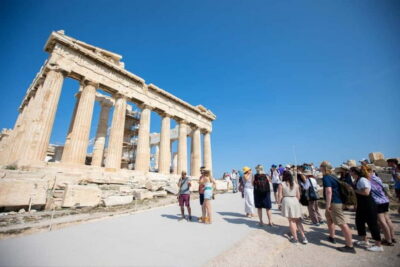
Acropolis, Parthenon & Athens Old City Heritage Walking Tour
Read our review →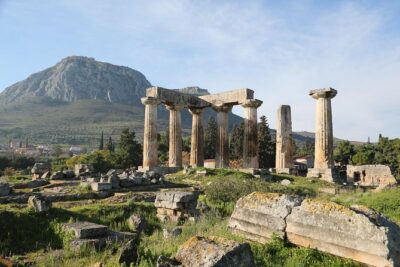
Private Biblical Tour Ancient Corinth & Isthmus Canal from Athens
Read our review →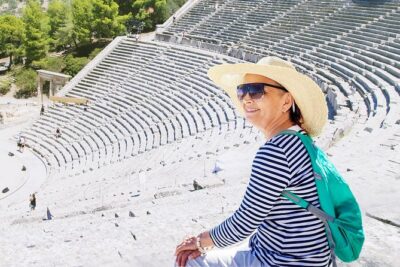
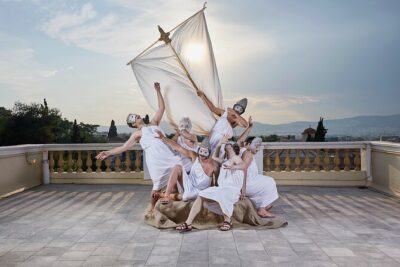
Athens Skip the Line: Open Air Ancient Greek Theatre Performance
Read our review →Browse the lists this tour appears in